Mon - Sat | 09:00 - 19:00


Find

Contact us

Odesa
Hrushevskoho str., 41
 Мережа СТО в місті
Місто
 +38 (096) 299 29 97
Odesa
Hrushevskoho str., 41
 Мережа СТО в місті
Місто
+38 (096) 299 29 97

 Години роботи
Mon - Sat
09:00 - 19:00
How to Read US Car Auction Photos and See More Than the Camera Shows
To correctly read US car auction photos, it is important to treat them as a source of information about the lot, not as a finished technical assessment. Photos from Copart and IAAI are often the main reference point before placing a bid. They can show the nature of the impact, the condition of the body, the position of the wheels and glass, and part of the interior. At the same time, the camera only captures what falls within the frame.
The complete picture comes from the combination of photos, the lot description, marked damage, and available VIN data. What matters is not only what is shown, but also which angles are missing.
An Auction Photo Does Not Replace a Technical Inspection

Copart and IAAI auction platforms photograph vehicles to present the lot before sale. Such a series of photos is not a diagnostic inspection. It will not show the body geometry with sufficient accuracy, the condition of the suspension, hidden leaks, or the operation of electronic systems.
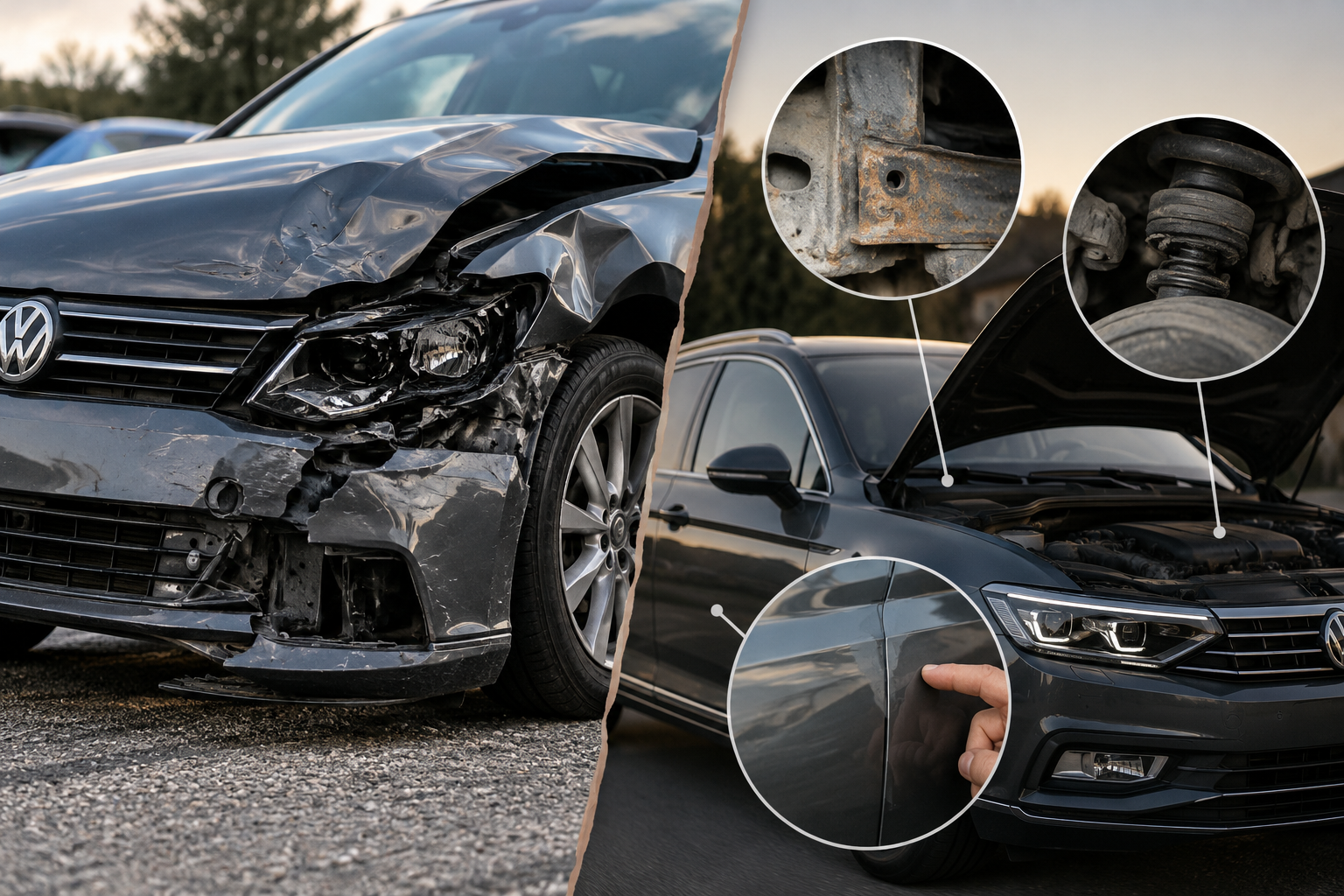
It is better to assess the consequences of an impact based on a combination of signs. A dented hood by itself says little, but a displaced headlight, uneven panel gaps, a deformed fender, and a wheel positioned at an unusual angle already provide an idea of the direction and force of the impact.
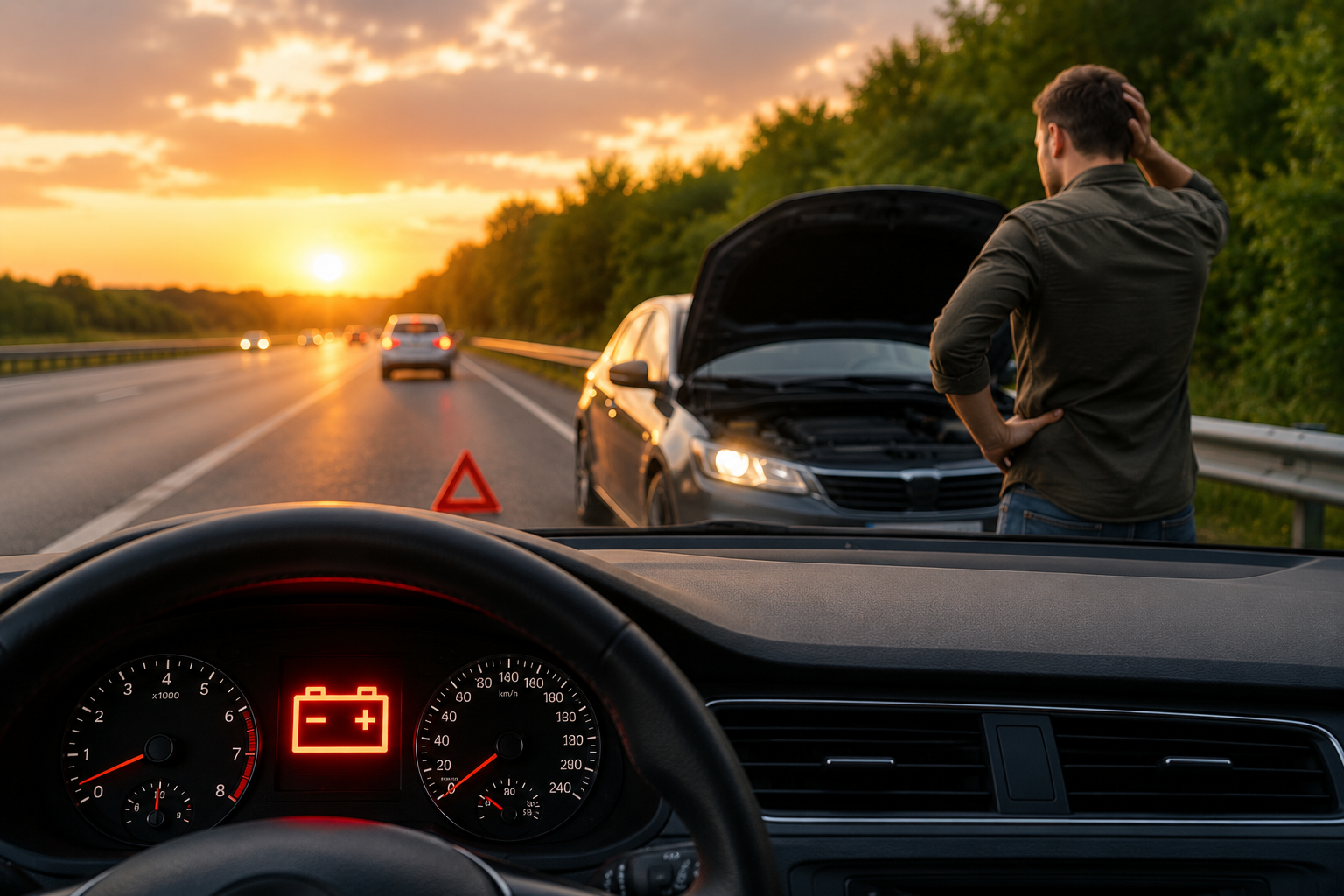
There is another important point: the photos do not explain how the vehicle was moved after the accident. The car could have been driven under its own power, towed, or loaded onto a recovery truck. This should be taken into account when assessing possible damage to the suspension and structural components.
A Missing Angle Also Matters
What to look for in Copart and IAAI photos depends primarily on the location of the impact. For damage to the front end, useful shots include both sides, the engine bay, the wheels, and the lower part of the bumper. In a side collision, the door openings, sills, pillars, and interior provide more information.
The absence of a single photo does not by itself indicate intentional concealment. A different situation arises when the lot description mentions serious damage, but the corresponding area is barely shown in the photos. For example, after a severe front-end impact, the absence of a proper image of the engine bay makes it impossible to assess the radiators, auxiliary components, and some structural elements.
There is no single specific reason why interior photos may be missing from an auction listing. It may be related to a limited set of images, the condition of the vehicle after the accident, the specifics of the particular lot, or lack of access to the interior. When the engine bay, trunk, or impact area are also not shown, more remains unknown.
Before placing a bid, it is useful to separately note the areas that are not shown in the photos:
- engine bay;
- interior and instrument panel;
- opposite side of the body;
- underbody and lower parts of the components.
Run and Drive Does Not Mean the Vehicle Is Fully Functional
The Run and Drive designation can easily be interpreted as confirmation that the vehicle is in good working condition. In reality, it records the result of a check performed by the auction, not the vehicle’s complete technical condition. This status does not replace an inspection of the engine, transmission, suspension, or electronics.
The Primary Damage and Secondary Damage designations are equally important. The first identifies the main reported damage, while the second indicates additional damage. For example, for one lot, the primary damage may be front-end impact, while the secondary damage may affect the side of the vehicle.
These designations should be read together with the photos. When the reported cause of damage does not correspond to what can be seen on other parts of the body, the extent of the consequences should be assessed more carefully. The words Primary or Secondary themselves do not indicate how complicated the future repair will be.
How to Compare the Photos with the Description and VIN
An individual photo can easily be misinterpreted. First, determine the direction of the impact, then assess where the force could have been transferred. After that, compare the photos with the lot description and its designations.
A VIN report complements the visual information. Depending on the source, it may contain data about previous records, mileage, specifications, and damage history. When the VIN information contradicts the photos, such a discrepancy should not be ignored.
When analyzing a lot, it is useful to compare:
- Primary and Secondary Damage with the actual damaged area;
- odometer readings with the available history;
- the condition of the body across different photos;
- the VIN report with the vehicle’s equipment and previous events.
This can help identify inconsistencies before making a decision about a bid.
Some Damage Remains Outside the Frame
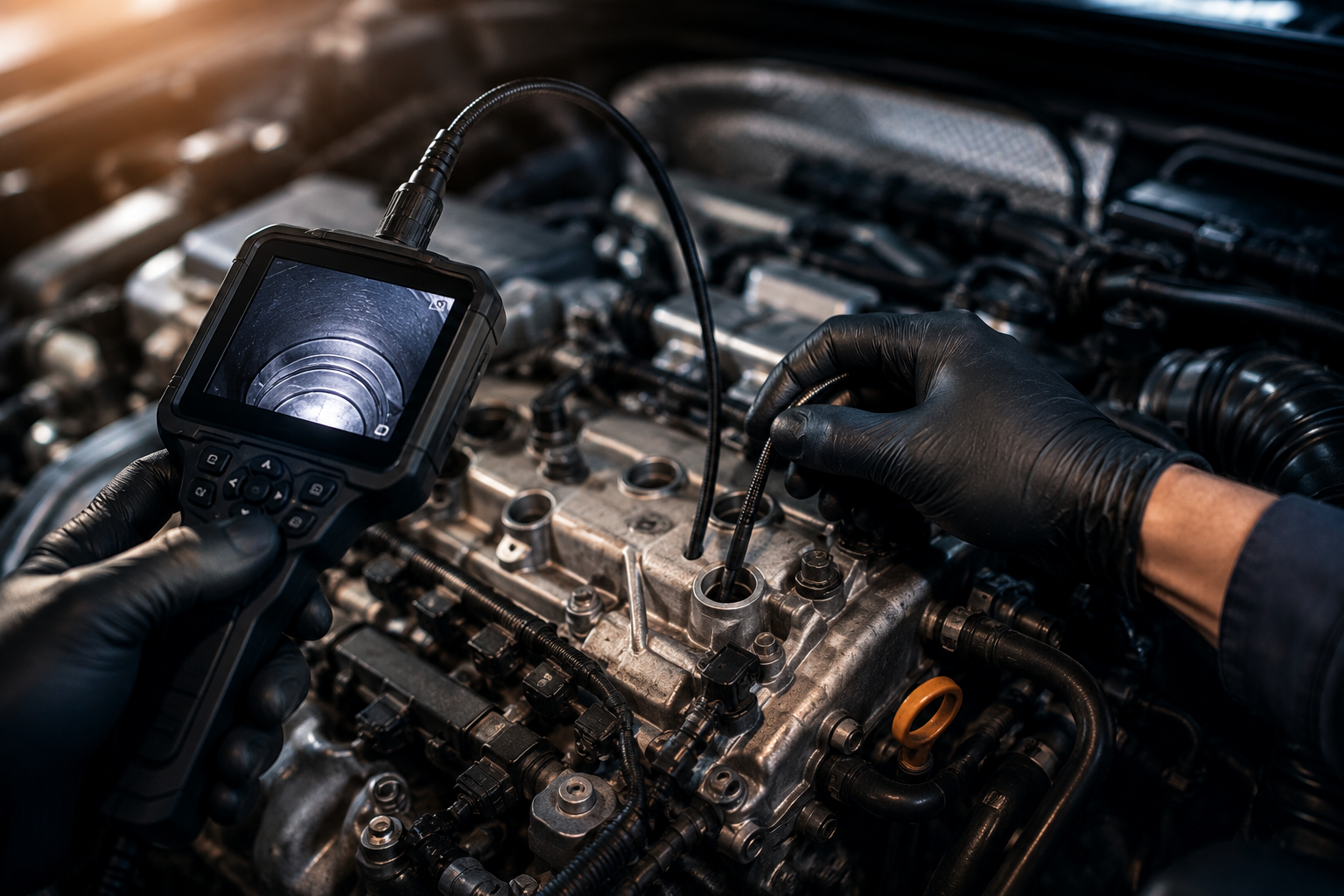
Even in high-quality photos of cars from the US, some defects may remain hidden. They can be located behind the bumper, beneath the floor, near mounting points, frame rails, or other components that obstruct the view. A camera shows the surface, but it does not determine body geometry or check whether mechanical components are functioning properly.
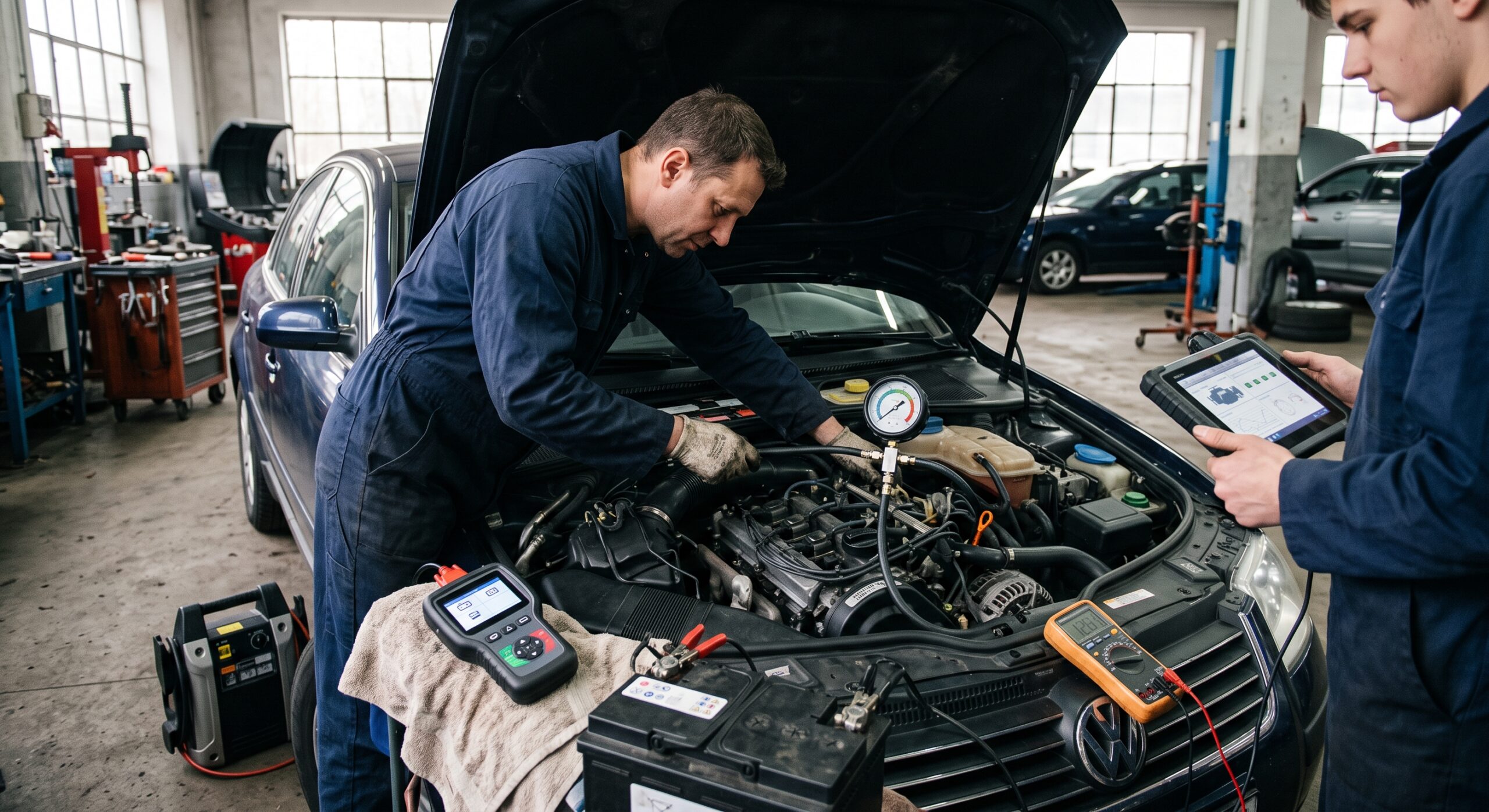
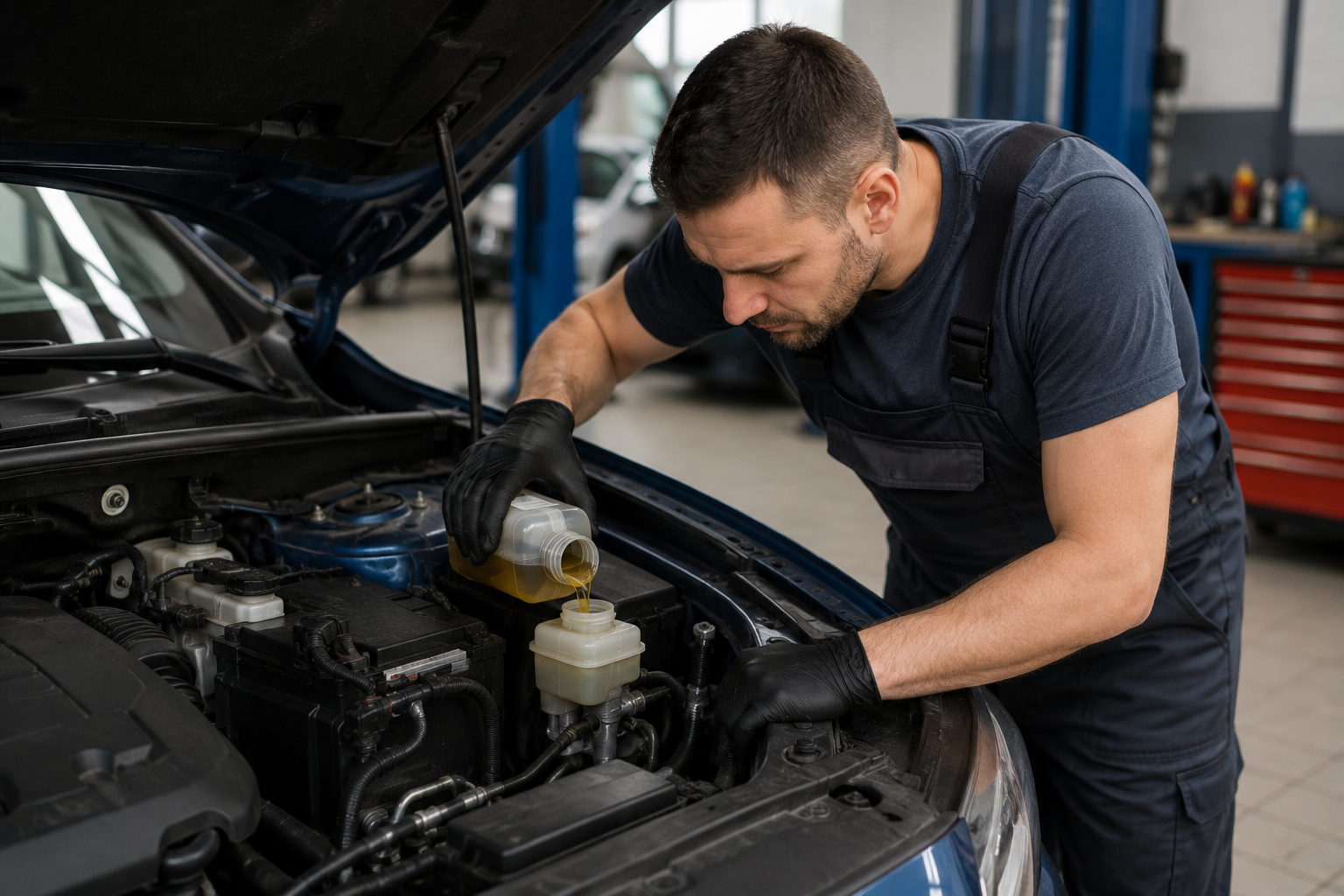
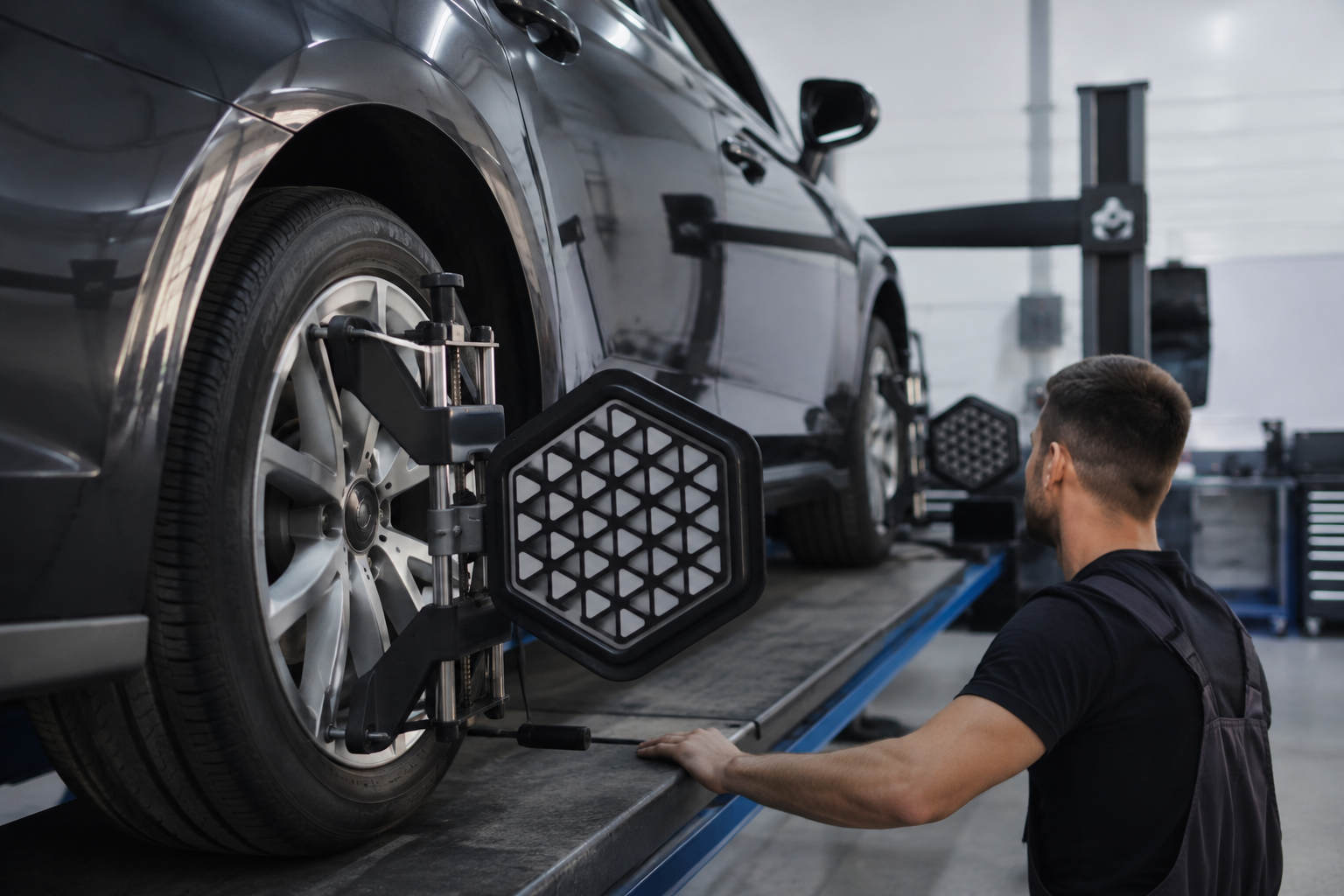
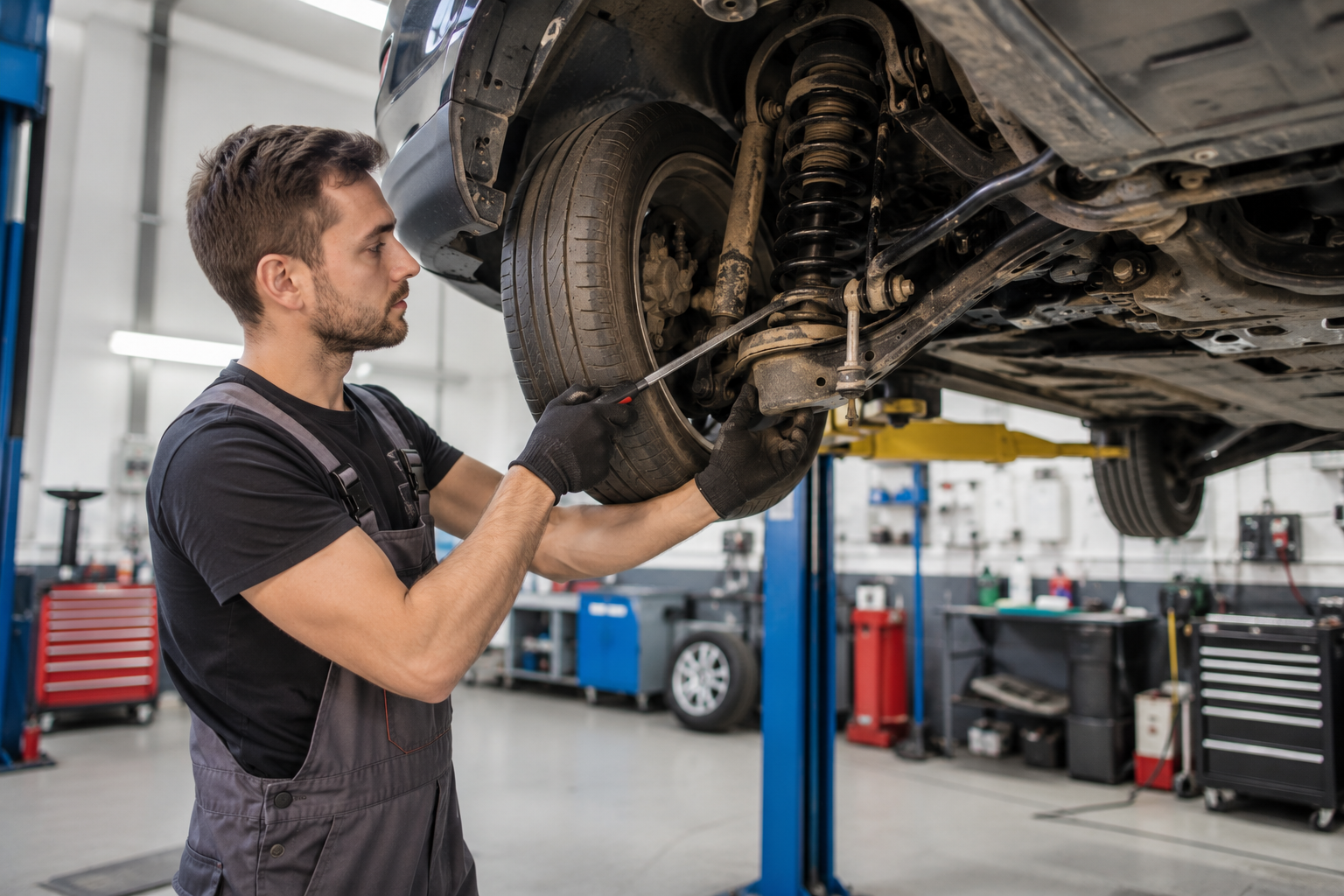
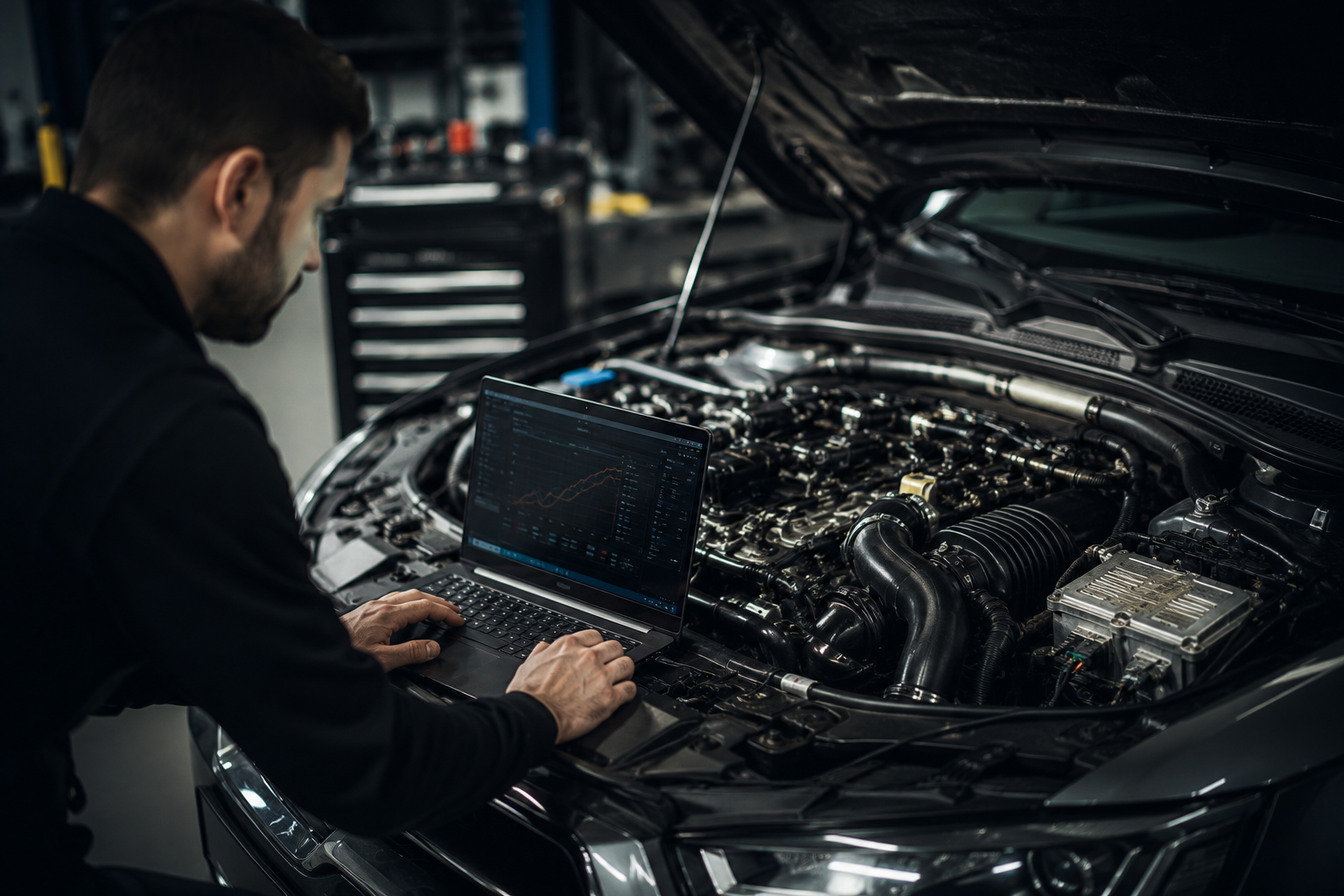
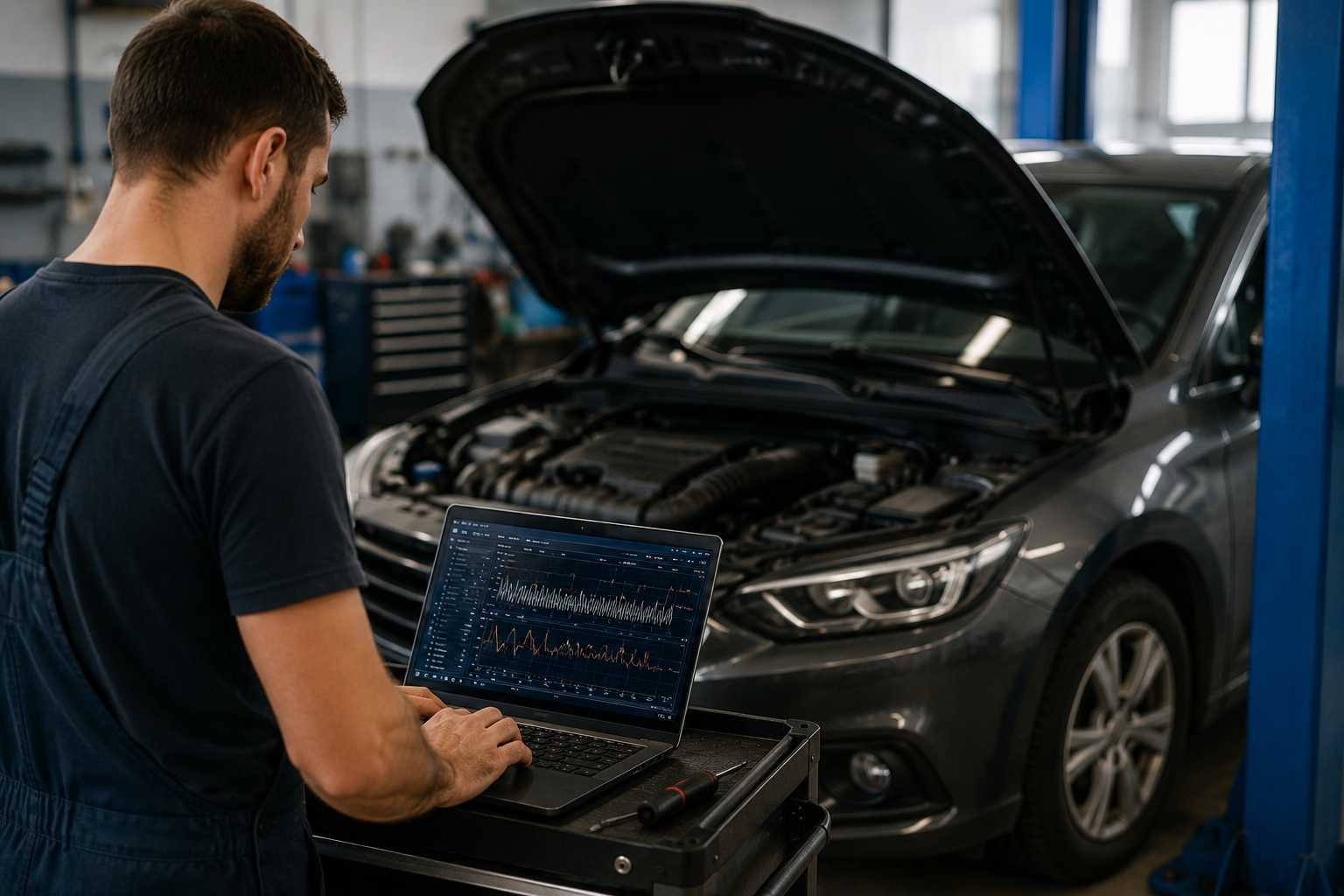
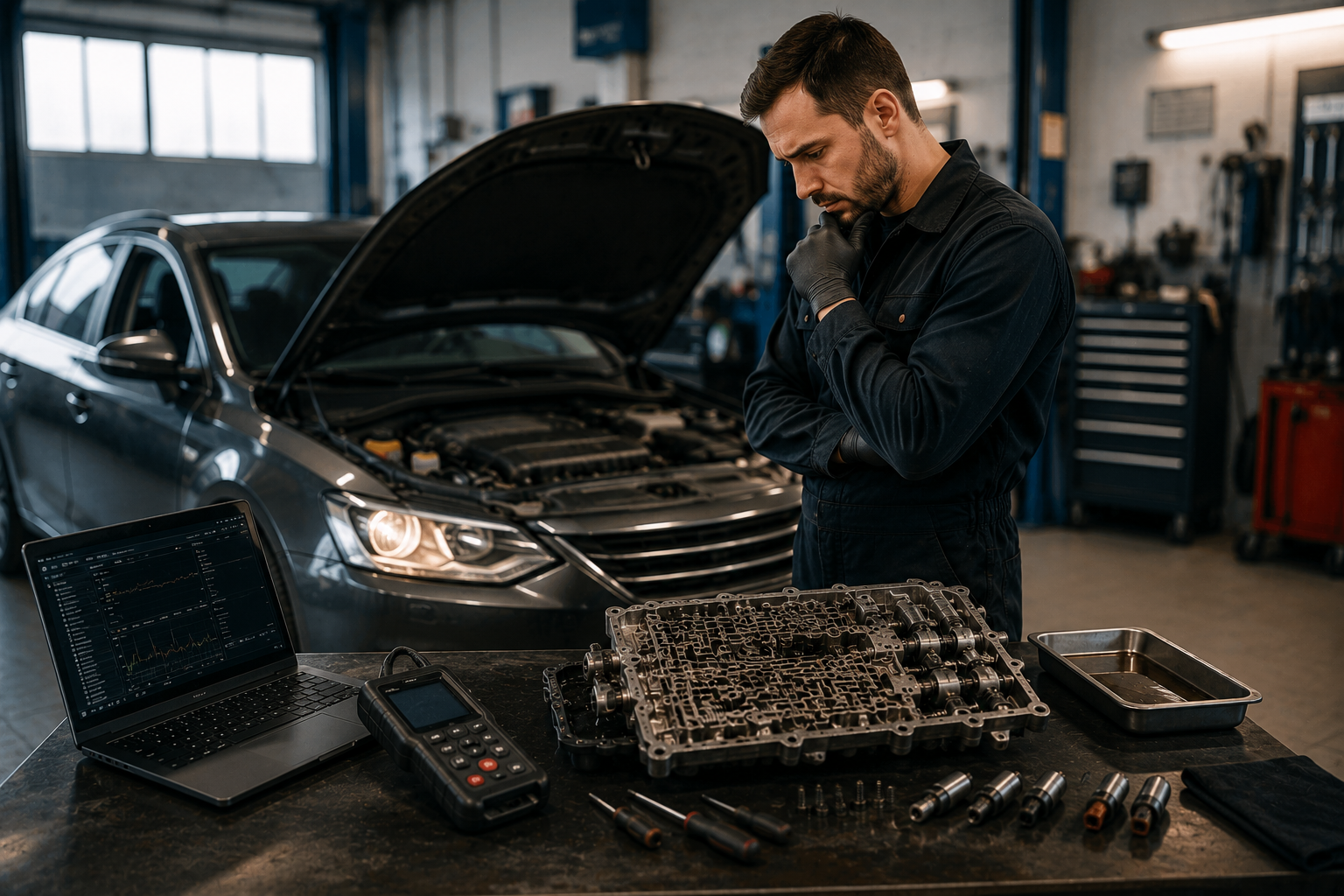
Once the vehicle arrives, a physical inspection provides significantly more information. It is possible to assess panel gaps, structural components, suspension, underbody, fluids, wiring, and signs of previous repairs. Diagnostic equipment complements the inspection with information about fault codes and the condition of electronic systems.
Auction photos provide an initial idea of the condition of the lot. They help determine the nature of the accident, compare the reported and visible damage, and identify inconsistencies. However, the vehicle’s final condition is established during a physical inspection after it arrives. Only then is it possible to see what remained outside the camera’s field of view.
Top popular news
- After the frost, one of the electrical functions stopped working: where to look for the reason
- Why can a car lose power in the heat, even though everything was fine in the winter?
- Exhaust has become more noticeable than before: what the color of the smoke can tell about the engine
- Skoda Octavia with high mileage: what malfunctions should not be attributed to age
- Why can some electronic functions of a car “freeze” after a long period of parking?
- Buying a VAG after an accident: what problems may appear after a few months of operation
- What happens to a car when you put off minor repairs for years?
- Fuel consumption has increased for no apparent reason: what malfunctions can be hidden behind the extra liters

Subscribe to our newsletter!
To stay updated with the latest news

Book a service