Mon - Sat | 09:00 - 19:00


Find

Contact us

Odesa
Hrushevskoho str., 41
 Мережа СТО в місті
Місто
 +38 (096) 299 29 97
Odesa
Hrushevskoho str., 41
 Мережа СТО в місті
Місто
+38 (096) 299 29 97

 Години роботи
 Mon - Sat
09:00 - 19:00
Automatic Transmission Valve Body Repair: Symptoms, Causes, and Troubleshooting Methods
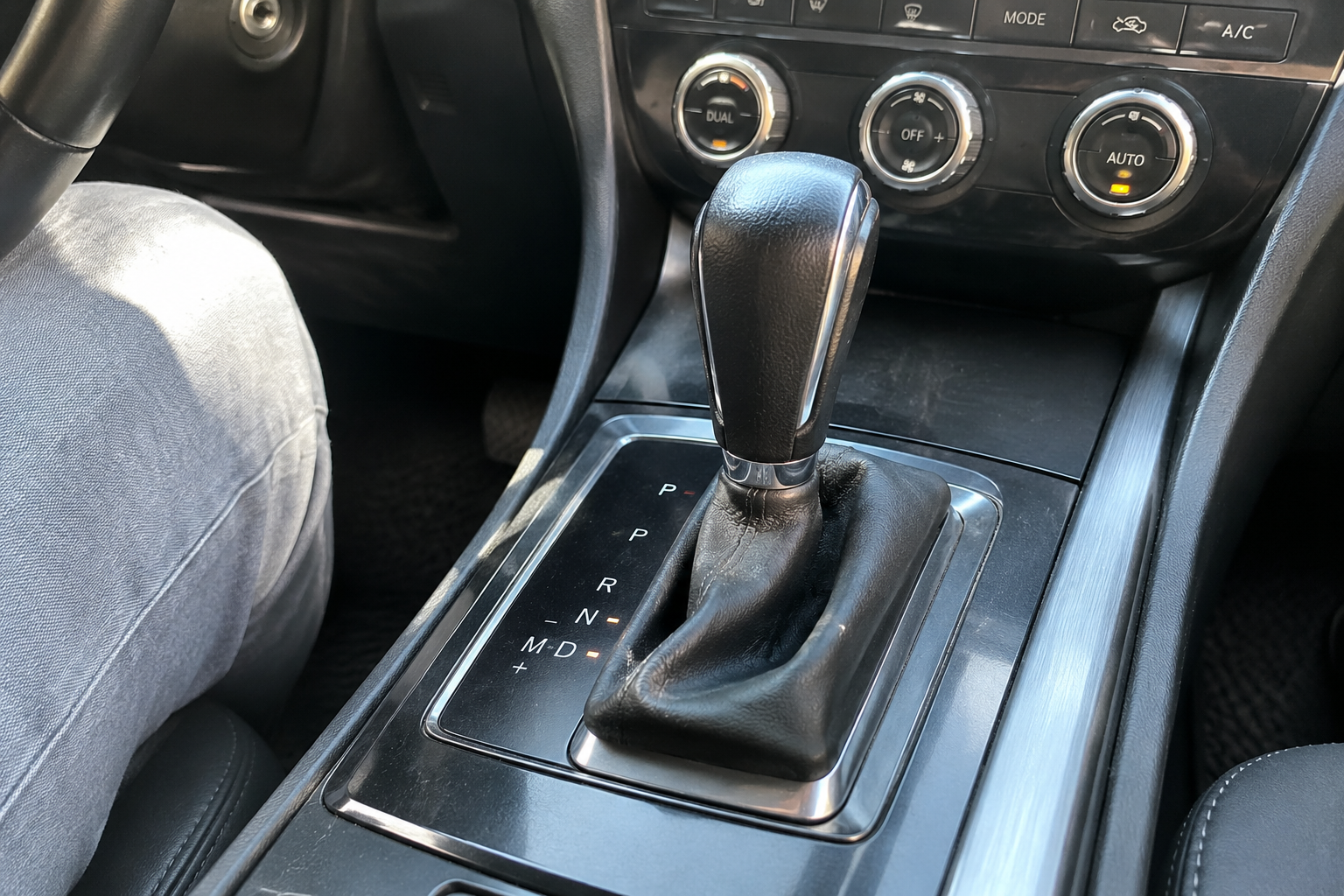
When an automatic transmission starts shifting with harsh impacts, delays, or jerks, many drivers immediately prepare for an expensive transmission repair. However, in many cases, the source of the problem is not the entire transmission but a single component responsible for distributing transmission fluid pressure. This component is the valve body a system of hydraulic channels, valves, and solenoids that effectively controls all processes inside the automatic transmission.
The valve body is often referred to as the “brain” of a conventional automatic transmission. Its operation determines shift smoothness, transmission response speed, and proper gear engagement under various driving conditions.
How the Valve Body Works and Why It Is So Important

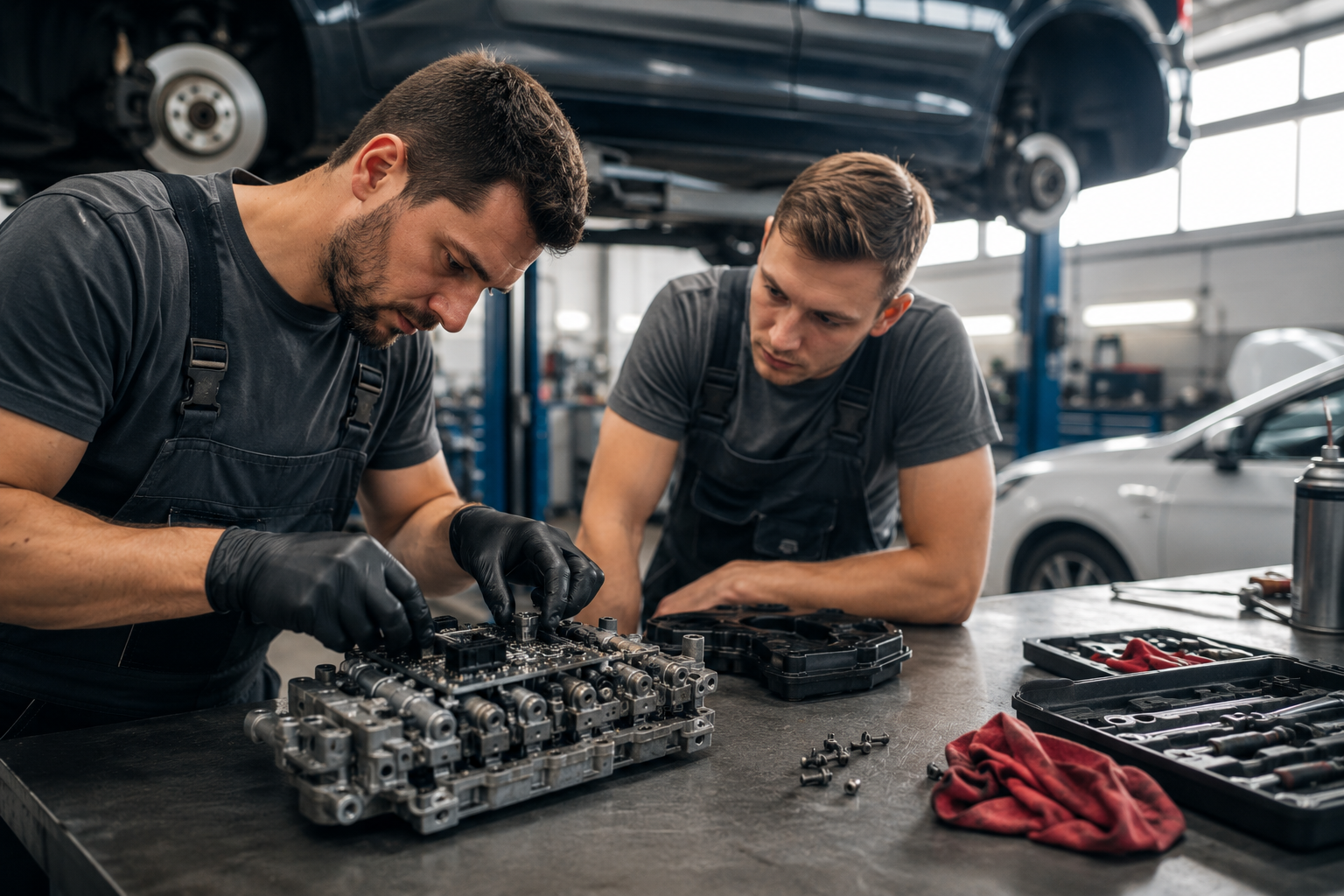
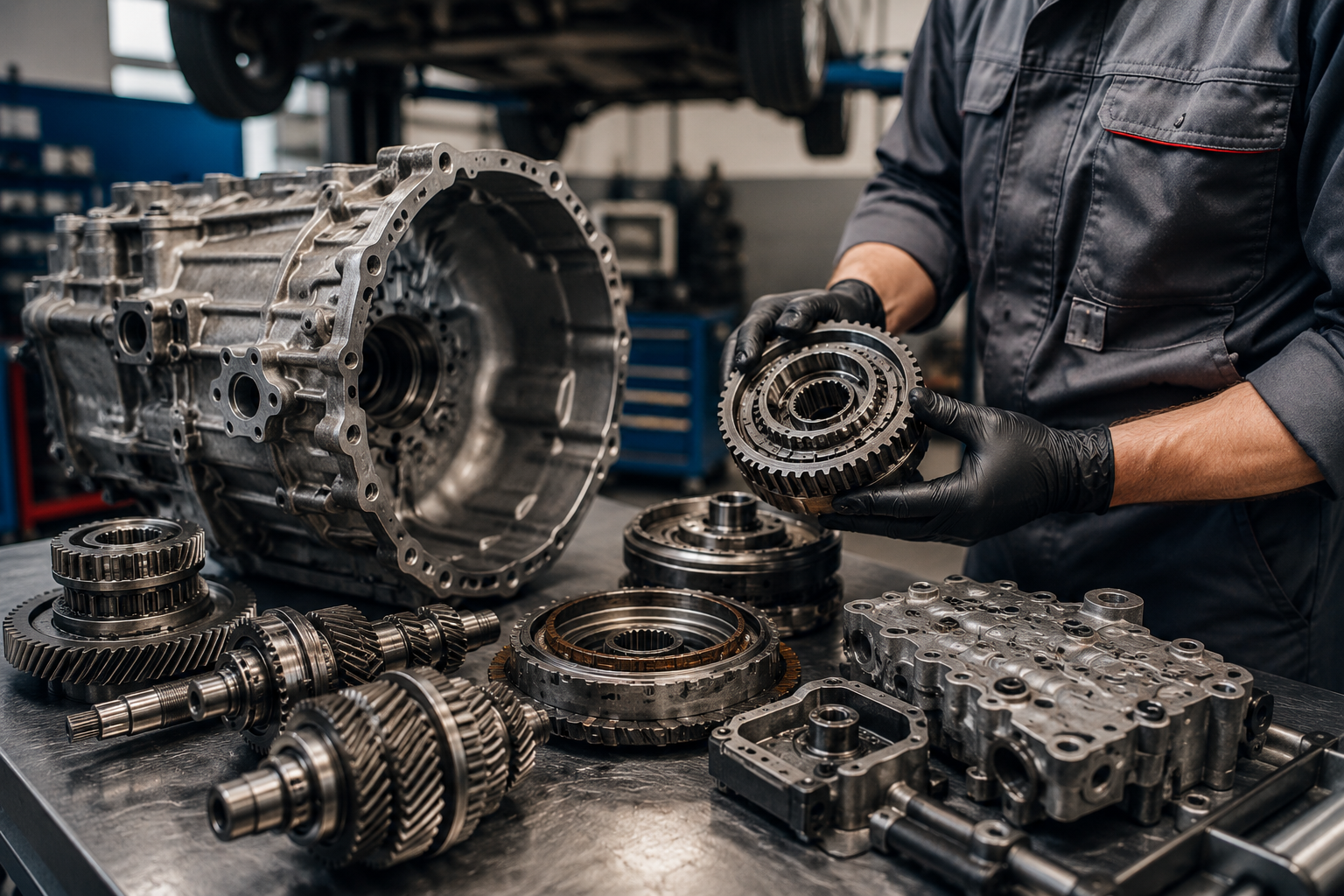
The valve body is a complex hydraulic valve plate containing a network of oil passages. Automatic transmission fluid (ATF) circulates through these passages under pressure, controlling the operation of clutch packs and other transmission components.
Inside the valve body are:
- pressure control solenoids;
- plungers;
- shift valves;
- ATF supply channels;
- clutch pack control components.
When the driver presses the accelerator pedal, the transmission control unit analyzes the engine load and sends commands to the solenoids. They regulate the direction and pressure of the transmission fluid within the required hydraulic circuits. The appropriate clutch pack is then engaged, allowing the transmission to complete the gear shift.
The key feature of this design is its extremely high level of precision. Even a minor malfunction in a single channel or valve can affect the behavior of the entire transmission.
Symptoms of a Faulty Valve Body
In the early stages, problems may occur only occasionally. As a result, many drivers continue operating their vehicles until the symptoms become constant.
The most common signs of valve body failure include:
- harsh impacts during gear shifts;
- delayed gear engagement;
- slipping under load;
- jerking after the transmission warms up;
- hard shifts from second to third gear;
- unstable transmission operation when cold;
- transmission entering limp mode.
These symptoms are exactly what often lead vehicle owners to search for answers to the question of why an automatic transmission jerks and whether the problem can be resolved without a complete transmission overhaul.
Why the Valve Body Fails
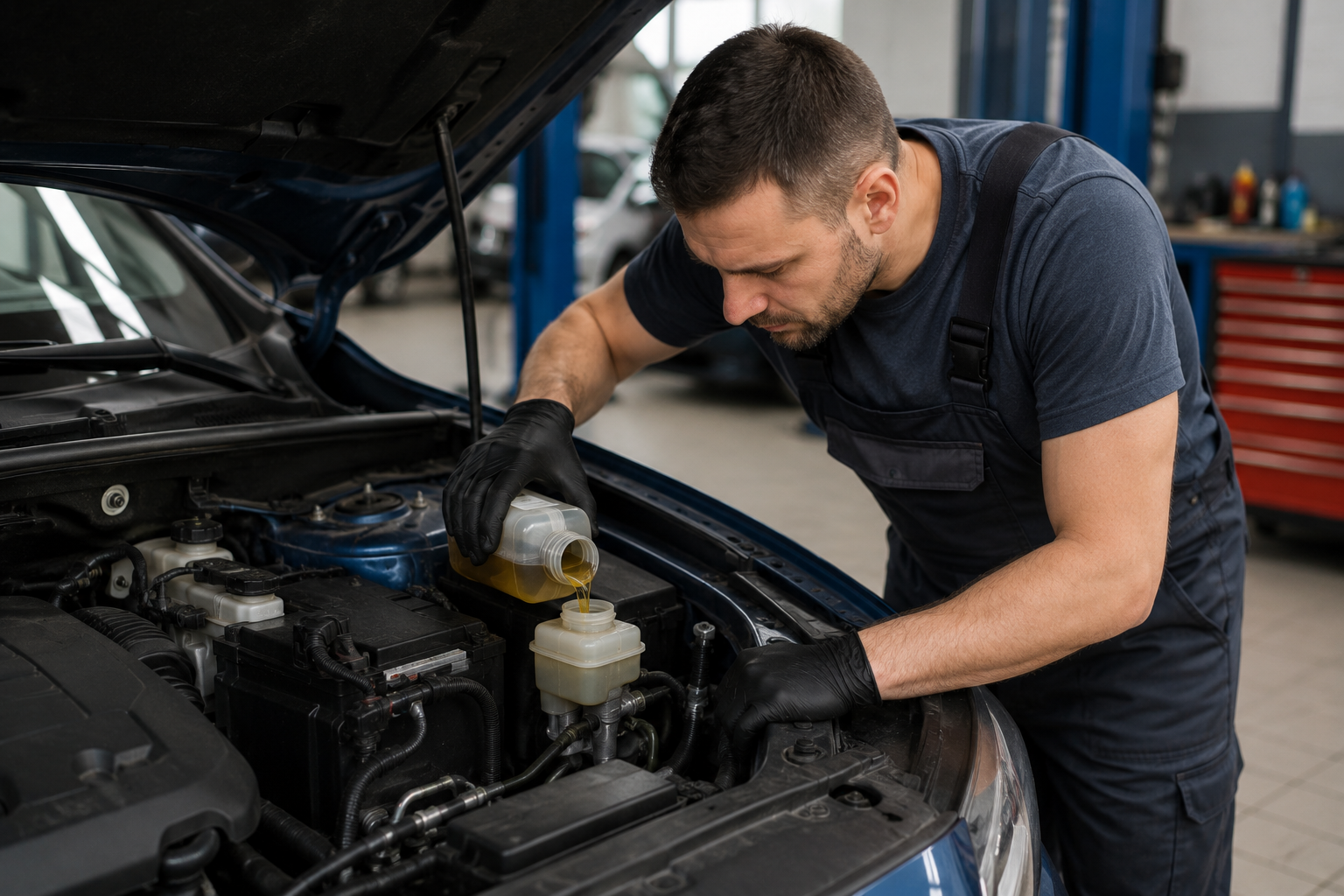
The primary enemy of the valve body is contaminated transmission fluid. As the transmission operates, the clutch packs gradually wear out. As a result, fine friction material and microscopic metal particles accumulate in the ATF.
Although the transmission filter captures part of this contamination, the smallest particles continue circulating throughout the system. Over time, they settle inside the valve body’s hydraulic passages, accelerate wear of moving components, and disrupt the normal flow of transmission fluid.
Common causes of valve body failure include:
- prolonged use of old ATF;
- transmission overheating;
- accumulation of friction material debris;
- clogged hydraulic passages;
- worn plungers;
- malfunctioning solenoids.
Transmission overheating is another major contributing factor. At elevated temperatures, transmission fluid loses its properties much more quickly, while the formation of deposits accelerates significantly.
Why Contaminated Hydraulic Passages Cause Harsh Gear Shifts
To engage each gear, the transmission must generate a specific hydraulic pressure within a particular circuit. This pressure activates the clutch packs at precisely the right moment.
If a hydraulic passage becomes partially blocked by deposits or wear particles, the transmission fluid cannot flow freely through the system. As a result, the required hydraulic pressure builds up too slowly or unevenly.
When the pressure finally reaches the required level, the clutch pack engages abruptly rather than smoothly. This is exactly what the driver feels as a harsh impact or jolt during gear changes.
The more severe the contamination and the greater the pressure loss, the harsher the transmission operates.
How to Tell If the Problem Is a Solenoid
A pressure control solenoid is an electro-hydraulic valve that regulates the flow of transmission fluid to specific hydraulic circuits within the transmission.
Over time, wear debris may accumulate inside the solenoid, or its moving components may develop mechanical damage. As a result, the valve begins opening with a delay or can no longer maintain the required hydraulic pressure.
Automatic transmission solenoids, whose symptoms often resemble other transmission problems, may cause:
- harsh gear shift impacts;
- delayed gear engagement;
- unstable operation after warming up;
- transmission pressure-related fault codes;
- the transmission entering limp mode.
For this reason, it is important during diagnostics to inspect not only the mechanical components of the transmission but also the operation of its hydraulic pressure control system.
How Automatic Transmission Valve Body Repair Is Performed
Professional automatic transmission valve body repair always begins with a comprehensive diagnostic inspection.
First, the transmission’s operating parameters are checked, fault codes stored in the transmission control module are analyzed, and the condition of the solenoids is evaluated. Only after this assessment is a decision made to remove the valve body.
Depending on the nature of the problem, the repair may include:
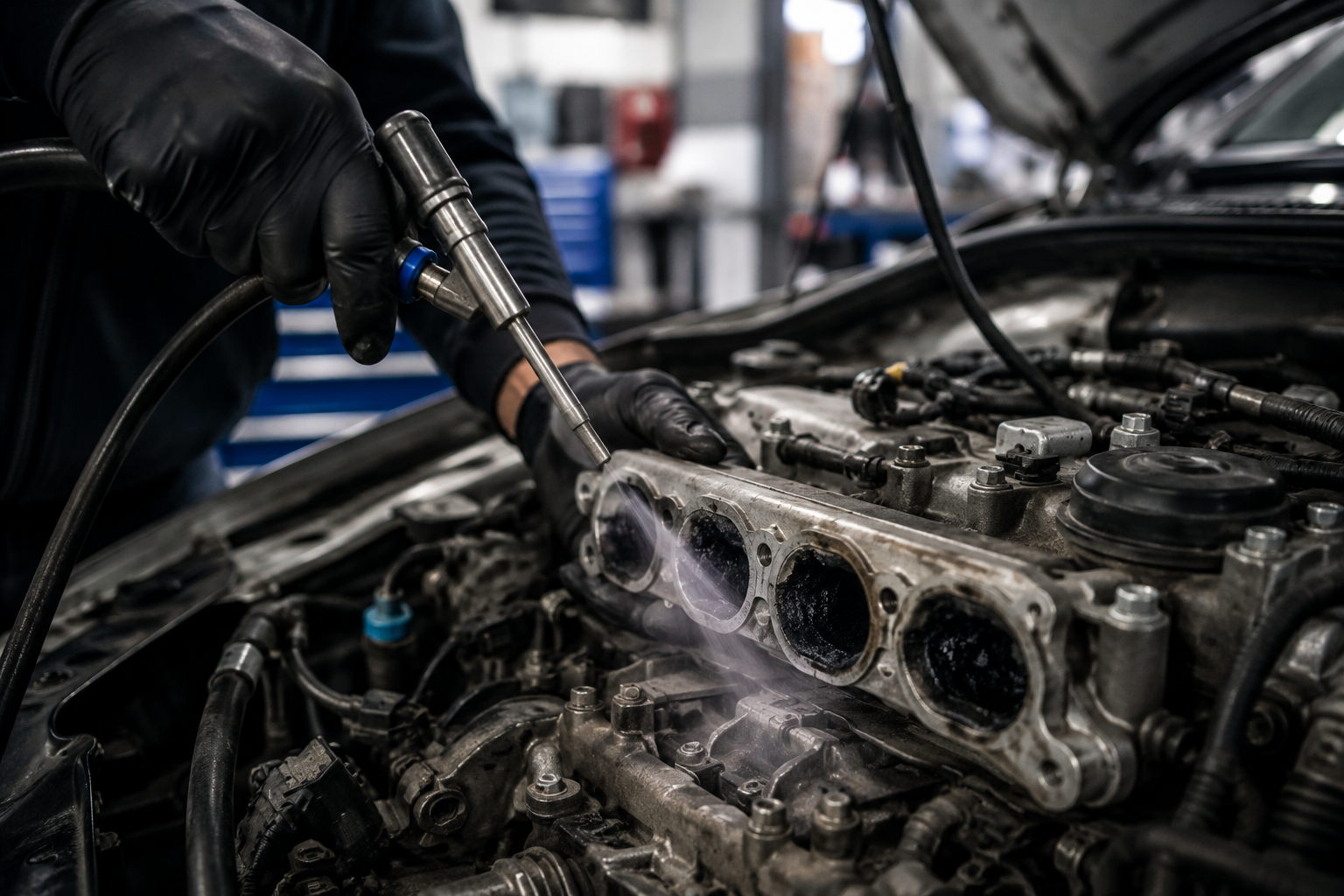
- cleaning the valve plate;
- flushing the hydraulic passages;
- testing the solenoids using specialized equipment;
- replacing faulty solenoids;
- restoring worn plunger bores;
- replacing damaged valve body components.
In some cases, thorough cleaning of the hydraulic system is sufficient to eliminate the problem. In other situations, individual components must be restored or worn parts replaced.
Therefore, valve body cleaning, although generally less expensive than a complete transmission rebuild, is not always a universal solution. The effectiveness of the procedure depends on the extent of wear within the valve body.
A Practical Example
A common situation in high-mileage vehicles is the appearance of harsh shifts between second and third gear after the transmission reaches operating temperature.
During diagnostics, technicians often find a significant amount of friction material debris inside the valve body’s hydraulic passages. As a result, individual hydraulic circuits respond with delays, and pressure builds unevenly.
If the internal components have not yet suffered critical damage, cleaning the valve body, testing the solenoids, and replacing the transmission fluid can restore normal transmission operation without requiring a complete automatic transmission overhaul.
How to Extend the Service Life of the Valve Body
Most valve body failures develop gradually, making preventive maintenance the most effective way to protect this critical component.
To reduce the risk of failure, it is important to:
- monitor the condition of the transmission fluid;
- prevent transmission overheating;
- service the automatic transmission on schedule;
- respond promptly to the first signs of harsh shifts or delayed engagement;
- perform periodic transmission diagnostics.
Even minor changes in transmission performance are often the first signs of future mechanical problems.
The valve body is one of the most important components of an automatic transmission, directly affecting shift quality and proper hydraulic pressure distribution throughout the system. Contaminated hydraulic passages, worn solenoids, accumulated friction material, and transmission overheating gradually impair its operation, leading to harsh shifts, delayed gear engagement, and clutch slipping.
Timely diagnostics, regular monitoring of ATF condition, and professional automatic transmission valve body repair make it possible to resolve problems at an early stage and avoid significantly more expensive repairs to the entire transmission. For vehicle owners, this means not only smooth gear shifting but also preserving the overall service life of the transmission.
If you notice changes in the operation of your automatic transmission, do not postpone a diagnostic inspection it can help identify the cause of the malfunction before it develops into a major repair.
Top popular news
- Steering Tie Rod Knocking: Symptoms and How Not to Confuse It with a Faulty Rack
- How to Read US Car Auction Photos and See More Than the Camera Shows
- Restoring Vehicle Safety After Airbag Deployment: Why Cheap SRS Repairs Are Dangerous
- VAG Comfort Control Module: Simultaneous Failure of Locks, Mirrors, and Power Windows
- The Heater Blows Weakly, and the Engine Takes a Long Time to Warm Up: Where to Look for the Cause
- ADAS calibration after windshield replacement: restoring the accuracy of driver-assistance systems
- VAG immobilizer: why the car will not start and the key transponder is not recognized
- TSI coolant pump and thermostat: causes of slow warm-up and engine overheating

Subscribe to our newsletter!
To stay updated with the latest news

Book a service