Mon - Sat | 09:00 - 19:00


Find

Contact us

Odesa
Hrushevskoho str., 41
 Мережа СТО в місті
Місто
 +38 (096) 299 29 97
Odesa
Hrushevskoho str., 41
 Мережа СТО в місті
Місто
+38 (096) 299 29 97

 Години роботи
 Mon - Sat
09:00 - 19:00
Why the Steering Wheel Becomes Hard to Turn with Hydraulic Power Steering
If the steering wheel has become more difficult to turn and you hear a whistle or humming noise while maneuvering, it does not always indicate a serious failure. A conventional hydraulic power steering (HPS) system rarely fails suddenly. Instead, it usually gives gradual warning signs: the sound of the power steering pump changes, steering effort increases, and unusual noises appear when the steering wheel reaches its full lock. That is why it is important to understand why the steering wheel becomes hard to turn with hydraulic power steering before the problem develops into an expensive repair.
A hydraulic power steering system consists of the power steering pump, steering rack, drive belt, fluid reservoir, and high-pressure and low-pressure hoses. The pump generates hydraulic pressure, the fluid transfers that pressure to the steering rack, and the pressure relief valve keeps the system operating consistently. If any of these components fails to function properly, additional stress is placed on the entire steering system.
Why the System Whistles When Turning the Steering Wheel
Most drivers notice that the unusual noise appears only when the steering wheel is turned almost to its full lock. This is expected because the power steering pump operates under maximum hydraulic pressure at these positions. As a result, any existing problem becomes much more noticeable.
The most common causes include:
- a loose or worn drive belt;
- a low level of Pentosin or ATF power steering fluid;
- air trapped inside the system after repairs;
- a contaminated pressure relief valve;
- early wear of the power steering pump.
If the power steering system whistles while turning the steering wheel, several causes are possible. For example, after replacing a hose or the pump, air sometimes remains trapped inside the system. Air bubbles compress much more easily than hydraulic fluid, causing the pump to operate unevenly. This results in whistling noises, vibration, and brief losses of steering assistance. That is why properly bleeding the system after any repair is extremely important.
Why the Steering Wheel Becomes Heavy

A heavier steering wheel does not always indicate the same type of malfunction. If the problem appears only when the engine is cold, the hydraulic fluid may have lost its properties or become too thick. As the engine warms up, the fluid becomes less viscous, making the steering wheel easier to turn.
If the steering effort increases after the engine reaches operating temperature, the situation is different. Worn pump vanes can no longer generate sufficient hydraulic pressure, the pressure relief valve operates inconsistently, and internal leakage inside the steering rack reduces steering assistance. The system may still appear completely sealed, but the hydraulic pressure is already below specification.
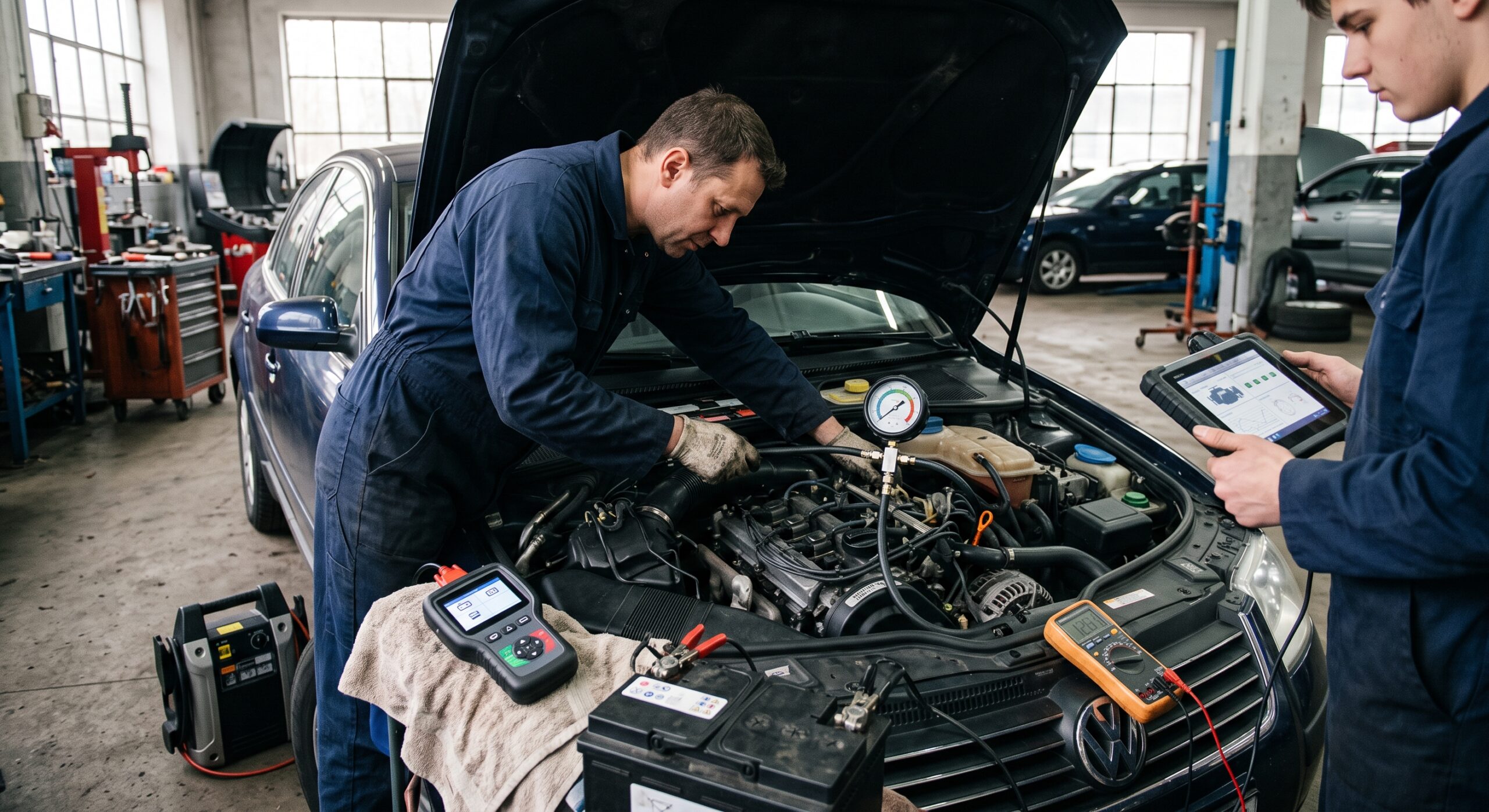
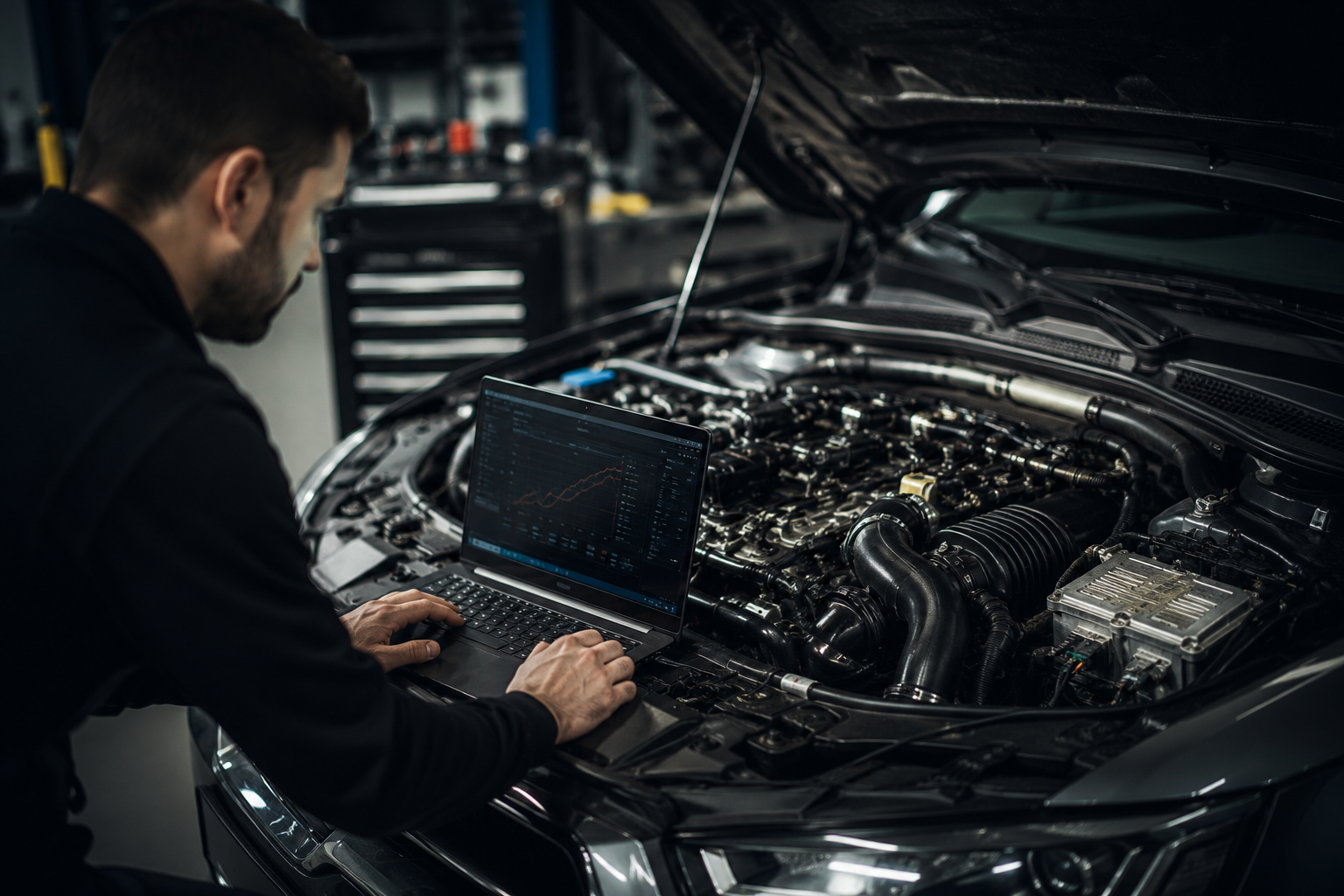
During diagnostics, technicians inspect:
- hydraulic pump operating pressure;
- seals and hose leakage;
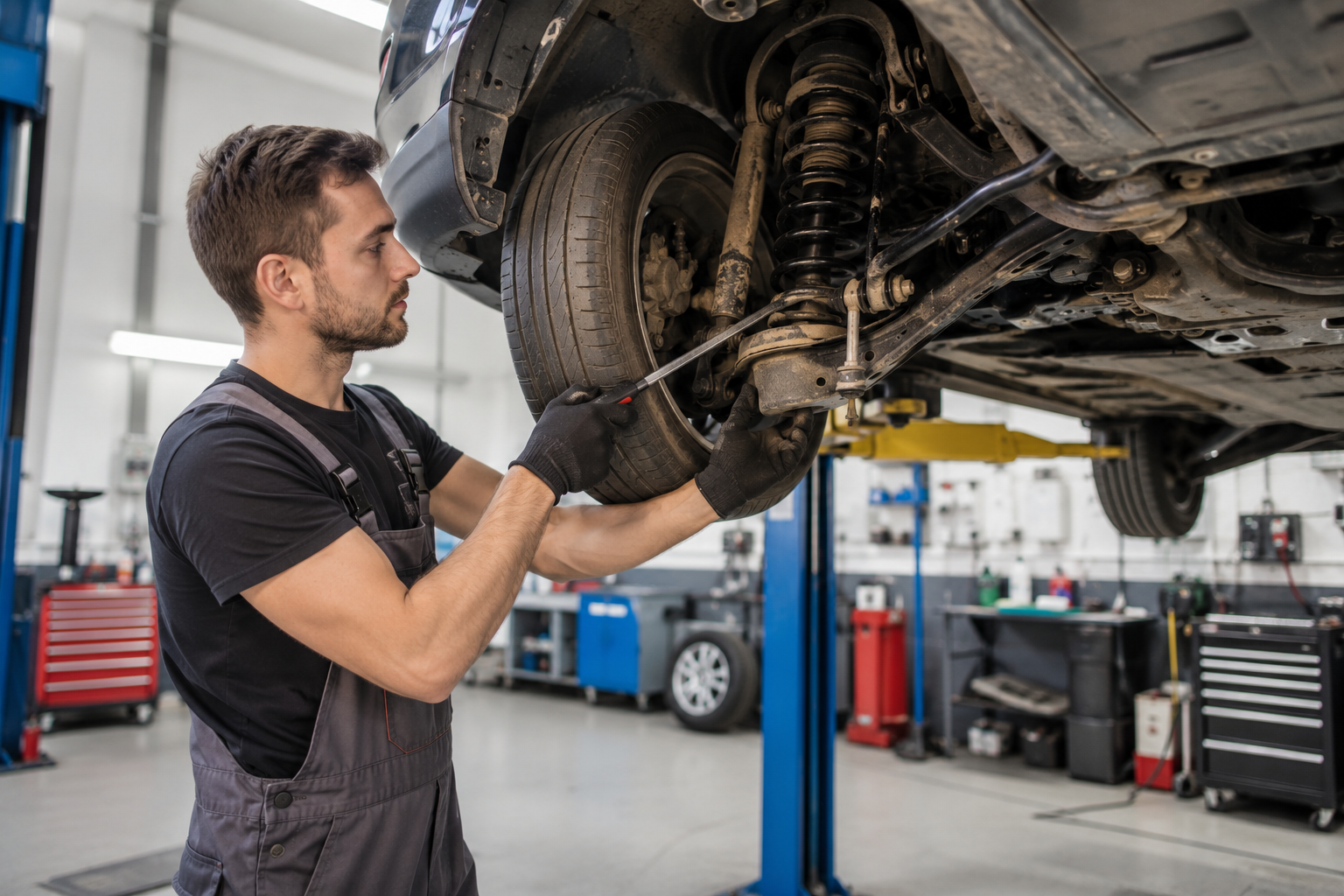
- steering rack condition;
- pressure relief valve operation;
- drive belt tension.
If the power steering system hums when hot, this often indicates internal pump wear. In such cases, diagnostics help determine whether replacing individual seals is sufficient or whether professional power steering pump repair in Kyiv is required.
Why the Hydraulic Fluid Turns Dark
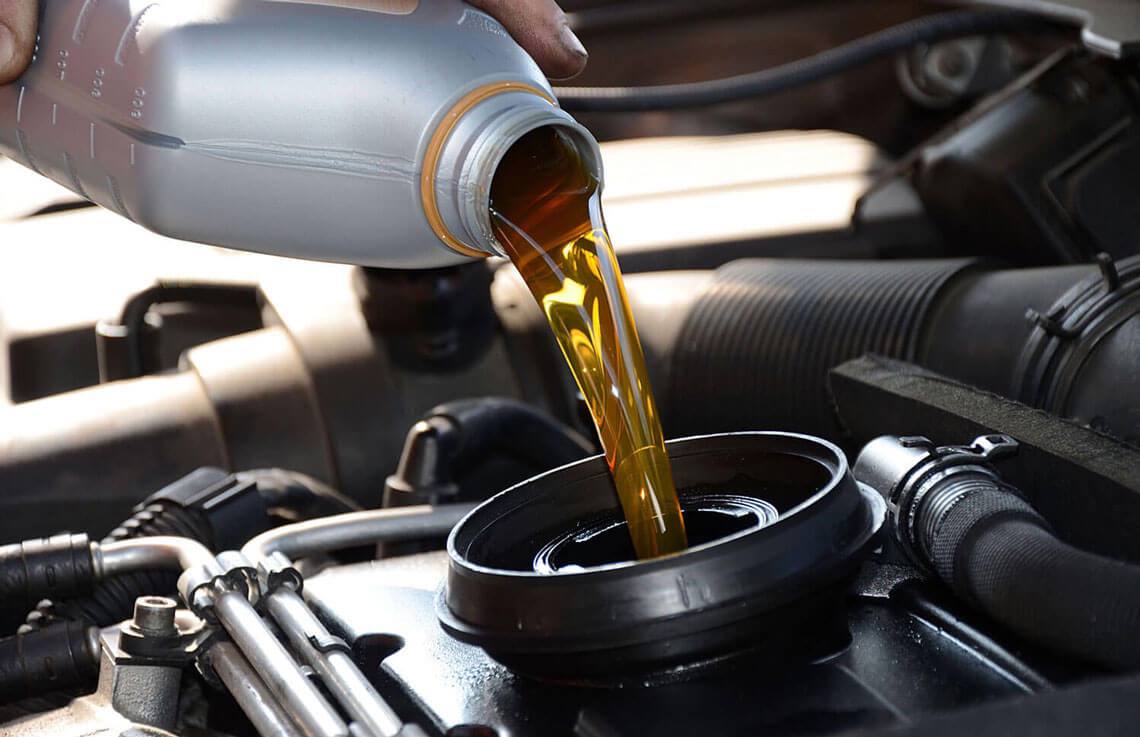
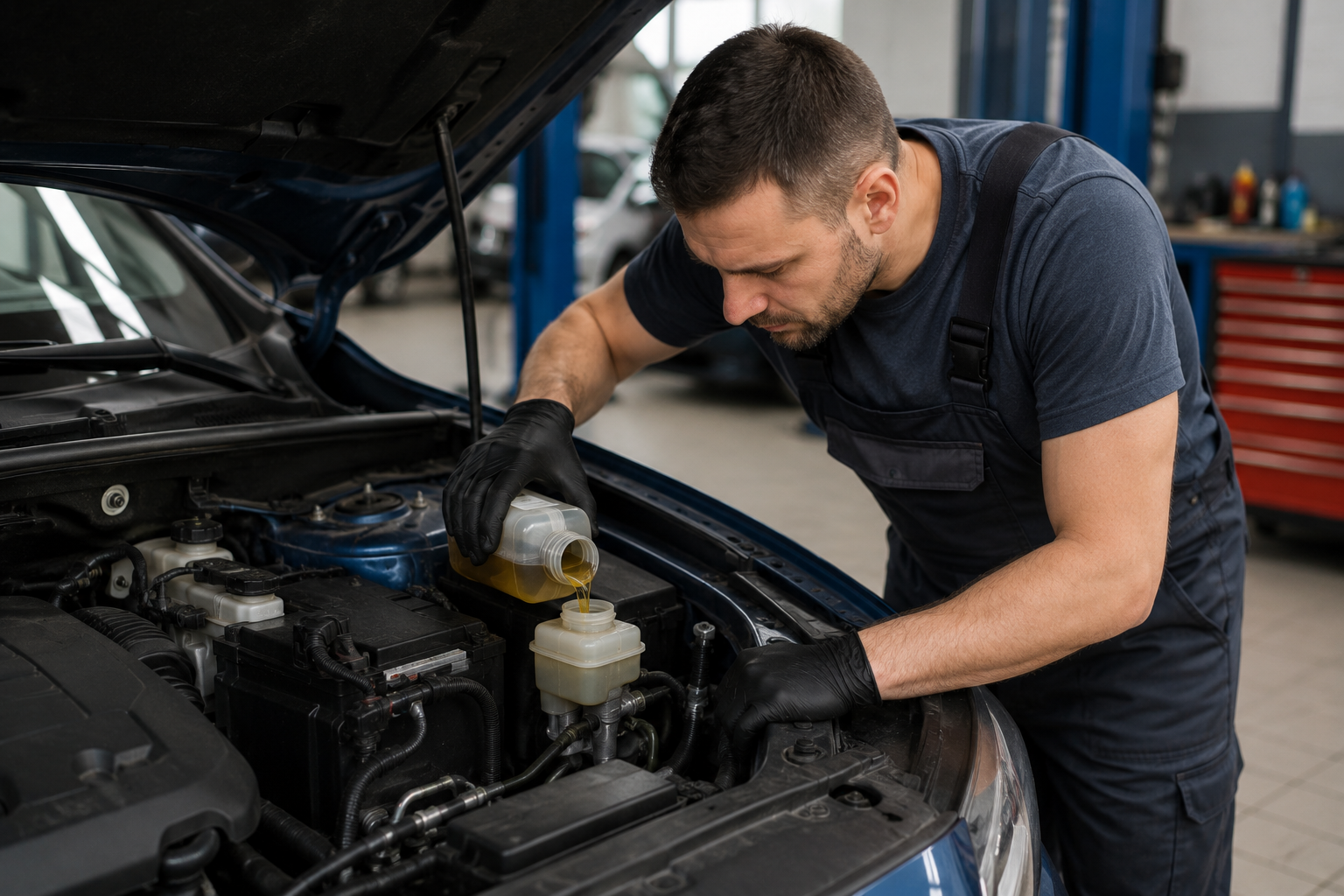
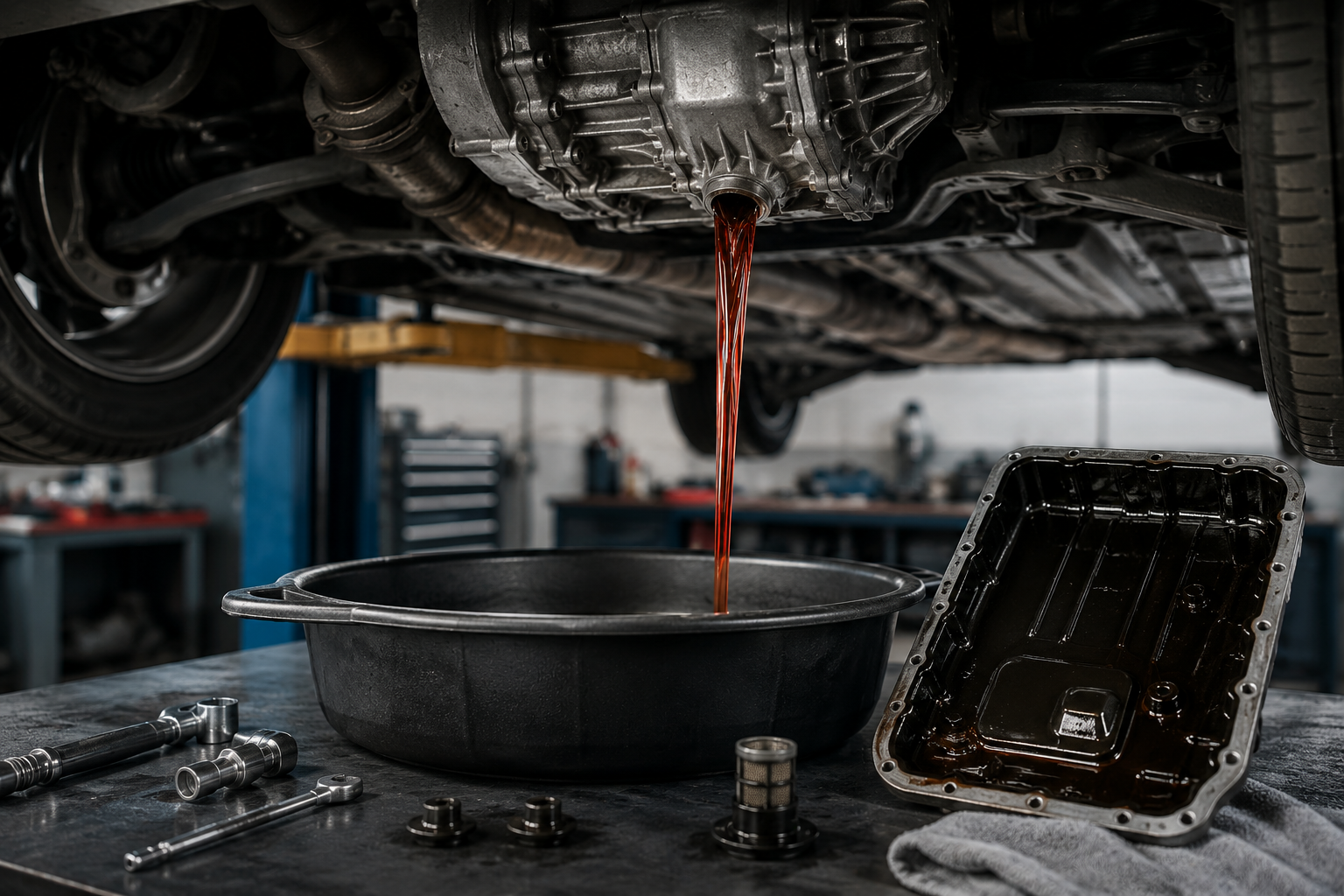
Green Pentosin fluid and red ATF fluid have different chemical compositions and should never be mixed. Using the wrong fluid reduces lubrication quality and accelerates the deterioration of rubber seals.
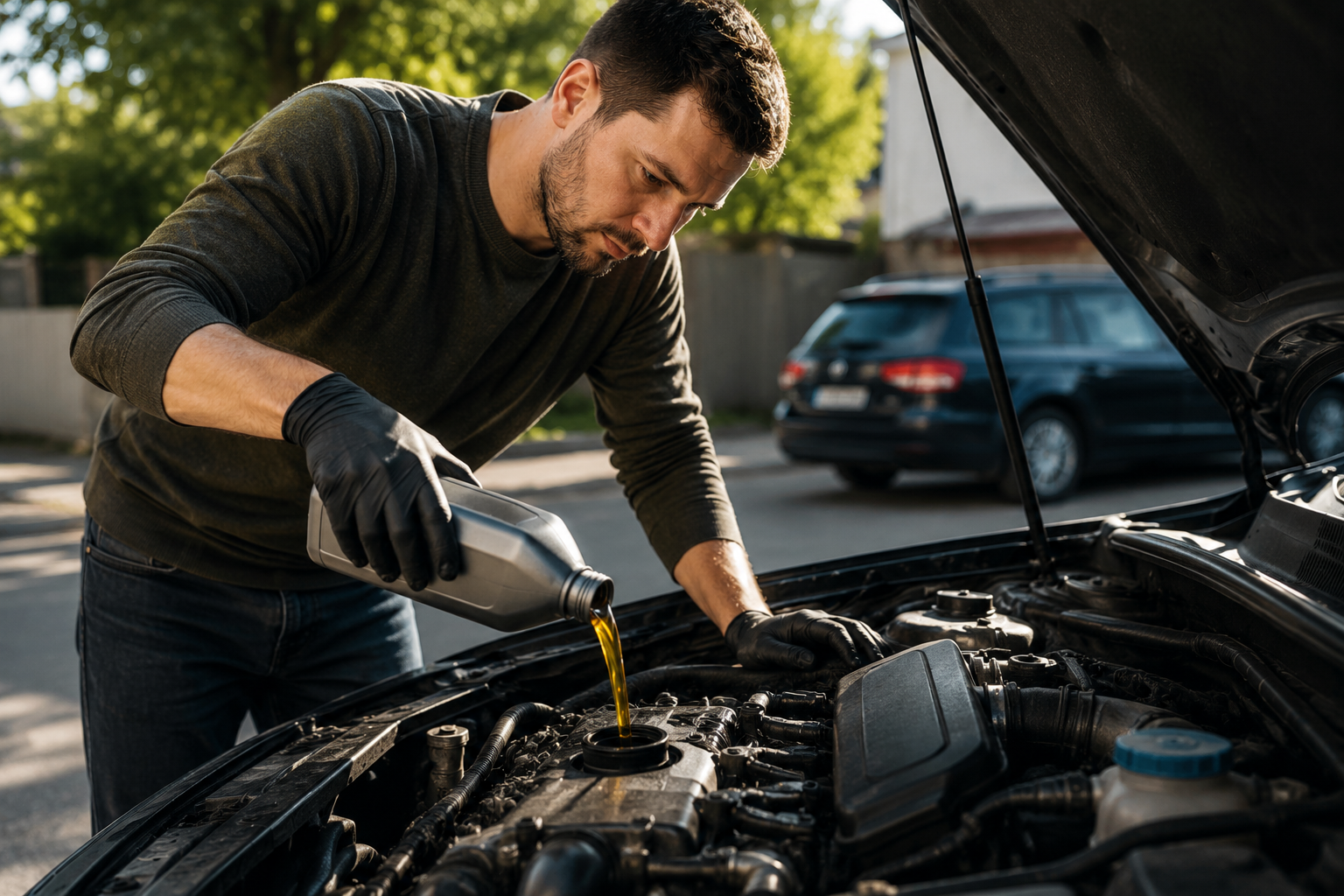
Gradual darkening of the hydraulic fluid is also not considered normal. It indicates that metal particles, seal wear debris, and other contaminants have accumulated inside the fluid. These particles circulate throughout the hydraulic system, accelerating wear of the pump, valves, and steering rack. For this reason, replacing hydraulic power steering fluid is important not only to renew lubrication but also to protect the entire hydraulic system from abrasive wear.
How to Extend the Life of the Hydraulic Power Steering System
The power steering pump experiences its highest load when the steering wheel is held at full lock for an extended period. At this point, hydraulic pressure reaches its maximum value, the fluid heats up rapidly, and all internal components operate under increased stress. During winter, the problem becomes even more severe because cold hydraulic fluid is significantly more viscous. After starting the engine, it is safer to allow the system to operate for a few seconds before making sharp steering movements so the fluid can circulate evenly throughout the hydraulic passages.
To maximize the service life of the hydraulic power steering system, regularly check the fluid level, monitor the condition of the drive belt, repair even minor leaks promptly, and never ignore unusual noises. If diagnostics confirm a faulty steering rack, many drivers ask what determines the cost of steering rack repair. The answer depends primarily on the extent of component wear, the condition of the internal parts, and the amount of restoration work required. Repairing the problem at an early stage is almost always far less expensive than continuing to drive until the hydraulic power steering system fails completely.
Top popular news
- There is a smell of gasoline under the hood, but there are no signs of a leak: where to look for the problem
- Volkswagen Golf 7: which engines are considered the most successful in the secondary market
- Why do errors appear after a night frost that disappear after warming up?
- The car stalls when you suddenly release the gas: what happens at this moment
- Audi A6 with 200+ thousand mileage: what expensive malfunctions can be predicted in advance
- Why does my car start to consume more oil even though my driving style hasn’t changed?
- The ABS light came on on the dashboard: can I continue driving?
- Volkswagen Passat B8 or Skoda Superb: what will the car show after 200 thousand km

Subscribe to our newsletter!
To stay updated with the latest news

Book a service