Mon - Sat | 09:00 - 19:00


Find

Contact us

Odesa
Hrushevskoho str., 41
 Мережа СТО в місті
Місто
 +38 (096) 299 29 97
Odesa
Hrushevskoho str., 41
 Мережа СТО в місті
Місто
+38 (096) 299 29 97

 Години роботи
 Mon - Sat
09:00 - 19:00
TSI coolant pump and thermostat: causes of slow warm-up and engine overheating
The operating temperature of a modern TSI engine depends on more than coolant level or radiator condition. These engines use a sophisticated thermal-management system that changes coolant circulation intensity according to engine load, component temperature, and the current operating mode.
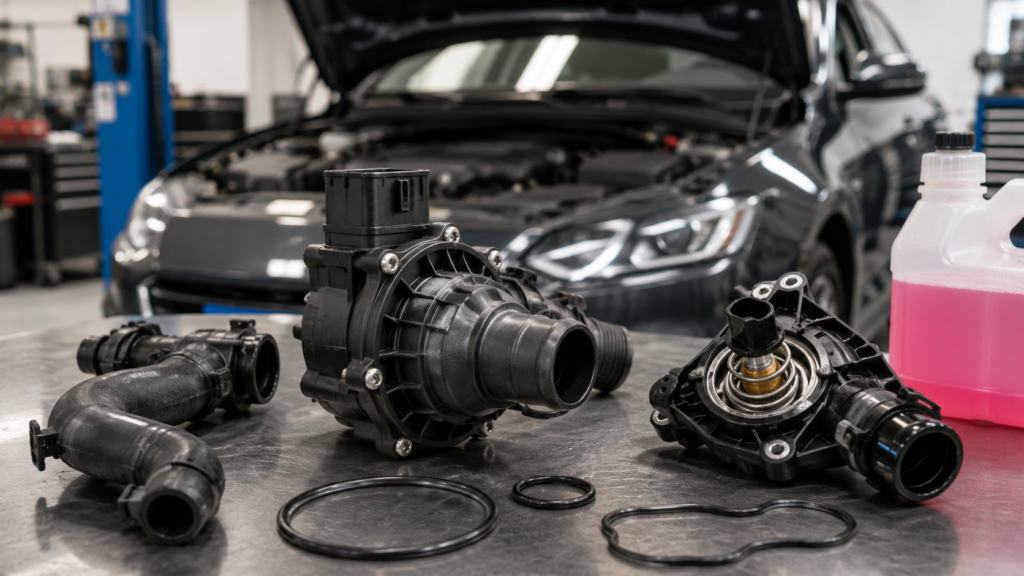
This is why owners of turbocharged TSI vehicles often ask why the engine takes so long to warm up even though everything appears normal. The cause may be incorrect thermostat operation, a faulty electric coolant pump, or disrupted coolant circulation within the system.
The opposite problem is overheating. If the system cannot remove heat effectively, temperature begins to rise, creating a risk to the cylinder head, head gasket, and other critical components.
Why the cooling system on modern TSI engines is more complex than a conventional one
Older petrol engines used a relatively simple cooling layout: a mechanical water pump maintained constant circulation, while the thermostat opened the large cooling circuit once a set temperature was reached.
TSI engines use a different approach. They employ a map-controlled thermostat operated by the electronic control unit. Its opening point can change depending on operating conditions, allowing the engine to warm up faster after starting and maintain temperature more precisely under load.
An electric coolant pump is also used and can operate independently of engine speed. This allows manufacturers to improve cooling in the most thermally stressed areas while reducing energy losses.
At the same time, this design contains more components that can fail. As a result, even a relatively minor fault may affect the entire warm-up or heat-removal process.
Two TSI cooling circuits: why the engine needs separate coolant-flow control
Many modern engines use two TSI cooling circuits, allowing the temperature of different parts of the power unit to be controlled separately.
After a cold start, there is no need to route coolant through the main radiator immediately. The smaller circuit operates first, helping the engine reach its normal operating temperature more quickly. This reduces the amount of time the engine runs with elevated fuel consumption and helps stabilize combustion sooner.
A separate cylinder-head cooling circuit is required because of the high thermal load on the cylinder head. Temperatures are significantly higher around the combustion chambers and exhaust ports, so precise coolant distribution helps prevent localized overheating.
This design provides a balance between rapid warm-up and effective removal of excess heat.
Thermostat faults: why the engine does not warm up or starts overheating
The thermostat is responsible for correctly distributing coolant between the small and large circuits. If it operates incorrectly, vehicle behaviour can change even without obvious warning signs.
When the thermostat valve remains open, coolant flows through the radiator continuously, so the engine takes a long time to reach its optimum temperature.
Typical signs of this fault include:
- temperature rising slowly after startup;
- the cabin taking longer to warm up than before;
- increased fuel consumption;
- temperature dropping during high-speed driving.
Faults in the electronic thermostat often develop gradually. At first, the owner may notice only a longer warm-up time or increased fuel consumption, but the issue progressively affects engine operation.
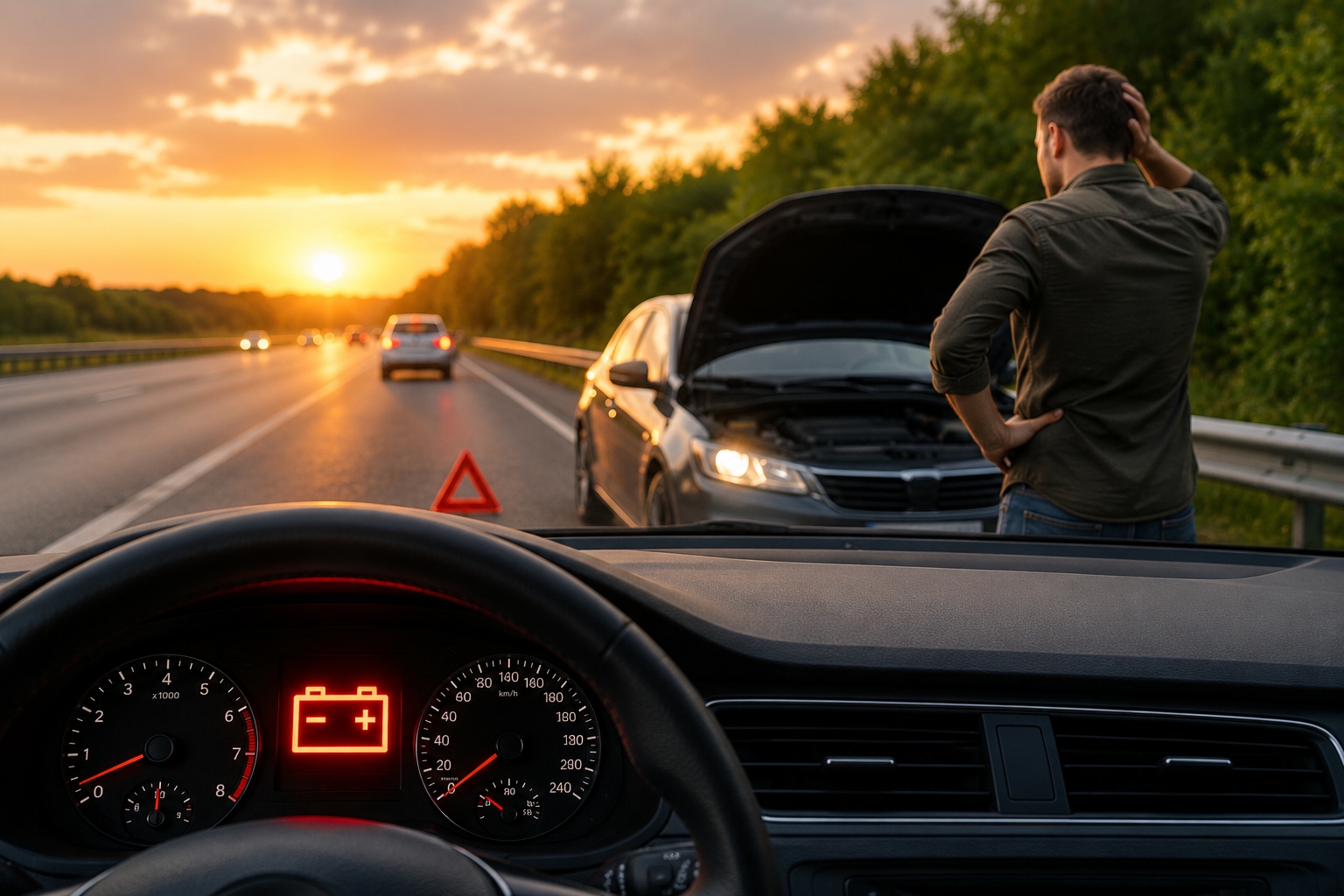
A different situation occurs when the thermostat sticks closed. Heated coolant cannot reach the radiator, so heat remains trapped inside the engine. This can become one of the causes of Volkswagen engine overheating, especially under high load.
TSI electric coolant pump: operation after shutdown and possible faults
Unlike conventional mechanical pumps, an electric coolant pump can receive commands even after the ignition is switched off. Hearing it operate after a drive does not necessarily indicate a fault.
After hard driving, the turbocharger, cylinder head, and parts of the cooling circuit remain hot. Additional coolant circulation helps remove residual heat and reduce thermal stress.
A problem occurs when the pump loses its seal or can no longer provide the required coolant flow. If a TSI coolant pump is leaking, typical signs include a falling G13 coolant level, traces of leakage on the housing, coolant odour, or dried deposits around the leak area.
An air lock in the cooling system can also cause unstable operation. Air inside the coolant passages disrupts normal circulation, leaving some areas of the engine insufficiently cooled.
How a faulty cooling system affects engine service life
Ignoring temperature-control problems affects not only driving comfort but also engine longevity.
Persistent underheating means the engine spends more time outside its optimum operating conditions. As a result, fuel consumption increases, moisture evaporates from the oil more slowly, and deposits accumulate more quickly.
Overheating can have even more serious consequences:
- loss of head-gasket sealing;
- cylinder-head deformation;
- coolant entering the lubrication system;
- the risk of expensive engine repairs.
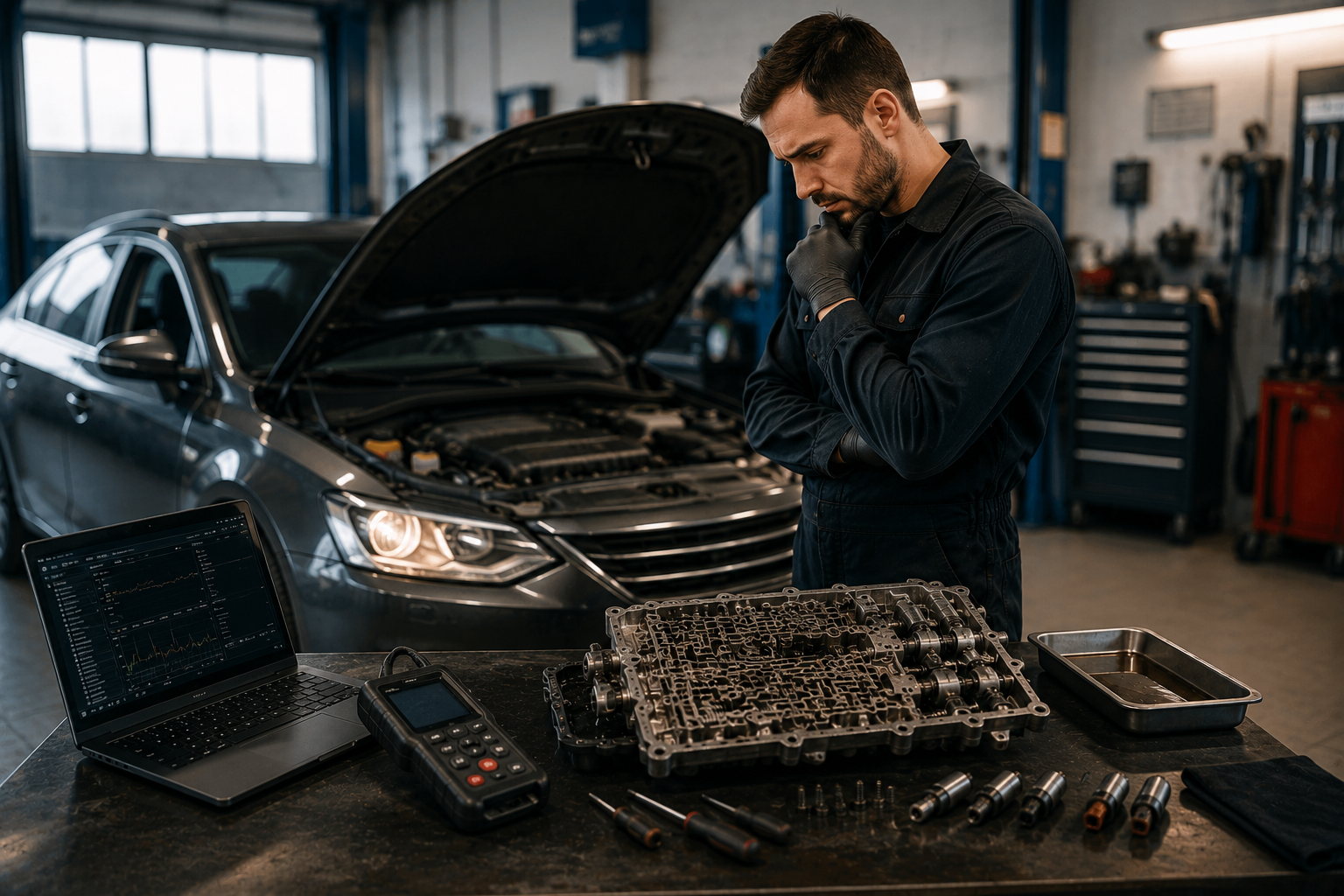
If diagnostics confirm a pump fault, coolant-pump replacement may be required. The cost depends on the specific engine model, the component design, and how difficult it is to access.
A correctly functioning TSI cooling system is essential not only for maintaining the right temperature but also for stable engine operation as a whole. Slow warm-up or overheating is not random: it indicates a fault in a specific component that should be checked and repaired in time.
Top popular news
- Steering Tie Rod Knocking: Symptoms and How Not to Confuse It with a Faulty Rack
- How to Read US Car Auction Photos and See More Than the Camera Shows
- Restoring Vehicle Safety After Airbag Deployment: Why Cheap SRS Repairs Are Dangerous
- VAG Comfort Control Module: Simultaneous Failure of Locks, Mirrors, and Power Windows
- The Heater Blows Weakly, and the Engine Takes a Long Time to Warm Up: Where to Look for the Cause
- ADAS calibration after windshield replacement: restoring the accuracy of driver-assistance systems
- VAG immobilizer: why the car will not start and the key transponder is not recognized
- Unit injector or Common Rail: which is better for a diesel Volkswagen

Subscribe to our newsletter!
To stay updated with the latest news

Book a service