Mon - Sat | 09:00 - 19:00


Find

Contact us

Odesa
Hrushevskoho str., 41
 Мережа СТО в місті
Місто
 +38 (096) 299 29 97
Odesa
Hrushevskoho str., 41
 Мережа СТО в місті
Місто
+38 (096) 299 29 97

 Години роботи
 Mon - Sat
09:00 - 19:00
The main causes of automatic transmission overheating
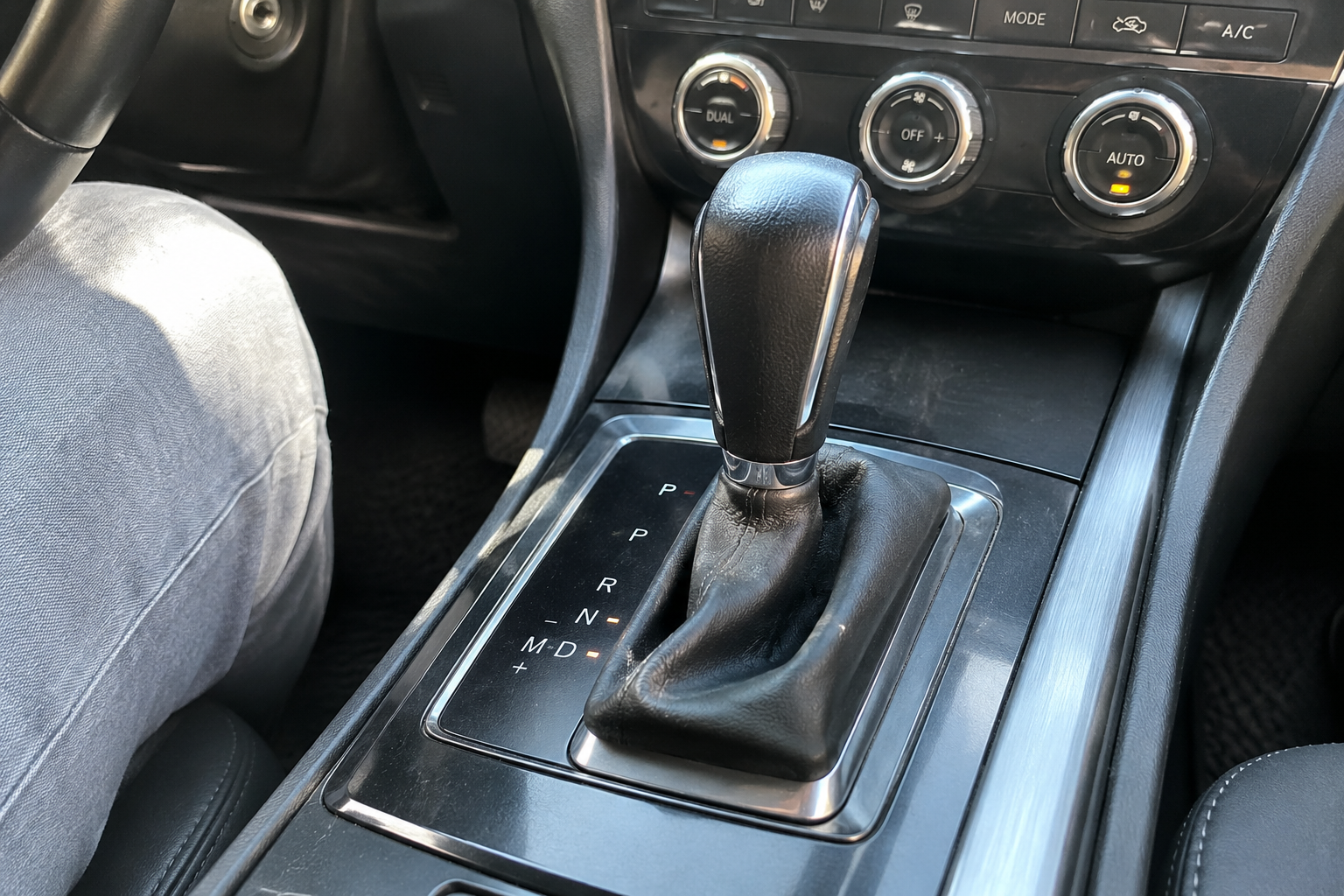
Automatic transmission overheating is one of the most common problems with automatic transmissions, which often begins unnoticed by the driver. In the early stages, the box may work almost unchanged, but the increased temperature gradually destroys the oil, impairs the operation of the hydraulics and accelerates the wear of internal elements. If the problem is ignored, ordinary overheating of the automatic transmission can end in expensive repairs or a complete replacement of the unit.
The most dangerous thing is that many drivers notice the problem only when the automatic transmission goes into emergency mode or starts to work jerkily. The causes of overheating can be both simple and related to serious malfunctions in the cooling system or the gearbox itself.
How does gearbox overheating manifest itself?
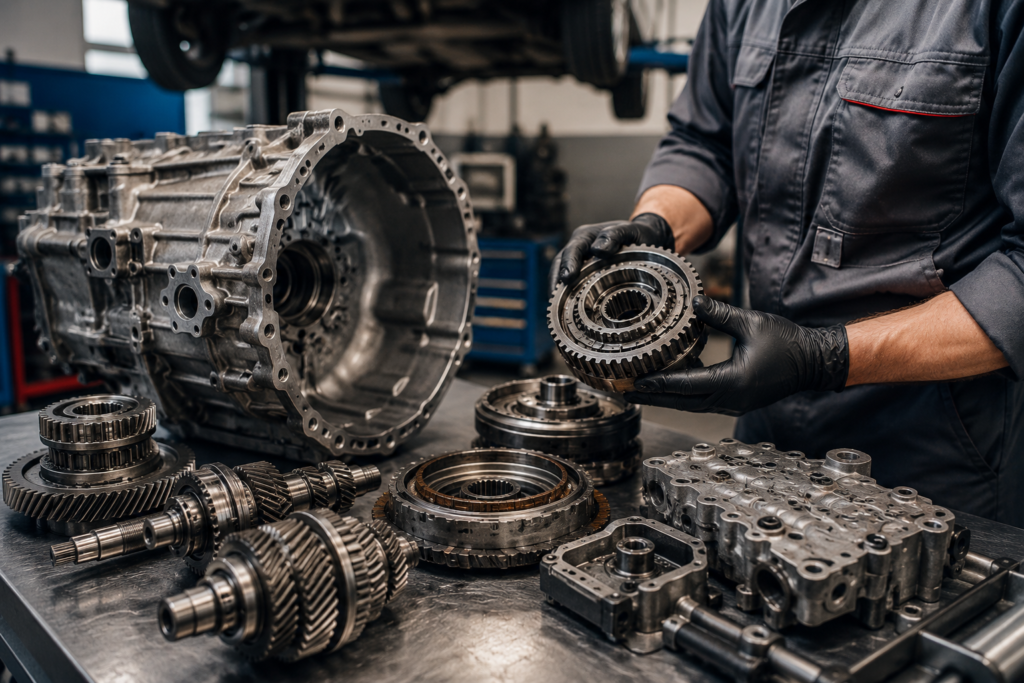
Increased temperature of the automatic transmission rarely occurs instantly. Usually the problem develops gradually, and the symptoms become more noticeable under load: in traffic jams, during active acceleration, towing a trailer or long driving in the heat.
Signs of overheating of the gearbox can be different:
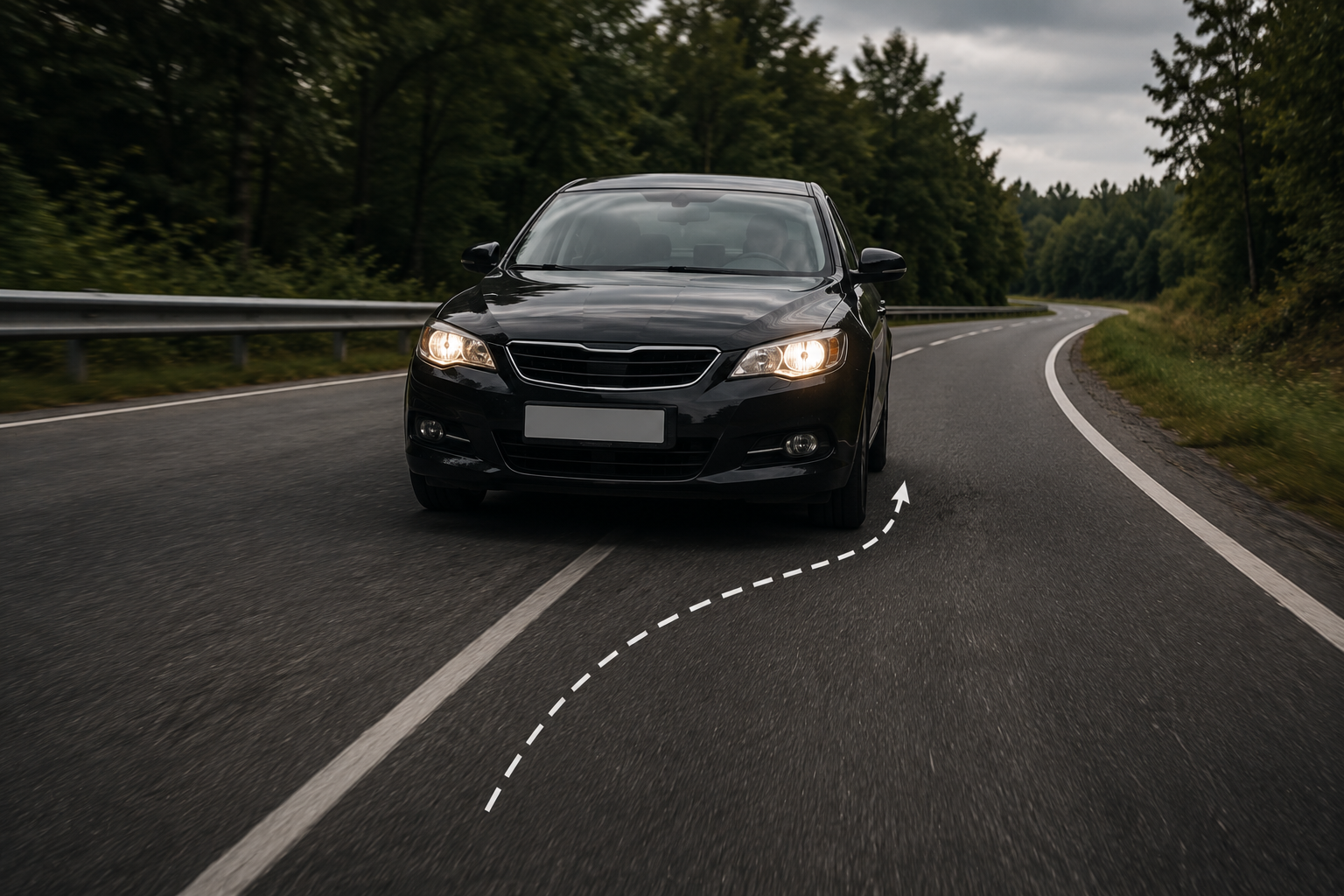
- jerks or delays when shifting gears;
- the appearance of vibrations;
- a strange smell of overheated oil;
- loss of smoothness of the transmission;
- the box goes into emergency mode;
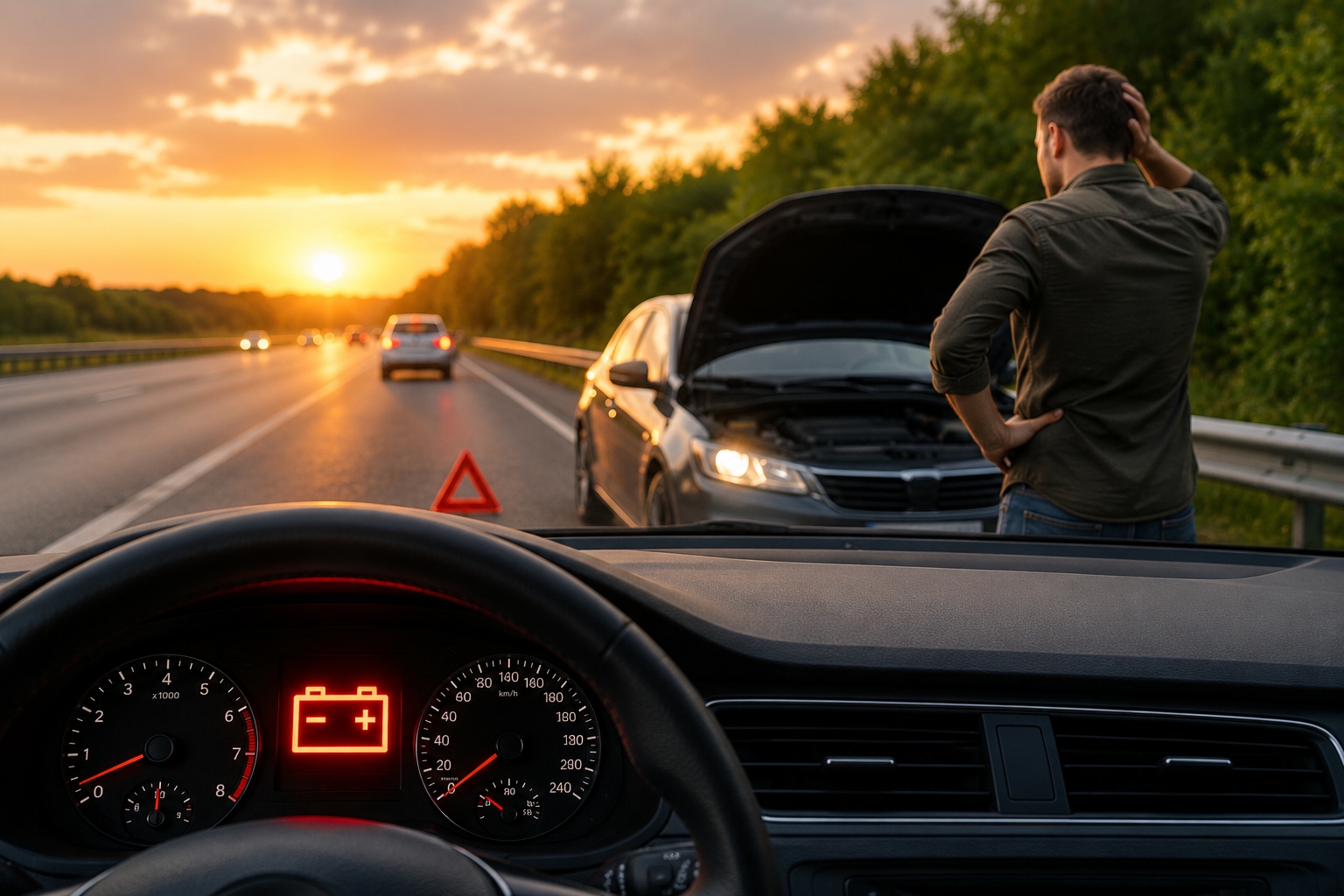
- a message about a transmission error on the instrument panel.
In some cars, the temperature of the automatic transmission is displayed separately. If the indicators consistently exceed the operating values, this is a signal to check the cooling system and the condition of the transmission oil.
Why does the automatic transmission overheat?
One of the most common causes is problems with the gearbox cooling. In most cars, the automatic transmission is cooled through a separate heat exchanger or a cooling radiator connected to the engine system. If the radiator is clogged with dirt, the internal channels are partially blocked, or the antifreeze is not circulating well, the heat ceases to be removed normally.
The situation is complicated in urban mode, when the car is in traffic jams for a long time. The box continues to work, the temperature rises, and the cooling efficiency drops due to weak air flow.
Another common cause is old or unsuitable oil in the automatic transmission. Transmission fluid not only lubricates the components, but also removes heat. Over time, the oil loses its properties, overheats faster and protects the friction and hydraulic unit less well. If the fluid has not been changed for a long time or the oil level is low due to a leak, overheating occurs much faster even during normal operation.
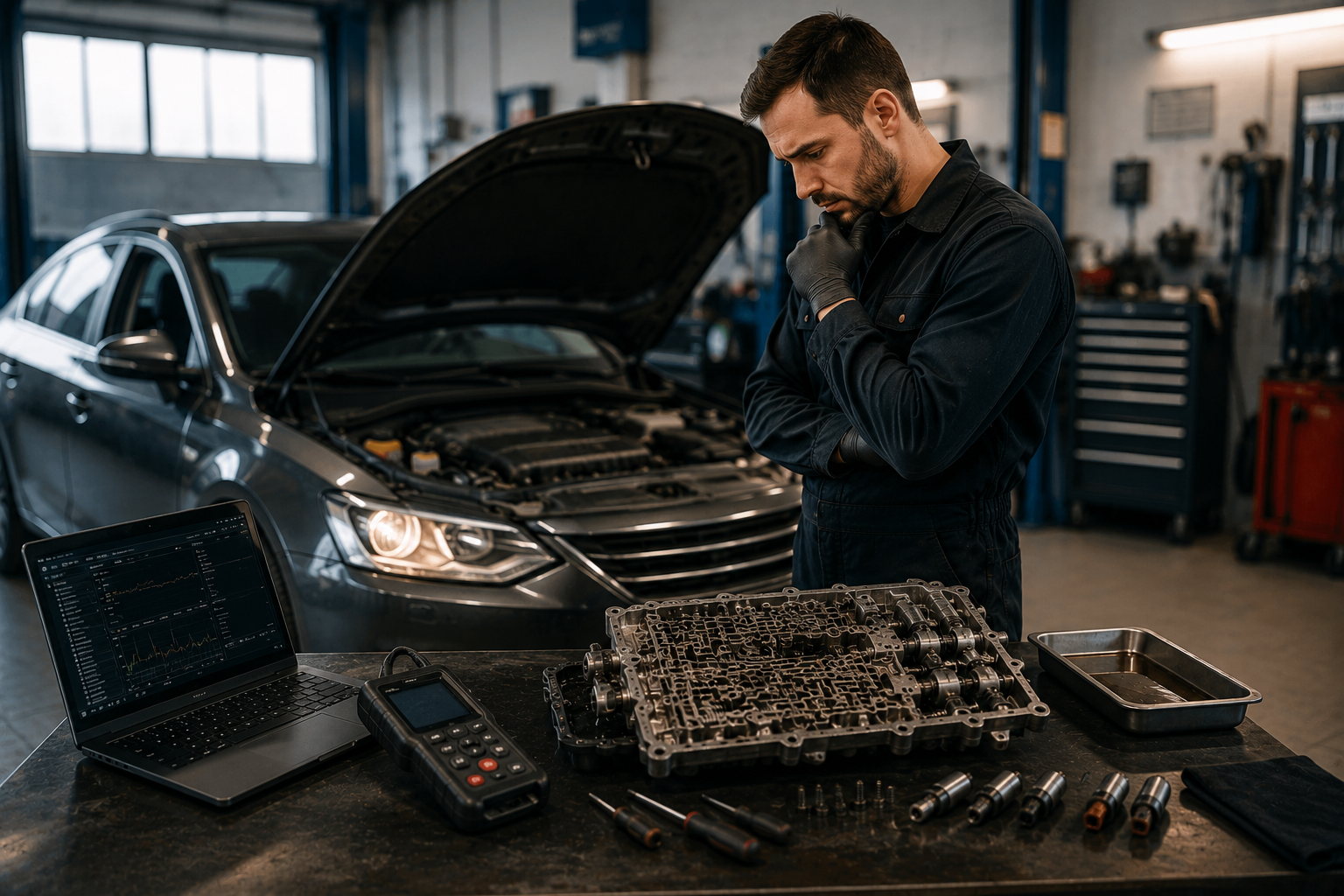
Separately, it is worth mentioning problems with the hydraulic unit. Contamination of channels, wear of solenoids or pressure disturbances lead to incorrect operation of the gearbox. This increases the load on the transmission components and increases the temperature.
Overheating of DSG and CVT
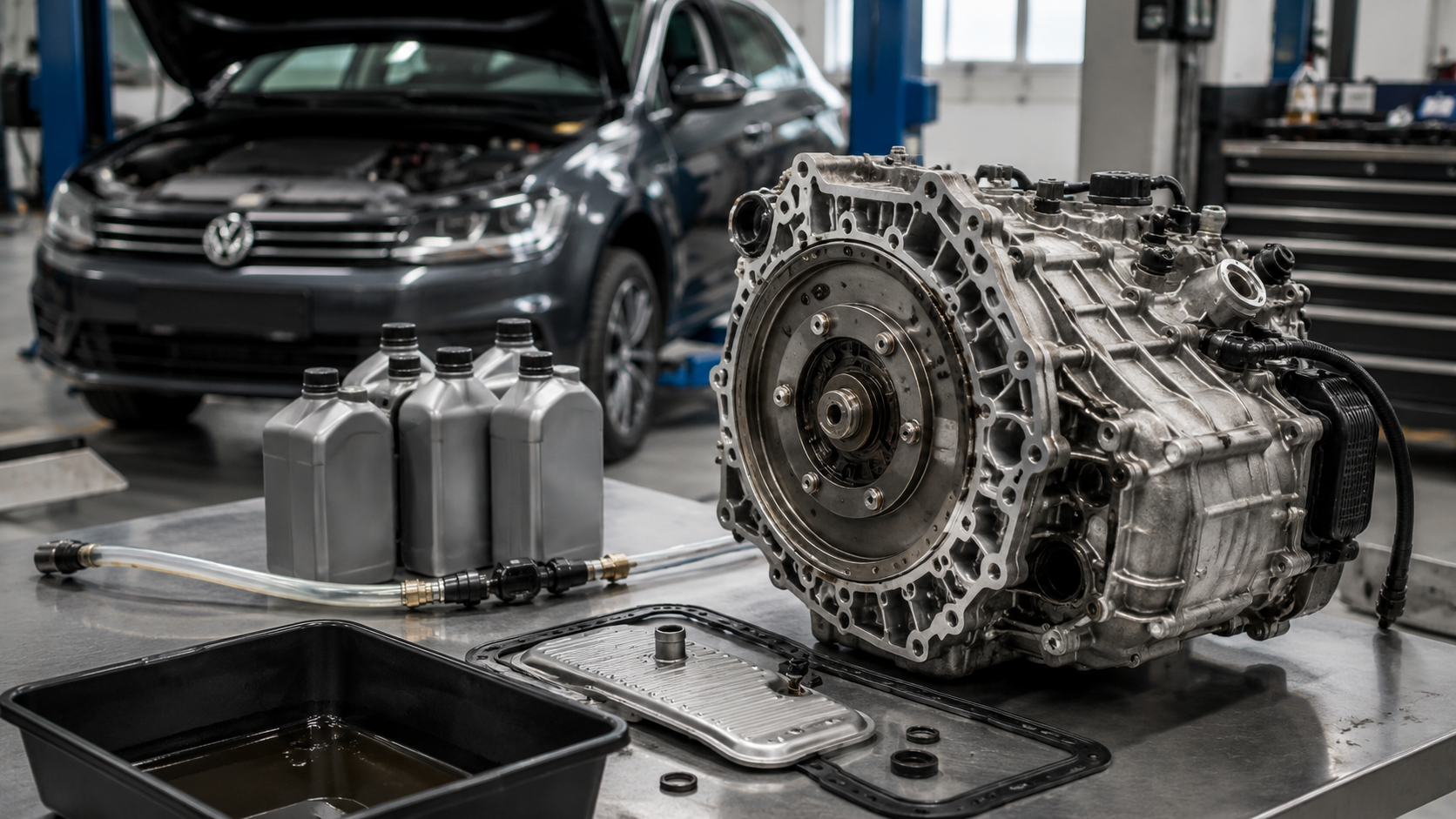
Modern robotic DSG boxes and variators are also sensitive to temperature. In DSG, overheating often occurs due to aggressive driving style, constant sharp starts or traffic jams. This is especially true for boxes with a dry clutch, where heat is removed worse.
In variators, the situation is even more complicated, since their design is very dependent on the quality of the lubricant and the stable operation of the cooling system. Even short-term overheating can accelerate the wear of the belt, cones and pumps.
That is why manufacturers of such transmissions pay special attention to the temperature of the automatic transmission and recommend regularly monitoring the condition of the oil.
Why you can’t ignore overheating
When an automatic transmission overheats regularly, the oil begins to lose its protective properties. This increases friction, and friction clutches, bearings, and valves in the hydraulic unit wear out faster. Gradually, shocks appear when shifting, slippage, and unstable gear operation.
Prolonged overheating of an automatic transmission can even damage electronic components of the transmission. In some cases, after severe overheating, the box goes into emergency mode and blocks some of the gears to protect against complete destruction.
The worst-case scenario is critical damage to internal components, which requires a major overhaul of the automatic transmission or replacement of the box.
When is automatic transmission diagnostics needed?
If the gearbox starts to work differently after driving in hot weather, in traffic jams or under heavy loads, it is not worth postponing the inspection. Even minor symptoms may indicate the beginning of problems with the cooling system or internal wear of the transmission.
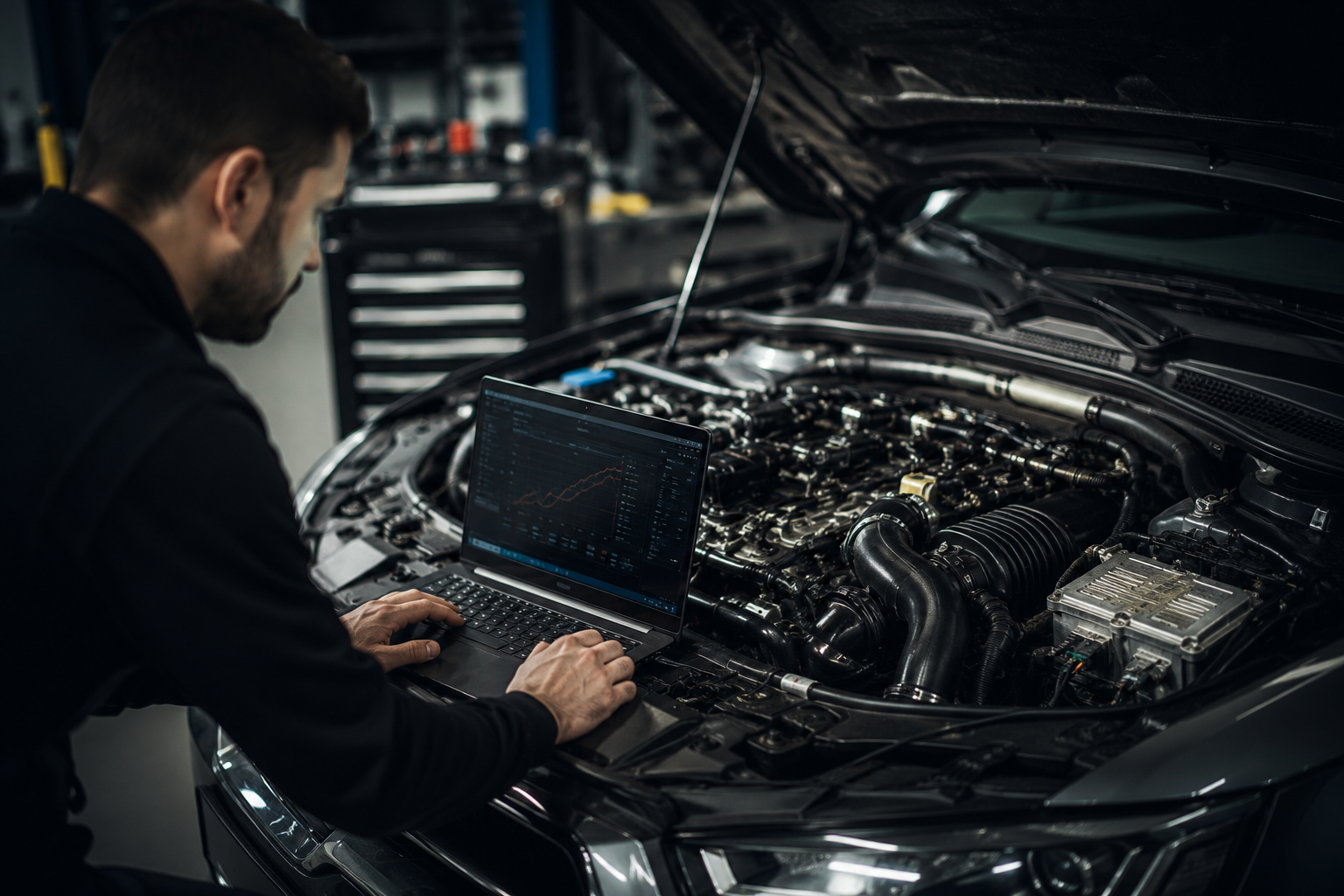
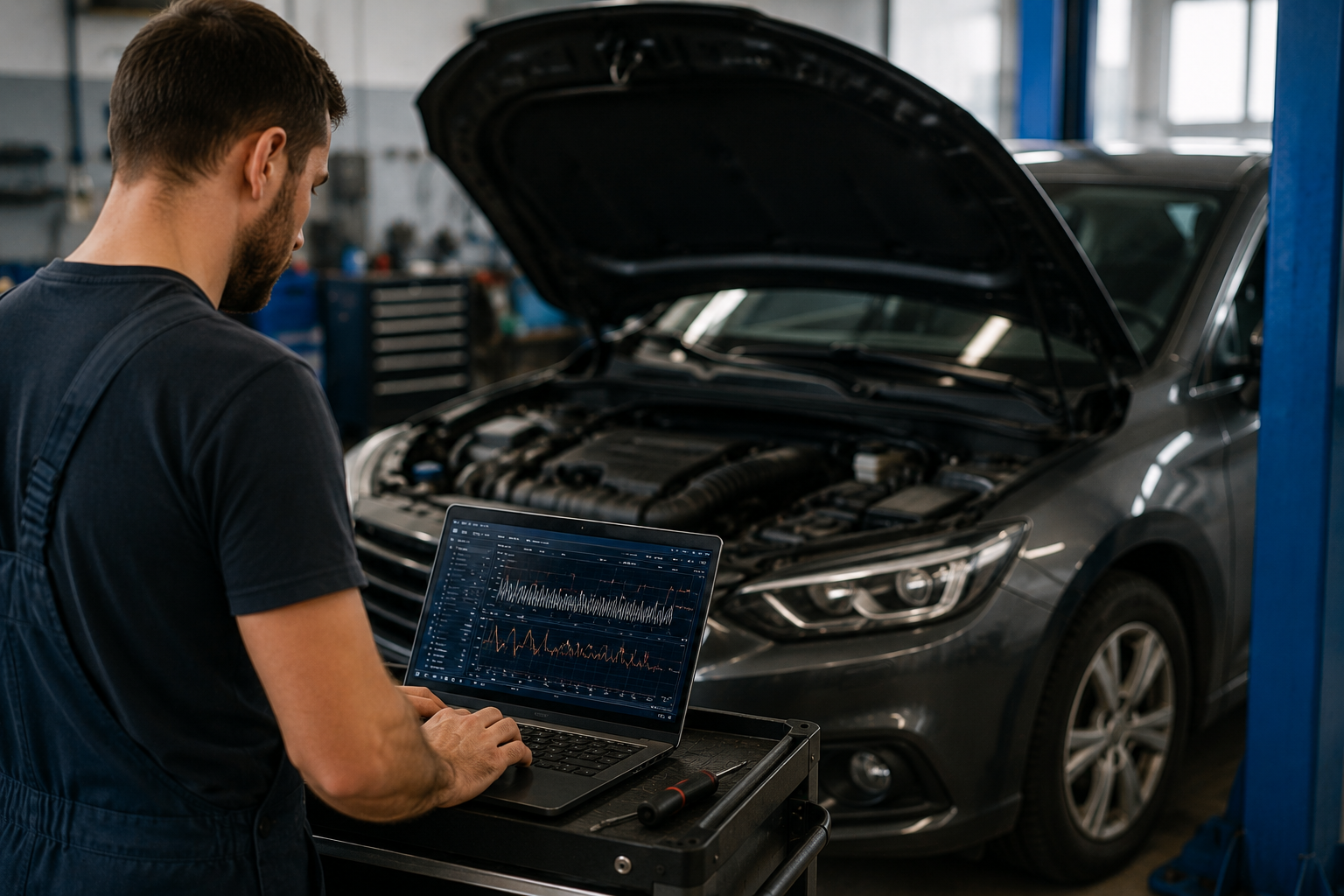
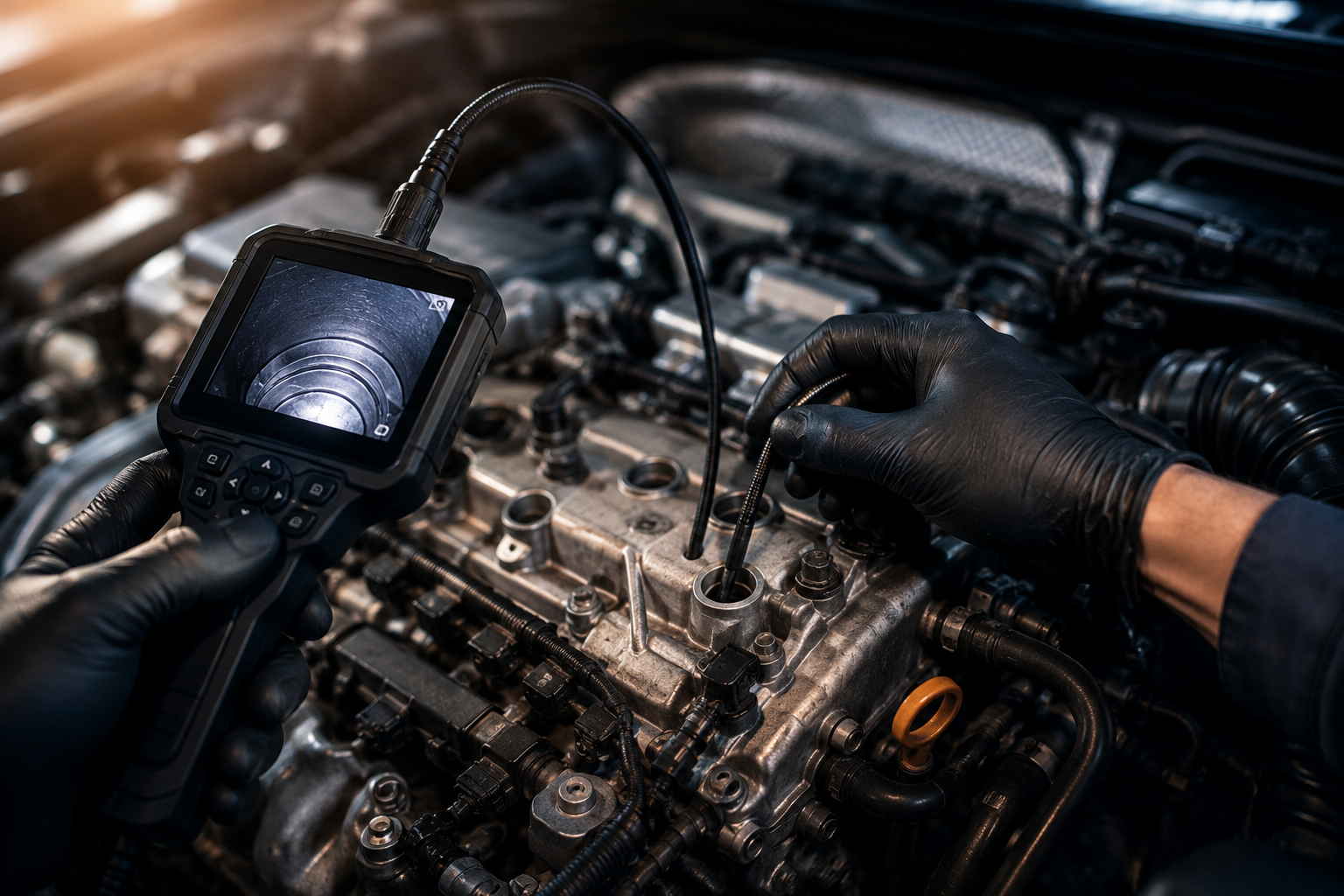
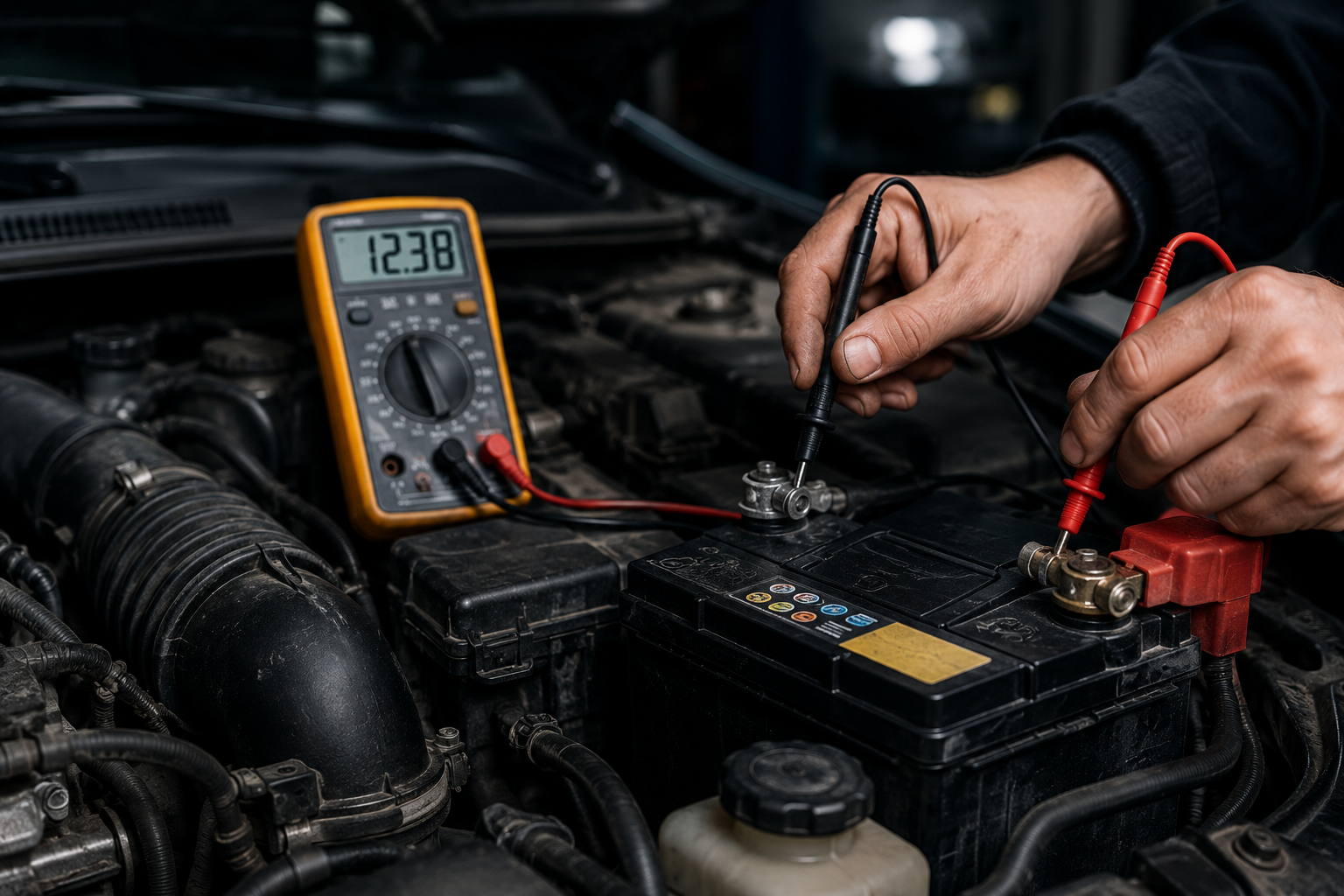
Automatic transmission diagnostics usually include checking temperature indicators, oil condition, cooling radiator operation, electronic unit errors and system pressure. The earlier the cause of overheating is detected, the higher the chance of avoiding expensive repairs.
Top popular news
- Steering Tie Rod Knocking: Symptoms and How Not to Confuse It with a Faulty Rack
- How to Read US Car Auction Photos and See More Than the Camera Shows
- Restoring Vehicle Safety After Airbag Deployment: Why Cheap SRS Repairs Are Dangerous
- VAG Comfort Control Module: Simultaneous Failure of Locks, Mirrors, and Power Windows
- The Heater Blows Weakly, and the Engine Takes a Long Time to Warm Up: Where to Look for the Cause
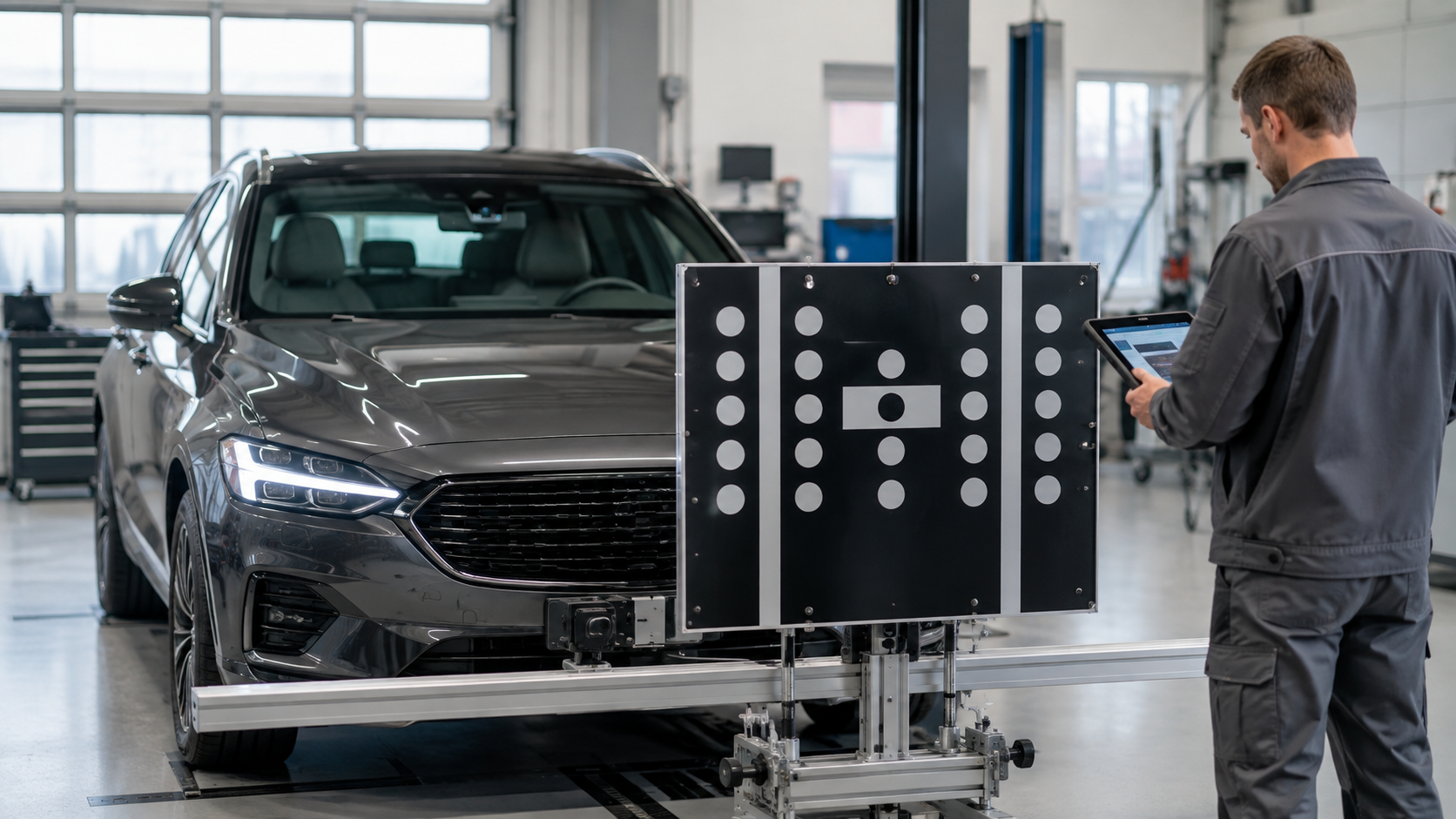
- ADAS calibration after windshield replacement: restoring the accuracy of driver-assistance systems
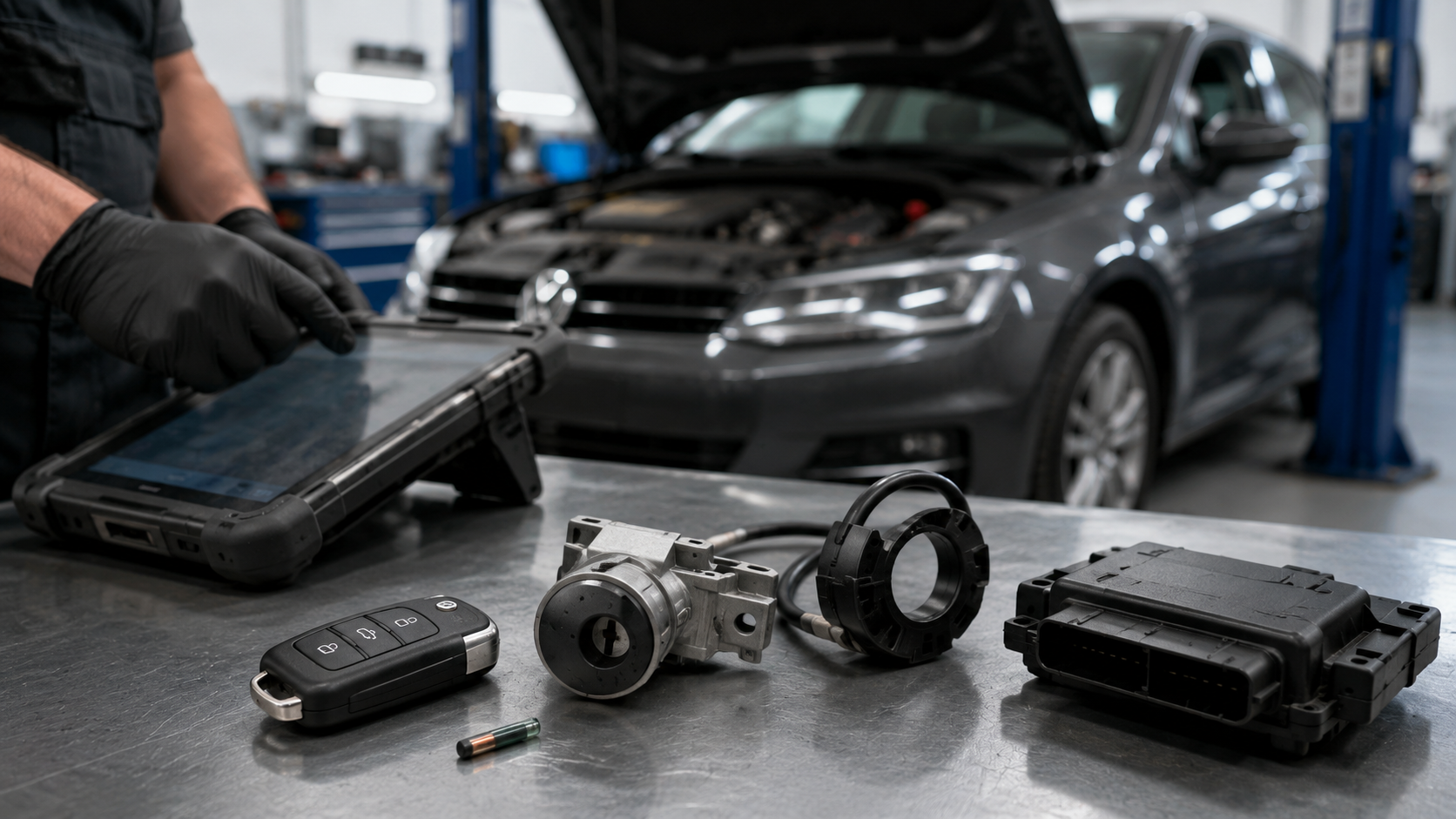
- VAG immobilizer: why the car will not start and the key transponder is not recognized
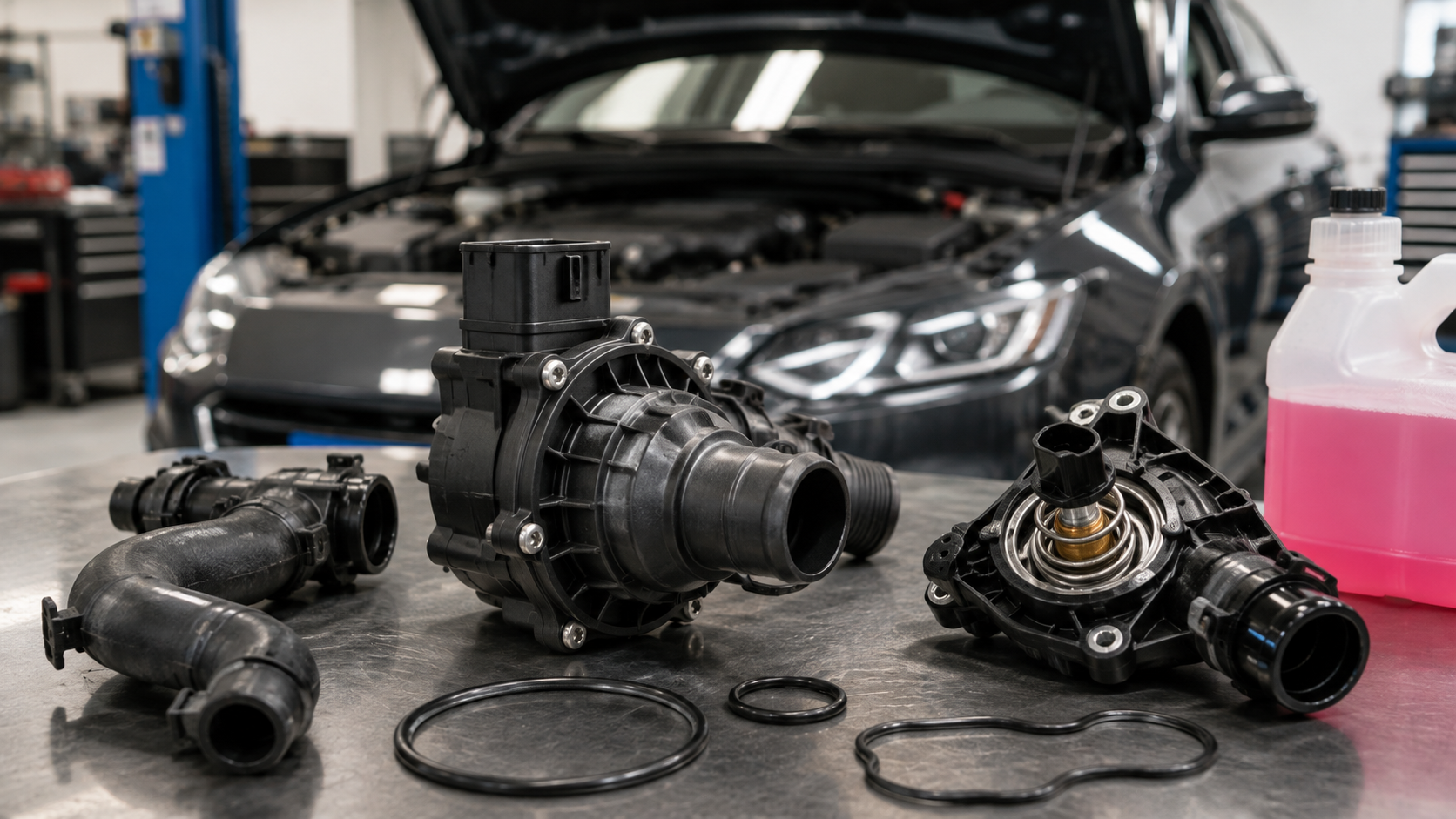
- TSI coolant pump and thermostat: causes of slow warm-up and engine overheating

Subscribe to our newsletter!
To stay updated with the latest news

Book a service