Mon - Sat | 09:00 - 19:00


Find

Contact us

Odesa
Hrushevskoho str., 41
 Мережа СТО в місті
Місто
 +38 (096) 299 29 97
Odesa
Hrushevskoho str., 41
 Мережа СТО в місті
Місто
+38 (096) 299 29 97

 Години роботи
 Mon - Sat
09:00 - 19:00
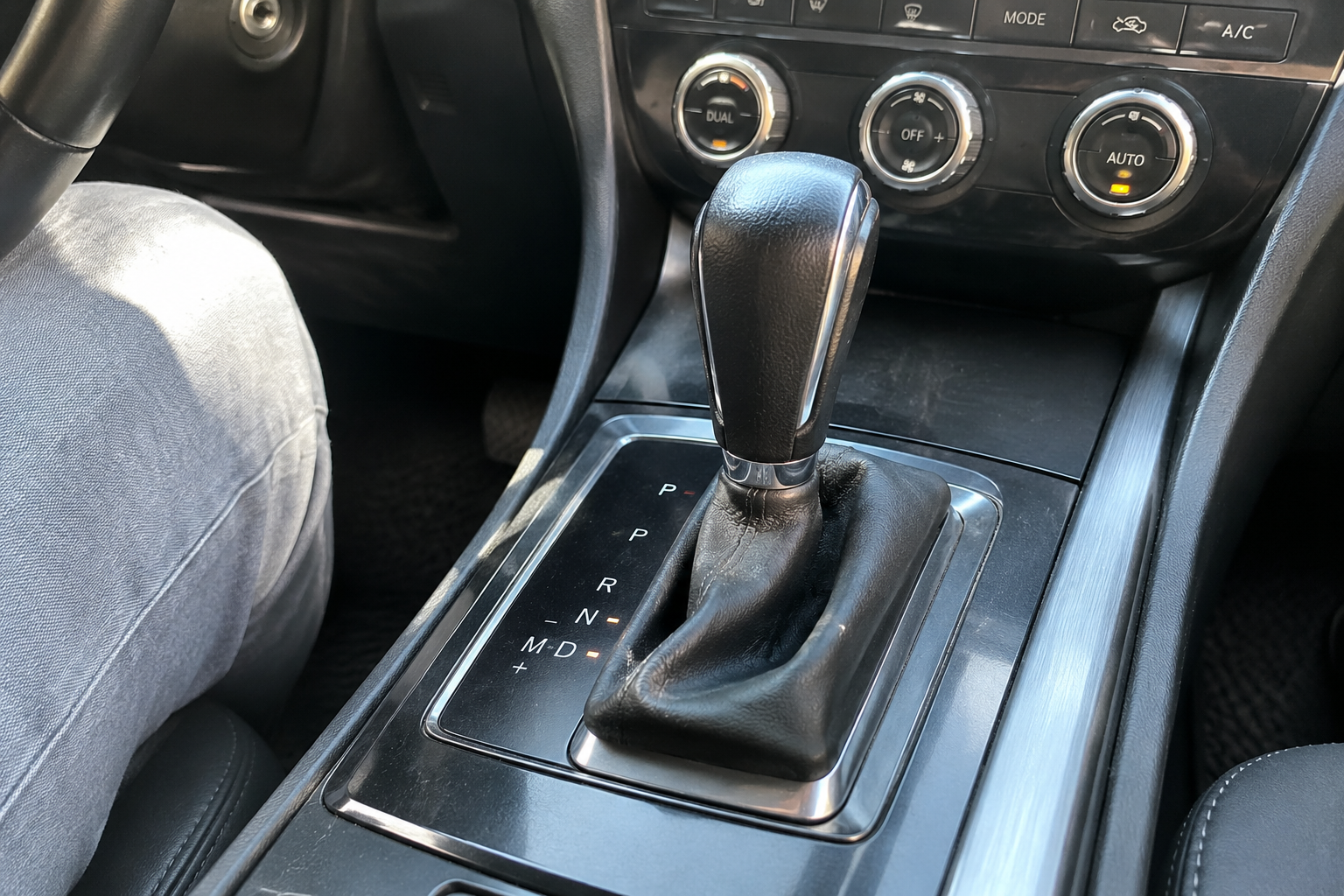
DSG Adaptation: Why Basic Calibration of a Robotic Transmission Is Necessary
DSG robotic transmissions have long become a common solution for vehicles manufactured by the VAG Group. However, many myths still surround them. One of the most widespread is that if the transmission starts jerking or shifts gears with noticeable jolts, it automatically means an expensive repair is required. In reality, in many cases the cause is not a serious mechanical failure but the need to adjust the transmission’s operating parameters.
This is exactly why DSG adaptation is performed a procedure during which the electronic control unit updates its operating values and compensates for the natural wear of the transmission components.
Why a DSG Transmission Changes Its Behavior Over Time

Unlike a conventional automatic transmission, DSG uses a dual-clutch system and a sophisticated electronic control system. During operation, the friction components gradually wear out, the clutch disc clearances change, and the mechatronic unit continuously adjusts the position of the actuators to ensure smooth gear changes.
As mileage increases, the transmission begins operating under conditions that differ from the original factory settings. This is why changes in transmission behavior may gradually appear.
The most common symptoms drivers notice include:
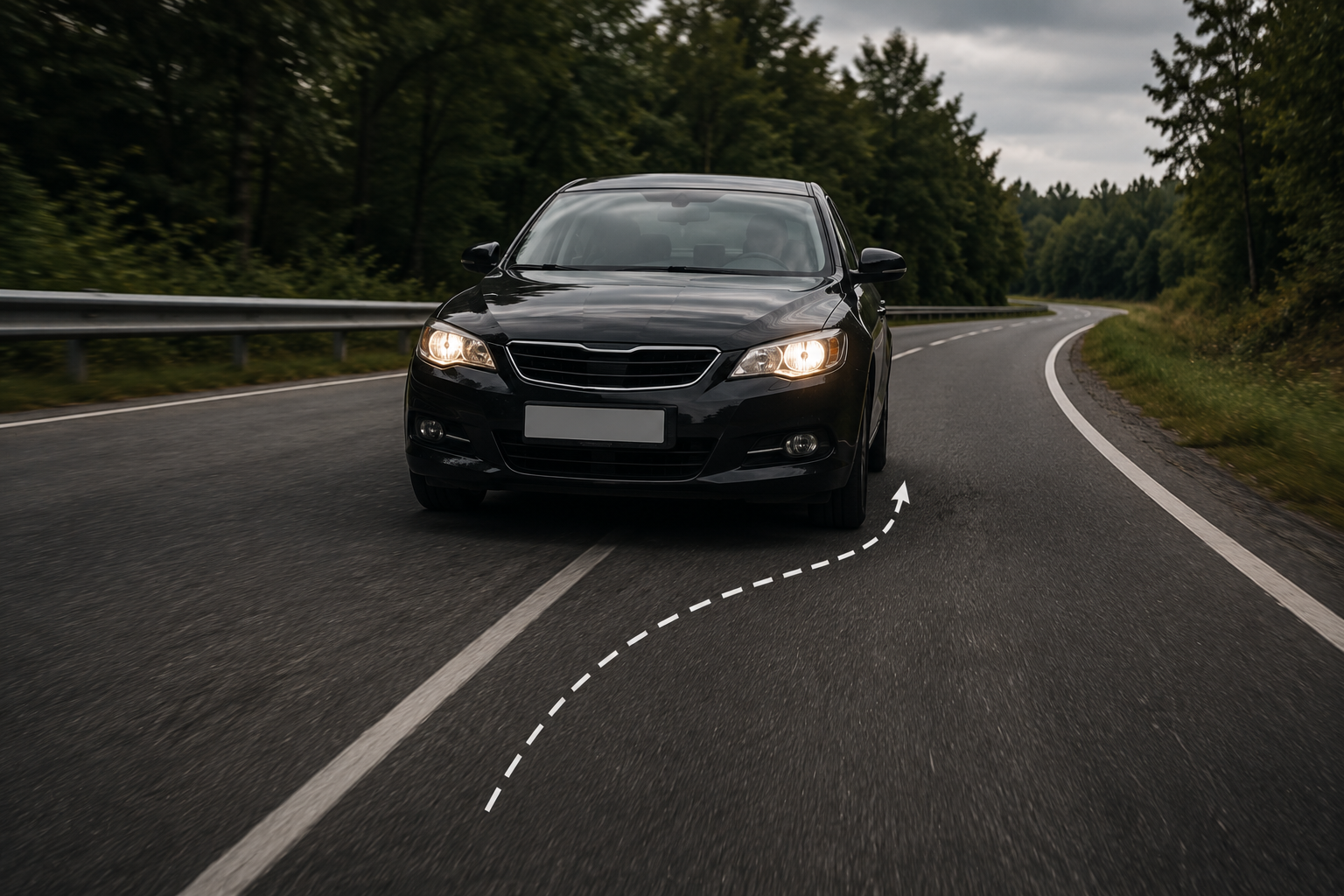
- jolts and jerks during gear shifts;
- delayed engagement when starting from a standstill;
- jerking in traffic jams;
- noticeable shocks when driving at low speeds;
- inconsistent shifting after the transmission has warmed up.
The appearance of these symptoms does not always mean that the transmission requires repair.
Why Clutch Wear Affects DSG Performance
The DSG transmission is based on a multi-plate dual-clutch system that transfers engine torque to the gearbox. Every time the vehicle starts moving or shifts gears, the clutch friction discs briefly slip against each other. This controlled slipping allows gear changes to occur smoothly and without interrupting power delivery.
During normal operation, the friction material gradually wears down, causing the working clearances between the clutch discs to change. These changes are almost imperceptible to the driver, but even slight deviations are significant for a robotic transmission. If the electronic control unit continues using outdated parameters, the clutch engagement point is determined less accurately.
As a result, jerks, jolts, delayed starts, or less-than-smooth gear changes may occur. DSG adaptation is specifically designed to compensate for this natural wear.
What Is DSG Adaptation and How Does It Work?
DSG adaptation is an electronic transmission calibration procedure during which the transmission control unit determines the current operating parameters and adjusts the position of the transmission actuators.
Simply put, the transmission “relearns” the actual condition of its components after a certain mileage or following repairs.
During the adaptation process, the system analyzes:
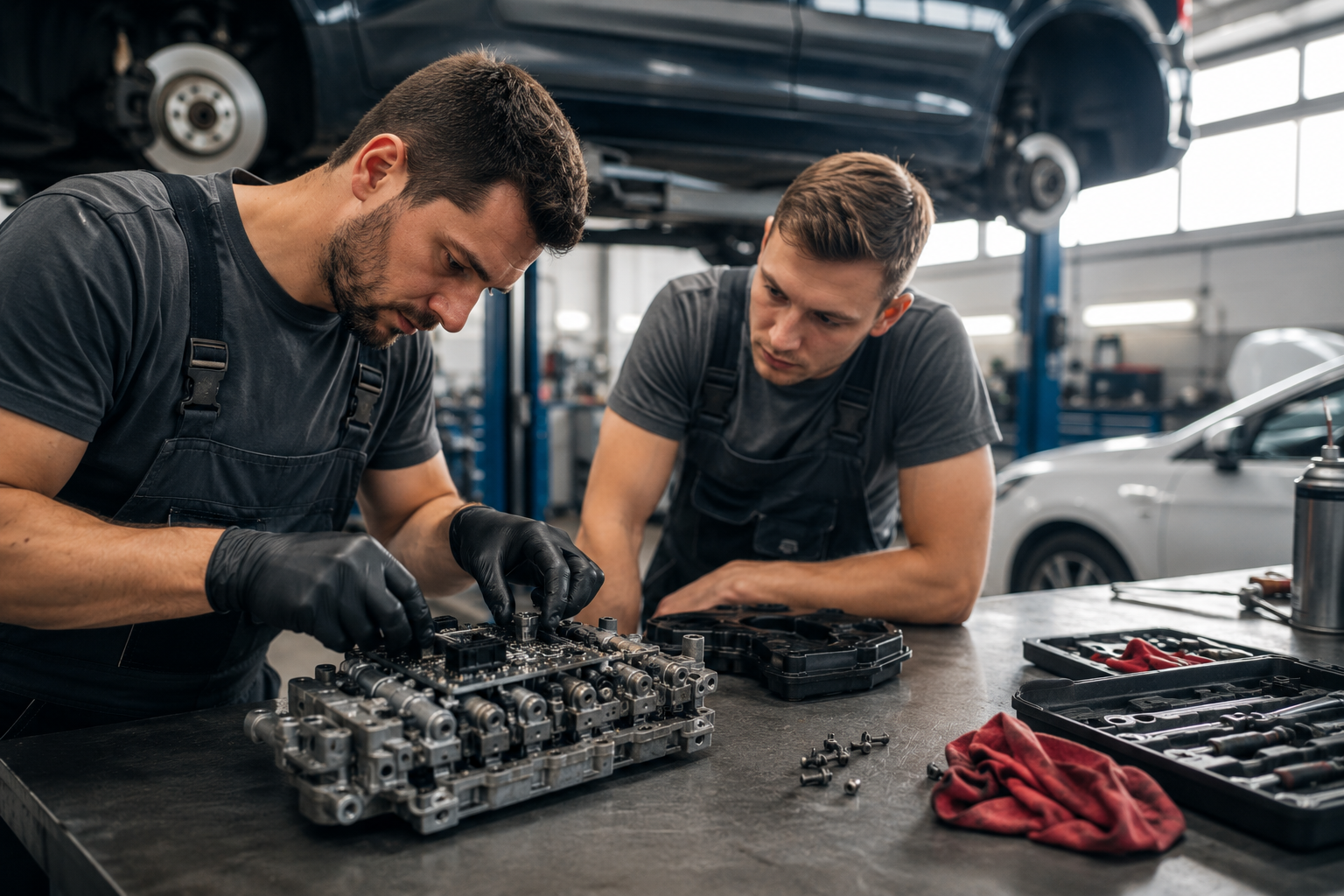
- mechatronic operation;
- dual-clutch parameters;
- clutch disc clearances;
- shift fork positions;
- input shaft operation;
- actuator response speed.
Once the procedure is complete, the software updates its operating values and adjusts the gear-shifting algorithms according to the current condition of the transmission.
For this reason, properly performed DSG clutch adaptation often restores smooth transmission operation without replacing any components.
When Should DSG Calibration Be Performed?
There are several situations in which calibrating a VAG robotic transmission is both logical and necessary.
DSG adaptation is most commonly performed:
- after replacing the clutch;
- after repairing the transmission;
- after repairing or replacing the mechatronic unit;
- after updating the transmission software;
- after specific scheduled transmission service procedures;
- during a comprehensive transmission diagnostic inspection.
Many specialists also recommend checking the adaptation parameters as preventive maintenance after 30,000-40,000 kilometers of driving, especially if the vehicle is primarily operated in urban traffic conditions.
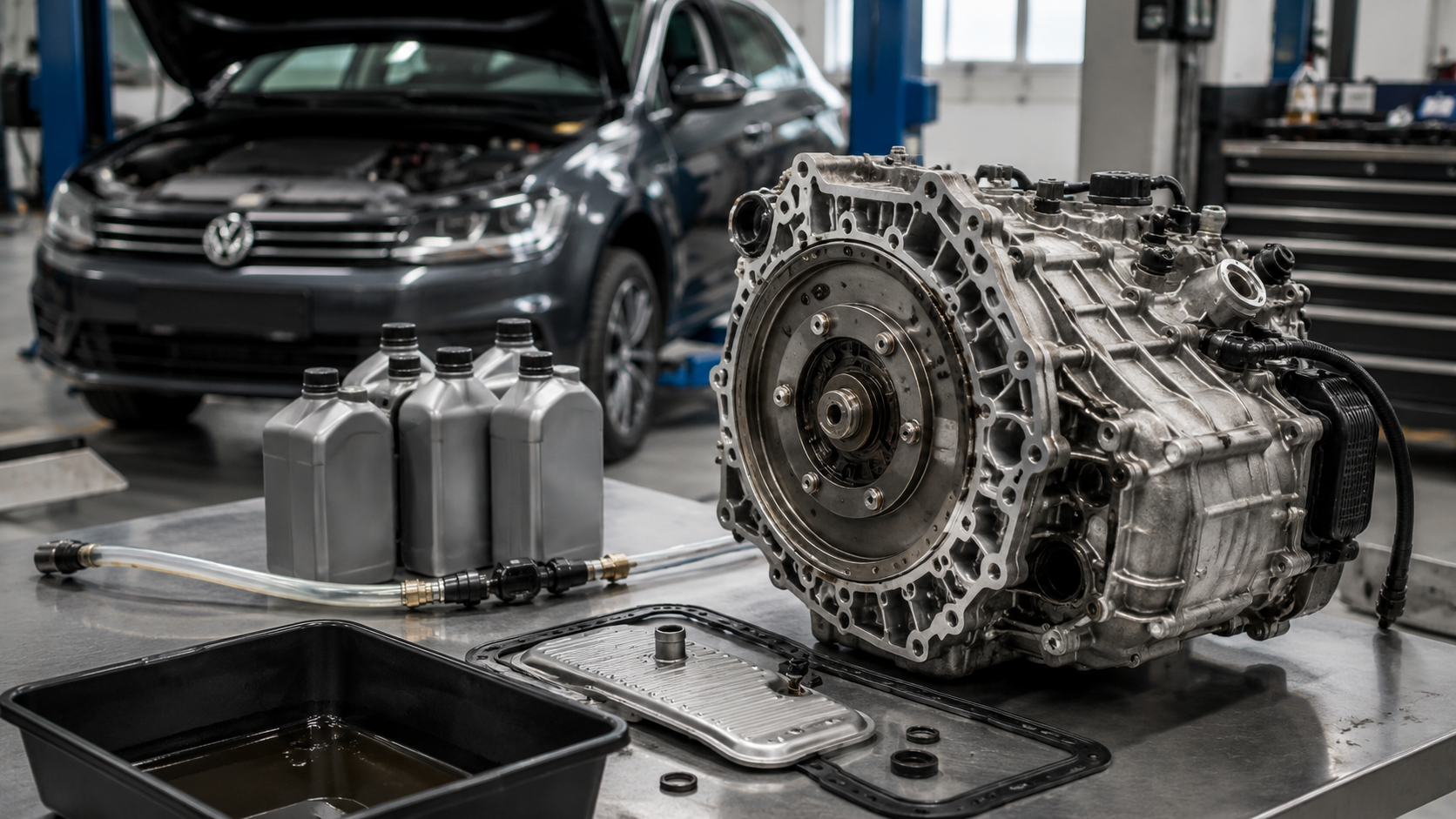
For transmissions equipped with a wet clutch, basic DSG6 adaptation is a common procedure following transmission service work.
A Practical Example
A common situation occurs when a vehicle owner replaces the clutch or repairs the mechatronic unit and expects the transmission to operate perfectly smoothly afterward. However, even after the repair, noticeable jolts during gear changes may still be present.
The reason is that the transmission control unit continues using adaptation values learned from the previous condition of the transmission. After performing DSG adaptation, the transmission recalculates the actuator positions and adjusts its operating algorithms according to the new parameters.
For this reason, calibration often becomes the final step after a DSG repair.
Signs That Your DSG Transmission Needs Adaptation

Not every owner can immediately recognize when the transmission requires calibration. However, several characteristic symptoms may indicate that adaptation is necessary.
Common signs include:
- jerking during gear changes;
- jolts when pulling away from a standstill;
- delayed acceleration from a stop;
- vibrations when starting to move;
- jerking in stop-and-go traffic;
- harsher gear shifts compared to the previous operation of the transmission.
These are exactly the symptoms that often lead drivers to search for answers to the question, “My DSG transmission is jerking what should I do?” In many cases, the solution begins with a proper diagnostic inspection and verification of the transmission’s adaptation parameters.
Why You Should Not Perform DSG Adaptation Yourself
The Internet contains numerous guides explaining how to perform DSG adaptation using inexpensive diagnostic cables and software.
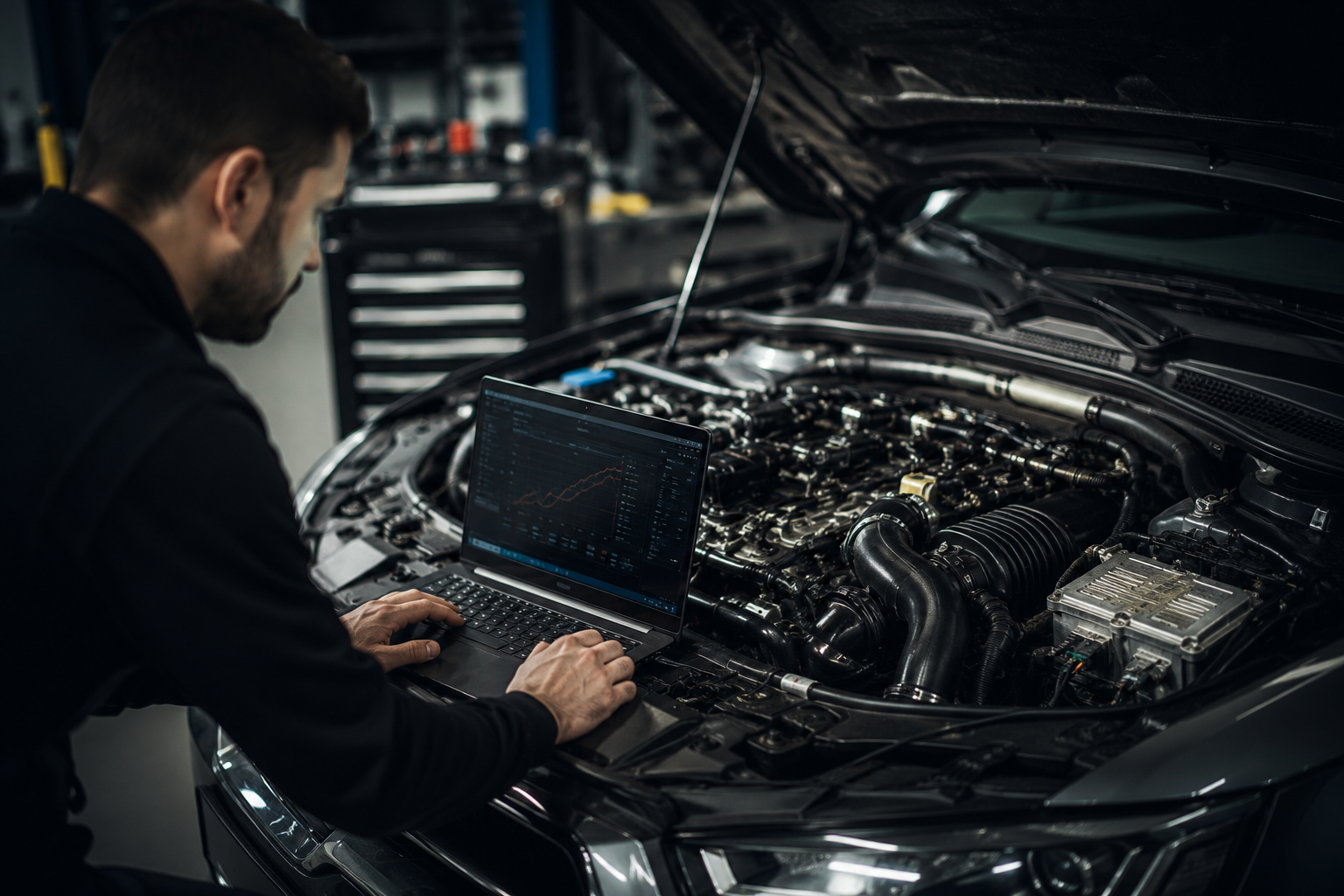
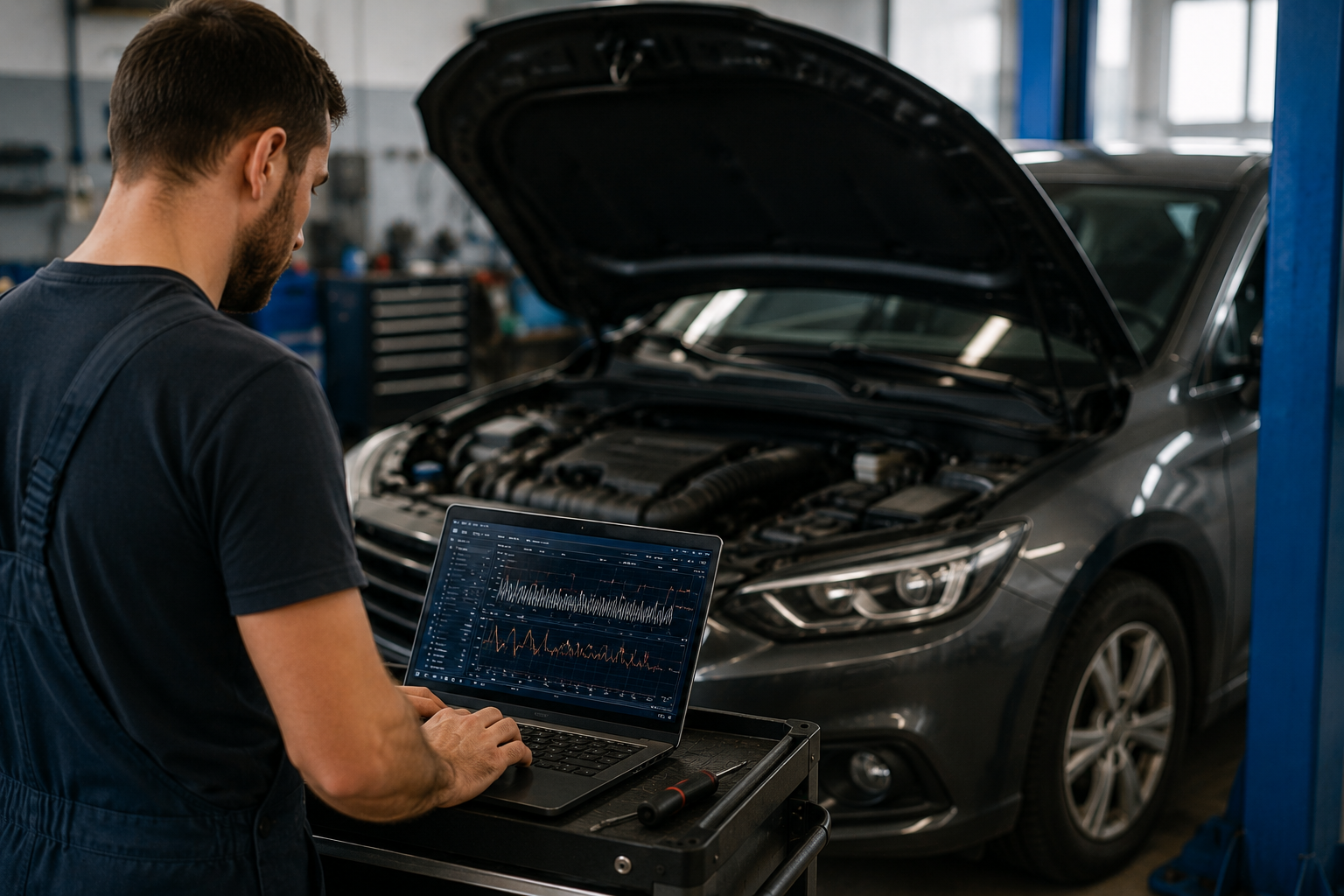
However, the procedure involves much more than simply accessing the transmission control unit. Correct calibration requires monitoring several important parameters, including transmission oil temperature, the operating condition of the system during the procedure, and the correct sequence of calibration steps.
If adaptation is performed incorrectly, the control unit may store inaccurate values. As a result, the transmission may perform even worse, with more pronounced jerking and improper gear shifts.
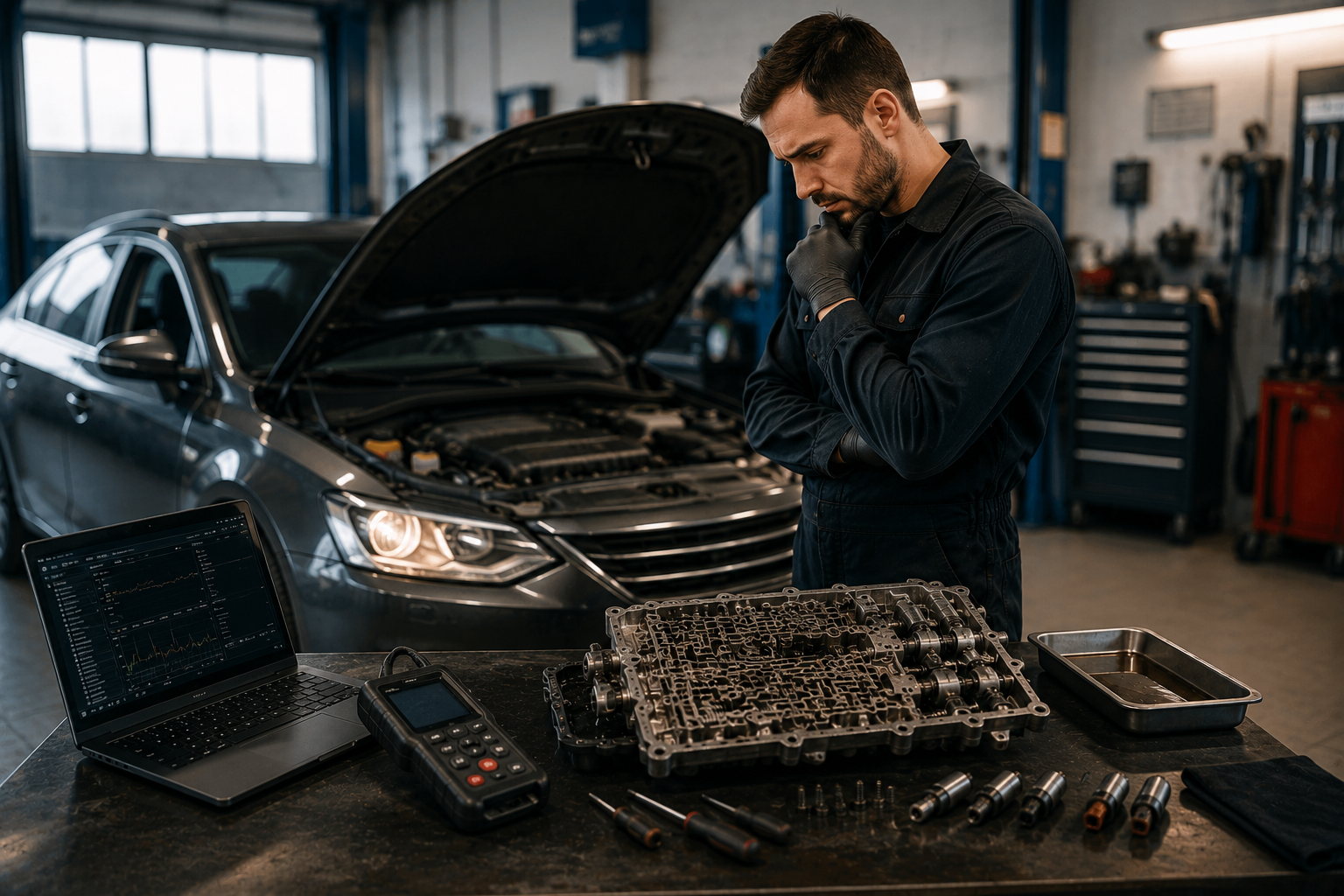
For this reason, every calibration procedure should begin with a professional transmission diagnostic inspection to determine whether the problem is caused by incorrect adaptation parameters or by mechanical wear of the transmission components.
DSG adaptation is not a repair procedure and is not intended to conceal mechanical problems. Its primary purpose is to allow the transmission control unit to compensate for the natural wear of transmission components and adjust the operation of the actuators according to the current condition of the gearbox.
Timely calibration helps maintain smooth gear changes, reduce the load on the mechatronic unit, ensure proper dual-clutch operation, and prevent premature wear of individual transmission components. For this reason, DSG adaptation remains an essential part of servicing modern DSG robotic transmissions.
Regular transmission inspections and timely DSG adaptation help maintain stable gearbox performance and reduce the risk of premature wear of its components.
Top popular news
- Steering Tie Rod Knocking: Symptoms and How Not to Confuse It with a Faulty Rack
- How to Read US Car Auction Photos and See More Than the Camera Shows
- Restoring Vehicle Safety After Airbag Deployment: Why Cheap SRS Repairs Are Dangerous
- VAG Comfort Control Module: Simultaneous Failure of Locks, Mirrors, and Power Windows
- The Heater Blows Weakly, and the Engine Takes a Long Time to Warm Up: Where to Look for the Cause
- ADAS calibration after windshield replacement: restoring the accuracy of driver-assistance systems
- VAG immobilizer: why the car will not start and the key transponder is not recognized
- TSI coolant pump and thermostat: causes of slow warm-up and engine overheating

Subscribe to our newsletter!
To stay updated with the latest news

Book a service