Mon - Sat | 09:00 - 19:00


Find

Contact us

Odesa
Hrushevskoho str., 41
 Мережа СТО в місті
Місто
 +38 (096) 299 29 97
Odesa
Hrushevskoho str., 41
 Мережа СТО в місті
Місто
+38 (096) 299 29 97

 Години роботи
 Mon - Sat
09:00 - 19:00
Unit injector or Common Rail: which is better for a diesel Volkswagen
When choosing a VAG diesel vehicle, many buyers compare only the year, mileage, or engine output. It is equally important to understand which fuel system the vehicle uses. This affects not only the way the engine behaves, but also future maintenance and repair costs.
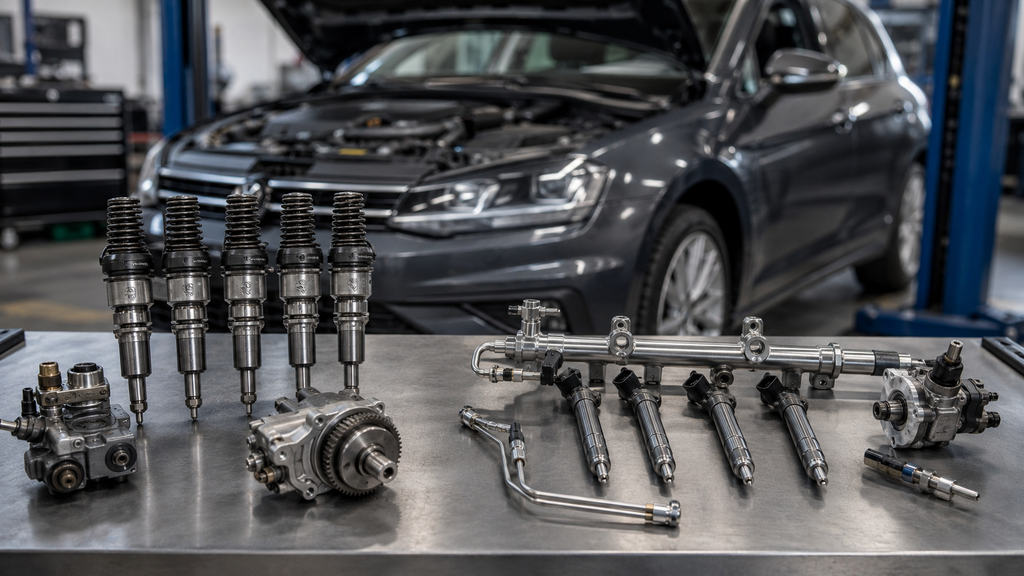
Which is better: a unit-injector system or Common Rail? Both designs have proven themselves, but they were developed for different priorities. Pumpe Düse emphasizes mechanical robustness and a relatively straightforward way of generating high pressure, while Common Rail focuses on more precise injection control, lower noise, and compliance with modern emissions standards.
Why Volkswagen used two different injection systems
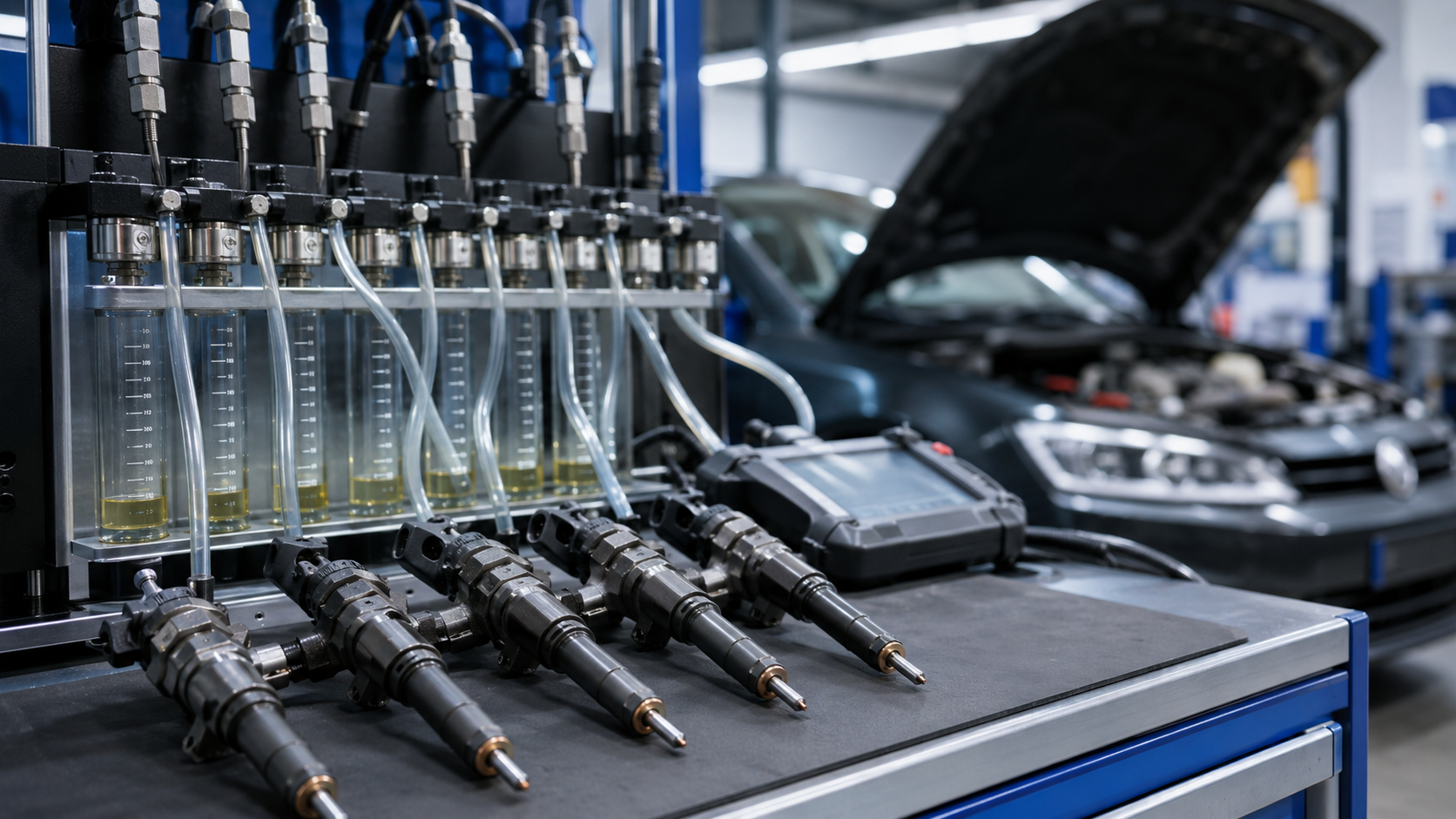
Older VAG diesel engines with unit injectors generate injection pressure individually for each cylinder. Each injector combines the functions of a pump and a nozzle, and the required injection pressure is created directly during engine operation. The injector camshaft drives this process, with its lobes transmitting force to the injector mechanism.
Common Rail takes a different approach. Fuel first accumulates in a shared rail where constant high pressure is maintained. The electronics open the injectors independently of pressure generation, allowing several injection events within one combustion cycle. This improves engine smoothness and reduces noise.
The difference in design determines operating characteristics, maintenance requirements, and the nature of typical faults.
Unit injectors are not as demanding as they are often said to be
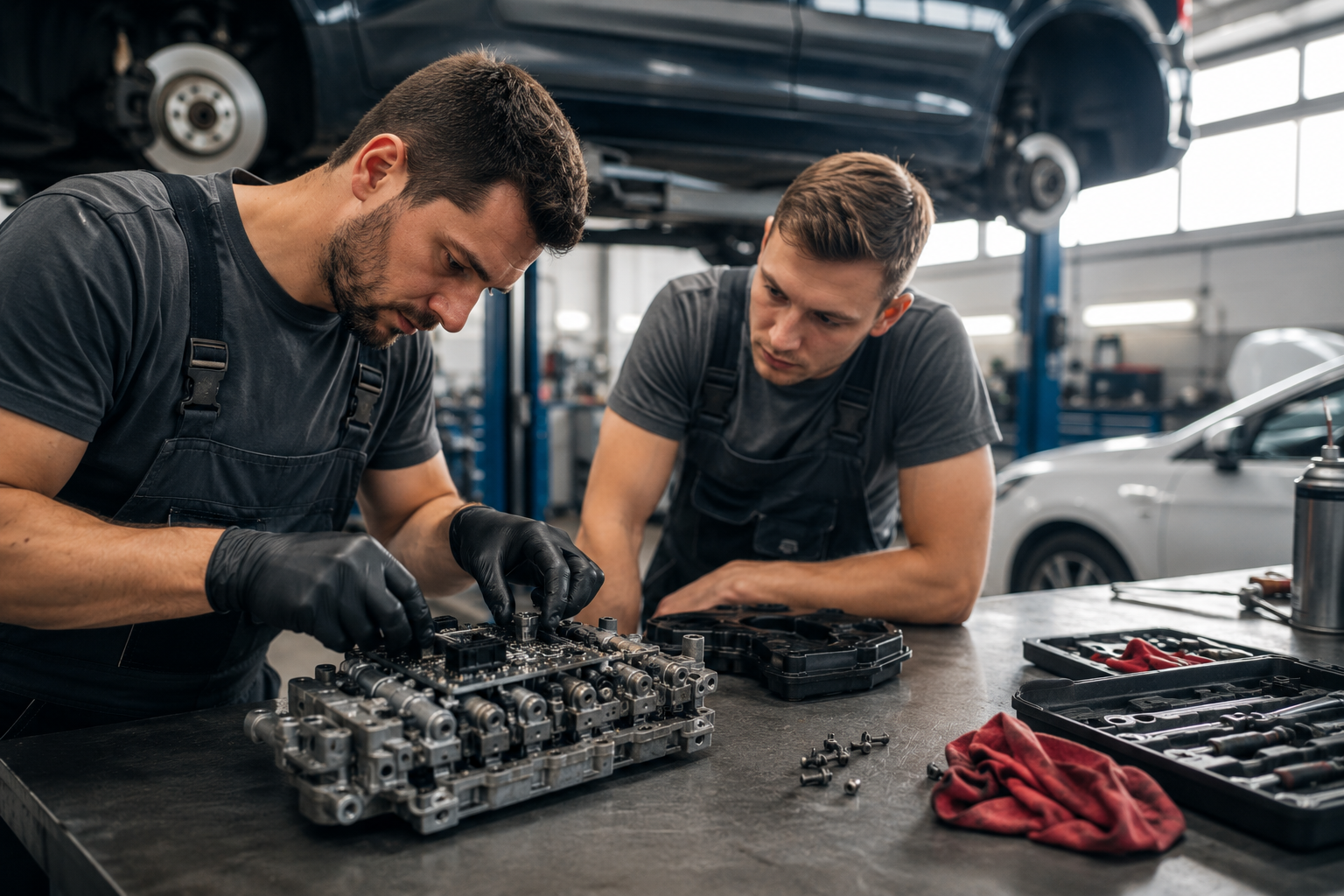
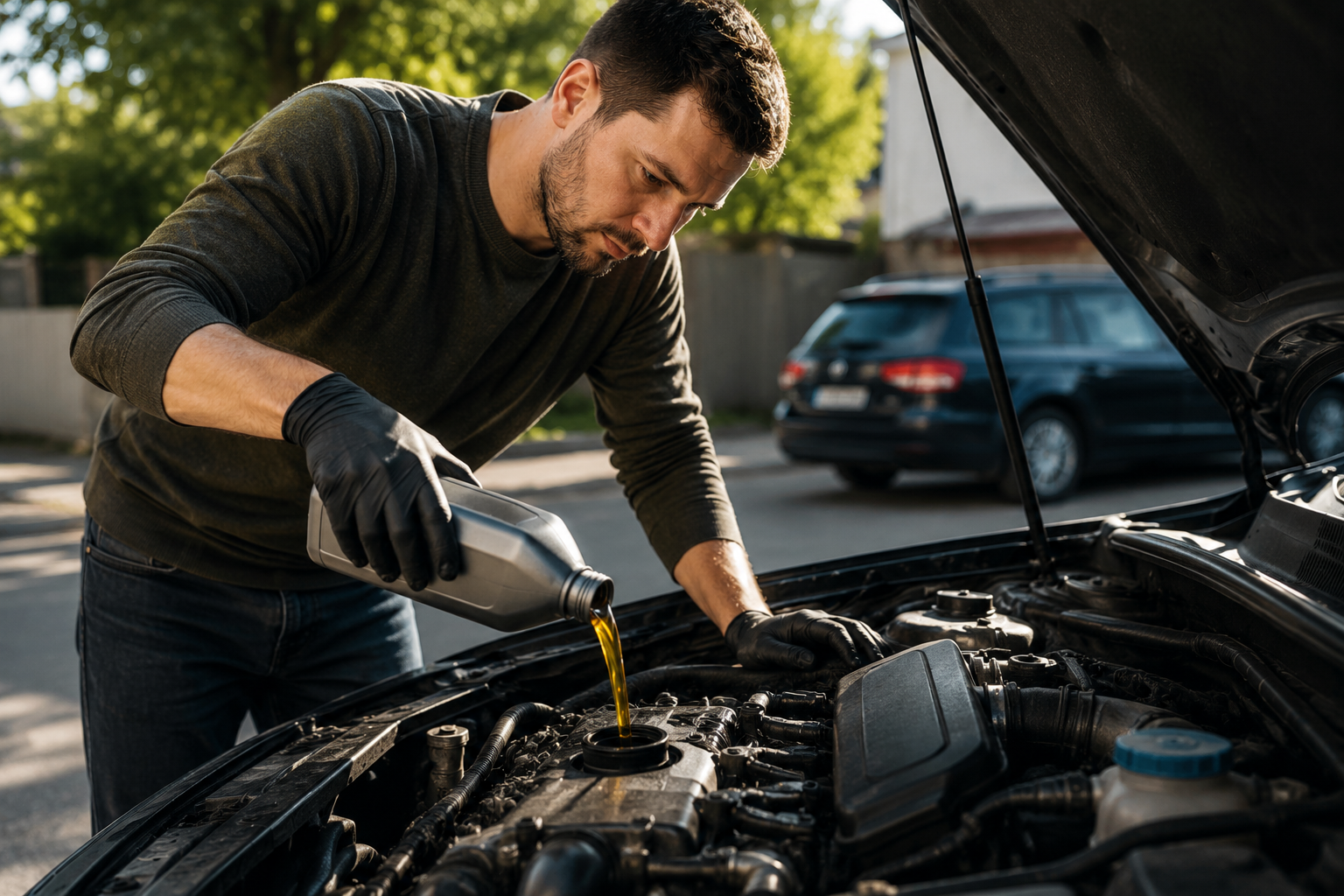
There is a common belief that Pumpe Düse fails quickly because of poor-quality fuel. In practice, proper lubrication of the mechanical section is just as important. If the engine operates for long periods on oil without the required approval, or oil-change intervals are repeatedly extended, the unit-injector drive is subjected to increased loads.
The components that most often require attention are:
- camshaft lobe wear;
- the injector solenoid valve;
- injector seals and seating areas;
- mechanical drive components.
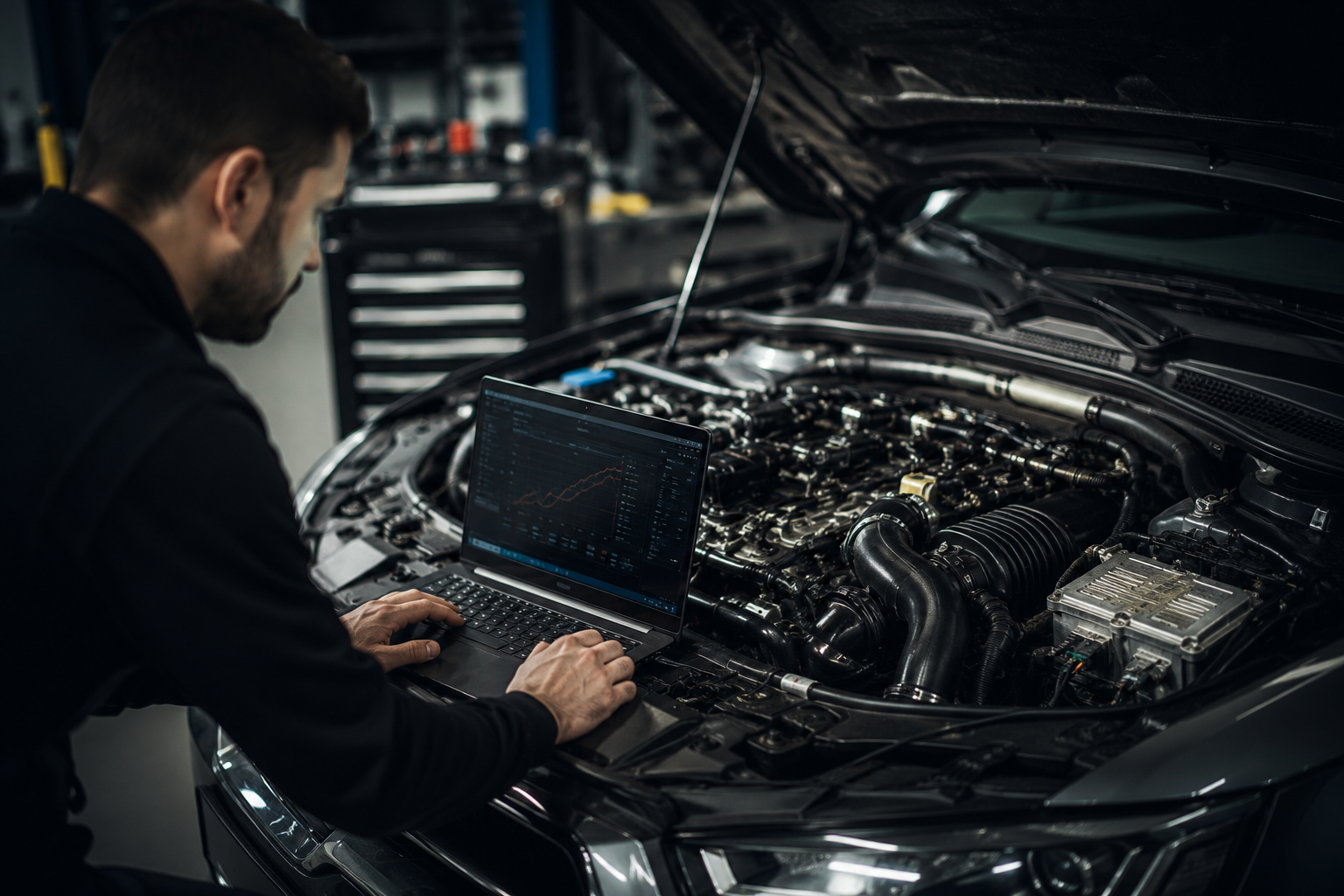
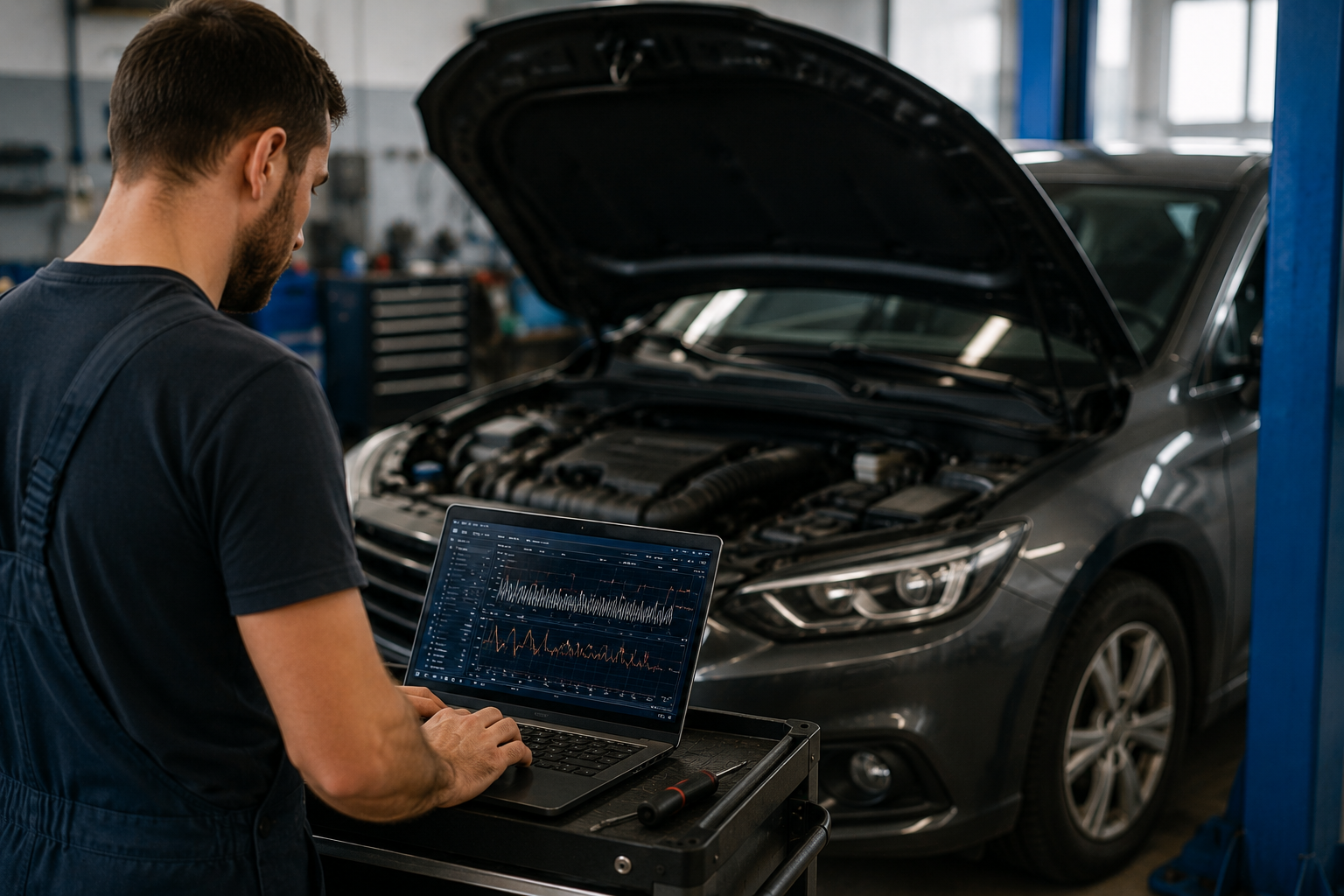
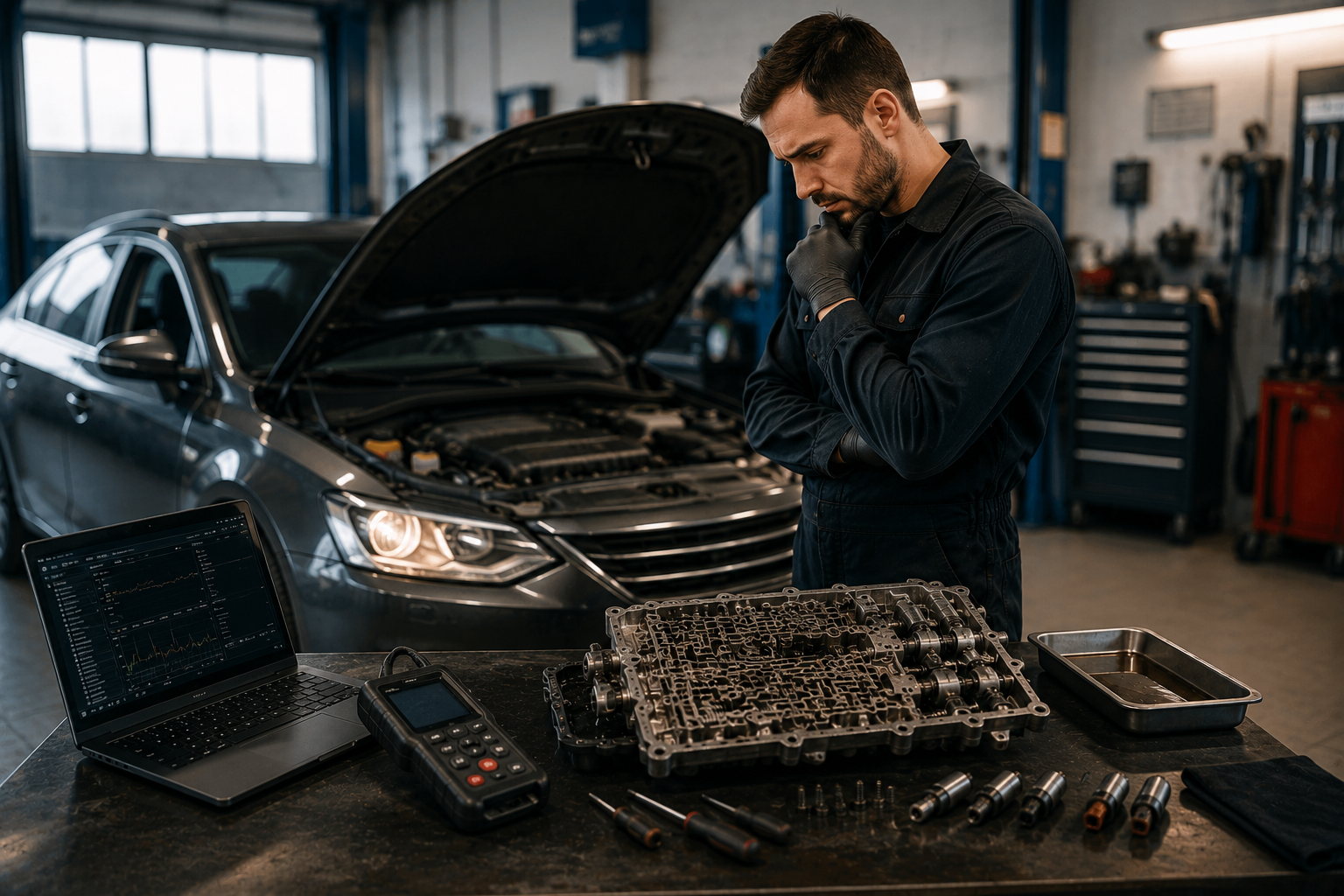
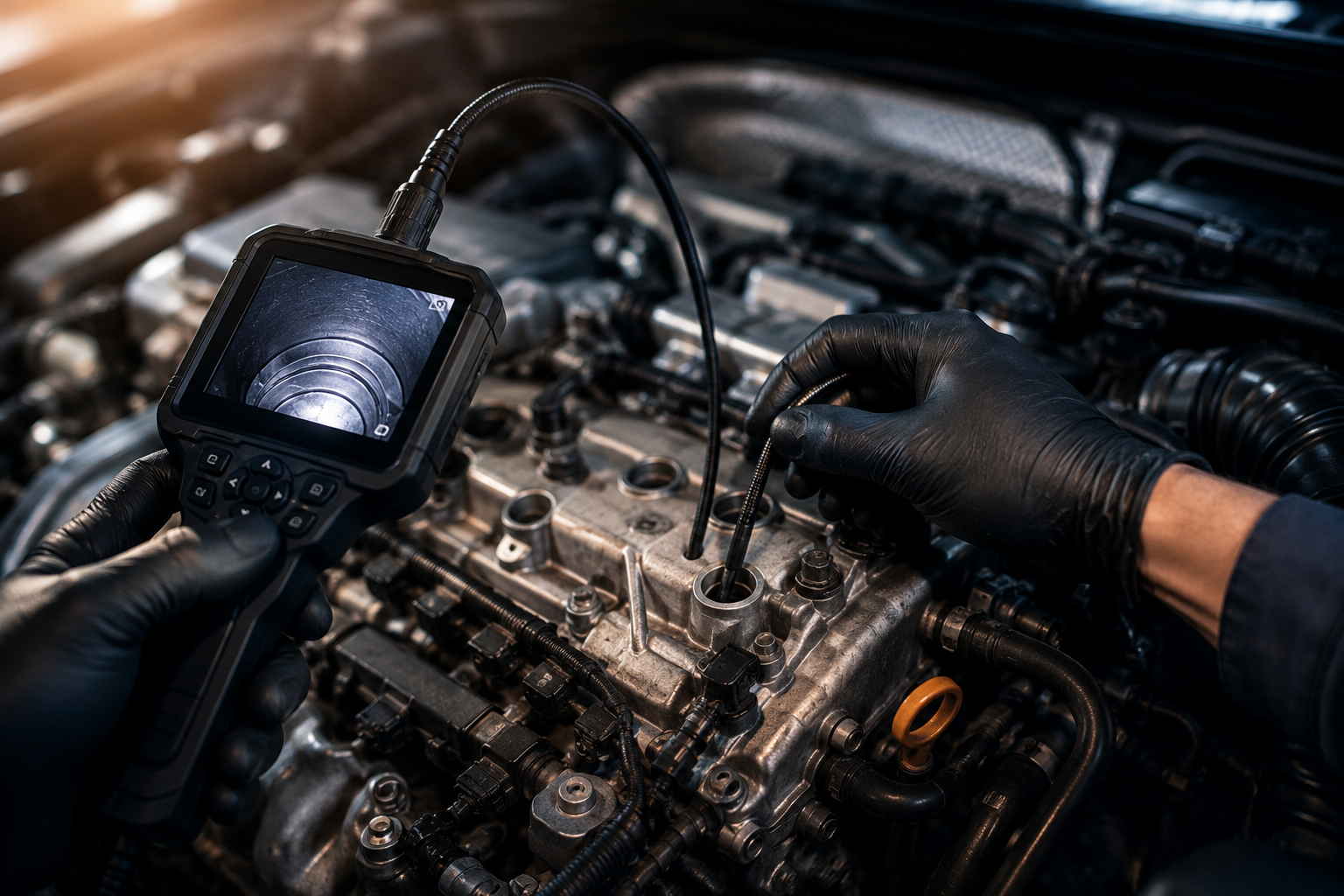
For this reason, comprehensive unit-injector diagnostics should be performed before committing to an expensive repair. It allows both injector operation and the condition of the related components to be assessed. Mistakes during this inspection can lead to replacement of serviceable parts while the real cause remains unresolved.
What changed with the arrival of Common Rail
The move to Common Rail did not mean that unit injectors were a failed solution. The main reasons were the need for more precise injection control, lower noise, and compliance with stricter emissions requirements.
The newer design made engines more flexible and comfortable in everyday use, but it also became far more sensitive to the condition of the entire fuel circuit. If water, rust, or other contamination enters the system, several expensive components may be damaged at once rather than just one part.
This is where the difference between Common Rail and unit-injector diesel systems is clearest. Pumpe Düse depends more heavily on the condition of the engine’s mechanical components, while modern Common Rail systems are highly sensitive to fuel cleanliness and the condition of fuel-system hardware.
Which design is more economical to maintain
There is no absolute winner. Much depends on the specific vehicle being purchased and how it was maintained and used previously.
Pumpe Düse is typically characterized by:
- a large margin of mechanical strength;
- good durability when serviced on time;
- more expensive Pumpe Düse injector repairs.
Common Rail provides quieter engine operation, smoother acceleration, and lower emissions, but it tolerates fuel contamination much less well. Even a small amount of foreign material can shorten the life of the injectors, high-pressure pump, and control equipment.
What this means for the vehicle owner
When buying a diesel Volkswagen, the fuel-system type should not be the only criterion. Service history matters much more. If the previous owner used high-quality engine oil, changed filters regularly, and filled up with reliable fuel, even a high-mileage car can remain in good technical condition.
The reliability of TDI PD engines depends heavily on camshaft condition, correct lubrication, and timely diagnostics. For Common Rail, fuel-system cleanliness becomes the key factor. Both designs can operate reliably for hundreds of thousands of kilometres if maintenance has not been compromised by saving on consumables or scheduled service.
Top popular news
- Steering Tie Rod Knocking: Symptoms and How Not to Confuse It with a Faulty Rack
- How to Read US Car Auction Photos and See More Than the Camera Shows
- Restoring Vehicle Safety After Airbag Deployment: Why Cheap SRS Repairs Are Dangerous
- VAG Comfort Control Module: Simultaneous Failure of Locks, Mirrors, and Power Windows
- The Heater Blows Weakly, and the Engine Takes a Long Time to Warm Up: Where to Look for the Cause
- ADAS calibration after windshield replacement: restoring the accuracy of driver-assistance systems
- VAG immobilizer: why the car will not start and the key transponder is not recognized
- TSI coolant pump and thermostat: causes of slow warm-up and engine overheating

Subscribe to our newsletter!
To stay updated with the latest news

Book a service