Mon - Sat | 09:00 - 19:00


Find

Contact us

Odesa
Hrushevskoho str., 41
 Мережа СТО в місті
Місто
 +38 (096) 299 29 97
Odesa
Hrushevskoho str., 41
 Мережа СТО в місті
Місто
+38 (096) 299 29 97

 Години роботи
 Mon - Sat
09:00 - 19:00
When to change the gearbox oil
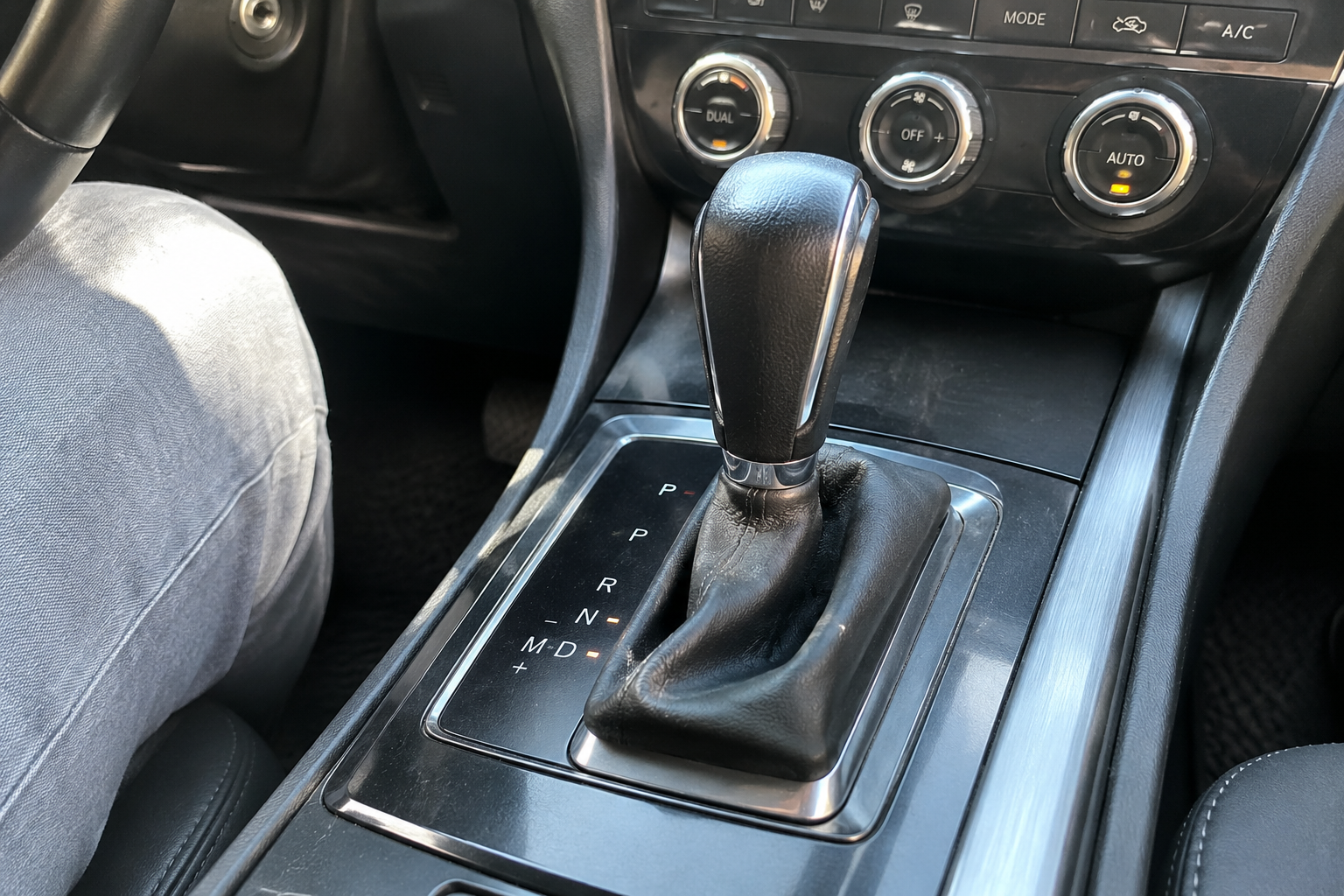
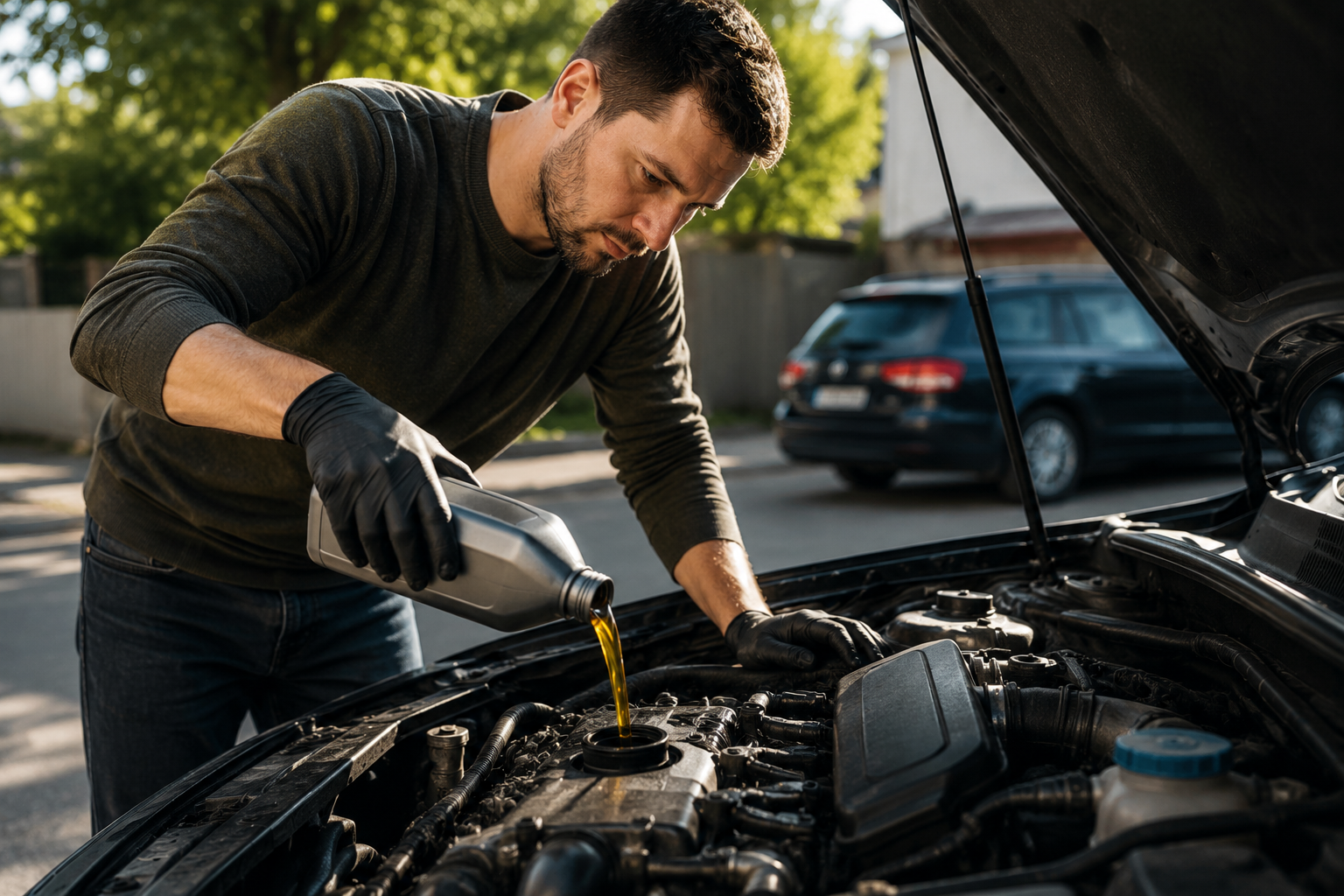
Changing the oil in the gearbox for many drivers still remains a topic of much debate. This is especially true for automatic transmissions, where you can often hear the phrase “oil for the entire service life”. In practice, even the most modern gearbox operates under constant load, and the transmission oil gradually loses its properties. It overheats, accumulates wear products, changes viscosity and can no longer properly protect the gearbox components.
That is why transmission maintenance directly affects not only the comfort of gear shifting, but also the service life of the gearbox as a whole. And the more complex the transmission design, the more sensitive it is to the condition of the oil
Why does the oil in the box age even with normal driving?
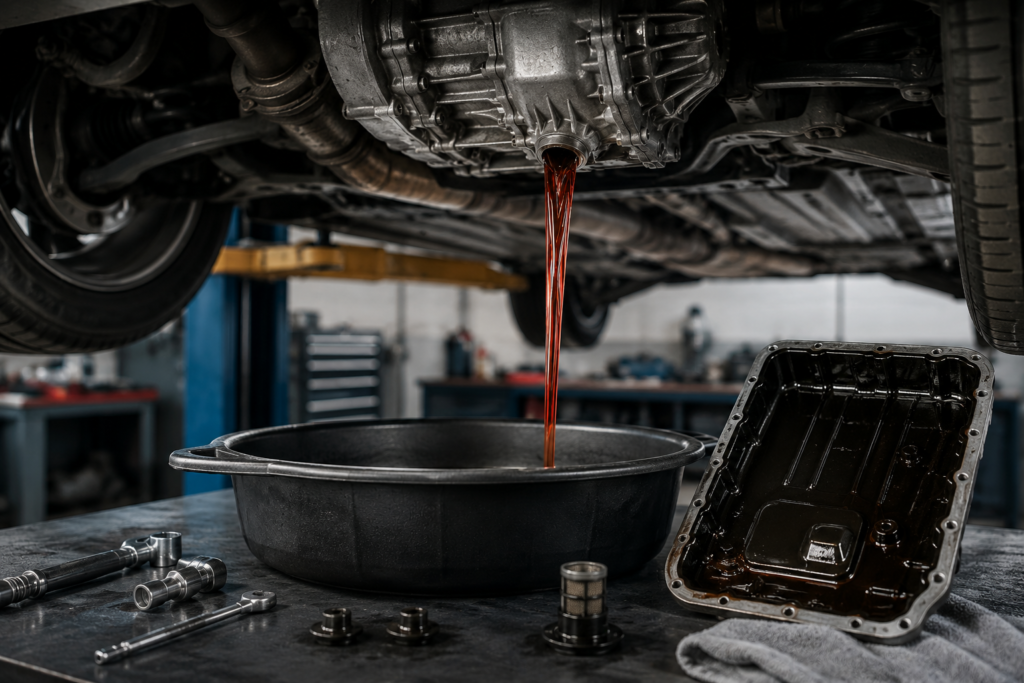
Unlike the engine, the gearbox operates under conditions of constant friction, heating and hydraulic load. This is especially noticeable in automatic transmissions, where the oil simultaneously performs several functions: lubricates, cools and transmits pressure within the system.
Gradually, small particles of metal and friction dust accumulate in the fluid. Some of them are retained by a magnet or filter, but it is impossible to completely avoid contamination. If the oil has not been changed for a long time, chips may appear in it, and the fluid itself becomes darker and thicker. This makes the hydraulic unit work worse, the temperature of the box increases and the load on the internal mechanisms increases.
Oil ages especially quickly in urban conditions: traffic jams, short trips, constant acceleration and braking create high temperature loads even without aggressive driving.
When to change the gearbox oil
There is no exact universal interval for all cars. Much depends on the type of box, driving style and operating conditions. But if you look at the maintenance practice, and not just at the manufacturers’ marketing statements, most boxes require regular oil changes.
In classic automatic transmissions, the oil is usually changed before the first symptoms of wear begin. This helps to avoid overheating of the box and problems with gear shifting. It is especially important to monitor the condition of the fluid on cars that often drive in the city or carry additional loads.
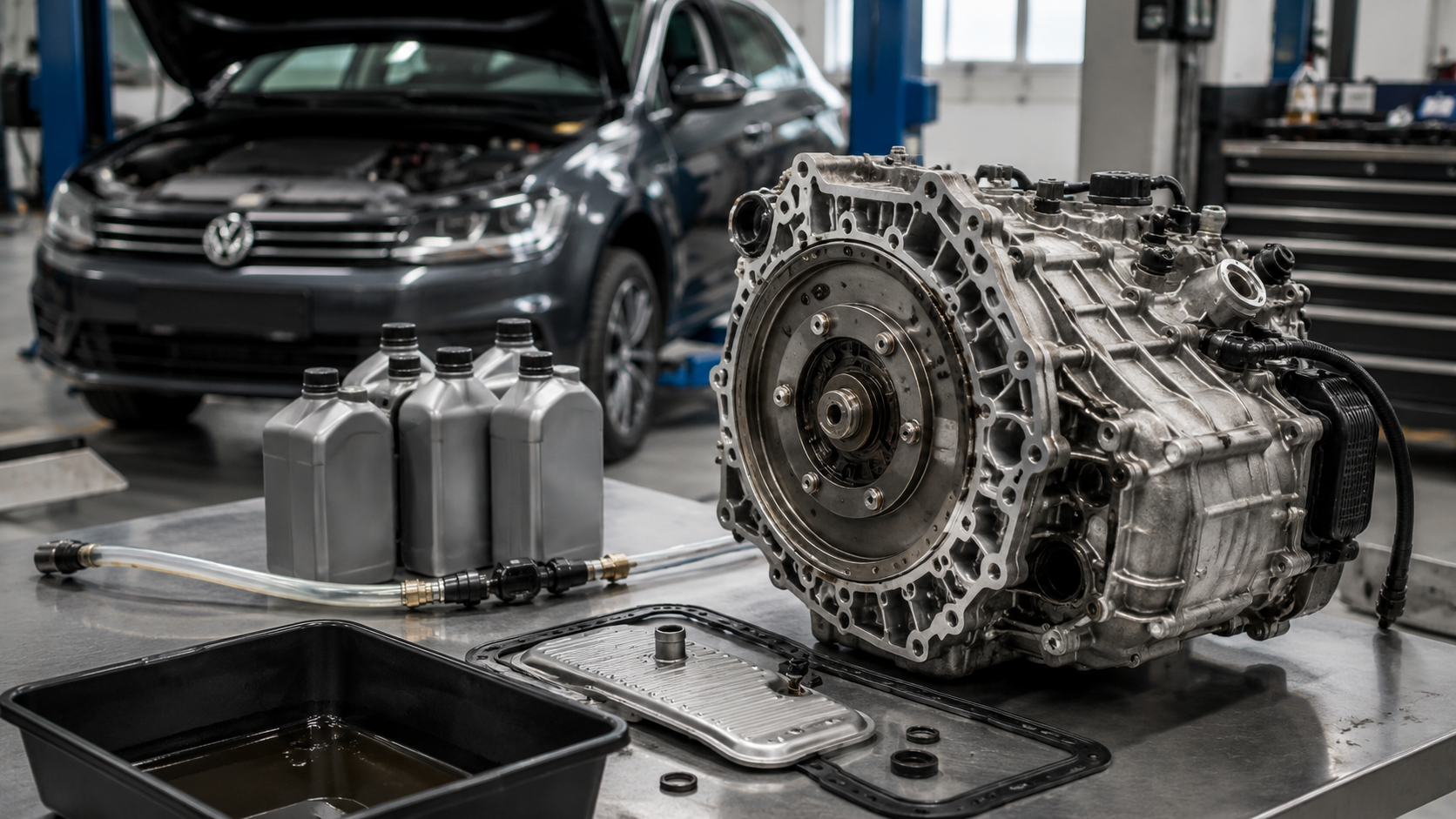
Changing the DSG oil has its own characteristics. Robotic boxes are very sensitive to the cleanliness of the fluid and the correct pressure in the system. If the oil becomes contaminated, the box may start to work jerkily, delays appear when switching or vibrations occur. After maintenance, sometimes an additional adaptation of the DSG is performed so that the electronics correctly adjust the operation of the transmission.
The oil in a manual box is also not “eternal”, although the loads there are lower. Over time, it loses its protective properties, especially if the car is operated actively or often drives on the highway at high speeds.
Signs that the oil has already lost its properties
Problems rarely appear immediately. Usually the box begins to behave differently gradually, and the driver gets used to the changes and postpones maintenance.
Old or contaminated oil can be indicated by:
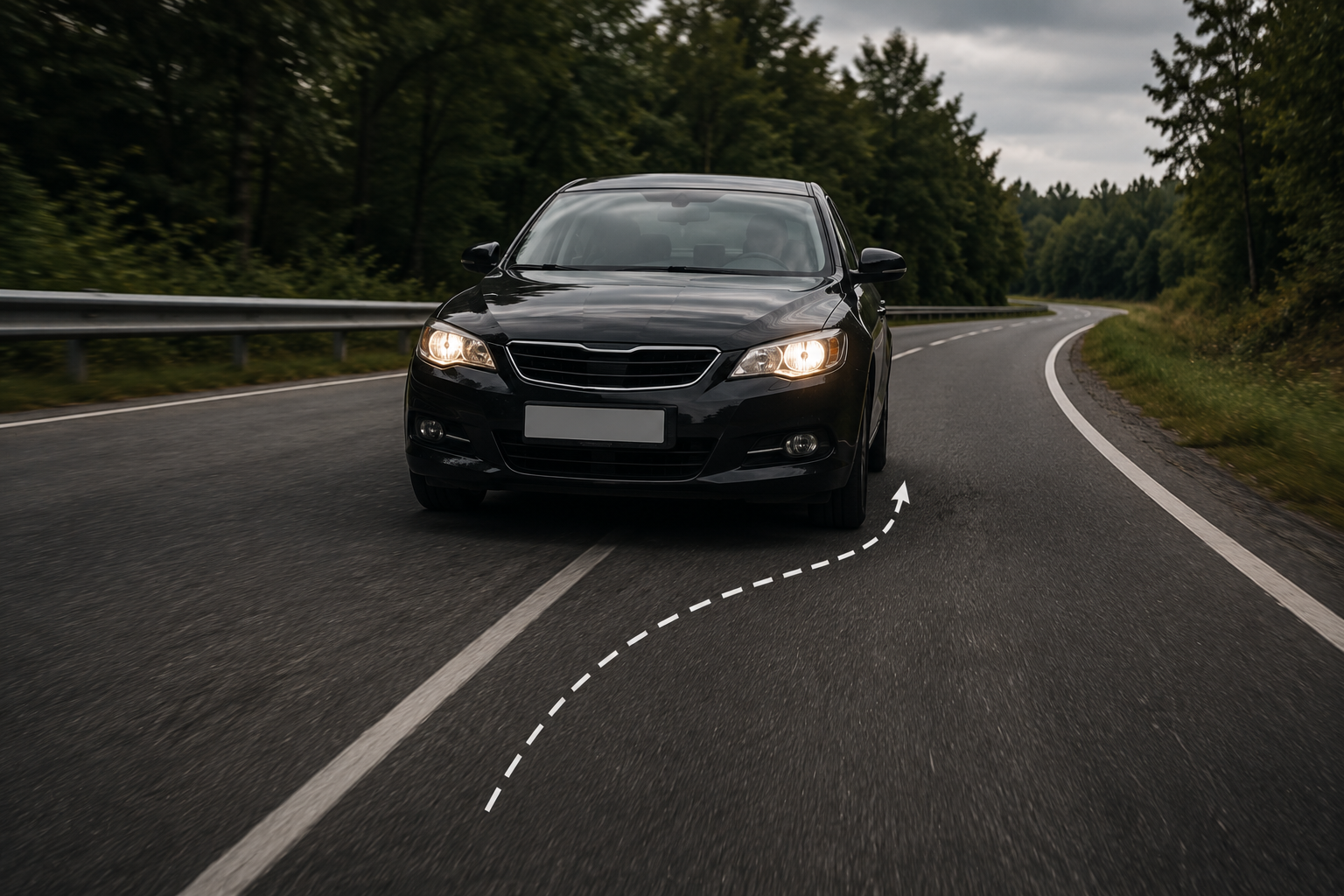
- jerks when shifting gears;
- delay in engaging the gear after starting;
- extraneous noises or vibrations;
- overheating of the box after a long trip;
- darkening of the oil or the smell of burning;
- unstable operation of the box on cold or hot.
In some cases, the box begins to go into emergency mode, especially if the problem already affects the pressure in the system or the operation of the solenoids.
Why it is dangerous to delay changing the oil
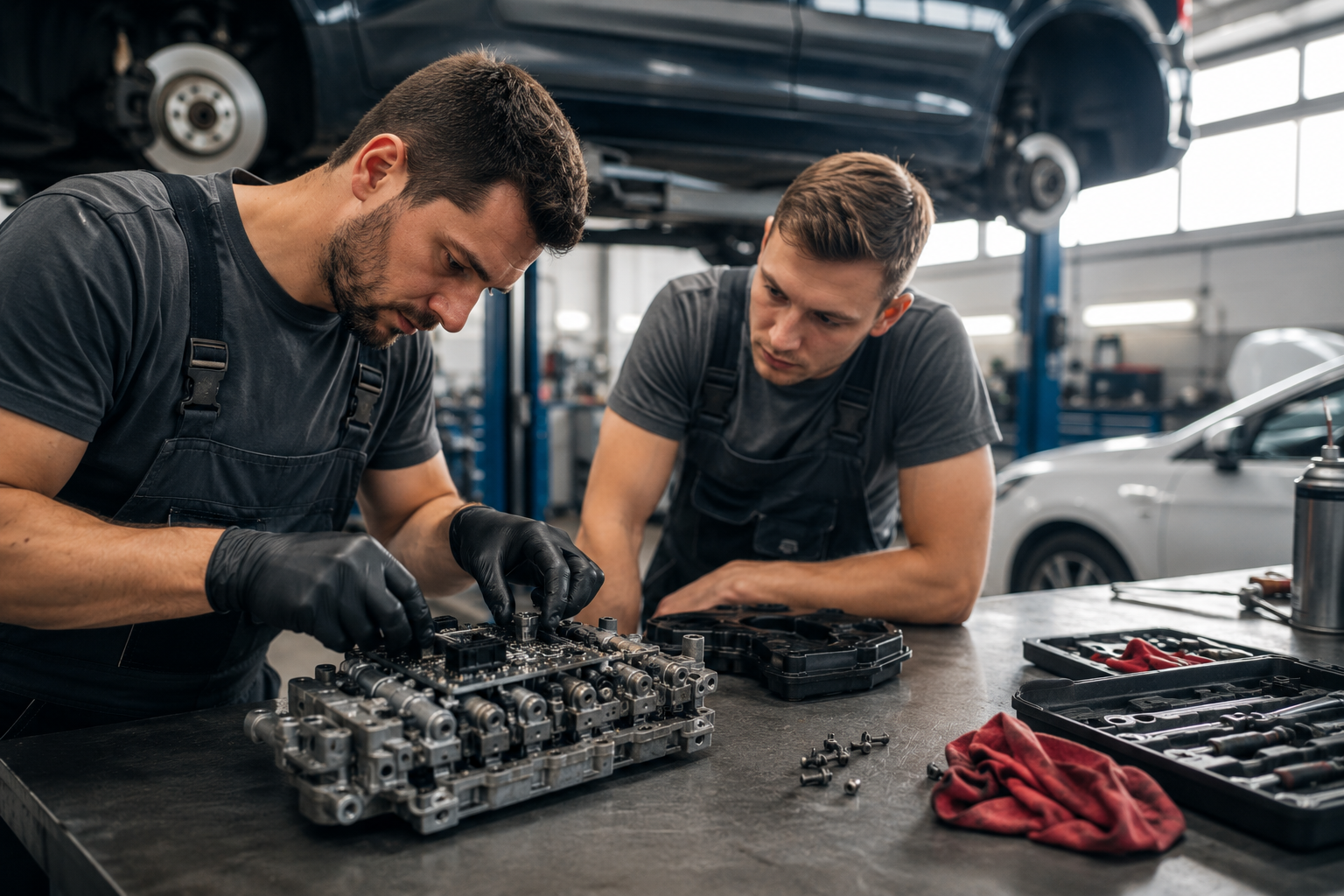
Untimely oil change in the gearbox does not always lead to immediate breakdown, but gradually accelerates the wear of all internal components. The most affected are frictions, bearings, valves of the hydraulic unit and the oil pump.
In DSG boxes or variators, contaminated oil affects the operation of mechatronics and electronic components even more quickly. Due to overheating and poor lubrication, the box begins to work harder, and the repair of such transmissions is usually much more expensive than preventive maintenance.
A separate problem is partial oil change after prolonged operation without service. If the fluid is very dirty, a sudden change can sometimes reveal existing wear of the box. That is why it is important to assess the condition of the oil and the behavior of the transmission comprehensively before servicing.
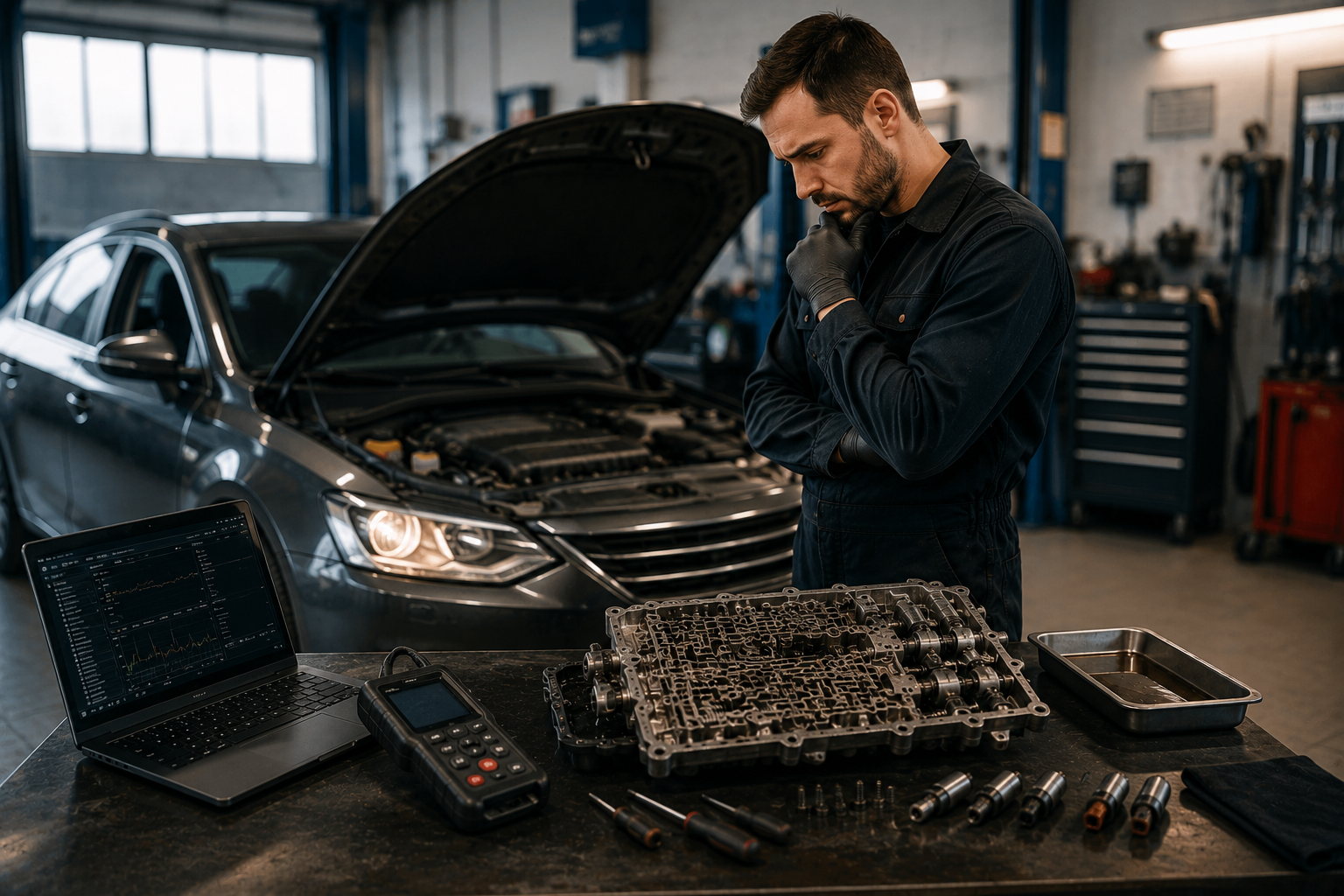
When should you do gearbox diagnostics?
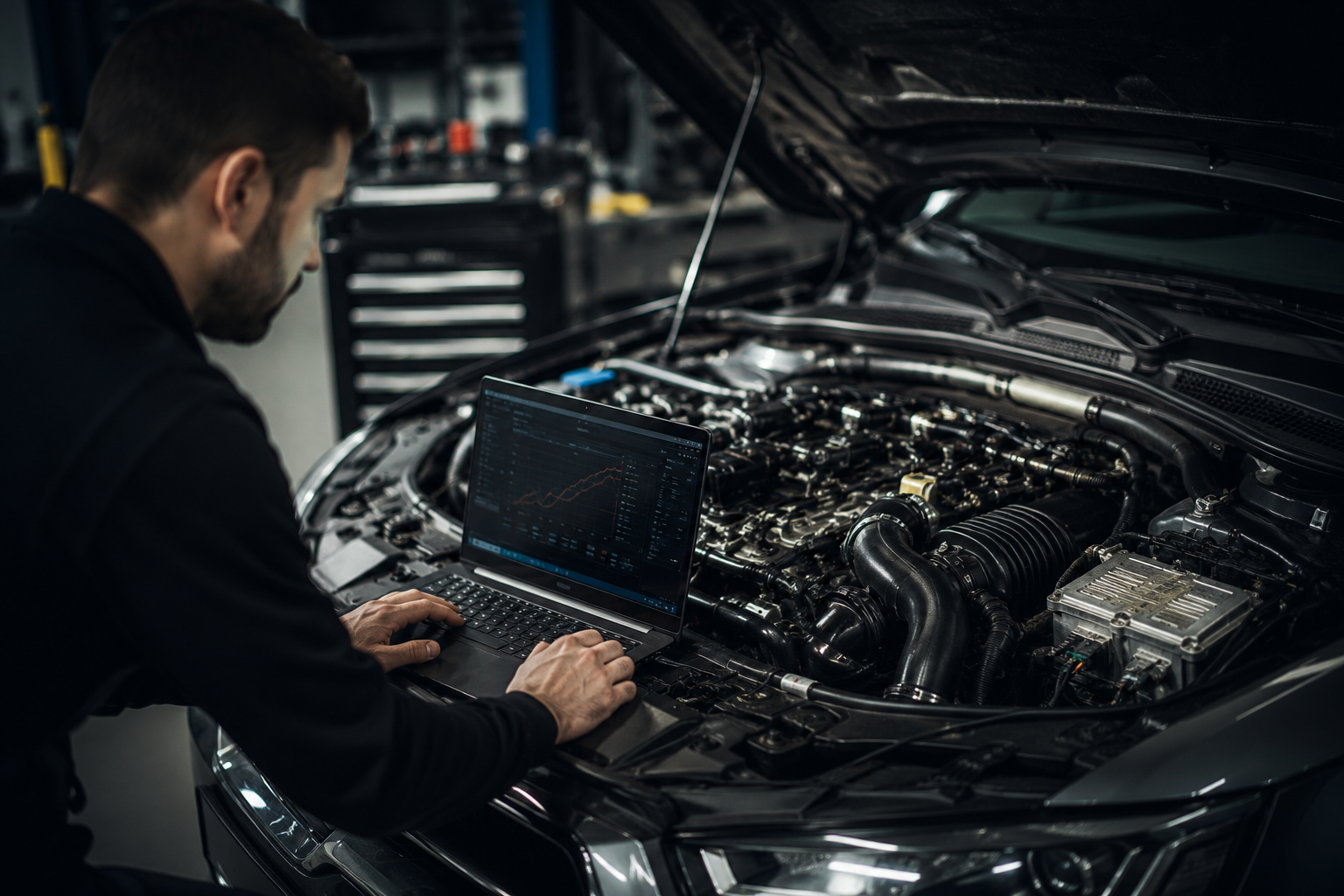
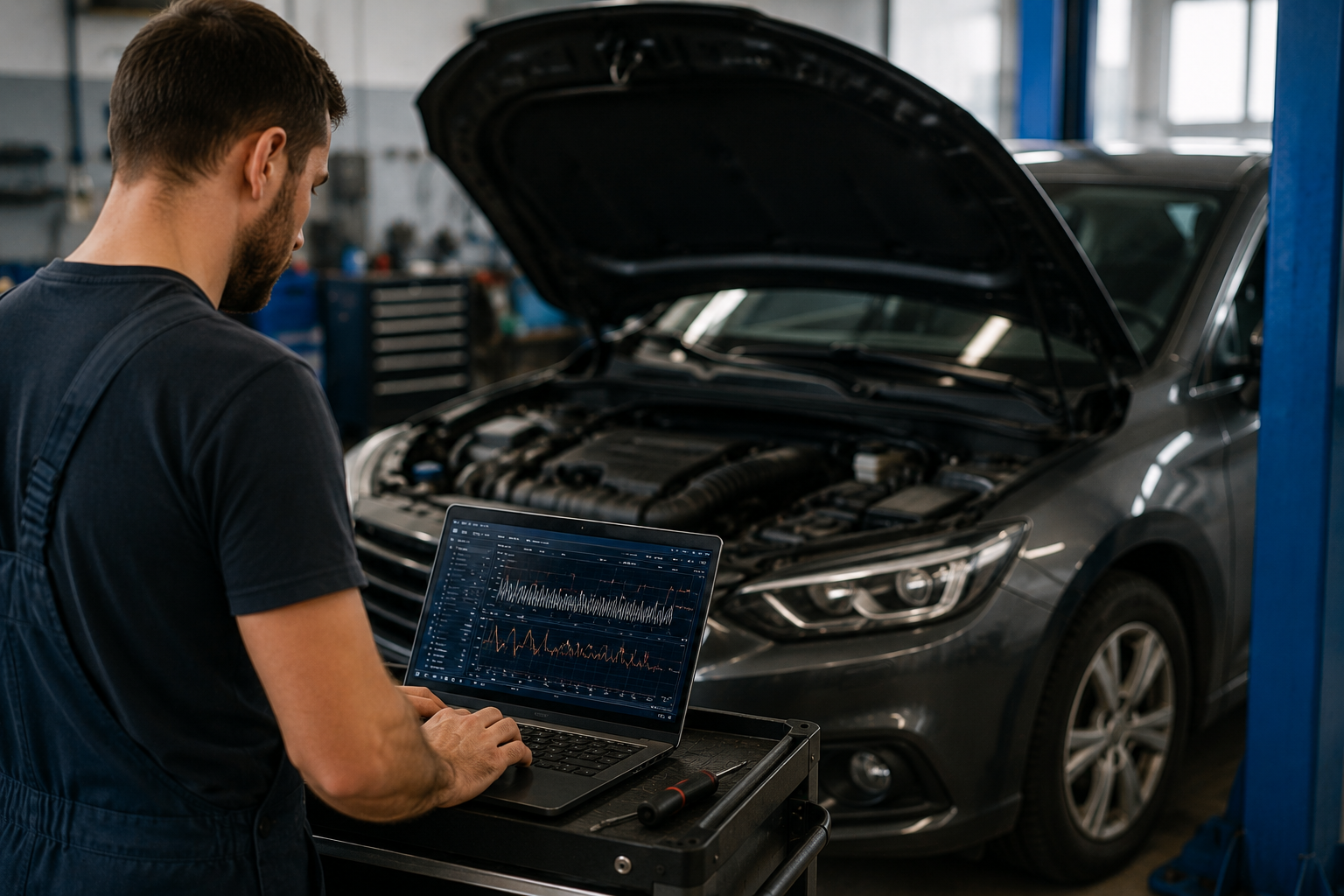
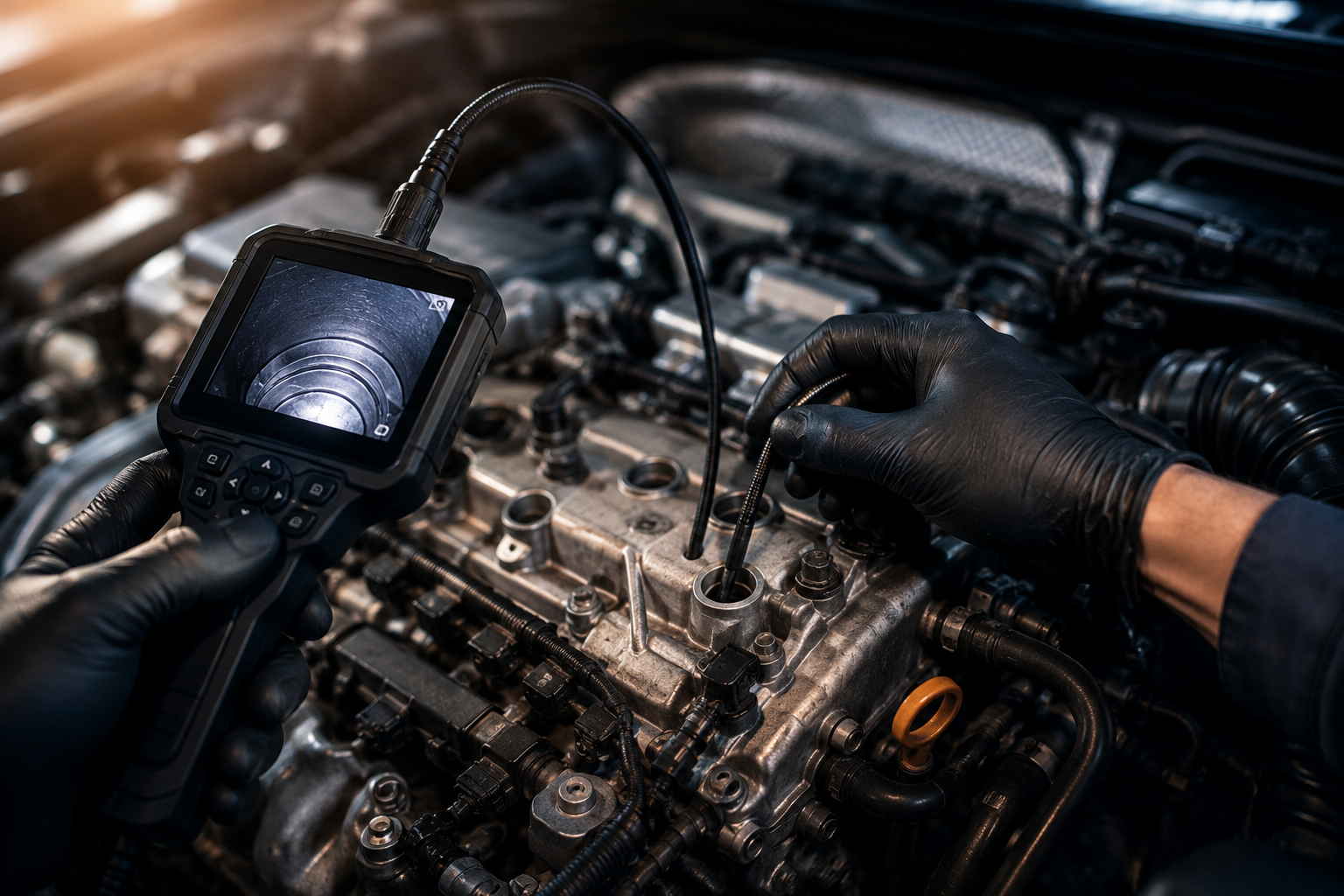
If the gearbox starts shifting with delays, jerks appear or the transmission temperature rises, one oil change may not be enough. In such cases, it is advisable to check the condition of the hydraulic unit, electronics errors, system pressure and cooling operation.
Diagnostics is especially important after the gearbox has overheated or when buying a used car with unknown mileage. Often, it is the condition of the oil that allows you to understand how carefully the transmission has been operated and whether there is a risk of hidden problems.
Top popular news
- Steering Tie Rod Knocking: Symptoms and How Not to Confuse It with a Faulty Rack
- How to Read US Car Auction Photos and See More Than the Camera Shows
- Restoring Vehicle Safety After Airbag Deployment: Why Cheap SRS Repairs Are Dangerous
- VAG Comfort Control Module: Simultaneous Failure of Locks, Mirrors, and Power Windows
- The Heater Blows Weakly, and the Engine Takes a Long Time to Warm Up: Where to Look for the Cause
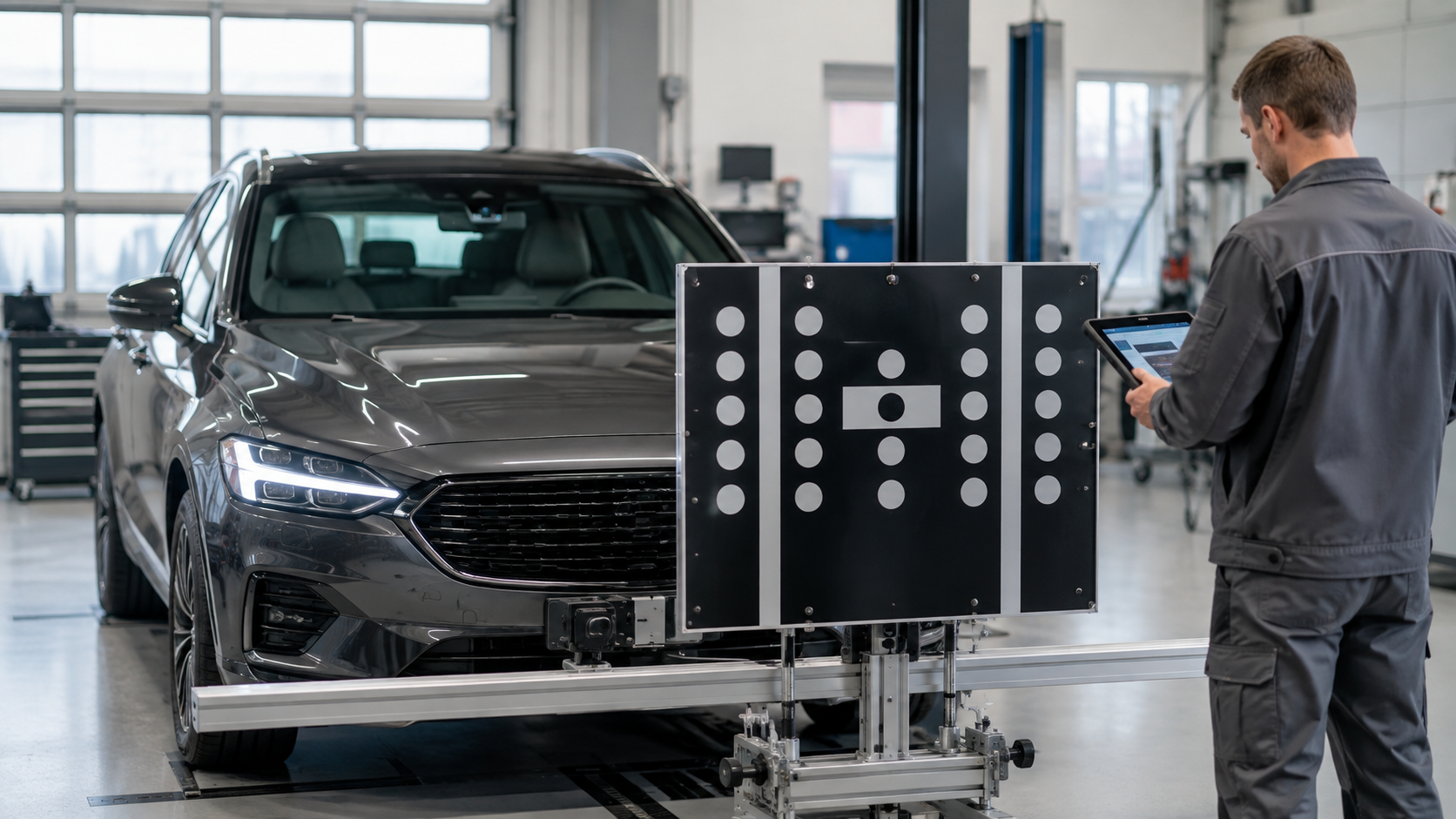
- ADAS calibration after windshield replacement: restoring the accuracy of driver-assistance systems
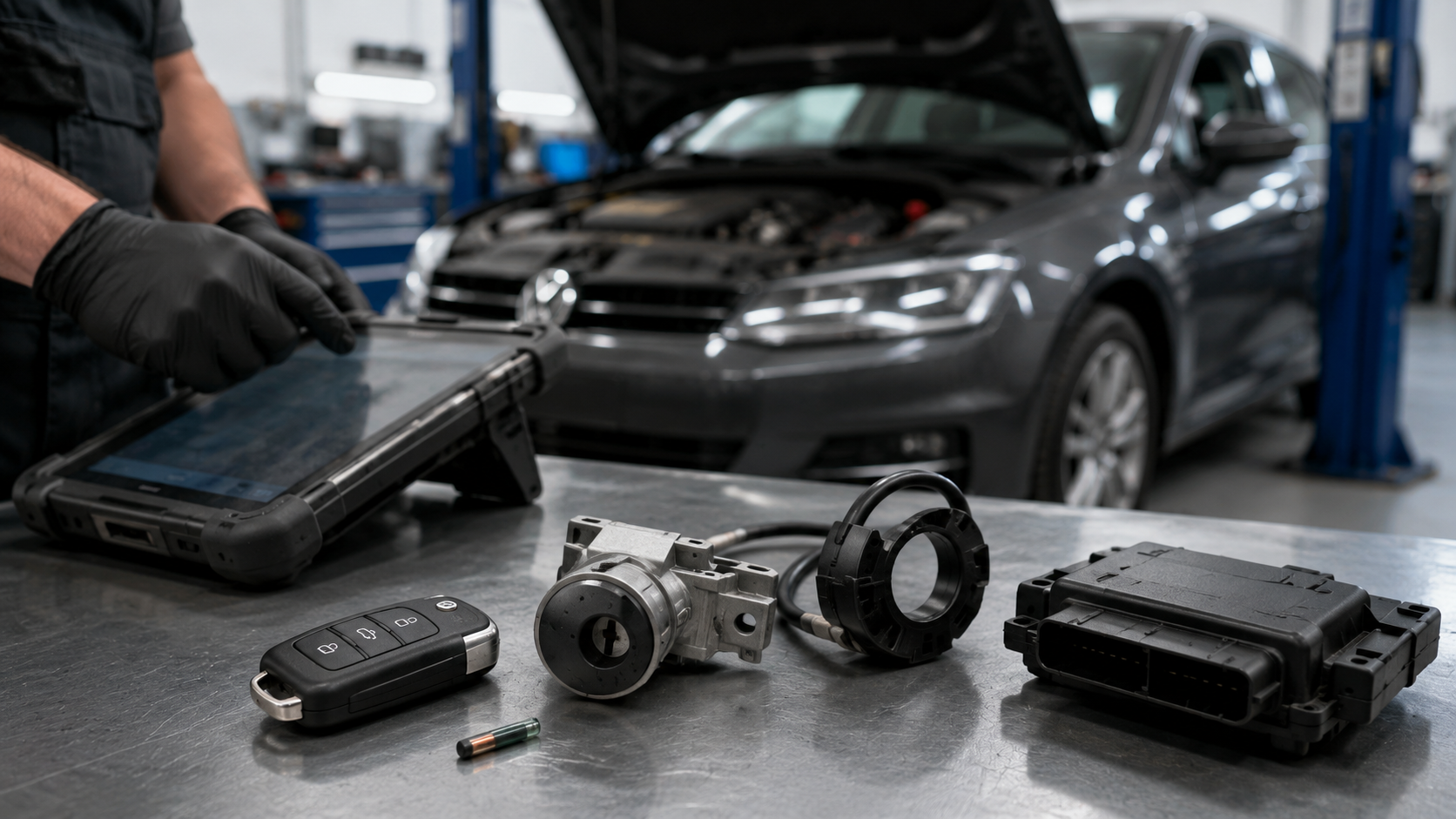
- VAG immobilizer: why the car will not start and the key transponder is not recognized
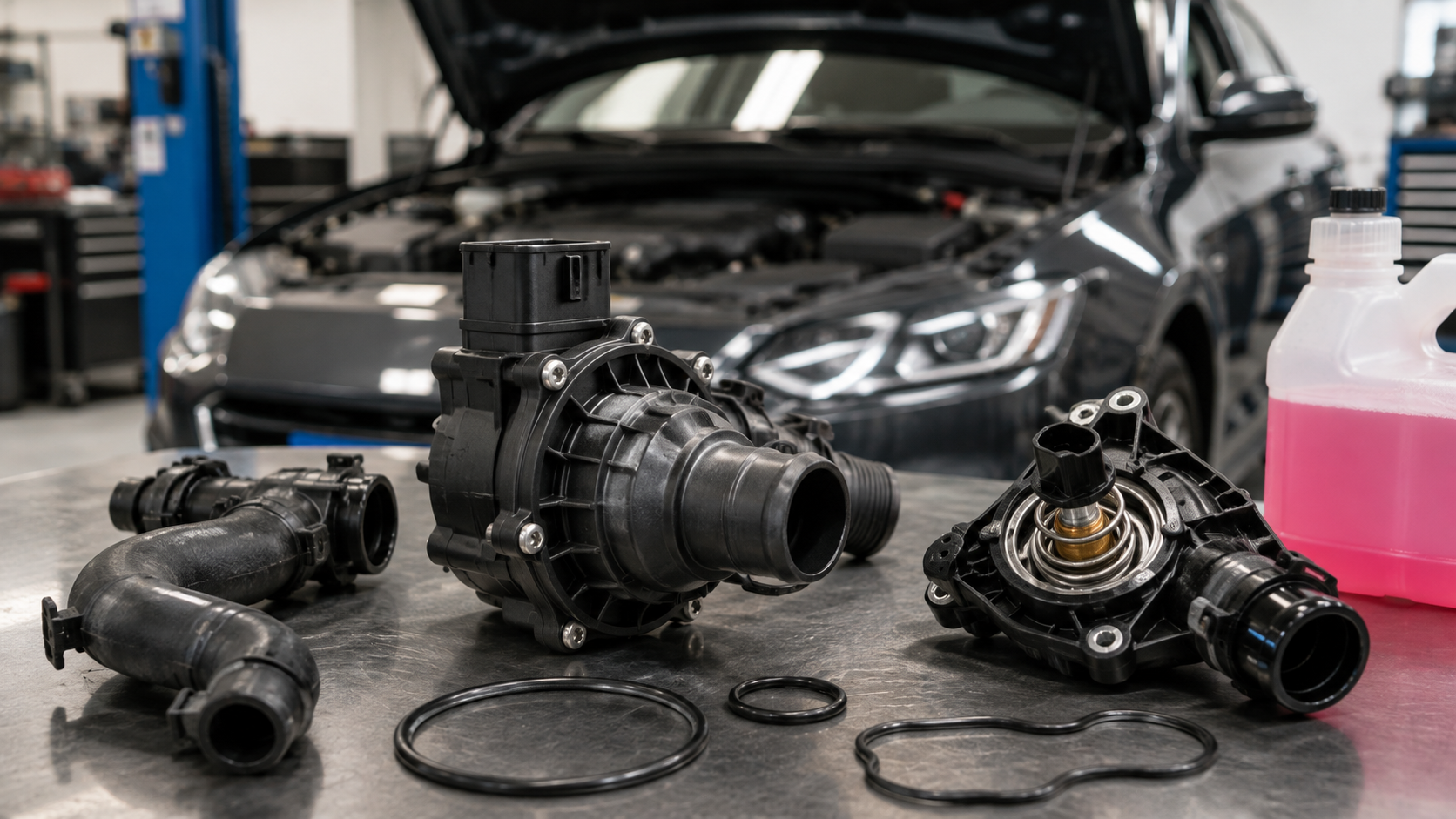
- TSI coolant pump and thermostat: causes of slow warm-up and engine overheating

Subscribe to our newsletter!
To stay updated with the latest news

Book a service