Mon - Sat | 09:00 - 19:00


Find

Contact us

Odesa
Hrushevskoho str., 41
 Мережа СТО в місті
Місто
 +38 (096) 299 29 97
Odesa
Hrushevskoho str., 41
 Мережа СТО в місті
Місто
+38 (096) 299 29 97

 Години роботи
 Mon - Sat
09:00 - 19:00
Why is it important to distinguish the type of fault?

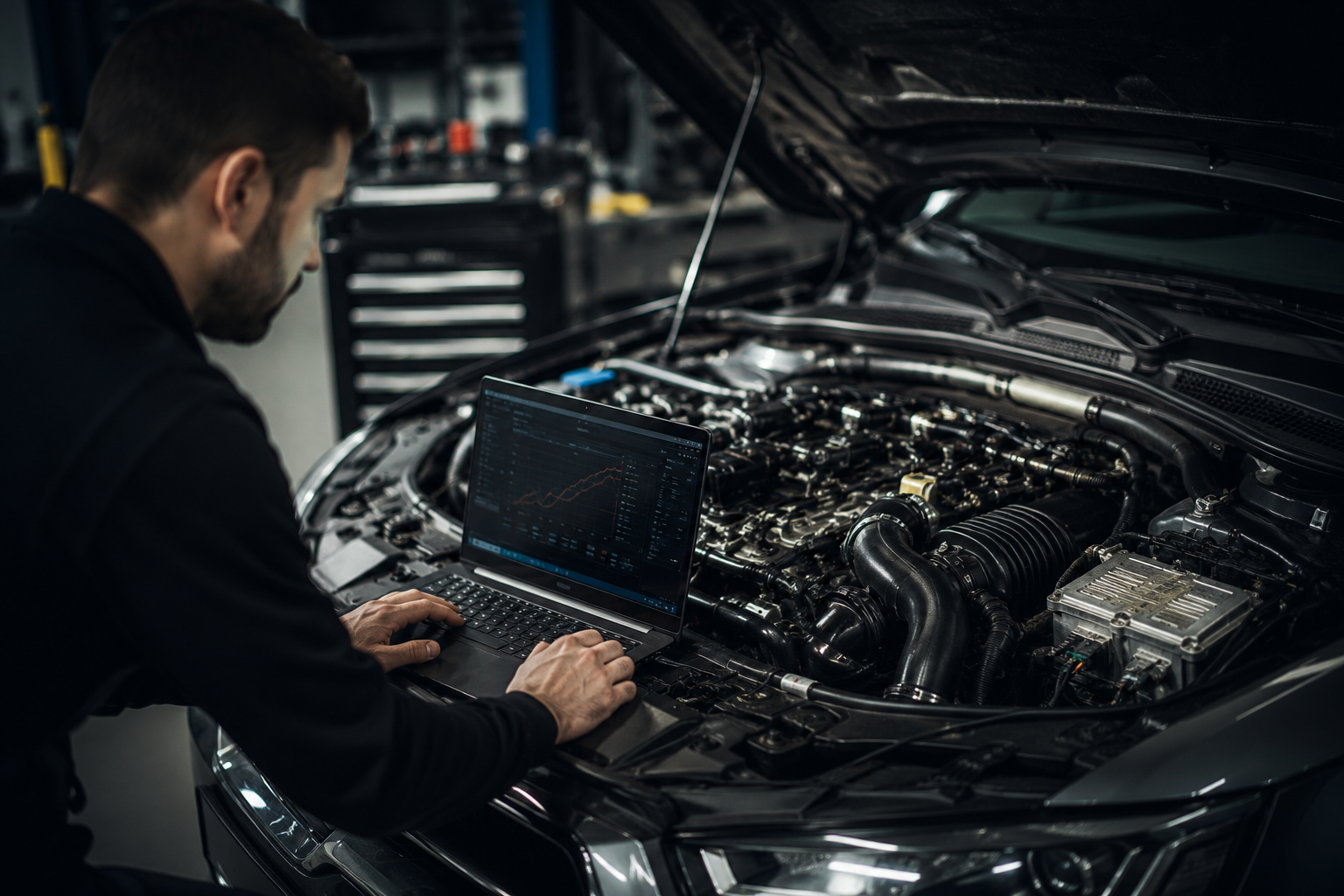
It is important for the car owner to understand whether the problem is related to a software malfunction of the car or mechanical wear of the components. This affects not only the cost of repairs, but also the safety of operation. The VAG electronics of modern cars consists of numerous sensors, engine control units and adaptation algorithms, so it is difficult, but possible, to distinguish a firmware failure from physical wear without a detailed inspection.
Understanding the logic of the systems allows you to determine the source of the problem before serious consequences occur. Software errors are often disguised as mechanical symptoms, and mechanical malfunctions can cause control unit errors. Timely recognition of the type of malfunction allows you to avoid unnecessary costs and extend the life of the car’s components.
Signs of software malfunctions
A software malfunction of the car usually manifests itself through unstable operation of the electronics or engine control units without a visible physical defect. The main symptoms:
- Uneven engine operation at idle or under load in the absence of visible damage.
- Car systems do not respond correctly to driver commands, for example, unpredictable turbine or fuel supply operation.
- Control unit errors that recur after a firmware reset or update.
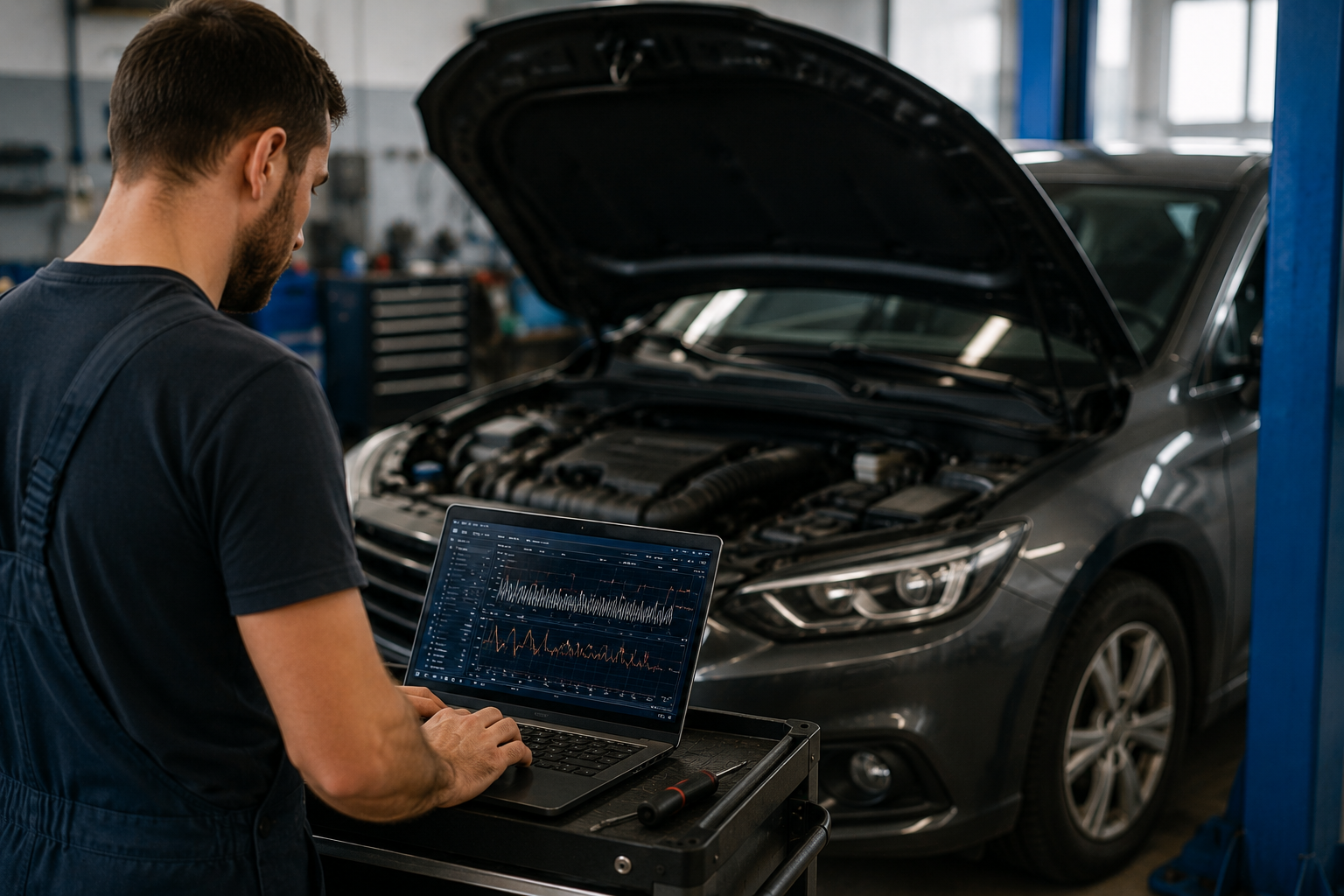
- Anomalies in the adaptation parameters of the electronic control unit ECU, when the engine does not reach its rated performance.
Software failures are usually eliminated by updating the firmware, correcting adaptations or restarting modules. It is important to pay attention to the absence of physical signs of wear or damage. Also, software problems may only appear under certain conditions: increased load, low temperature or specific driving modes.
Signs of mechanical problems
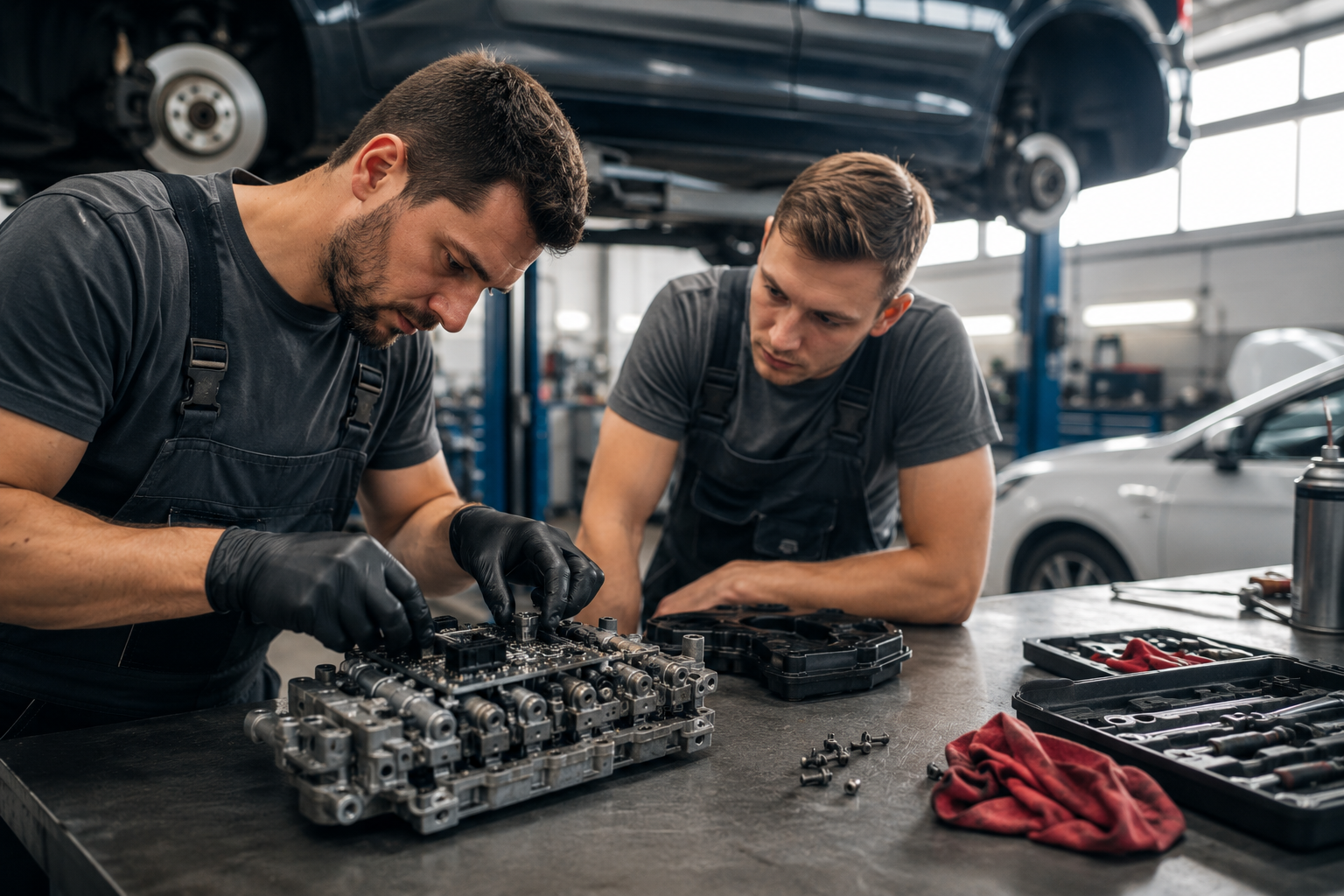
A mechanical malfunction of a car is characterized by physical wear of components and parts, which manifests itself in specific symptoms:
- Constant extraneous noises from the engine, gearbox or chassis.
- Decreased engine power regardless of the ECU adaptation parameters.
- Fluid leaks, deformation of parts, increased heating of components.
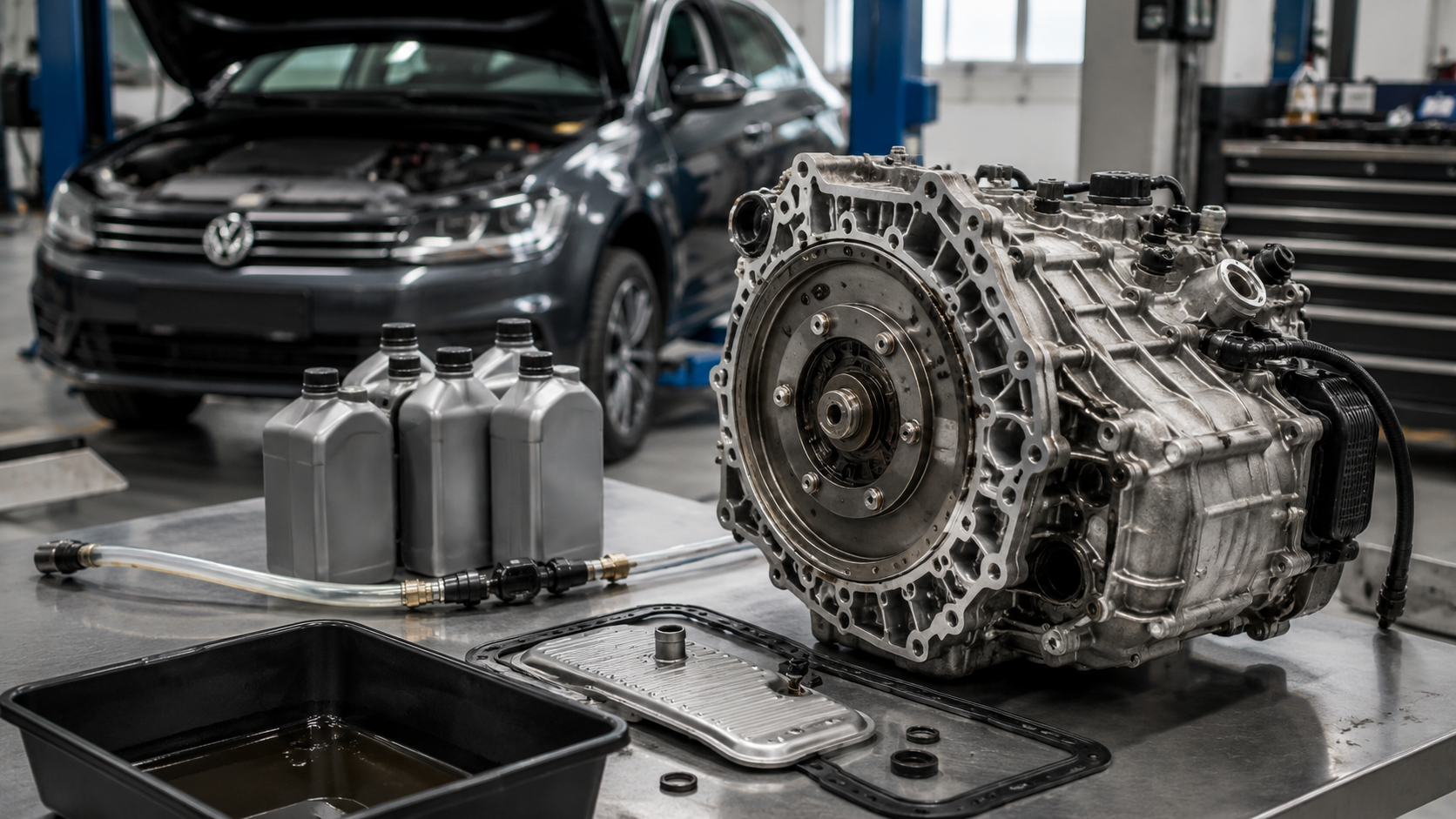
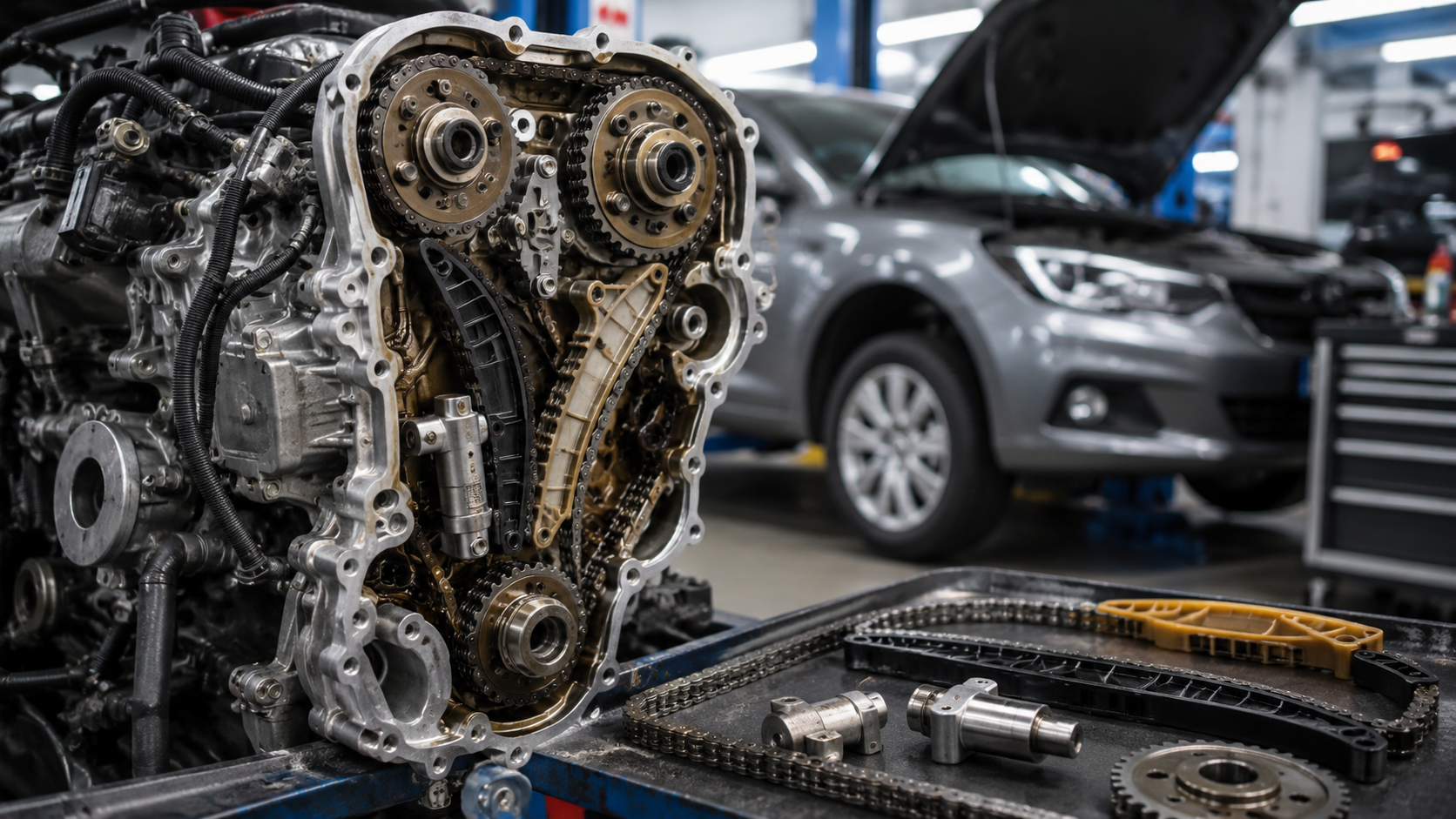
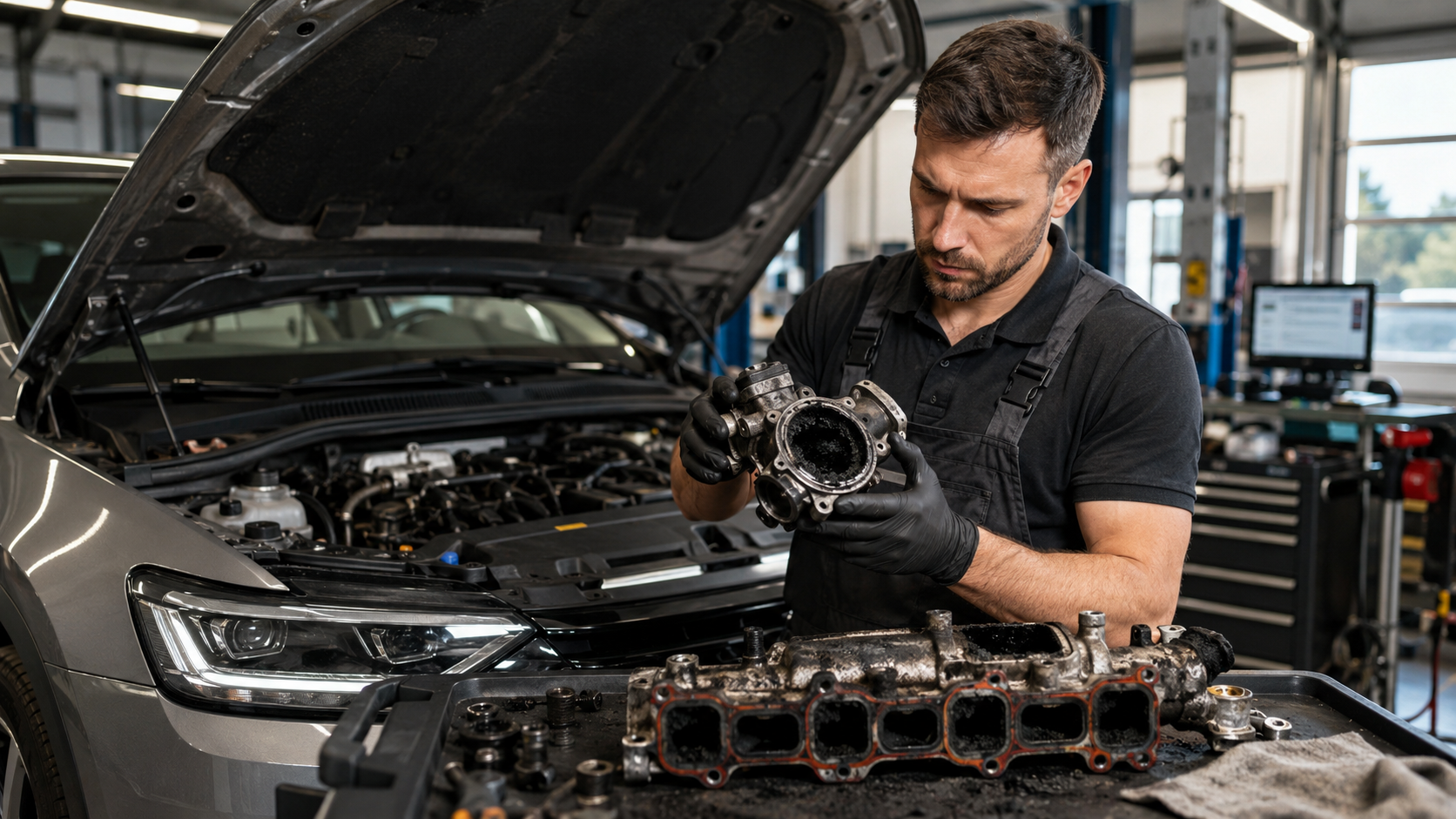
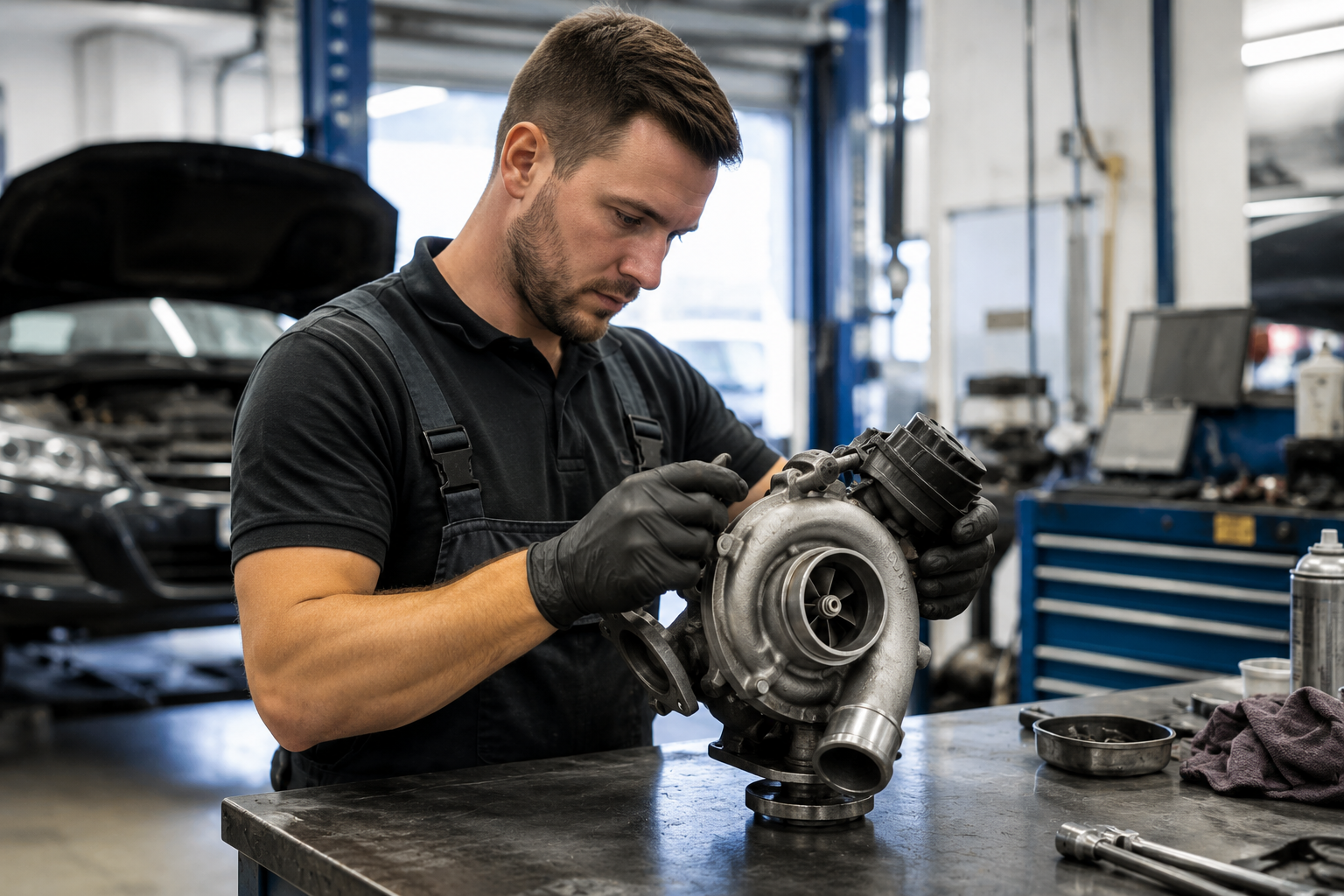
- Belts, rollers, turbine, valves or injectors show physical signs of wear or damage.
The difference from software failures is that mechanical problems do not disappear after resetting error codes or restarting the electronics. They require inspection and replacement or repair of components. In the case of physical wear, symptoms often progress, while software failures may occur intermittently.
Typical diagnostic errors
Car owners often confuse the source of the problem, which leads to incorrect repairs:
- A common mistake is to reset the control unit errors and try to “train” the system without checking the physical condition of the parts.
- Incorrect interpretation of sensor readings: for example, a drop in fuel pressure may be due to pump wear, but the control unit will only show an adaptive limit.
- Ignoring the car’s history: if the vehicle has been operated for a long time or in harsh conditions, mechanical wear is more likely than a software failure.
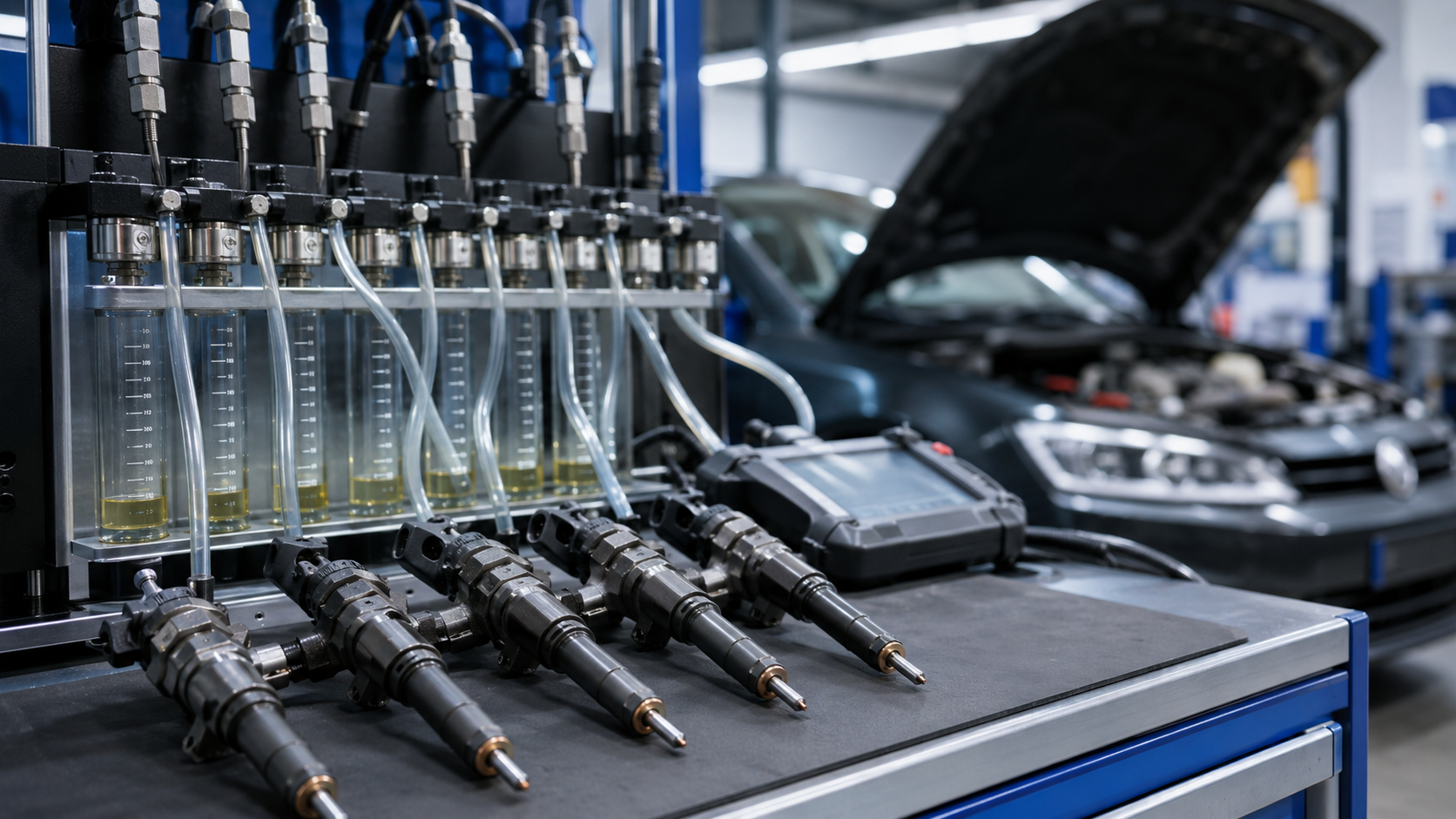
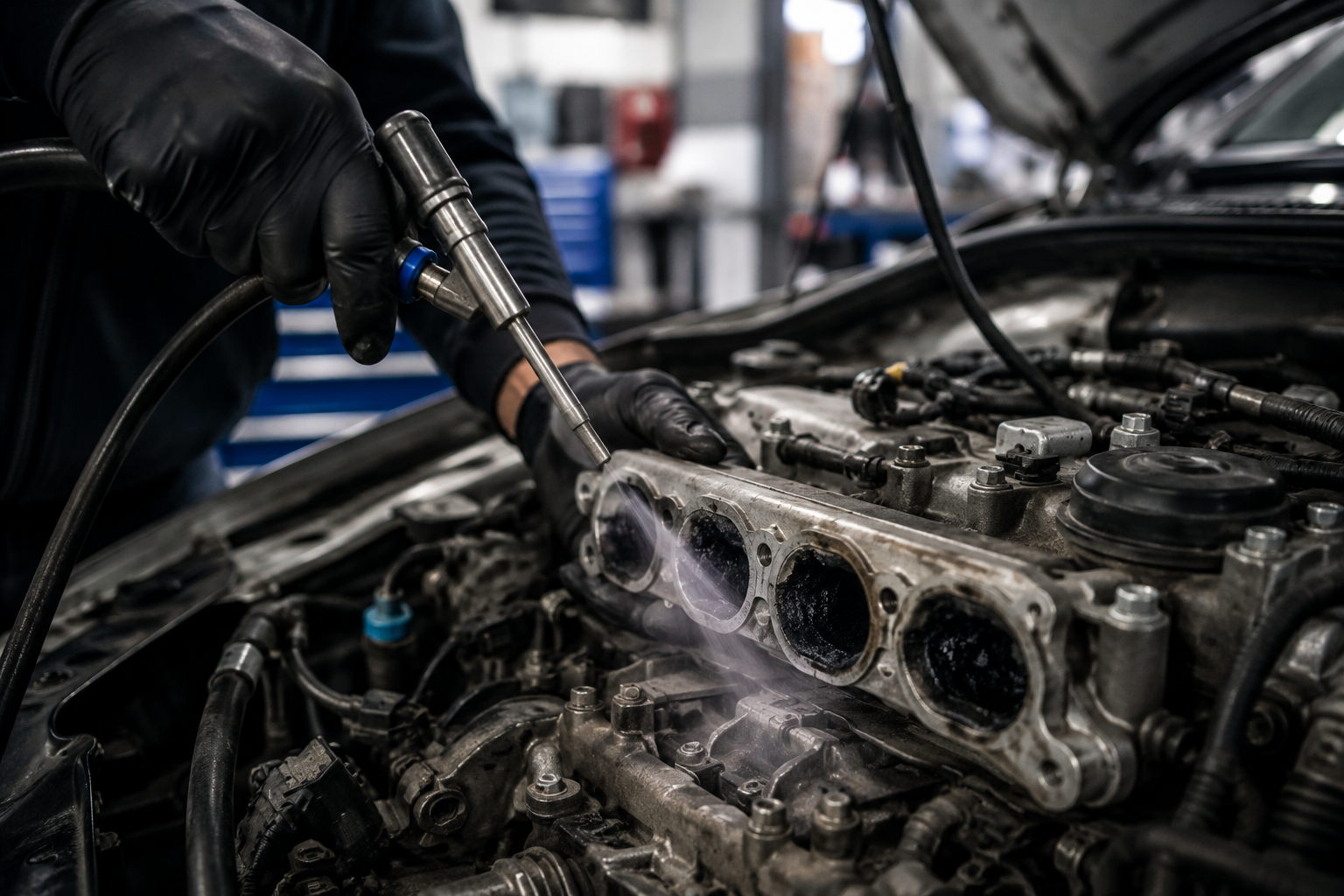
In some cases, electronic failures and physical wear occur simultaneously. For example, a dirty injector can generate incorrect signals for the ECU, simulating a software malfunction of the car.
Why is the problem sometimes complex
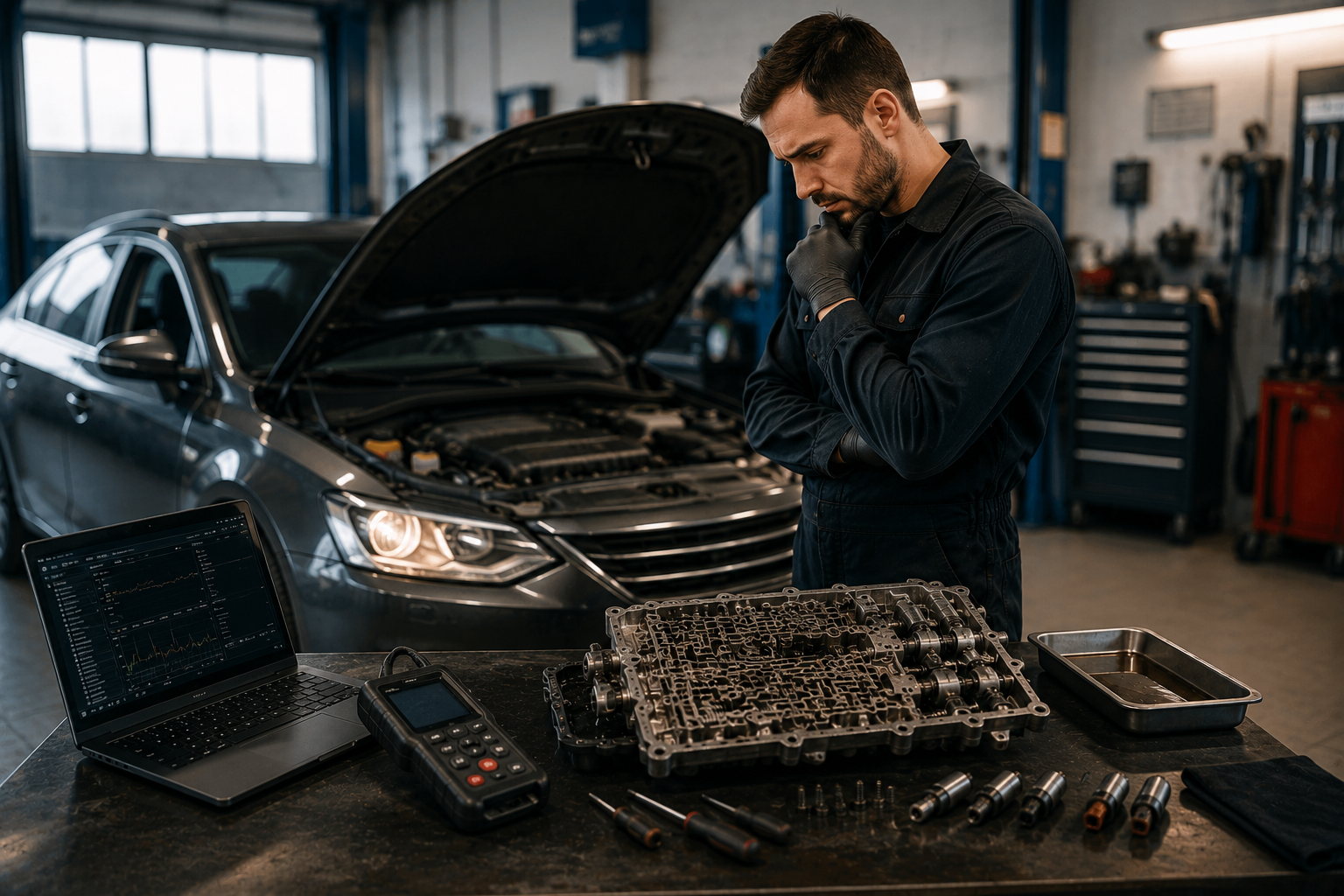
Some malfunctions are of a mixed nature: a software failure can manifest itself due to a physical defect, and a mechanical problem can cause errors in the electronics. A comprehensive approach allows you to assess the relationship between physical wear and electronic adaptations, determine the priority of repairs and avoid unnecessary replacement of components. Only system diagnostics can establish the exact nature of the malfunction.
Understanding how electronics react to the physical condition of components helps the car owner analyze the behavior of the engine and other systems, even if standard scanners do not show critical codes.
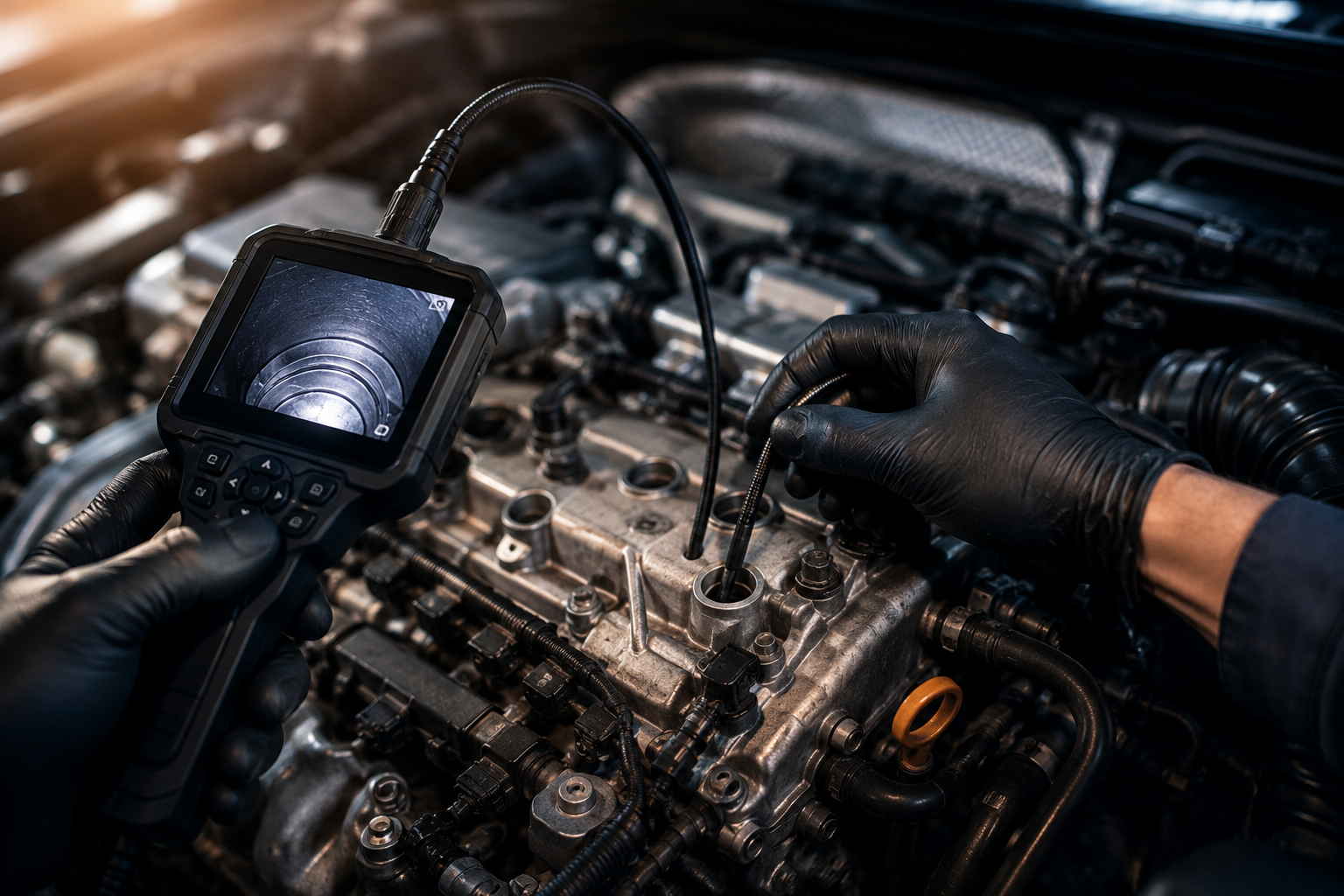
You can distinguish a software malfunction of a car from a mechanical problem by the nature of the symptoms, the behavior of the electronics and the physical condition of the components. Understanding the logic of system operation, analyzing ECU adaptations, and inspecting parts allows you to accurately determine the source of the problem, avoid unsuccessful repairs, and extend the vehicle’s service life.
Top popular news
- There is a smell of gasoline under the hood, but there are no signs of a leak: where to look for the problem
- Volkswagen Golf 7: which engines are considered the most successful in the secondary market
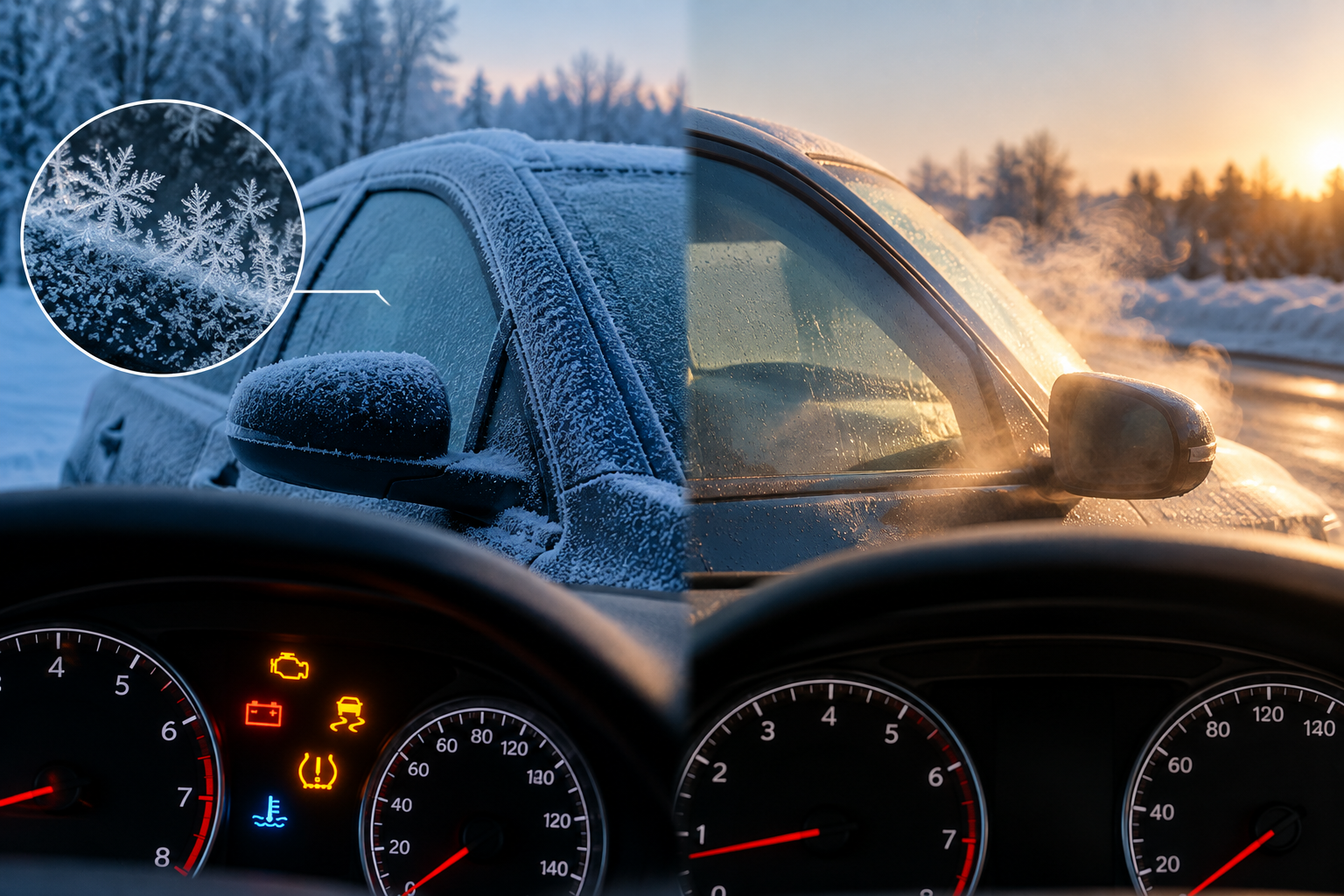
- Why do errors appear after a night frost that disappear after warming up?
- The car stalls when you suddenly release the gas: what happens at this moment
- Audi A6 with 200+ thousand mileage: what expensive malfunctions can be predicted in advance
- Why does my car start to consume more oil even though my driving style hasn’t changed?
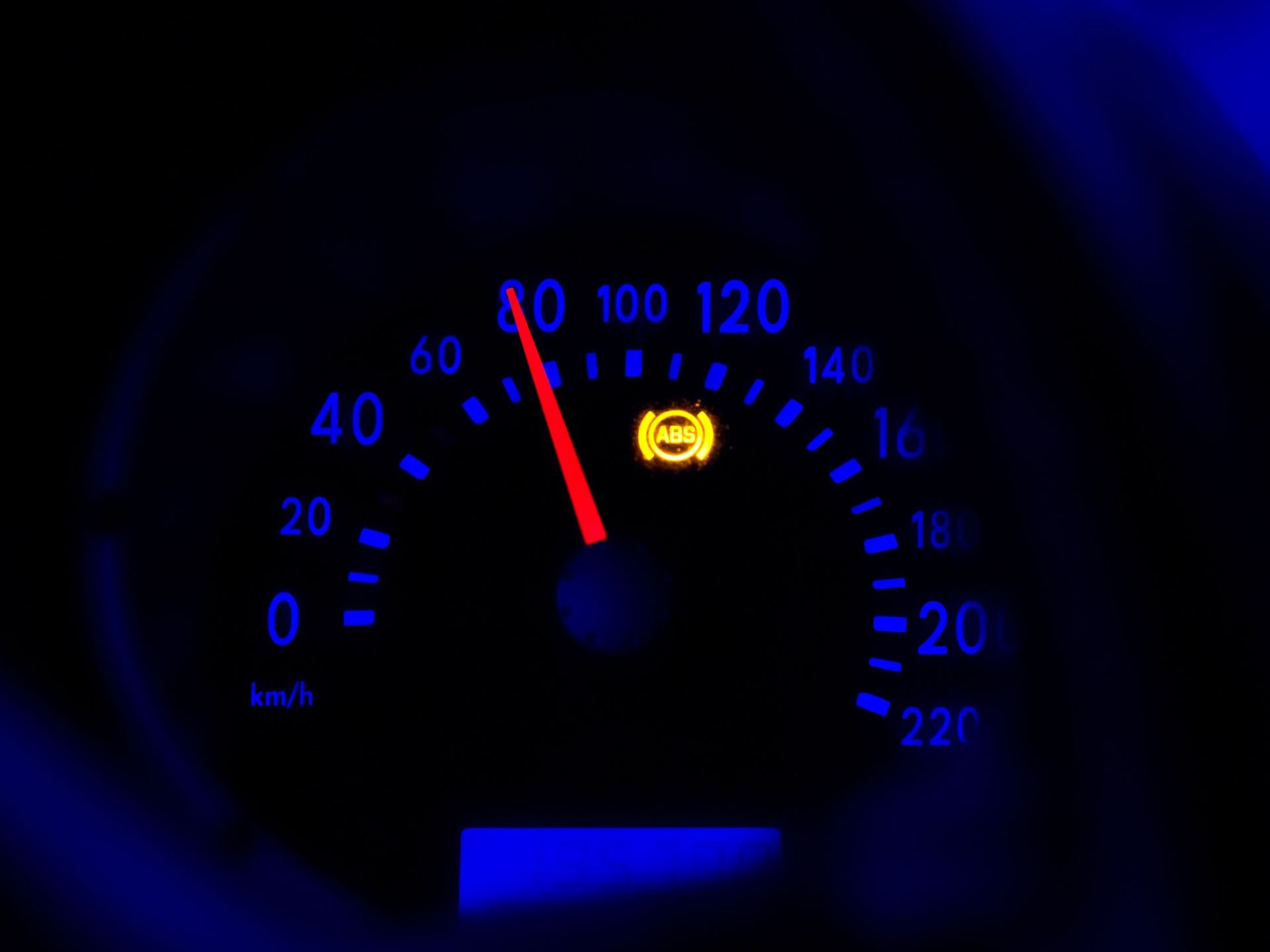
- The ABS light came on on the dashboard: can I continue driving?
- Volkswagen Passat B8 or Skoda Superb: what will the car show after 200 thousand km

Subscribe to our newsletter!
To stay updated with the latest news

Book a service