Mon - Sat | 09:00 - 19:00


Find

Contact us

Odesa
Hrushevskoho str., 41
 Мережа СТО в місті
Місто
 +38 (096) 299 29 97
Odesa
Hrushevskoho str., 41
 Мережа СТО в місті
Місто
+38 (096) 299 29 97

 Години роботи
 Mon - Sat
09:00 - 19:00
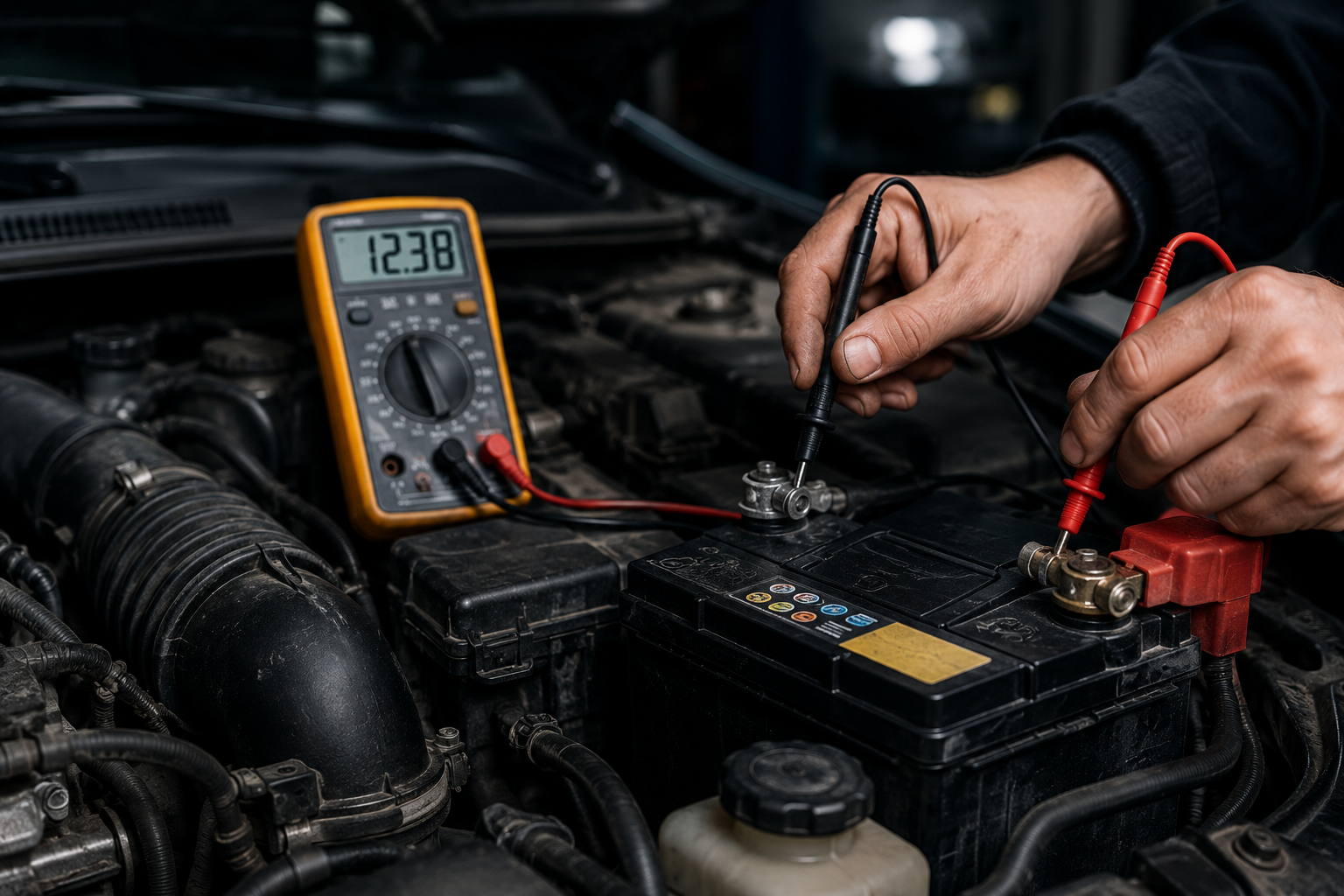
Why does a car battery boil

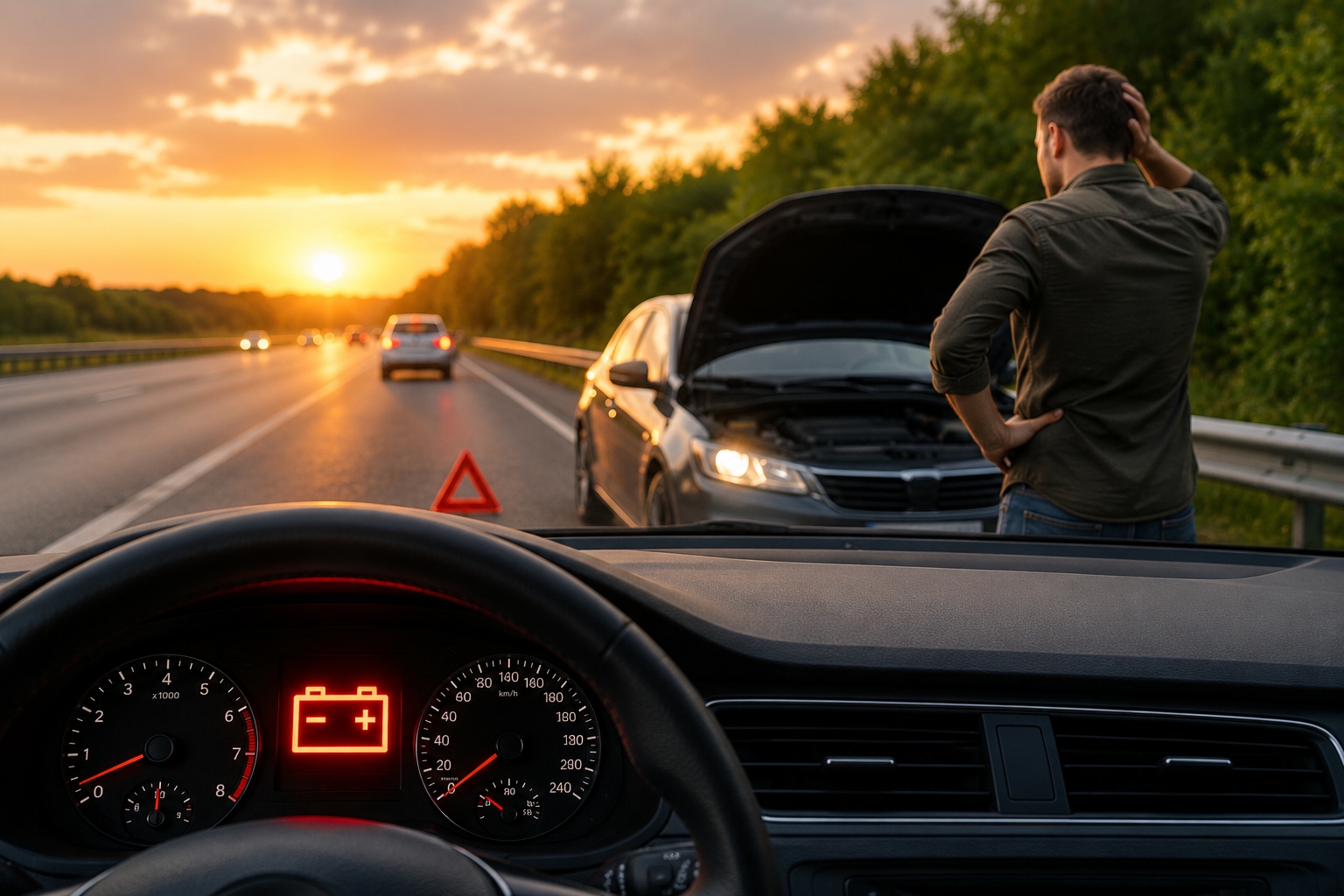
When you try to start your car and notice that it doesn’t want to start, the first thing that comes to mind is that there might be a problem with the battery. The battery is the heart of the vehicle’s on-board system, so its reliability and efficiency are critical to the operation of the entire vehicle. If you find that your battery is running low, then this may be cause for concern. In this article, we will tell you about the causes of a boiling battery, how to identify this problem and what you can do to avoid it.
The main causes of battery boiling
Overcharging the battery can be one of the reasons why it starts to boil. If you charge the battery for a long time, it may become overloaded, causing excess heat and boiling. Doing so may damage the battery and shorten its life.
Another reason for the battery to boil may be a short circuit in the banks. If a short circuit occurs inside the battery, this can lead to the release of excess heat and boiling of the electrolyte. If the problem is not solved, it may damage the battery and shorten its life.
Insufficient natural cooling can also cause the battery to boil. When the vehicle is idling or running at low engine speeds, this can cause the battery to not cool enough, which can cause it to boil. This can happen if the car is in the sun during hot weather or if you drive in cities with traffic.
Sulfation of the plates can be another reason for the battery to boil. When a battery is in use, sulfate can form on its plates, causing the battery to lose capacity. If you do not use the car for a long time, then this can lead to the formation of sulfate on the battery plates, which can cause it to boil.
Overloading the on-board system can also cause the battery to boil. If you use a lot of electrical appliances or if you have an audio system that is too powerful, it can overload the on-board system, which can cause the battery to boil.
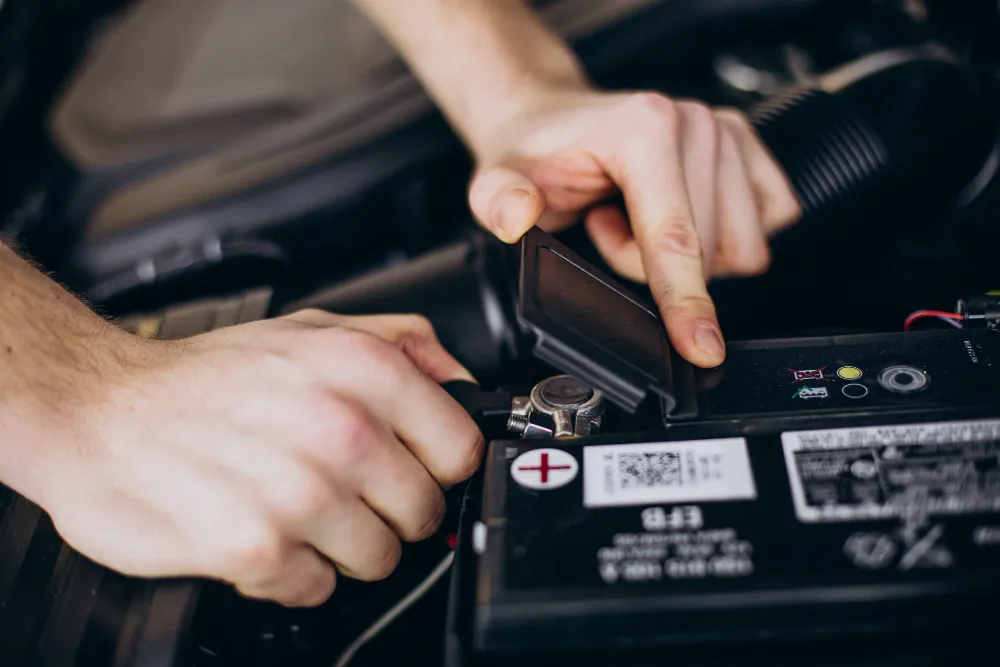
An error in connecting the terminals to the battery can also cause the battery to boil. If the battery terminals are connected incorrectly, this can lead to a short circuit and boiling of the electrolyte inside the battery. Therefore, if you are not sure of your skills when connecting the terminals, it is better to contact a specialist.
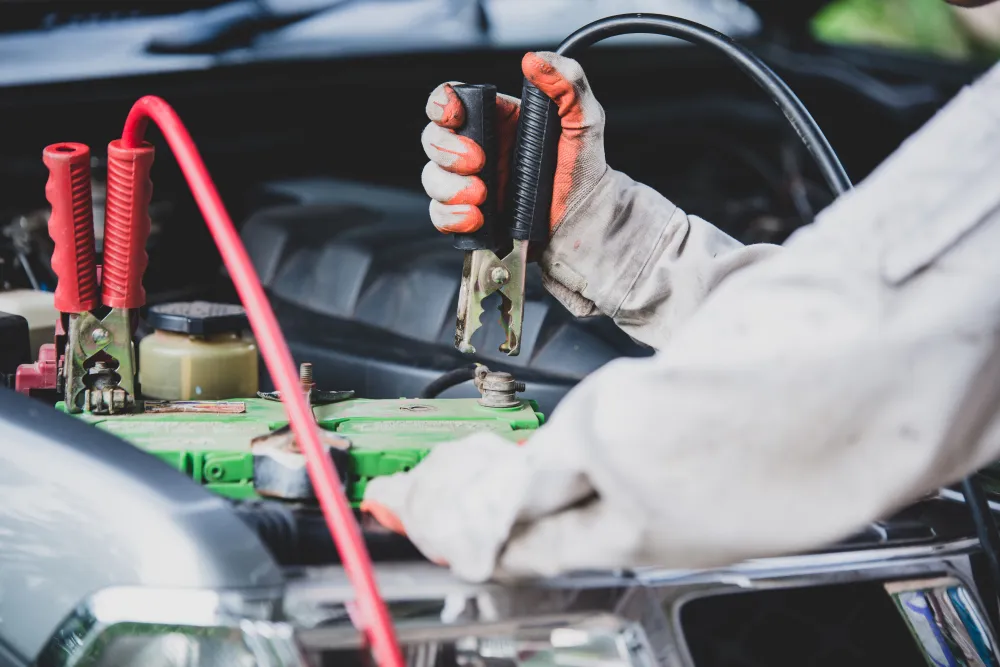
What to do if the car battery boils?
If you notice signs of a boiling battery, then you need to take immediate action. First, you need to disconnect the charger from the battery. Then, if possible, you need to remove the battery from the car and leave it in a cool place until it cools down completely. If the battery is in the car and cannot be removed, then turn off all electrical appliances and do not use the car until the battery has cooled down.
If you notice signs of battery boiling, it is also recommended to check it for damage. If you notice cracks or other damage on the battery, this can cause further problems. In this case, it is better to replace the battery.
Signs of a boiling battery
If you want to understand if your battery is boiling, then pay attention to the following signs:
- The liquid inside the battery begins to boil and release excess steam.
- The battery becomes too hot to the touch.
- The fluid level inside the battery may be low.
If you notice even one of these signs, then it is worth checking the battery and taking steps to prevent further problems.
Prevention
To avoid problems with the battery boiling, you need to monitor its condition and use the car correctly. Some recommendations:
- Check the electrolyte level in the battery regularly. If the level is below normal, then add distilled water up to the maximum level mark.
- Do not overcharge the battery. If you are using a charger, make sure that it does not charge the battery for too long. In case the charger does not automatically stop charging when the maximum charge is reached, keep an eye on the charging process and unplug the charger in time.
- Check the condition of the terminals and contact groups. If the terminals or contact groups are in poor contact with the battery, this can lead to overheating and boiling of the battery.
- Avoid using too powerful electrical appliances, especially when idling. This can overload the on-board system and cause the battery to boil.
- Check the condition of the battery regularly. If the battery has visible damage or signs of wear, it is best to replace it with a new one.
In conclusion, it is worth noting that a battery boiling can lead to serious consequences, including a car fire. Therefore, if you notice signs of a boiling battery, then you must immediately take action to prevent further problems. We hope that this information will be useful to you and help you avoid problems with your car’s battery.
Top popular news
- Steering Tie Rod Knocking: Symptoms and How Not to Confuse It with a Faulty Rack
- How to Read US Car Auction Photos and See More Than the Camera Shows
- Restoring Vehicle Safety After Airbag Deployment: Why Cheap SRS Repairs Are Dangerous
- VAG Comfort Control Module: Simultaneous Failure of Locks, Mirrors, and Power Windows
- The Heater Blows Weakly, and the Engine Takes a Long Time to Warm Up: Where to Look for the Cause
- ADAS calibration after windshield replacement: restoring the accuracy of driver-assistance systems
- VAG immobilizer: why the car will not start and the key transponder is not recognized
- TSI coolant pump and thermostat: causes of slow warm-up and engine overheating

Subscribe to our newsletter!
To stay updated with the latest news

Book a service