Mon - Sat | 09:00 - 19:00


Find

Contact us

Odesa
Hrushevskoho str., 41
 Мережа СТО в місті
Місто
 +38 (096) 299 29 97
Odesa
Hrushevskoho str., 41
 Мережа СТО в місті
Місто
+38 (096) 299 29 97

 Години роботи
 Mon - Sat
09:00 - 19:00
How Stabilizer Links and Shock Absorbers Knock: How to Tell Which Component Has Failed
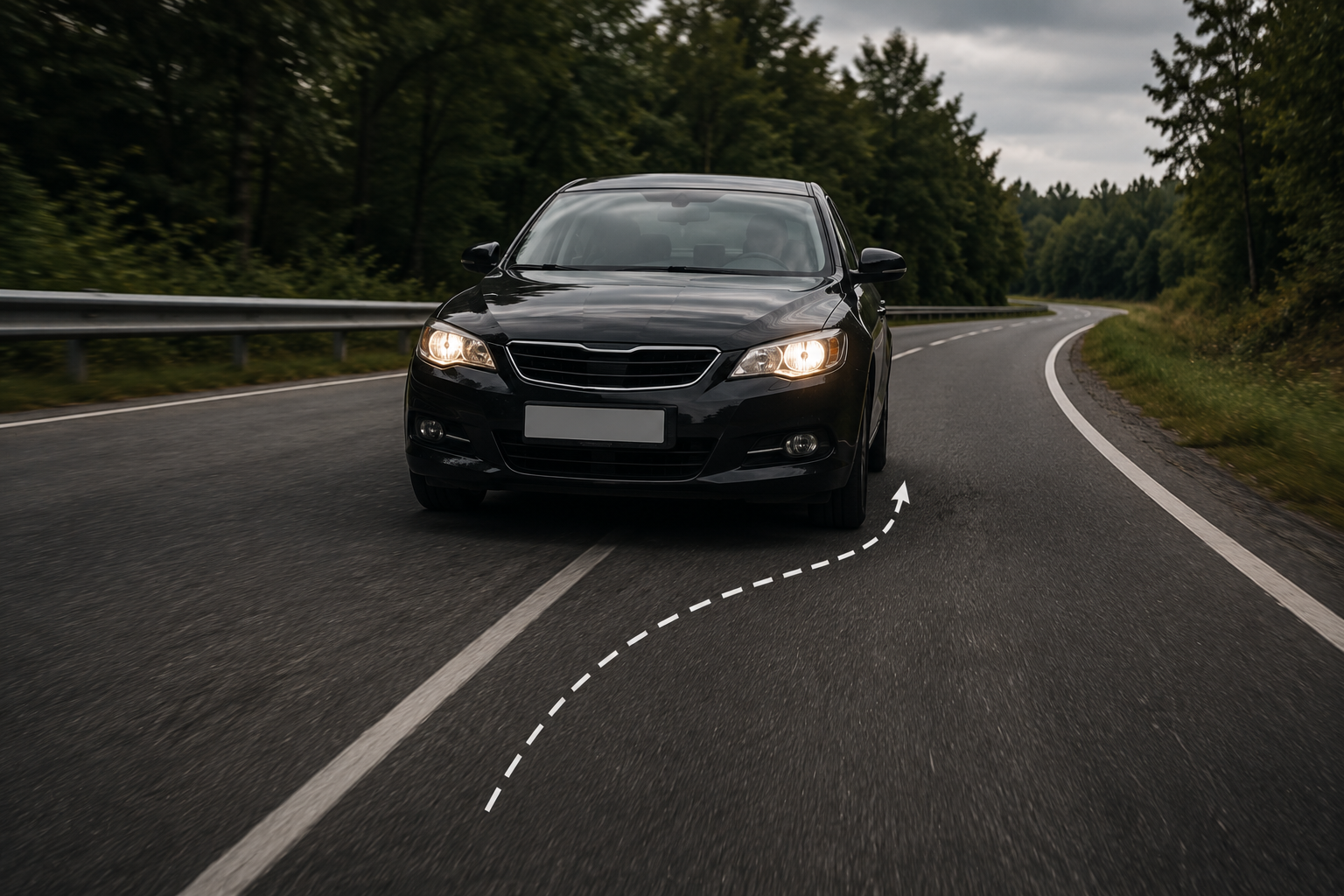
A knocking noise coming from the front suspension does not automatically mean the shock absorber or stabilizer link is at fault. On VAG vehicles built on the MQB and PQ35 platforms, similar sounds can originate from several different suspension components. By carefully analyzing when the noise occurs, how the vehicle behaves, and under which driving conditions it becomes more noticeable, it is often possible to narrow down the list of potential causes before visiting a repair shop. That is why understanding how stabilizer links and shock absorbers knock helps determine the correct direction for further diagnostics.
Why the Sound Often Misleads the Driver
The front suspension consists of multiple components that work together. The shock absorber dampens body movement, the stabilizer link transfers force from the anti-roll bar to the steering knuckle through ball joints, while the stabilizer bushings and control arm bushings ensure the entire suspension operates correctly. When even a slight amount of play develops in one of these components, impact vibrations travel through the metal parts, causing the sound to appear as if it comes from a completely different location. As a result, even experienced drivers often misidentify the true source of the noise.
During an initial evaluation, pay attention to three key points:
- whether the knocking occurs only on small bumps or also over large potholes;
- whether the vehicle body behaves differently after driving over an obstacle;
- whether the noise appears while turning the steering wheel or braking.
These observations cannot replace a professional inspection, but they can help identify which suspension component should be checked first.
How Worn Stabilizer Links Behave
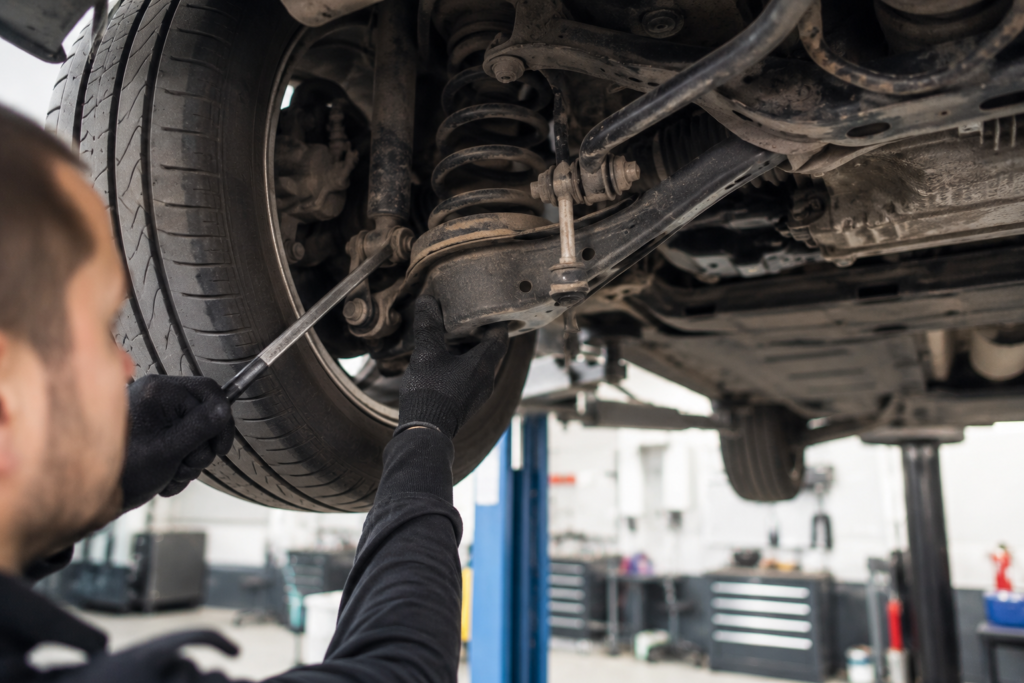
Stabilizer links are among the suspension components most frequently affected by continuous mechanical loads. As the ball joint wears, excessive play develops between its internal surfaces. During driving, the metal components begin striking each other without sufficient damping, creating a short, dry knocking sound. This noise is usually noticeable even at low speeds and has very little effect on vehicle body movement.
The most common symptoms include:
- a frequent dry knocking sound from the front suspension;
- sharp metallic knocks when driving over expansion joints;
- noise over small road imperfections even at low speeds;
- no significant body rocking.
If your Volkswagen requires stabilizer link replacement, postponing repairs is not recommended. A worn ball joint gradually increases the load on the stabilizer bushings, causing other suspension components to wear more quickly.
How a Faulty Shock Absorber Differs
A shock absorber operates differently, so its failure produces different symptoms. Inside the shock absorber housing, the piston rod moves through hydraulic fluid while internal valves generate resistance that absorbs suspension movement. When the internal components wear out or an oil leak develops, damping efficiency decreases. As a result, after hitting a bump, the wheel no longer returns to its normal position as quickly, and the vehicle body continues oscillating. Because of this, the sound becomes deeper and more muted rather than sharp.
A simple comparison helps distinguish the two:
- a stabilizer link produces a short, dry knock caused by ball joint play;
- a worn shock absorber usually creates a dull thud when driving over larger bumps;
- a faulty shock absorber also reduces vehicle stability in corners, increases front-end dive during braking, and causes prolonged body oscillation.
When the Cause Is Another Suspension Component
A knocking noise in the front suspension over small bumps is not always caused by stabilizer links or shock absorbers. Similar sounds may come from worn stabilizer bushings that no longer absorb vibration properly or from control arm bushings that have lost their elasticity. If a clicking or crunching noise appears while turning the steering wheel, it may indicate a worn strut mount bearing. Because these symptoms are so similar, replacing parts without proper inspection often fails to solve the problem and simply increases repair costs.
Why Lift Inspection Remains the Most Accurate Diagnostic Method
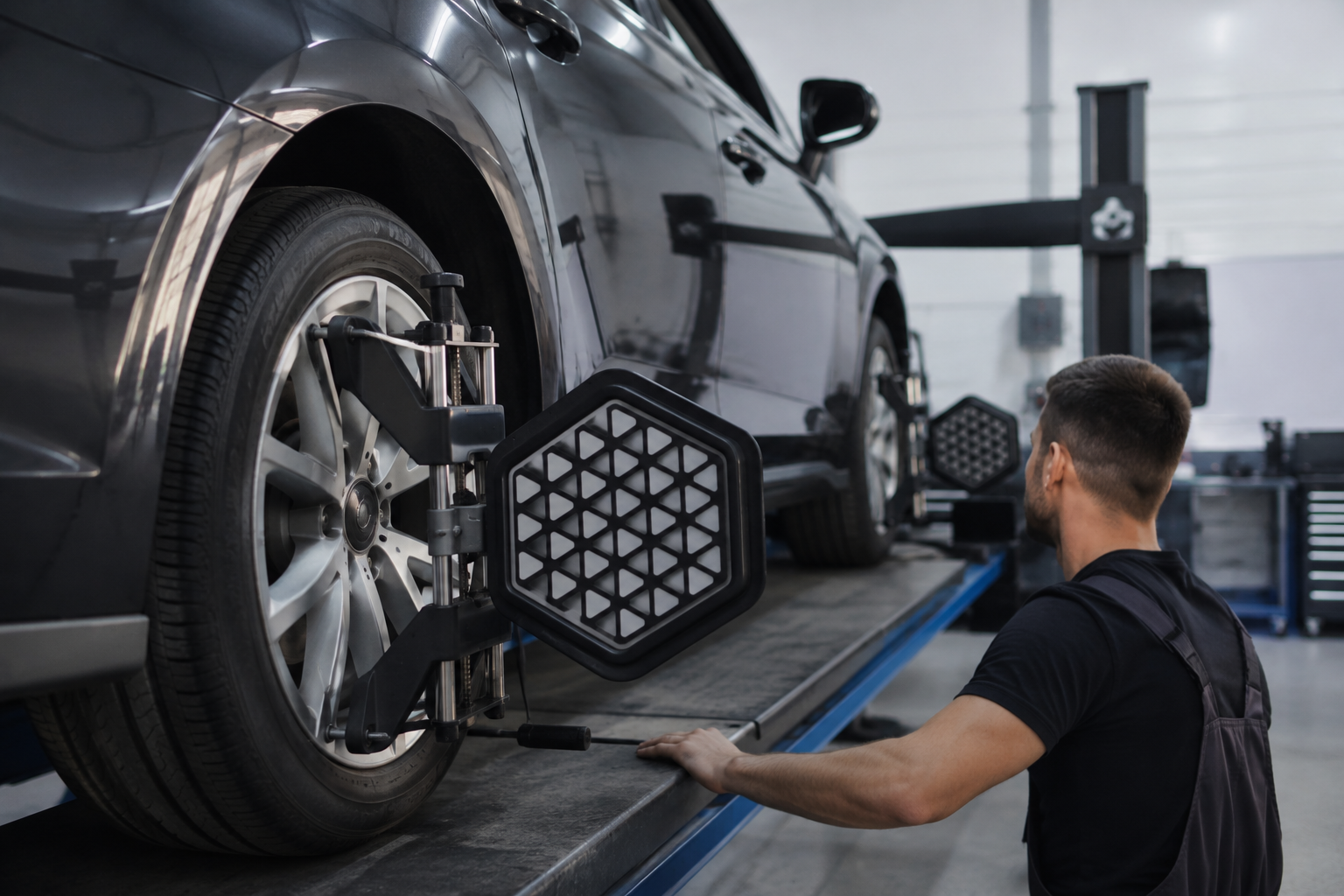
A preliminary assessment can be performed by the vehicle owner, but the final diagnosis should only be made after inspecting the suspension on a vehicle lift. With the suspension unloaded, a technician checks each component individually using pry bars and specialized tools capable of detecting even minimal play. This makes it possible to evaluate ball joints, bushings, control arm bushings, shock absorbers, steering knuckles, and mounting points separately, including faults that may not be noticeable when the vehicle is resting on its wheels.
If you are interested in what determines the cost of suspension diagnostics in Kyiv, it is important to consider not only the inspection procedure itself but also the equipment used by the repair shop. A comprehensive suspension inspection takes more time, but it allows technicians to accurately identify the true source of the noise while avoiding unnecessary replacement of fully functional components. This approach helps eliminate the problem on the first repair instead of wasting money replacing parts that are not actually responsible for the fault.
Top popular news
- There is a smell of gasoline under the hood, but there are no signs of a leak: where to look for the problem
- Volkswagen Golf 7: which engines are considered the most successful in the secondary market
- Why do errors appear after a night frost that disappear after warming up?
- The car stalls when you suddenly release the gas: what happens at this moment
- Audi A6 with 200+ thousand mileage: what expensive malfunctions can be predicted in advance
- Why does my car start to consume more oil even though my driving style hasn’t changed?
- The ABS light came on on the dashboard: can I continue driving?
- Volkswagen Passat B8 or Skoda Superb: what will the car show after 200 thousand km

Subscribe to our newsletter!
To stay updated with the latest news

Book a service