Mon - Sat | 09:00 - 19:00


Find

Contact us

Odesa
Hrushevskoho str., 41
 Мережа СТО в місті
Місто
 +38 (096) 299 29 97
Odesa
Hrushevskoho str., 41
 Мережа СТО в місті
Місто
+38 (096) 299 29 97

 Години роботи
 Mon - Sat
09:00 - 19:00
The car loses traction after warming up: why does this happen?
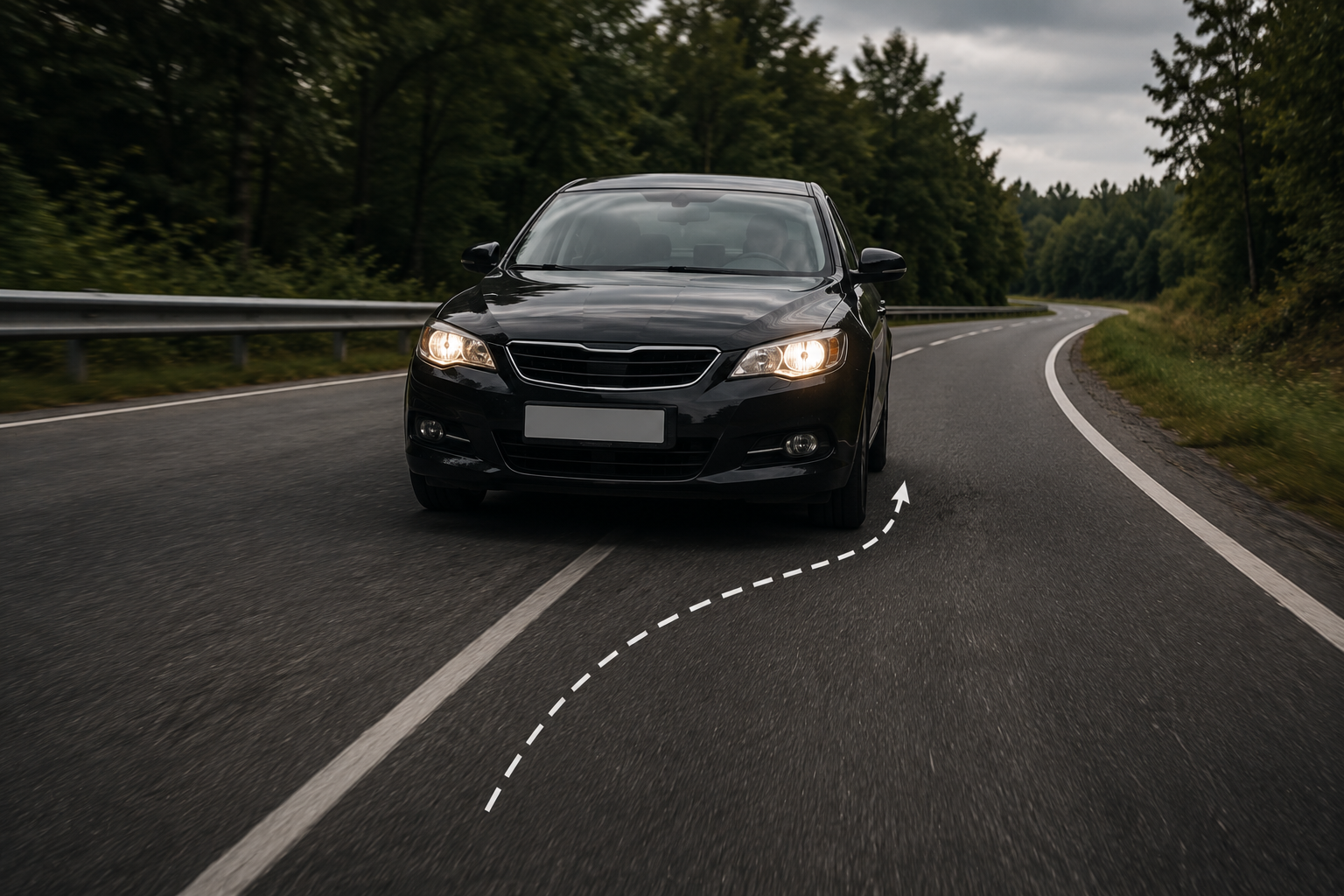
While the engine is cold, the car can accelerate without any problems, but after a few kilometers the dynamics noticeably deteriorate. The gas pedal is pressed in the same way, but the car reacts more sluggishly, has difficulty gaining speed or begins to lose power under load. This behavior does not always indicate a serious mechanical malfunction. Sometimes the defect manifests itself only after the temperature of the power unit and the engine compartment reaches a certain level.
When exactly does the craving disappear?
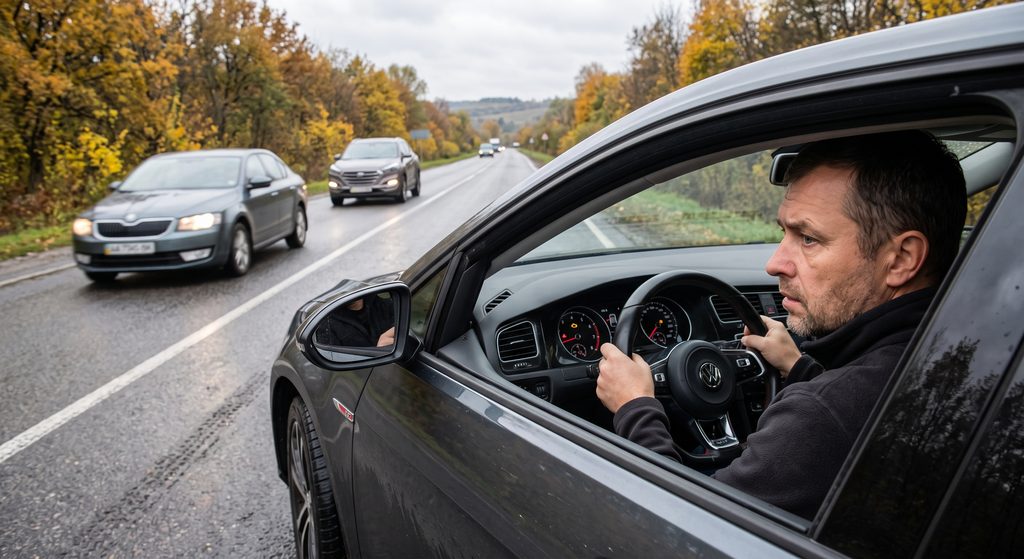
The time of symptom onset is of great importance in troubleshooting. If the engine runs normally immediately after starting, but starts to stall after 10-20 minutes, it is worth paying attention to components that are sensitive to heat.
It is important to monitor how the car behaves:
- power decreases gradually or disappears abruptly;
- the problem occurs during quiet driving or only during intensive acceleration;
- the revolutions increase, but the speed hardly increases;
- after stopping and cooling down, normal dynamics return.
The last sign is especially telling. If the car drives normally again after cooling down, the temperature factor becomes one of the main areas of inspection.
Why a cold engine can hide a malfunction
After starting, the electronic control unit operates according to one parameter, and as it warms up, it switches to another regulation mode. The composition of the fuel-air mixture changes, the ignition is adjusted, various control systems are activated, and sensors related to temperature and exhaust composition begin to work fully.
Because of this, a faulty component may behave stably on a cold engine, but fail when it warms up. For example, an electrical element inside a sensor or ignition coil may change its characteristics as the temperature rises.
An example is when the car accelerates normally again after a short stop, but the problem returns after a long trip. This relationship helps to separate a temperature malfunction from a permanent defect.
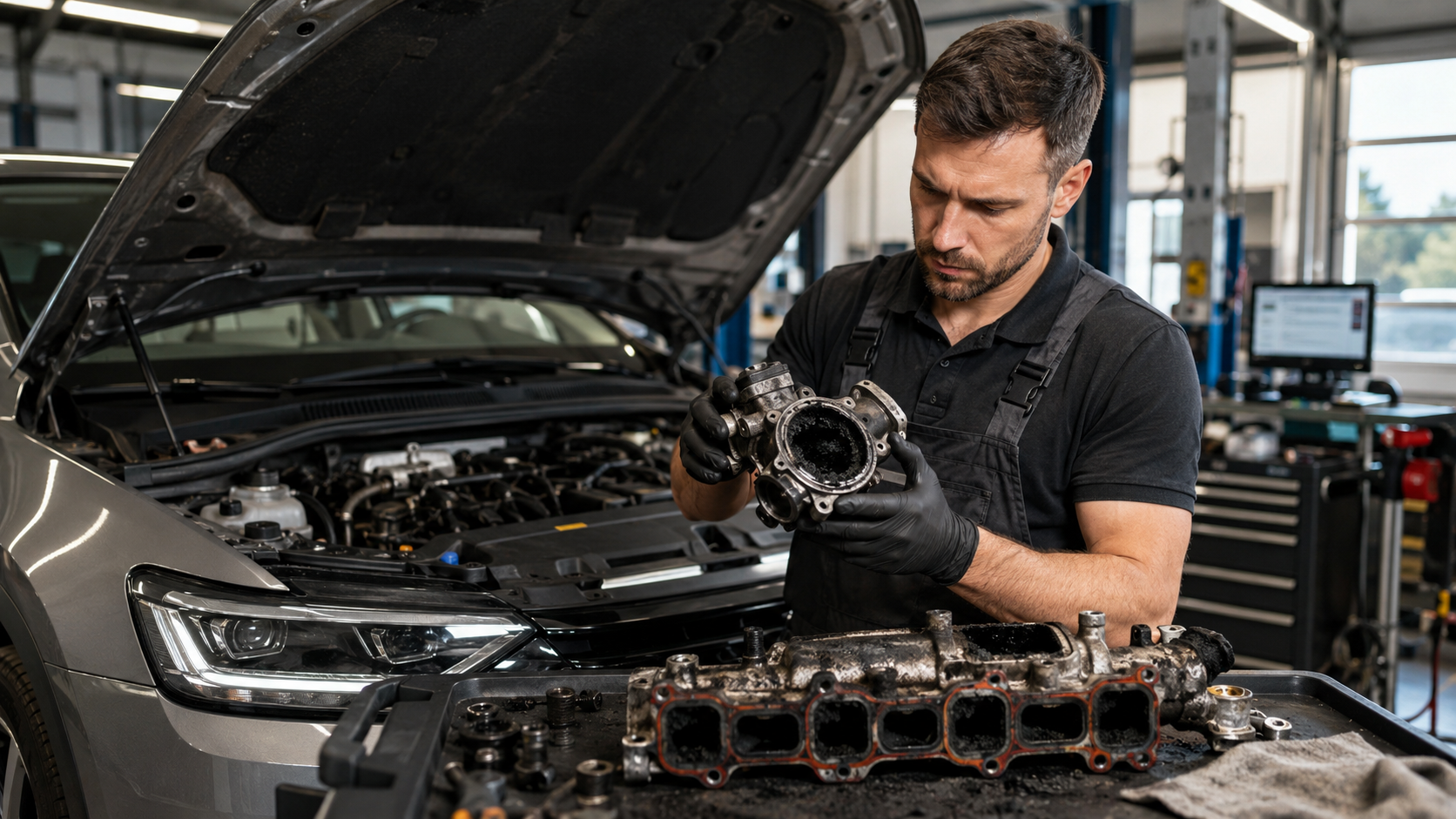
The fuel system cannot cope under load.
For normal acceleration of the engine, a sufficient amount of fuel is required. If the pump performance is reduced, the filter is dirty or the pressure regulator is unstable, at idle and during quiet driving the reserve may be sufficient. During acceleration, the fuel requirement increases sharply, and the hidden defect becomes noticeable.
Heat can exacerbate this problem. For example, a worn fuel pump can lose performance after prolonged use. As a result, the system pressure becomes insufficient at the very moment when the driver needs maximum engine performance.
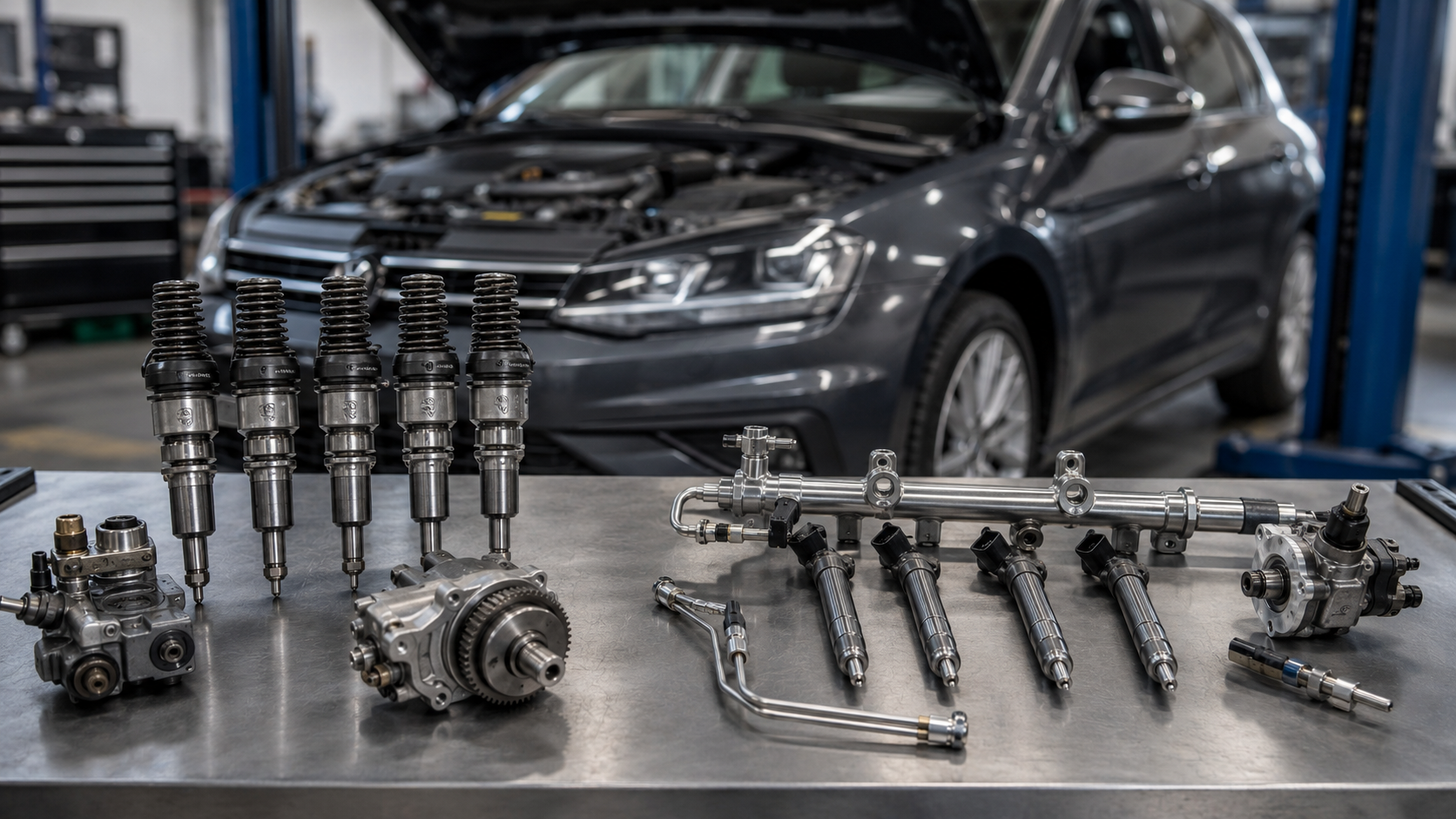
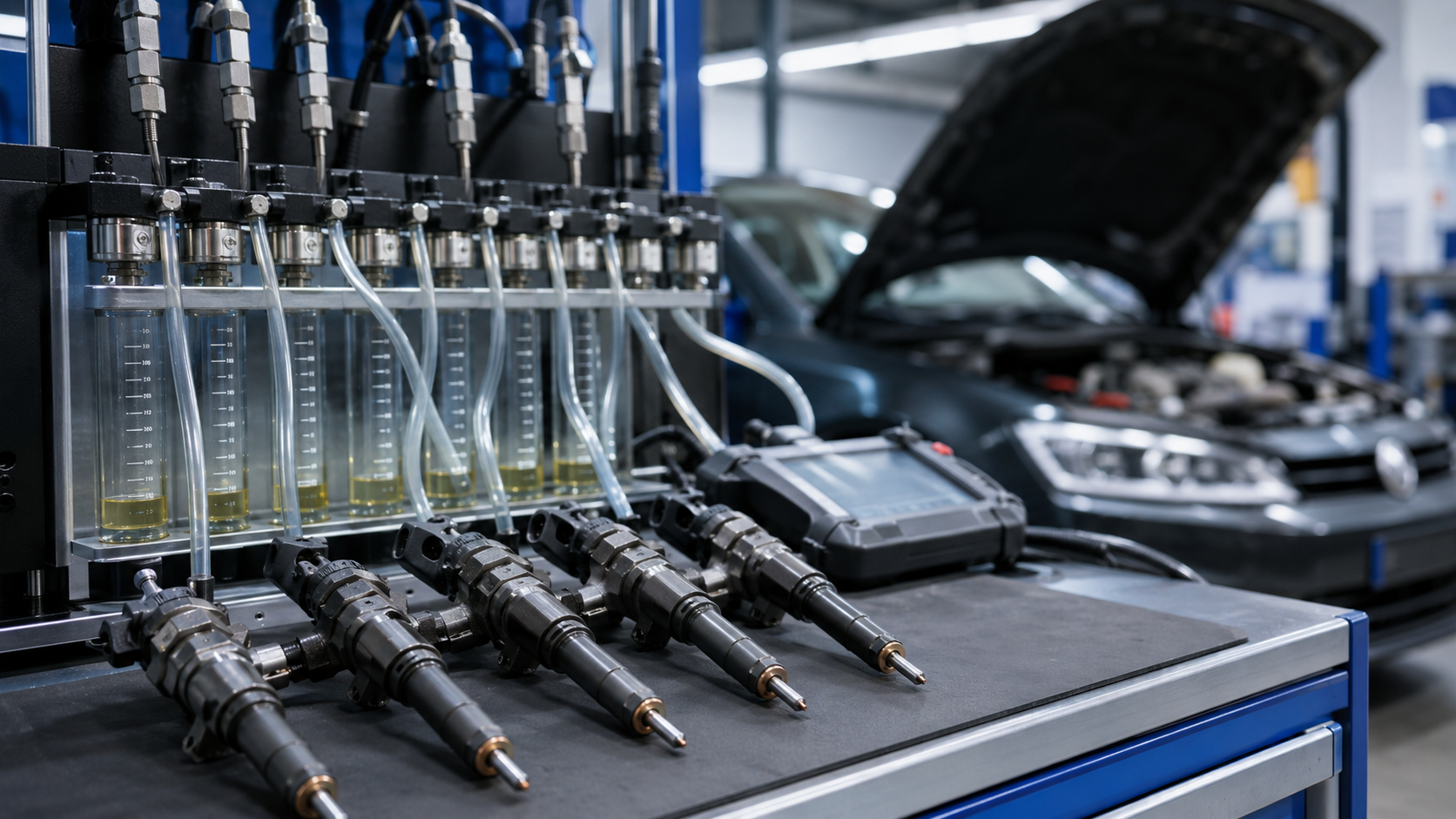
A similar picture is given by injectors with disturbed atomization. The mixture is formed incorrectly, combustion becomes less efficient, and the response to pressing the gas pedal deteriorates.
Ignition and sensors also depend on temperature
The ignition coil, spark plugs and their connections operate in difficult temperature conditions. If the coil insulation is damaged or there is an internal defect, the heat can cause malfunctions. The driver experiences this as jerks, dips during acceleration or a noticeable decrease in power.
Special attention should be paid to sensors. Incorrect signals about coolant temperature, air flow, or throttle position affect the calculation of the fuel mixture and ignition timing. As a result, the engineAfter warming up, the engine may run unstable or lose traction.
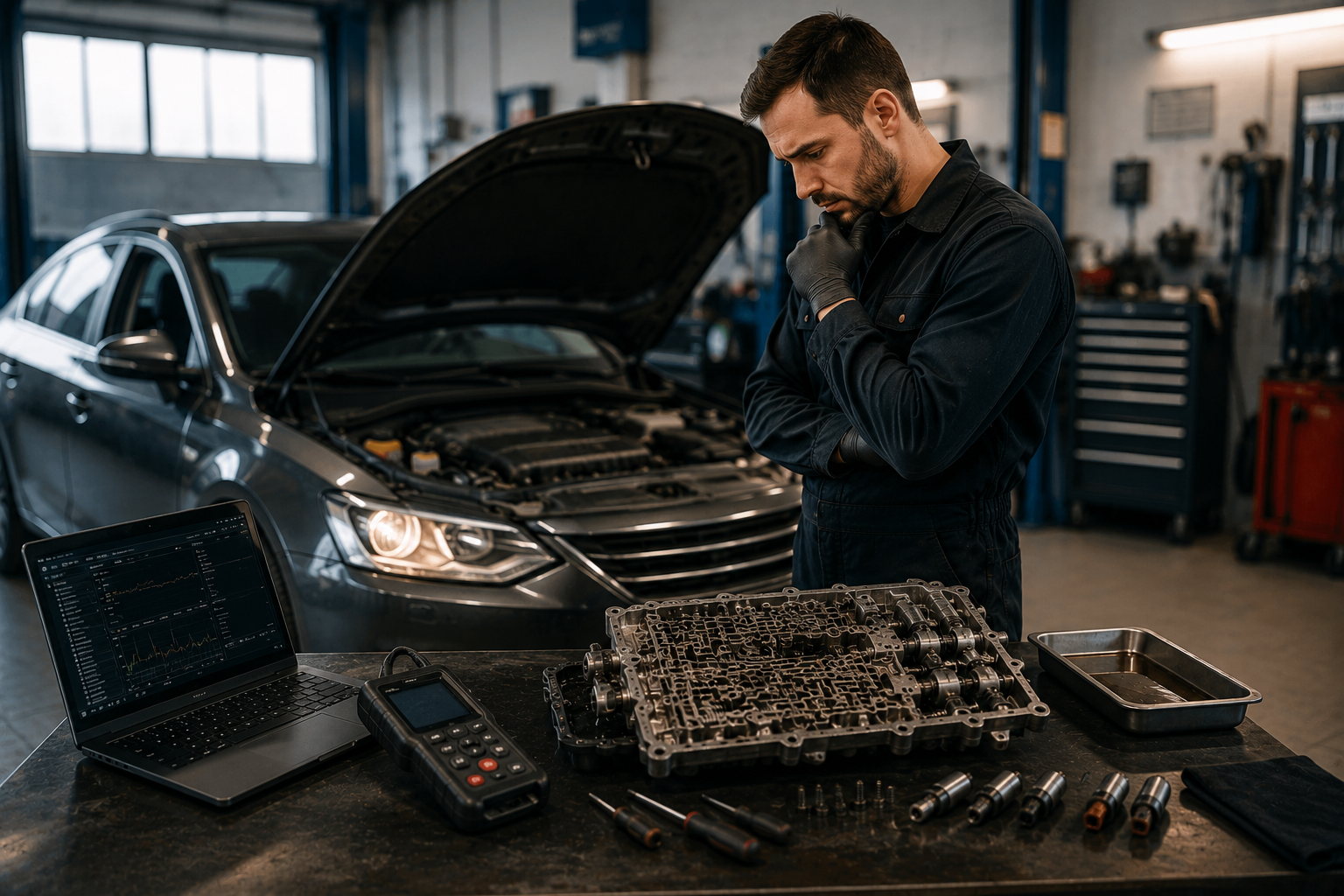
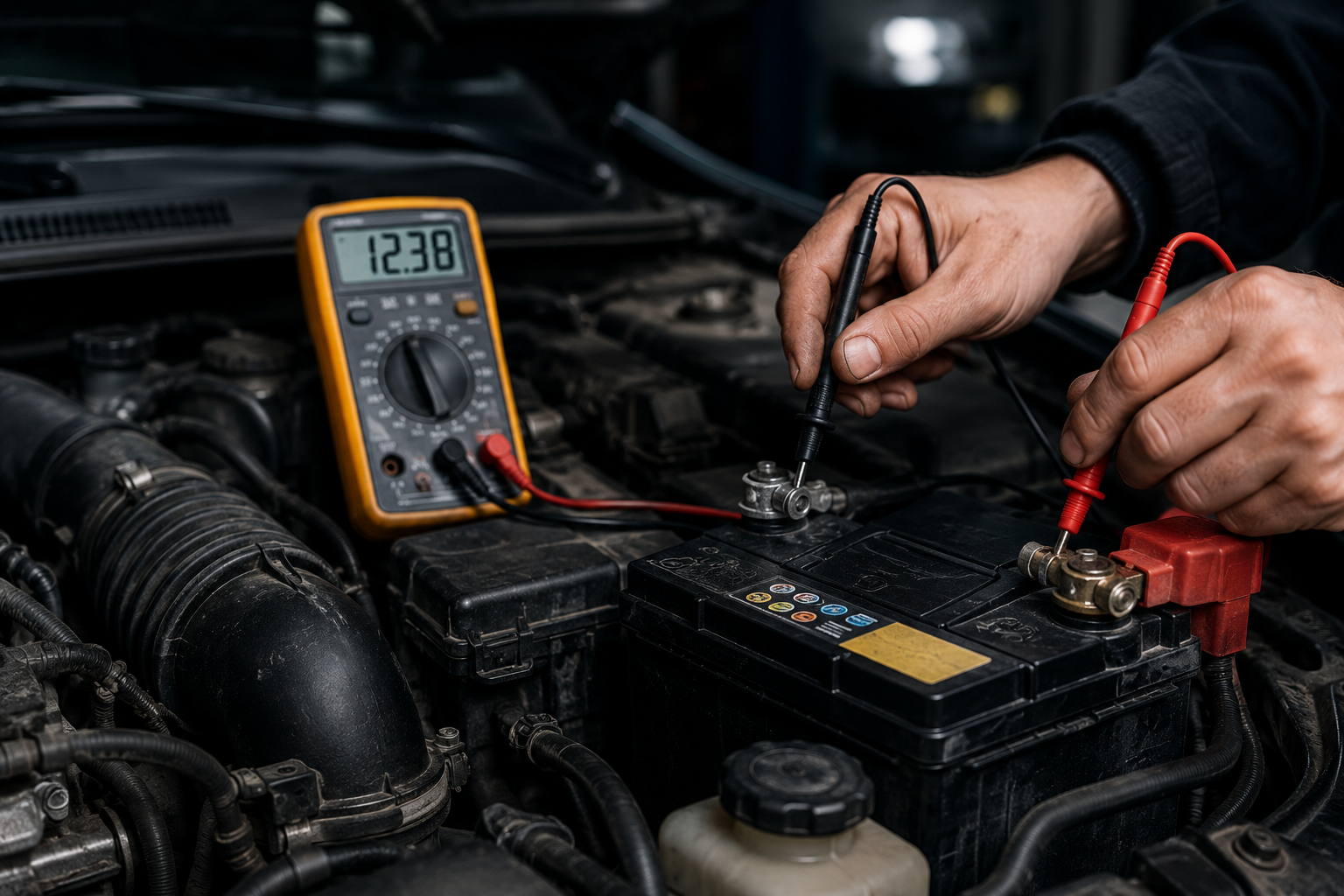
During diagnostics, it is useful to check not only the presence of errors in the control unit’s memory, but also the actual indicators at the time of the malfunction.
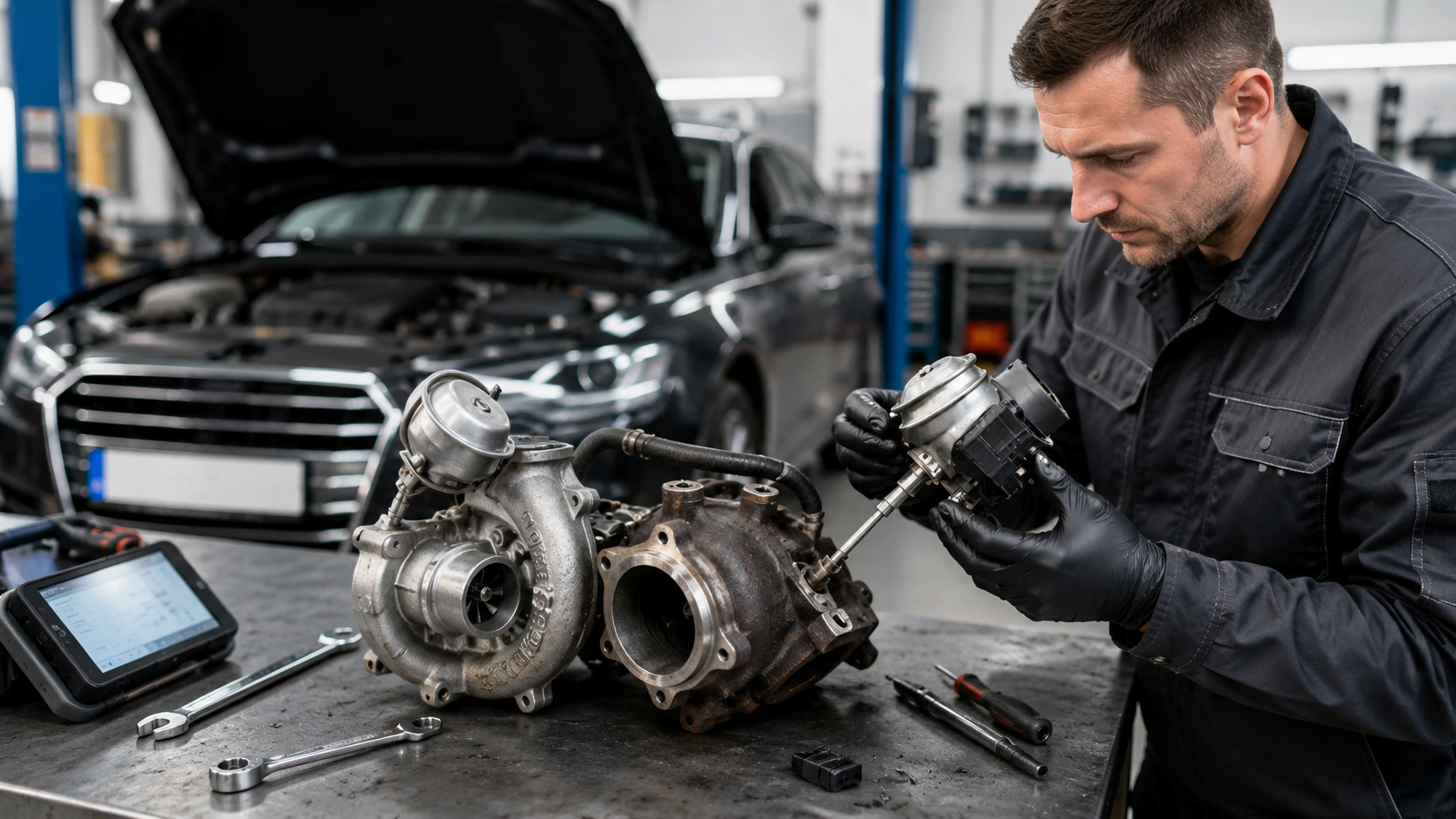
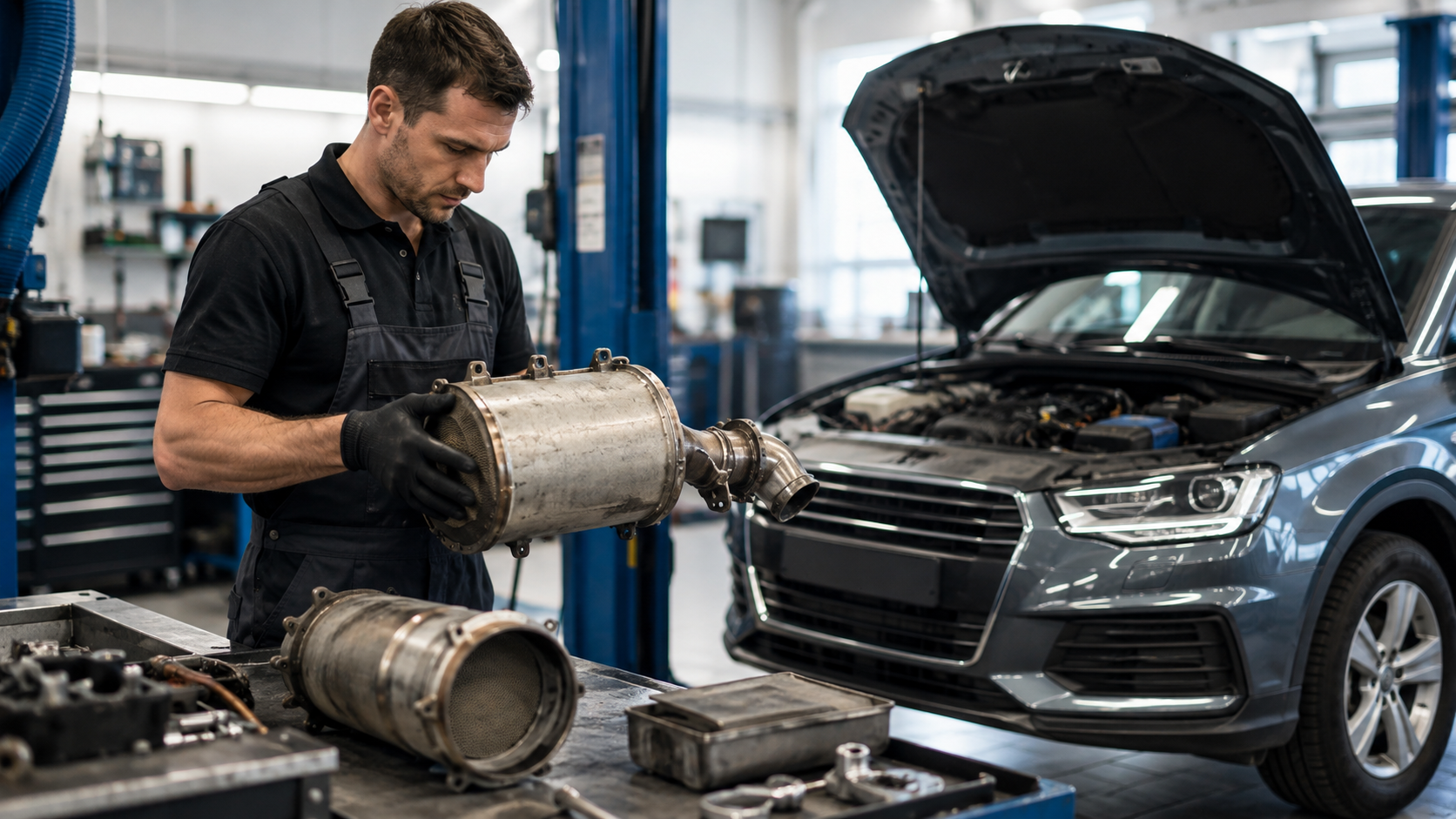
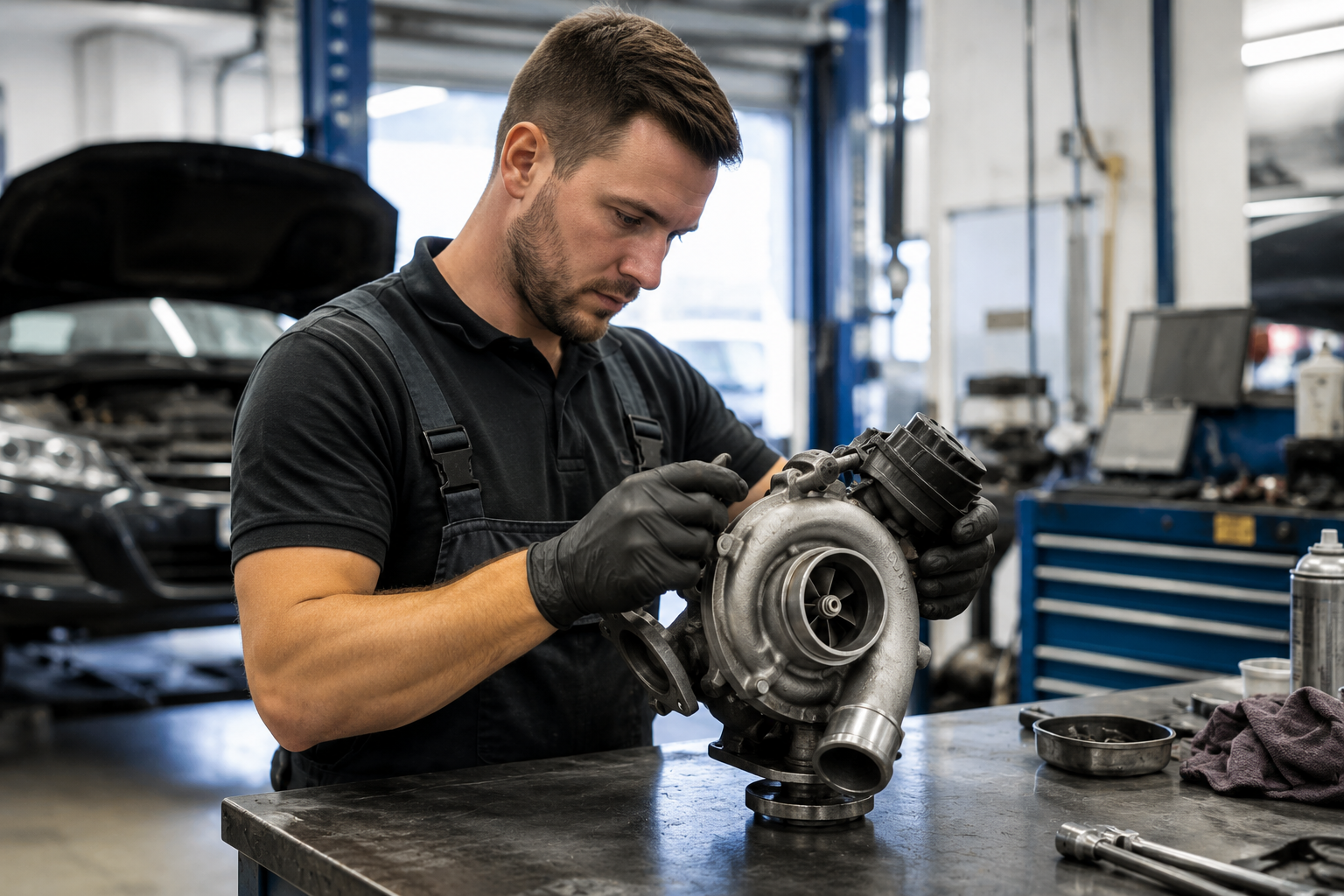
Turbine and turbocharger may lose efficiency
Another important parameter for a turbocharged engine is boost pressure. If it does not reach the required value, the car loses dynamics, especially during acceleration in higher gears.
The cause may not be directly in the turbine. The behavior of the system is affected by:
- air leaks in the pipes;
- malfunction of the boost control valve;
- problems with vacuum lines;
- jamming of the turbocharger geometry change mechanism;
- incorrect pressure sensor readings.
When the car is cold, the defect may be weak or invisible. After prolonged operation and increased temperature, the deviation becomes more significant, and the electronics may limit power to protect the power unit.
What to compare during diagnosis
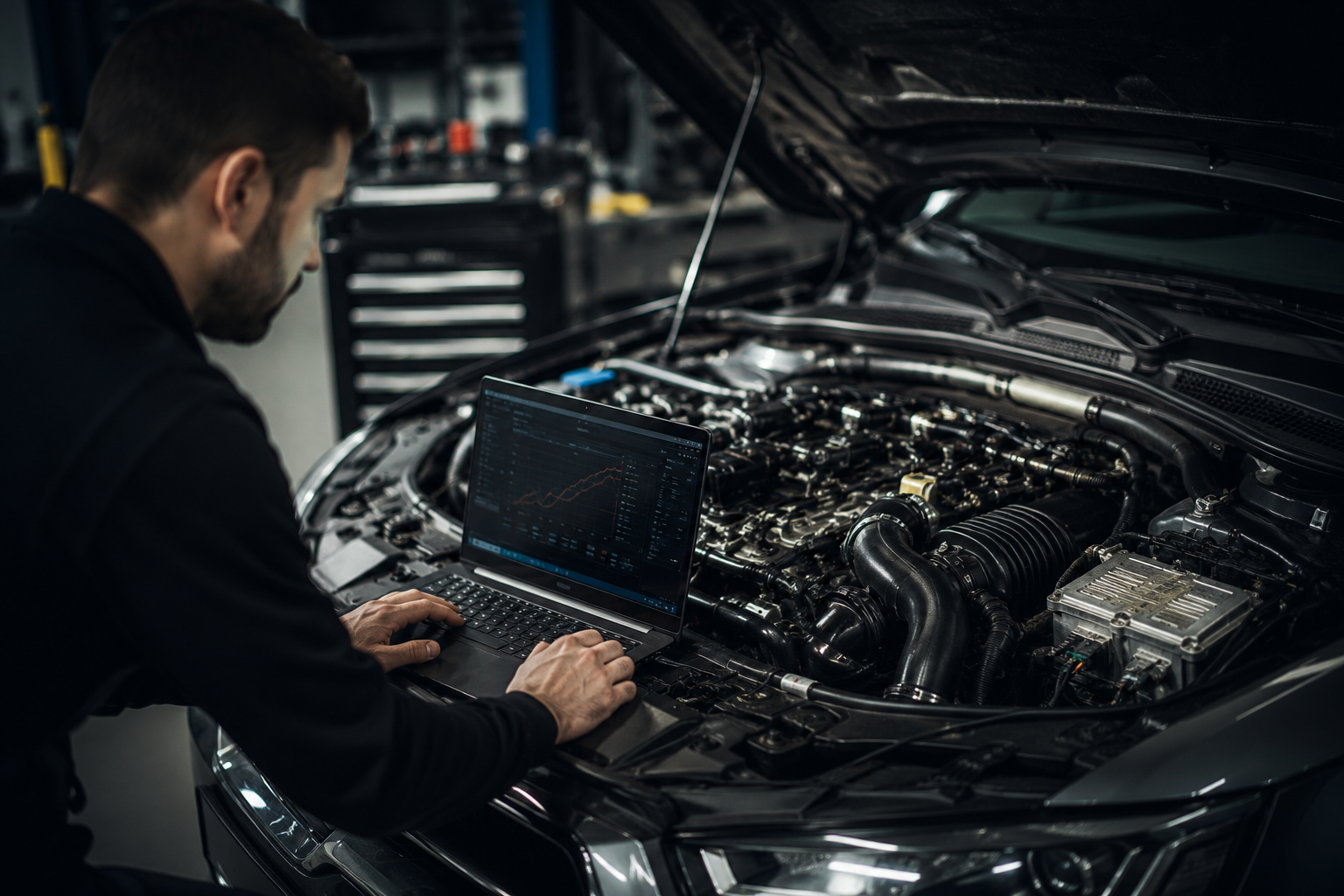
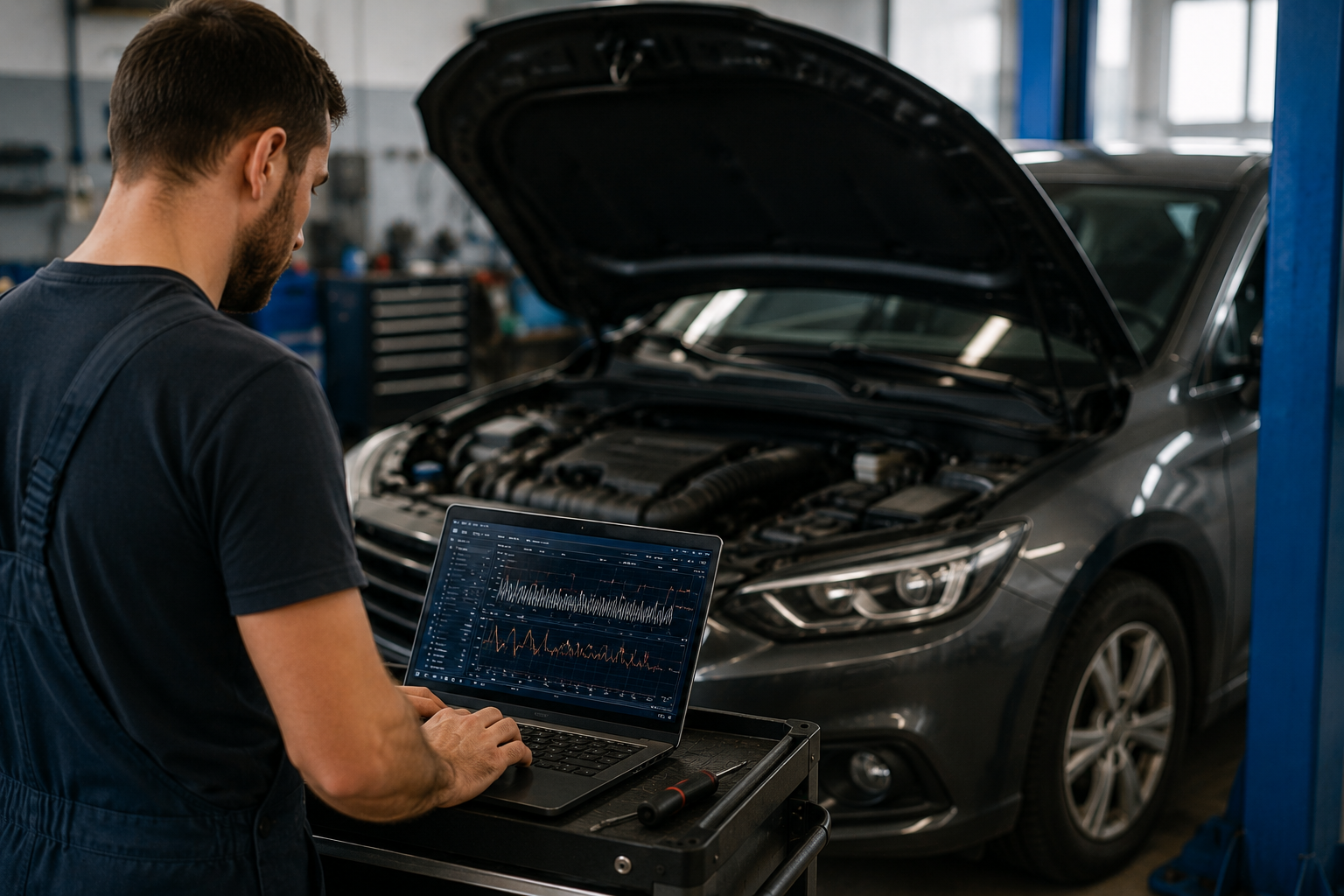
If the car loses traction after warming up, it is useful to record the parameters in two states: immediately after starting and immediately at the time of the failure. This approach provides more information than checking the car only at idle.
First of all, it is worth comparing:
- fuel pressure and its stability under load;
- actual and set boost pressure;
- coolant temperature;
- air sensor readings and throttle position;
- fuel supply corrections;
- the presence of misfires;
- fault codes that appear after warming up.
This method of checking allows you to see which parameter changes with the onset of the symptom. If the cold engine works normally, and after warming up one of the indicators goes beyond the permissible limits, the direction of the search becomes much more specific.
When a car starts to drive worse after warming up, it is not only the fact of power loss that is important. The moment of failure, engine temperature, load, and changes in control system indicators are also important. It is the comparison of these signs that helps determine where the failure occurs and which node should be checked first.
Top popular news
- Steering Tie Rod Knocking: Symptoms and How Not to Confuse It with a Faulty Rack
- How to Read US Car Auction Photos and See More Than the Camera Shows
- Restoring Vehicle Safety After Airbag Deployment: Why Cheap SRS Repairs Are Dangerous
- VAG Comfort Control Module: Simultaneous Failure of Locks, Mirrors, and Power Windows
- The Heater Blows Weakly, and the Engine Takes a Long Time to Warm Up: Where to Look for the Cause
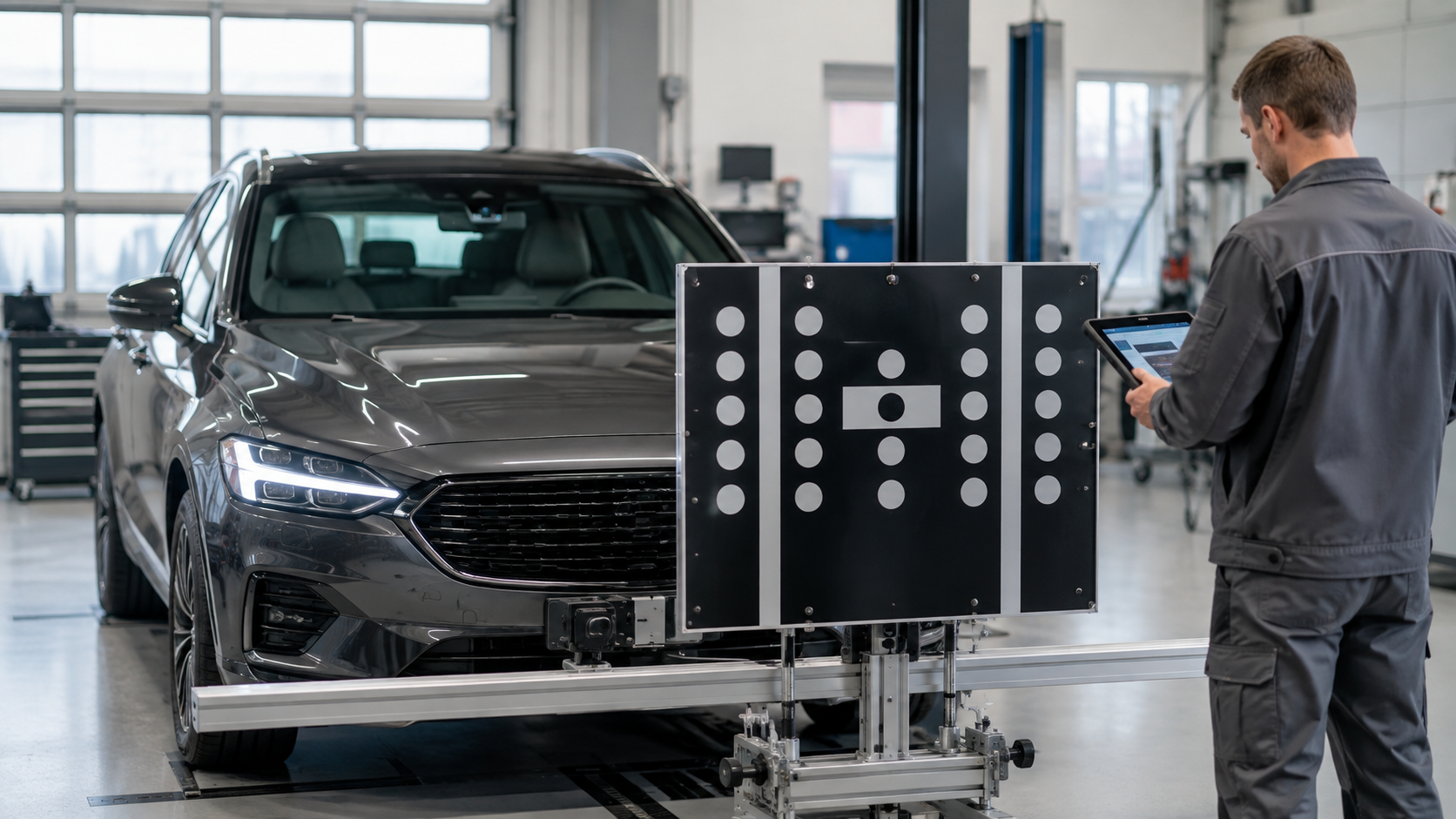
- ADAS calibration after windshield replacement: restoring the accuracy of driver-assistance systems
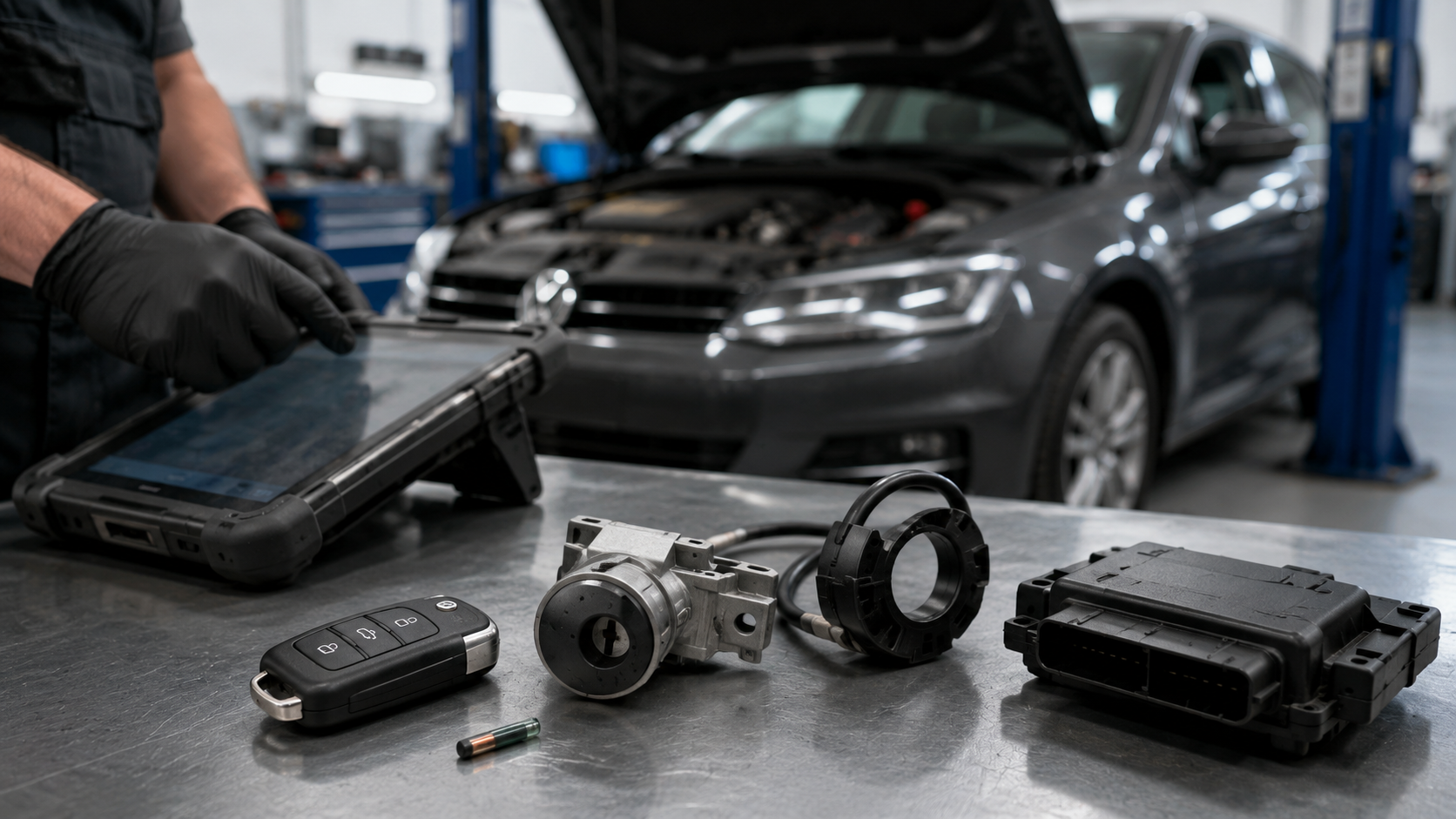
- VAG immobilizer: why the car will not start and the key transponder is not recognized
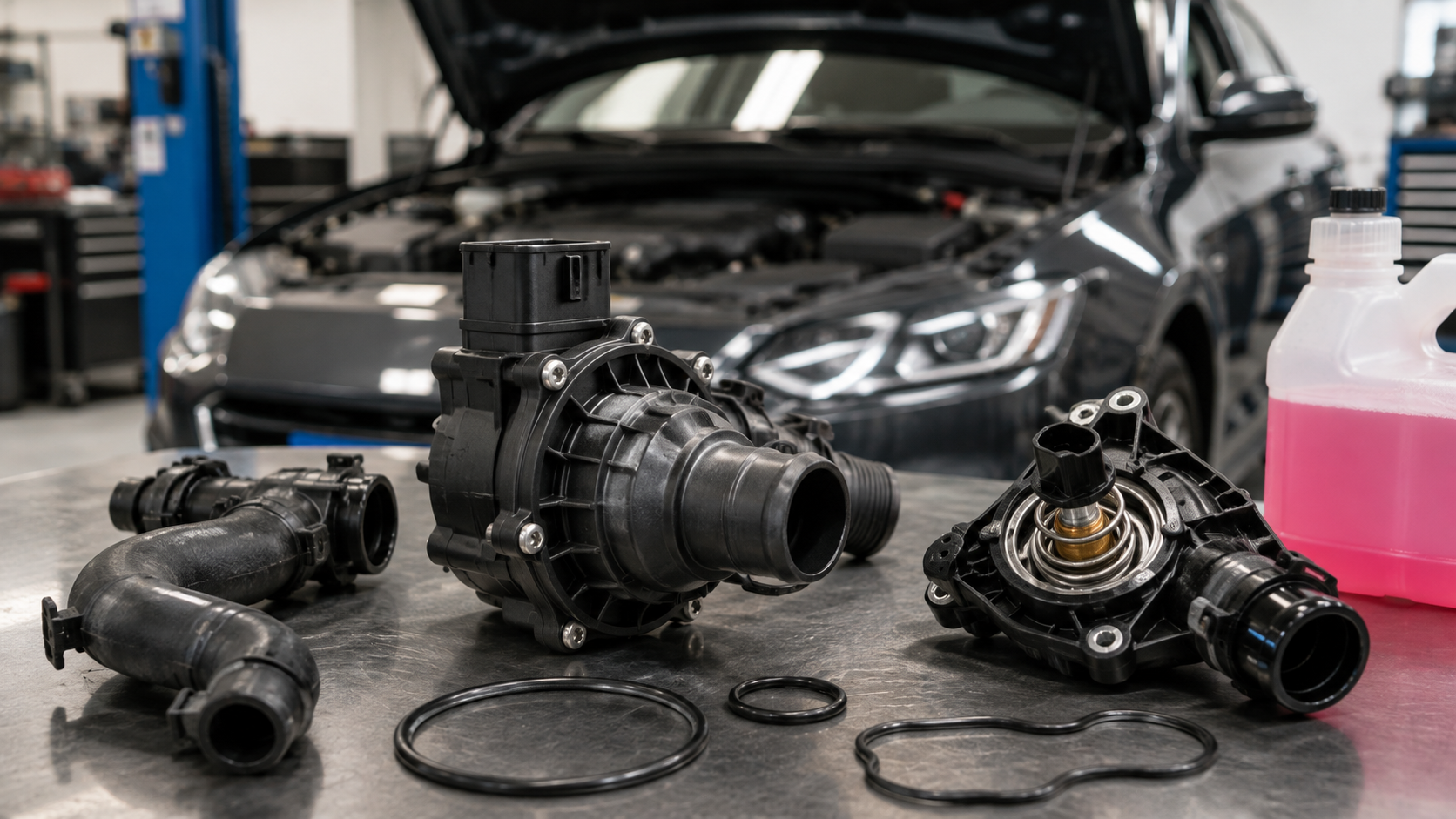
- TSI coolant pump and thermostat: causes of slow warm-up and engine overheating

Subscribe to our newsletter!
To stay updated with the latest news

Book a service