Mon - Sat | 09:00 - 19:00


Find

Contact us

Odesa
Hrushevskoho str., 41
 Мережа СТО в місті
Місто
 +38 (096) 299 29 97
Odesa
Hrushevskoho str., 41
 Мережа СТО в місті
Місто
+38 (096) 299 29 97

 Години роботи
 Mon - Sat
09:00 - 19:00
Timing chains on TSI/FSI engines: why these engines became an exception to the rule
Until fairly recently, a timing-chain drive was generally considered a solution that did not require regular replacement. As mileage increased, however, TSI and FSI engines began to require repairs more often because of specific design features. The problem was not a single unsuccessful component, but a combination of several engineering decisions that together affected drive durability. As a result, owners often start asking about the cost of TSI timing-chain replacement much earlier than expected.
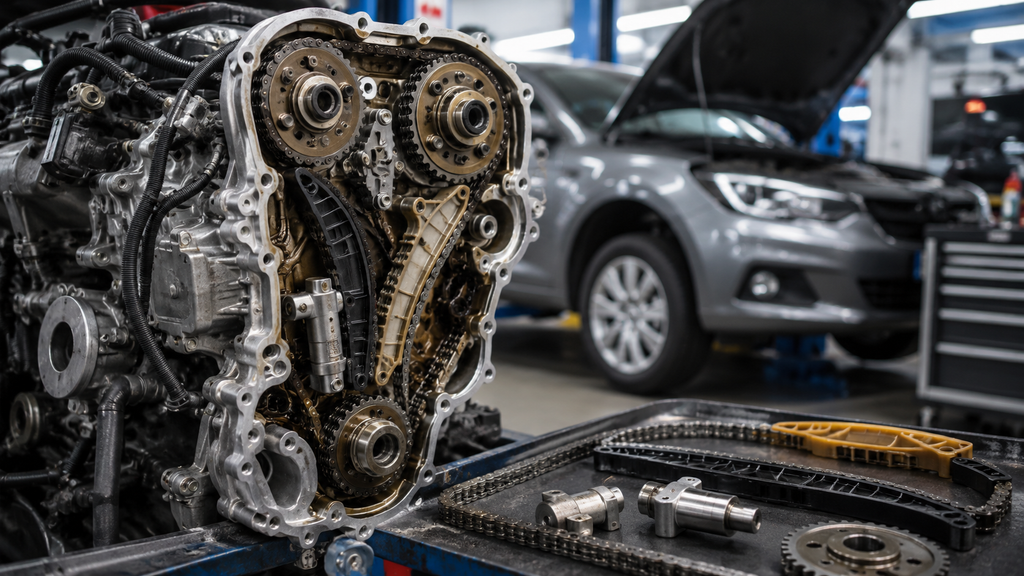
It is important to understand that excessive slack does not appear suddenly. It is preceded by gradual component wear that begins long before serious faults become apparent.
Why the timing drive was positioned near the transmission
On some TSI and FSI engines, the manufacturer positioned the timing drive on the transmission side, which differs from the more conventional layout. This arrangement helped reduce the overall length of the powertrain and made transverse installation easier.
However, compact packaging also had a downside. Access to the mechanism became considerably more difficult, so even scheduled replacement takes longer than on engines with a conventional layout.
Another important feature is inside the assembly itself. Chain tension is maintained by a hydraulic tensioner whose operation directly depends on engine-oil pressure. After the vehicle has been parked for a long time, the lubrication system does not build the required pressure instantly. During this short interval, the timing drive experiences its highest load.
Causes of premature timing-drive wear
Wear cannot be explained by vehicle mileage alone. Even two identical engines can be in very different technical condition despite showing the same odometer reading.
The factors that most often shorten service life are:
- oil starvation during cold starts;
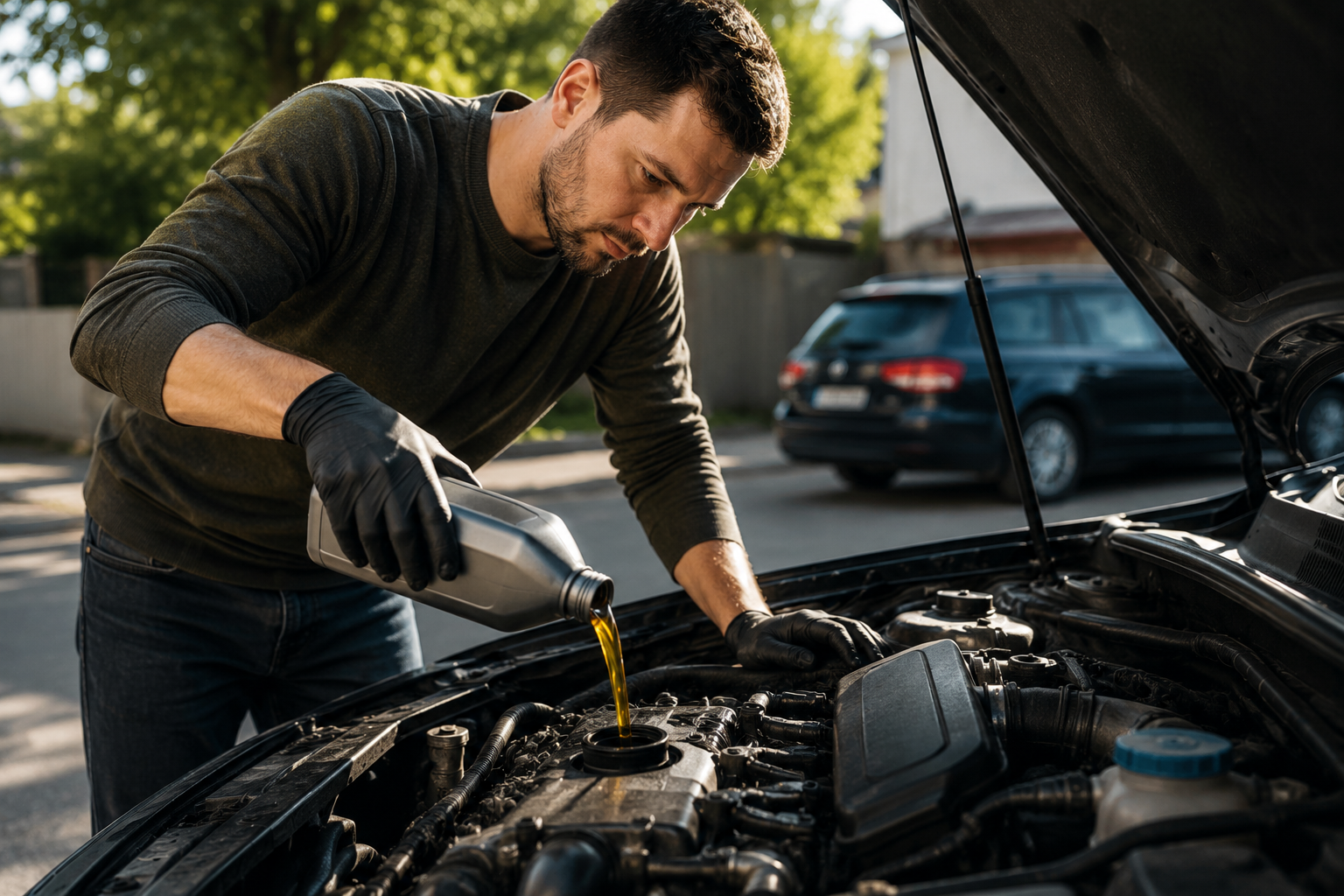
- extended engine-oil change intervals;
- the use of oil without the required approvals;
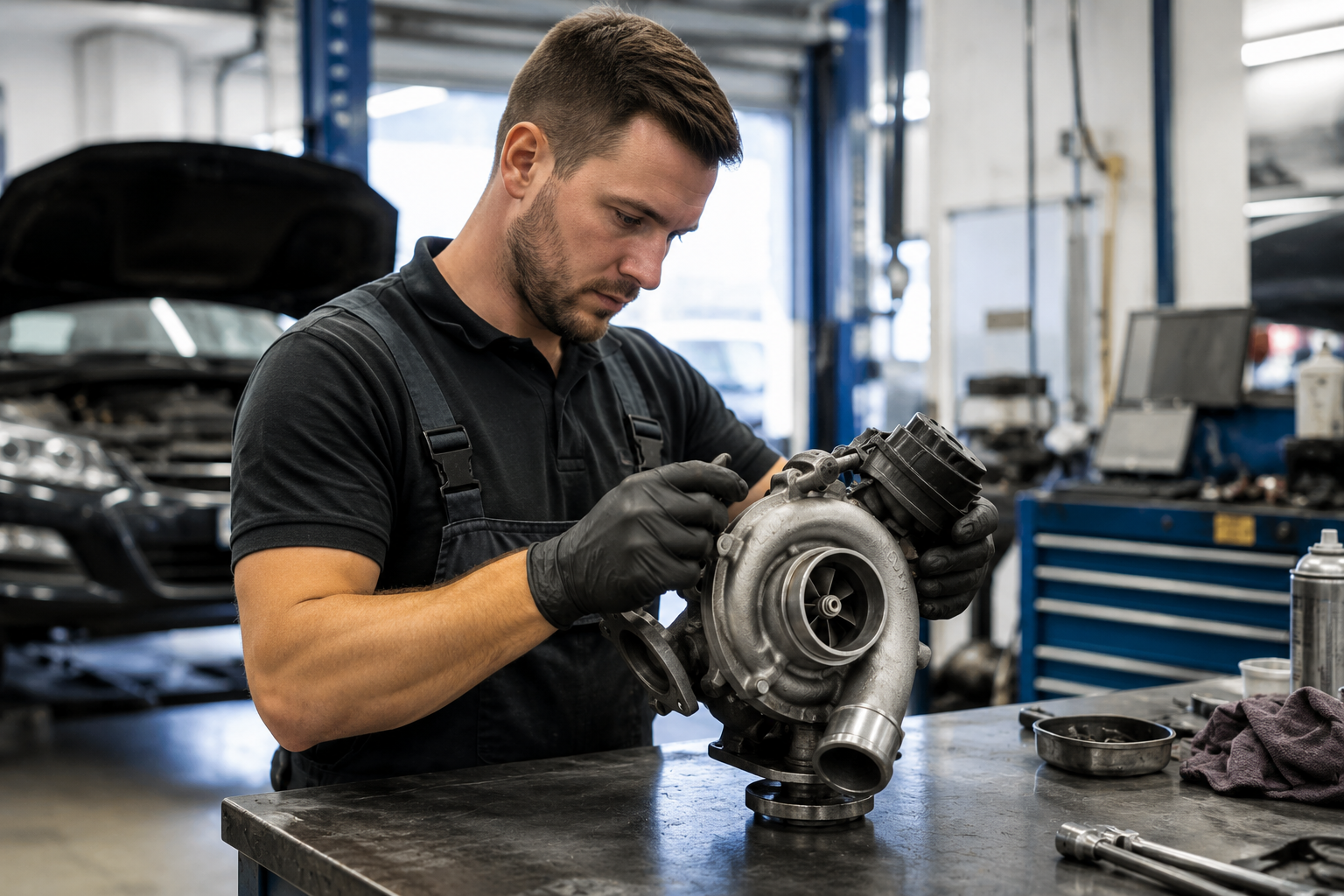
- a faulty chain tensioner;
- wear of the guides and camshaft sprockets.
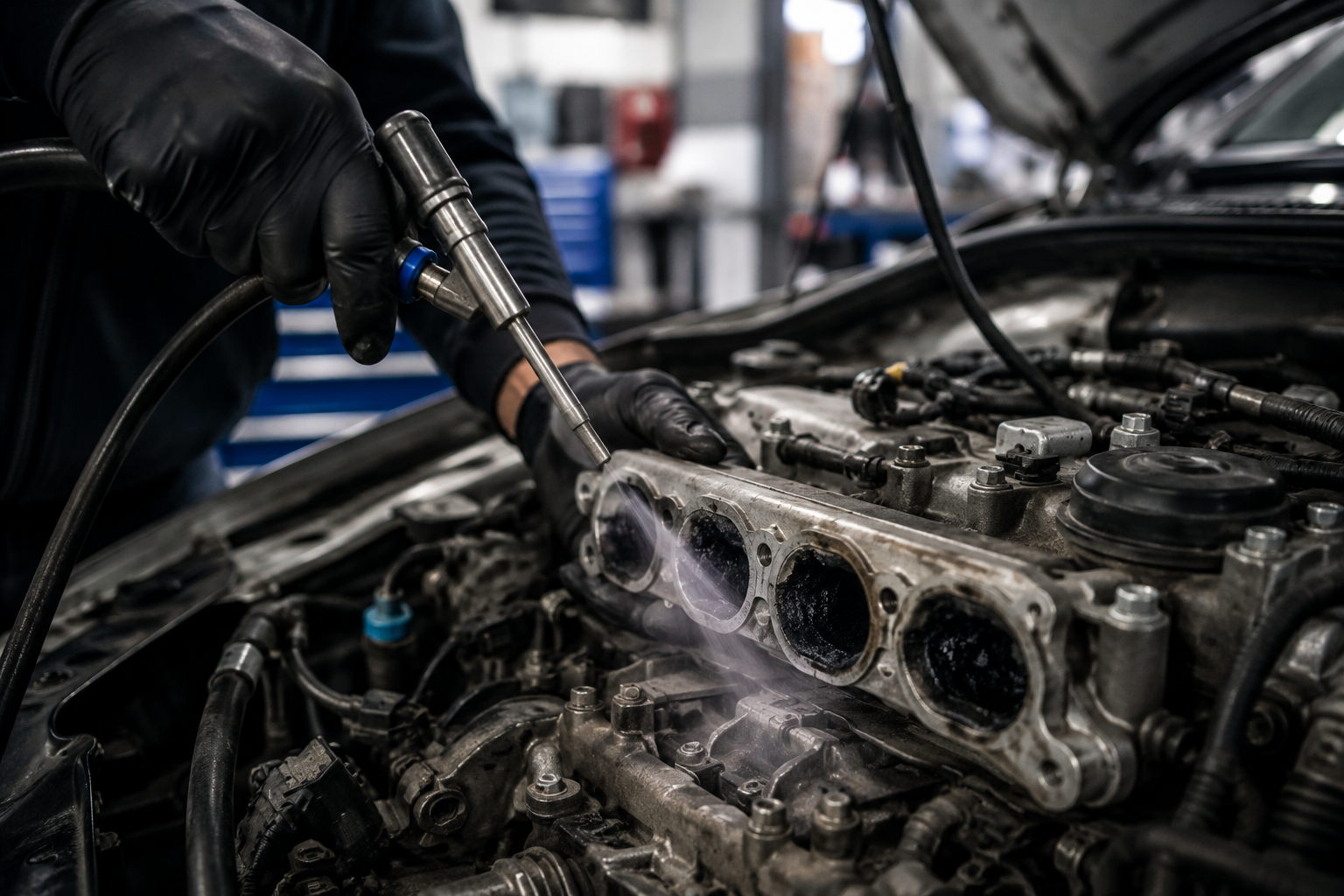
For this reason, there is no single answer to why a Volkswagen timing chain stretches. If the oil has lost its properties or deposits have accumulated inside the system, the hydraulic tensioner responds more slowly. This increases the load on all timing-drive components, while valve timing gradually begins to shift.
Sometimes the owner notices no changes for several months. The electronics, however, may already be able to detect synchronization deviations between the crankshaft and camshafts before the fault becomes obvious.
When the engine starts warning about the problem
The first sign is most often timing-chain rattle on a cold TSI engine. It lasts only a few seconds and then disappears. Because of this, many drivers postpone inspection, assuming the sound is simply a characteristic of the engine.
In reality, a brief metallic rattle indicates that the hydraulic tensioner was unable to compensate for chain slack immediately. Every subsequent cold start repeats the process, gradually accelerating wear throughout the mechanism.
How a small timing shift turns into a serious failure
At first, the changes have almost no effect on vehicle behaviour. The engine still starts, and faults may appear only intermittently. Inside the mechanism, however, synchronization between the camshafts and crankshaft is already being disrupted. As slack increases, valve timing shifts further.
At this stage, the electronic control unit attempts to compensate for the deviation by changing ignition timing. This can maintain stable engine operation for a while, but it does not remove the underlying cause. Wear continues and the load on the components only increases.
If repair is postponed, the risk of the chain jumping over the sprocket teeth continues to rise.
One skipped tooth can lead to major engine repairs
When people say that the consequences of a jumped timing chain can be critical, this is not an exaggeration. Once the drive has shifted, the timing marks no longer correspond to the calculated position, so the valves open at a time different from that intended by the engine design.
In TSI and FSI engines, the clearance between valves and pistons is minimal. Even a small loss of synchronization can cause mechanical contact between components.
The parts most commonly damaged in this situation are:
- valves;
- pistons;
- valve guides;
- valve seats;
- the cylinder head.
At that point, simply replacing the timing kit no longer solves the problem. The scope of repair becomes much larger, and the cost rises accordingly.
What to check before buying a car with a TSI or FSI engine
If a vehicle is being sold without a documented service history, it is better to inspect the timing drive before signing the purchase agreement. This is especially important for models that have spent much of their life in urban driving with frequent short trips.
During the inspection, it is worth:
- asking for the engine to be started after a long period of standing rather than when already warm;
- checking the engine-oil service history;
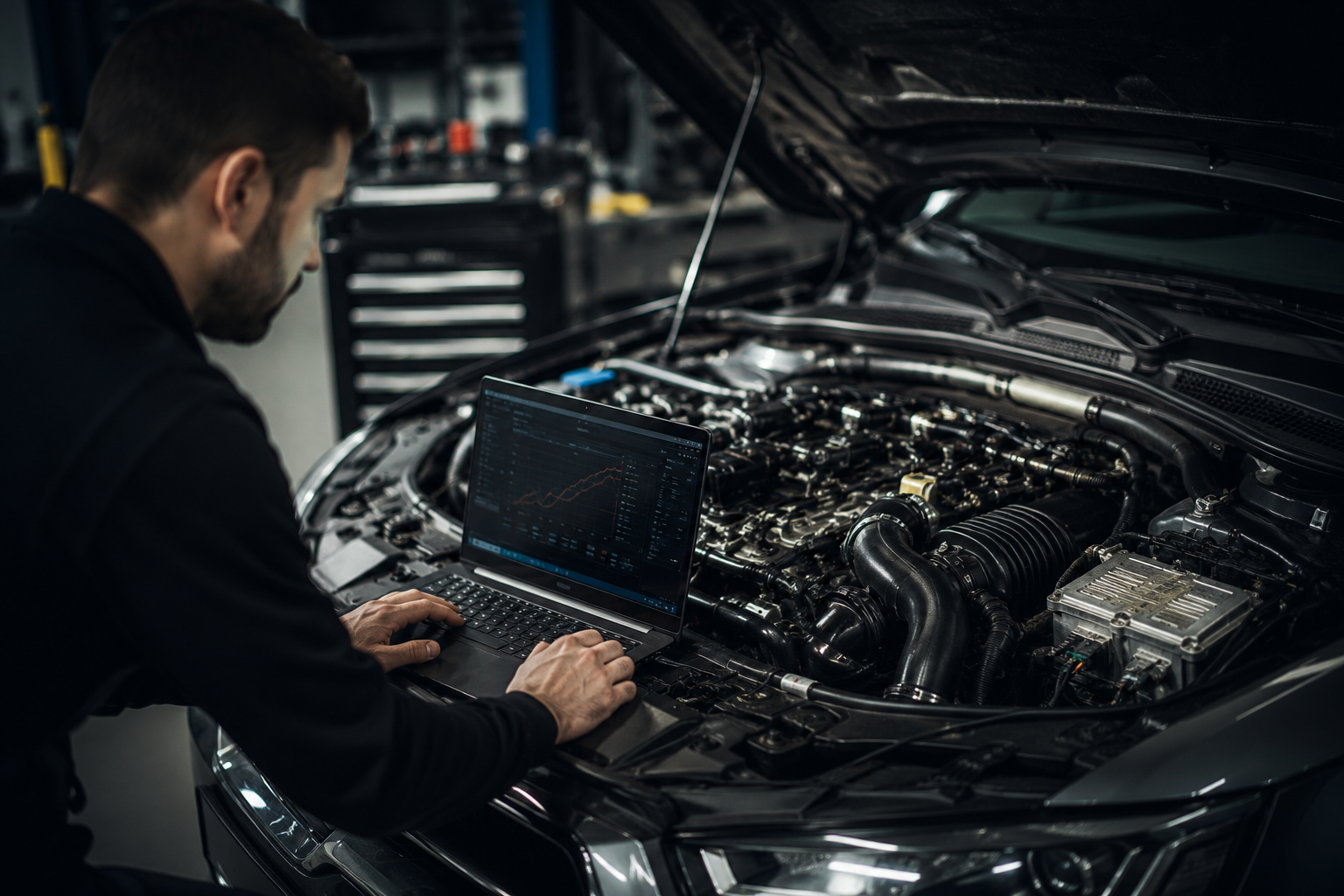
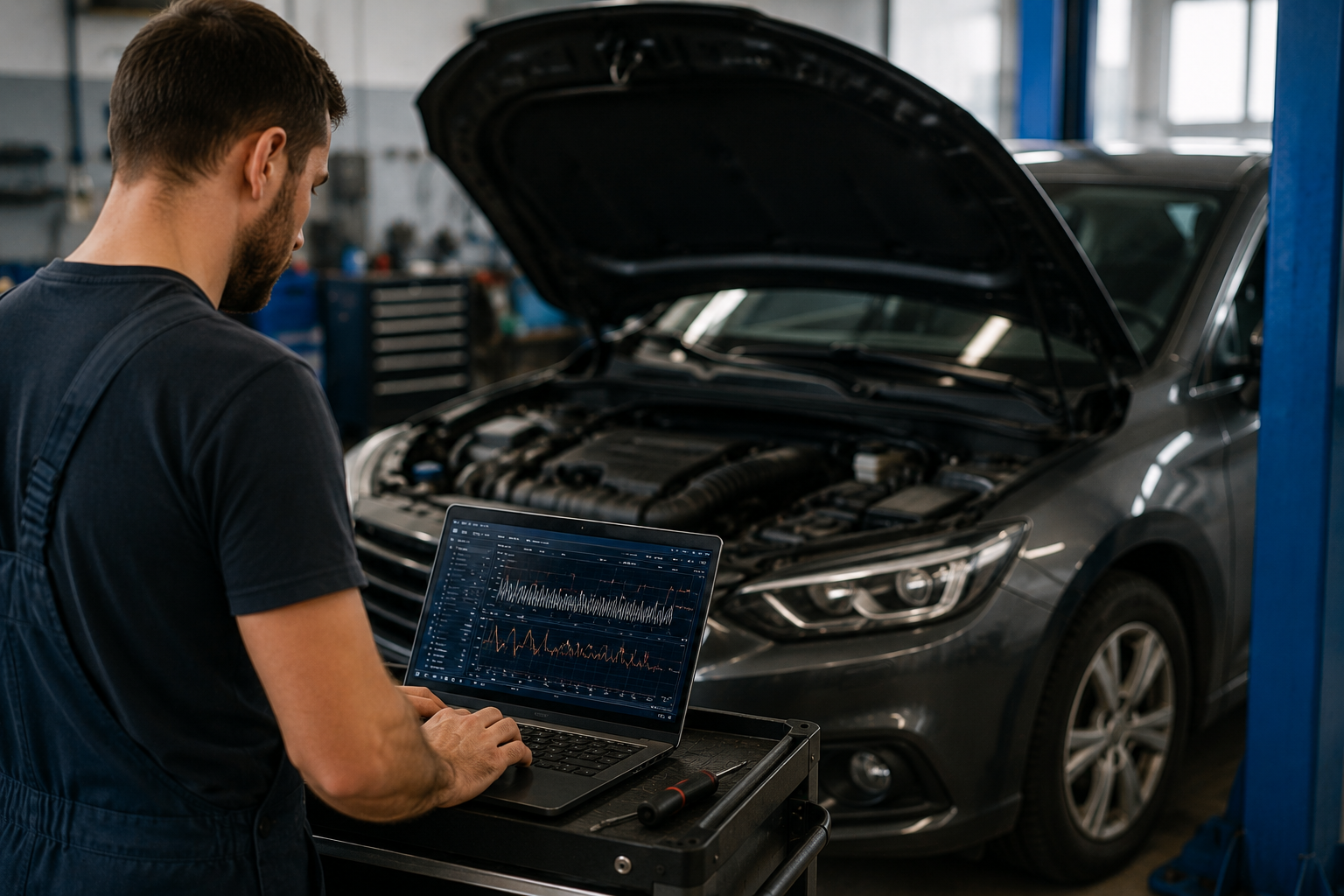
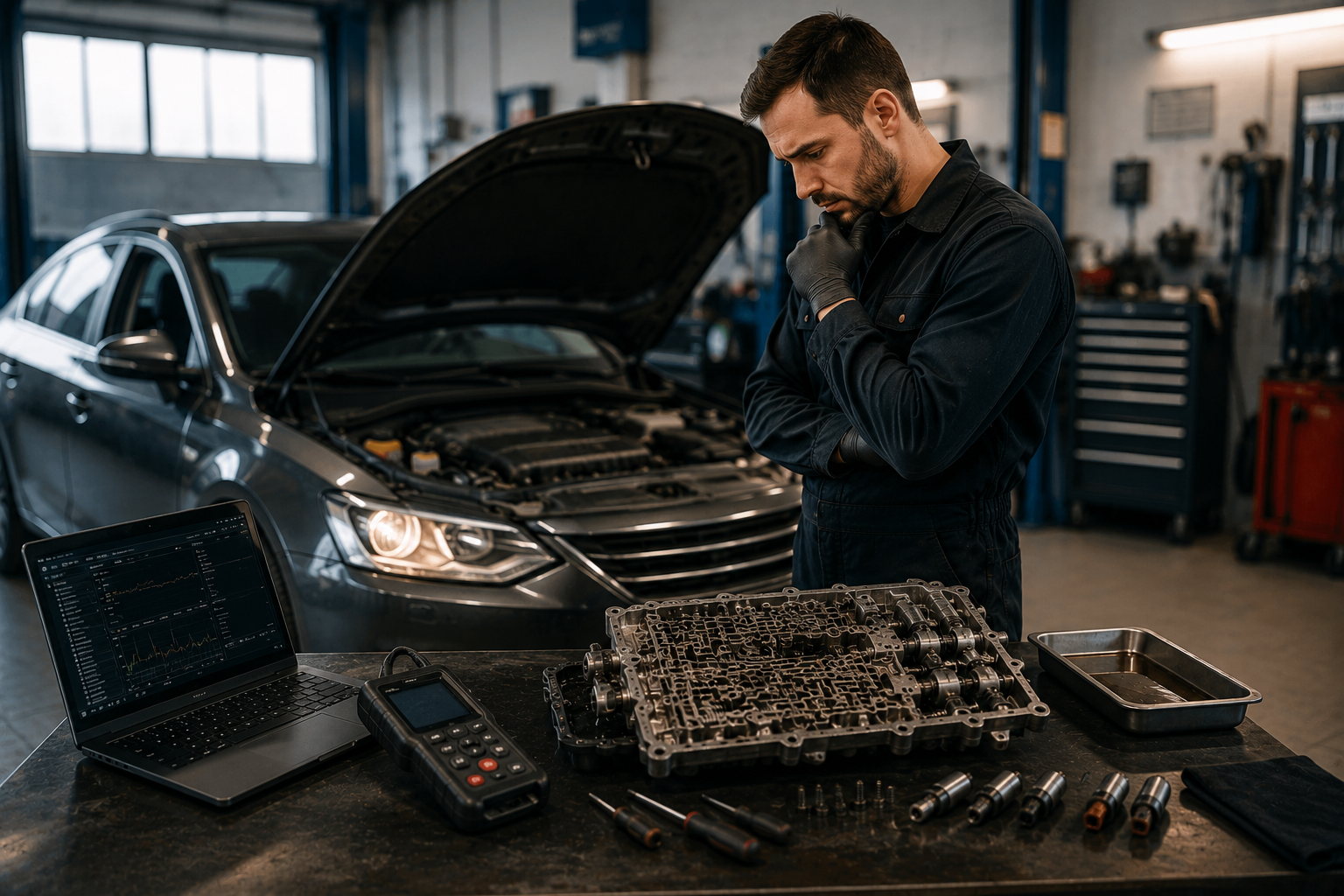
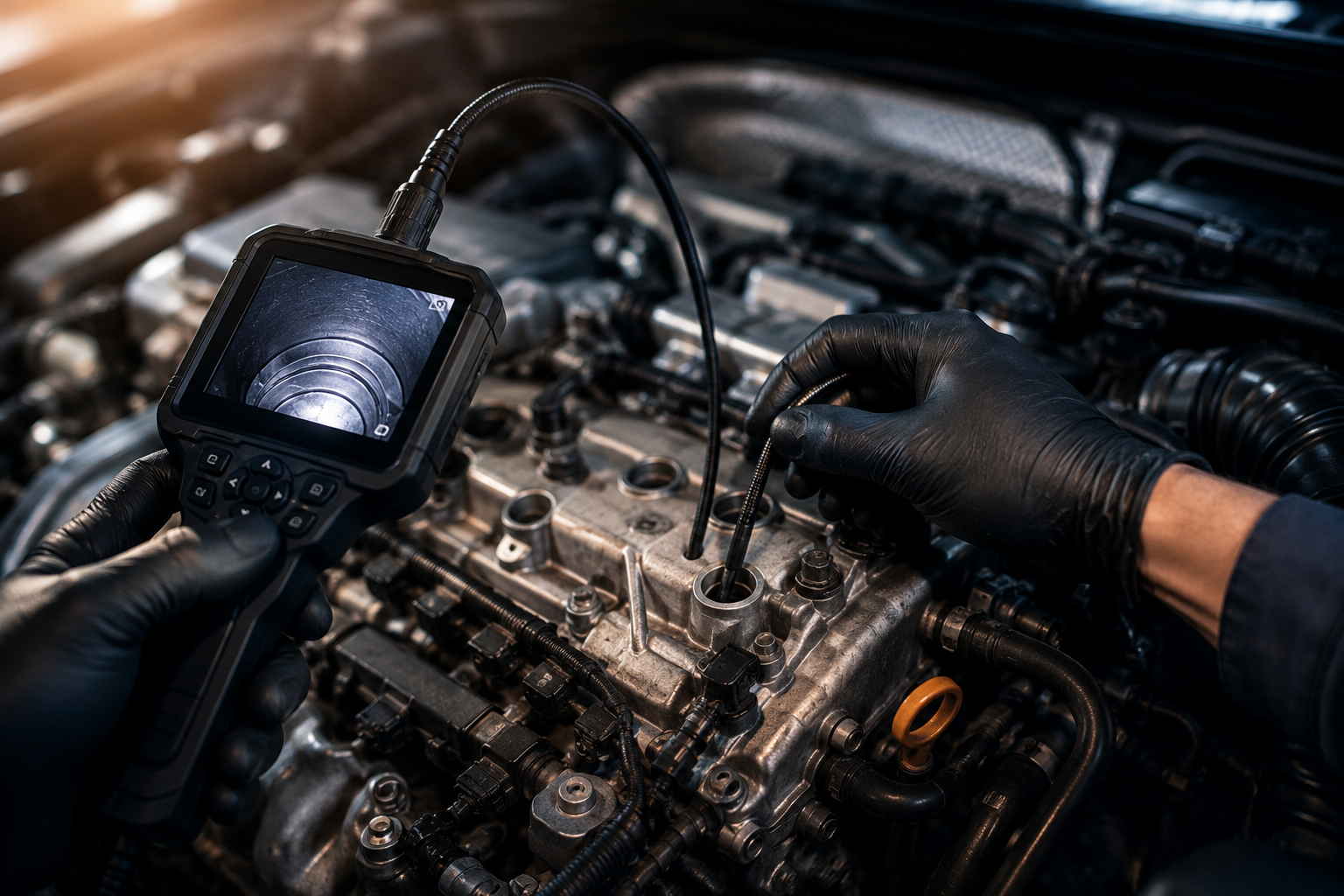
- performing computer diagnostics and evaluating valve-timing deviation;
- checking for camshaft/crankshaft synchronization faults;
- finding out whether the timing-drive kit has been replaced before.
If the seller warms the car up before you arrive, ask for another start after the engine has cooled completely. This is when an abnormal rattle is easiest to hear; it may remain unnoticed once the engine is hot. There is no universal answer to the cost of TSI timing-chain replacement because it depends on the engine model, configuration, and the list of components that need to be replaced. In practice, however, one rule is consistent: addressing the problem at the first signs is always cheaper than repairing an engine after synchronization is lost and the valves contact the pistons.
Top popular news
- Steering Tie Rod Knocking: Symptoms and How Not to Confuse It with a Faulty Rack
- How to Read US Car Auction Photos and See More Than the Camera Shows
- Restoring Vehicle Safety After Airbag Deployment: Why Cheap SRS Repairs Are Dangerous
- VAG Comfort Control Module: Simultaneous Failure of Locks, Mirrors, and Power Windows
- The Heater Blows Weakly, and the Engine Takes a Long Time to Warm Up: Where to Look for the Cause
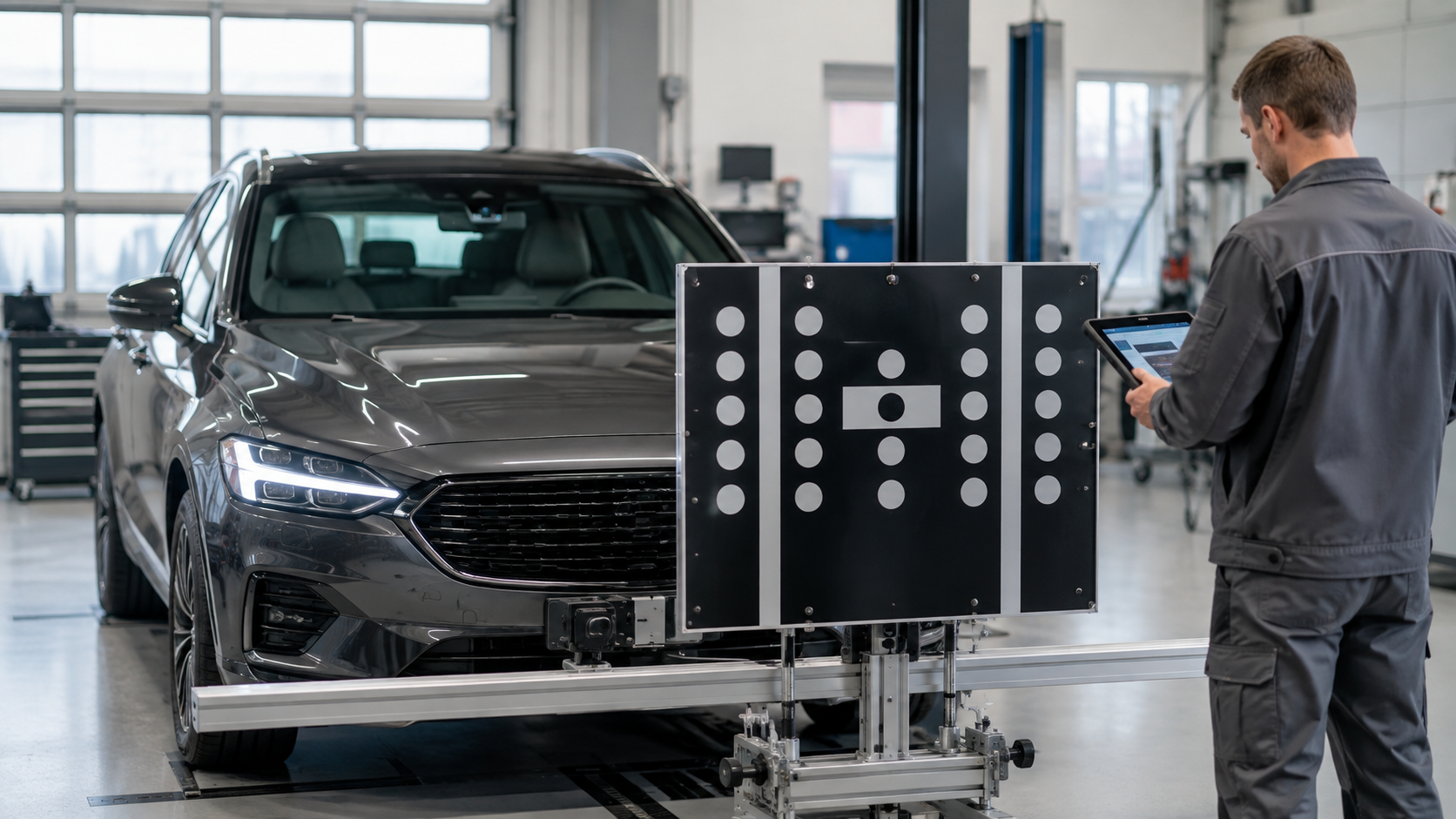
- ADAS calibration after windshield replacement: restoring the accuracy of driver-assistance systems
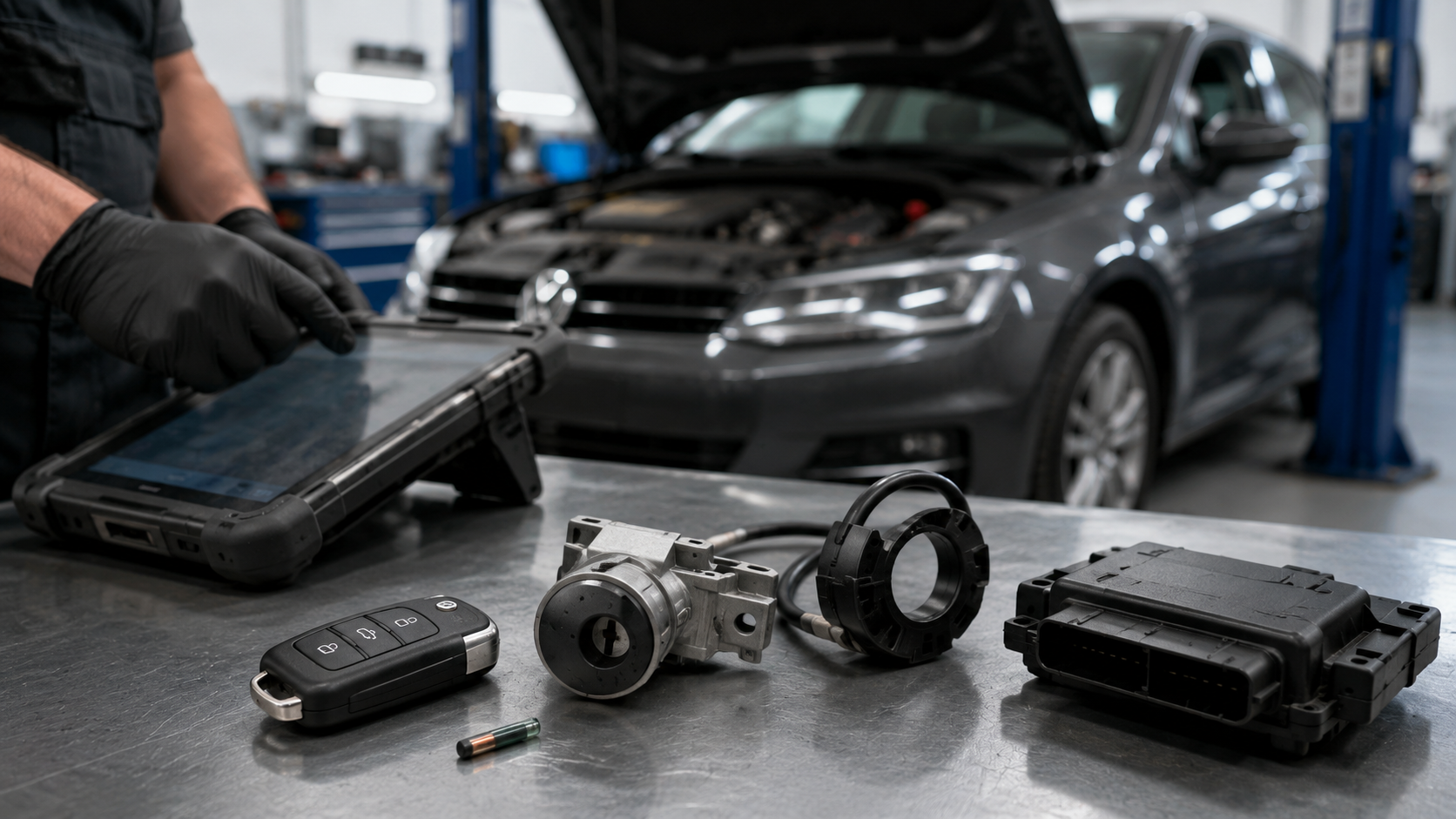
- VAG immobilizer: why the car will not start and the key transponder is not recognized
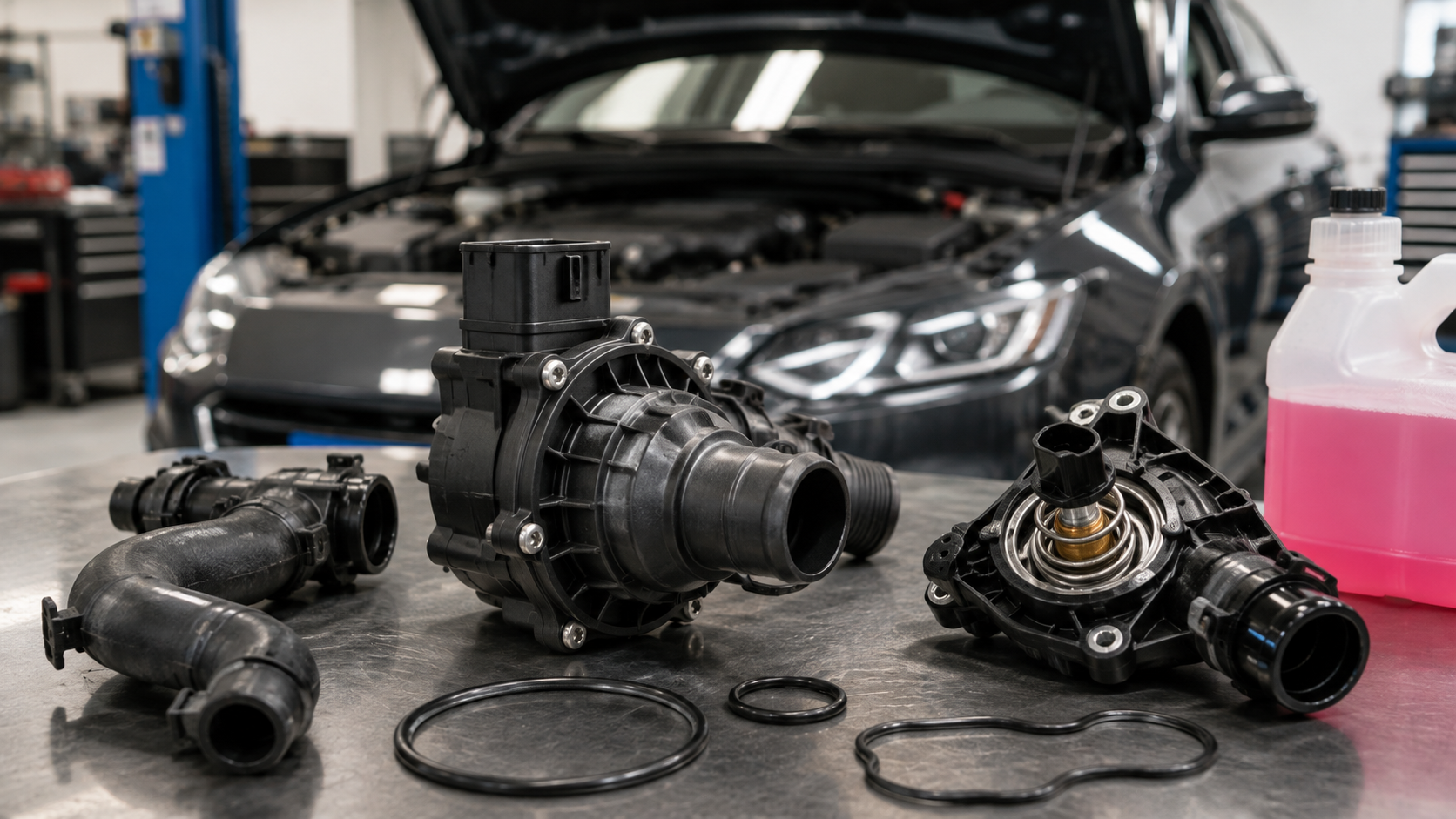
- TSI coolant pump and thermostat: causes of slow warm-up and engine overheating

Subscribe to our newsletter!
To stay updated with the latest news

Book a service