Mon - Sat | 09:00 - 19:00


Find

Contact us

Odesa
Hrushevskoho str., 41
 Мережа СТО в місті
Місто
 +38 (096) 299 29 97
Odesa
Hrushevskoho str., 41
 Мережа СТО в місті
Місто
+38 (096) 299 29 97

 Години роботи
 Mon - Sat
09:00 - 19:00
Typical errors when replacing timing belts on VAG engines
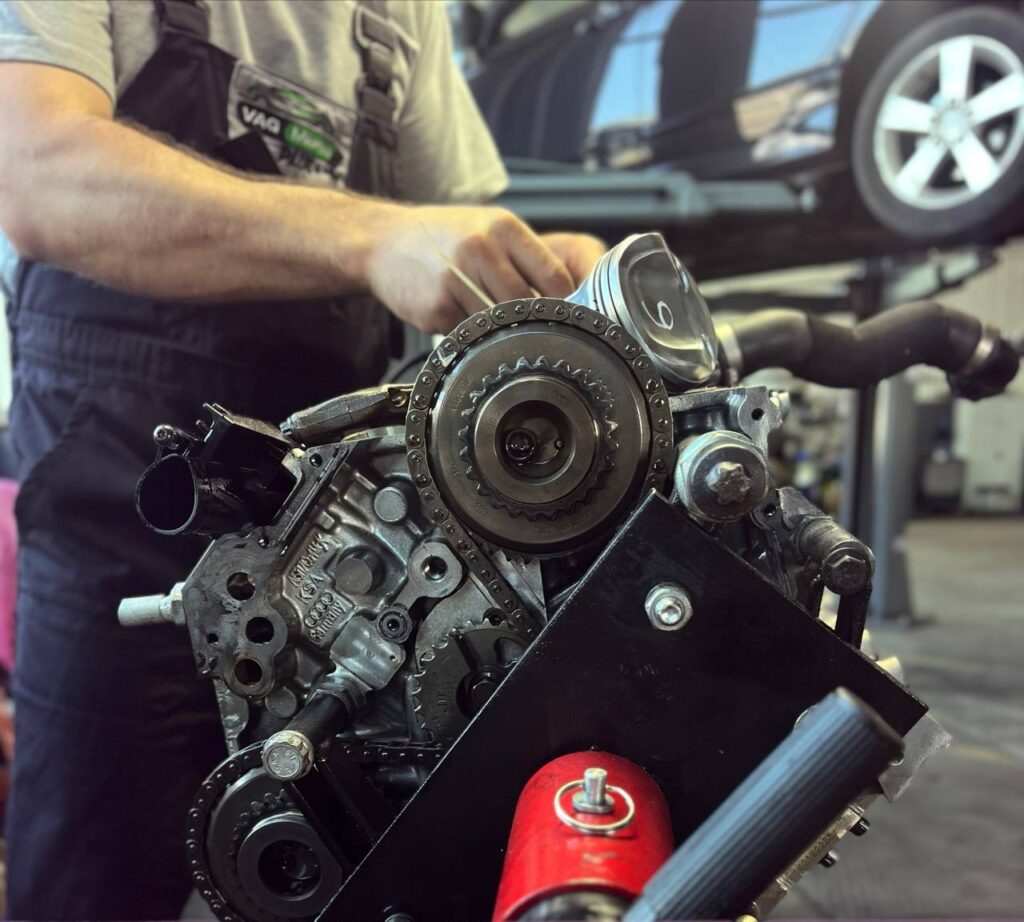
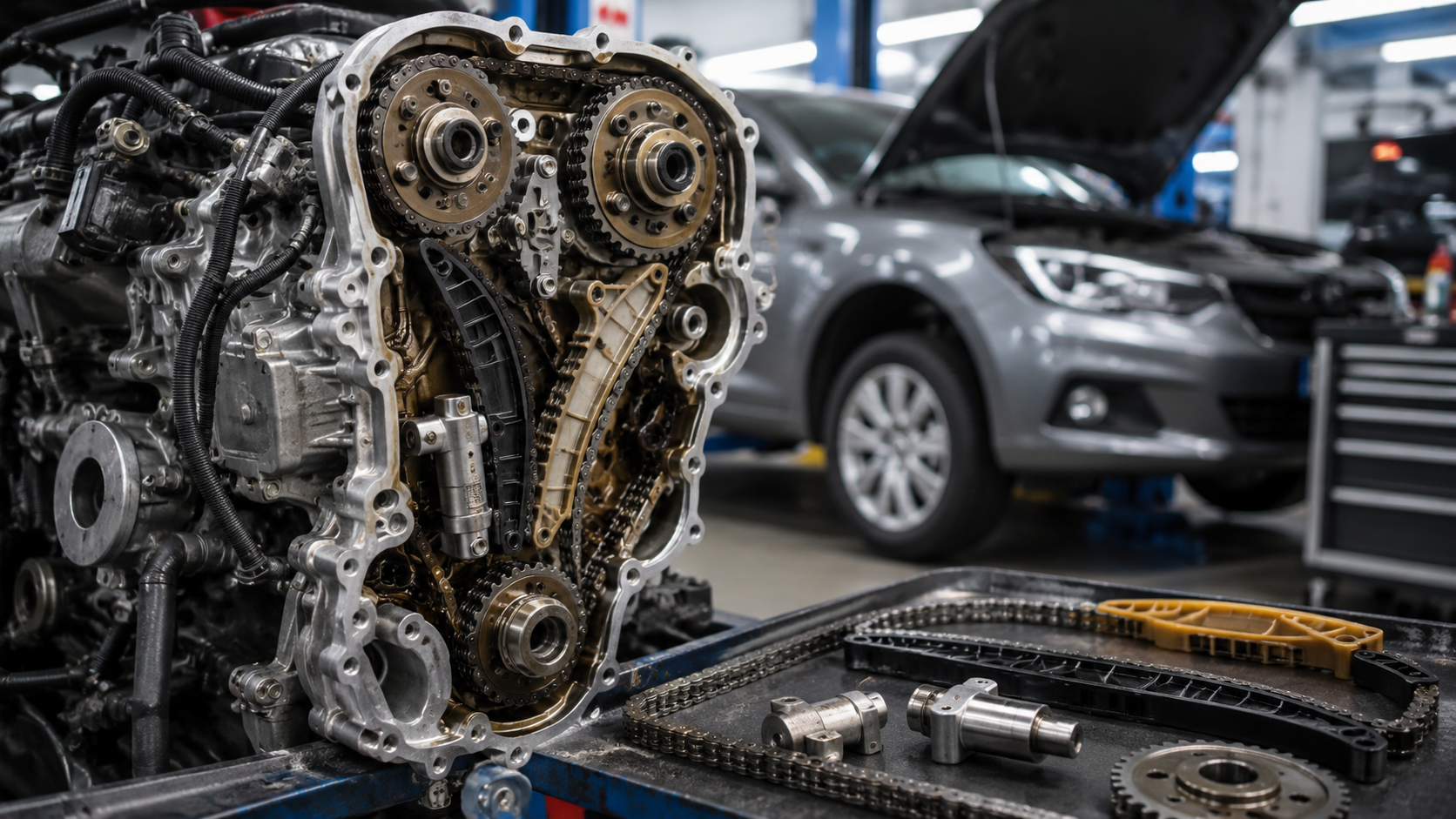
Replacing the VAG timing belt is one of the most important operations during engine maintenance. The VAG timing belt ensures precise synchronization of the crankshaft and camshafts, and also determines the gas distribution phases. Any deviation during installation disrupts this synchronization and directly affects the stability of the engine and its resource. That is why errors when replacing the VAG timing belt often cause problems even after a seemingly fresh repair.
VAG engines have a design feature – minimal permissible gaps and high sensitivity to the accuracy of settings. If the replacement is performed with violations, the engine may work for some time without obvious symptoms, but gradually signs of improper operation begin to appear, which are difficult to associate with the timing belt without in-depth analysis.
Why replacing the timing belt is a critically important procedure
The gas distribution phases determine at what point the valves open and close relative to the piston position. Even a slight phase shift changes the process of filling the cylinders with the air-fuel mixture and affects the efficiency of combustion. As a result, the engine operates with increased load, the temperature of individual components increases and the wear of parts accelerates.
In real conditions, this manifests itself in different ways: the engine may lose elasticity, react worse to the gas pedal or operate unstable at idle. Such symptoms are often attributed to fuel or electronics, although the root cause is incorrect timing belt replacement.
Main mistakes when replacing
The most common problem is incorrect setting of the timing marks. On VAG engines, visual landmarks are not enough, since even a minimal shift in the position of the shafts changes the timing phases. If clamps or special tools are not used, the risk of error increases significantly.
Another typical mistake is incorrect operation of the tensioner. Excessive tension creates increased load on the rollers and bearings, and insufficient tension leads to vibrations and the risk of the belt skipping. In both cases, the service life of the timing system is significantly reduced.
Partial replacement is also common, when a new belt is installed together with worn rollers or an old tensioner. In such a configuration, the system operates unevenly, which leads to rapid wear of the new belt and the appearance of errors after repair after a short run.
Consequences of incorrect installation
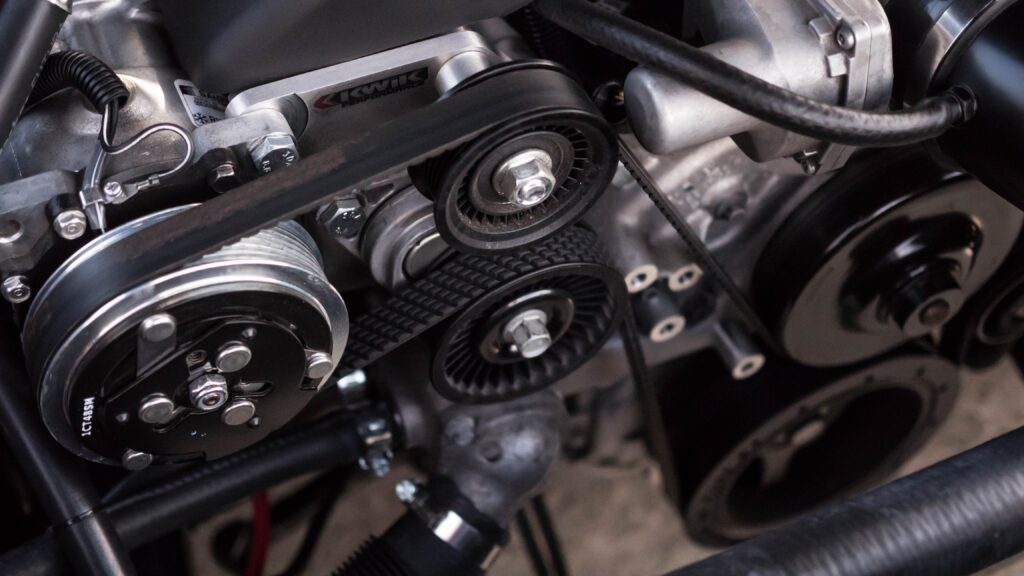
At the initial stage, the consequences may be barely noticeable. The engine starts without problems, but over time, instability of revolutions, extraneous noises in the timing drive area appear, and increased fuel consumption. The load on the valve mechanism and camshafts gradually increases, which negatively affects the engine service life.
In more serious cases, incorrect timing replacement leads to skipping or breakage of the belt. For most VAG engines, this means contact between the valves and the pistons, deformation of the valves and damage to the cylinder head. Such a scenario almost always ends in a complex and expensive repair.
How to understand that the timing belt has been replaced incorrectly
Signs of incorrect replacement do not always appear immediately. Most often, this is unstable engine operation during warm-up, vibrations at idle, a delay in response to acceleration or extraneous sounds from the front of the engine. During diagnostics, deviations in the gas distribution phases may be recorded without obvious fault codes.
It is important to understand that the absence of errors on the instrument panel does not mean that the work was done correctly. Errors after repair can accumulate gradually and appear only under load or after a long run.
Why post-repair inspection is important
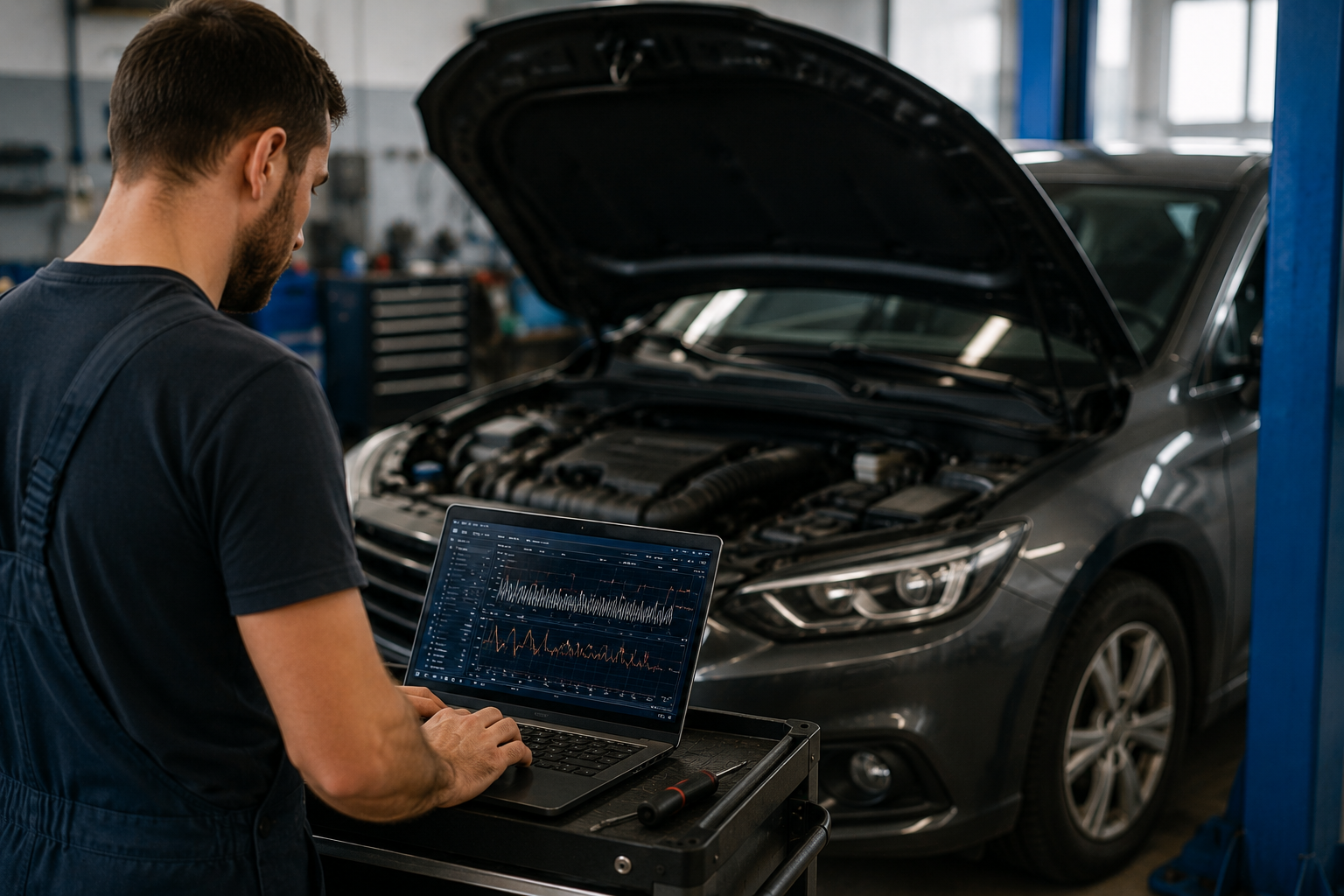
After replacing the timing belt, it is necessary not only to check the gas distribution marks, but also to evaluate the actual operation of the engine. Monitoring the belt tension, roller condition, and analyzing the valve timing using diagnostic parameters allows you to detect hidden errors before they begin to affect the engine’s service life.
It is the post-repair inspection that allows you to make sure that the VAG timing belt replacement was performed correctly and the engine is operating within factory tolerances without hidden risks.
Top popular news
- Steering Tie Rod Knocking: Symptoms and How Not to Confuse It with a Faulty Rack
- How to Read US Car Auction Photos and See More Than the Camera Shows
- Restoring Vehicle Safety After Airbag Deployment: Why Cheap SRS Repairs Are Dangerous
- VAG Comfort Control Module: Simultaneous Failure of Locks, Mirrors, and Power Windows
- The Heater Blows Weakly, and the Engine Takes a Long Time to Warm Up: Where to Look for the Cause
- ADAS calibration after windshield replacement: restoring the accuracy of driver-assistance systems
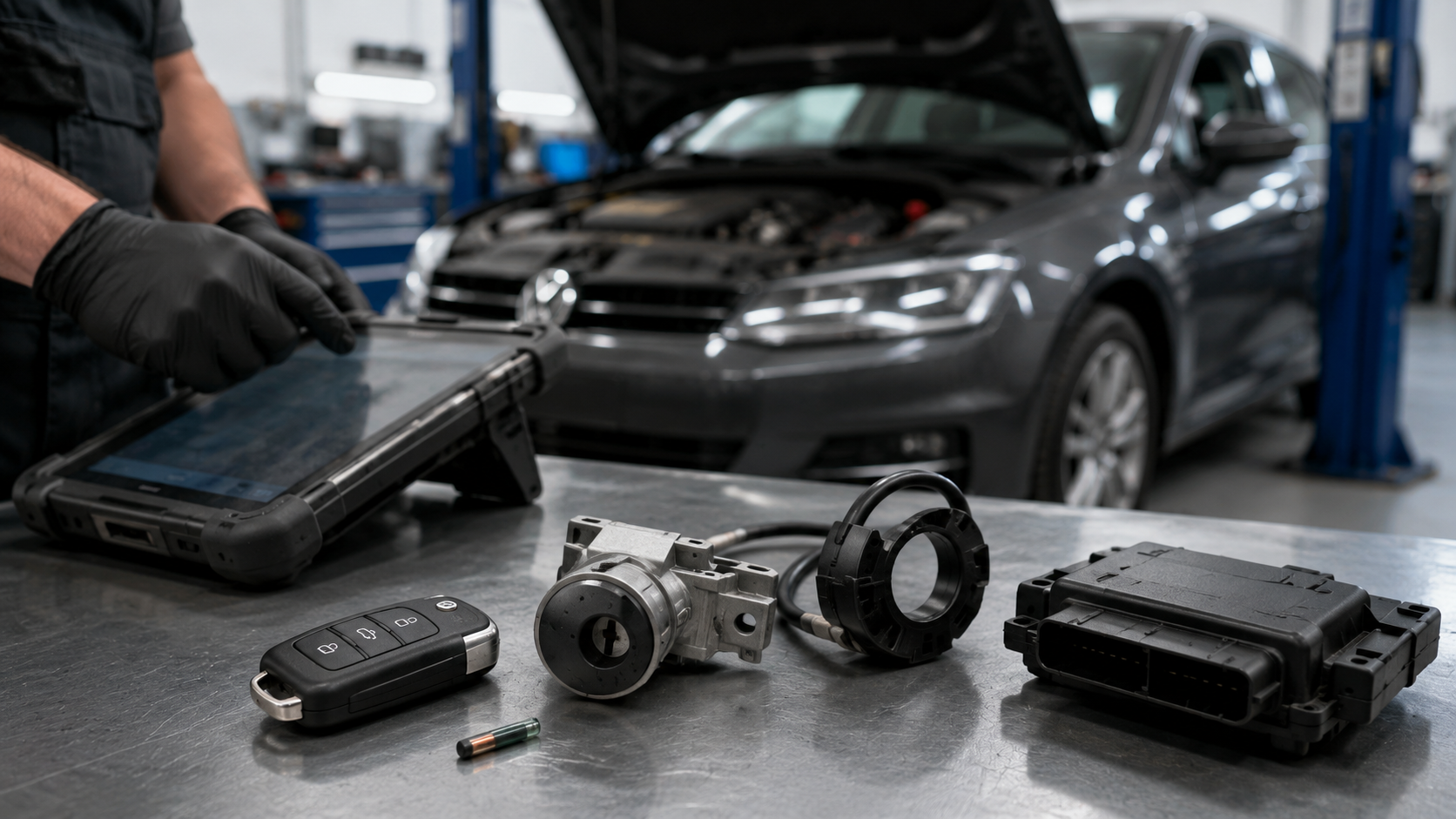
- VAG immobilizer: why the car will not start and the key transponder is not recognized
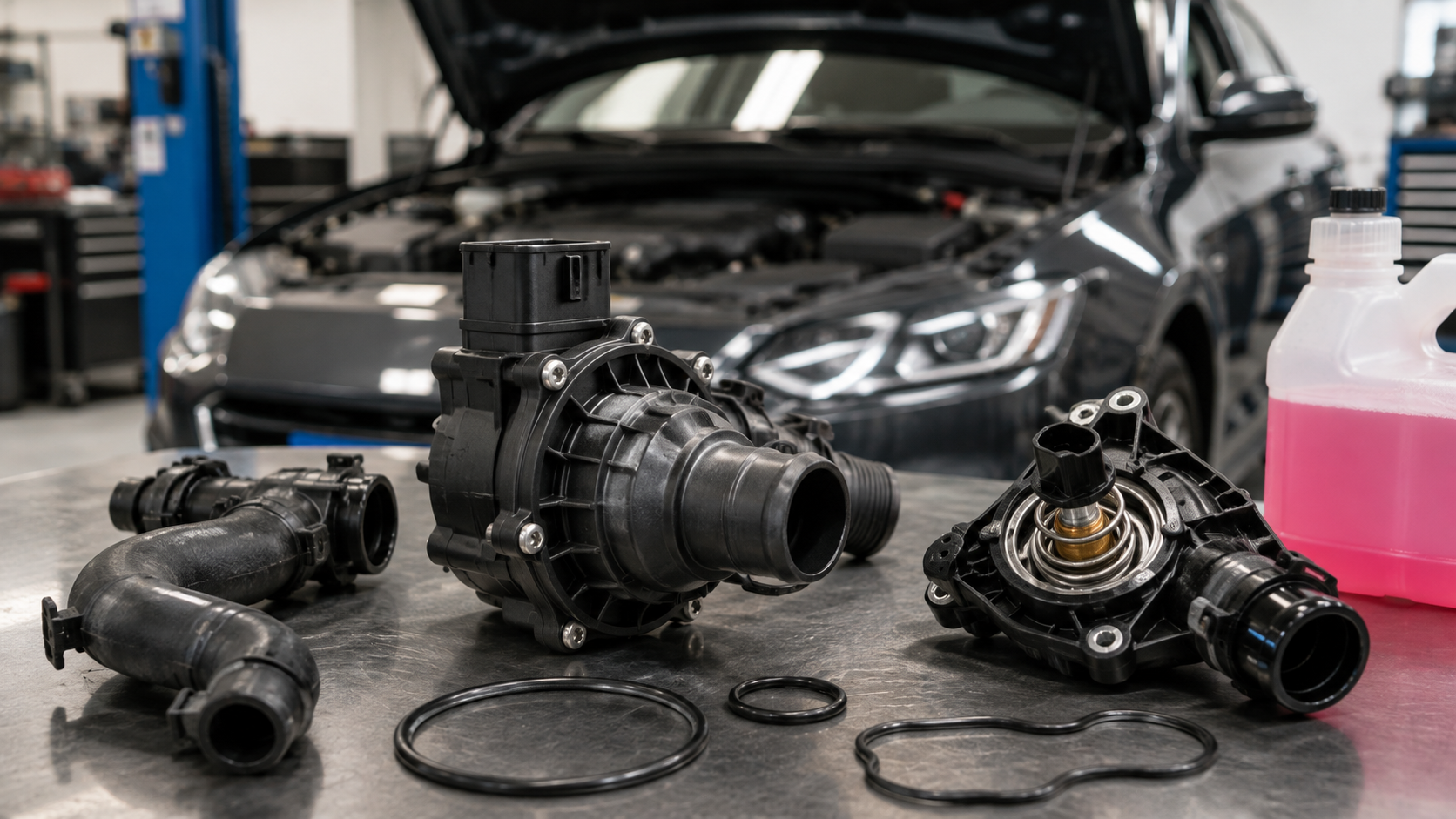
- TSI coolant pump and thermostat: causes of slow warm-up and engine overheating

Subscribe to our newsletter!
To stay updated with the latest news

Book a service