Mon - Sat | 09:00 - 19:00


Find

Contact us

Odesa
Hrushevskoho str., 41
 Мережа СТО в місті
Місто
 +38 (096) 299 29 97
Odesa
Hrushevskoho str., 41
 Мережа СТО в місті
Місто
+38 (096) 299 29 97

 Години роботи
 Mon - Sat
09:00 - 19:00
Why an Automatic Transmission Jerks When Shifting: Top 5 Causes
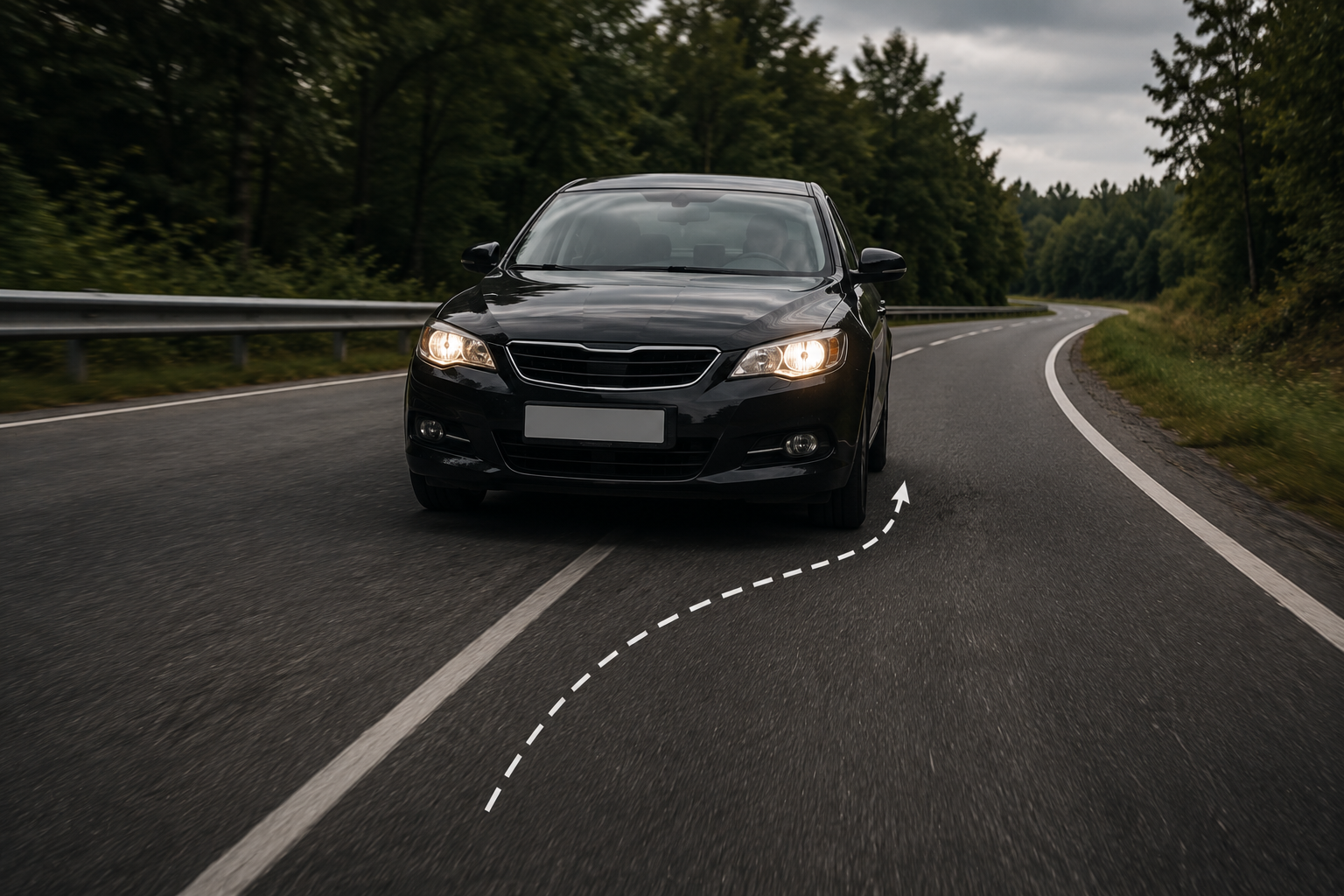
An automatic transmission is designed to shift gears smoothly and almost imperceptibly. If you begin to notice jerking, hesitation, or harsh downshifts during acceleration, it means one of the transmission components is no longer operating correctly. However, this does not automatically mean an expensive repair is required. Such behavior may result from worn ATF fluid, a faulty torque converter, contamination inside the valve body, or even worn engine or transmission mounts. That is why answering the question of why an automatic transmission jerks when shifting should always begin with proper diagnostics rather than replacing parts at random.
Why the Transmission Stops Shifting Smoothly
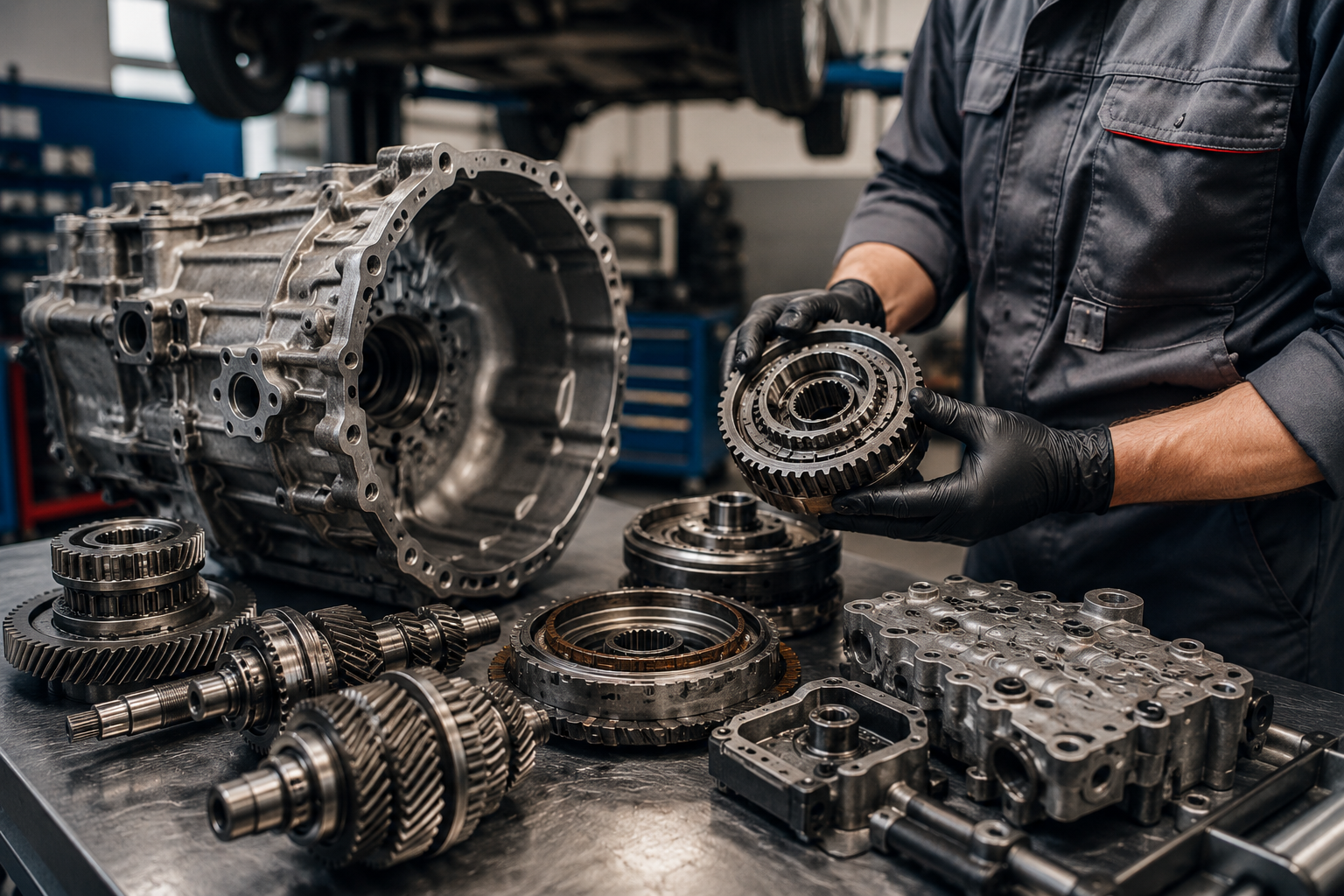
In a conventional torque converter automatic transmission, all components work together. ATF fluid provides hydraulic pressure, cools the transmission, and lubricates its internal parts. The torque converter transfers engine torque, the hydraulic valves (solenoids) direct the flow of transmission fluid, and the clutch packs engage the required gear.
When one of these processes is disrupted, the transmission continues to function, but smooth gear changes gradually disappear. At first, the driver notices only slight jerks, but over time additional stress begins affecting other automatic transmission components.
Where the Cause of Jerking Is Most Commonly Found
During diagnostics, technicians inspect the components that most often affect automatic transmission performance:
- ATF fluid and its level;
- valve body and solenoids;
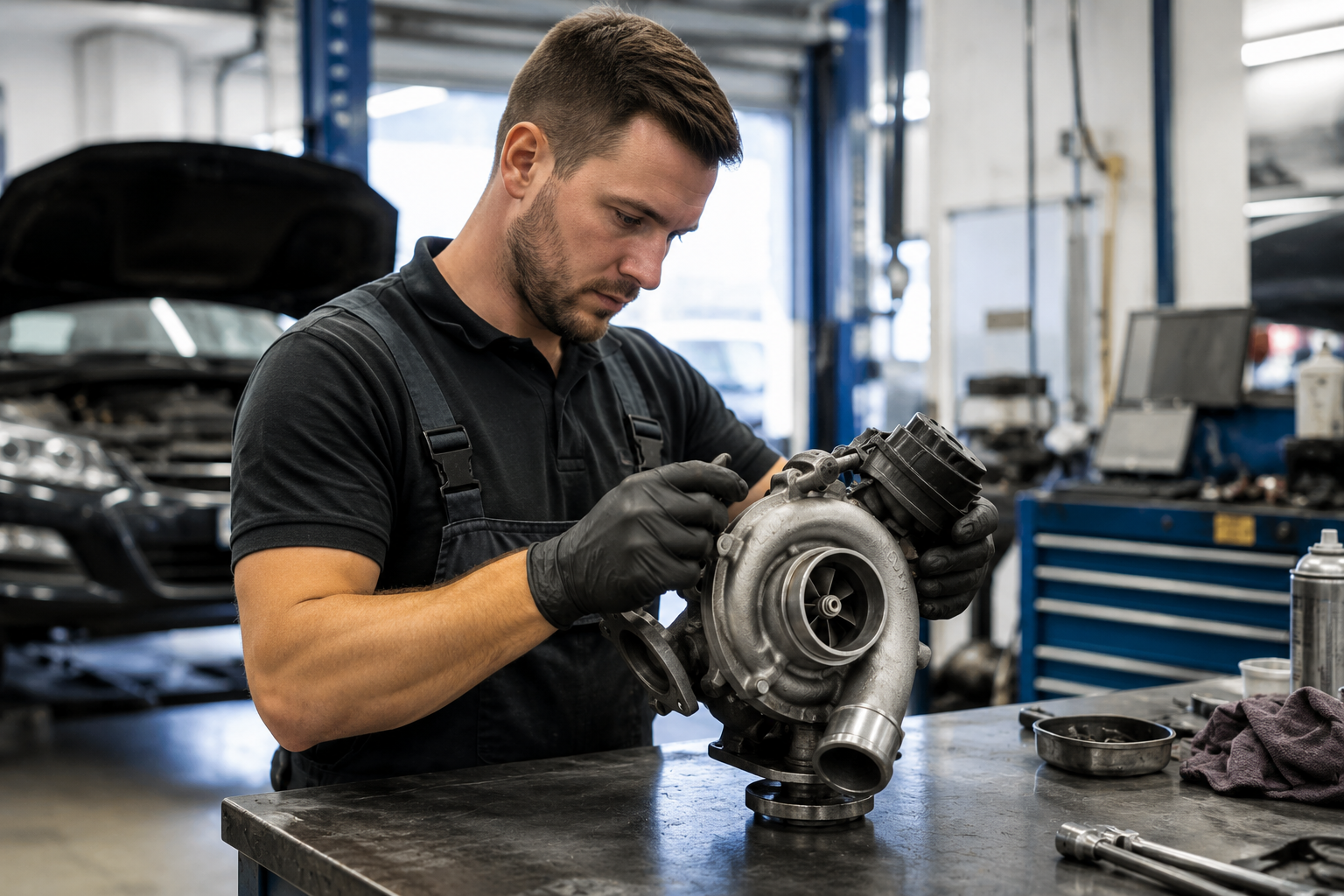
- torque converter;
- transmission mount and engine mounts;
- transmission electronics and adaptation.
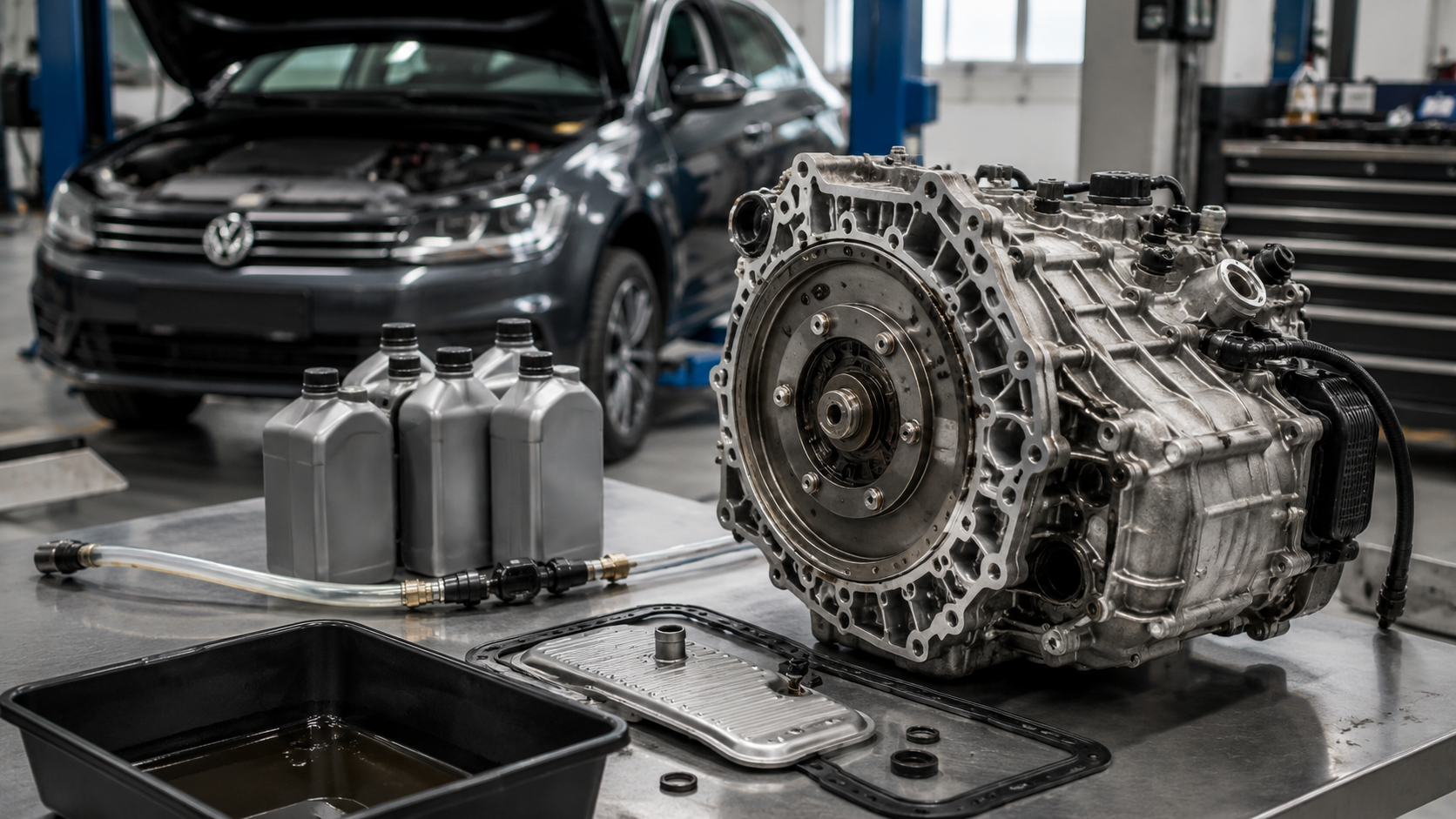
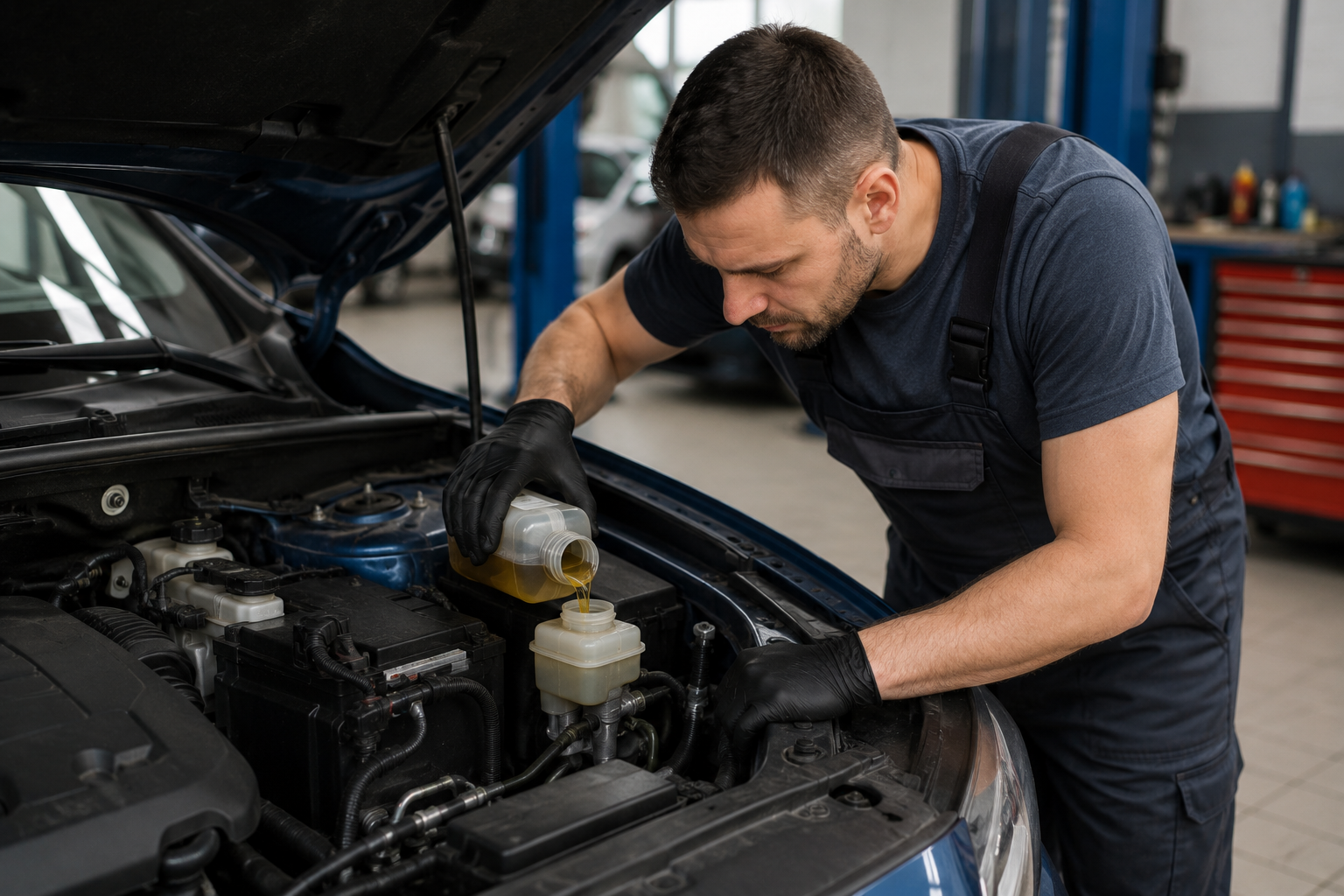
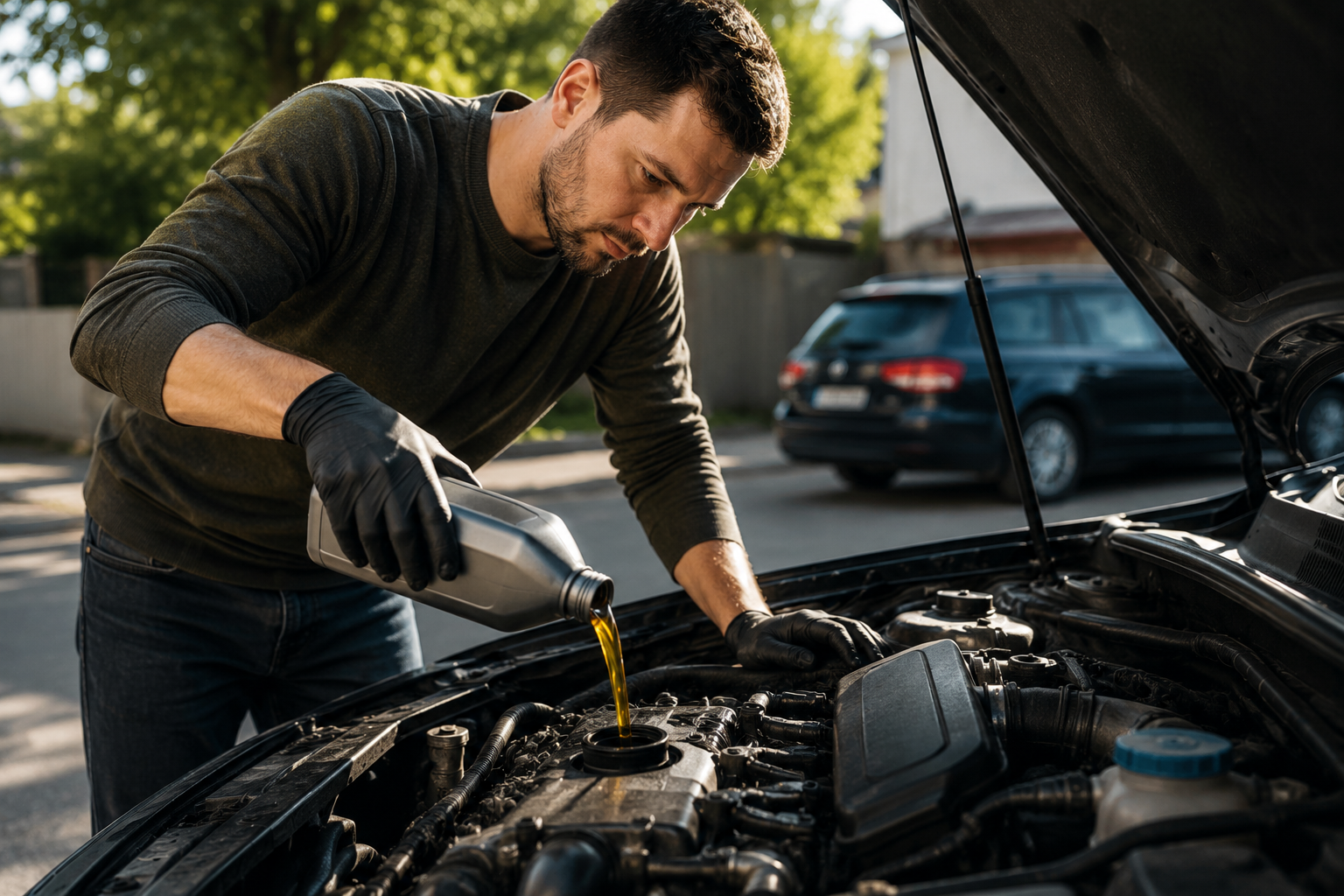
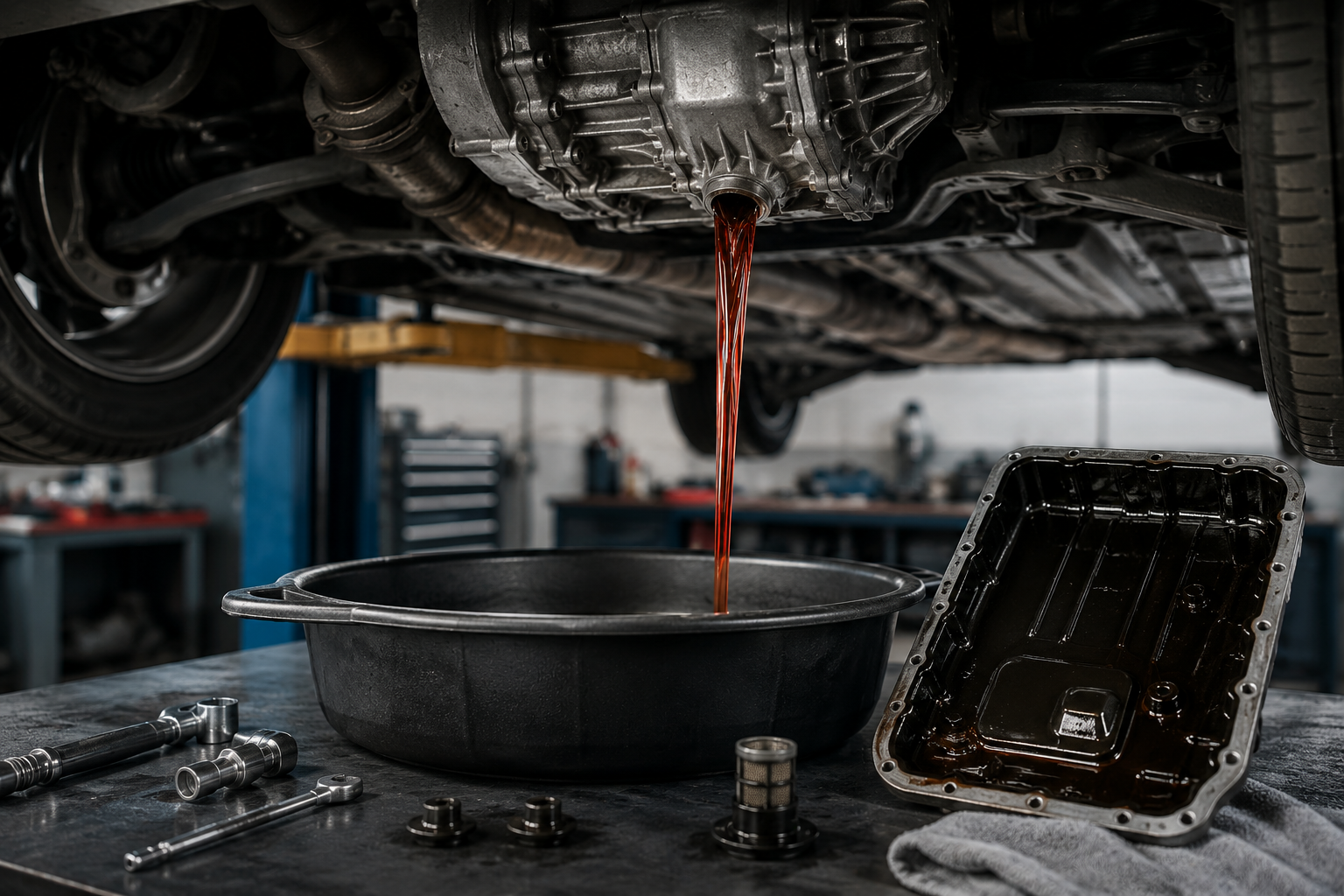
In many cases, the source of the problem is simply the transmission fluid. If the ATF has lost its properties, it can no longer maintain stable hydraulic pressure or effectively dissipate heat. For many VAG vehicles, timely transmission fluid replacement in an Aisin automatic gearbox helps restore smooth shifting and reduces the risk of accelerated wear.
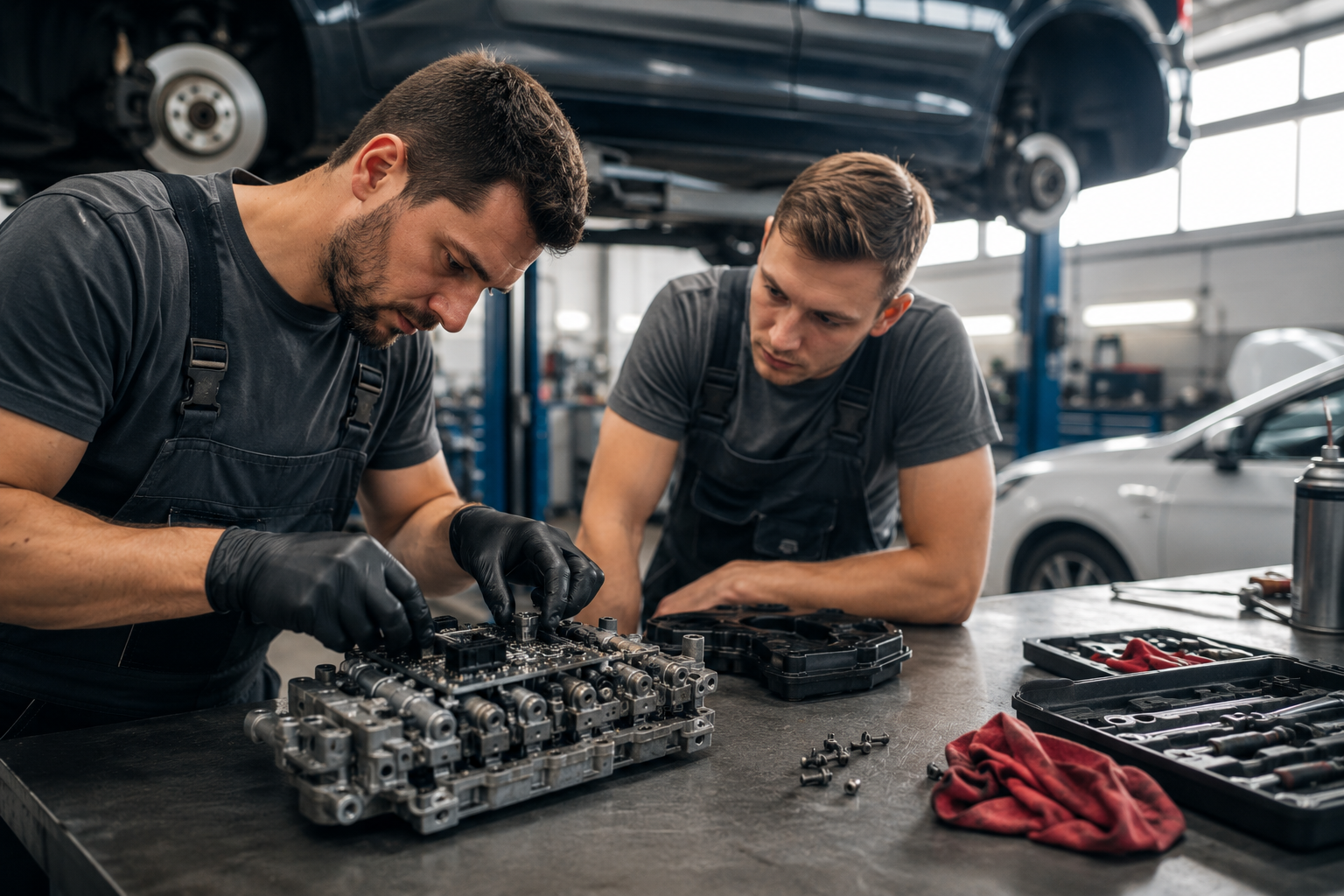
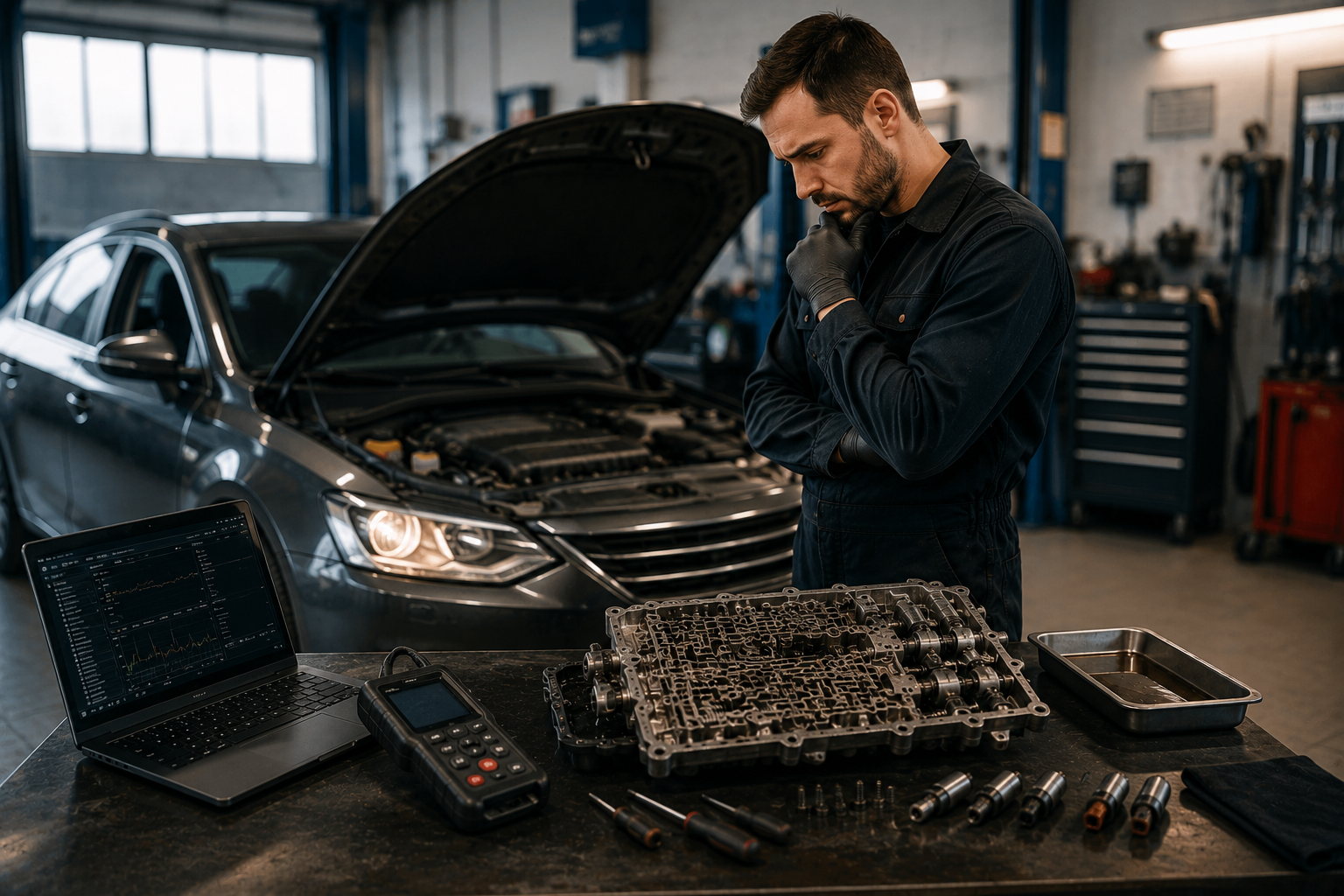
If the transmission fluid is in good condition, technicians proceed to inspect the valve body. Contaminated hydraulic passages or faulty solenoids interfere with the hydraulic system’s operation. This is one of the most common causes of automatic transmission jerking. It is impossible to determine the exact fault based solely on shifting behavior, so accurate diagnostics are essential.
The torque converter is checked next. Internal wear typically causes vibration, impacts under load, and reduced smoothness during acceleration. If the transmission jerks after reaching operating temperature, technicians also inspect the cooling system and operating temperature because overheating significantly shortens transmission life.
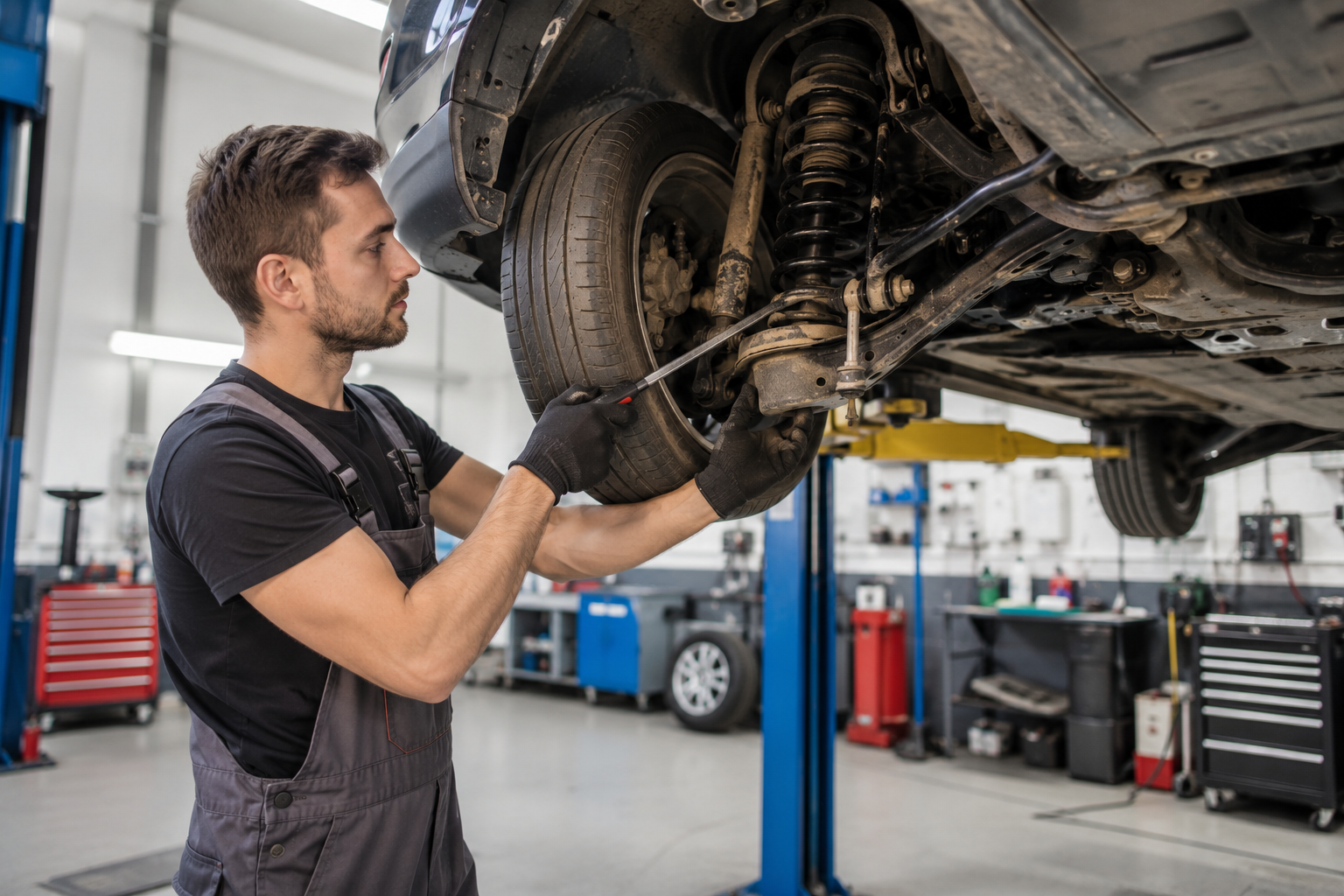
Sometimes the problem is not inside the transmission at all. Worn transmission mounts or engine mounts can transfer vibrations to the vehicle body, creating the impression that the transmission itself is jerking during gear changes.
The final step is checking the electronic control system. After repairs, transmission fluid replacement, or software updates, some automatic transmissions require adaptation. If the mechanical components are functioning properly, this procedure may be all that is needed to restore normal operation.
Why You Should Not Start Repairs by Replacing Parts
Replacing the most expensive component first often results in unnecessary expenses. A much more effective approach is to move from the simplest checks to the most complex:
- check the ATF level and condition;
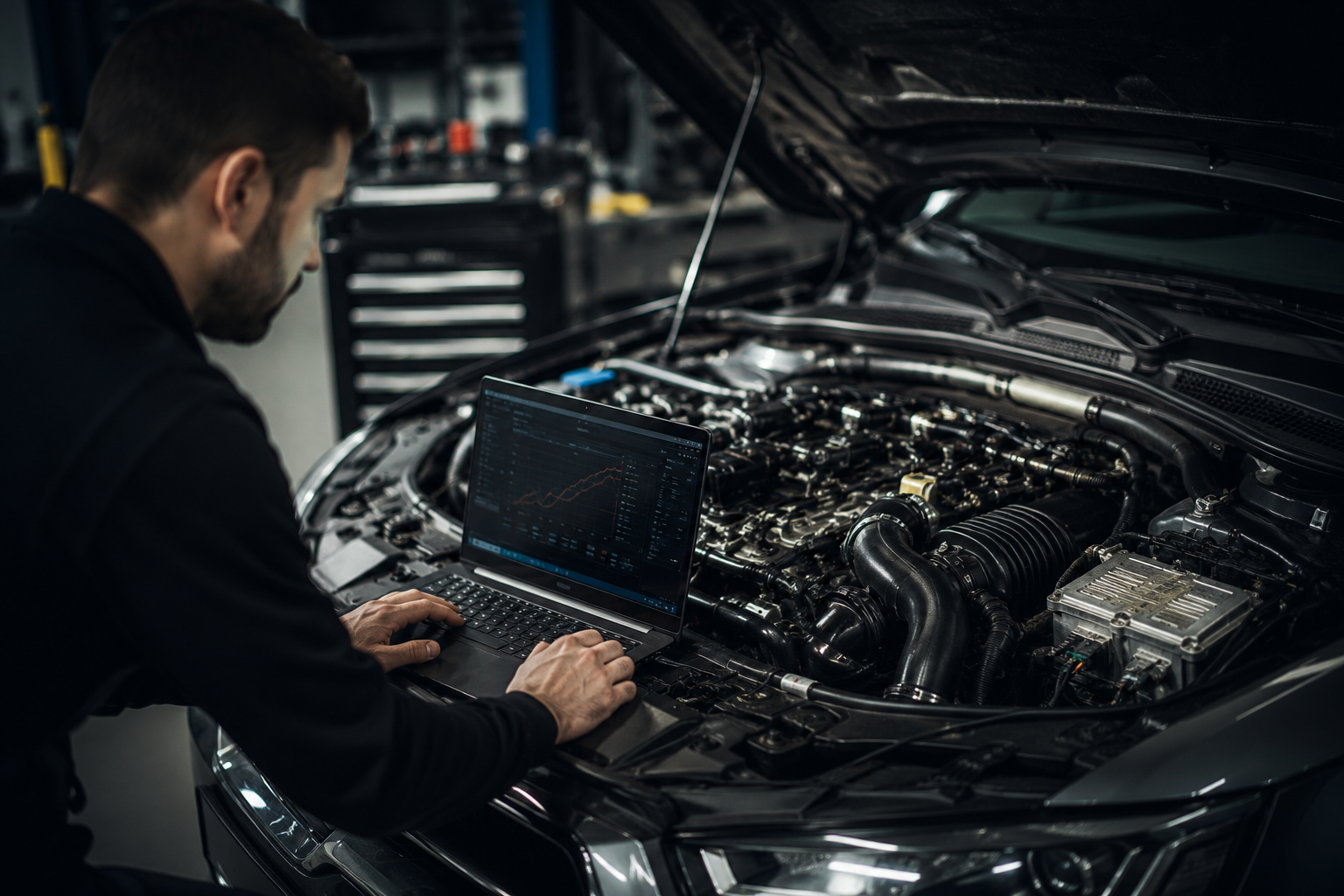
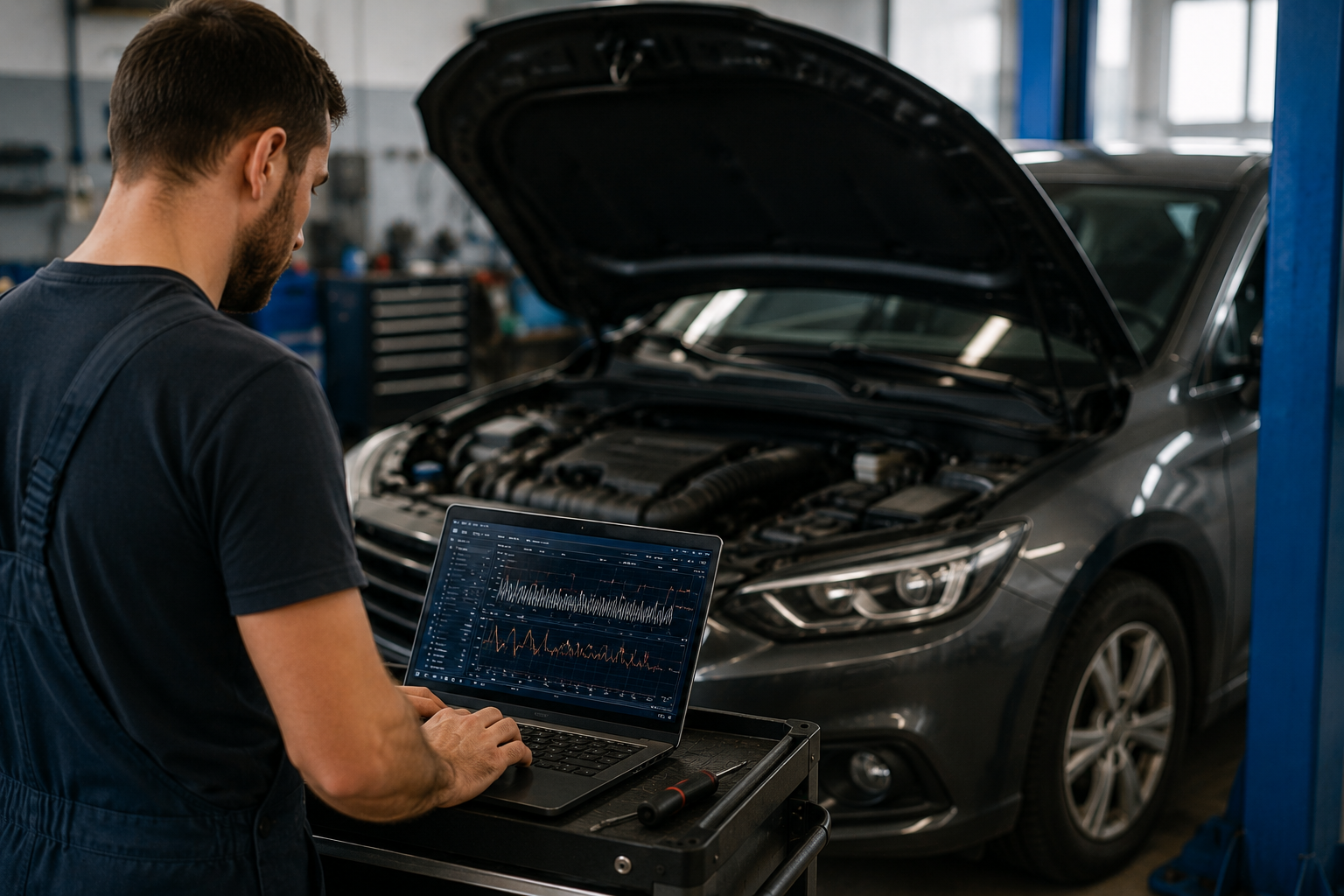
- perform computer diagnostics;
- inspect the operation of the solenoids and valve body;
- examine the transmission mount and engine mounts;
- only then inspect the torque converter and internal transmission components.
If diagnostics confirm worn clutch packs, oil starvation, or damaged friction discs inside the transmission, repairs should not be postponed. Continued operation accelerates the wear of other components and significantly increases repair costs. The final cost of automatic transmission repair in Kyiv can only be determined after a comprehensive diagnostic inspection has identified the exact cause of the malfunction and the required scope of repairs.
Top popular news
- There is a smell of gasoline under the hood, but there are no signs of a leak: where to look for the problem
- Volkswagen Golf 7: which engines are considered the most successful in the secondary market
- Why do errors appear after a night frost that disappear after warming up?
- The car stalls when you suddenly release the gas: what happens at this moment
- Audi A6 with 200+ thousand mileage: what expensive malfunctions can be predicted in advance
- Why does my car start to consume more oil even though my driving style hasn’t changed?
- The ABS light came on on the dashboard: can I continue driving?
- Volkswagen Passat B8 or Skoda Superb: what will the car show after 200 thousand km

Subscribe to our newsletter!
To stay updated with the latest news

Book a service