Mon - Sat | 09:00 - 19:00


Find

Contact us

Odesa
Hrushevskoho str., 41
 Мережа СТО в місті
Місто
 +38 (096) 299 29 97
Odesa
Hrushevskoho str., 41
 Мережа СТО в місті
Місто
+38 (096) 299 29 97

 Години роботи
 Mon - Sat
09:00 - 19:00
Why do errors appear after a night frost that disappear after warming up?
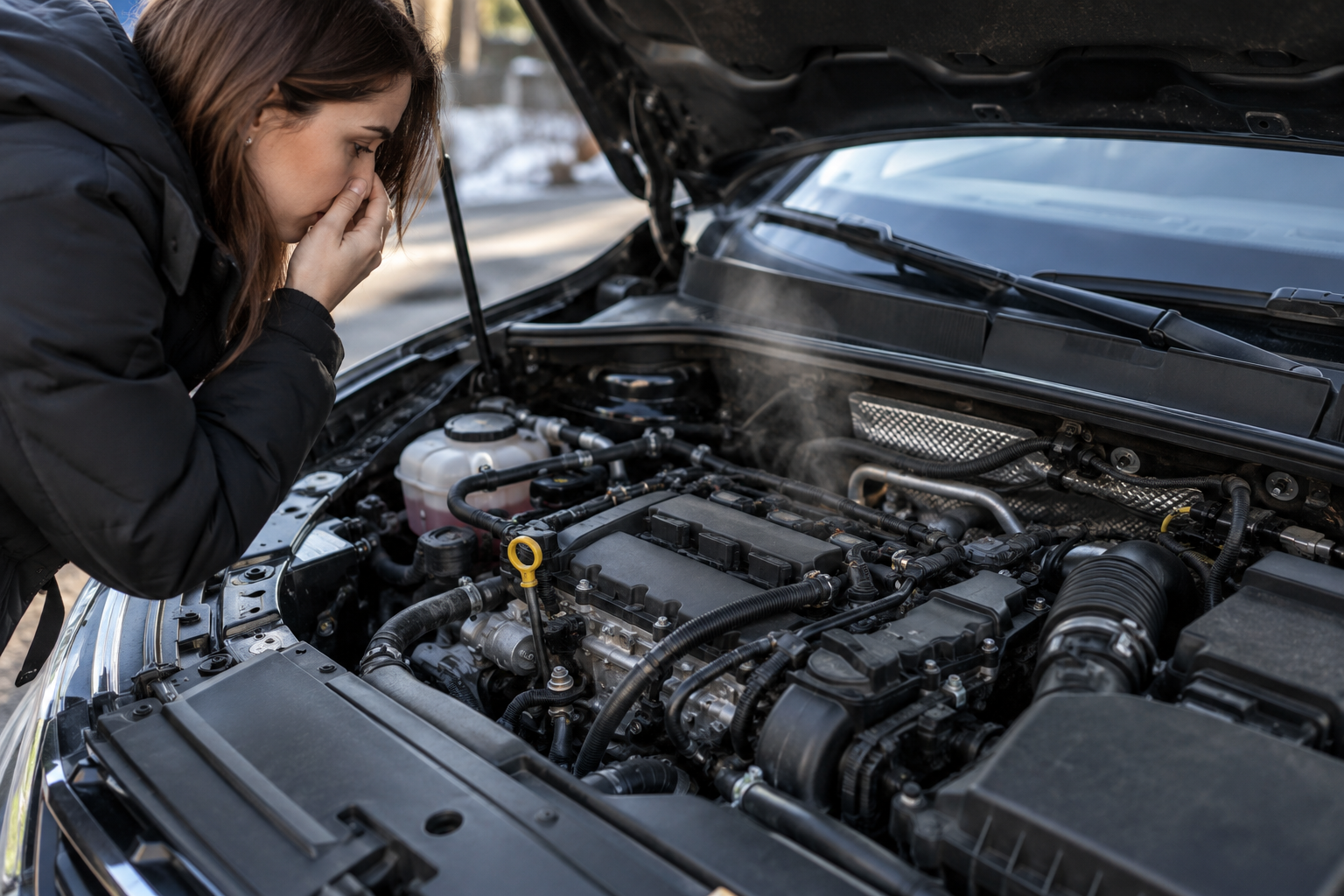
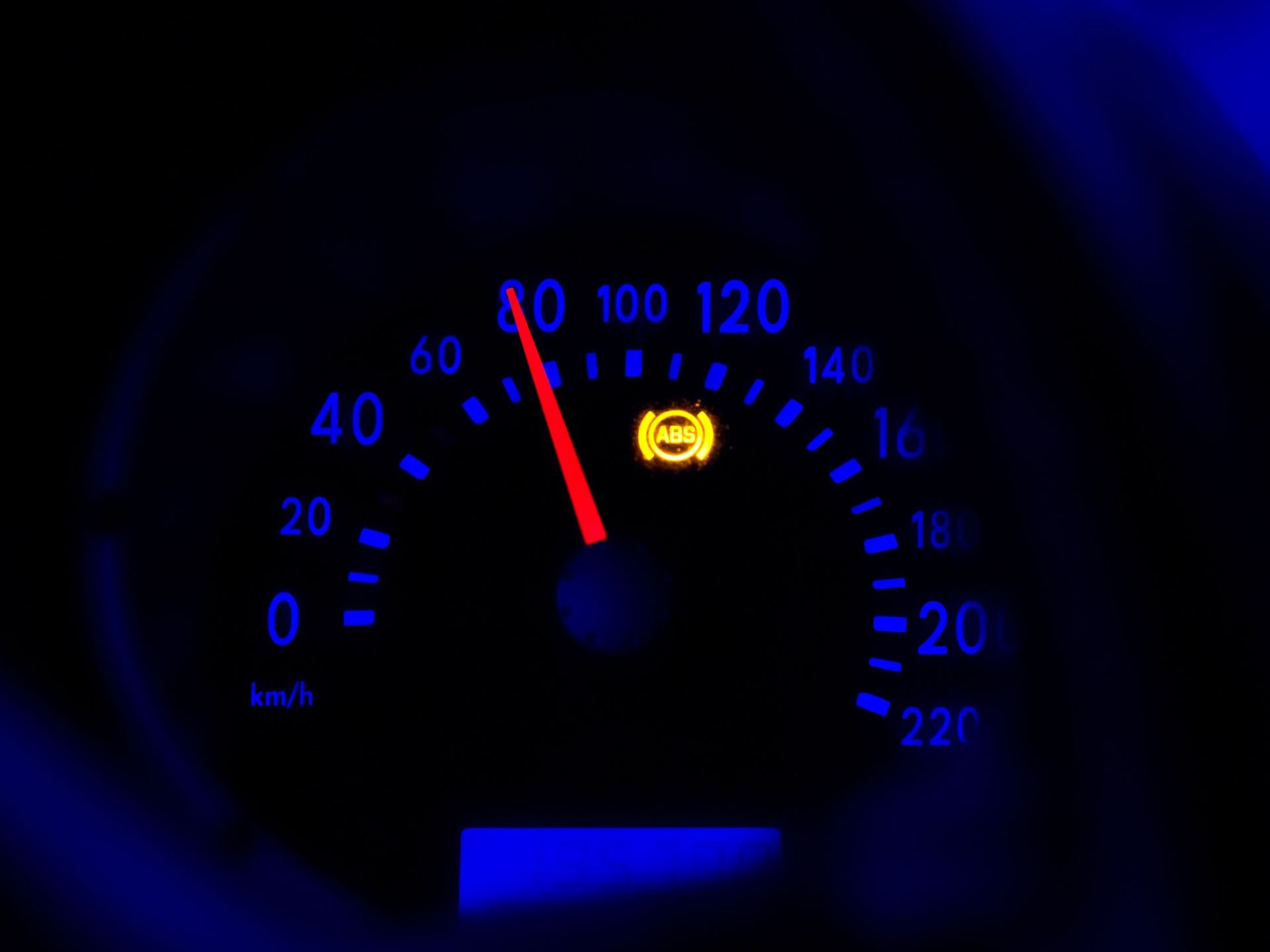
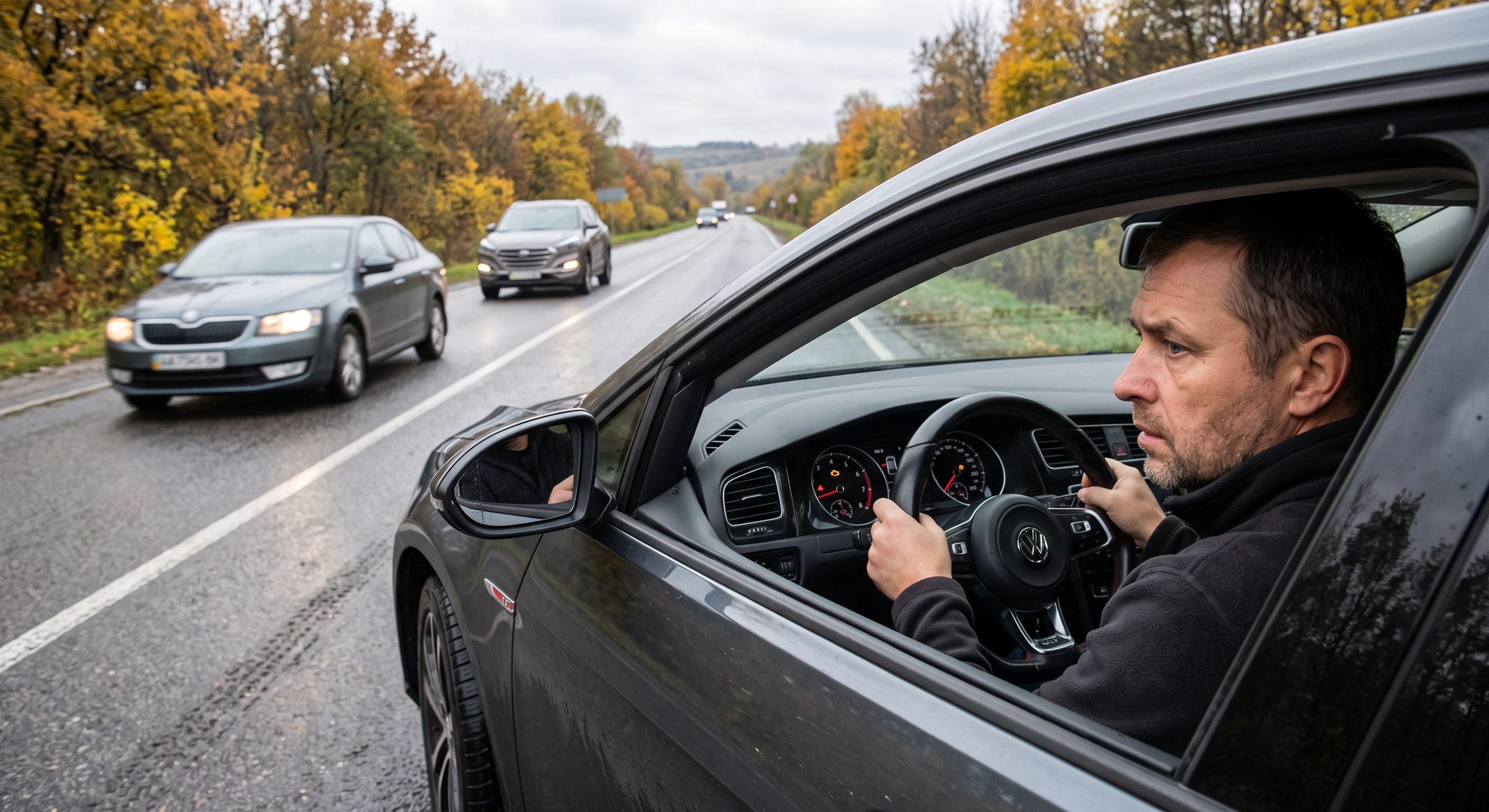
After a long parking in severe frost, several warnings may appear on the car dashboard at the same time. ABS, ESP or other indicators light up, although the car worked without any problems the day before. After starting and a few minutes of operation, some of the messages disappear, which may make it seem that the malfunction has resolved itself.
In fact, low temperatures change the operating conditions of the electrical system. The battery delivers less current, the voltage may sag briefly during a cold start, and the contacts and sensors operate in different temperature conditions.Because of this, the control units may record a temporary deviation that no longer appears after warming up.
How frost affects car electronics
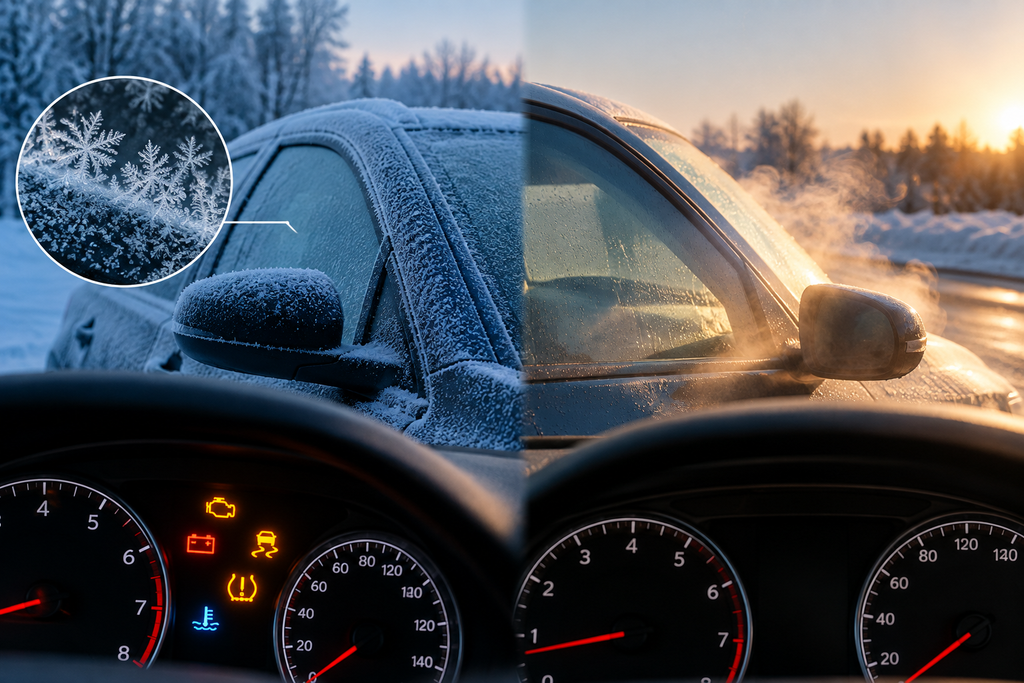
Low temperatures do not necessarily mean that a component has failed immediately. The problem may be due to a change in electrical parameters at the time of start-up.
The cold start period is especially sensitive.The starter requires significant current, and in cold weather the battery has less available capacity and delivers less current.If the battery is already worn out, the voltage drop may be more noticeable.
At this point, various control units receive power from the on-board network. A short-term voltage drop can cause messages to appear that are not related to a real malfunction of a specific component, but to unstable power supply.
This is how errors can occur after frost, even on a car that previously worked without any problems.
Battery and on-board voltage
After a few hours in the cold, the condition of the battery is especially important. A healthy battery also loses some of its capabilities in low temperatures, but a worn battery reacts much more strongly to such conditions.
During start-up, the voltage may drop below the level at which the electronic units operate stably. The starter is still able to turn the crankshaft and start the engine, but some systems may have time to record deviations.
Several different messages can indicate a power failure. For example, the simultaneous appearance of the ABS and ESP indicators does not always mean that both systems are faulty. The cause may be a common power problem or a short-term voltage fluctuation.
For the initial assessment, you should pay attention to:
- starter behavior during cold start;
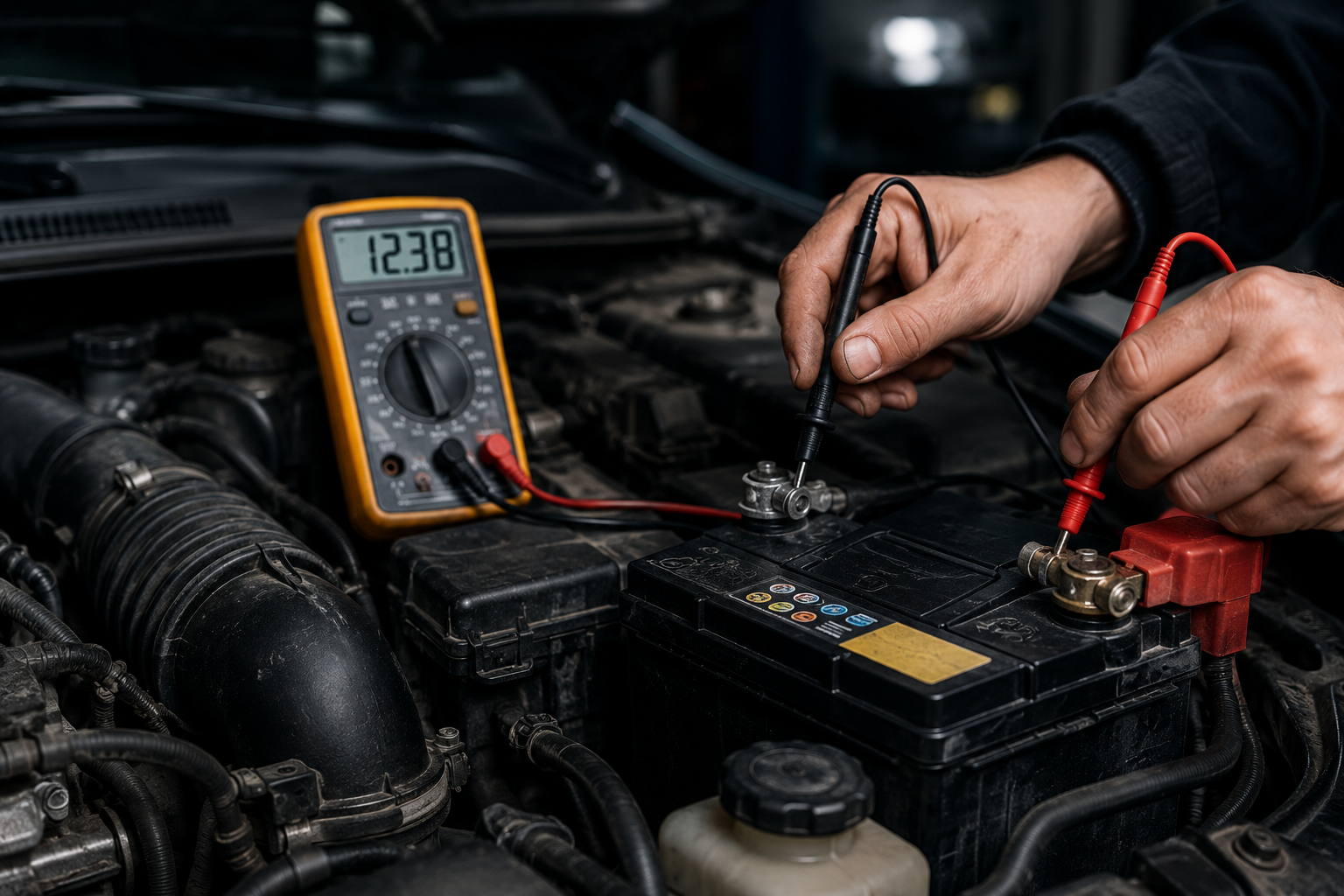
- battery voltage before and after starting;
- charge recovery rate after start-up;
- battery age and previous test results.
If the battery already has a significant life span, the appearance of electronic messages after a frosty night may be a reason to test it under load, rather than simply erasing the fault codes.
Sensors, contacts and wiring in the cold
Low temperatures affect more than just the battery. Sensors transmit signals to electronic units, and their operation depends on power supply, the condition of connectors, and electrical connections.
Moisture, oxidation of contacts or micro-damage to the wiring may become more apparent after prolonged cooling. Metal elements and plastic parts change their dimensions, and an already weak connection may temporarily lose stable contact.
This is especially important for cars that are operated in winter in conditions of snow, moisture, reagents and sudden temperature changes. If the car gives errors when cold, and after warming up they disappear, you need to consider not only the electronic unit that recorded the code, but also the power and signal circuit.
During the inspection, the following is checked:
- connectors and their fixation;
- traces of oxidation or moisture;
- condition of open wiring sections;
- quality of mass connections;
- stability of the signals of the corresponding sensors.
Why might the message disappear after warming up?
As the engine and engine compartment warm up, the operating conditions of the battery, contacts, sensors and electronic components change. The voltage of the on-board network stabilizes, and a weak connection can temporarily restore normal contact.
The control unit then stops seeing deviations. If the parameter has returned to the permissible range, the warning on the panel may disappear after a new start or after a certain period of movement.
This is why the errors disappear after warming up, although the root cause may remain. The electronic system stops recording the symptom, but the malfunction, which occurs only at low temperatures, has not gone away.
When the disappearance of the indicator does not mean the cause has been eliminated
A one-time message after a particularly severe frost does not always indicate a serious breakdown. However, a recurrence of the situation should be considered as a reason for diagnostics.
Special attention is required in cases where:
- the same indicators appear after every cold night;
- along with the warnings, the car starts more difficultly;
- the starter rotates slower than usual;
- after starting, individual electronic systems operate unstably;
- The messages disappear only after a long warm-up.
If errors appear on the panel in winter, do not automatically attribute them to frost. Low temperatures could only reveal a problem with the battery, contact, wiring or a specific sensor, which otherwise remained unnoticed.
How to check a car after errors appear
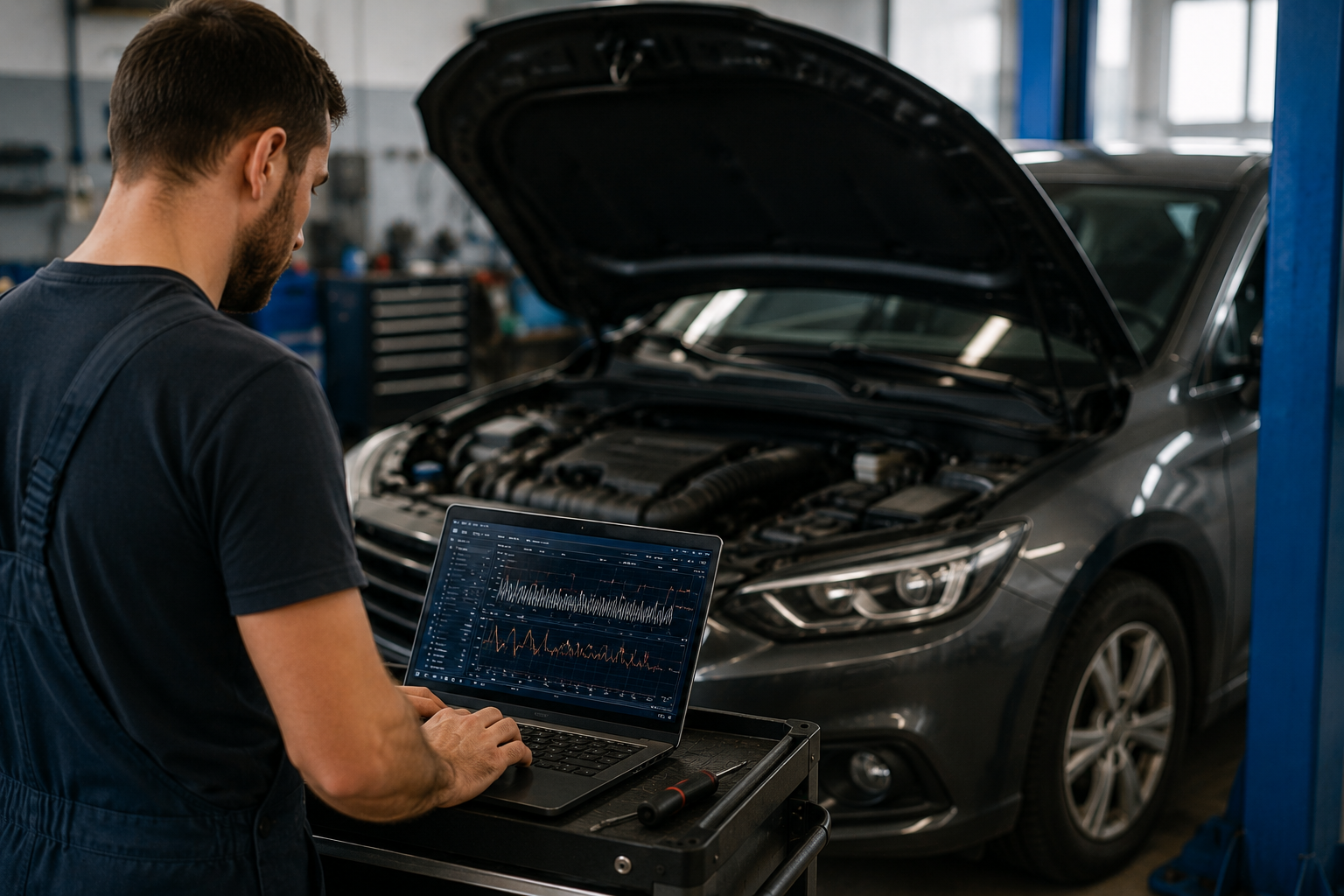
First of all, fault codes are read from the control units. Even if the indicator has already gone out, information about the event may remain in the system’s memory. It is important to obtain not only the code itself, but also the accompanying data: supply voltage, conditions of occurrence and error status.
Next, they check the battery and charging system, assess the condition of the contacts, ground connections and wiring. If the code is related to ABS, ESP or another electronic module, they diagnose the corresponding circuit, and are not limited to erasing the message.
Electronic errors after frost can be the result of both a short-term voltage drop and a malfunction that only manifests itself at low temperatures. That is why it is worth saving the codes and recording the conditions under which they appear. If the situation repeats, comprehensive diagnostics will help determine whether this is a short-term reaction of the electronics or whether the cold is only temporarily hiding a real malfunction.
Top popular news
- There is a smell of gasoline under the hood, but there are no signs of a leak: where to look for the problem
- Volkswagen Golf 7: which engines are considered the most successful in the secondary market
- The car stalls when you suddenly release the gas: what happens at this moment
- Audi A6 with 200+ thousand mileage: what expensive malfunctions can be predicted in advance
- Why does my car start to consume more oil even though my driving style hasn’t changed?
- The ABS light came on on the dashboard: can I continue driving?
- Volkswagen Passat B8 or Skoda Superb: what will the car show after 200 thousand km
- The car loses traction after warming up: why does this happen?

Subscribe to our newsletter!
To stay updated with the latest news

Book a service