Mon - Sat | 09:00 - 19:00


Find

Contact us

Odesa
Hrushevskoho str., 41
 Мережа СТО в місті
Місто
 +38 (096) 299 29 97
Odesa
Hrushevskoho str., 41
 Мережа СТО в місті
Місто
+38 (096) 299 29 97

 Години роботи
 Mon - Sat
09:00 - 19:00
The car stalls when you suddenly release the gas: what happens at this moment
When the driver suddenly releases the accelerator pedal, the power unit quickly goes from working under load to idling. The throttle position changes, the air and fuel supply is adjusted, and the control unit must quickly adapt the parameters to the new mode. If the speed drops too quickly, the engine management system may not have time to adjust the air and fuel supply to stabilize the idle speed, which can cause the engine to stall.
When a car stalls when you let off the gas, it doesn’t indicate a specific problem. The cause could be a throttle assembly, a leaky intake manifold, a fuel system, or incorrect sensor signals. To find the cause, it’s important to consider not only the fact of the stall, but also the moment it occurs.
What happens to the engine after suddenly releasing the pedal?

During acceleration or driving under load, the required amount of air and fuel enters the cylinders. When the pedal is released abruptly, the throttle valve moves to a position where the air flow is significantly restricted. At the same time, the injection mode changes and the crankshaft speed begins to decrease rapidly.
Next, the electronics must ensure a smooth transition to idle. To do this, the throttle position, the amount of air and other parameters of the power unit are taken into account. On designs with a separate idle speed regulator, it additionally controls the air flow in this mode.
If the necessary correction is delayed or one of the components is not working properly, the rpm may drop below a stable value. First, the driver notices a sharp drop in rpm, uneven operation, and then the engine stalls.
Why idling requires fine-tuning
Idling does not mean a complete shutdown of fuel. To maintain the operation of the cylinders, a certain amount of air and a corresponding amount of fuel are required. Their ratio must vary according to the current load and engine temperature.
When the accelerator is released abruptly, this balance must be established very quickly. Excess or lack of air, errors in fuel dosing, or incorrect assessment of the current mode can cause a drop in revs.
This is why the engine stalls when the driver lets off the gas, although before that the car could accelerate normally and operate without noticeable symptoms.
Throttle assembly and air leakage
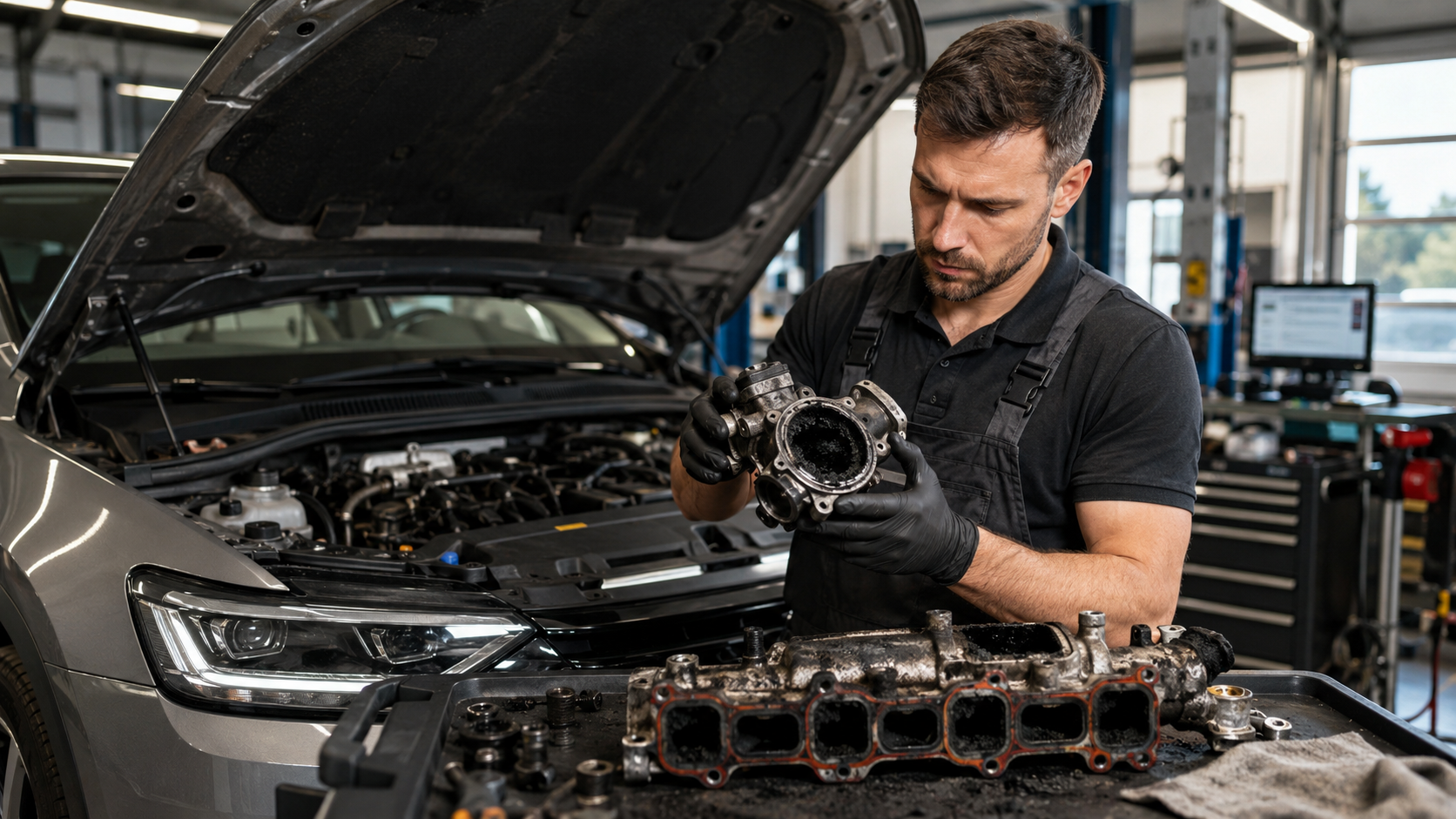
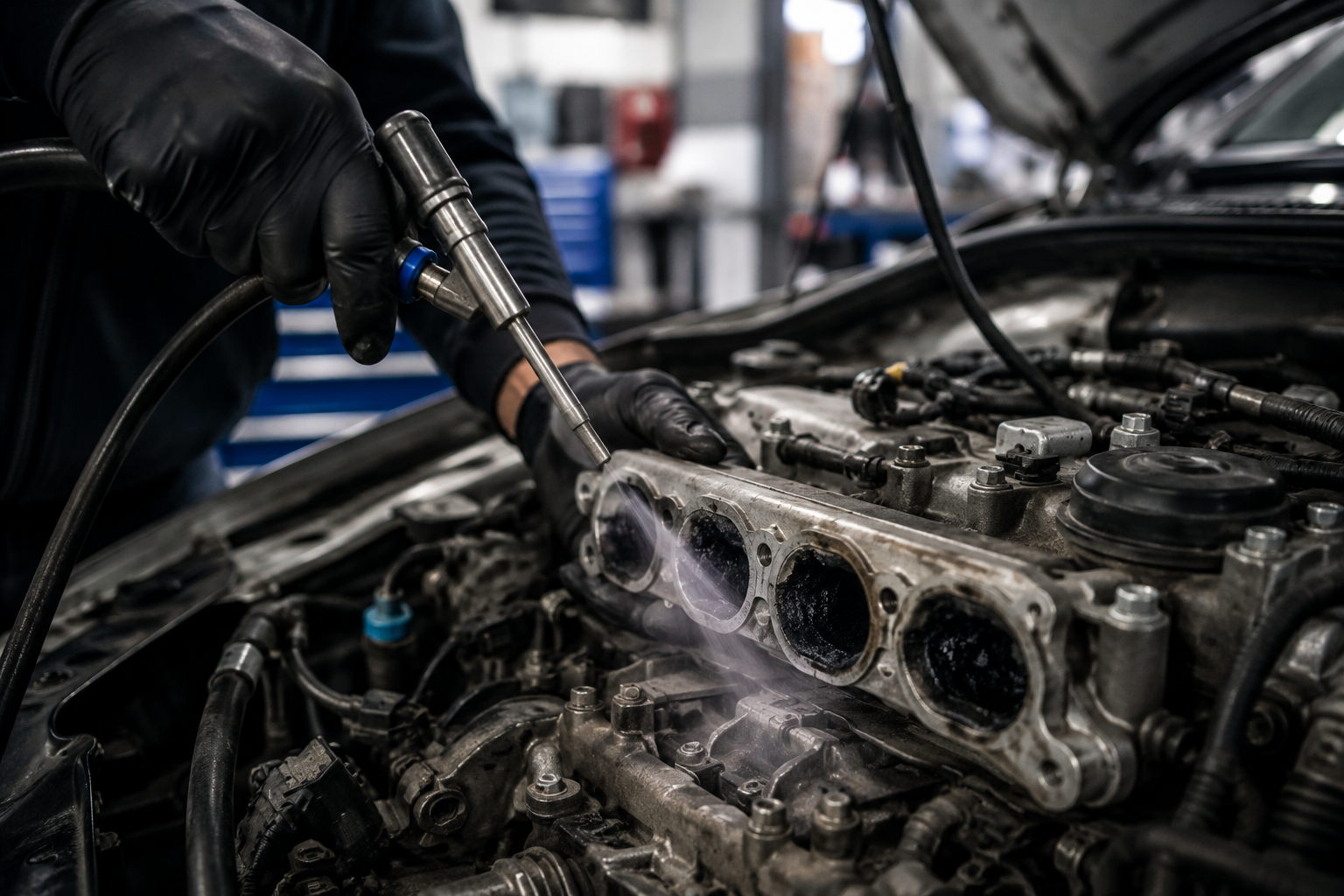
One of the first areas to check is the throttle body. Deposits on its surface, a malfunctioning actuator, or incorrect operation of the electronic mechanism can change the amount of air entering the intake during the transition to minimum speed.
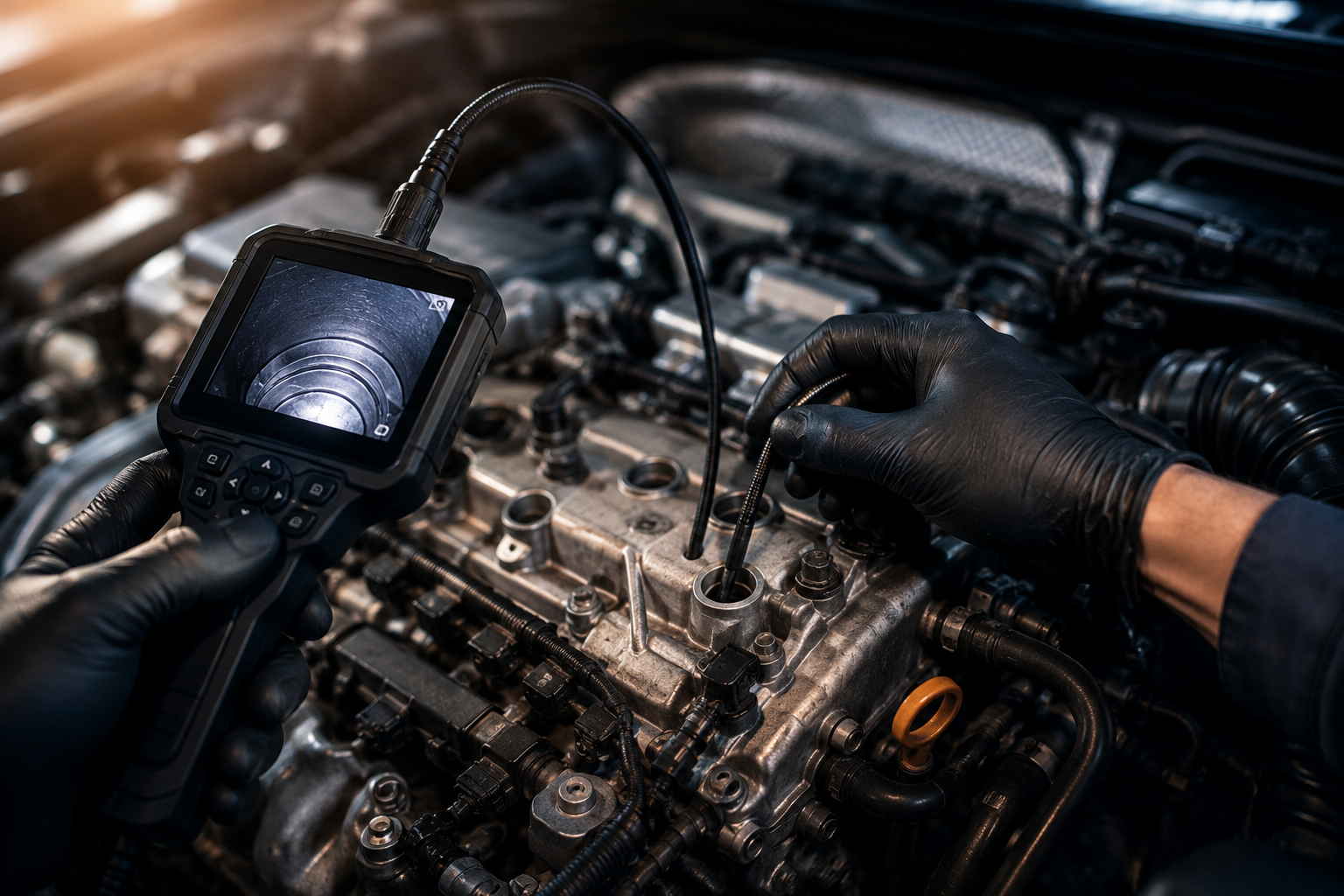
The tightness of the intake tract is no less important. Cracks in the pipes, damaged gaskets or leaky connections create air leakage. It enters the engine outside the calculated path, due to which the actual composition of the fuel mixture differs from that expected by the control unit.
On vehicles that use a separate idle speed regulator, its malfunction can also disrupt the stabilization of the engine speed after the throttle is closed.
Fuel system and sensors
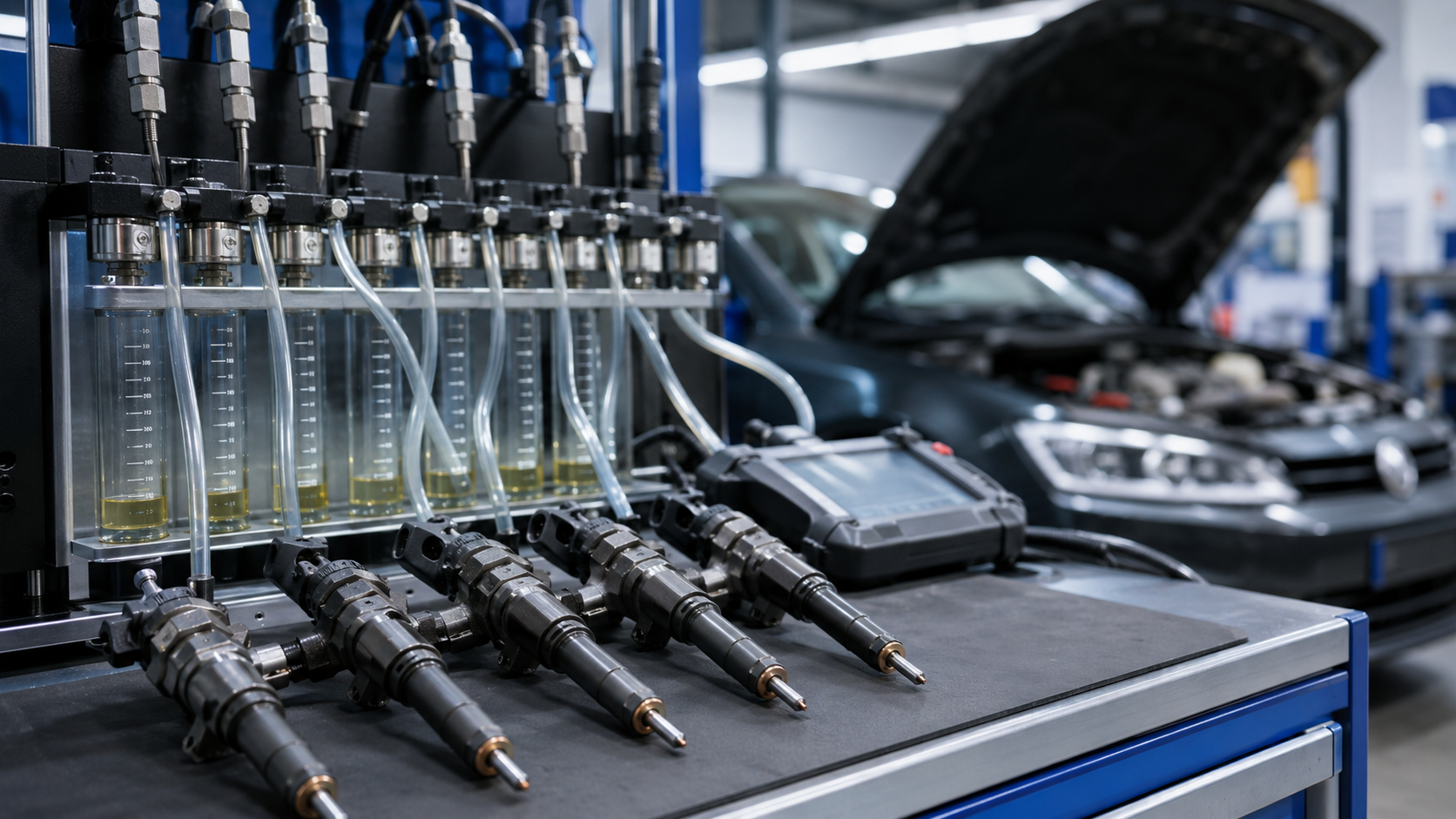
If the power unit stalls when you suddenly release the pedal, the cause should be sought not only in the intake. Insufficient pressure in the fuel line, problems with the injectors, or unstable fuel supply can manifest themselves precisely during the mode change.
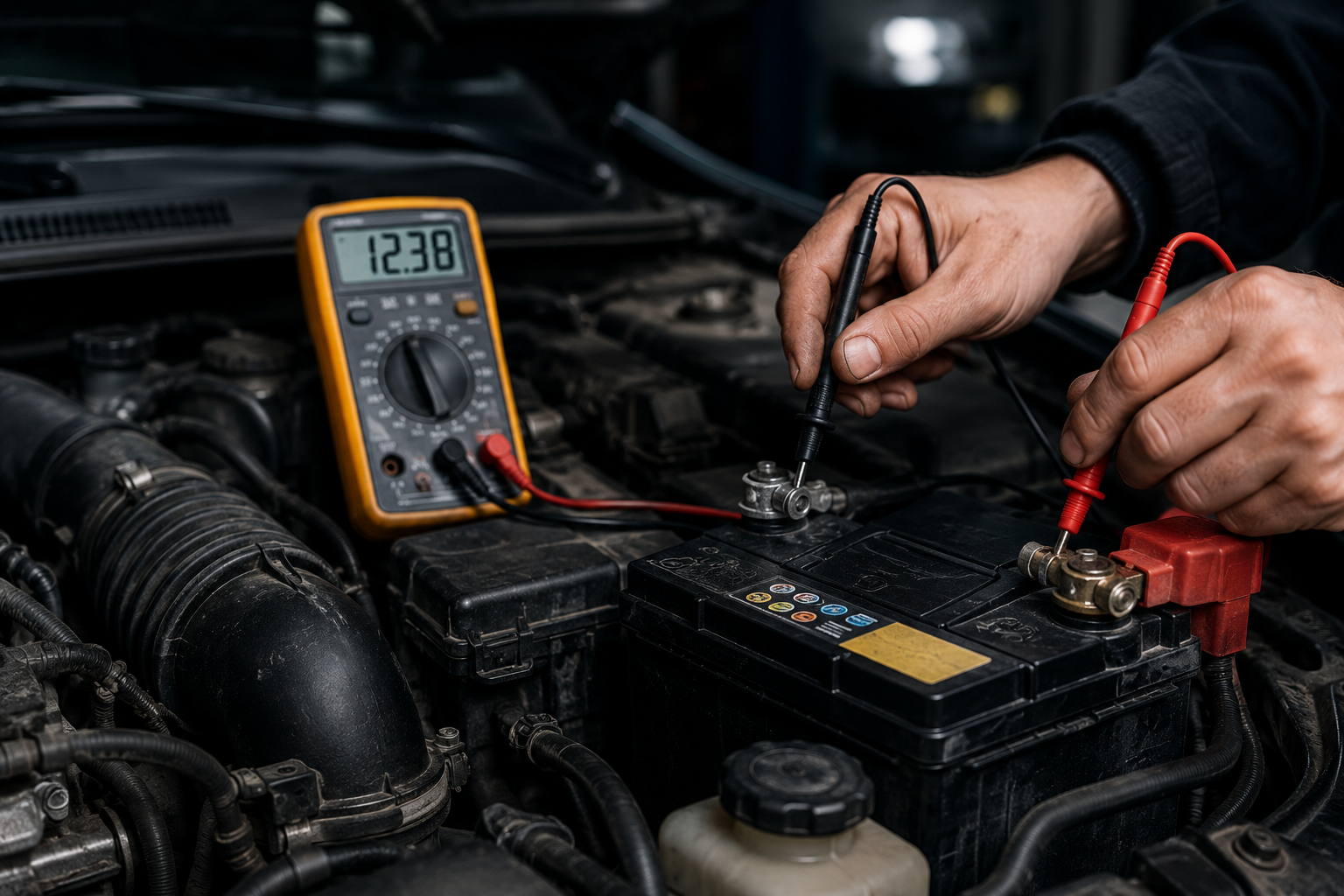
Sensors also play a significant role, using signals from which the electronics determine the current operating conditions. These include the throttle position sensor and the mass air flow sensor. If their readings are distorted, the control unit may incorrectly estimate the amount of air or the position of the damper and select inappropriate mixture parameters.
During the initial inspection, you should pay attention to:
- fuel pressure stability;
- throttle response to changing pedal position;
- mass air flow sensor readings;
- operation of injectors;
- presence of errors in the control unit memory.
Not every problem is accompanied by an indicator on the panel. Therefore, the absence of a warning does not exclude a sensor malfunction or a malfunction in the fuel system.
Why is it important to determine the moment of stalling?
The phrase “the car stalls at idle” is not an accurate enough description of the symptom. For diagnosis, it is important to determine when the engine speed drops to zero.
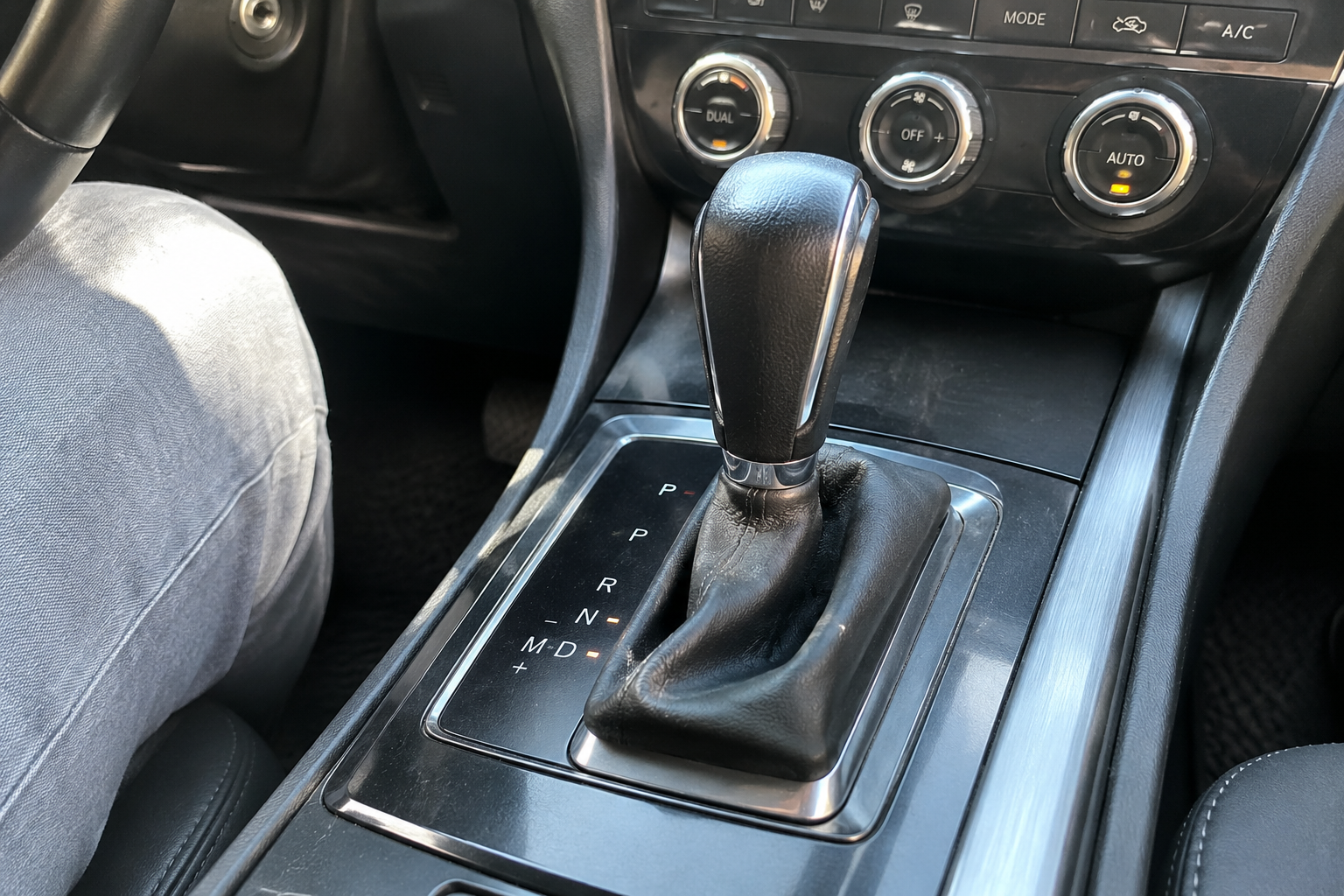
If the car loses speed while driving immediately after releasing the pedal, attention is paid to the speed of transition between modes. When the stop occurs after the car has come to a complete stop, the system’s ability to maintain a stable idle speed is additionally assessed.
Sometimes the engine does not stop, but almost stalls: the tachometer needle drops sharply, after which the speed is restored. This symptom is also important, because the car loses speed after releasing the gas for a reason.
During diagnostics, the conditions under which the malfunction occurs are recorded:
- Is the engine cold or already warmed up?
- is the car moving or standing;
- the pedal is released gradually or abruptly;
- before the problem, the engine was operating under significant load;
- Does the symptom occur constantly or only periodically?
Such details help narrow down the possible causes.
How to identify a specific malfunction
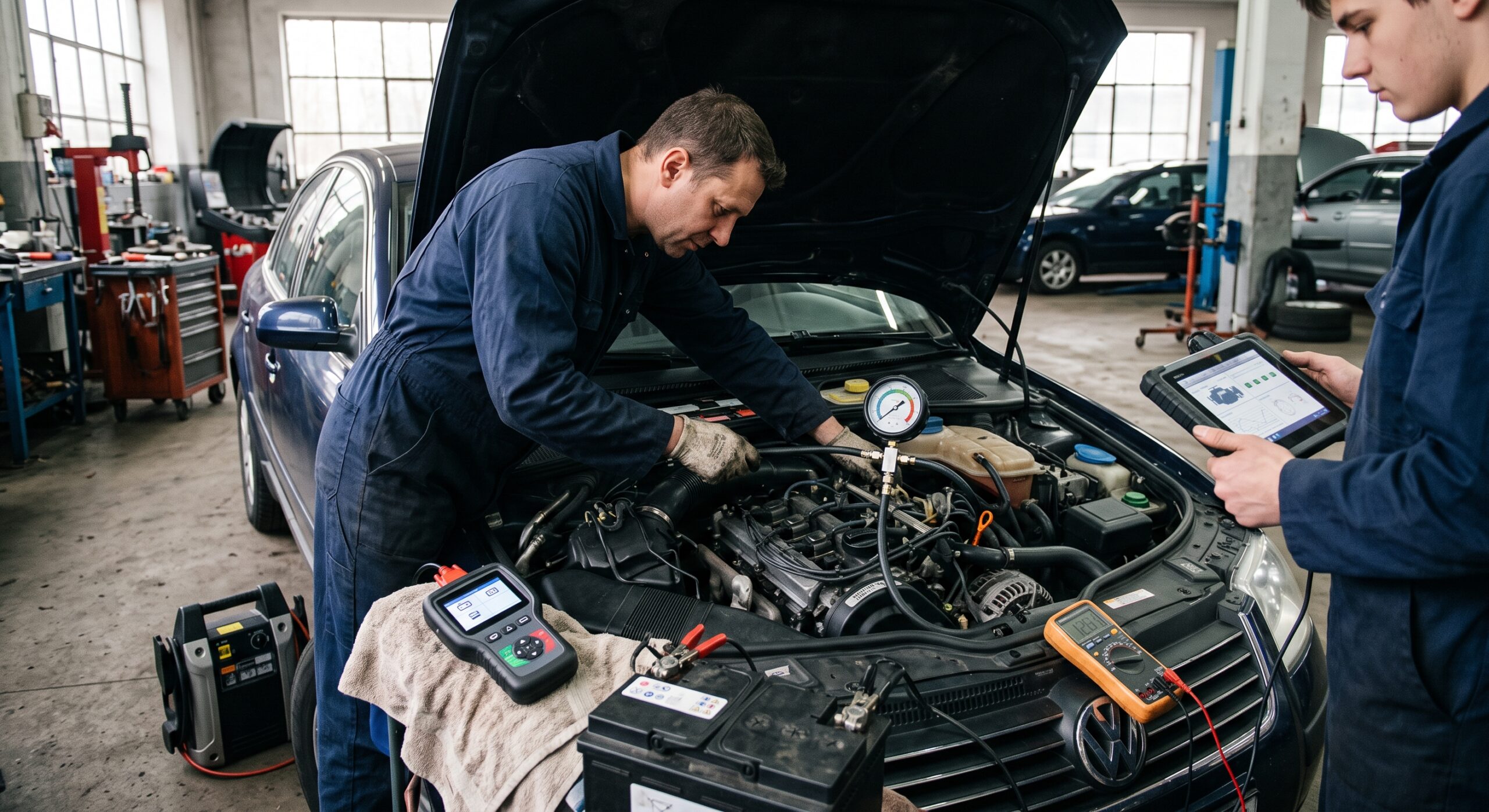
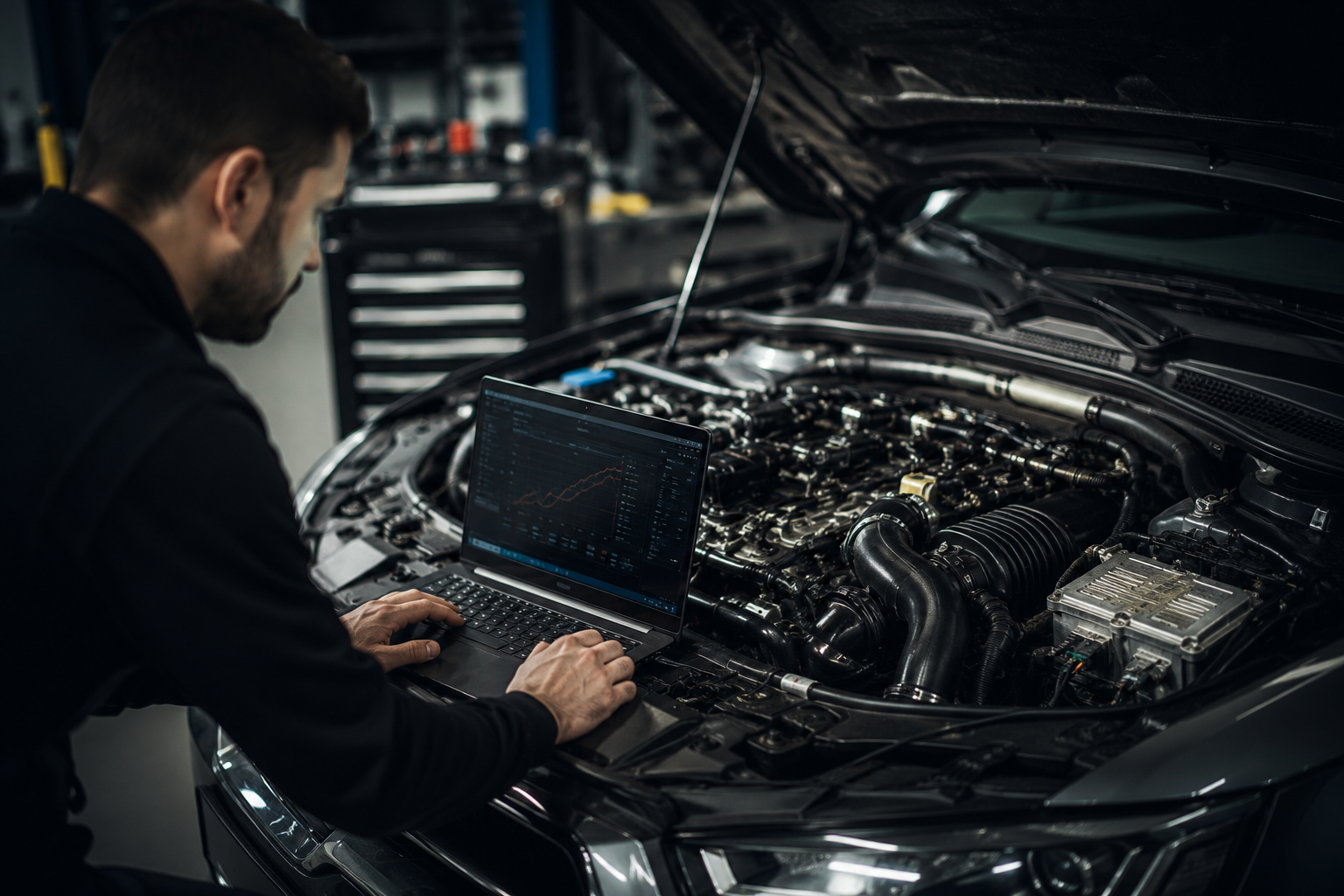
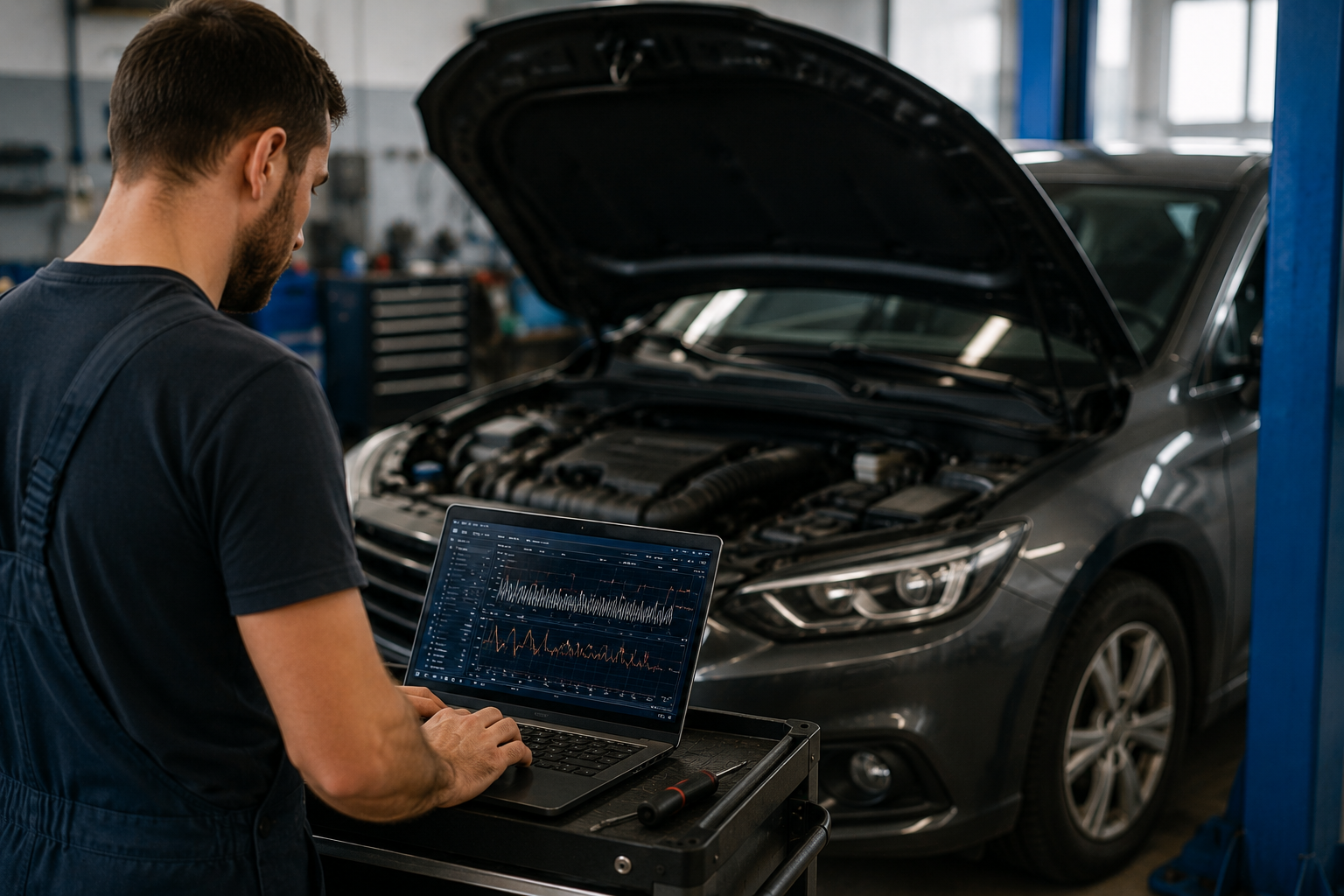
They start by checking the control unit for errors and analyzing the engine’s operating parameters. Then they assess the condition of the throttle assembly, intake tightness, sensor signals, and fuel system characteristics.
If necessary, measure the fuel pressure, check the injectors, analyze the readings of the mass air flow sensor and the throttle response to a change in mode. It is important to observe not only stable rpm when parked, but also the moment they drop after releasing the pedal.
If the car stalls after releasing the gas, do not immediately change the sensor or clean the throttle without confirming the cause. One symptom can occur due to various malfunctions, so the conclusion is made based on a combination of measurements, errors and the behavior of the car. If the rpm drops too quickly and the system does not have time to stabilize them, the engine may stall. us.
Smooth transition to idle speed depends on the coordinated operation of the throttle assembly, fuel system, sensors and control unit. If this interaction is disrupted, the speed can drop so quickly that the engine cannot maintain the operating mode. That is why during diagnostics it is important to reproduce the conditions of the symptom and check all systems responsible for stabilizing the idle speed.
Top popular news
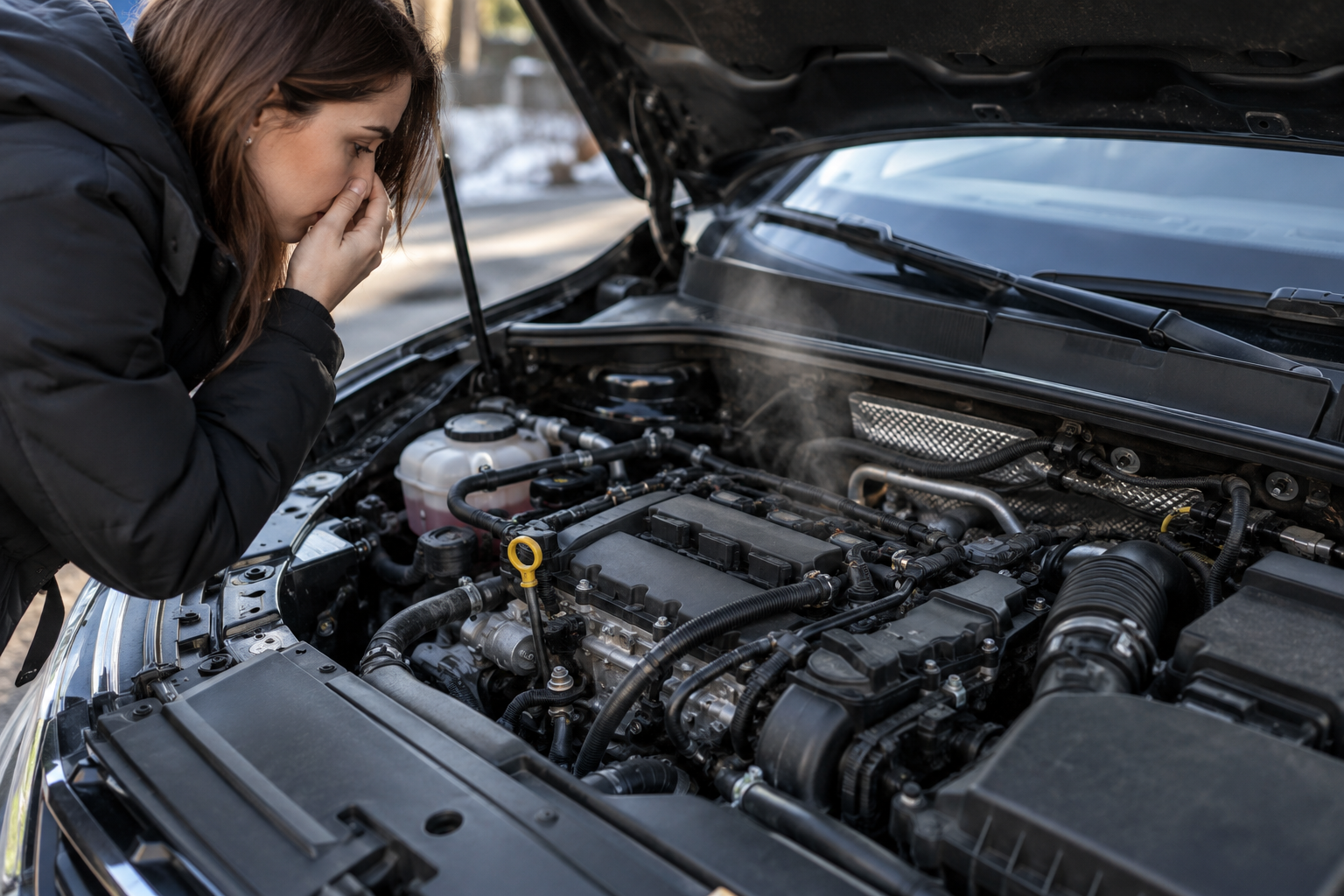
- There is a smell of gasoline under the hood, but there are no signs of a leak: where to look for the problem
- Volkswagen Golf 7: which engines are considered the most successful in the secondary market
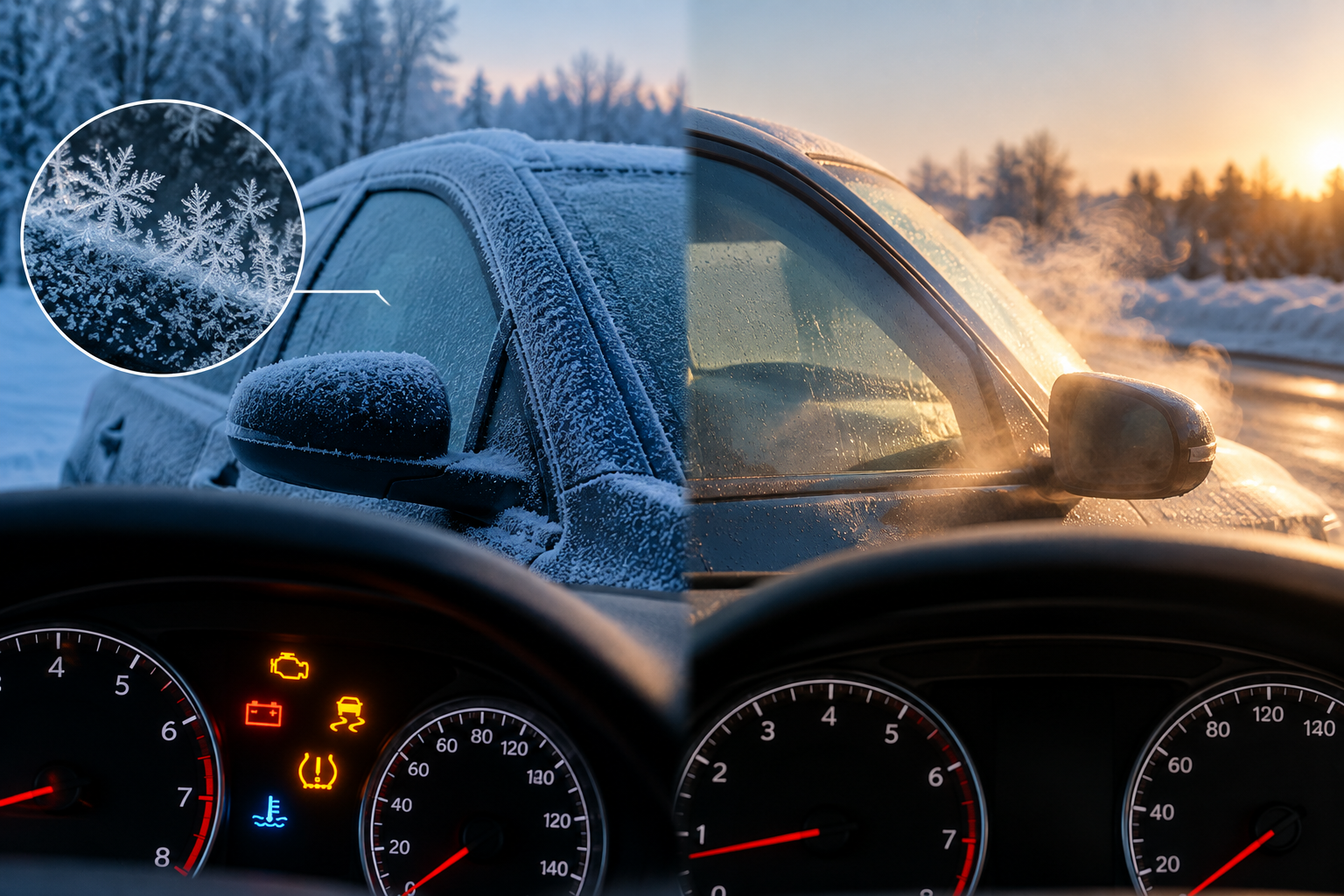
- Why do errors appear after a night frost that disappear after warming up?
- Audi A6 with 200+ thousand mileage: what expensive malfunctions can be predicted in advance
- Why does my car start to consume more oil even though my driving style hasn’t changed?
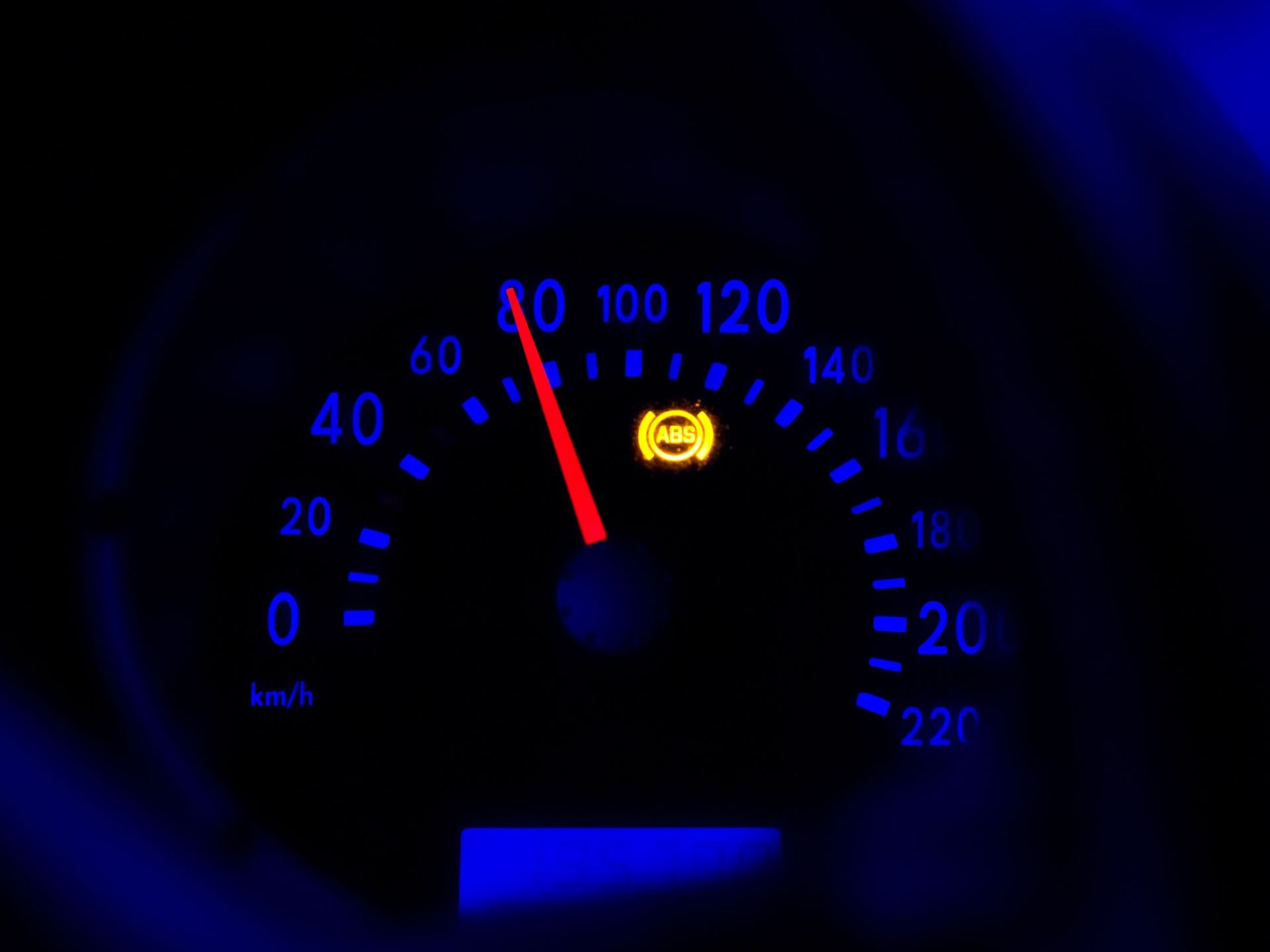
- The ABS light came on on the dashboard: can I continue driving?
- Volkswagen Passat B8 or Skoda Superb: what will the car show after 200 thousand km
- The car loses traction after warming up: why does this happen?

Subscribe to our newsletter!
To stay updated with the latest news

Book a service