Mon - Sat | 09:00 - 19:00


Find

Contact us

Odesa
Hrushevskoho str., 41
 Мережа СТО в місті
Місто
 +38 (096) 299 29 97
Odesa
Hrushevskoho str., 41
 Мережа СТО в місті
Місто
+38 (096) 299 29 97

 Години роботи
 Mon - Sat
09:00 - 19:00
The engine starts a second time: reasons after parking
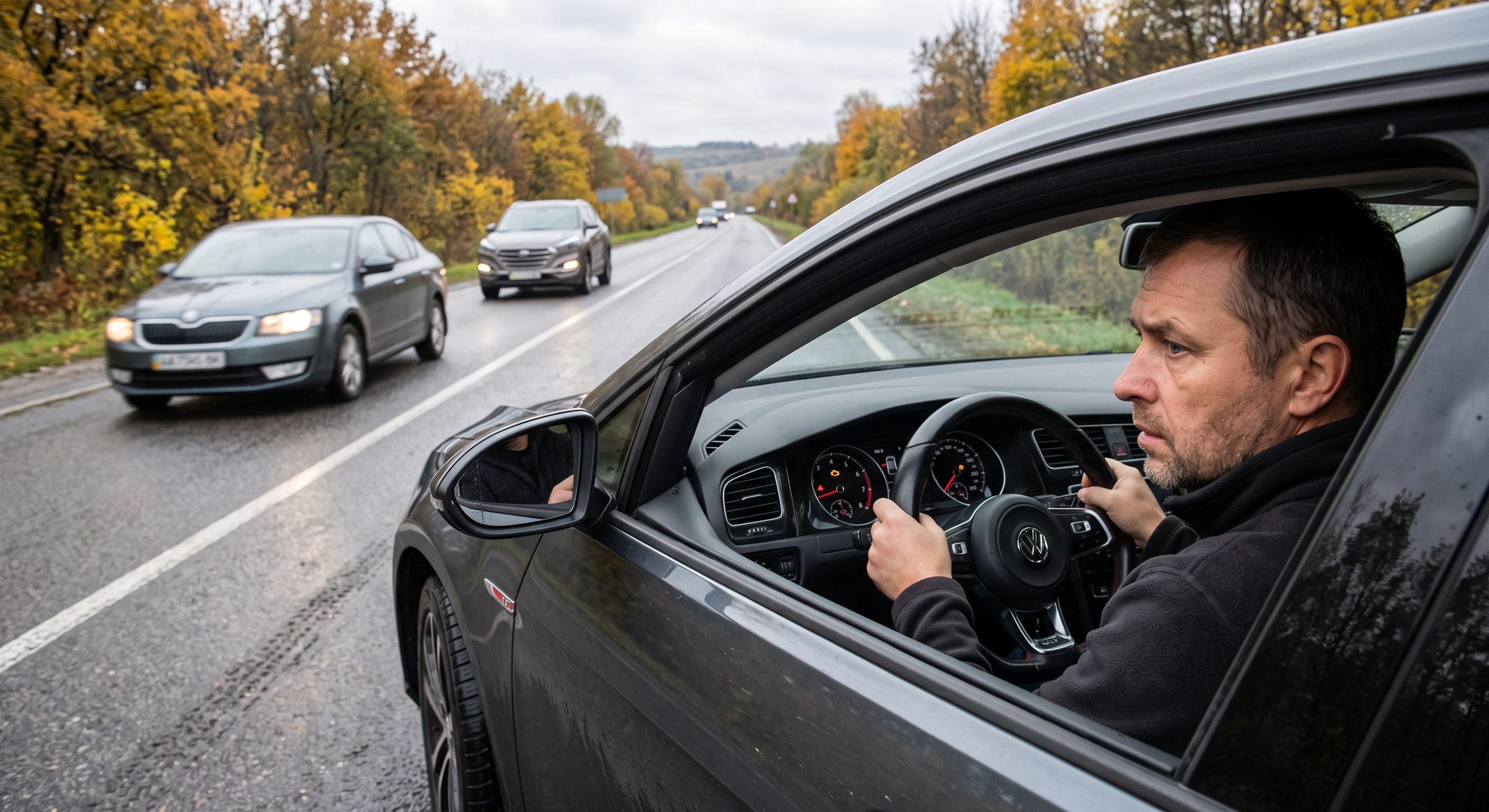
When the engine starts a second time, but then it runs smoothly, the problem may seem minor. However, if the difficult start is repeated, this may indicate that one of the necessary conditions for starting the engine is not fully met during the first attempt. For the engine to operate, sufficient crankshaft rotation speed, correct fuel supply, appropriate mixture composition, and timely ignition are required.
It is important to consider when the fault occurs. If The car doesn’t start the first time.only after an overnight stop, the reason should not be sought where, in the case of a difficult start immediately after a short stop.
What may change during a restart
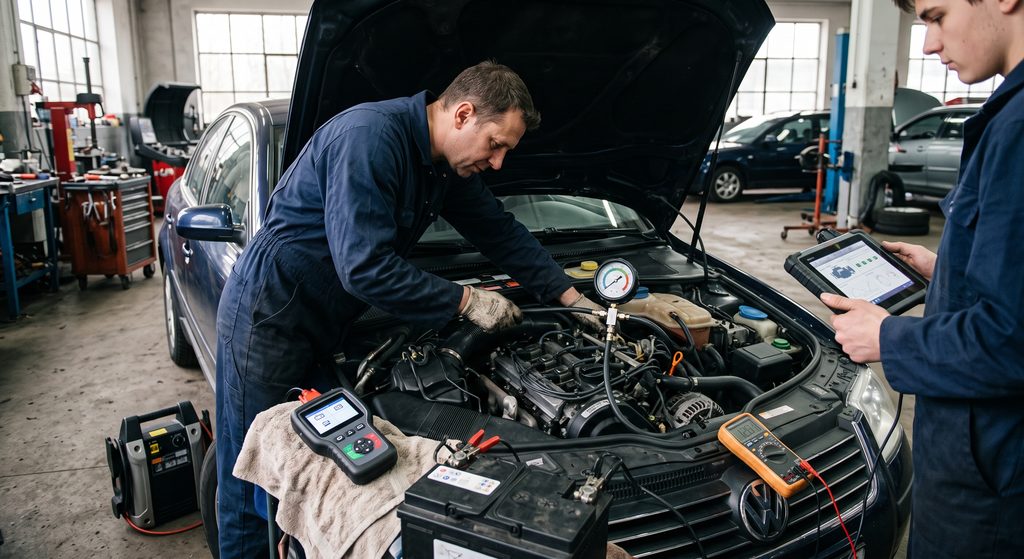
First of all, you need to pay attention to the operation of the starter. If it turns sluggishly, the problem may be related to the battery, contacts or the mechanism itself. When the crankshaft rotates normally, but the engine does not seize, check the fuel, spark and sensor signals.
After the first crank, conditions change. The fuel pump may have time to restore pressure in the line, and the second crank gives the system another chance to form the necessary mixture. Therefore, the next attempt sometimes turns out to be successful.
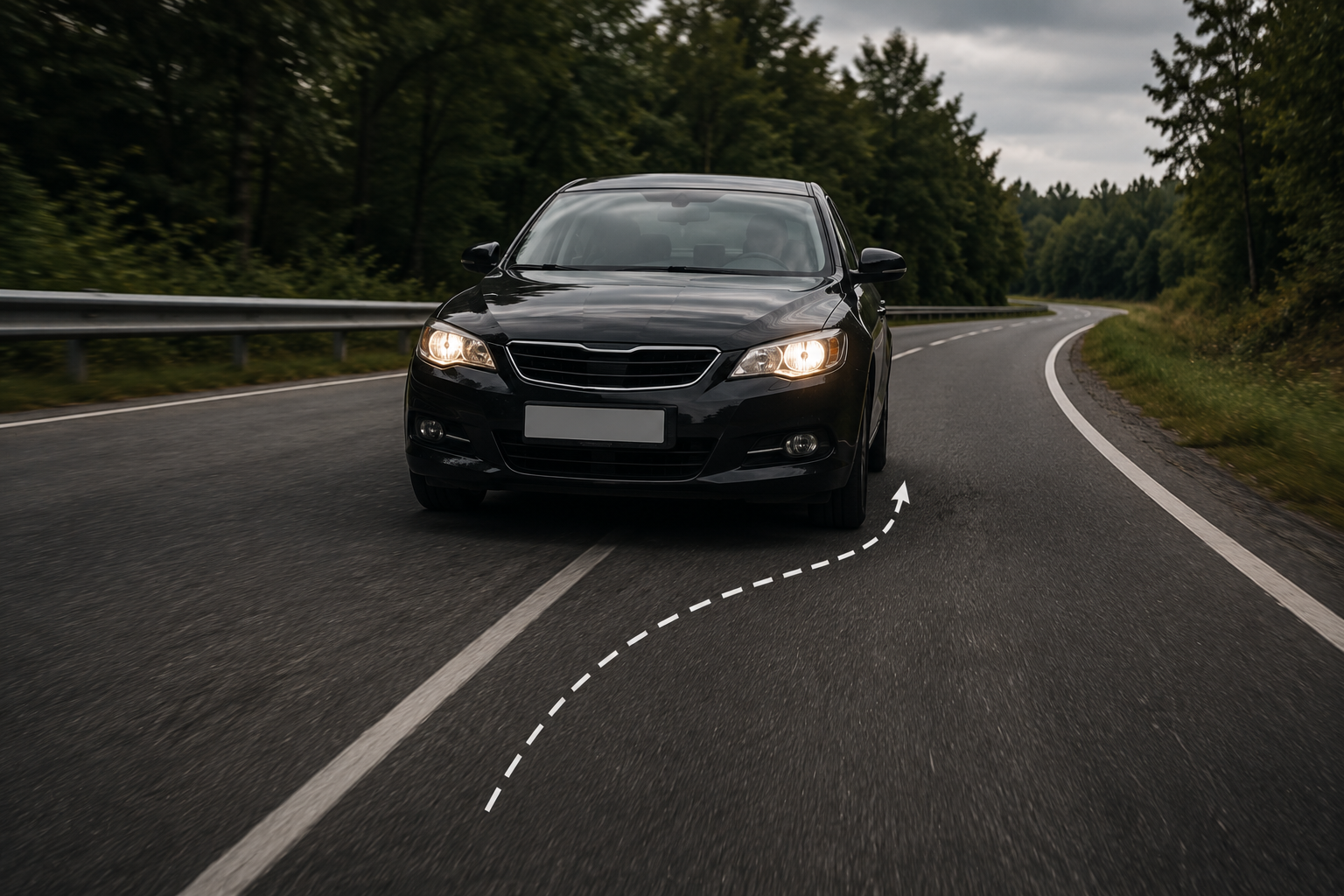
Another situation occurs when the engine seizes for a few seconds and stalls. This symptom has a different list of possible causes, so it is important to describe not only the fact of an unsuccessful start, but also the behavior of the engine at this moment.
Fuel pressure may drop after prolonged parking
One possible cause is a loss of pressure in the fuel system. It should not disappear immediately after the engine is turned off for no reason. If the line is emptied or the pressure drops too quickly, the pump will need additional time to recover after a long break.
The problem could be related to a fuel pump check valve, a line leak, or an injector that is not holding fuel properly.
Several signs may indicate such a scenario:
- after a short stop, the engine starts normally, and after a night it cranks for a long time;
- after the first unsuccessful attempt, the next start is much faster;
- Turning the ignition back on before starting sometimes makes starting easier.
The last sign does not confirm a pump malfunction. To verify the assumption, measure the pressure in the system and observe how quickly it changes after the engine is turned off.
Battery and starter: how to distinguish an electrical fault
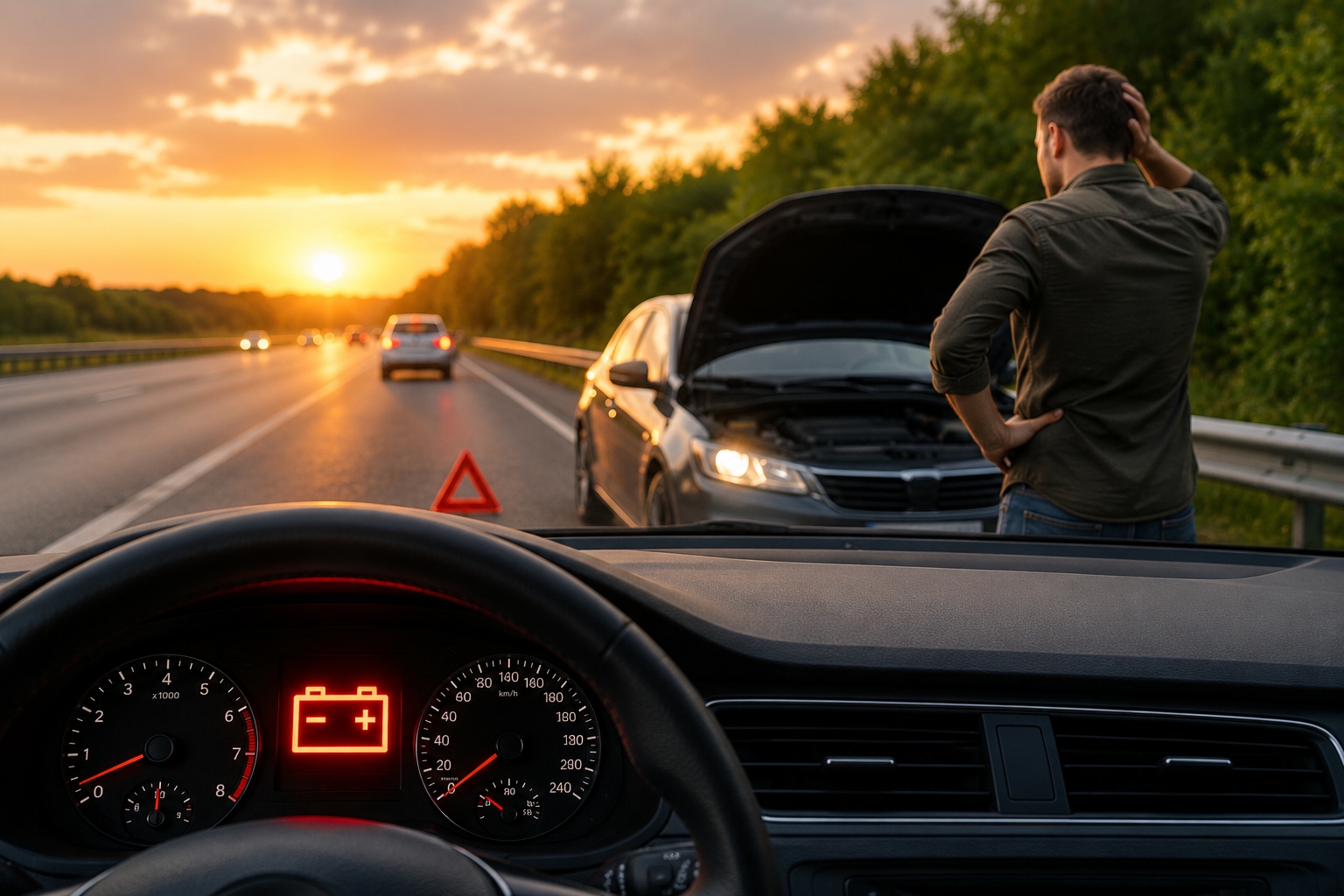
Starting problems are not always fuel related.Battery with reduced capacitymay not provide sufficient current, and a worn starter may not provide the required rotation speed.
An electrical cause may be indicated by:
- slow or uneven scrolling;
- noticeable dimming of the instrument panel or headlights;
- clicking instead of normal starter operation;
- more difficult start-up after a long downtime.
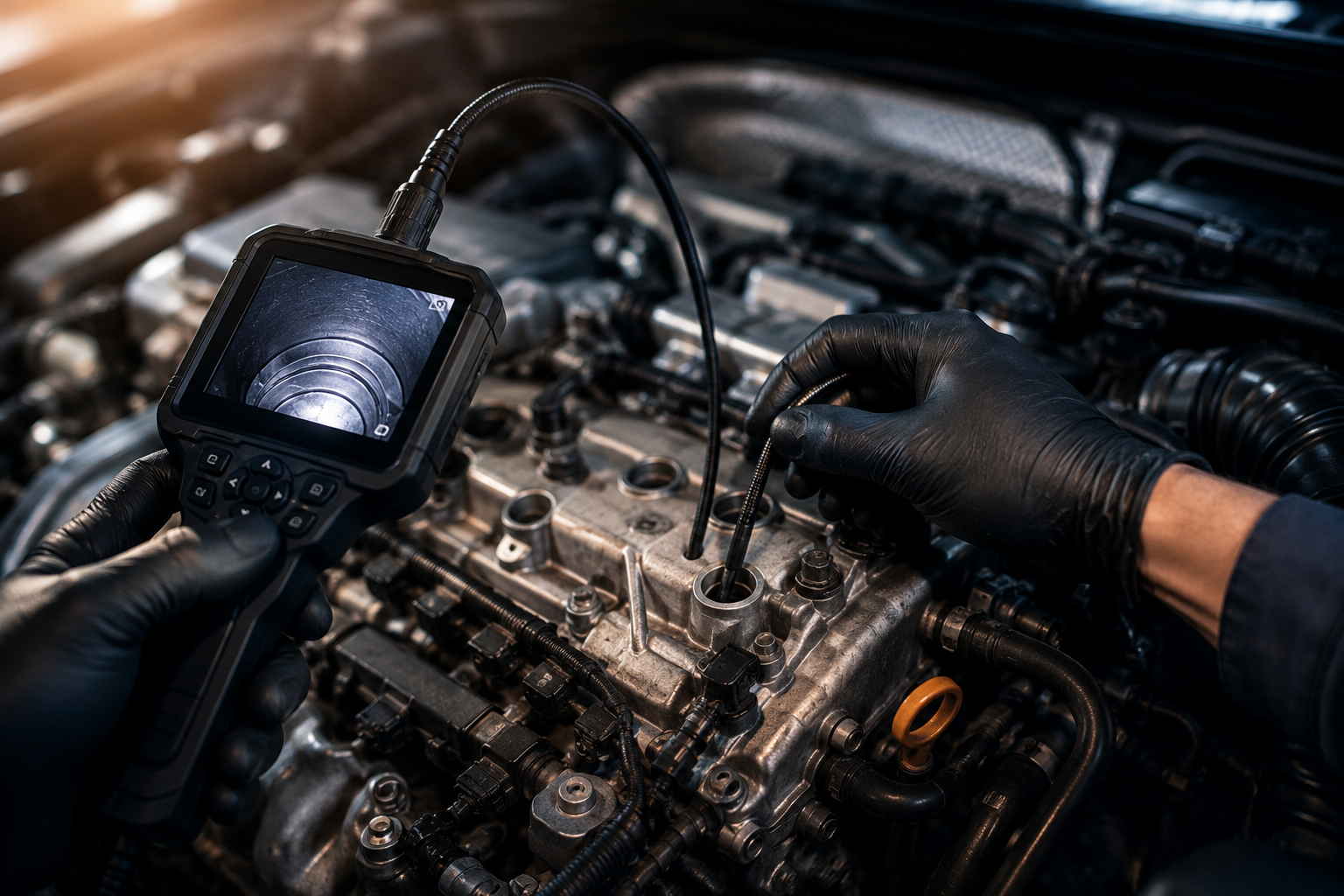
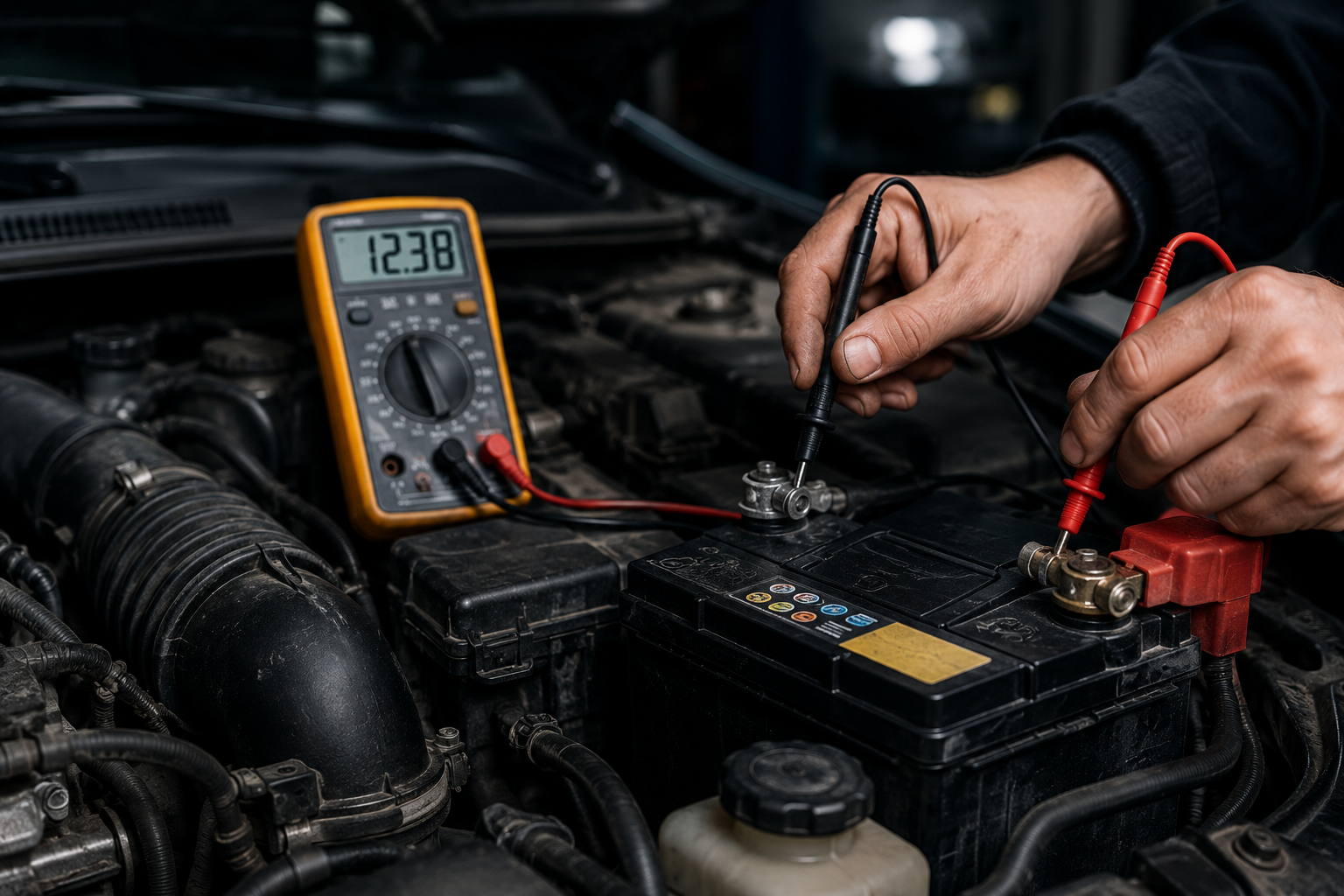
It’s not just the battery that needs to be checked. They also assess the voltage under load, the condition of the terminals and power connections, and the operation of the starter. If it turns the engine briskly but doesn’t ignite, replacing the battery is unlikely to fix the problem.
Spark plugs, coils and sensors also affect the first start
On a gasoline engine, difficult starting can be associated with the spark plugs or coil. A worn spark plug does not necessarily cause constant tripping. The malfunction sometimes manifests itself mainly during start-up, when the conditions for ignition of the mixture are most sensitive to the quality of the spark.
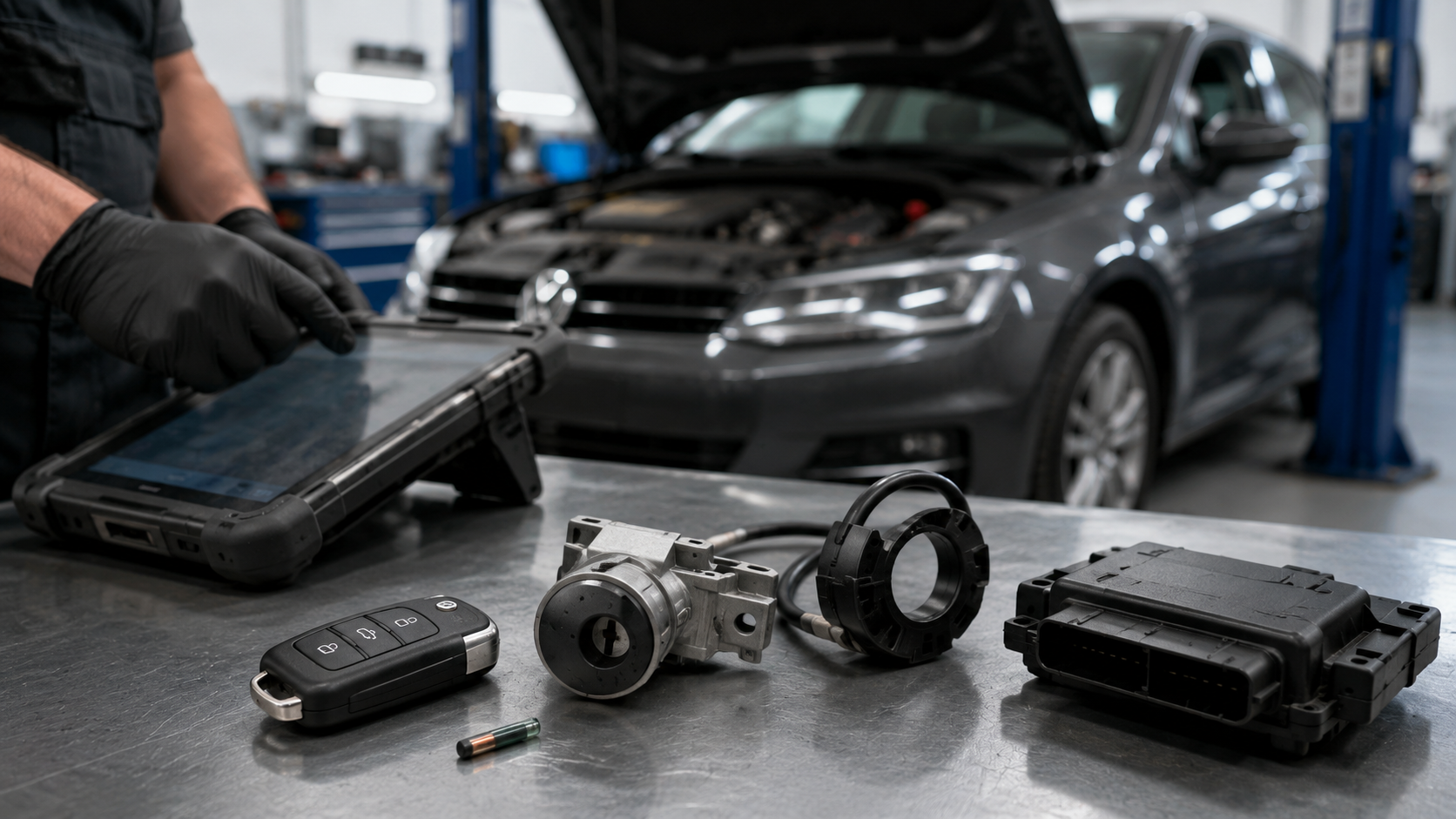
The crankshaft sensor is also important. Its signal is used by the control unit to determine the position of the shaft and the speed of rotation. If the information is received unstable, the system may incorrectly determine the injection or ignition timing.
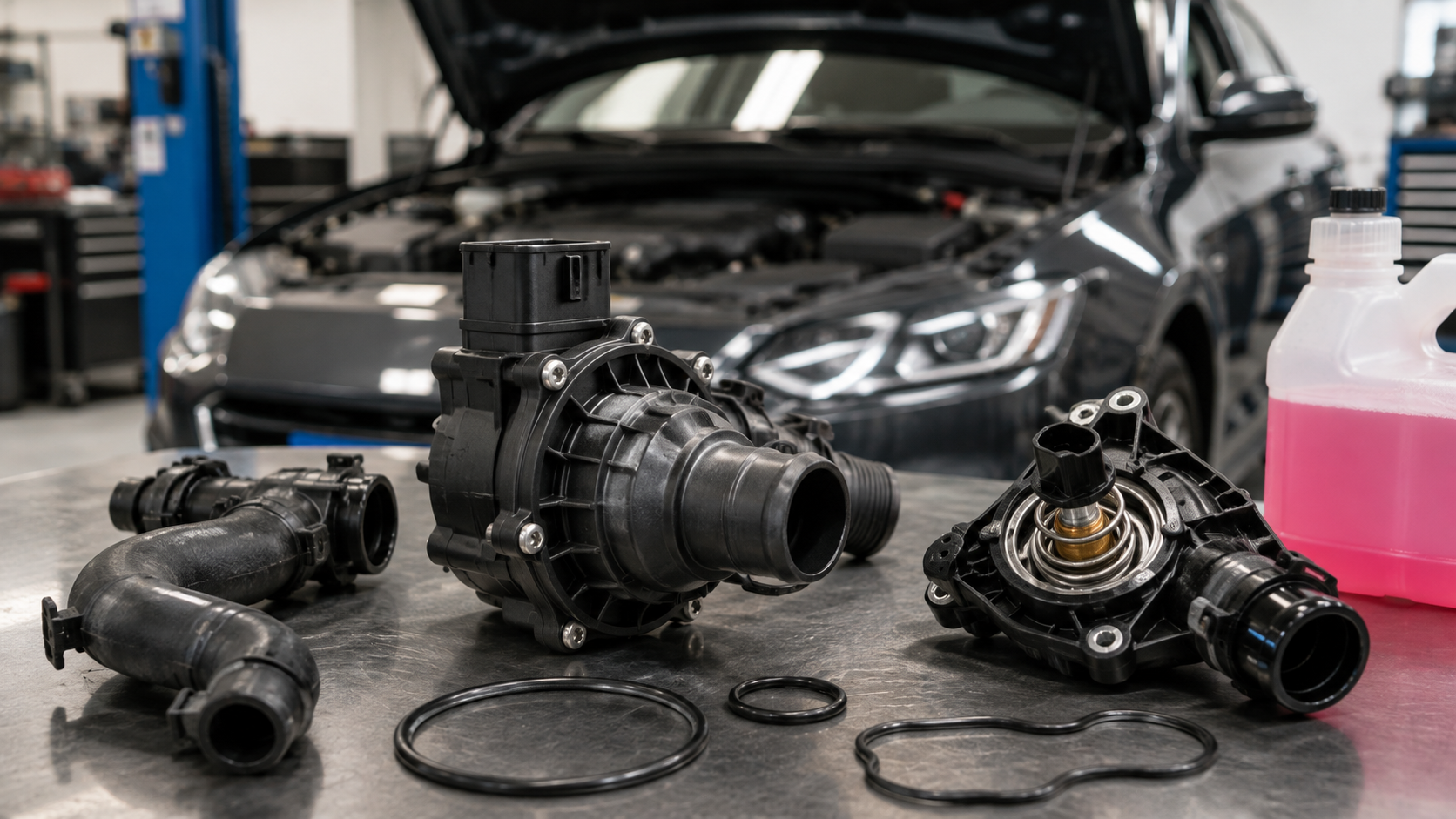
Another element is the coolant temperature sensor. If its readings are incorrect, the control unit may form a mixture that does not correspond to the actual engine temperature. As a result, a cold engine starts more difficultly, although the symptom disappears after warming up.
The duration of the stop helps determine the direction of the search.
How long the car sat before the unsuccessful start is of diagnostic importance. If Hard to start after parkingonly in the morning, but an hour after the trip it starts normally, special attention needs to be paid to the fuel system’s ability to maintain pressure.
If difficulties arise after a short stop, you also need to consider engine temperature, battery condition, starter, ignition and sensors.
After a few days of inactivity, the battery charge becomes an additional factor. If it has already lost some capacity, a long break can have a greater impact on scrolling speed.
You can roughly follow the following sequence:
- after a short stop– check the starter, battery, ignition and temperature parameters;
- after a few hours or overnight– pay special attention to fuel pressure;
- after a few days– additionally check the condition of the battery and fuel system.
This is not a ready-made diagnosis, but a way to narrow down the list of possible causes.
Why diagnostics are more important than replacing parts
Ifthe car starts only on the second try, you should not immediately buy a new battery, spark plugs or fuel pump. One symptom may occur due to malfunctions of different components.
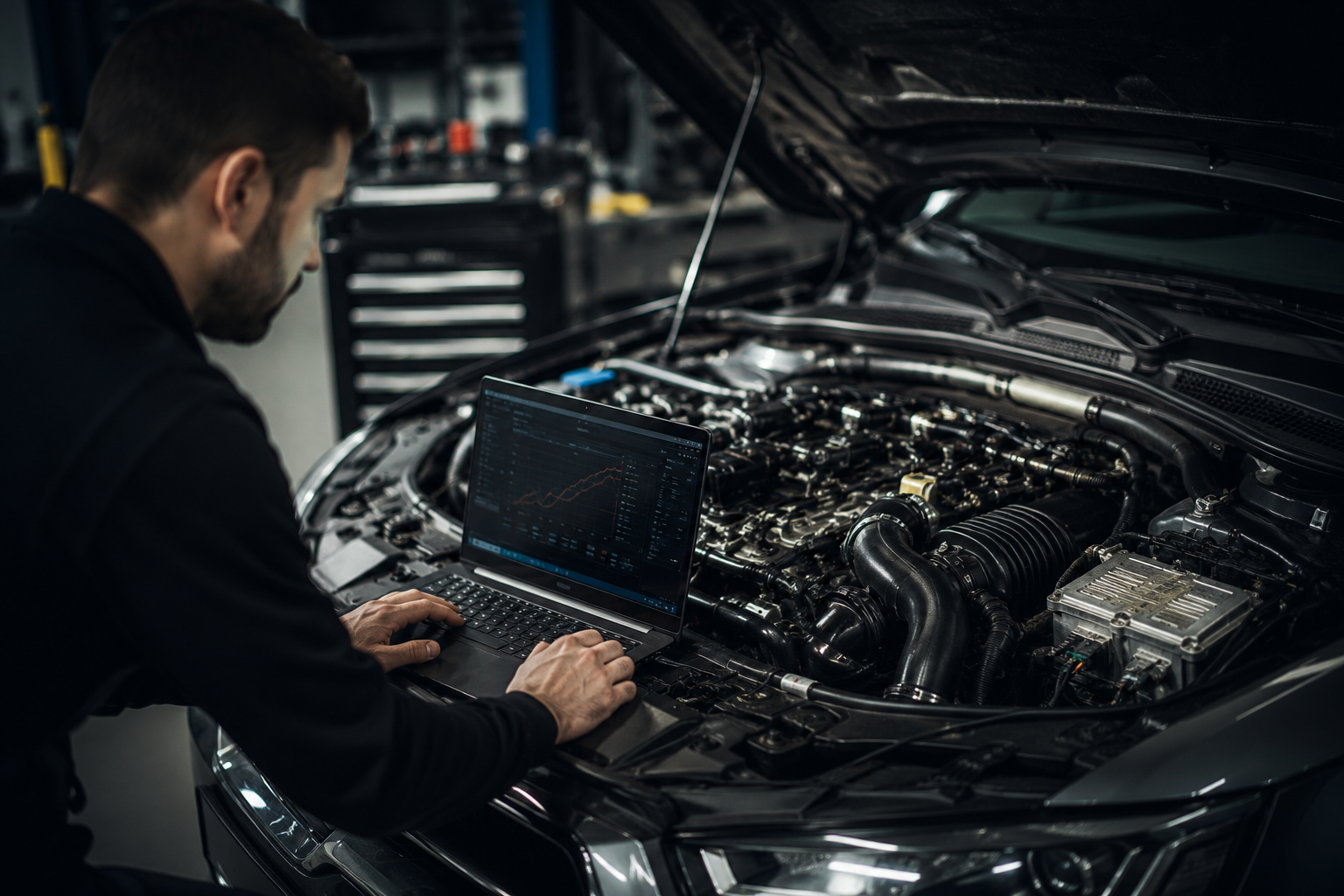
During diagnostics, the following are checked:
- battery voltage and its drop during starter operation;
- crankshaft rotation speed;
- fuel pressure and its preservation after the pump is turned off;
- operation of injectors;
- spark quality;
- crankshaft and temperature sensor signals;
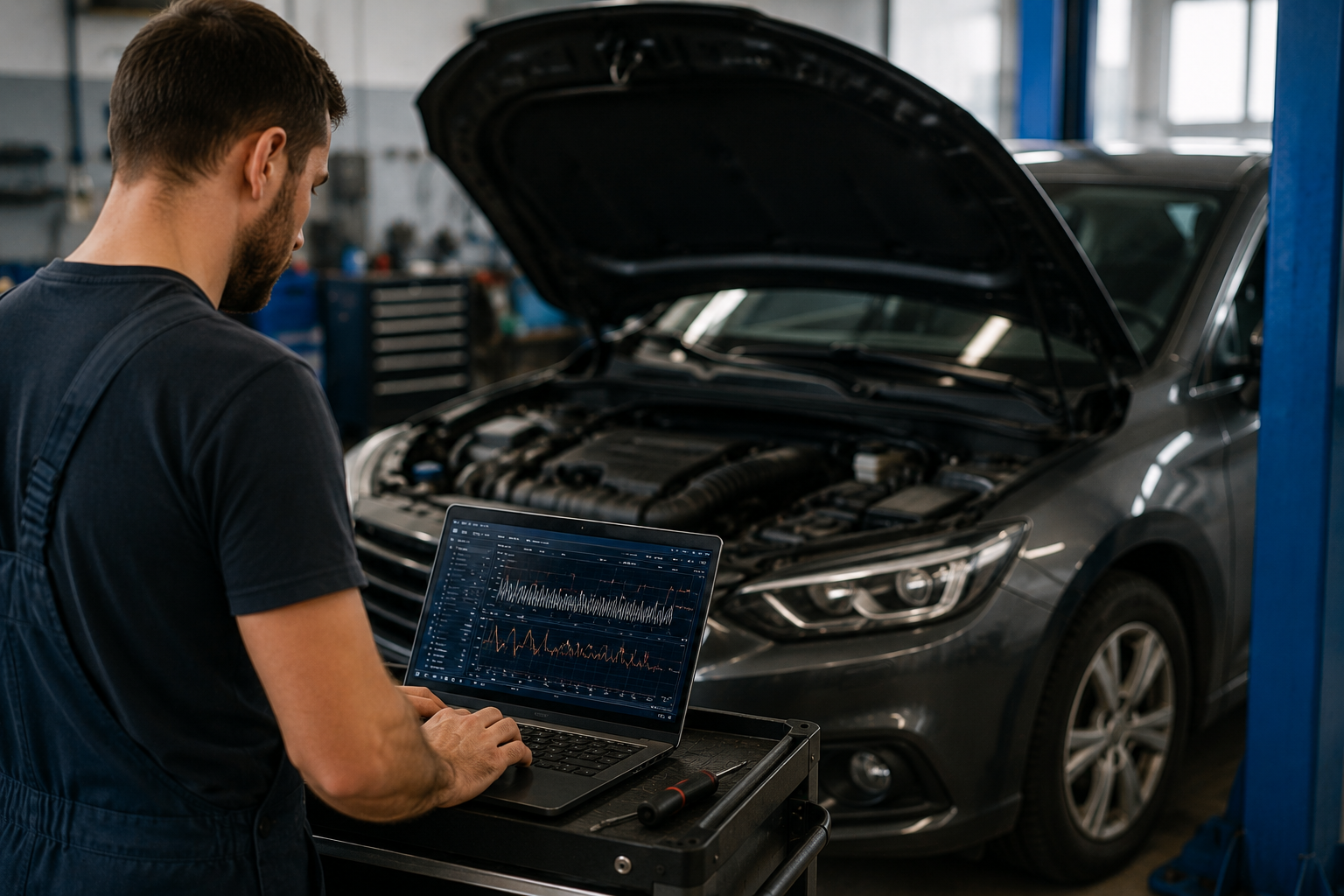
- errors and current control unit parameters.
If the starter is slow, first check the power supply. When the crankshaft rotates normally but ignition does not occur, move on to the fuel system, ignition and sensors.
Therefore, when the question arises, Why doesn’t the engine start right away?, it is important to record the conditions under which the symptom appeared: how long the car was parked, whether the engine was cold, how the starter worked, and what changed after trying again. These details help to find the real cause and avoid wasting money on replacing serviceable parts.
Top popular news
- There is a smell of gasoline under the hood, but there are no signs of a leak: where to look for the problem
- Volkswagen Golf 7: which engines are considered the most successful in the secondary market
- Why do errors appear after a night frost that disappear after warming up?
- The car stalls when you suddenly release the gas: what happens at this moment
- Audi A6 with 200+ thousand mileage: what expensive malfunctions can be predicted in advance
- Why does my car start to consume more oil even though my driving style hasn’t changed?
- The ABS light came on on the dashboard: can I continue driving?
- Volkswagen Passat B8 or Skoda Superb: what will the car show after 200 thousand km

Subscribe to our newsletter!
To stay updated with the latest news

Book a service