Mon - Sat | 09:00 - 19:00


Find

Contact us

Odesa
Hrushevskoho str., 41
 Мережа СТО в місті
Місто
 +38 (096) 299 29 97
Odesa
Hrushevskoho str., 41
 Мережа СТО в місті
Місто
+38 (096) 299 29 97

 Години роботи
 Mon - Sat
09:00 - 19:00
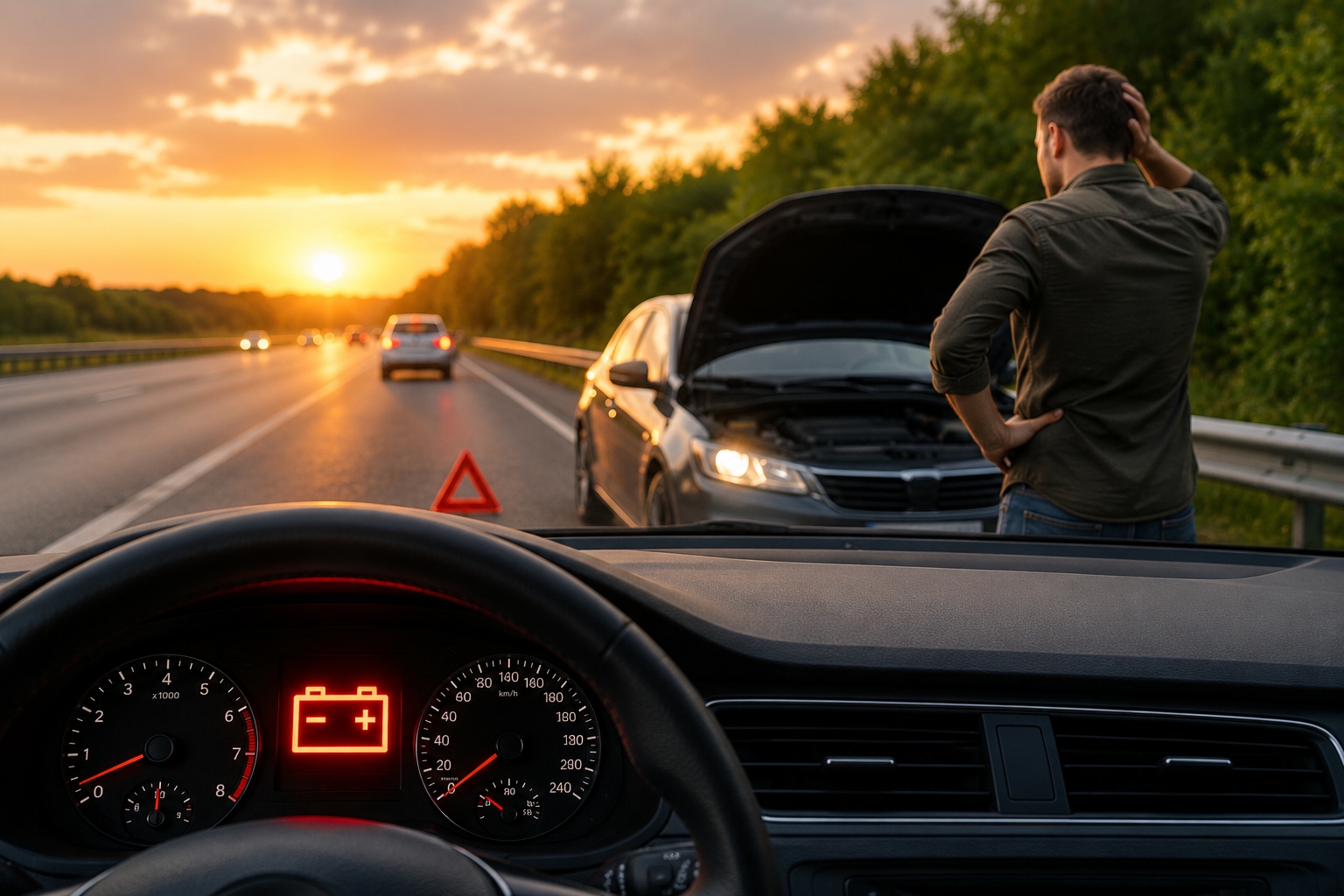
The ABS light came on on the dashboard: can I continue driving?
If ABS light came on, the driver receives a signal that the anti-lock braking system is malfunctioning. This does not mean that all brakes automatically fail, as the normal hydraulic circuit may continue to operate. However, the electronic function that prevents the wheels from locking during sudden deceleration may not be available.
The difference is especially noticeable on slippery roads. A functioning ABS helps maintain control during emergency braking, while a faulty system will not be able to intervene properly.
What does the indicator on the panel mean?
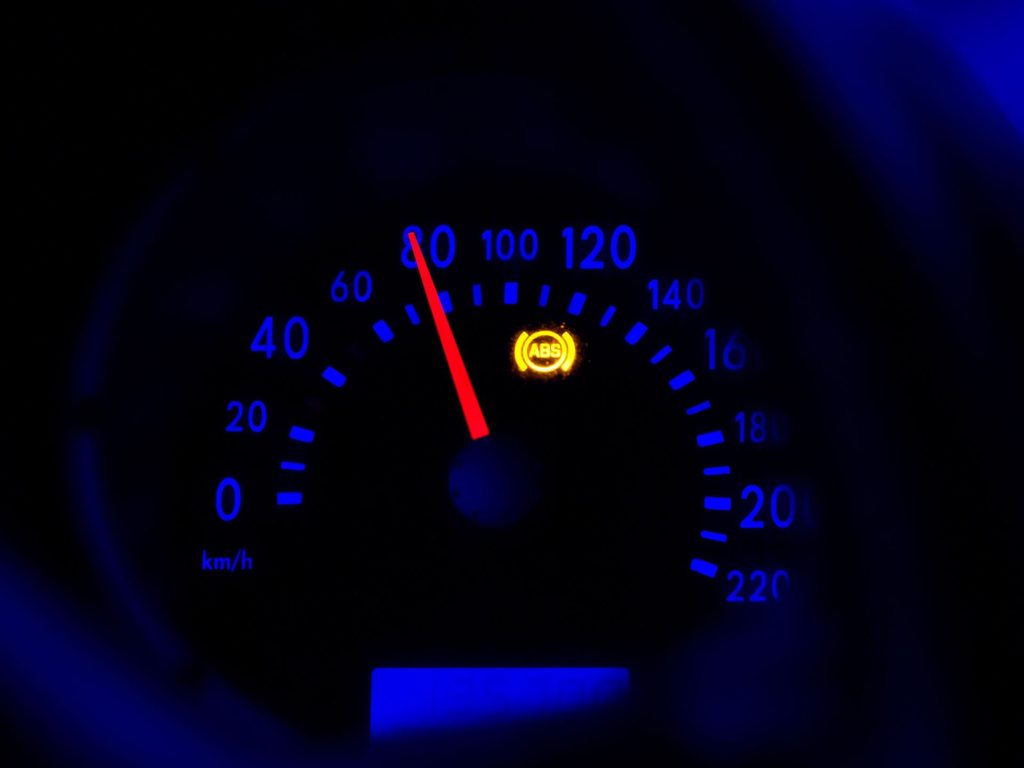
The ABS warning light usually comes on for a few seconds after the engine is started. This is part of a self-test. If it goes out, the system has not detected any deviations. Constant lighting indicates an error.
At the same time ABS error on the panel does not indicate a specific part. The cause may be a sensor, a damaged cable, a malfunction of the electronic module or a problem in the hydraulic part.
That is why it is impossible to determine the extent of the malfunction based on one symbol alone. It is important to consider whether the vehicle’s behavior has changed and what other messages have appeared at the same time.
How is ABS different from conventional brakes?
The main braking system creates pressure in the circuits and slows the car down. The anti-lock braking system works on top of this mechanism: it monitors the speed of the wheels and adjusts the pressure when one of them is close to locking.
If the ABS is disabled due to a fault, the pedal may operate normally and the vehicle will continue to brake. However, if you press it sharply, the wheels may lose rotation, especially on wet or slippery surfaces.
Therefore, the answer to the question Can I drive if the ABS light is on? depends on whether the main braking system is working and whether there are no additional warnings.
Why does an ABS error occur?
The greatest load falls on the elements that transmit information about the rotation of the wheels to the system. Common reasons include:
- faulty or dirty ABS sensor;
- damaged wiring or oxidized connector;
- defect in the gear ring or magnetic element;
- ABS control unit malfunction;
- problems with the hydraulic unit and its valves;
- unstable power supply to electronics.
The wheel speed sensor needs special attention. It is located near the hub, where it is constantly in contact with moisture, dirt and road chemicals. The cable can also be damaged by vibration or mechanical impact.
Sometimes the problem only appears while driving. For example, the contact in the connector is broken when the suspension is loaded, after which the system registers an error. After restarting the engine, the indicator may temporarily disappear, but this does not mean that the malfunction has been eliminated.
When ABS lights up along with ESP or brakes
The situation changes if ABS and ESP light came on simultaneously. The stabilization system uses information from wheel speed sensors, so a malfunction of one of the elements can affect several functions at once.
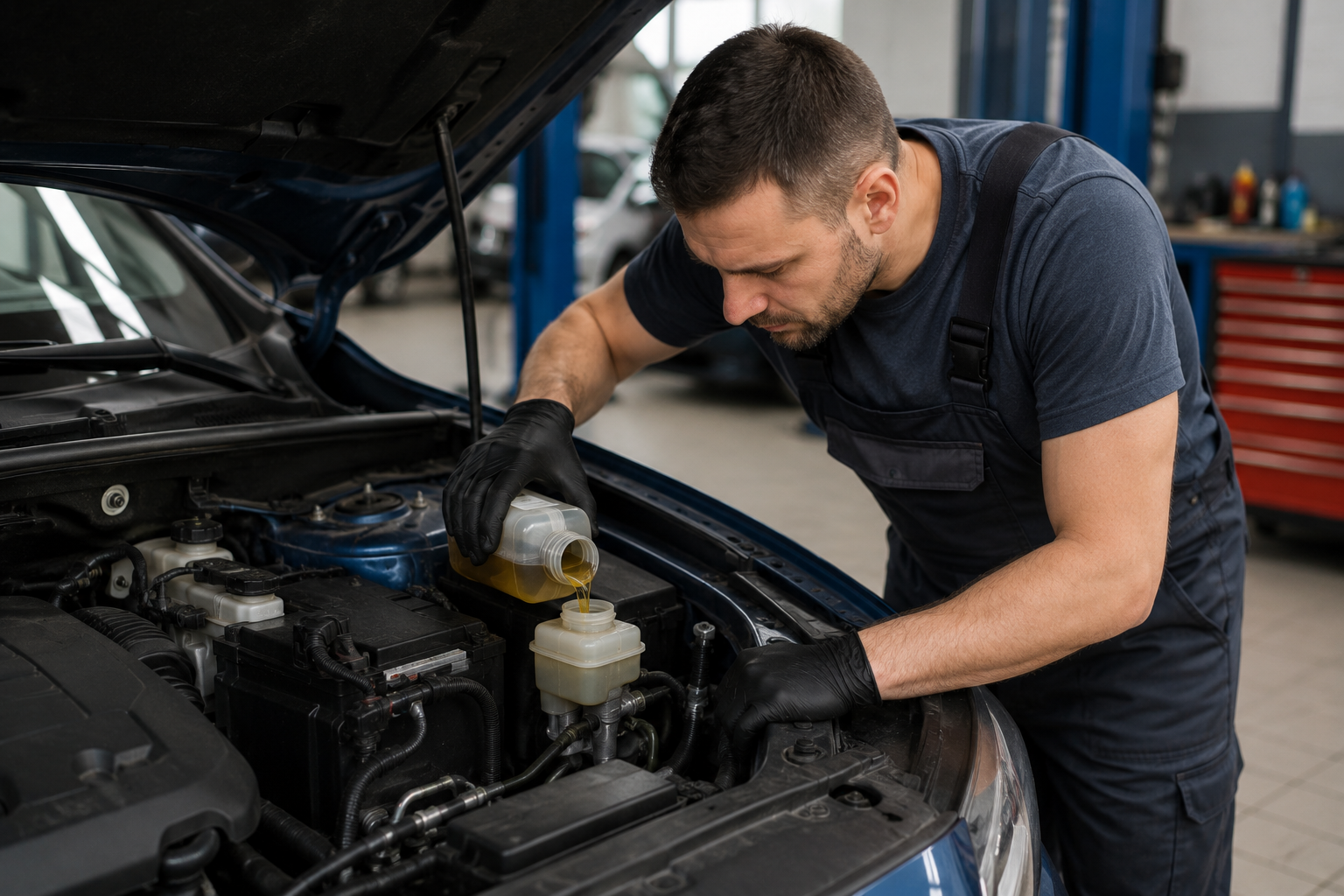
Even more attention is required if the ABS and red brake system indicator light appear at the same time. In this case, you should check the brake fluid level and pedal operation.
Dangerous signs are:
- soft pedal or its failure;
- noticeable decrease in braking efficiency;
- brake fluid leak;
- unusual noise or vibrations during deceleration.
With such symptoms, it is not worth continuing to move at your own pace.
Is it possible to get to the service?
If only the yellow ABS indicator is on, the pedal has normal stiffness, the car brakes without noticeable changes, and there are no other dangerous signals, you can usually safely reach the nearest service center.
On the road, it is better to reduce speed, increase the distance to other cars and avoid sudden braking. Be especially careful on wet, snowy or icy surfaces, as the anti-lock braking system may not work.
If, at the same time as the ABS, you experience problems with the pedal, fluid level, or brake efficiency itself, it is better not to operate the vehicle. In such a situation, a tow truck would be a safer solution.
How to correctly look for the cause
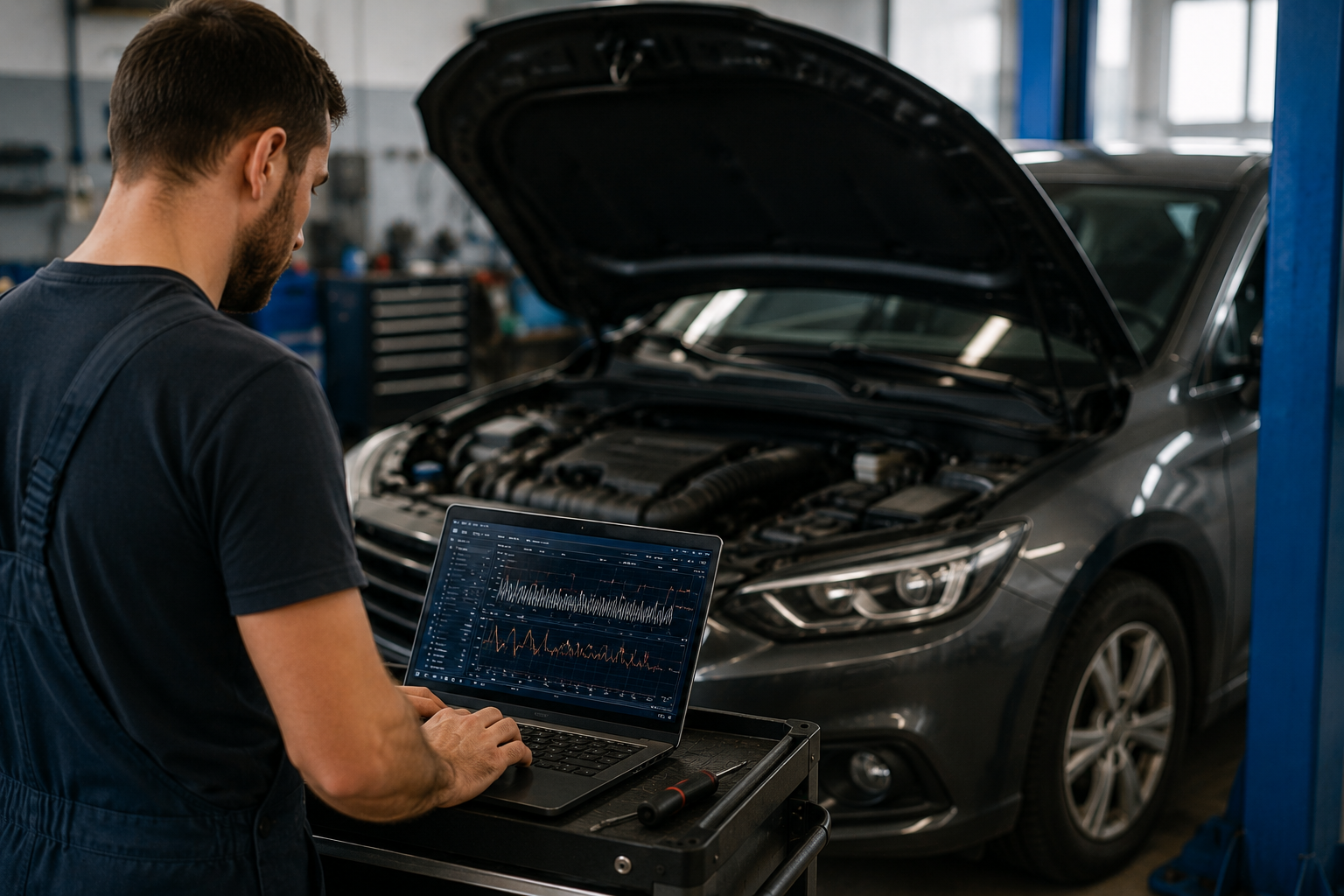
If a question arises,What to do if ABS lights up, you should start with the diagnosis of the control unit. A conventional universal scanner may not be enough: it does not always have access to the ABS module and its current parameters.
A full inspection involves analyzing error codes and wheel speed sensor readings, inspecting the wiring and connectors, and, if necessary, checking the gear ring, control unit, and hydraulic unit.
It is important not to simply erase the recorded error. If the ABS sensor is faulty, the wiring is damaged, or there is a problem with the hydraulics, the message will return after the next trip.
Accurate diagnostics allows you to establish, Why did the ABS light up?, and determine the real scope of the repair. This also determines whether you can continue driving carefully to the service station or whether the car needs to be transported.
Ultimately, ABS system malfunction You shouldn’t judge by just one symbol on the panel. The car’s behavior, brake operation, accompanying indicators, and the results of testing all system components are important.
Top popular news
- There is a smell of gasoline under the hood, but there are no signs of a leak: where to look for the problem
- Volkswagen Golf 7: which engines are considered the most successful in the secondary market
- Why do errors appear after a night frost that disappear after warming up?
- The car stalls when you suddenly release the gas: what happens at this moment
- Audi A6 with 200+ thousand mileage: what expensive malfunctions can be predicted in advance
- Why does my car start to consume more oil even though my driving style hasn’t changed?
- Volkswagen Passat B8 or Skoda Superb: what will the car show after 200 thousand km
- The car loses traction after warming up: why does this happen?

Subscribe to our newsletter!
To stay updated with the latest news

Book a service