Mon - Sat | 09:00 - 19:00


Find

Contact us

Odesa
Hrushevskoho str., 41
 Мережа СТО в місті
Місто
 +38 (096) 299 29 97
Odesa
Hrushevskoho str., 41
 Мережа СТО в місті
Місто
+38 (096) 299 29 97

 Години роботи
 Mon - Sat
09:00 - 19:00
Volkswagen Golf 7: which engines are considered the most successful in the secondary market
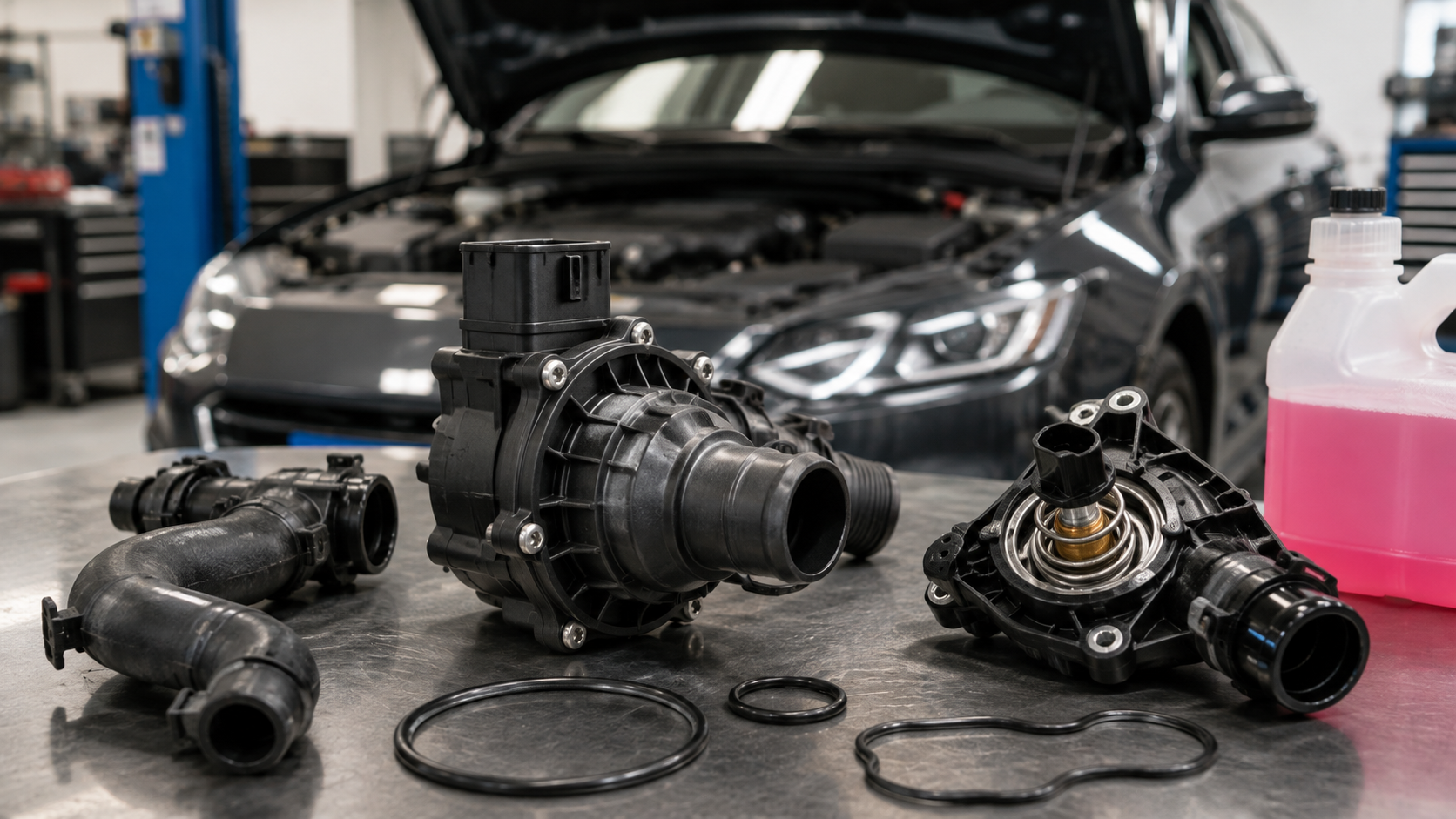
In the secondary market, the Volkswagen Golf 7 can be found with various gasoline and diesel power units. They differ not only in displacement and power. The engine design, injection type, timing drive, turbocharging features and previous operating conditions should be taken into account when assessing the technical condition and maintenance costs.
That is why the concept of “the best Golf 7 engine” does not have a universal answer. One engine may be better suited to daily city trips, another to long country routes. Even a technically successful version may require significant investments if the previous owner neglected maintenance.
What engines are found on the Golf 7?
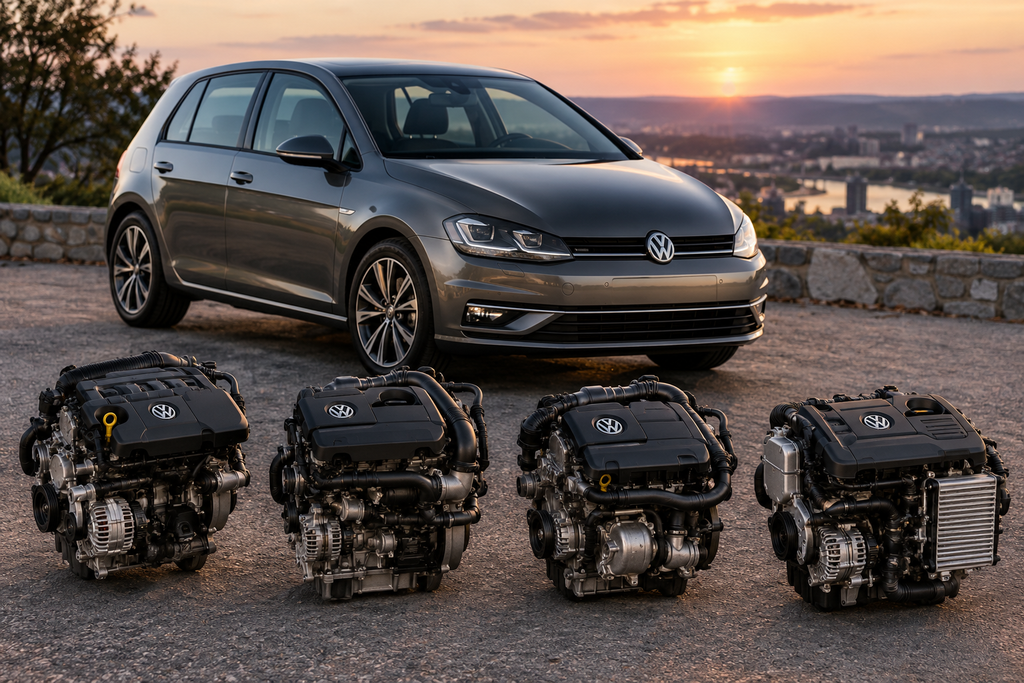
The Golf 7 powertrain line-up includes petrol TSI and diesel TDI engines of various displacements and power outputs. The specific set of engines depends on the year of manufacture, market and equipment, so when choosing, you should focus not only on the model designation.
The same volume also does not guarantee the same design. Injection systems, timing drive, software control, turbine and other components may differ. The condition of the power unit is also affected by its actual mileage.
For a car on the secondary market, it is more important to evaluate the specific modification and its history than simply looking for a specific displacement figure.
Gasoline TSI: what to check before buying
Gasoline TSIs attract with their low fuel consumption and good efficiency in relation to the working volume. The turbine allows you to get enough power without installing a large engine, which is convenient for urban and mixed mode.
At the same time, before buying, you need to check the condition of a specific power unit. Different versions of the Golf 7 used different design solutions, so it is incorrect to transfer typical problems of one engine to the entire line.
When inspecting a gasoline car, you should pay attention to:
- cold start and idling stability;
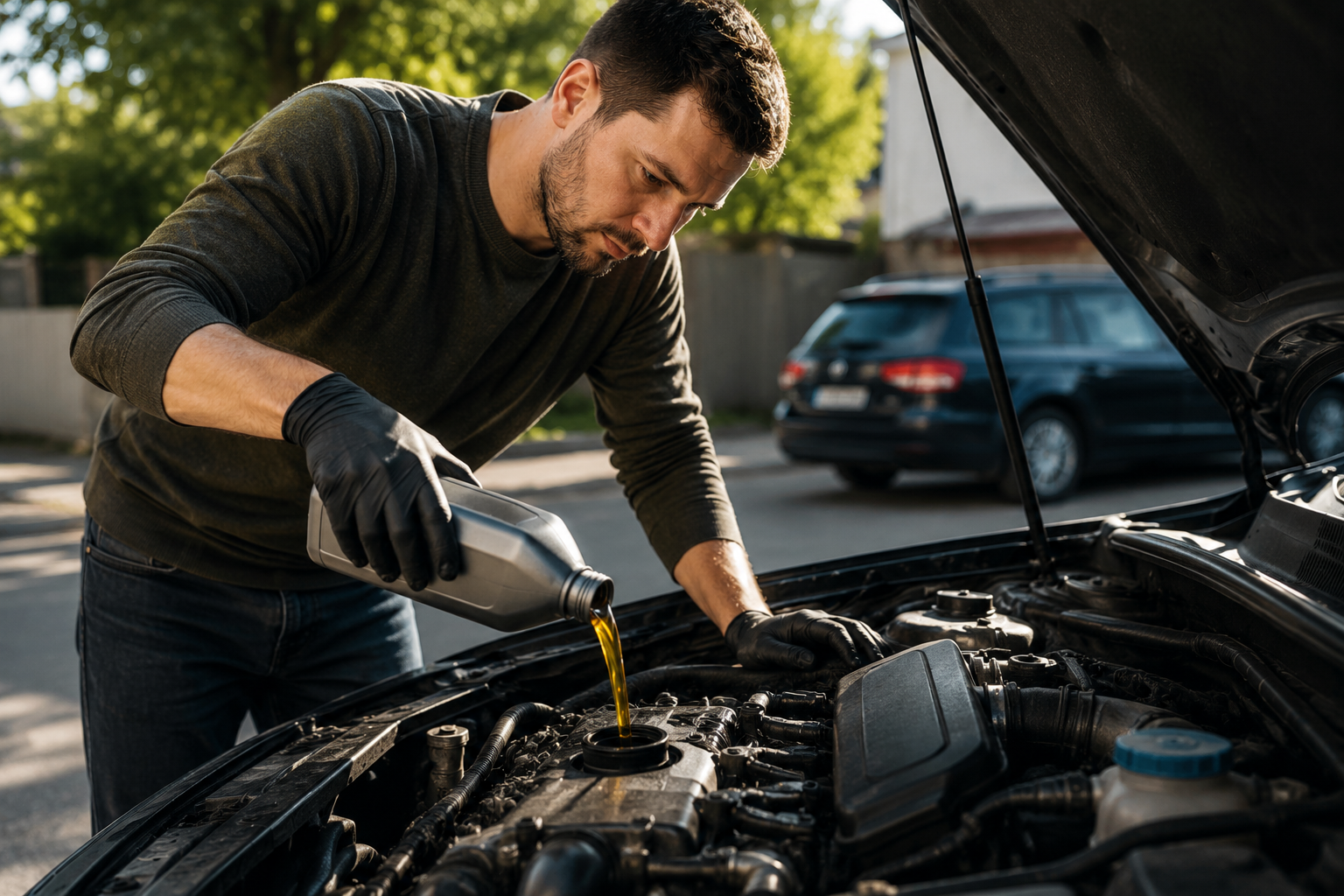
- engine oil consumption and possible traces of leaks;
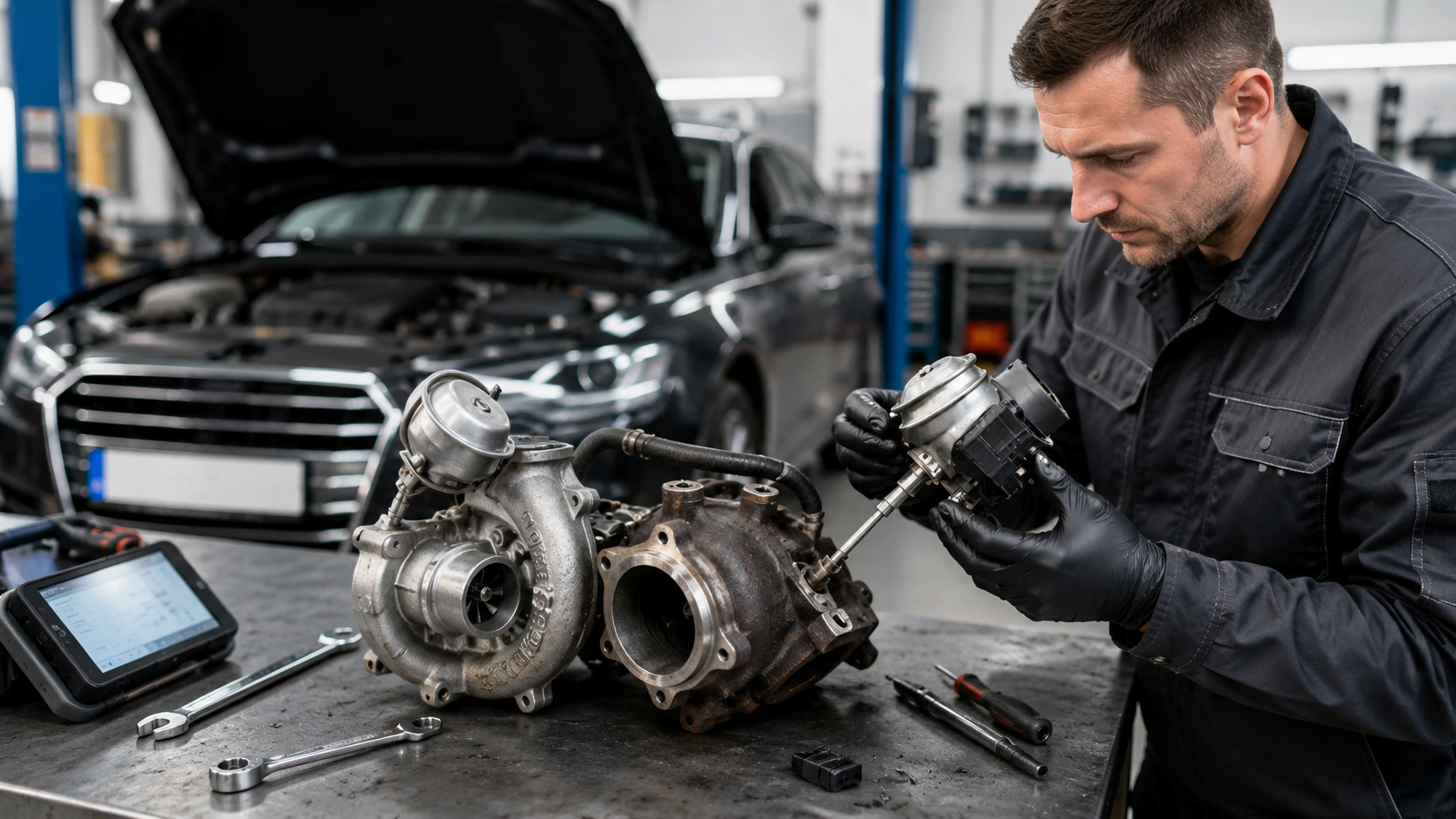
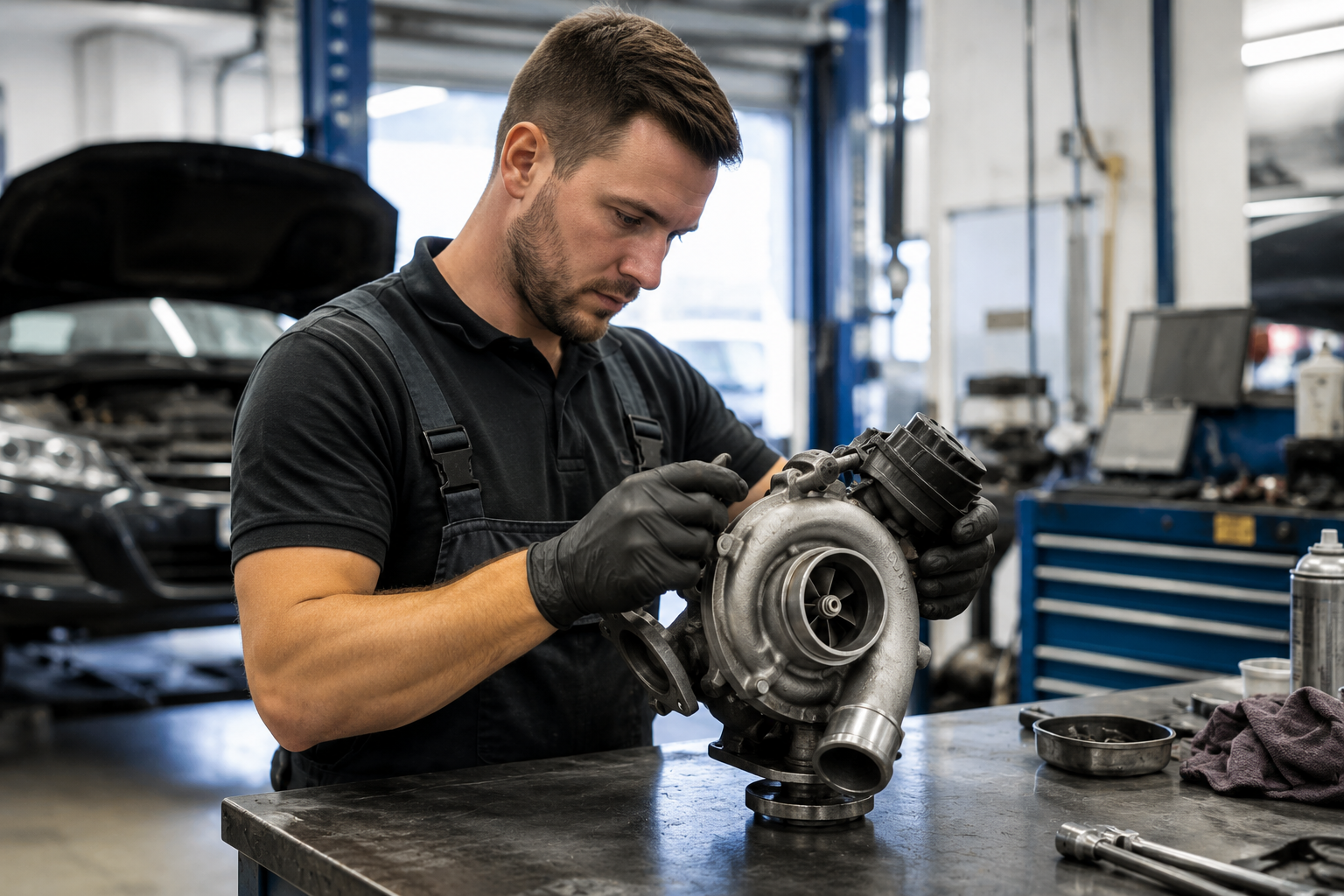
- turbine operation under load;
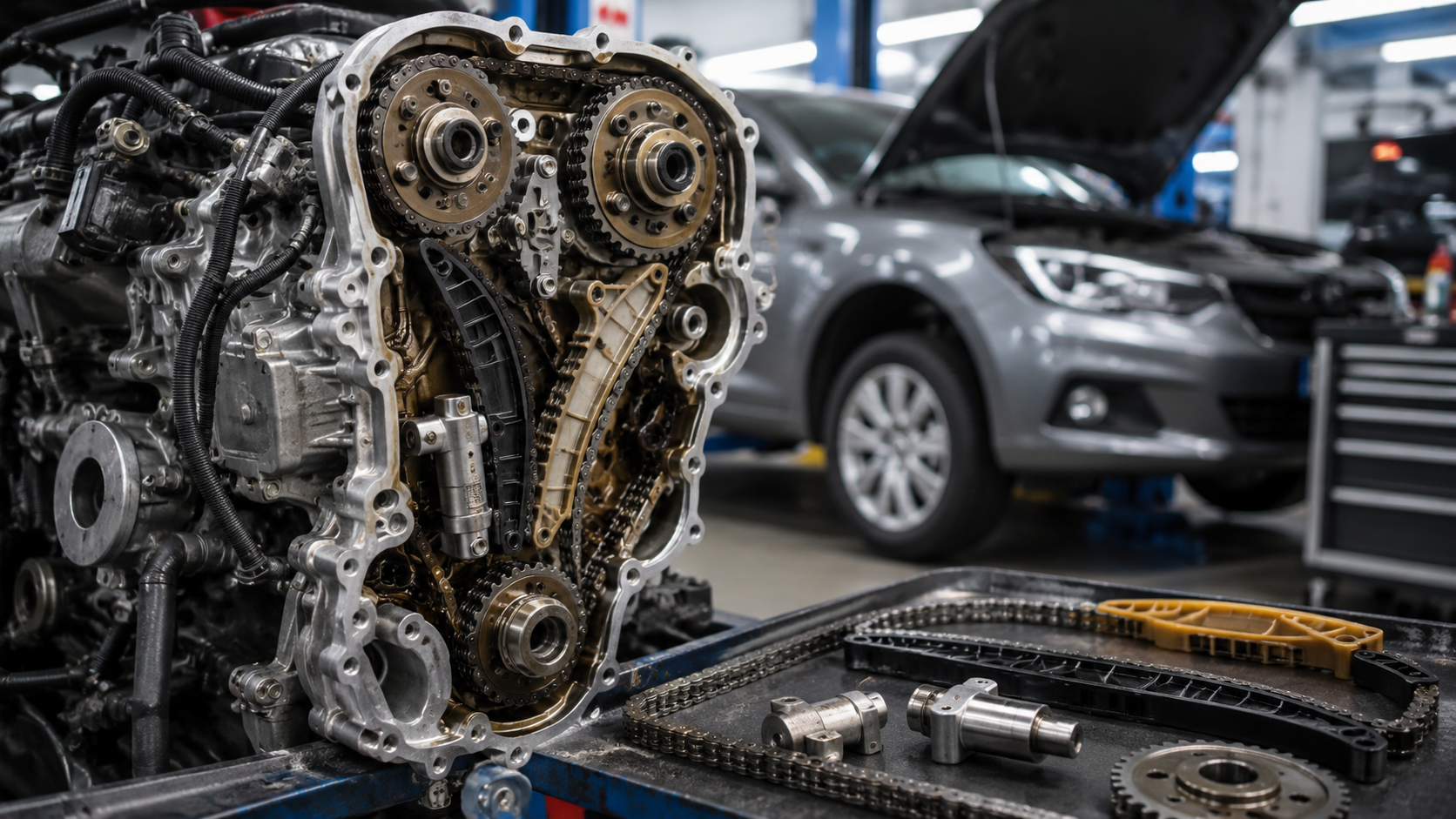
- extraneous sounds in the timing drive area;
- electronic unit errors;
- oil change and maintenance records.
If the seller cannot explain the service history or does not have proof of work performed, even an attractive TSI requires a more cautious evaluation.
Diesel TDI: who are they suitable for?
TDIs are usually considered by drivers who do a lot of highway driving or regularly cover long distances. Diesels can be more economical in this mode, and the high torque is useful for overtaking and driving with a load.
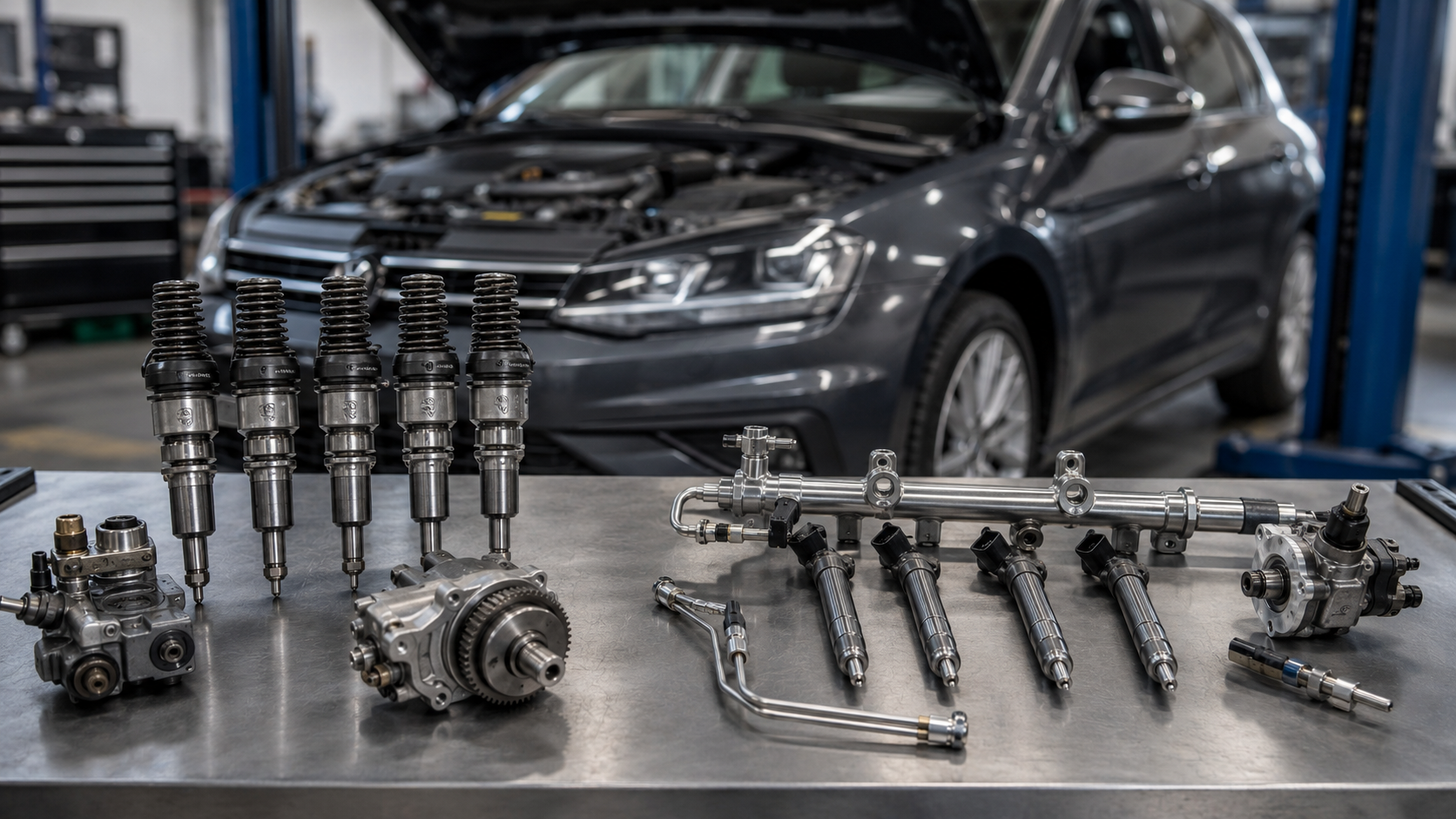
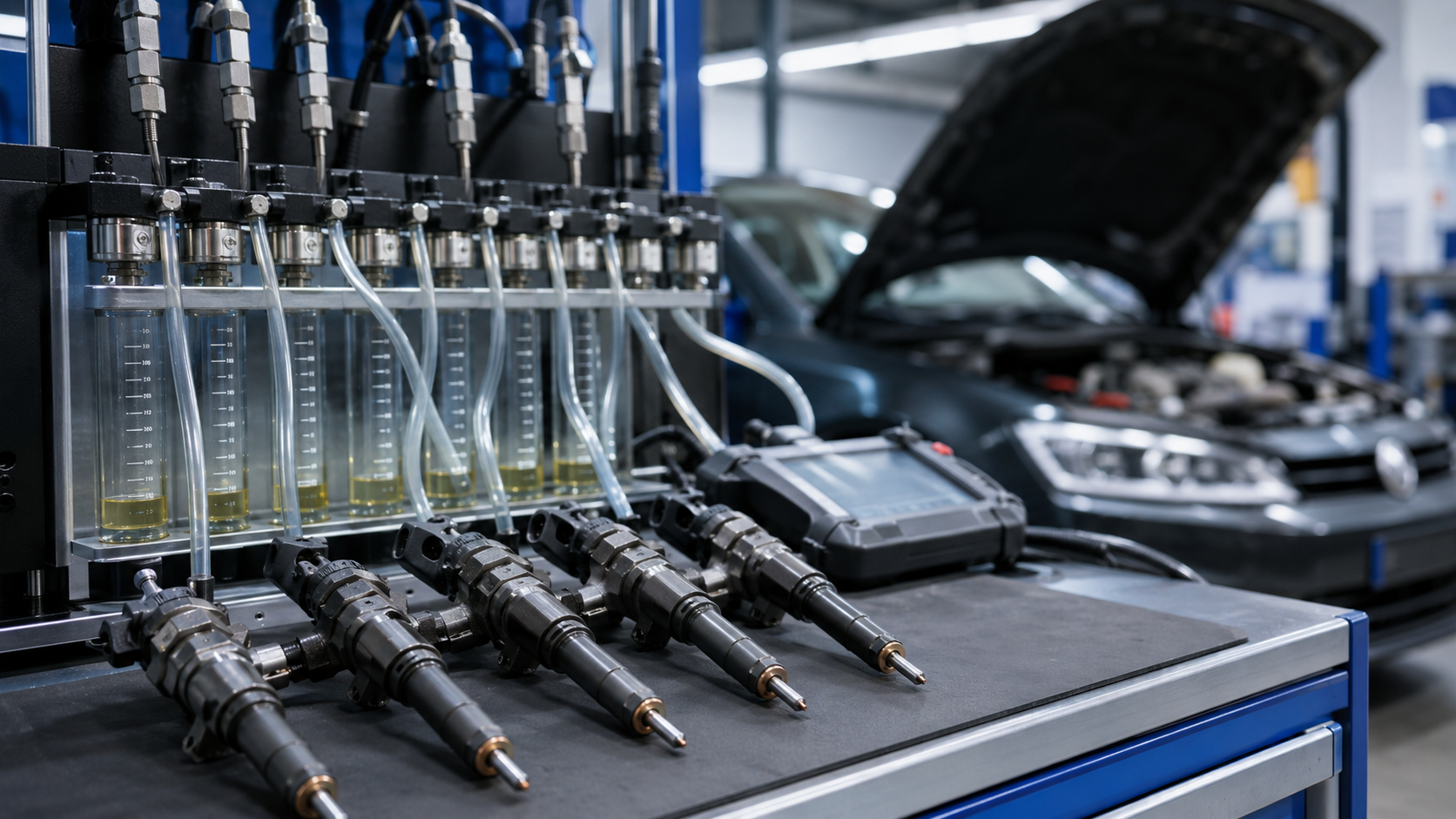
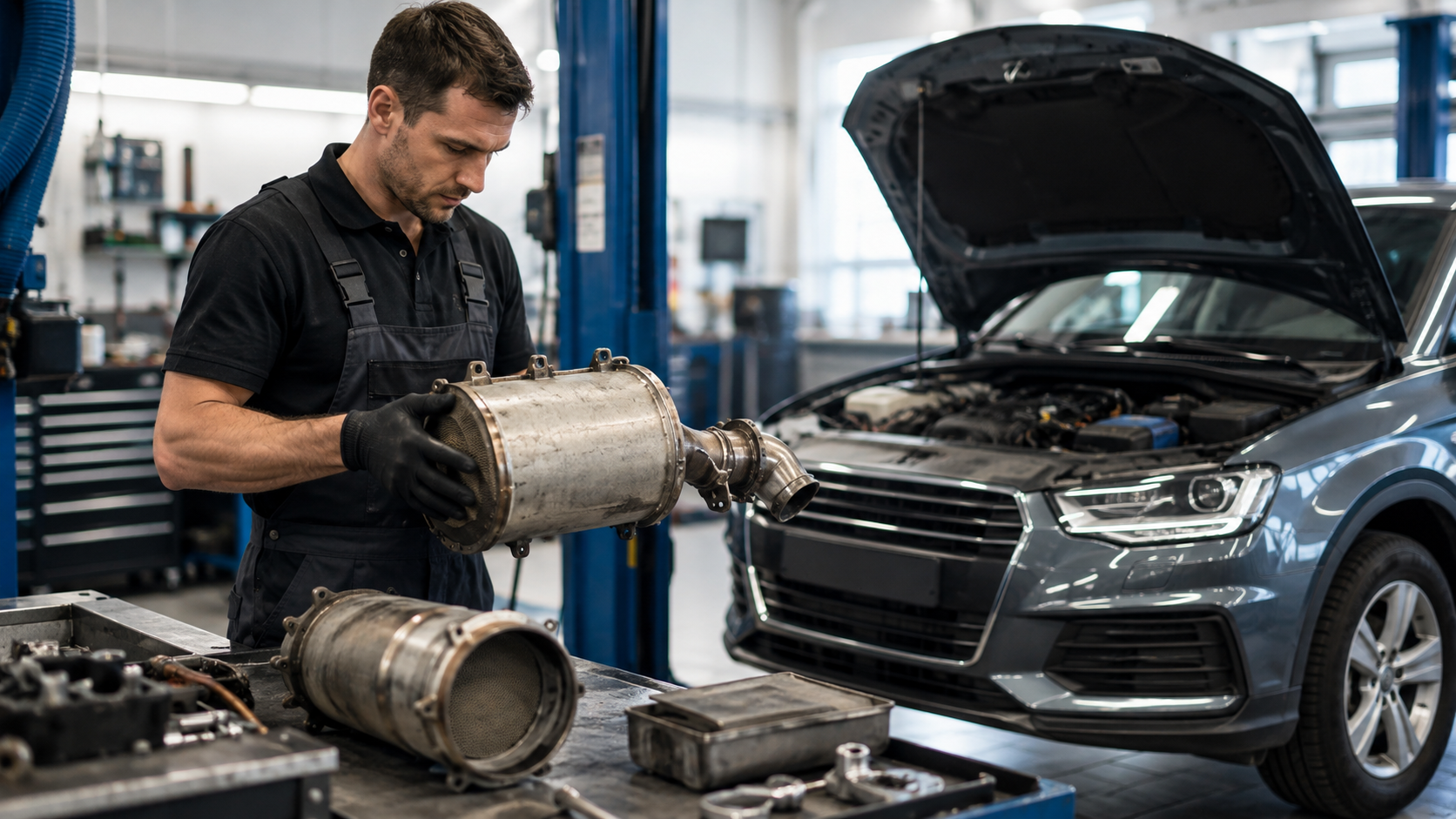
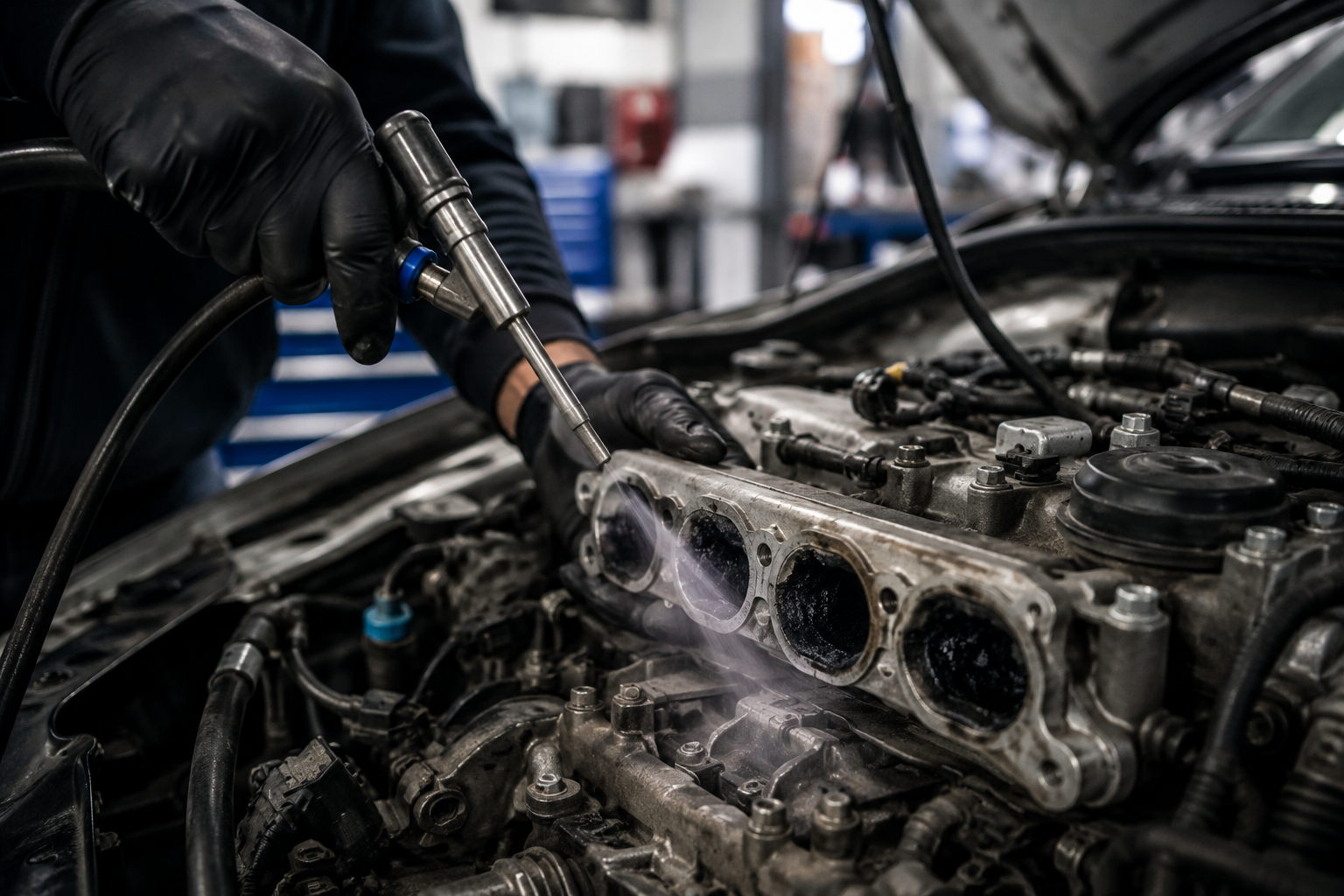
However, for regular short city trips, the diesel version is not always the best option. The particulate filter requires special attention, which requires appropriate regeneration conditions for normal operation. The injectors, turbine and the condition of the systems related to the operation of the diesel engine are also checked.
Before buying a TDI, you should find out:
- what operating mode did the previous owner have;
- whether long trips outside the city were made;
- whether the fuel system has been serviced;
- what is the condition of the particulate filter;
- Are there any errors related to the injection system and supercharging?
That is, the question of “Golf 7 gasoline or diesel” should not be considered separately from the future driving mode.
Box, operation and service history
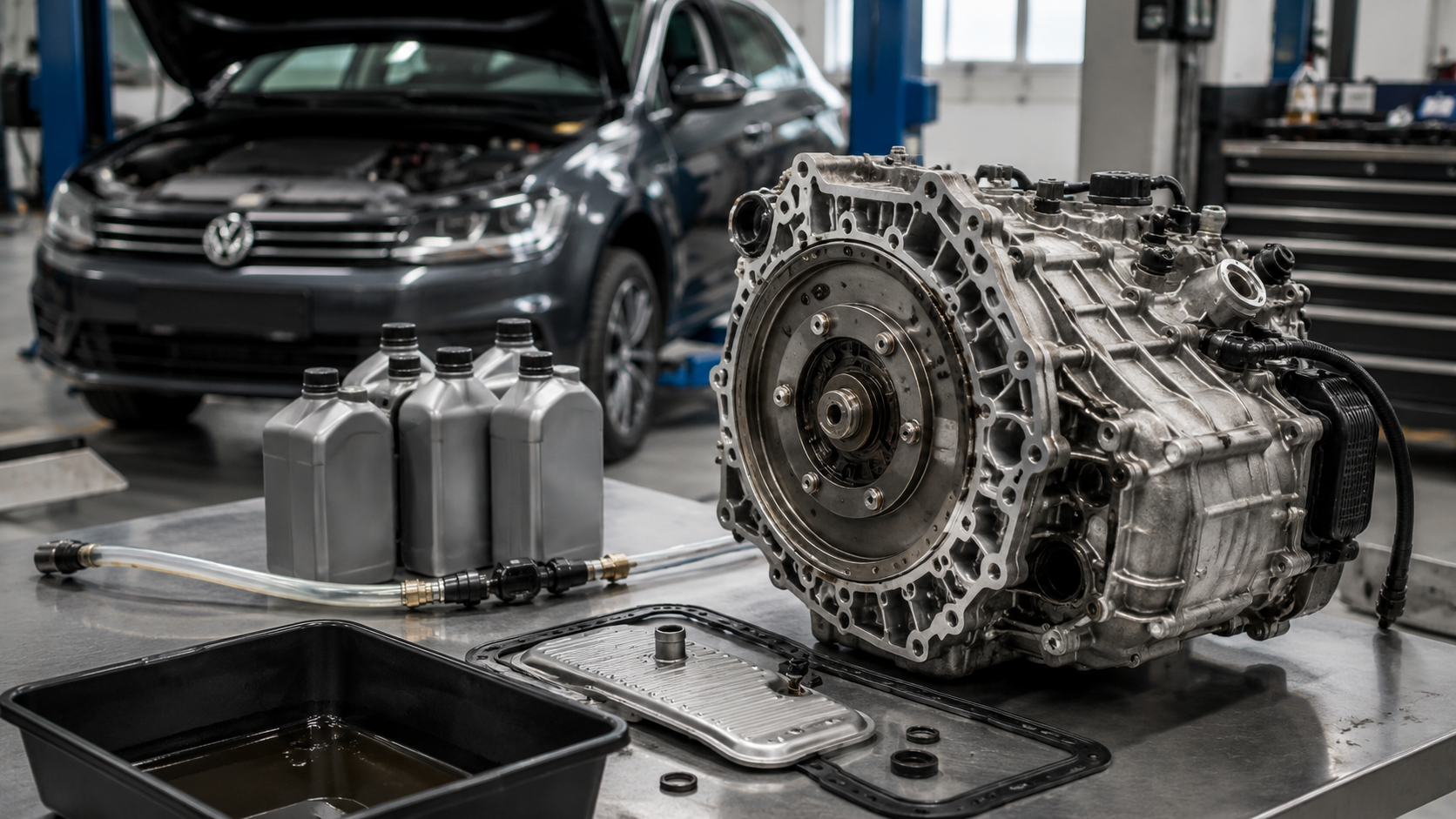
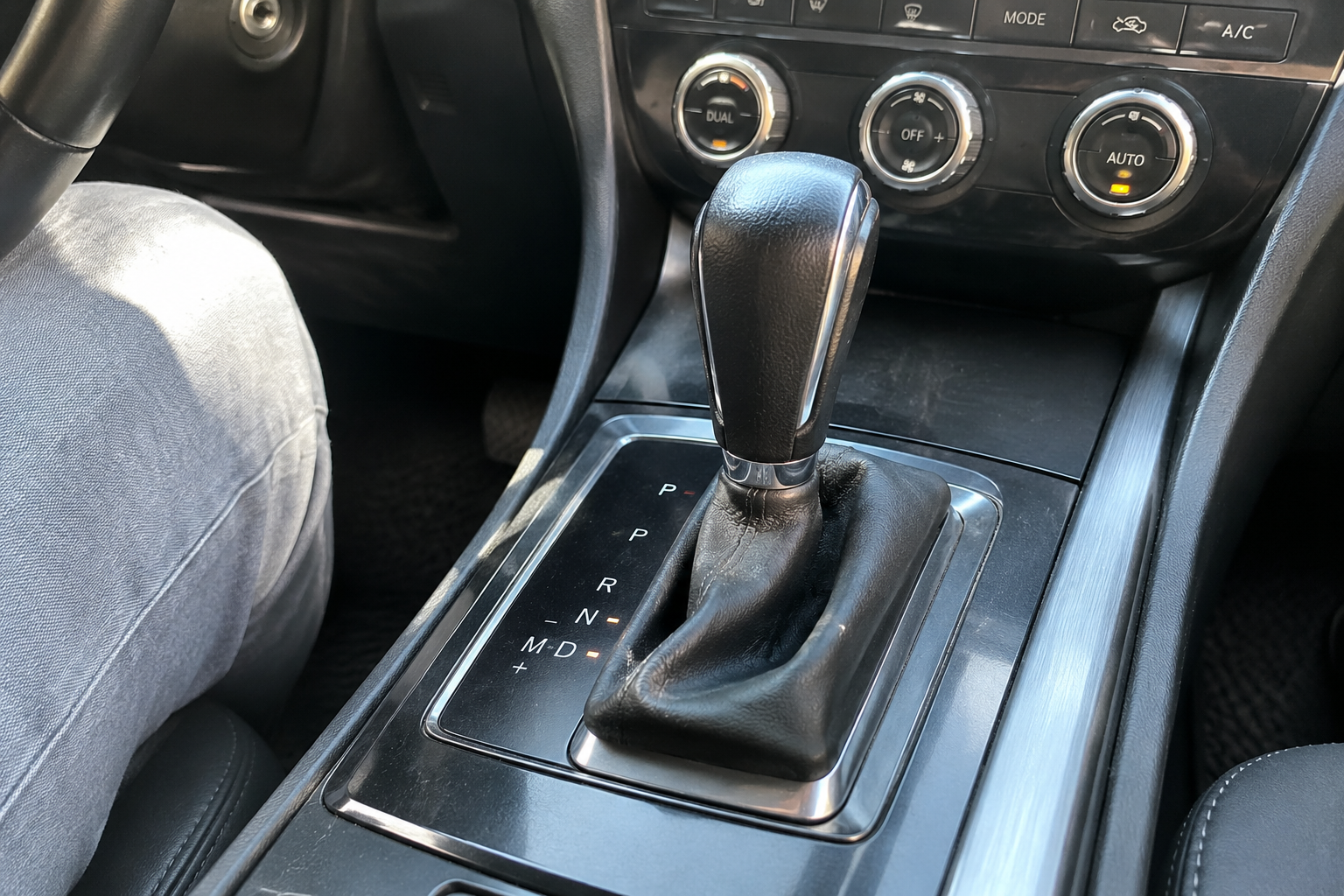
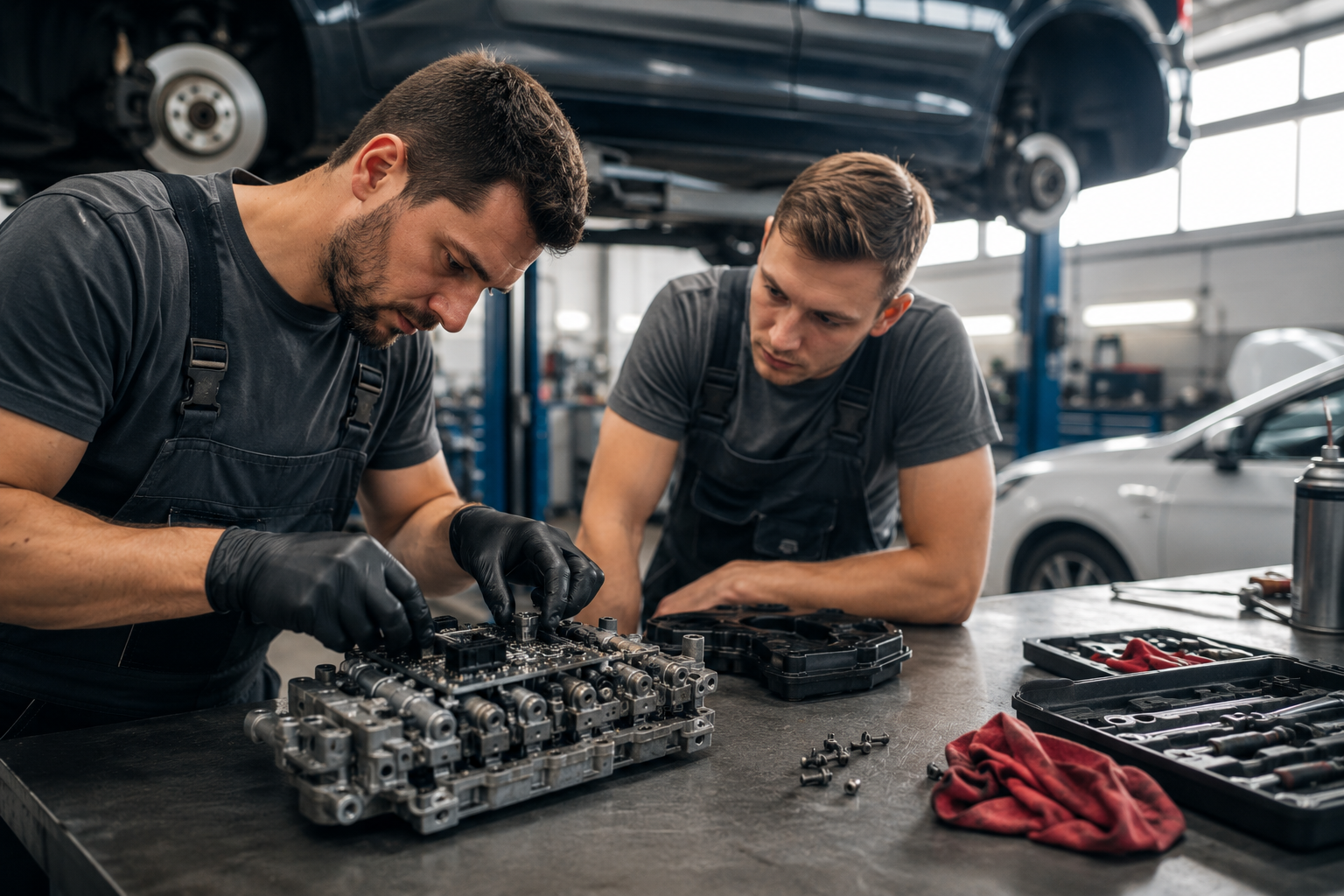
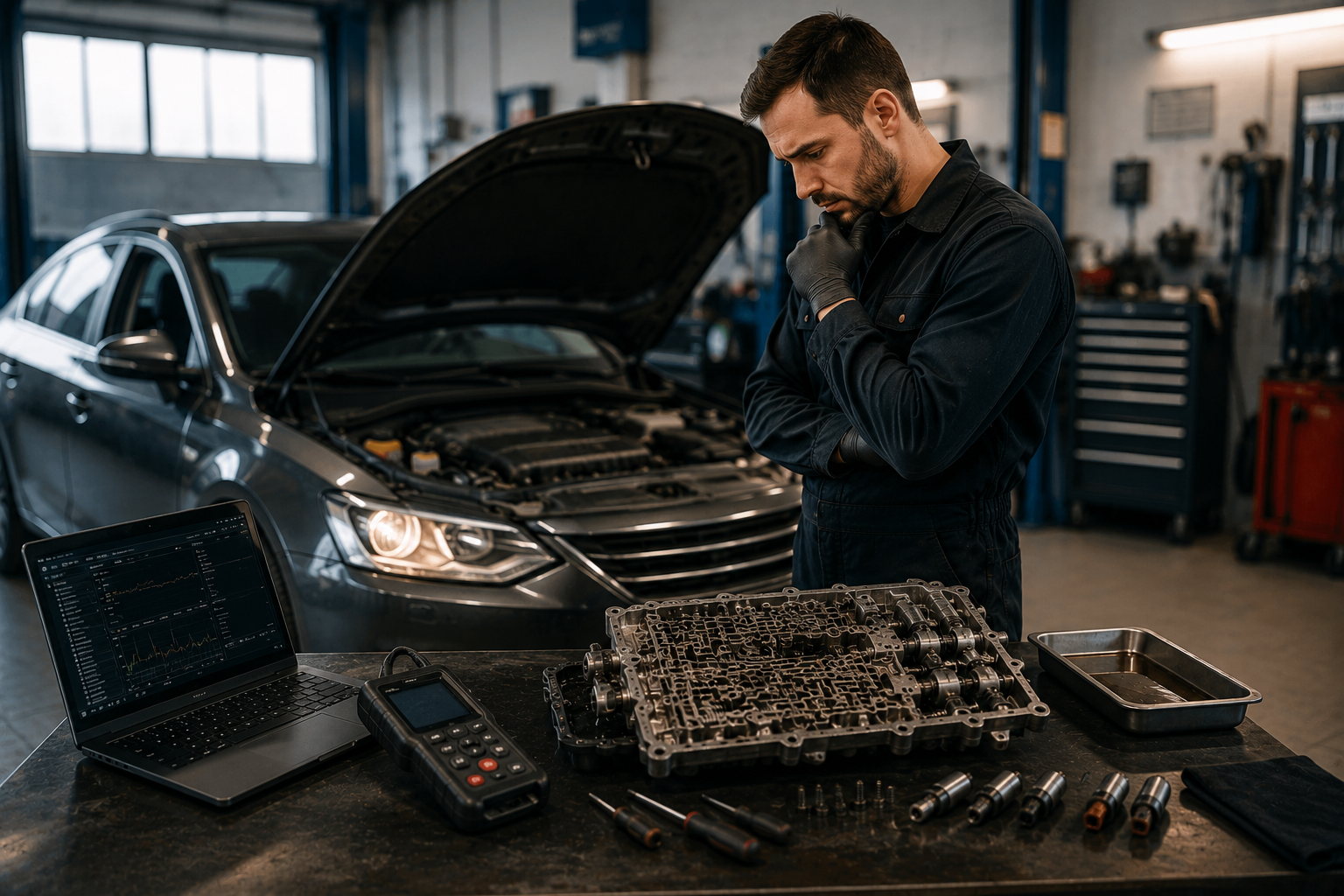
When evaluating the Volkswagen Golf 7, you can’t look at the engine in isolation from the transmission. The cars were available with both manual and DSG versions. Their condition and service history can significantly affect the overall cost after purchase.
Prolonged operation in traffic jams, frequent sharp acceleration, towing, or disregard for regulations create a different load on the power unit and transmission than quiet country trips.
The service history should show not only scheduled oil changes. It is important to understand what work has already been performed, which components have been replaced, and whether their condition corresponds to the declared mileage.
That is why Volkswagen Golf 7 engines on the secondary market should not be compared solely by reputation. A car with a less popular modification, but a transparent history and timely maintenance, may have a more predictable condition than a copy with a supposedly desirable engine and an unknown past.
What to ask the seller before buying
It is important to get as much specific information as possible before inspecting the car. The seller’s answers do not replace diagnostics, but they help you understand what to look for during the inspection.
It is useful to clarify:
- actual mileage and method of confirming it;
- when was the last time the engine oil was changed;
- whether the timing belt was repaired or replaced;
- whether there was work on the turbine, injectors or diesel particulate filter;
- what maintenance did the DSG undergo, if it is installed;
- Are there any invoices, deeds or records from the service?
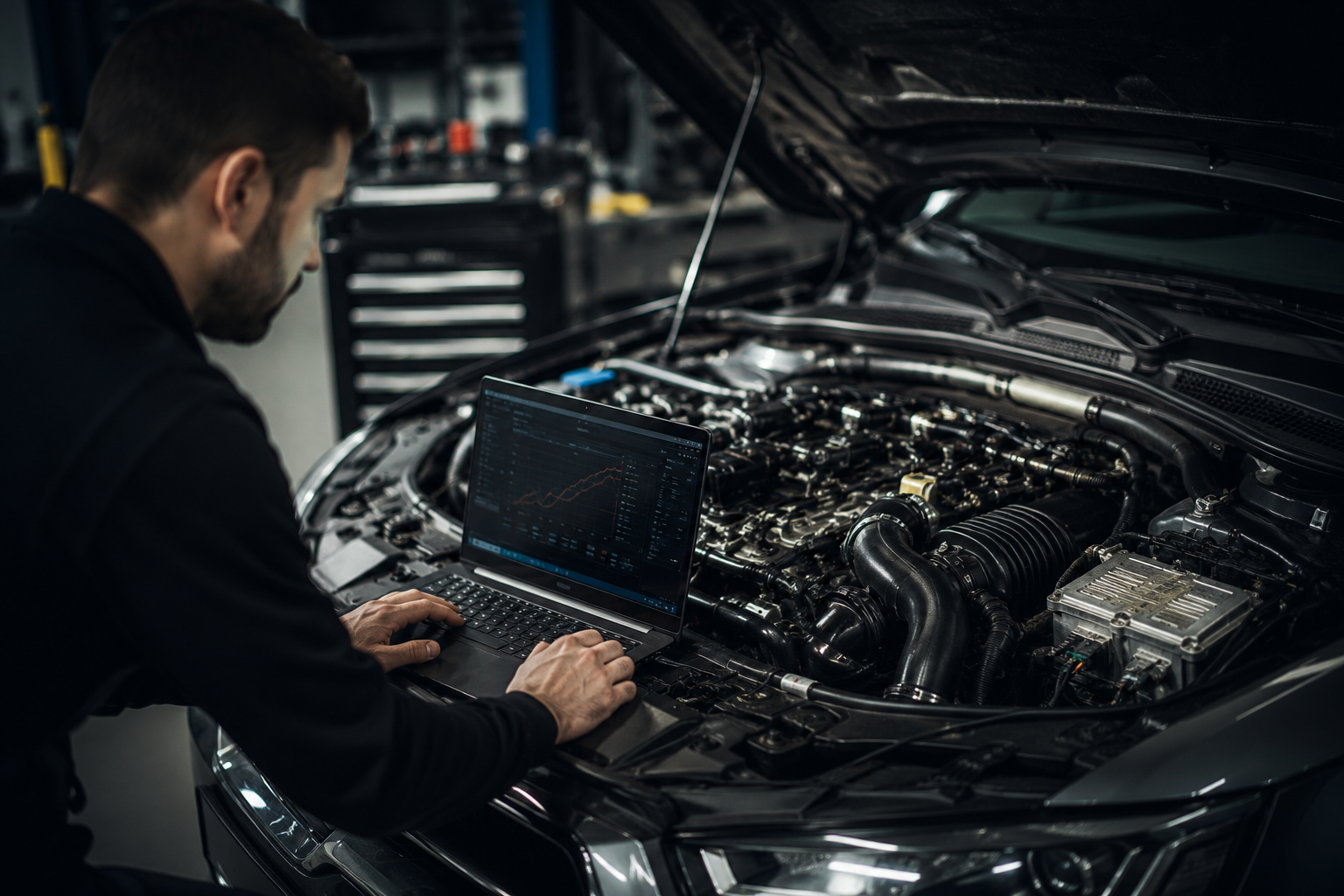
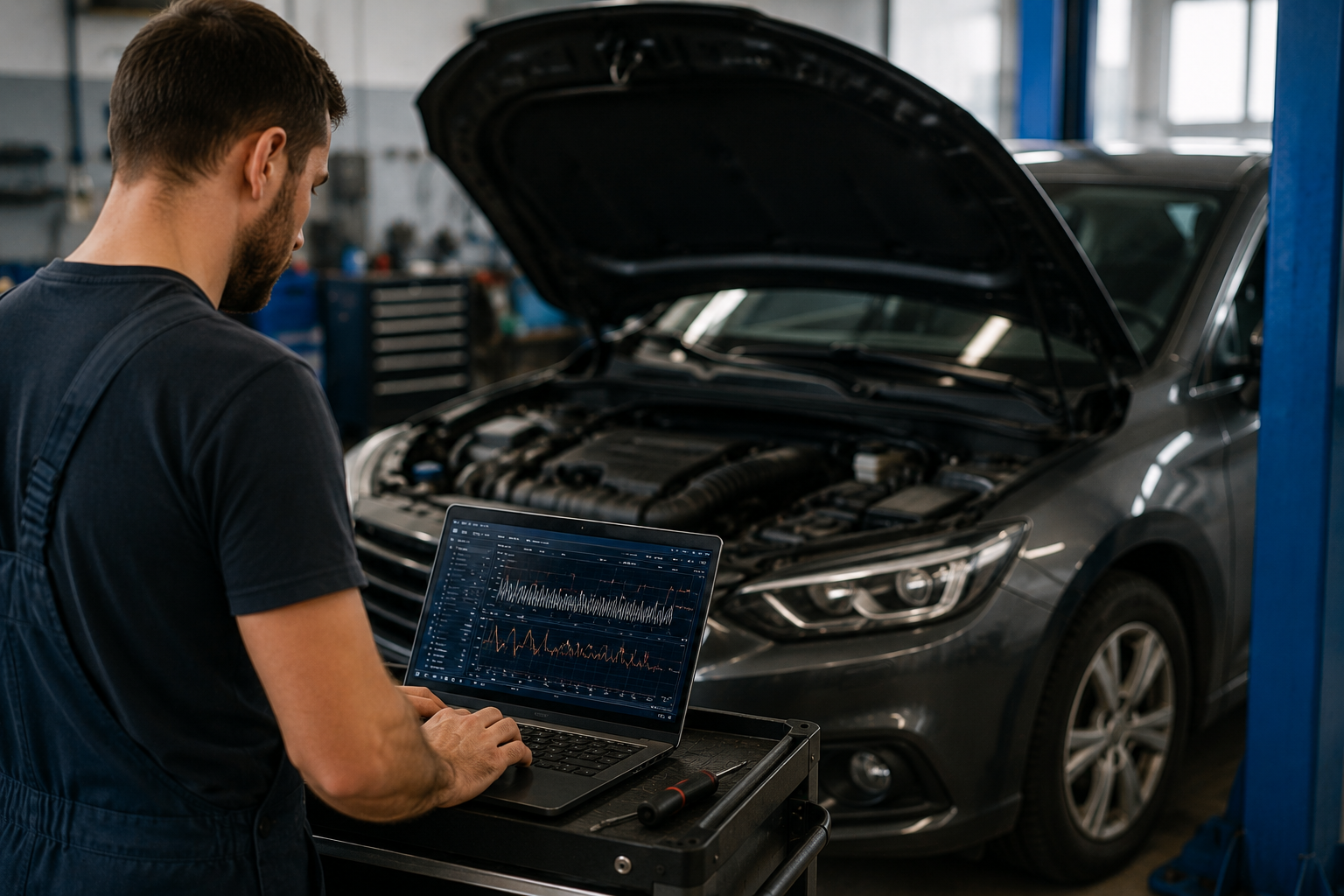
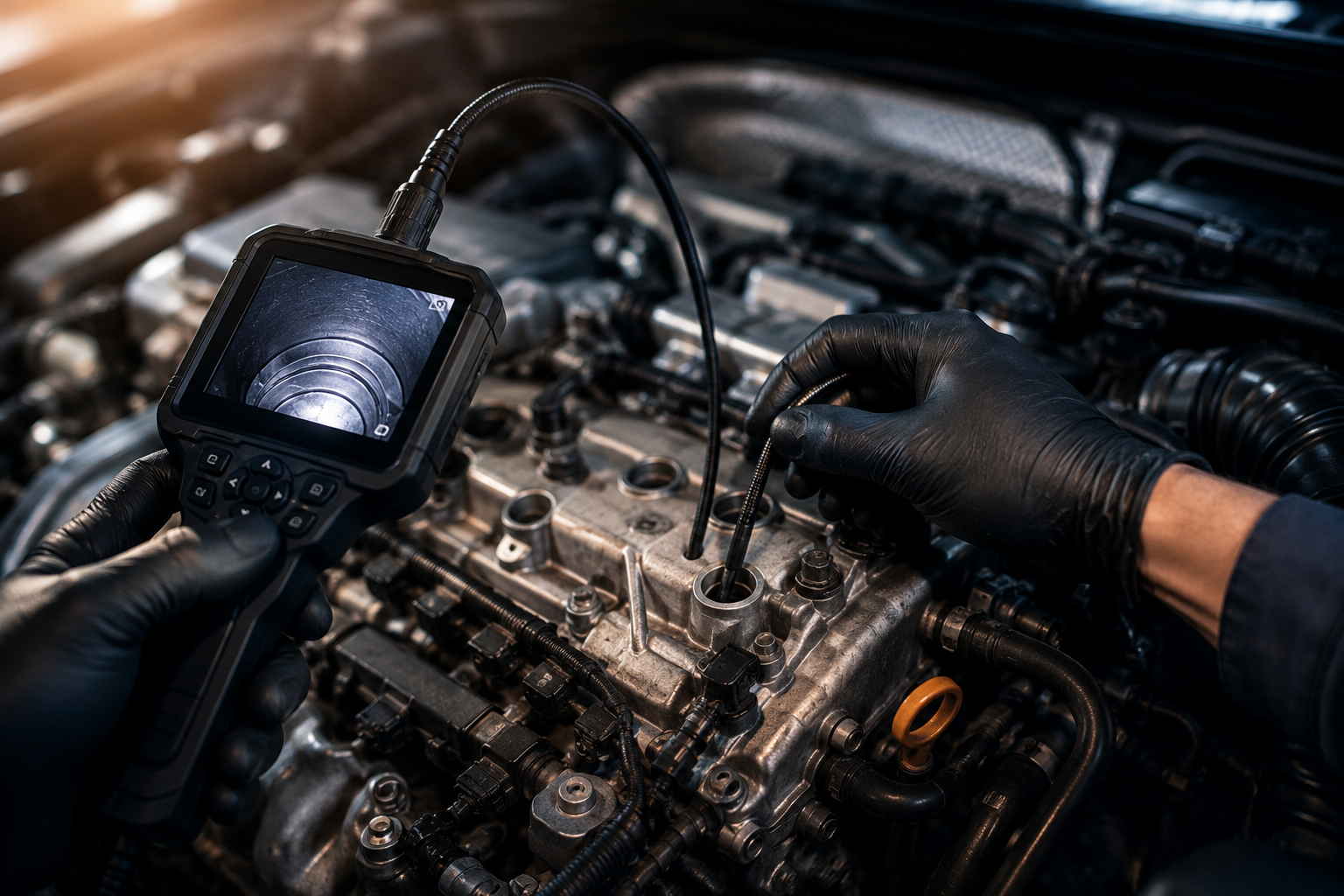
After that, the car should be checked when cold, take a test drive, and run computer diagnostics. The readings of the electronic units should be compared with the behavior of the car and documents.
How to choose a Golf 7 engine
It is better to start the choice of power unit not with the question of which Golf 7 engine is more reliable, but with the future operating mode. For mainly urban use, a gasoline TSI may be more practical, while for high annual mileage and regular highway trips, it is worth considering the TDI, taking into account the condition of its systems.
The gearbox, technical condition, mileage and service history are assessed separately. Fuel consumption is also important, but it must be correlated with the potential maintenance costs of a particular version.
As a result, the most successful for a particular buyer will not be just a certain type of engine, but a car whose power unit corresponds to the future driving mode, has a clear past and a confirmed technical condition. It is a comprehensive assessment that allows you to make a choice of Volkswagen Golf 7 without a simplified division of engines into “good” and “bad”.
Top popular news
- There is a smell of gasoline under the hood, but there are no signs of a leak: where to look for the problem
- Why do errors appear after a night frost that disappear after warming up?
- The car stalls when you suddenly release the gas: what happens at this moment
- Audi A6 with 200+ thousand mileage: what expensive malfunctions can be predicted in advance
- Why does my car start to consume more oil even though my driving style hasn’t changed?
- The ABS light came on on the dashboard: can I continue driving?
- Volkswagen Passat B8 or Skoda Superb: what will the car show after 200 thousand km
- The car loses traction after warming up: why does this happen?

Subscribe to our newsletter!
To stay updated with the latest news

Book a service