Mon - Sat | 09:00 - 19:00


Find

Contact us

Odesa
Hrushevskoho str., 41
 Мережа СТО в місті
Місто
 +38 (096) 299 29 97
Odesa
Hrushevskoho str., 41
 Мережа СТО в місті
Місто
+38 (096) 299 29 97

 Години роботи
 Mon - Sat
09:00 - 19:00
Engine oil: quality and properties

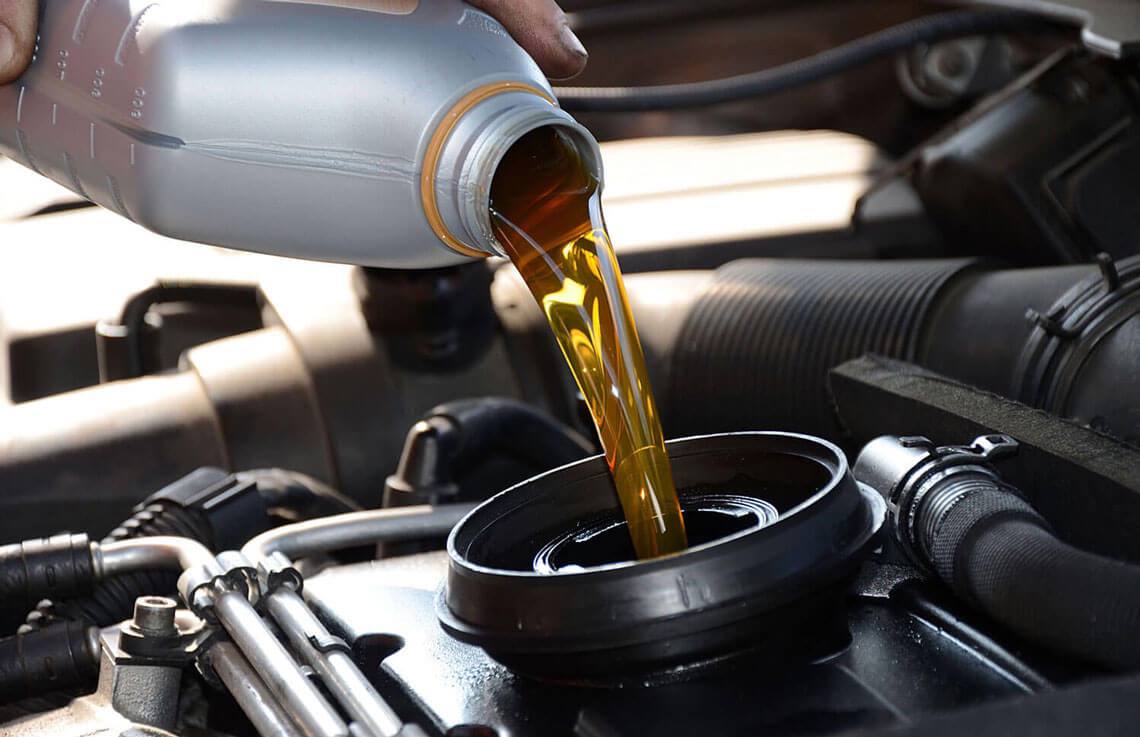
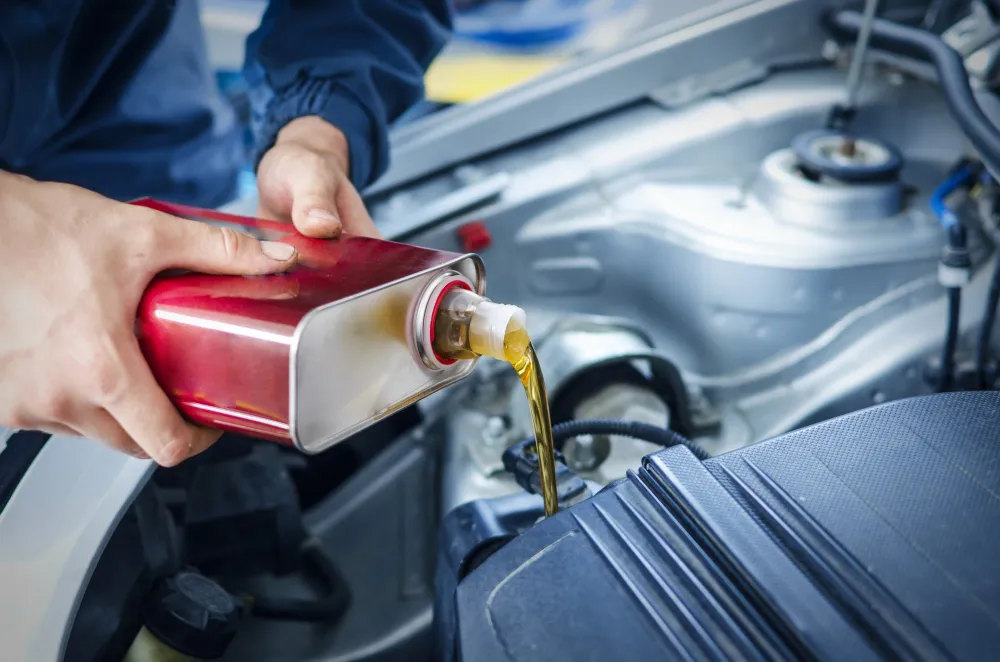
Engine oil is one of the most important elements in caring for the health of your vehicle. Selecting a quality engine oil and changing it periodically are essential to maintaining engine performance and extending engine life.
Oil change interval
To ensure proper operation of the engine and extend its life, it is necessary to follow the recommendations for the frequency of changing engine oil. As a rule, car manufacturers recommend changing the oil at certain intervals, which are indicated in the owner’s manual. However, these intervals may differ depending on the operating conditions of the vehicle, such as routes, frequency of use, road conditions, etc.
The frequency of changing engine oil depends on many factors such as engine type, oil type, vehicle operating conditions, etc. It is usually recommended to change the engine oil every 5-10 thousand kilometers, but for more accurate information, you should refer to your car’s owner’s manual.
Engine oil selection
There are several key factors to consider when choosing engine oil. One of the most important is the type of engine oil. There are two main types of motor oils: synthetic and natural. Synthetic oils have better performance and are resistant to high temperatures, while natural oils are more environmentally friendly and cheaper. It is also necessary to take into account the operating temperature of your car and choose an engine oil that meets this regime according to SAE.
The choice of engine oil is also of great importance for the operation of the engine. It must comply with the type and temperature of operation, ACEA and API classifications, and vehicle manufacturer approvals.
Engine oil quality
Engine oil quality can be determined by its ACEA and API classification. The ACEA classification refers to the quality of the oil and its ability to meet certain standards, while the API classification refers to the performance of the oil and its ability to protect the engine from wear. The higher the classification, the higher the quality of the oil.

Automotive Manufacturers Approvals
Automaker approval is another important factor when choosing an engine oil. A manufacturer-approved engine oil ensures that it meets the requirements of a specific vehicle model and has the necessary characteristics for efficient engine operation.
A Little About Energy Saving Oils
Energy-saving engine oils are the latest development in oil technology. They are designed to reduce fuel consumption and reduce emissions of harmful substances. These oils usually have a lower viscosity, which allows them to flow better through the engine and reduces drag, which in turn saves fuel.
Where is the best place to do an oil change?
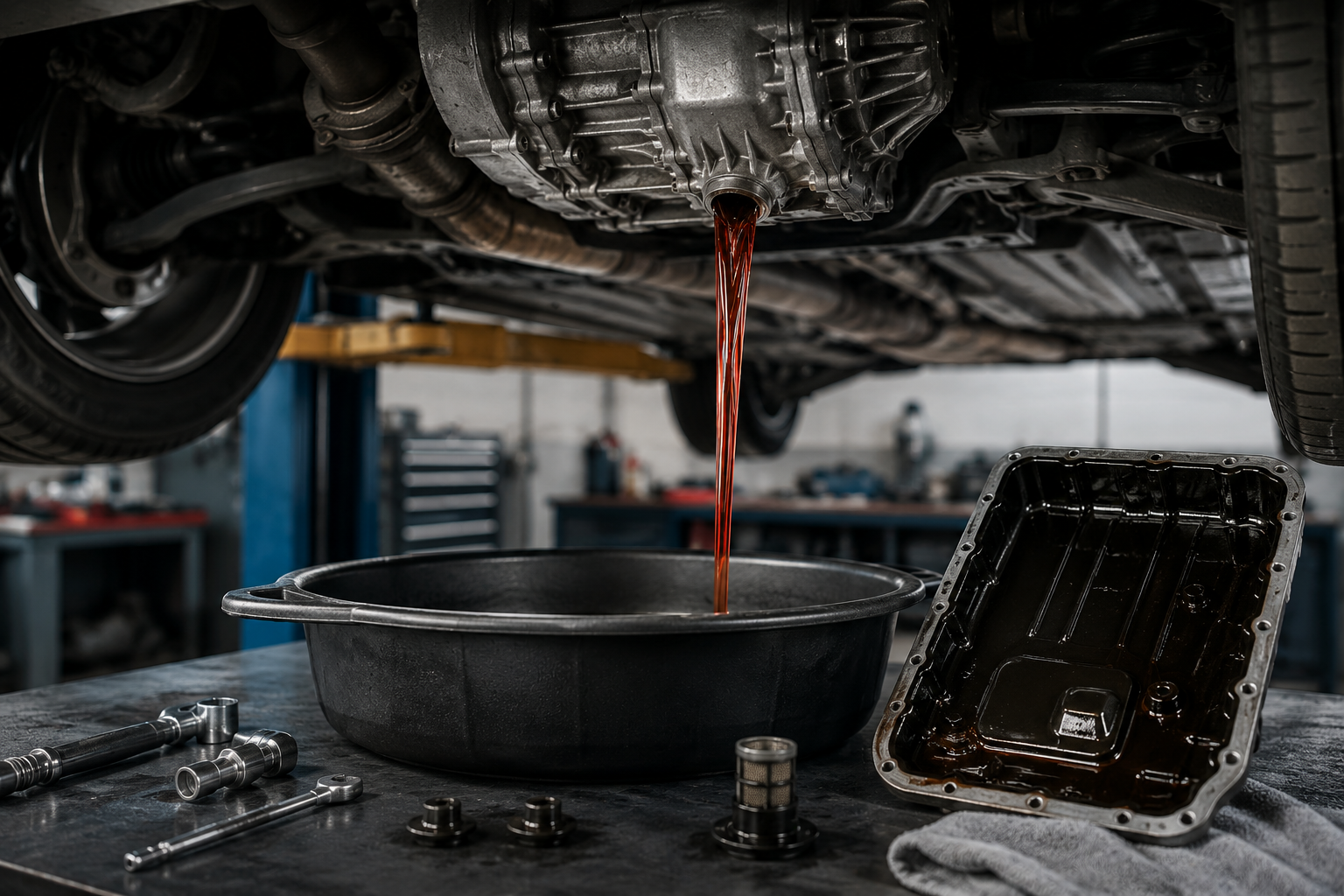
When changing engine oil, it is necessary to contact professionals, as improper replacement can lead to serious problems with the engine. It is usually best to change the oil in a service center where experienced specialists work and high-quality oil is used.
In conclusion, changing your engine oil periodically and choosing a quality oil is an essential part of caring for your vehicle. When choosing an oil, it is necessary to take into account the type of engine oil, operating temperature, its classification according to ACEA and API, as well as approvals from car manufacturers. When changing the oil, it is better to contact professionals in service centers to ensure the correct replacement and extend the life of the engine.
Top popular news
- There is a smell of gasoline under the hood, but there are no signs of a leak: where to look for the problem
- Volkswagen Golf 7: which engines are considered the most successful in the secondary market
- Why do errors appear after a night frost that disappear after warming up?
- The car stalls when you suddenly release the gas: what happens at this moment
- Audi A6 with 200+ thousand mileage: what expensive malfunctions can be predicted in advance
- Why does my car start to consume more oil even though my driving style hasn’t changed?
- The ABS light came on on the dashboard: can I continue driving?
- Volkswagen Passat B8 or Skoda Superb: what will the car show after 200 thousand km

Subscribe to our newsletter!
To stay updated with the latest news

Book a service