Mon - Sat | 09:00 - 19:00


Find

Contact us

Odesa
Hrushevskoho str., 41
 Мережа СТО в місті
Місто
 +38 (096) 299 29 97
Odesa
Hrushevskoho str., 41
 Мережа СТО в місті
Місто
+38 (096) 299 29 97

 Години роботи
 Mon - Sat
09:00 - 19:00
Turbo actuator repair: a diagnostic mistake can be very expensive
The car gains speed more slowly, there is hesitation during overtaking, and diagnostics show insufficient boost pressure. In situations like this, many owners immediately prepare for an expensive turbocharger replacement. In reality, the source of the fault is often elsewhere. On diesel engines with variable turbine geometry (VNT/VTG), these symptoms are frequently related not to a worn cartridge, but to the mechanism that controls vane position.
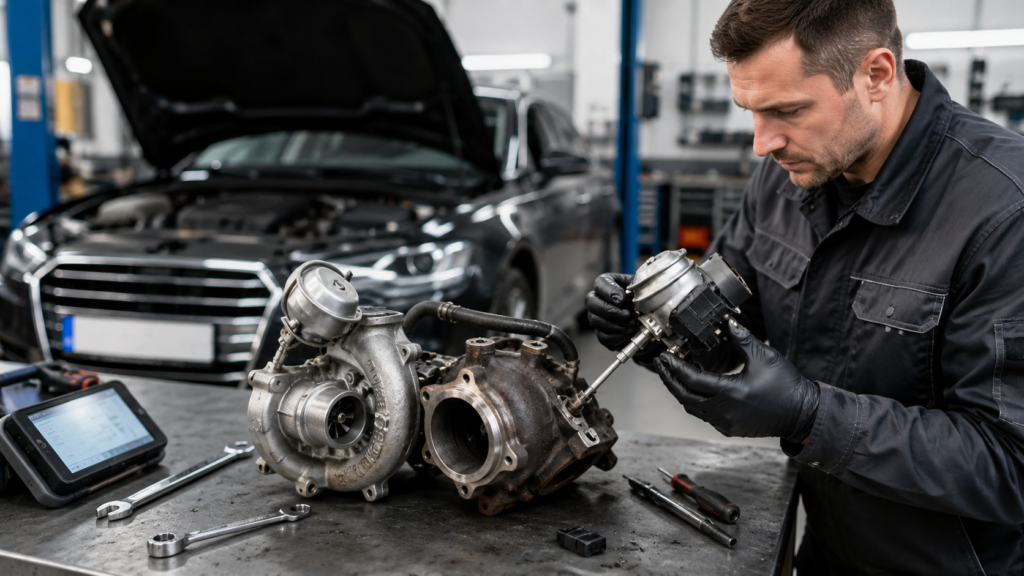
After diagnostics, owners most often want to know the cost of turbo actuator repair and what determines it. Accurate diagnosis helps avoid unnecessary expense and preserve a serviceable turbocharger.
How the variable-geometry system works
In a variable-geometry turbocharger, exhaust-gas flow is not fixed. Its direction is controlled by movable vanes that open or close depending on engine load. At low engine speed, they narrow the passage, accelerating the gas flow and helping boost pressure build more quickly. As engine speed rises, vane position changes to prevent excessive boost.
The mechanism does not move on its own. It is operated by an actuator, which can be one of two types:
- a vacuum actuator that uses negative pressure;
- an electronic actuator (N75/N239) controlled by the engine control unit.
Both systems perform the same task but differ in design and control method.
When the fault is not actually inside the turbocharger
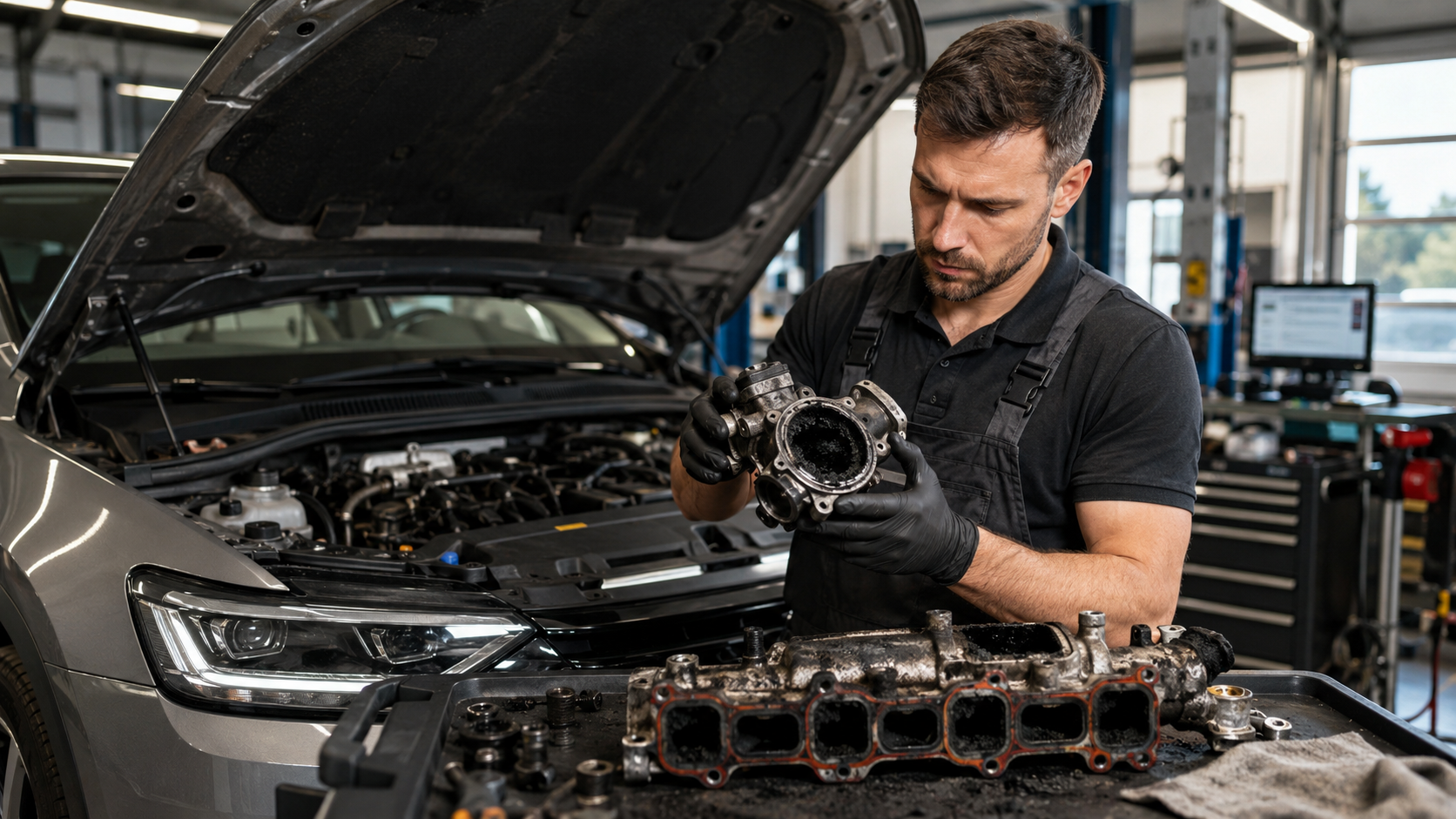
Many people assume that hesitation means the turbocharger itself is worn. In reality, the mechanical core may remain completely serviceable. The most common cause is carbon buildup in the variable-geometry mechanism after long-term use.
Deposits gradually restrict vane movement. The actuator has to apply more force, and eventually it can no longer position the vanes accurately. Symptoms of sticking turbo geometry often resemble a fault in the turbocharger itself.
The most typical symptoms include:
- sluggish acceleration;
- uneven acceleration;
- the engine entering limp mode;
- an underboost fault;
- unstable boost pressure.
These symptoms do not necessarily mean the cartridge must be replaced. In some cases, checking the actuator and the variable-geometry mechanism is enough to identify the actual cause.
Cleaning, repair, or replacement: which solution is justified
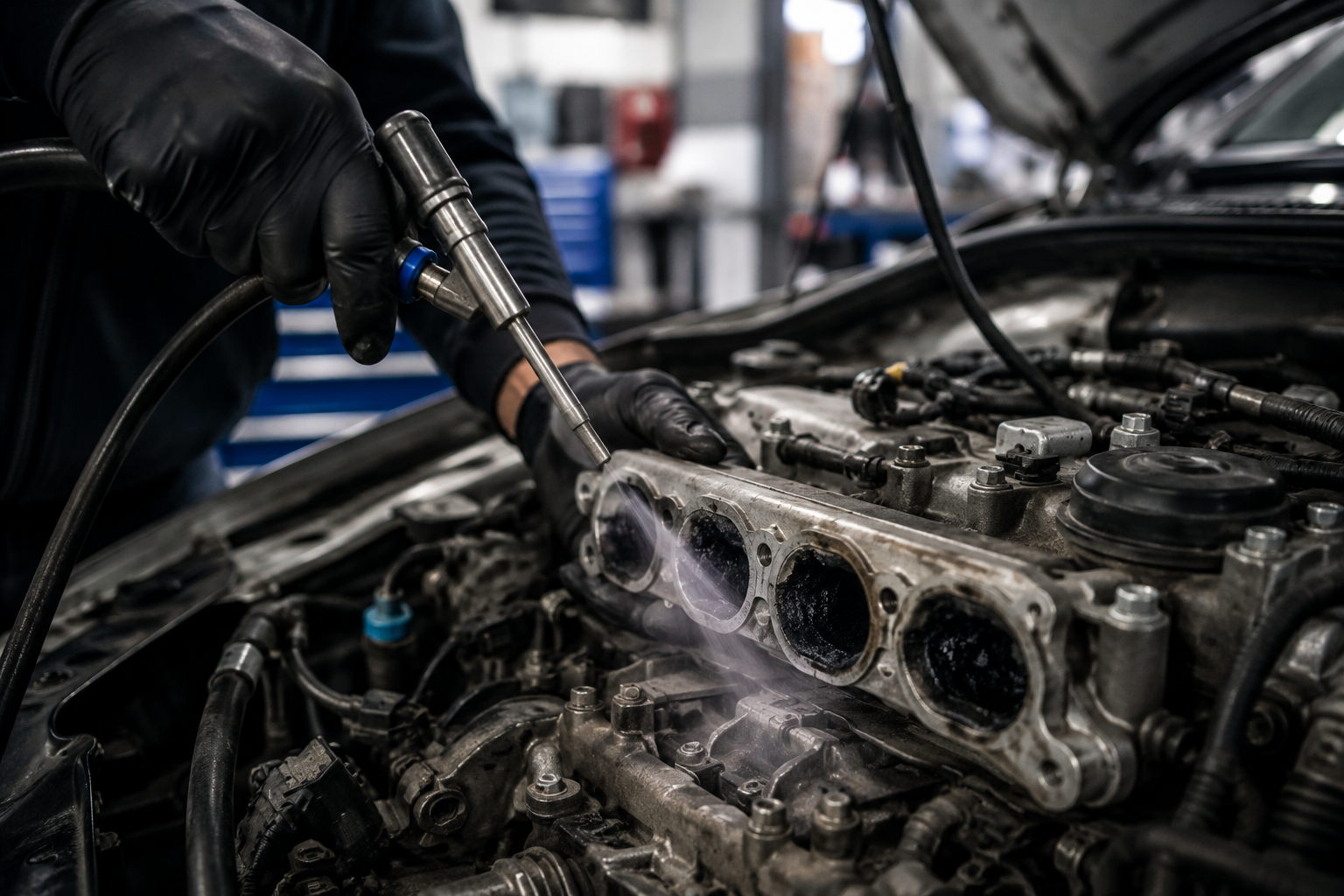
Diagnostics do not always lead to replacement of expensive parts. If contamination has restricted movement of the vanes, cleaning the turbocharger geometry may help. It removes deposits, restores free vane movement, and returns the mechanism to proper operation.
If the problem is a faulty electronic actuator or a damaged vacuum actuator, cleaning will not solve it. In that case, the actuator itself is repaired or replaced, after which the system is tested again.
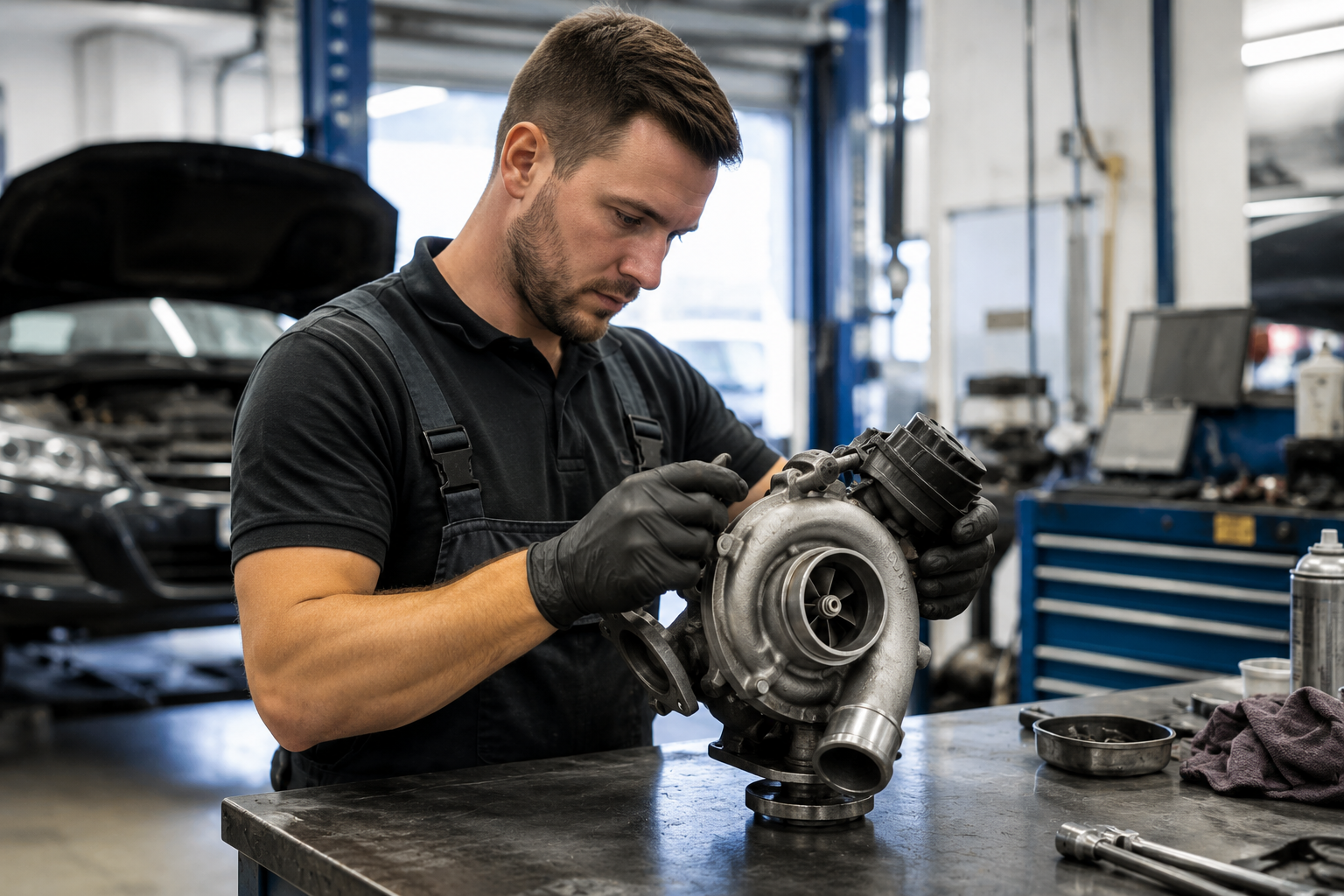
Owners often confuse the different parts of a turbocharger. The simplest way to understand the difference between the actuator and the turbo cartridge is to remember their functions. The cartridge contains the shaft, bearings, and compressor/turbine wheels that actually create boost. The actuator does not participate in turbocharger rotation. Its job is to control the position of the variable-geometry vanes precisely. Therefore, an actuator fault does not mean that the entire turbocharger has failed.
What happens if the system is repaired without calibration
Installing a new or rebuilt actuator is not the end of the job. The engine control unit must receive the correct actuator-position parameters; otherwise boost control will remain inaccurate.
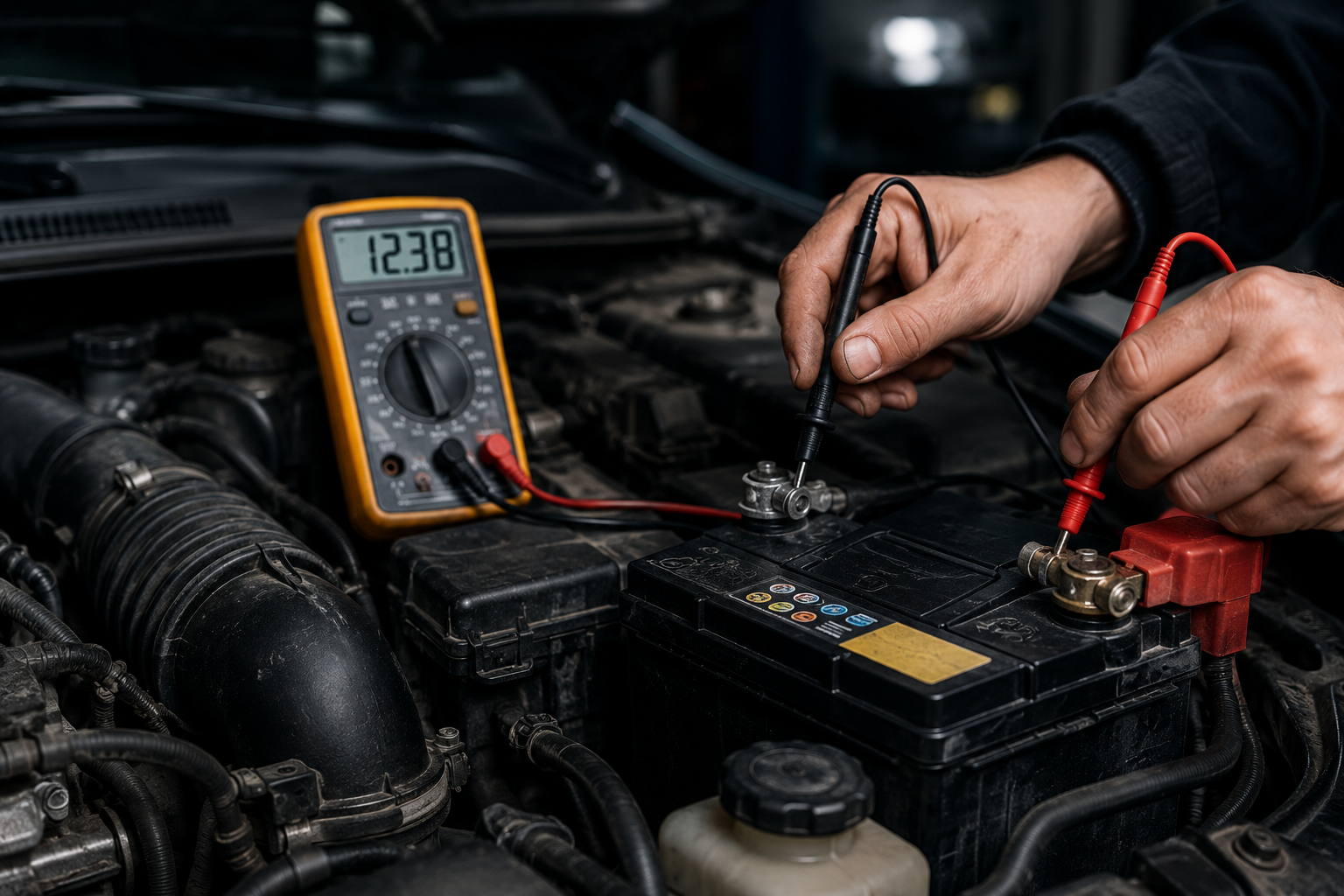
For this reason, the actuator is calibrated using diagnostic equipment. During the procedure, the electronics determine the mechanism’s end positions, check its travel, and synchronize actuator operation with engine control.
If this step is skipped, even a serviceable component may operate incorrectly. Boost-pressure faults may return, performance may deteriorate, or the electronics may place the engine into limp mode.
Correct diagnostics can distinguish an actuator fault from cartridge wear before repairs begin. This helps avoid replacing a serviceable turbocharger, reduces costs, and restores normal boost-system operation without unnecessary work.
Top popular news
- Steering Tie Rod Knocking: Symptoms and How Not to Confuse It with a Faulty Rack
- How to Read US Car Auction Photos and See More Than the Camera Shows
- Restoring Vehicle Safety After Airbag Deployment: Why Cheap SRS Repairs Are Dangerous
- VAG Comfort Control Module: Simultaneous Failure of Locks, Mirrors, and Power Windows
- The Heater Blows Weakly, and the Engine Takes a Long Time to Warm Up: Where to Look for the Cause
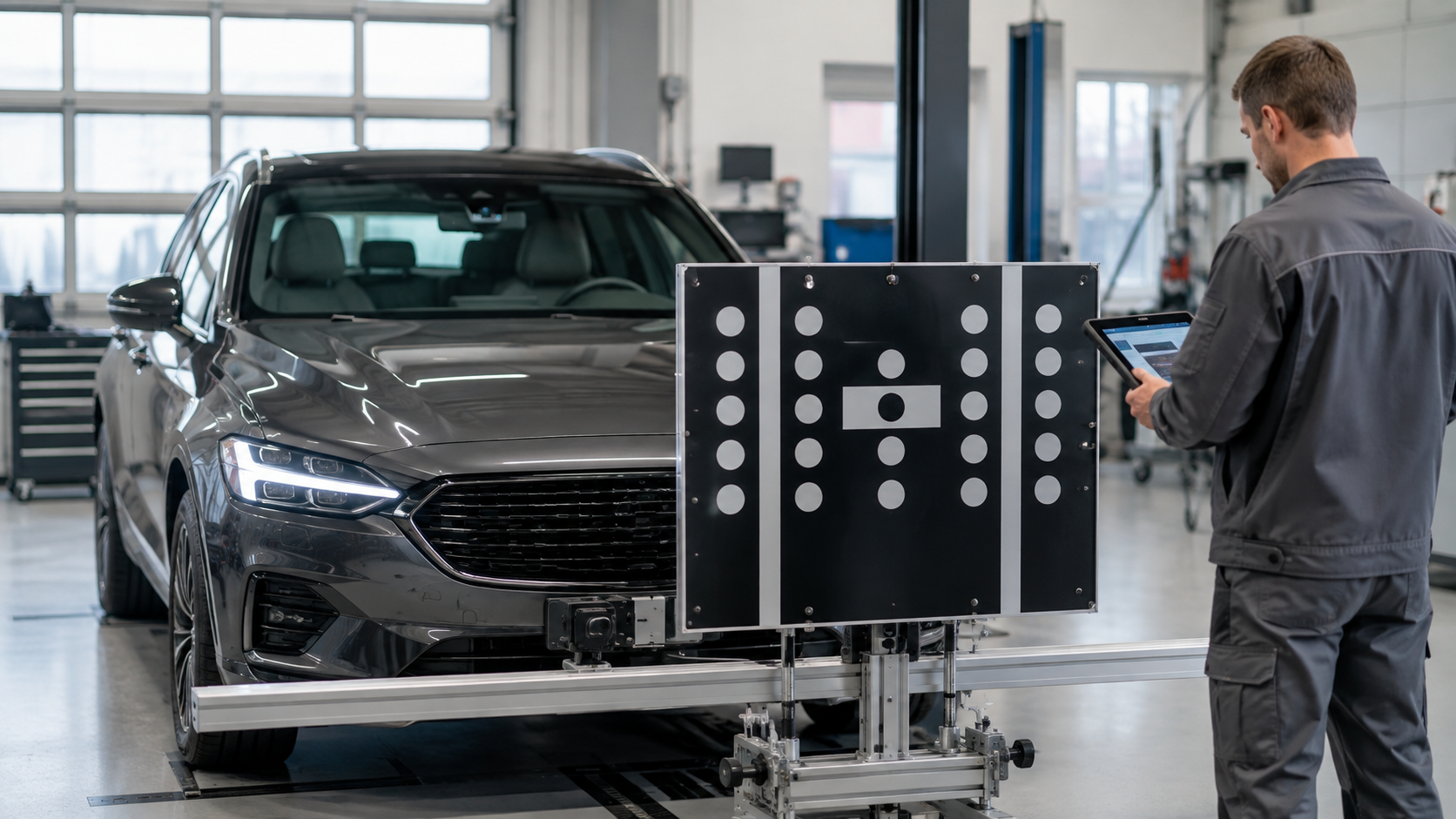
- ADAS calibration after windshield replacement: restoring the accuracy of driver-assistance systems
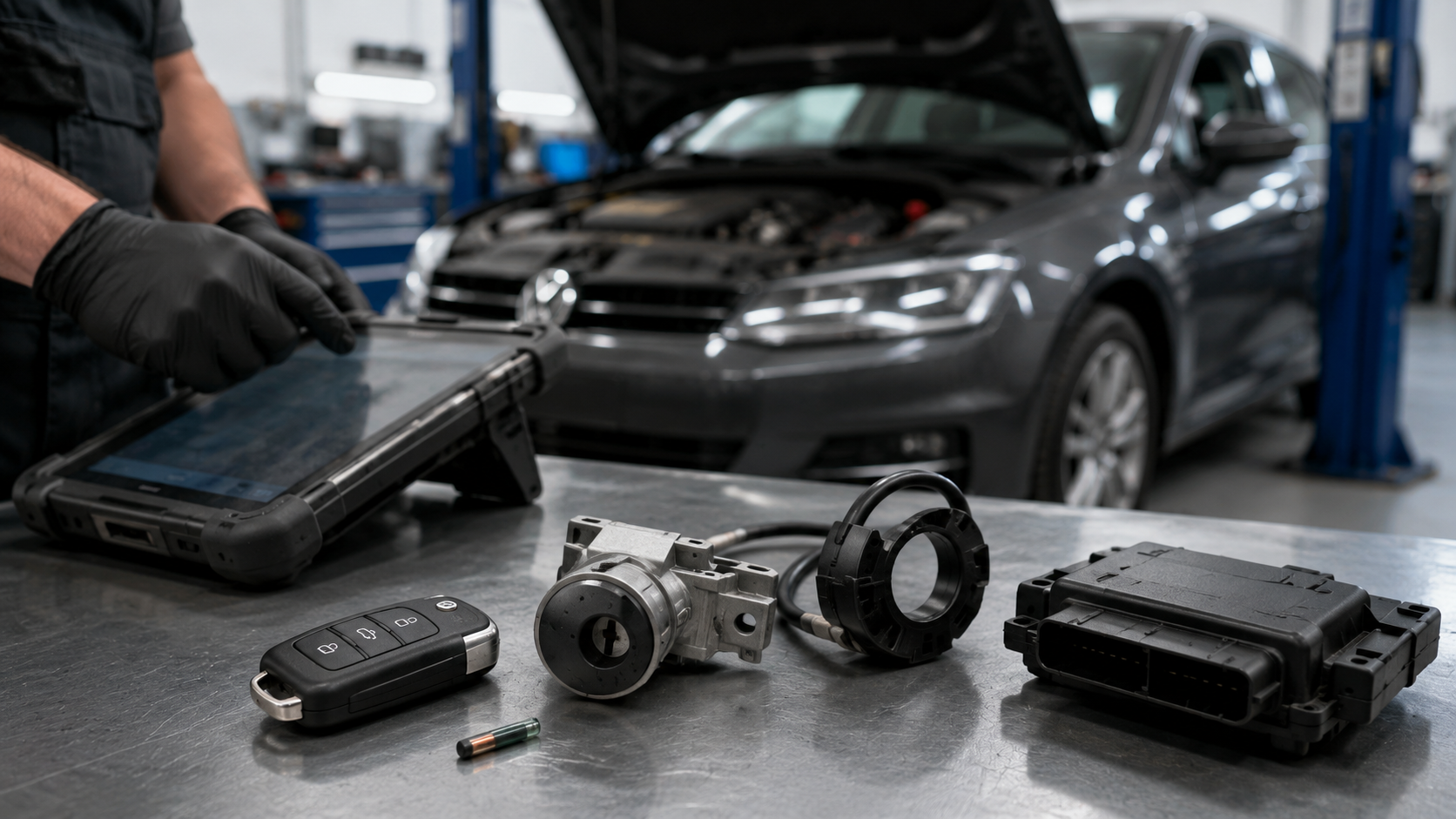
- VAG immobilizer: why the car will not start and the key transponder is not recognized
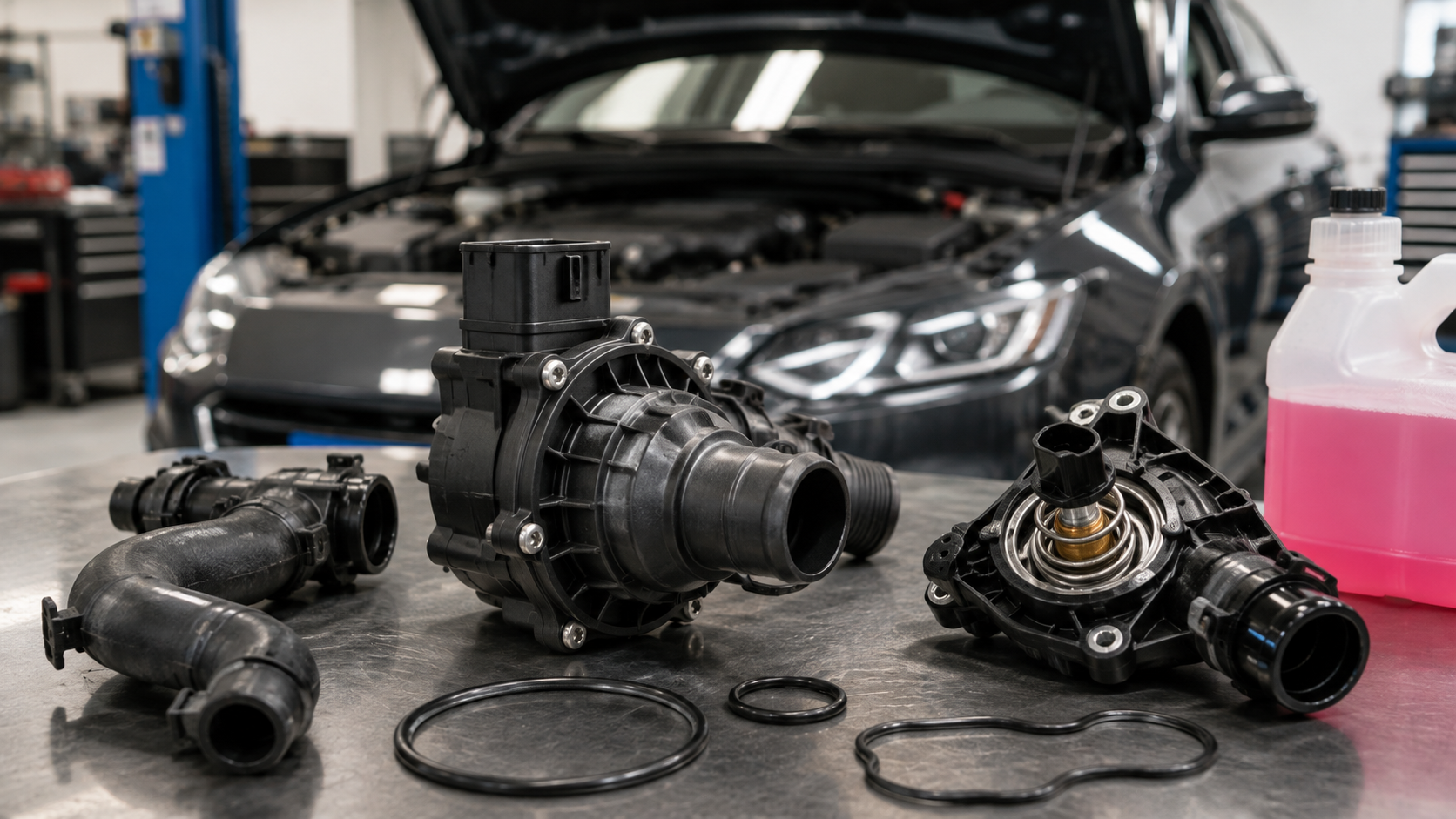
- TSI coolant pump and thermostat: causes of slow warm-up and engine overheating

Subscribe to our newsletter!
To stay updated with the latest news

Book a service