Mon - Sat | 09:00 - 19:00


Find

Contact us

Odesa
Hrushevskoho str., 41
 Мережа СТО в місті
Місто
 +38 (096) 299 29 97
Odesa
Hrushevskoho str., 41
 Мережа СТО в місті
Місто
+38 (096) 299 29 97

 Години роботи
 Mon - Sat
09:00 - 19:00
TSI and TDI Turbo Repair: The First Signs of Wear and When Repair or Replacement Is Needed
A turbocharger rarely fails without warning. In most cases, the vehicle continues to drive normally for some time, but its behavior gradually changes: the engine accelerates more slowly, an unusual whistling noise appears, engine oil consumption increases, or the electronic system detects boost pressure errors. At this stage, it is important to determine whether the unit can still be repaired or whether its service life has already come to an end. That is why TSI and TDI turbo repair in Kyiv remains one of the most common requests among owners of Volkswagen, Audi, Škoda, and SEAT vehicles.
Turbochargers used in modern gasoline and diesel engines operate under extremely demanding conditions. The shaft rotates at speeds exceeding 200,000 rpm, while exhaust gas temperatures can exceed 800 °C. Under such loads, even minor lubrication problems or overheating gradually accelerate the wear of the bearing assembly, compressor wheel, and boost control mechanism.
What Symptoms Indicate a Turbocharger Malfunction
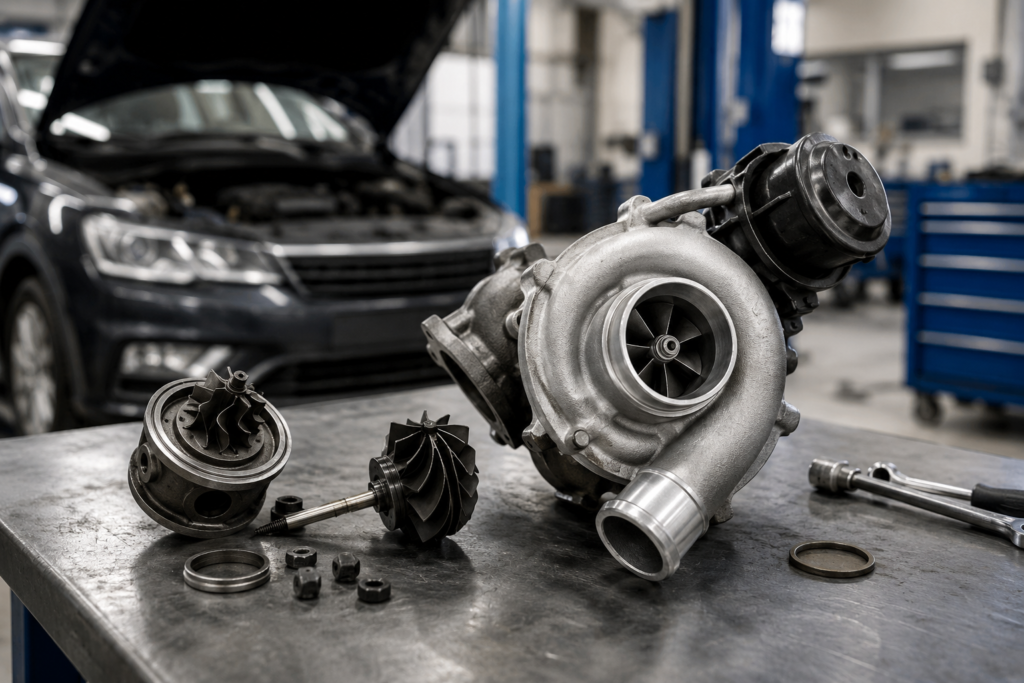
The first signs of failure do not always appear at the same time. Some are noticeable while driving, while others can only be detected during diagnostics.
The most common symptoms include:
- loss of power during acceleration;
- whistling or unusual noise after engine speed increases;
- bluish smoke from the exhaust system;
- increased engine oil consumption;
- engine limp mode;
- boost pressure errors, overboost, or underboost.
Bluish smoke usually indicates that engine oil is entering the intake or exhaust system through worn turbocharger seals. If oil consumption increases while engine power noticeably drops, the inspection should not be postponed.
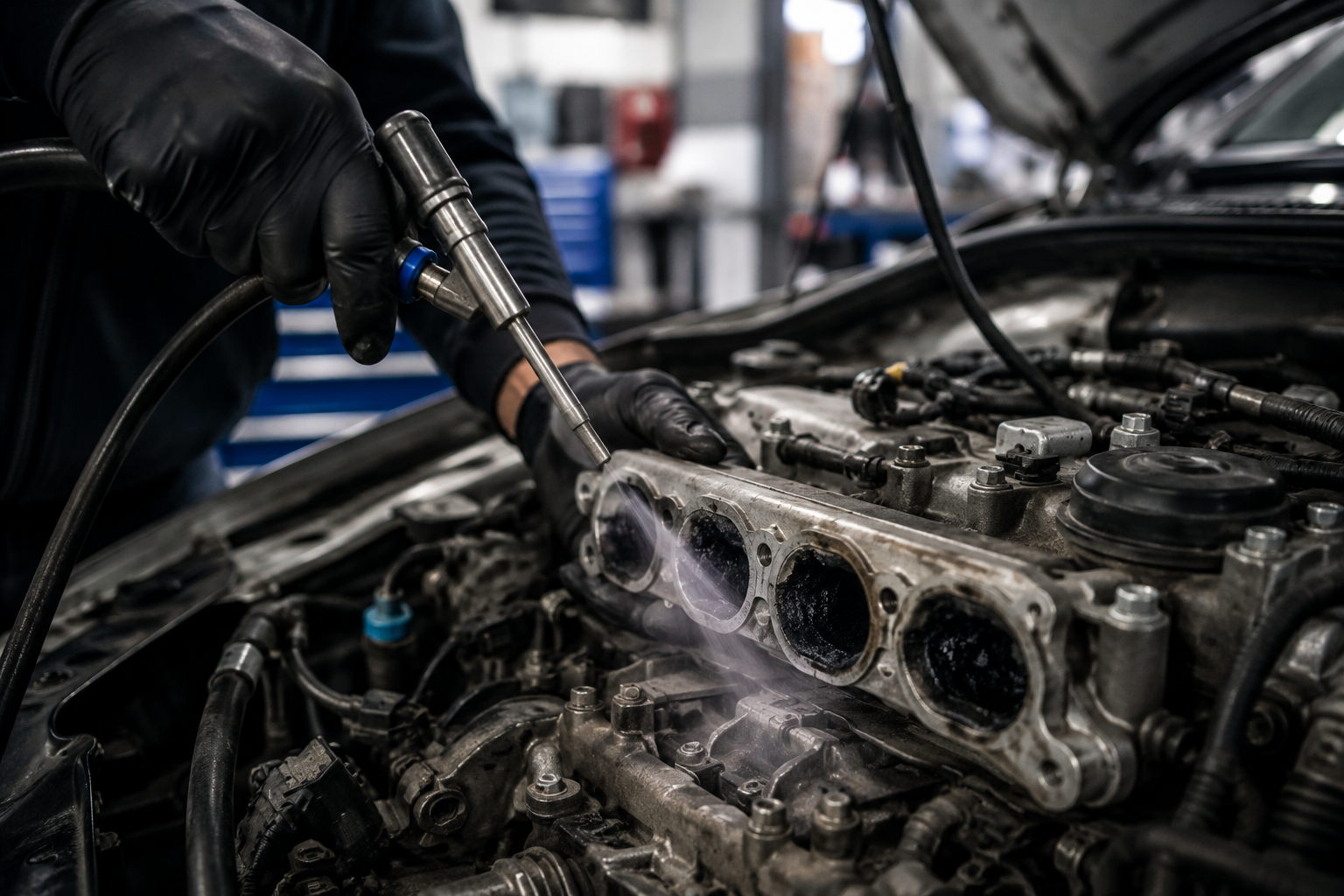
In diesel engines, turbo failure symptoms are often associated with a sticking variable geometry mechanism. Due to soot accumulation, the movable vanes can no longer change their position, preventing the engine control unit from maintaining the required boost pressure.
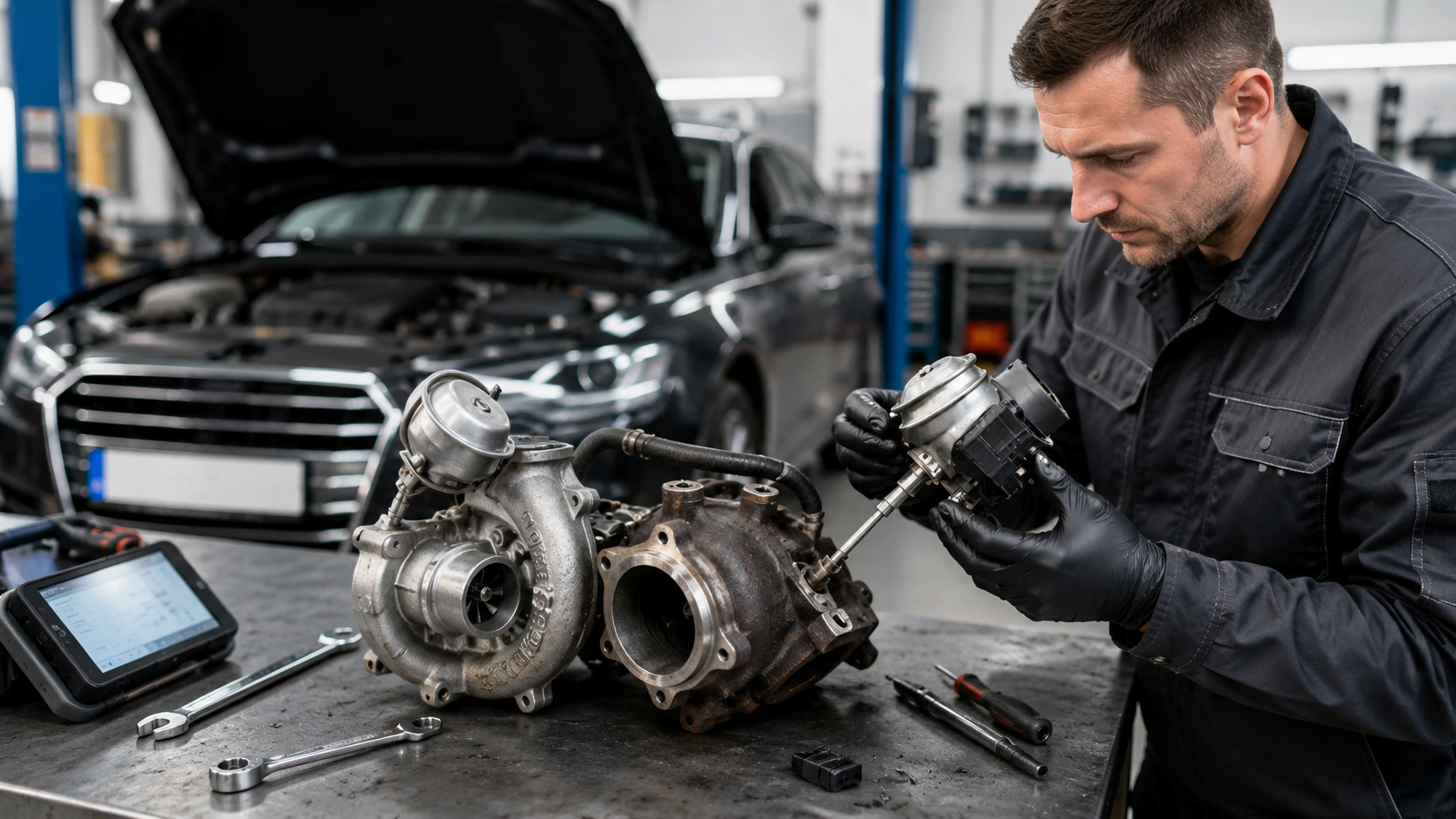
Another cause of unstable operation may be a faulty Volkswagen turbo actuator. It controls the position of the wastegate or the variable geometry mechanism, adjusting boost pressure according to engine load. If the actuator operates incorrectly, the electronic control system detects the deviation and may switch the engine into limp mode.
Does Oil in the Intercooler Mean the Turbocharger Must Be Replaced?
During vehicle inspections, owners often notice traces of oil inside the intercooler pipes. This is one of the most common reasons for prematurely assuming that the turbocharger has failed.
In reality, a thin oil film is completely normal. Through the crankcase ventilation system, a small amount of engine oil continuously enters the intake tract and settles on its inner walls.
The following signs require a more detailed inspection:
- a large amount of liquid oil inside the intercooler;
- constant bluish exhaust smoke;
- rapid engine oil level decrease;
- excessive turbo shaft play;
- signs of contact between the compressor wheel and the housing.
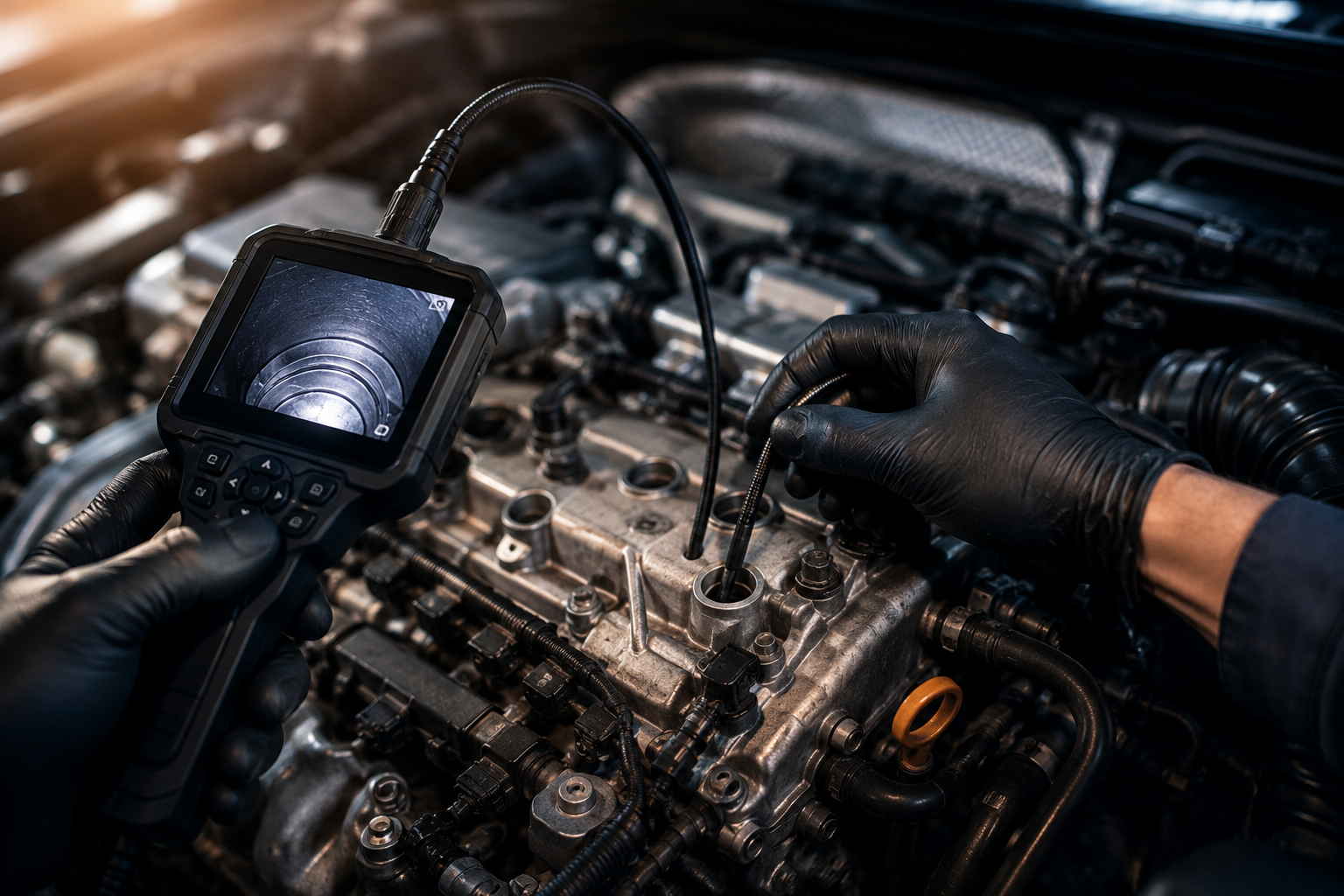
During inspection, specialists always check the turbo shaft play. A slight radial play without oil pressure may be acceptable. However, significant axial play or damage to the compressor wheel indicates serious wear of the bearing assembly.
When a Turbocharger Can Be Repaired
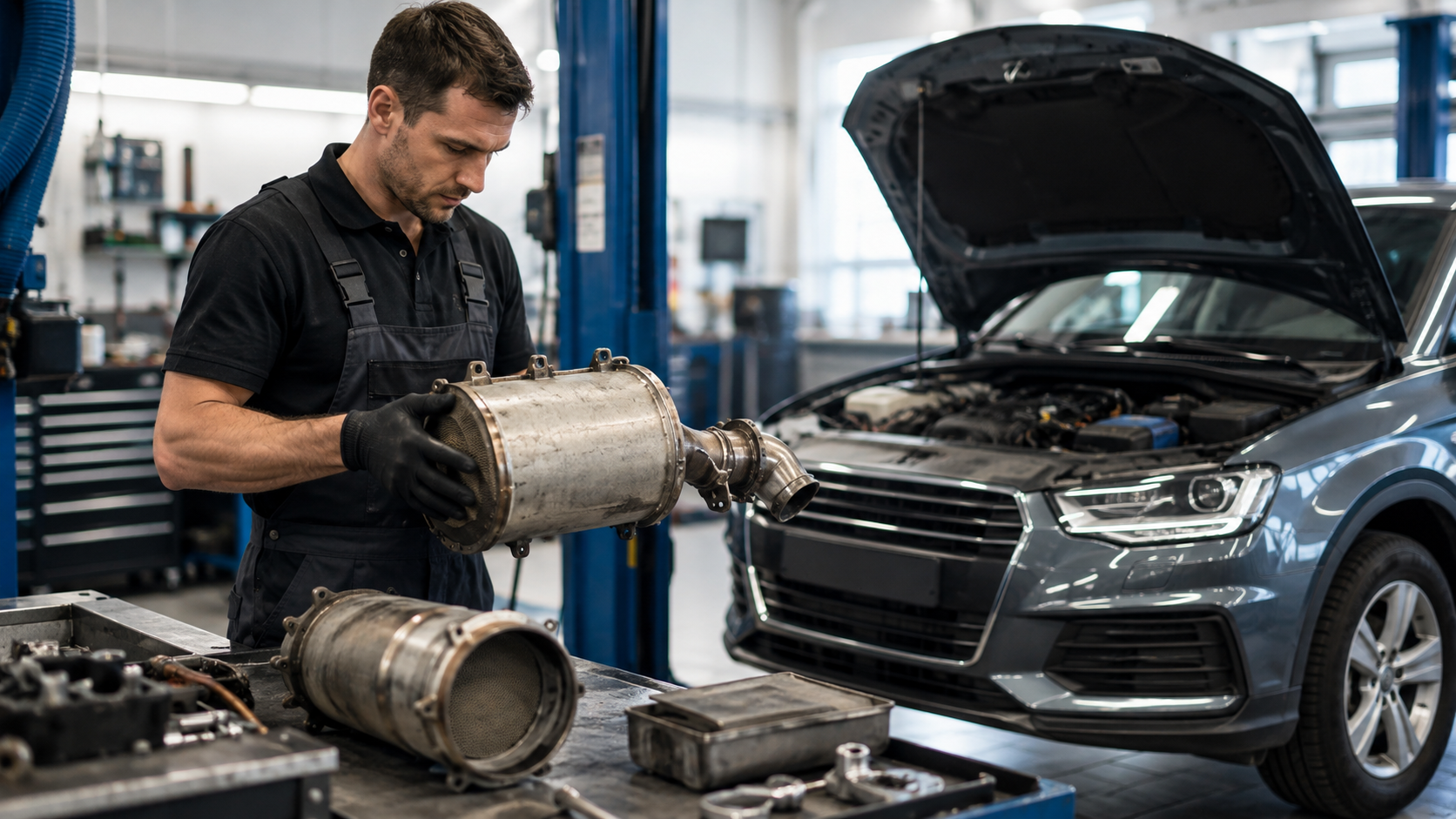
Not every malfunction means that a new turbocharger must be installed. If the turbo housing and cast-iron exhaust manifold are free from cracks and the shaft and compressor wheel have not suffered critical damage, restoration is often the most cost-effective solution.
Turbocharger repair for VAG vehicles may include:
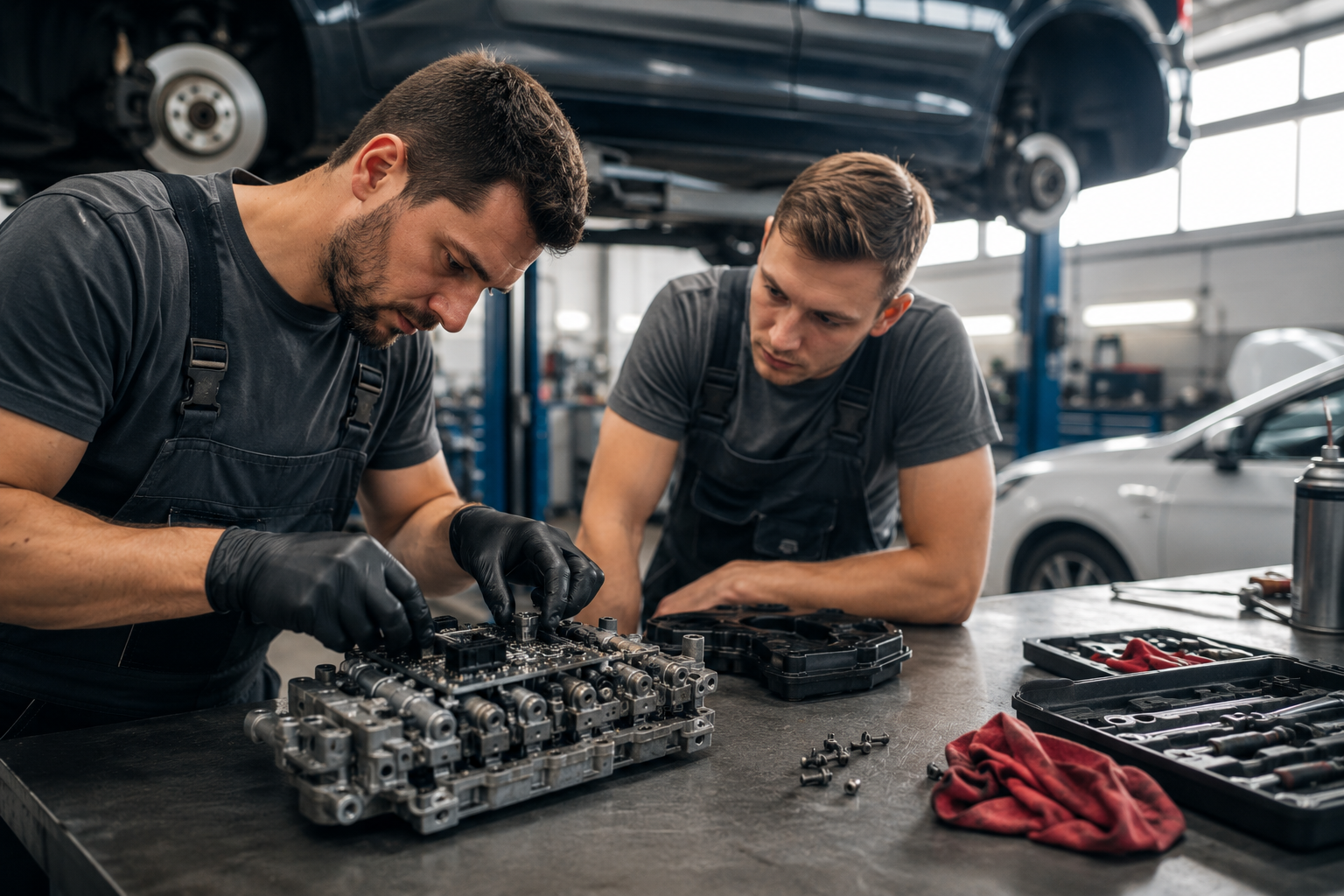
- cartridge replacement;
- cleaning or repairing the variable geometry mechanism;
- rotor balancing;
- actuator repair or replacement;
- replacement of bearings and seals.
Replacing the turbo cartridge is often enough to fully restore the turbocharger without purchasing a completely new unit. The final cost depends on the turbocharger design, the manufacturer of the replacement components, and the amount of work required.
When Restoration Is No Longer Practical
Sometimes the damage is so severe that repairing the turbocharger is no longer economically reasonable.
A complete turbo replacement is usually required if:
- the housing is cracked;
- the compressor wheel is destroyed;
- the shaft has critical wear;
- debris has entered the intake system;
- the cast-iron exhaust manifold is damaged.
In such situations, restoration costs may approach the price of a new assembly, making replacement the more practical solution.
What Shortens Turbocharger Service Life the Most
Premature turbocharger wear is usually caused not by design flaws but by operating conditions.
The most common causes include:
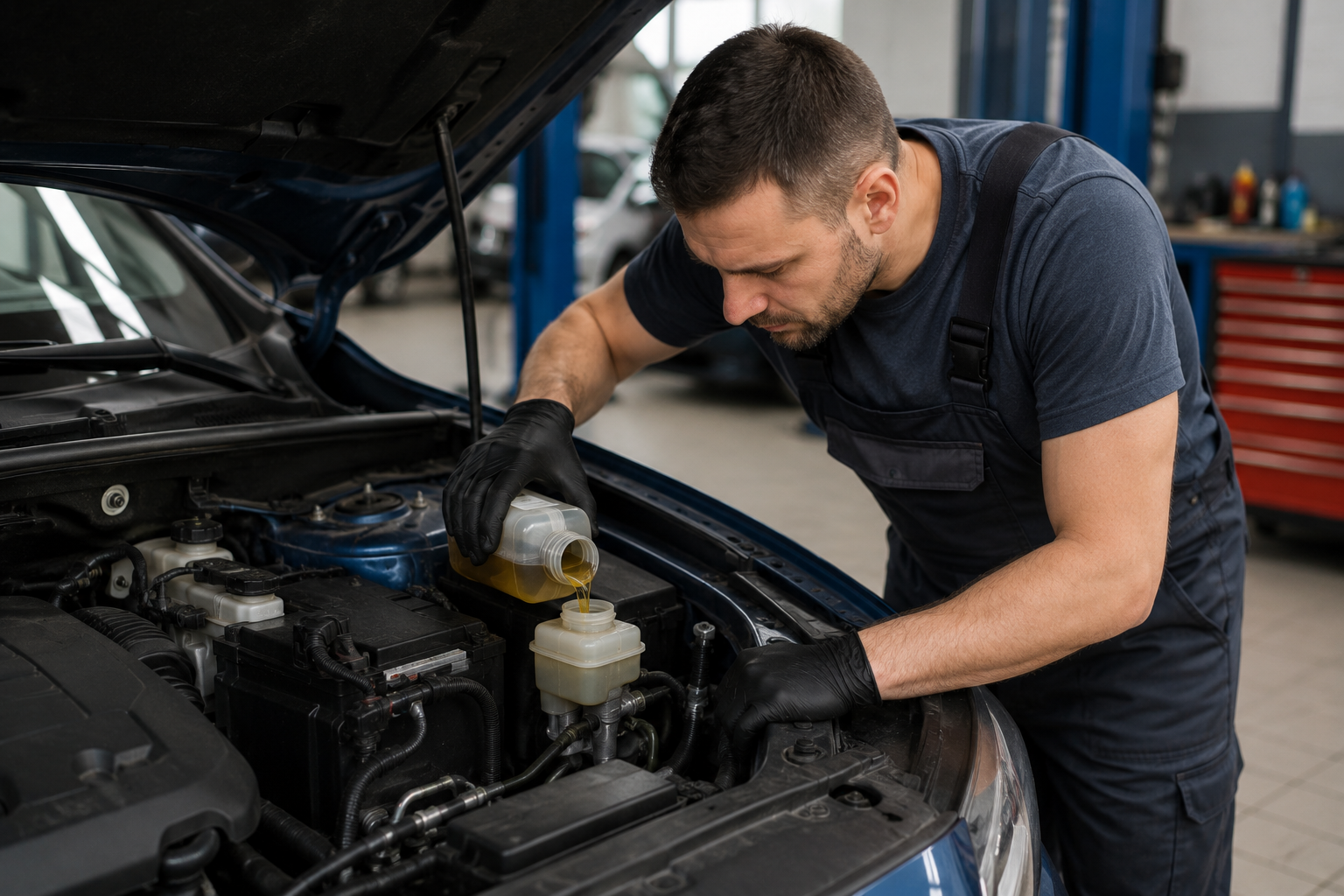
- delayed engine oil changes;
- using engine oil that does not meet the manufacturer’s specifications;
- contamination of the oil supply line;
- shutting off the engine immediately after intensive driving;
- prolonged operation with a faulty intake system.
After dynamic driving, the engine should not be switched off immediately. Allowing it to idle for several dozen seconds gives the turbocharger time to cool while engine oil continues removing heat from the bearings. This principle forms the basis of the turbo timer rule, even if the vehicle is not equipped with a dedicated turbo timer device.
Early detection of a turbocharger problem almost always provides more repair options. If the fault is identified before critical damage occurs to the housing or compressor wheel, restoring the cartridge, variable geometry mechanism, or actuator is often sufficient. This significantly reduces repair costs compared to purchasing a new turbocharger while preserving the engine’s service life without unnecessary financial expenses.
Top popular news
- There is a smell of gasoline under the hood, but there are no signs of a leak: where to look for the problem
- Volkswagen Golf 7: which engines are considered the most successful in the secondary market
- Why do errors appear after a night frost that disappear after warming up?
- The car stalls when you suddenly release the gas: what happens at this moment
- Audi A6 with 200+ thousand mileage: what expensive malfunctions can be predicted in advance
- Why does my car start to consume more oil even though my driving style hasn’t changed?
- The ABS light came on on the dashboard: can I continue driving?
- Volkswagen Passat B8 or Skoda Superb: what will the car show after 200 thousand km

Subscribe to our newsletter!
To stay updated with the latest news

Book a service