Mon - Sat | 09:00 - 19:00


Find

Contact us

Odesa
Hrushevskoho str., 41
 Мережа СТО в місті
Місто
 +38 (096) 299 29 97
Odesa
Hrushevskoho str., 41
 Мережа СТО в місті
Місто
+38 (096) 299 29 97

 Години роботи
 Mon - Sat
09:00 - 19:00
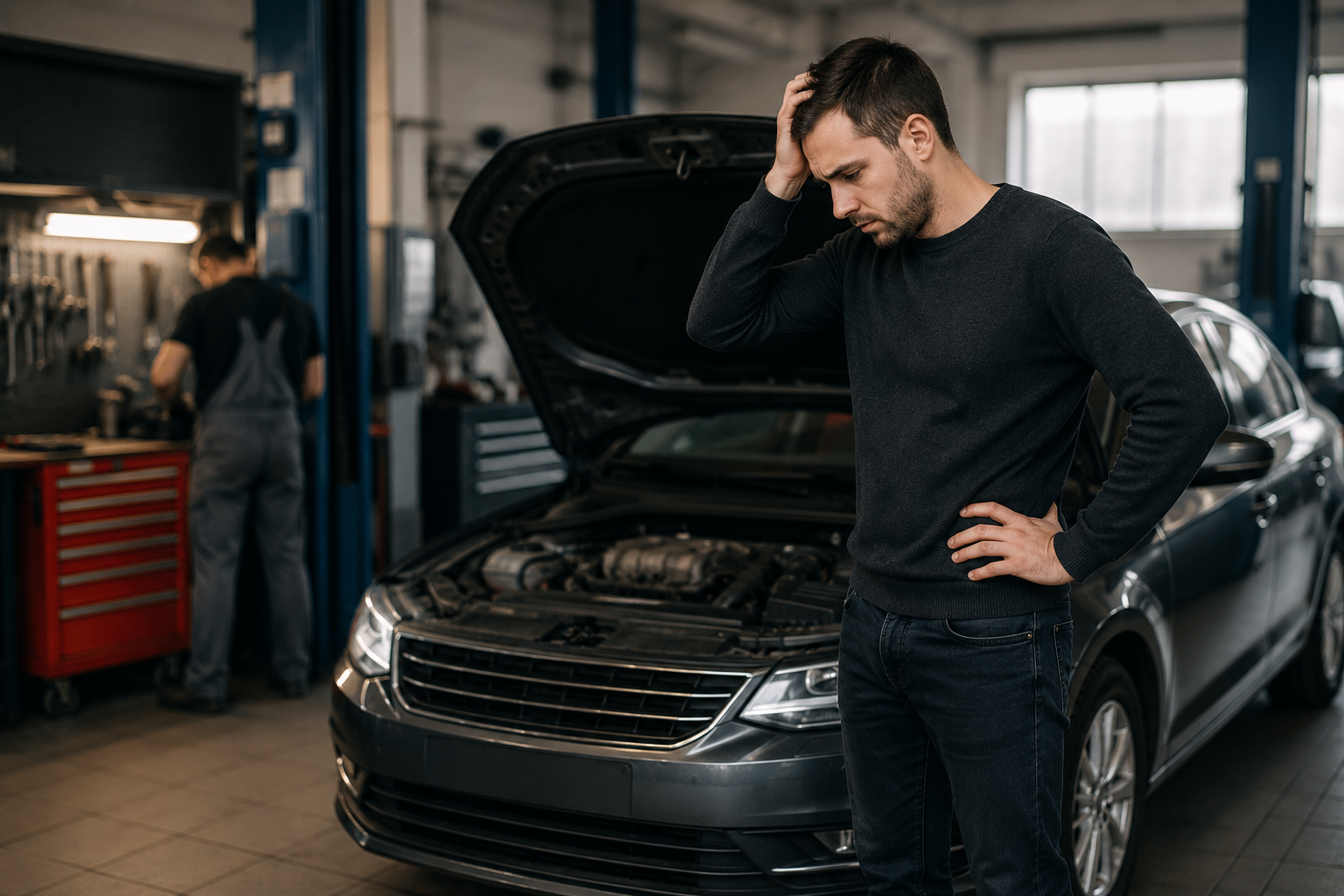
Why does the gearbox jerk when shifting?
Why gearbox jerking is a common problem
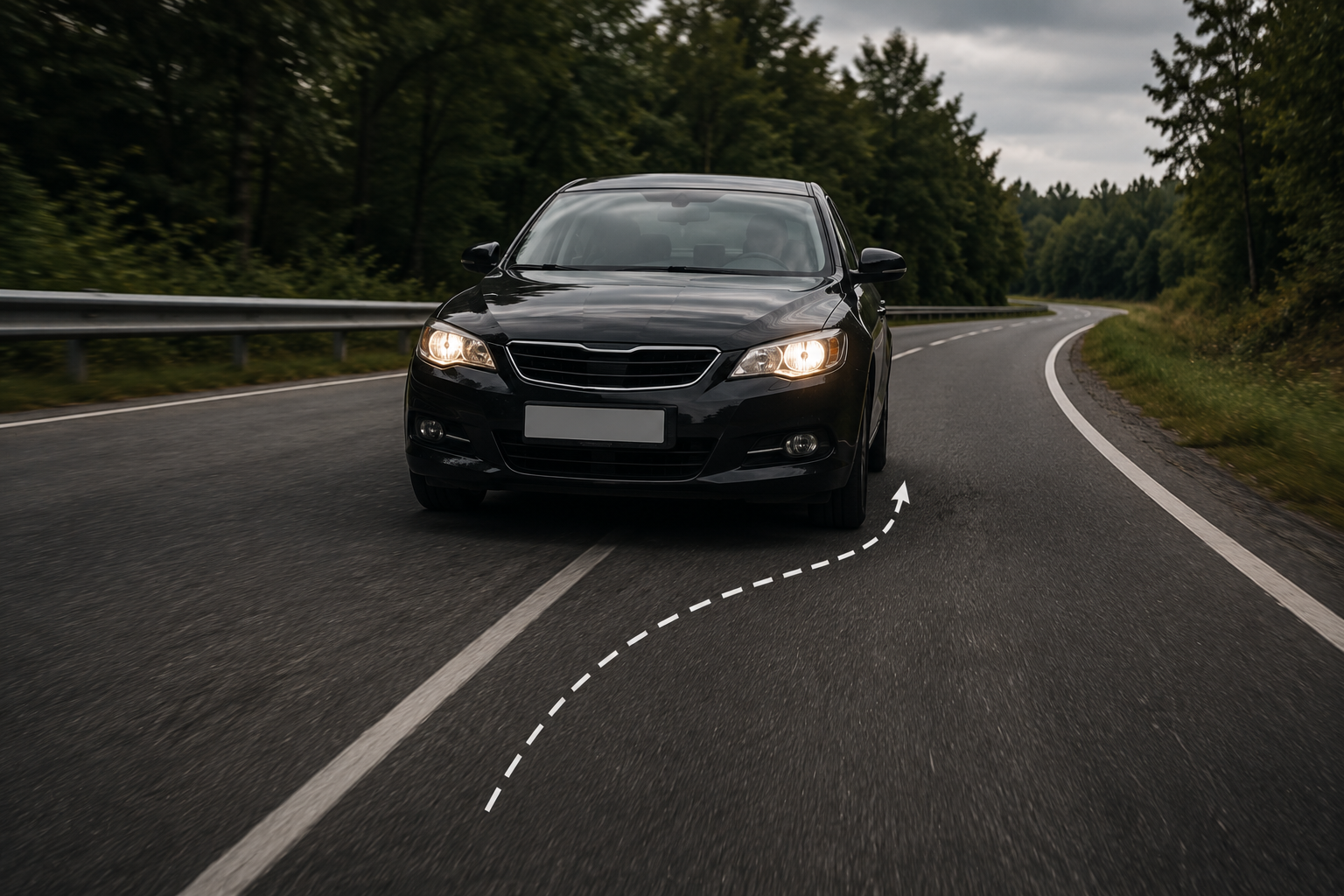
When the transmission is jerking, the driver experiences a sudden jolt or a short delay when changing gears. The car may lose its smoothness, then accelerate sharply. Most often, such symptoms are noticeable during acceleration, in city traffic, or when switching between lower gears.
Jerks when shifting gears appear when the transmission of torque from the engine to the wheels is uneven.
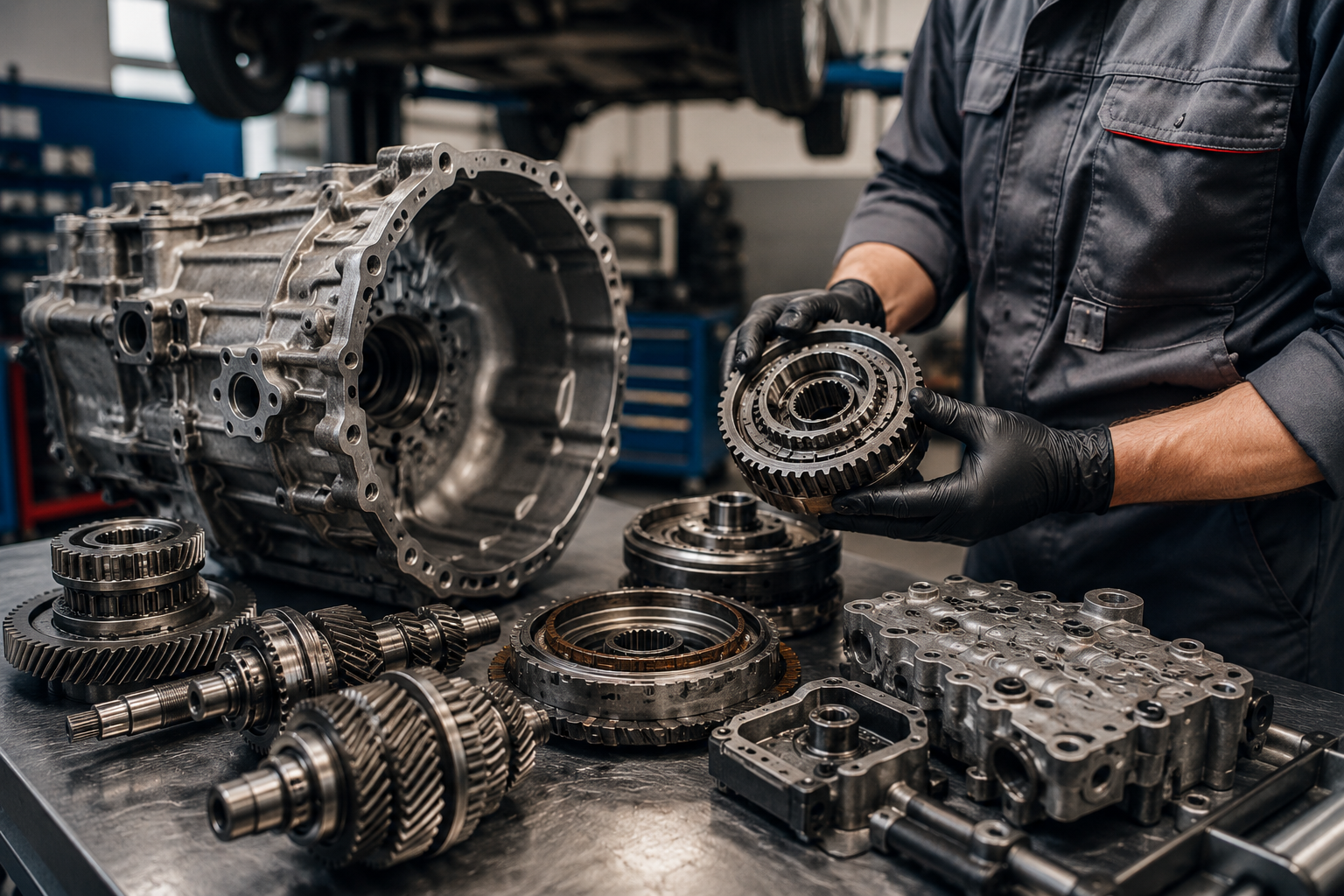
The transmission consists of many components that work synchronously. If one of the elements works with a deviation, the gearbox begins to react jerkily. That is why it is important to understand why the gearbox is jerking, because the reasons can be both technical and related to wear of parts.
Sometimes the problem manifests itself only under certain conditions. For example, a car may move smoothly at high speed, but during frequent shifts in the city, the gearbox jerks much more noticeably.
The main causes of jerking when shifting gears

The appearance of jerks is usually due to the fact that the transmission cannot smoothly transfer the load between gears. In modern cars, this process is affected by both mechanical components and electronic control systems.
The most common causes are as follows:
- Clutch wear. In a manual or robotic transmission, the friction discs gradually wear out. When the clutch surface loses its uniformity, the torque transmission becomes sharp, and the gearbox jerks during shifting.
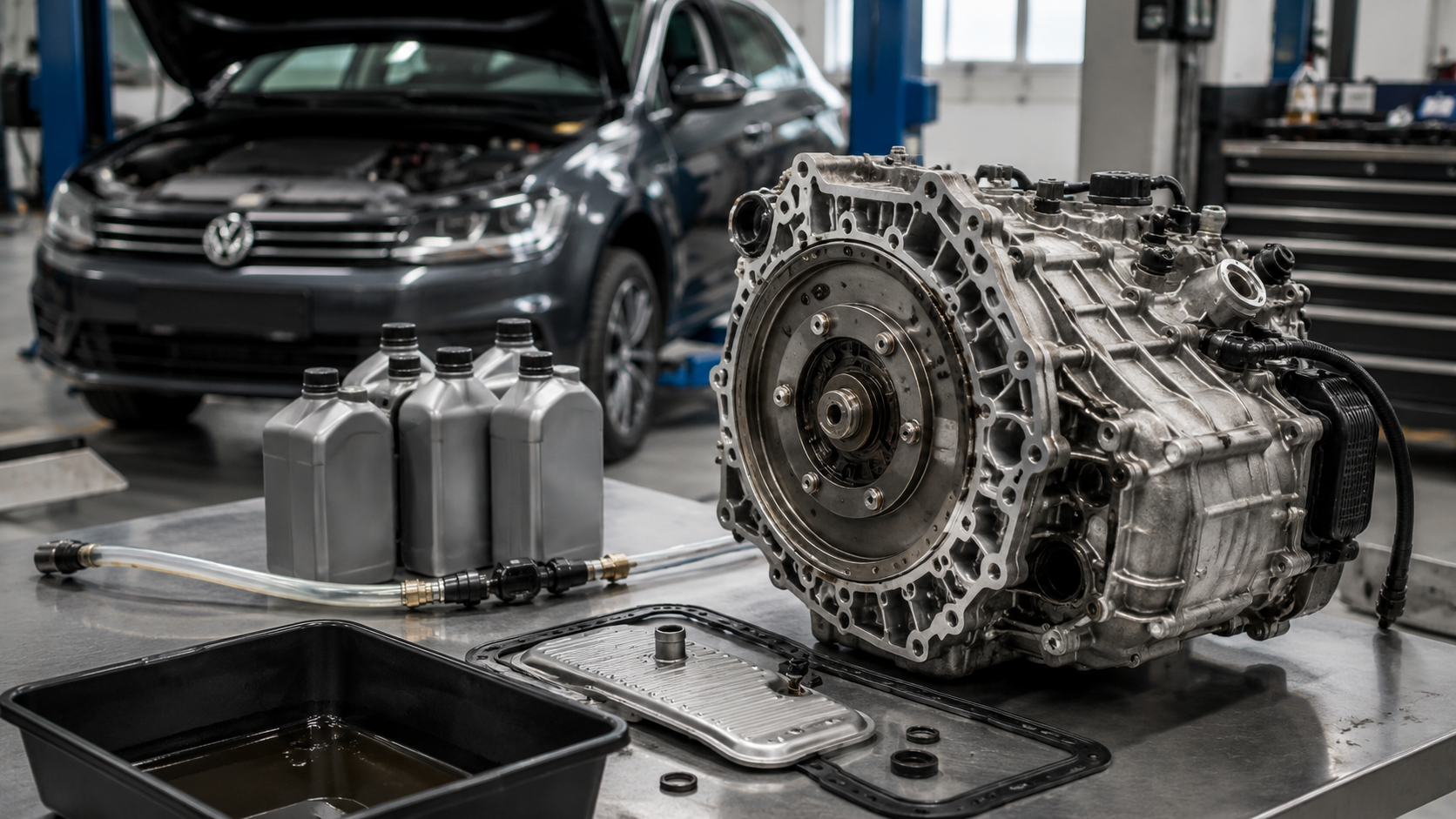
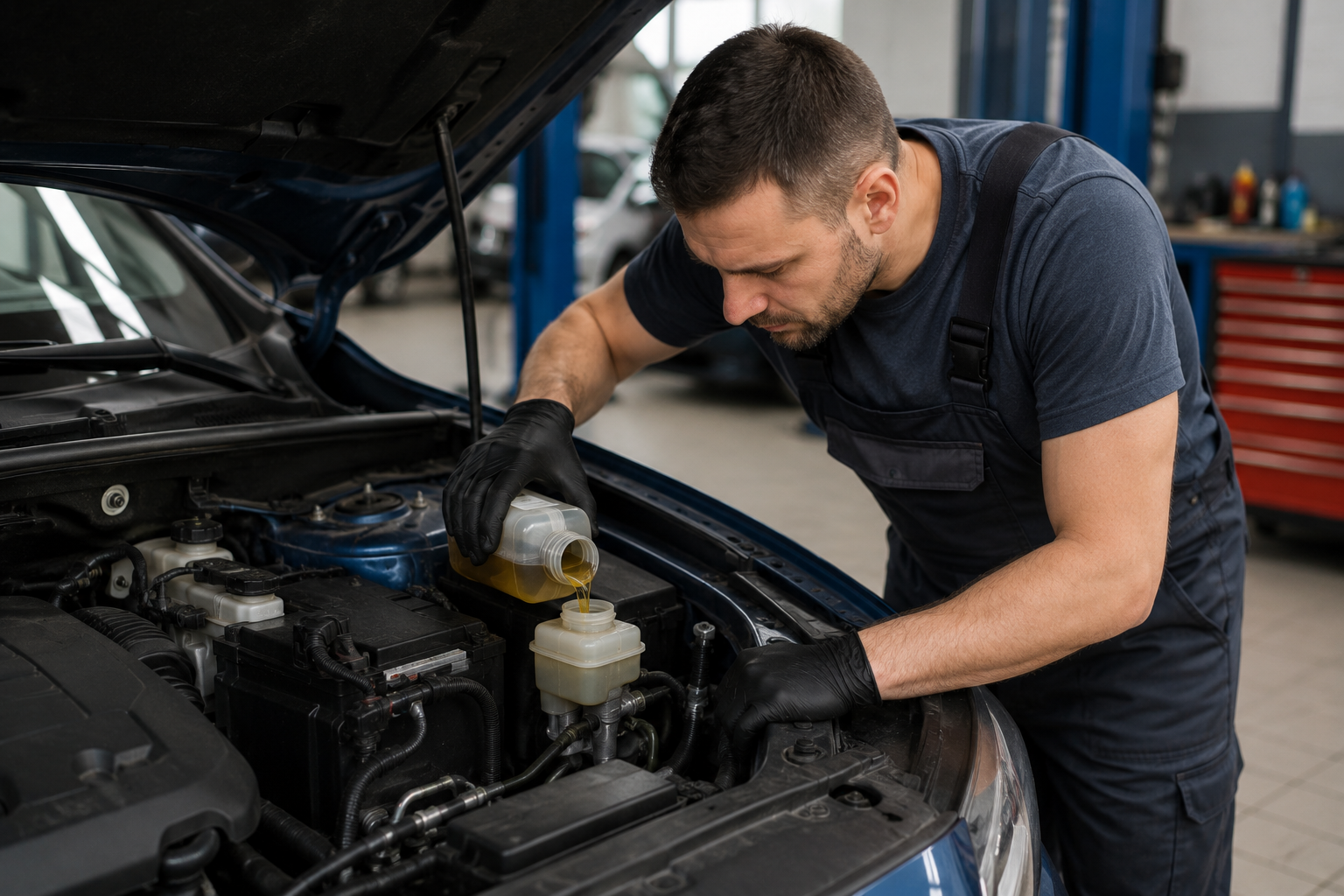
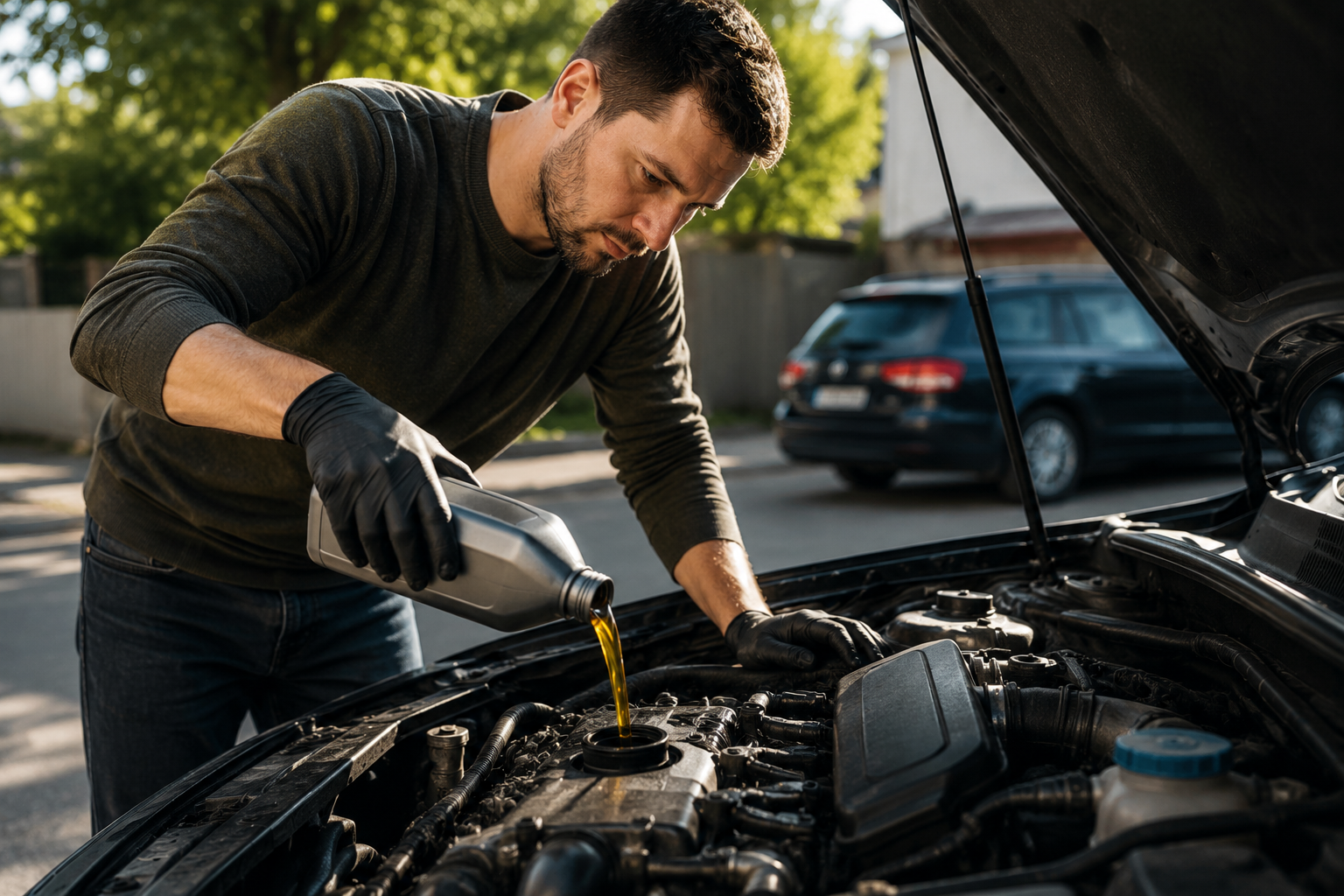
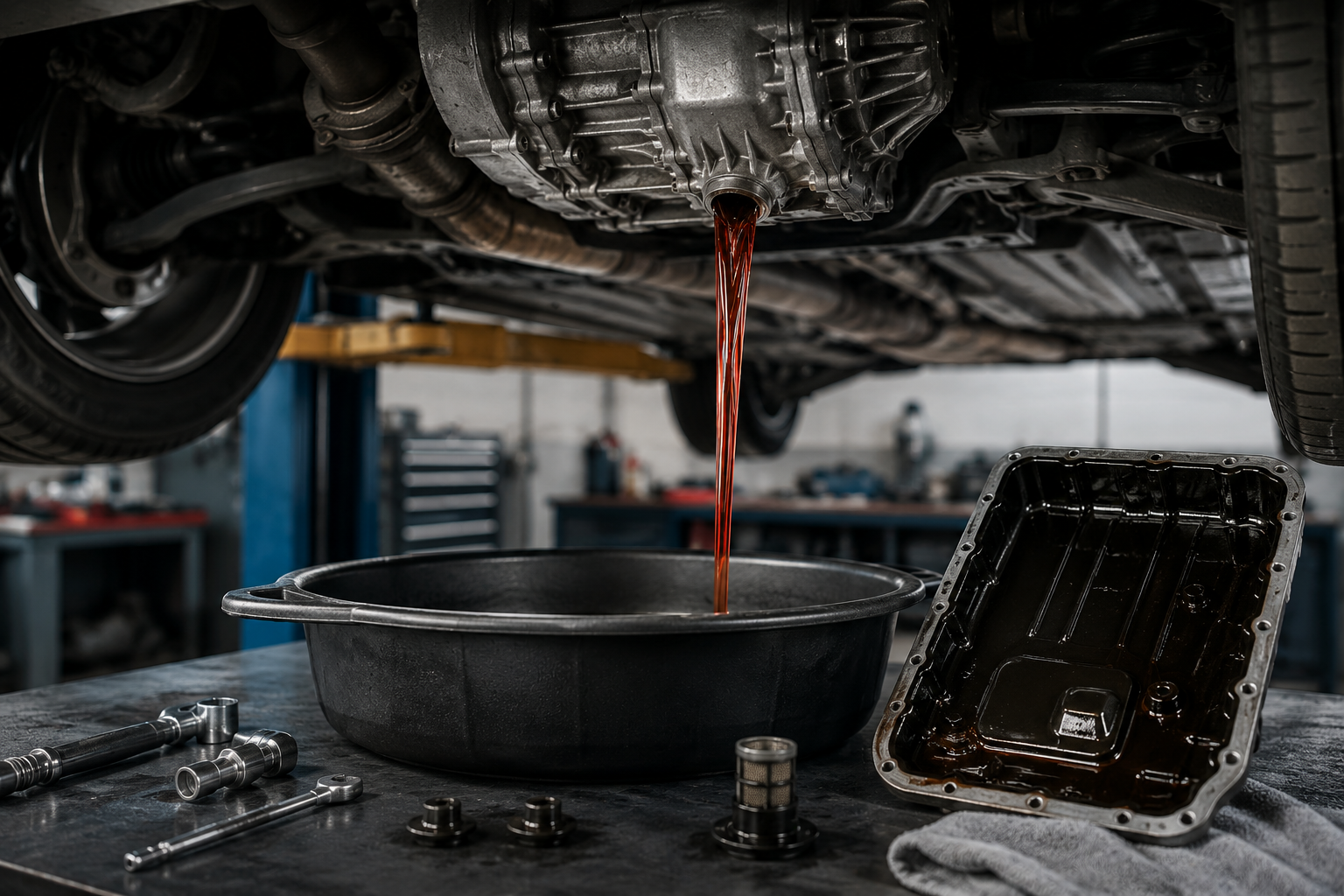
- The condition of the oil in the gearbox. The transmission fluid provides lubrication of parts and creates the necessary pressure in the system. If the oil has lost its properties, shifting may be accompanied by delays or jerks.
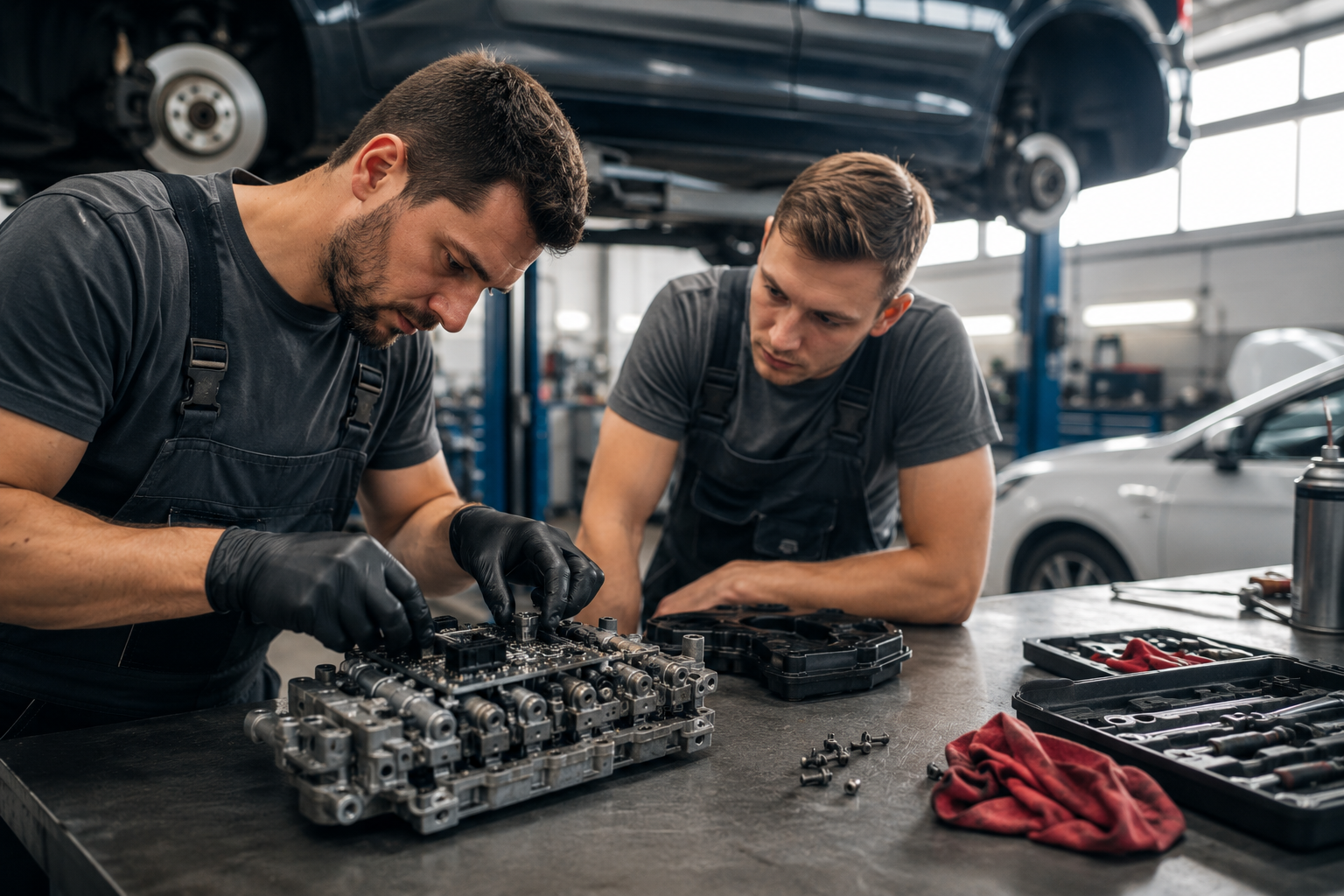
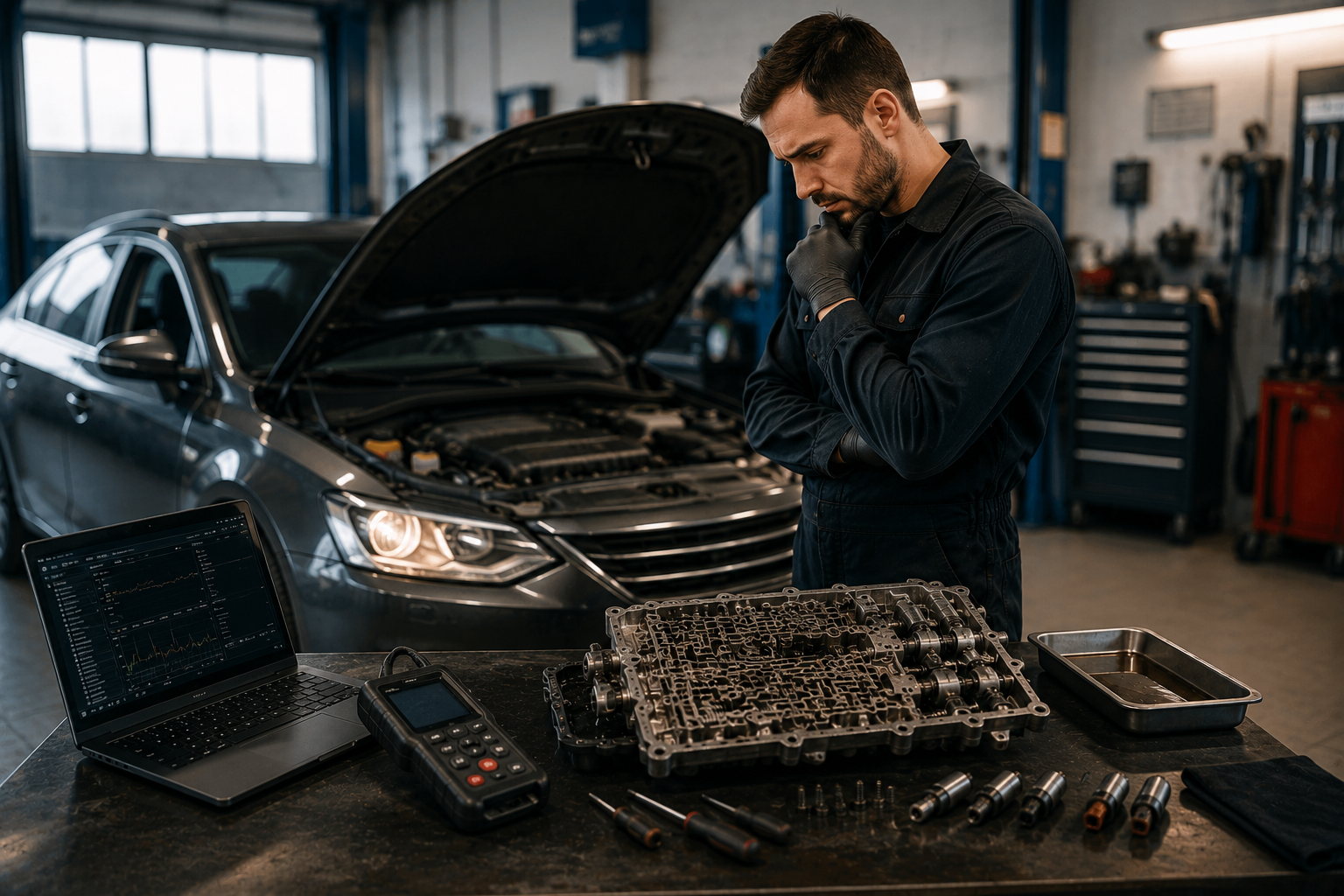
- Malfunction of the hydraulic unit. In an automatic transmission, this unit is responsible for distributing oil flows. If the valves operate with a delay or the channels are dirty, jerks appear when shifting gears.
- Problems with electronic control. The control unit analyzes the engine speed, vehicle speed and load. If the signals from the sensors are inaccurate or the software parameters are working incorrectly, jerks occur when shifting gears.
- Violation of the gearbox adaptation. After changing the oil or repairing the transmission, it is sometimes necessary to re-adapt the gearbox. Without this, the system may incorrectly determine the switching moment.
Such malfunctions rarely occur instantly. At first, the driver notices slight jerks, but gradually the gearbox jerks more and more often.
What are the differences in symptoms between automatic transmission, DSG and manual transmission?
Although the driver experiences similar jolts, the nature of the problem depends on the type of transmission.
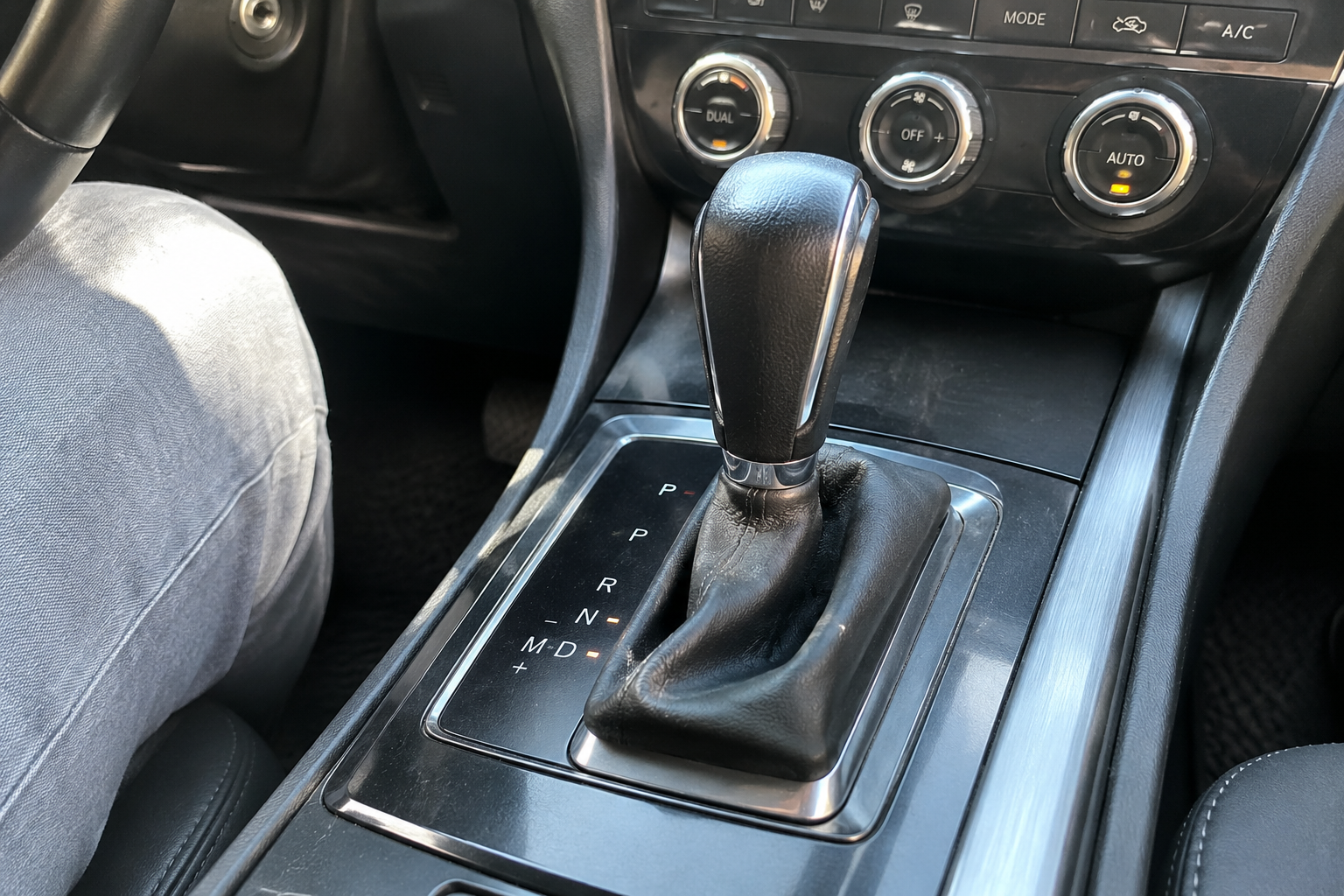
In automatic transmissions, jerks often occur when shifting between individual gears. For example, the car may briefly delay before shifting, and then accelerate sharply. In many cases, the cause is related to the condition of the oil in the transmission or the operation of the hydraulic unit.
In DSG transmissions, shifting occurs using a double clutch. If the friction discs are worn or the system incorrectly determines the moment of shifting, jerks when shifting gears become noticeable during starting or when driving in traffic jams.
In cars with a manual transmission, jolts are usually felt at the moment the clutch pedal is released. If the mechanism works unevenly or the disc is worn, the driver may feel that the gearbox is jerking even during smooth shifting.
Sometimes similar symptoms can also occur due to wear of the engine or transmission mounts. In this case, jerks intensify precisely at the moment of load transfer between nodes.
When to go for diagnostics
If the gearbox jerks only sometimes, for example after a cold start, this may be due to a change in oil viscosity or the peculiarities of the electronics. However, regular jerks when shifting gears indicate that the transmission is working with deviations.
It is especially worth paying attention to situations when the jerks become stronger, a delay in gear engagement appears, or the car begins to respond to pressing the gas pedal with a pause. The appearance of extraneous noises or the feeling that the gearbox shifts gears with excessive effort can also be alarming.
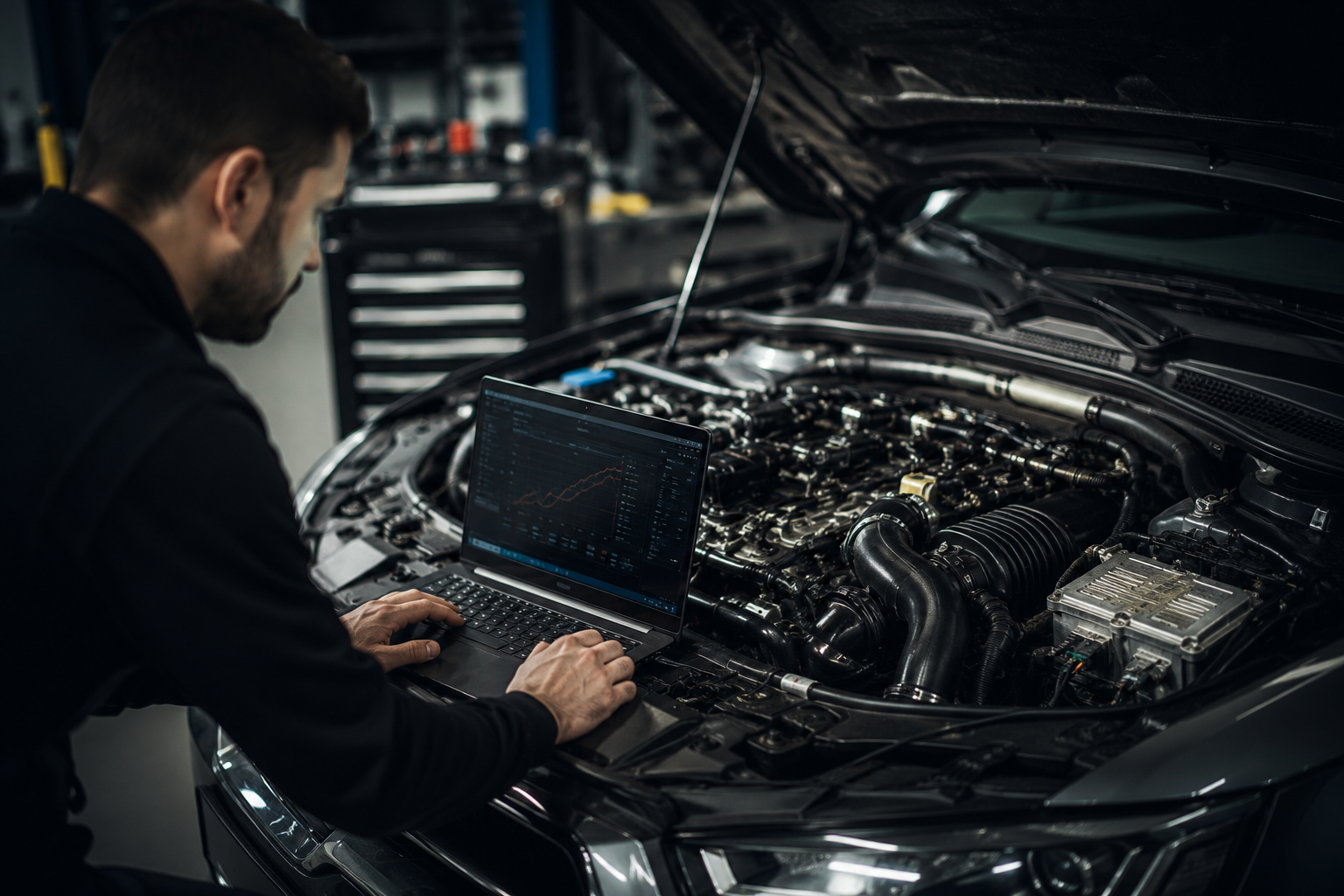
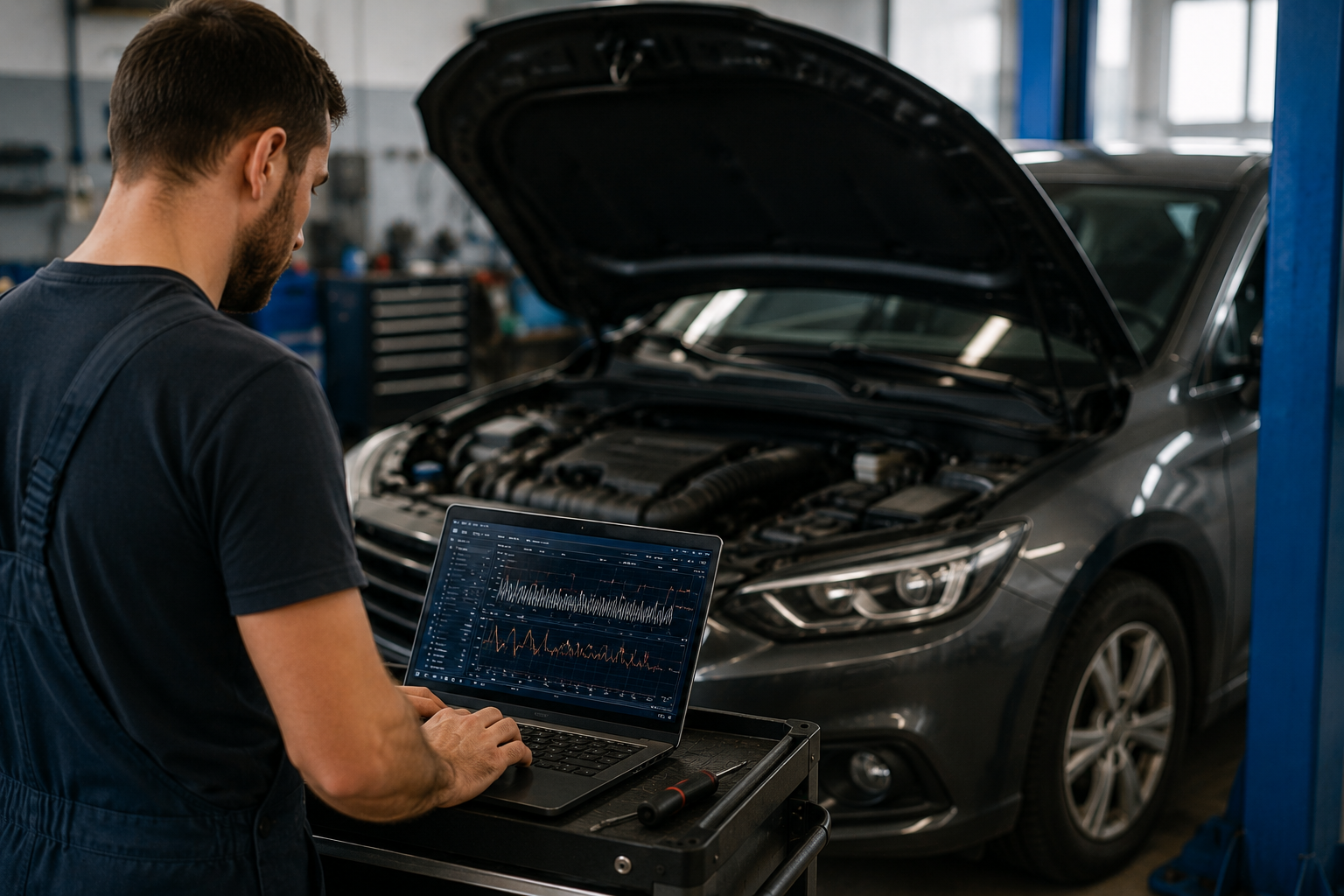
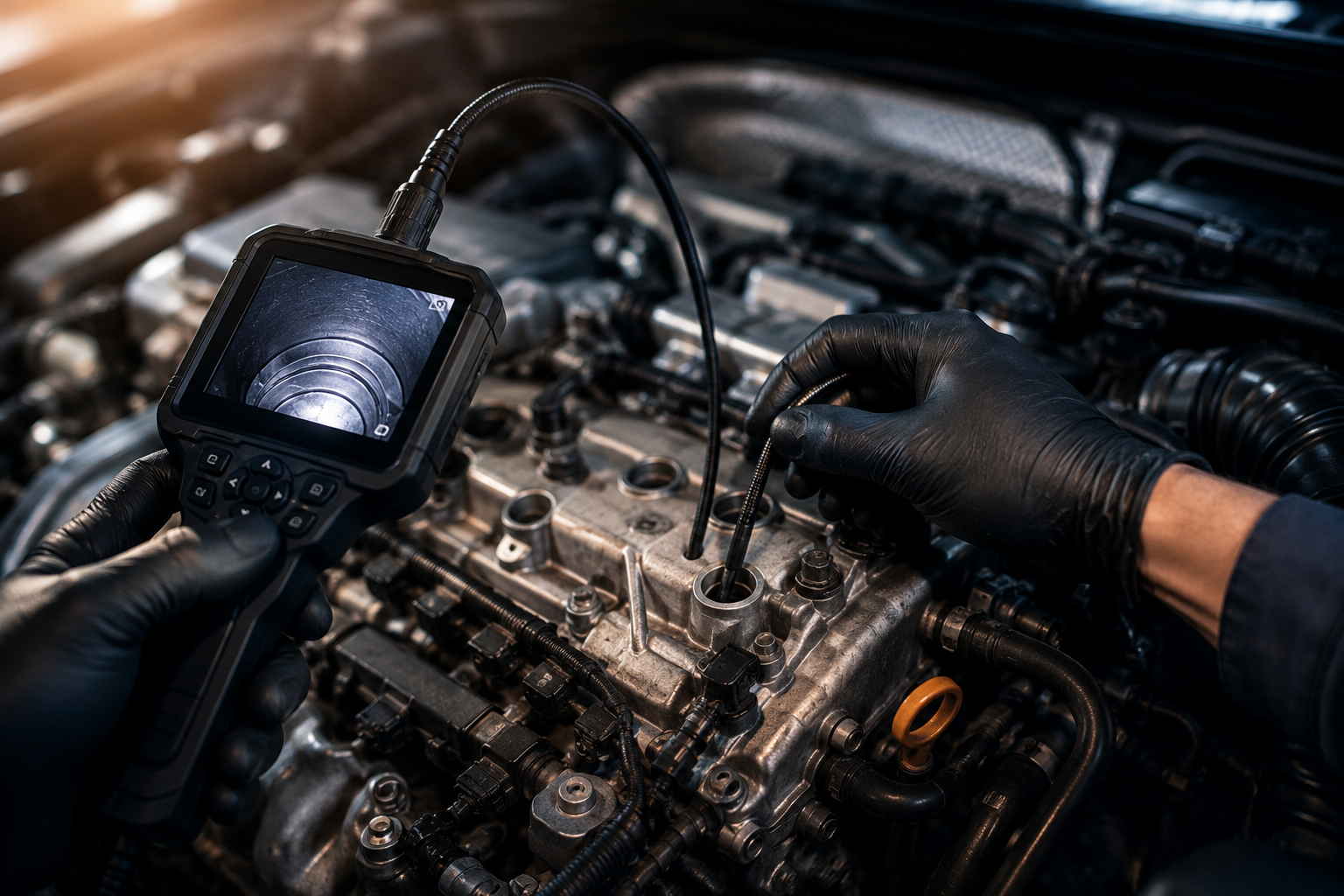
A timely check allows you to understand why the gearbox is jerking and determine the condition of the main transmission components. During diagnostics, the level and condition of the oil in the gearbox, the operation of electronic systems, as well as the degree of clutch wear are usually checked.
If the problem is detected at an early stage, in many cases, transmission maintenance or adjustment of settings is sufficient. Ignoring jerks can lead to the gearbox jerking more and more, and the wear of parts gradually turns into more complex repairs.
Top popular news
- Steering Tie Rod Knocking: Symptoms and How Not to Confuse It with a Faulty Rack
- How to Read US Car Auction Photos and See More Than the Camera Shows
- Restoring Vehicle Safety After Airbag Deployment: Why Cheap SRS Repairs Are Dangerous
- VAG Comfort Control Module: Simultaneous Failure of Locks, Mirrors, and Power Windows
- The Heater Blows Weakly, and the Engine Takes a Long Time to Warm Up: Where to Look for the Cause
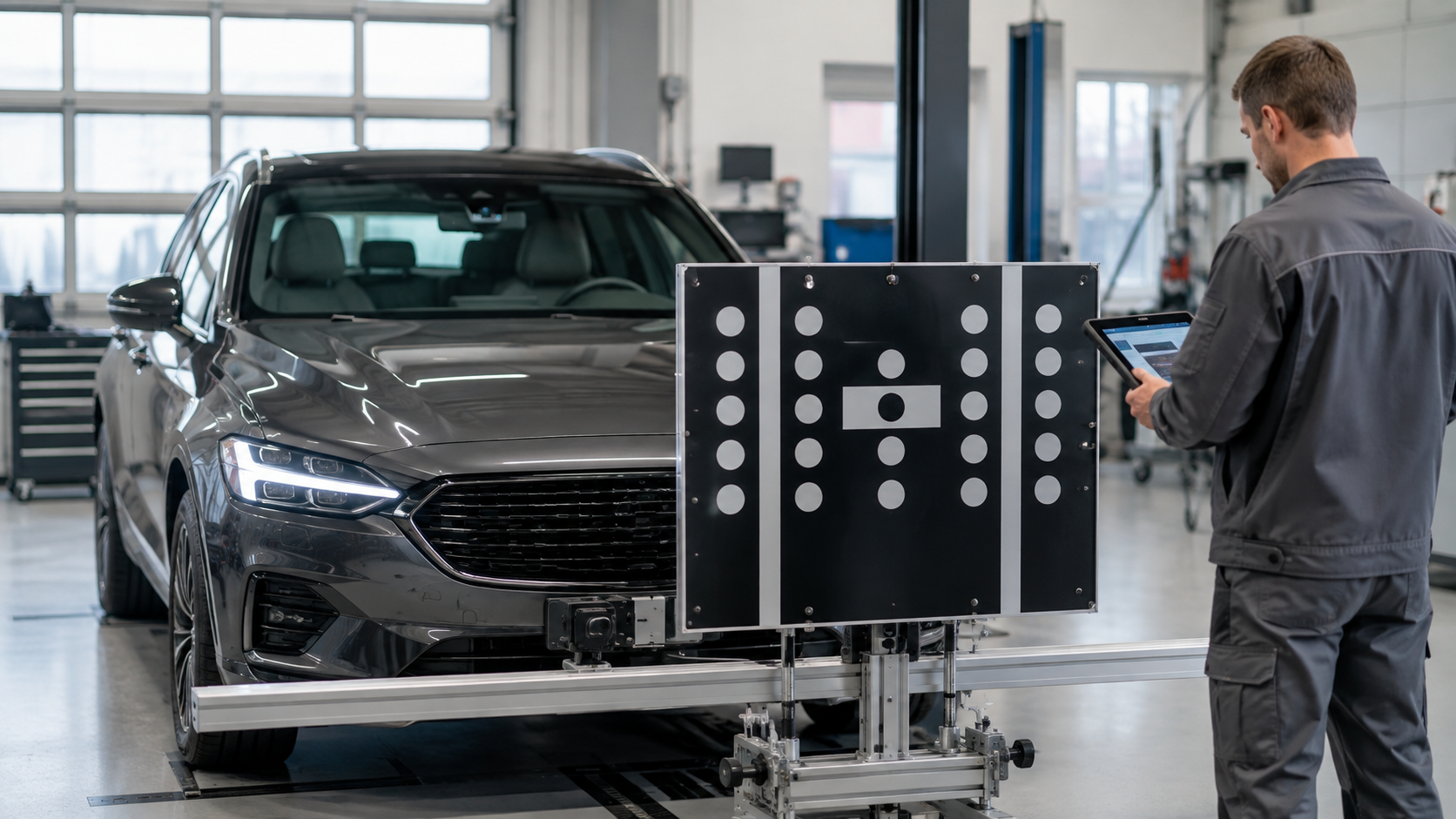
- ADAS calibration after windshield replacement: restoring the accuracy of driver-assistance systems
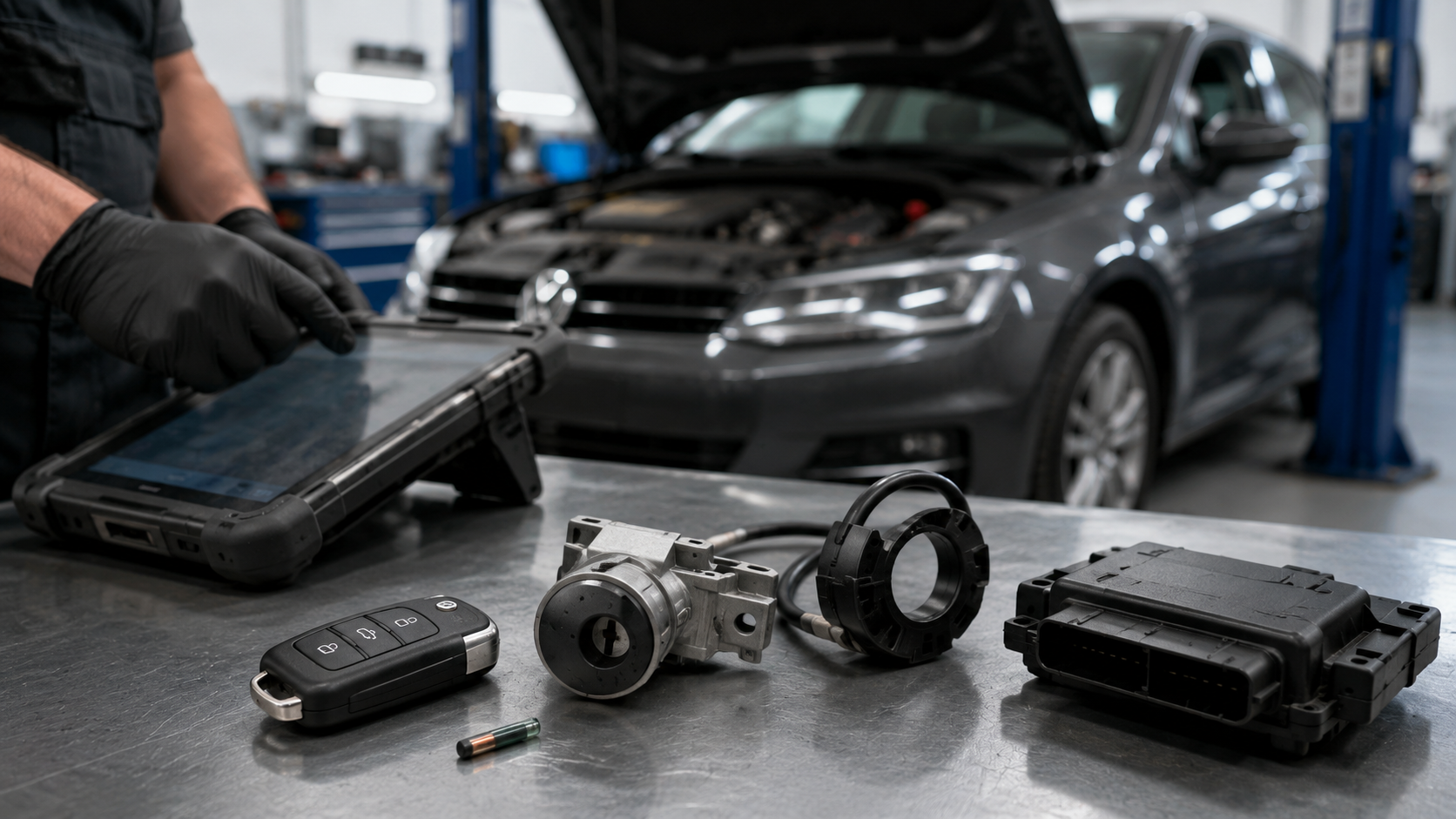
- VAG immobilizer: why the car will not start and the key transponder is not recognized
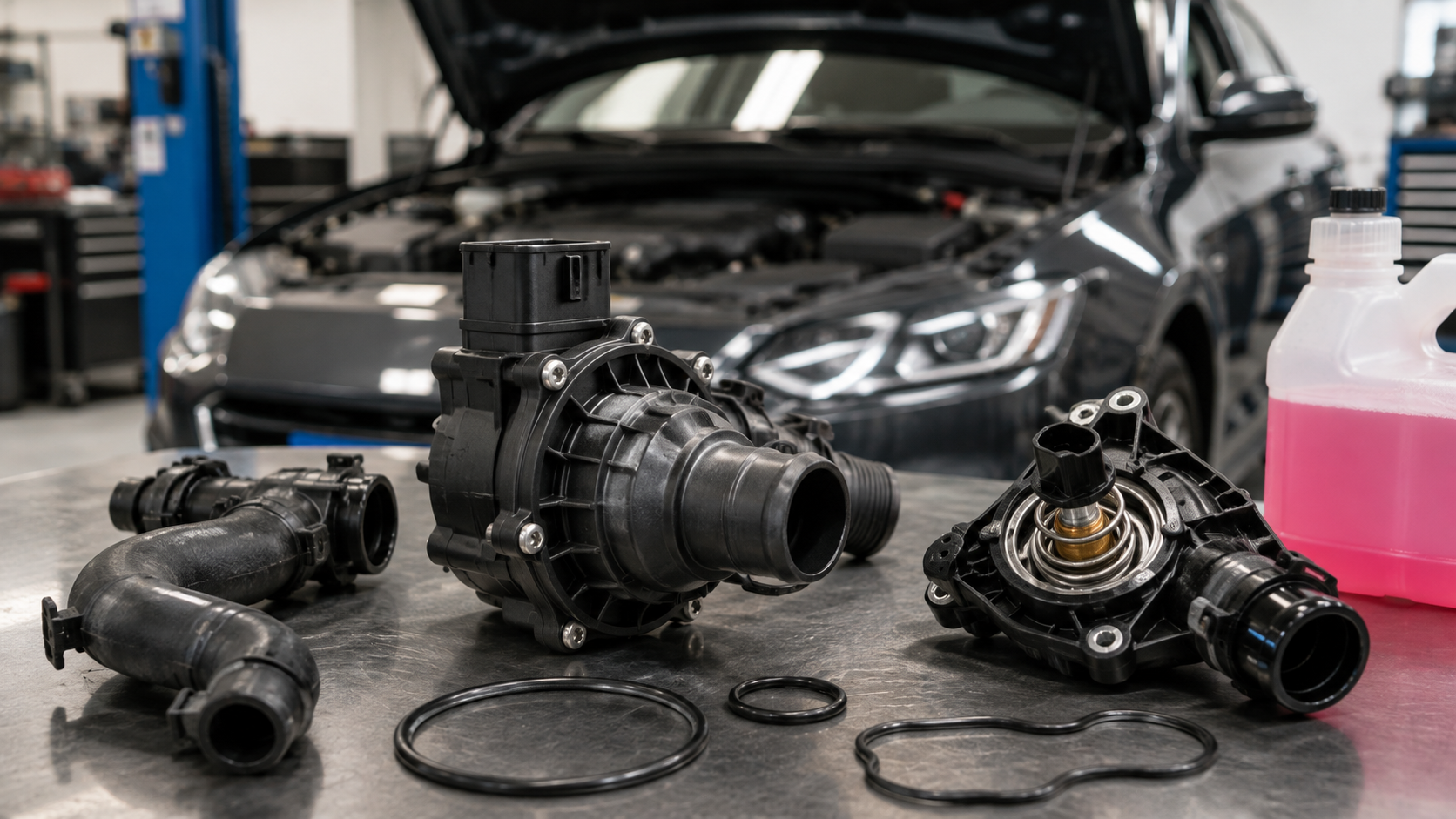
- TSI coolant pump and thermostat: causes of slow warm-up and engine overheating

Subscribe to our newsletter!
To stay updated with the latest news

Book a service