Mon - Sat | 09:00 - 19:00


Find

Contact us

Odesa
Hrushevskoho str., 41
 Мережа СТО в місті
Місто
 +38 (096) 299 29 97
Odesa
Hrushevskoho str., 41
 Мережа СТО в місті
Місто
+38 (096) 299 29 97

 Години роботи
 Mon - Sat
09:00 - 19:00
The car is pulled to the side: why does the car deviate while driving
Why does the car start to deviate from the trajectory?
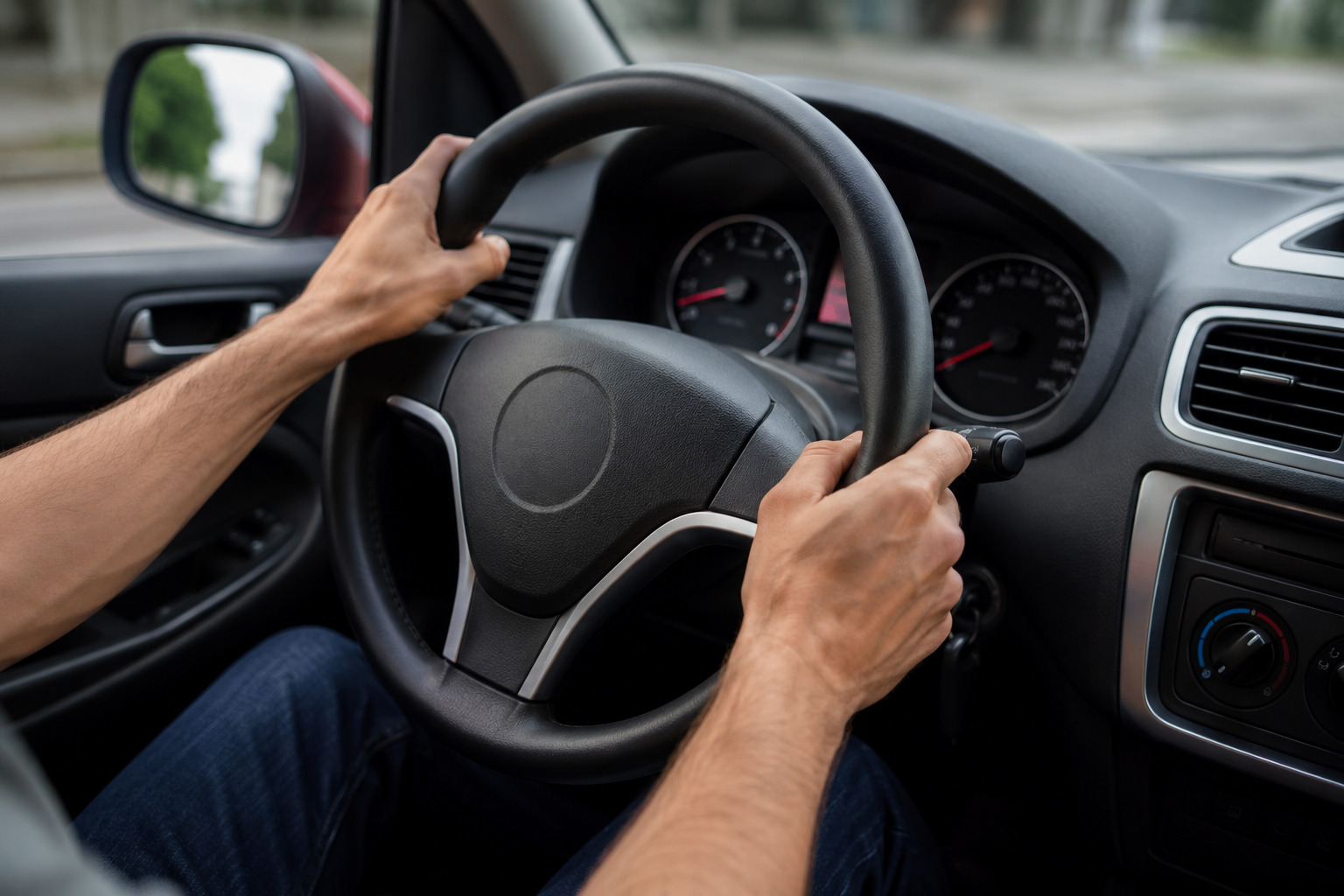
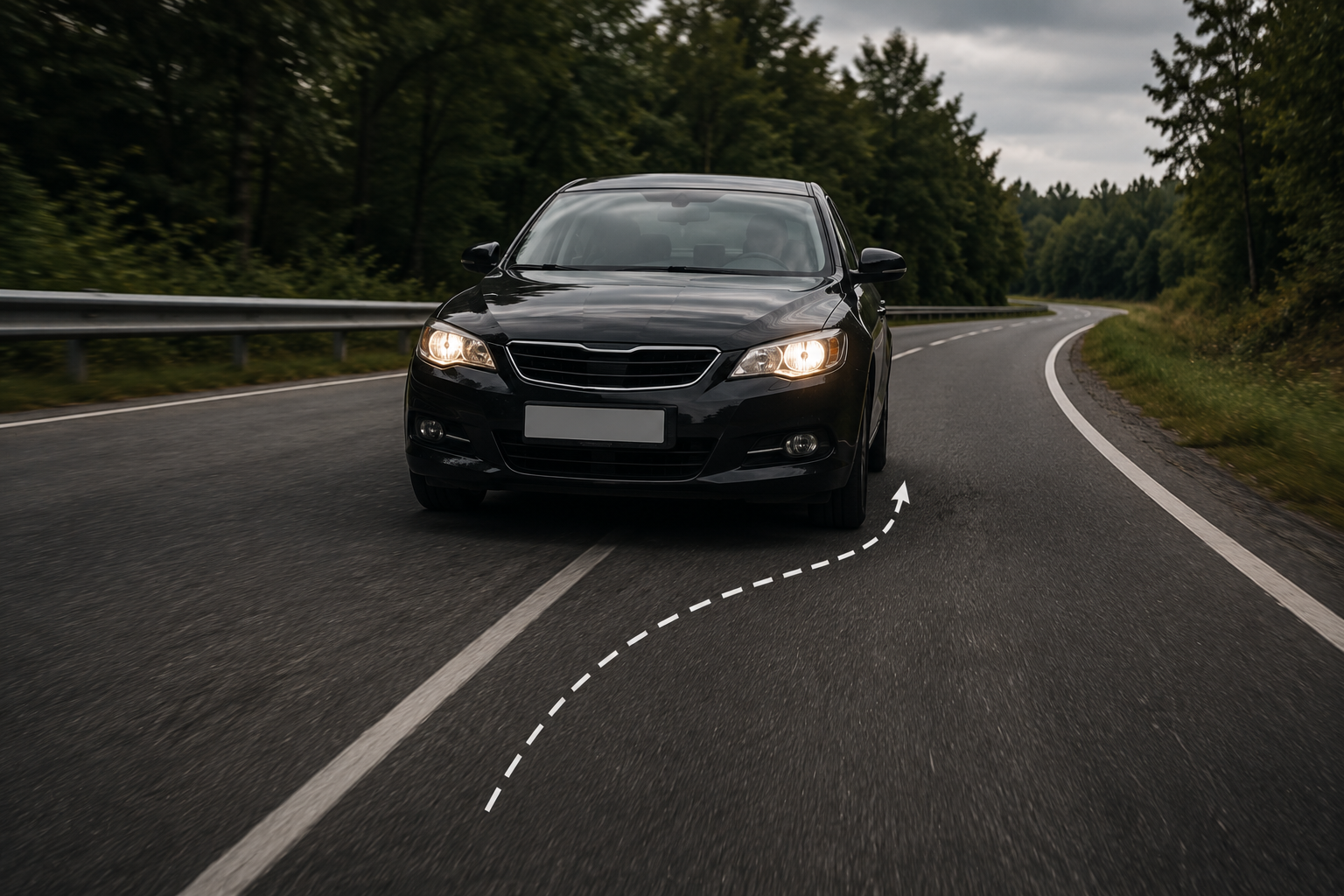
The situation when the car pulls to the side is familiar to many drivers. The car may begin to gradually shift from a straight trajectory, and the driver has to constantly steer to keep it in the lane. Most often, such behavior is associated with the technical condition of the suspension, wheels or brake system.
The problem sometimes manifests itself only at a certain speed or during braking. In such cases, the driver notices that the car pulls to the side, although the steering wheel remains in a straight position. This indicates uneven operation of the components, wear of parts or violation of wheel geometry settings.
It also happens that the car pulls to the right or left even on a flat road. Such behavior signals that the balance between the wheels or suspension elements is disturbed. Even a slight deviation can lead to excessive fuel consumption, faster tire wear and increased driver fatigue due to constant steering.
The main reasons for a car to swerve while driving

To understand why a car is pulling to one side, you need to look at several systems in the car. Deviation from the trajectory usually occurs due to uneven operation of the suspension elements or wheels.
The most common reasons are as follows:
- Uneven tire pressure. If one wheel has lower pressure, it creates more resistance, and the car starts to move in the corresponding direction. Even 0.2–0.3 bar of difference between the wheels noticeably affects the behavior of the car.
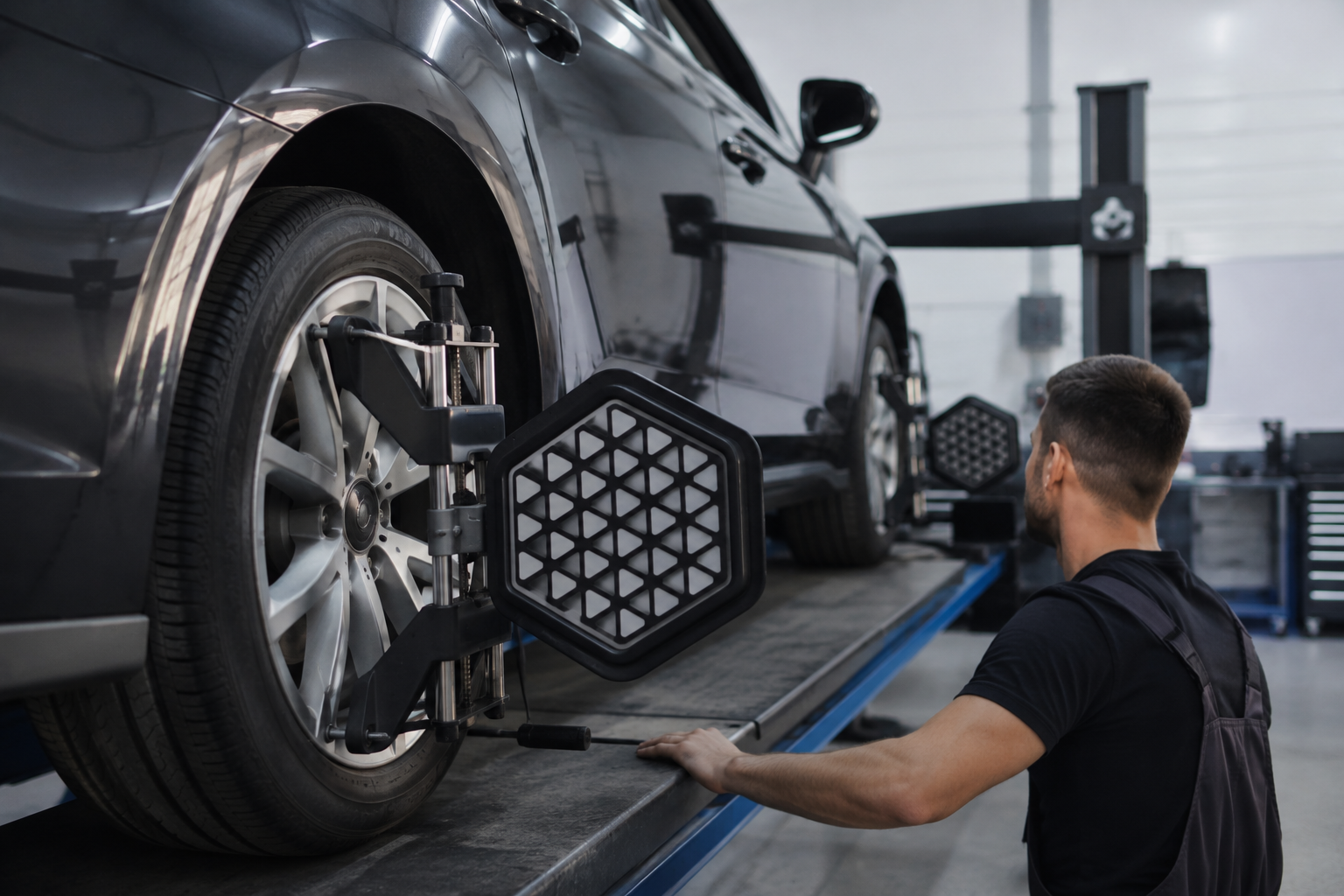
- Violation of the camber-toe. Incorrect wheel installation angles change the direction of the car’s movement, which causes the car to pull to the side even on a straight road. This is often the result of hitting a curb or uneven road surfaces.
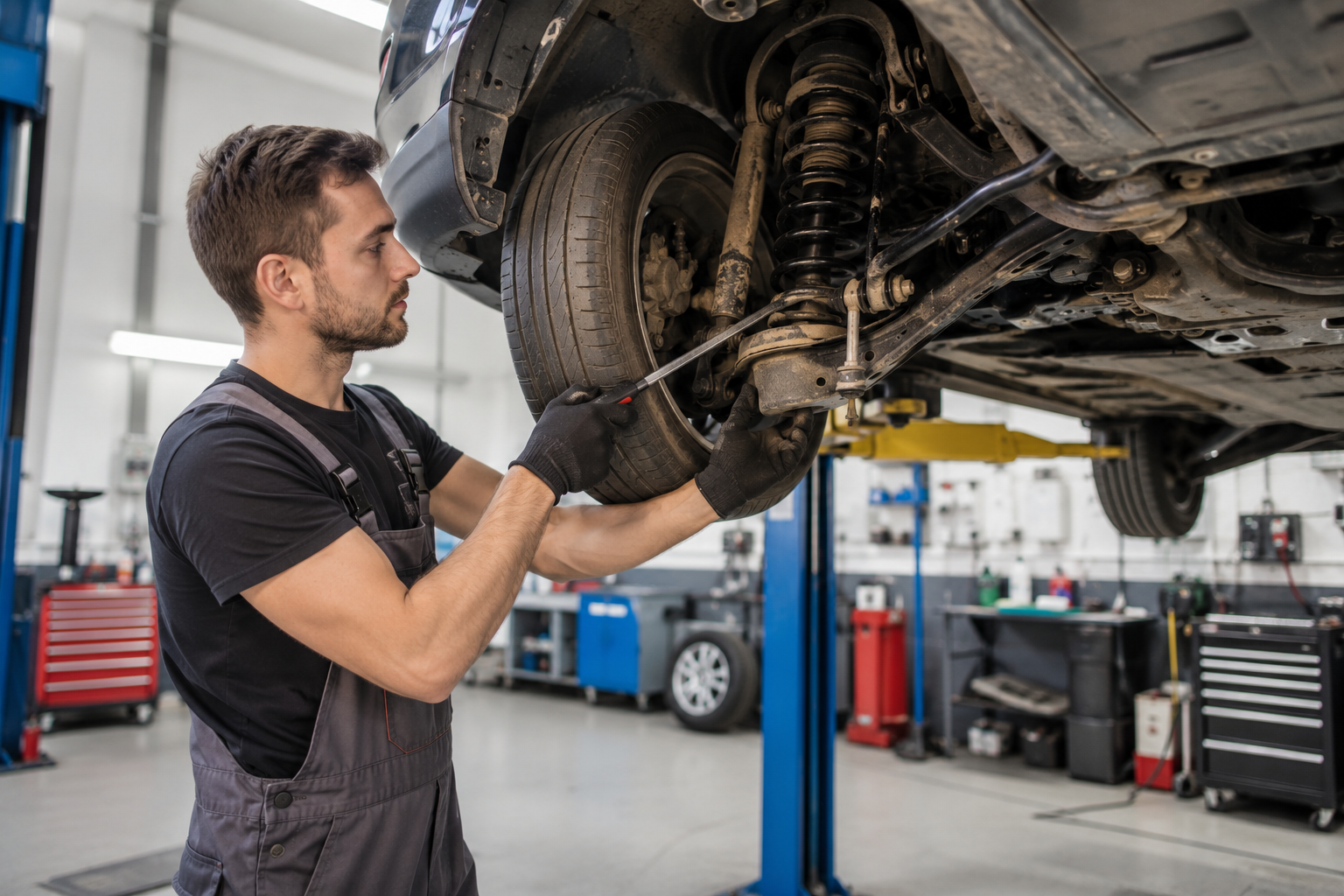
- Suspension wear. Deformation, play in the levers or silent blocks creates an uneven load on the wheels. As a result, the car pulls to the side while driving, especially at high speed or during maneuvers.
- Problems with the brake system. If one wheel brakes harder than the other, the car pulls to the side when slowing down, which is dangerous on slippery or wet roads.
- Faulty shock absorbers. Loss of shock absorber efficiency disrupts the stability of wheel contact with the road, which also leads to vehicle deflection.
In many cases, deviations are the result of a combination of factors, rather than a single problem.
How does camber and tire condition affect
One of the main reasons why a car pulls to one side is a violation of the wheel geometry parameters. The camber determines the angle of inclination of the wheels relative to the body and the road surface. If it deviates from the norm, the car begins to move crookedly, and the steering becomes less predictable.
Even a small violation of the camber angle accelerates tire wear. This creates a vicious circle: uneven wear increases the deviation of the car while driving, and the driver is forced to adjust the steering wheel more often.
Tire pressure also plays an important role. Wheels with different pressures create uneven contact with the road. Because of this, the car pulls to the right or left, and the driver constantly compensates for the deviation. Regularly checking and pumping up tires to the recommended pressure helps reduce this problem.
It is also worth paying attention to the condition of the tread. Uneven tire wear can affect handling, especially in rainy weather or on slippery asphalt.
When the problem is related to the chassis
Sometimes the reason why the car pulls to one side should be sought in the suspension components. The car’s running system consists of many parts that work together and ensure driving stability.
Worn suspension arms, damaged silent blocks or loose mounts can change the position of the wheels while driving. Even if the camber formally corresponds to the norm, road irregularities or maneuvers cause the car to pull to the side.
Shock absorbers play an equally important role. If one of them loses its effectiveness, the load on the wheels is distributed unevenly, and the car can shift to the side. In addition, suspension wear over time affects tire wear and vehicle handling, increasing the risk of accidents.
Problems with the brake system can also cause deviations during braking. If one wheel brakes harder, the car pulls to the side. This often becomes a signal to check all elements of the chassis and brake system.
Top popular news
- Steering Tie Rod Knocking: Symptoms and How Not to Confuse It with a Faulty Rack
- How to Read US Car Auction Photos and See More Than the Camera Shows
- Restoring Vehicle Safety After Airbag Deployment: Why Cheap SRS Repairs Are Dangerous
- VAG Comfort Control Module: Simultaneous Failure of Locks, Mirrors, and Power Windows
- The Heater Blows Weakly, and the Engine Takes a Long Time to Warm Up: Where to Look for the Cause
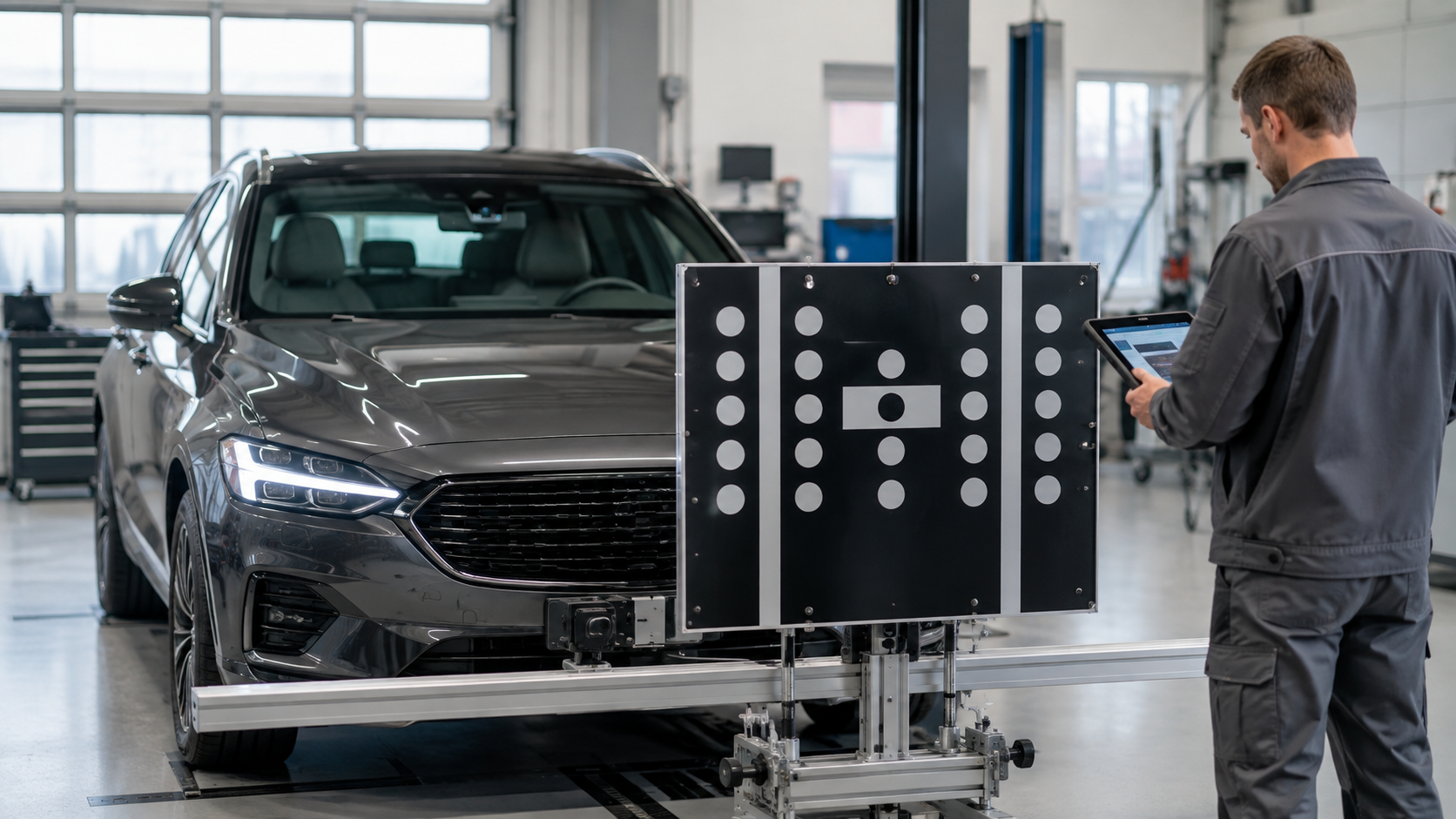
- ADAS calibration after windshield replacement: restoring the accuracy of driver-assistance systems
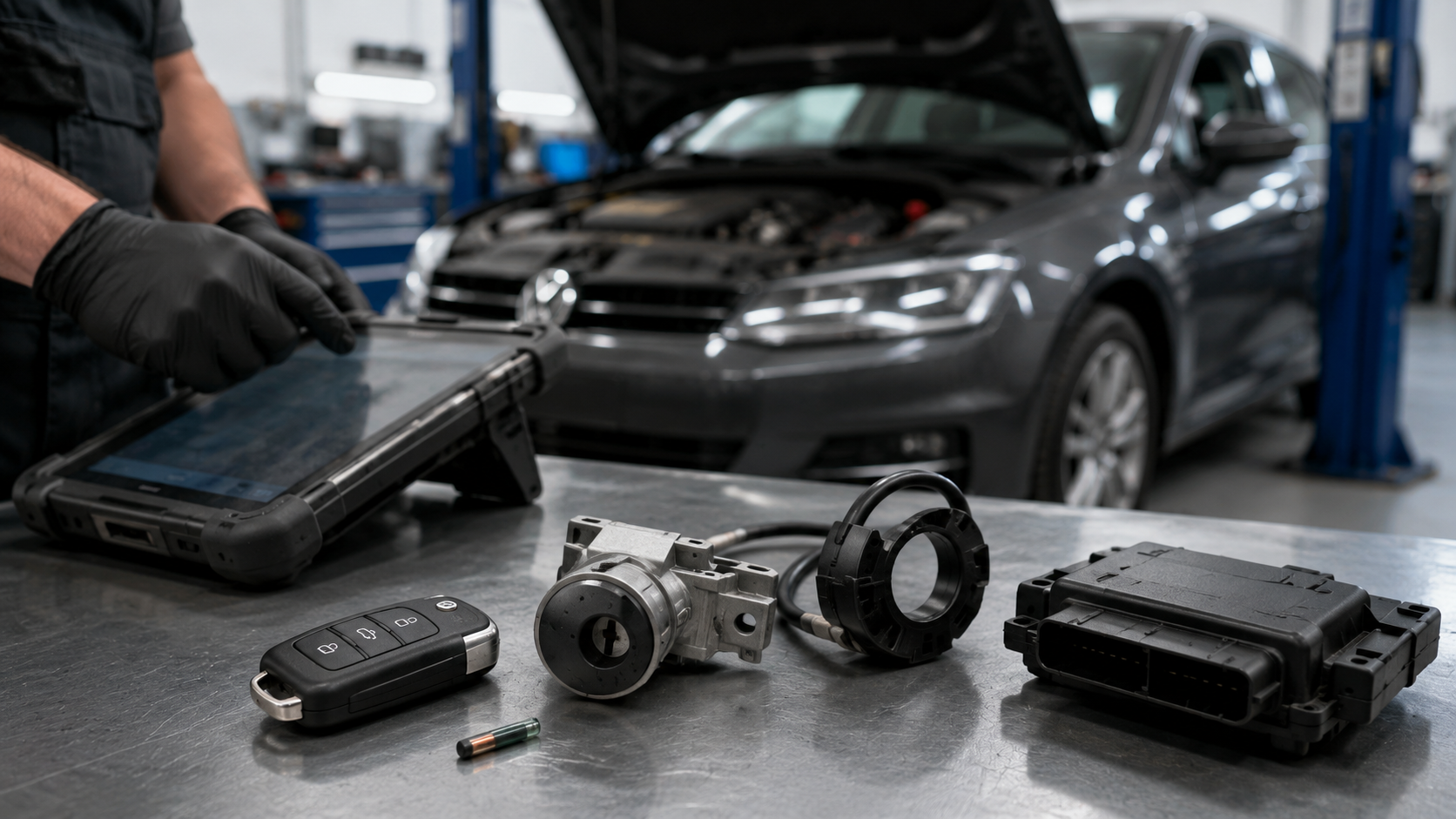
- VAG immobilizer: why the car will not start and the key transponder is not recognized
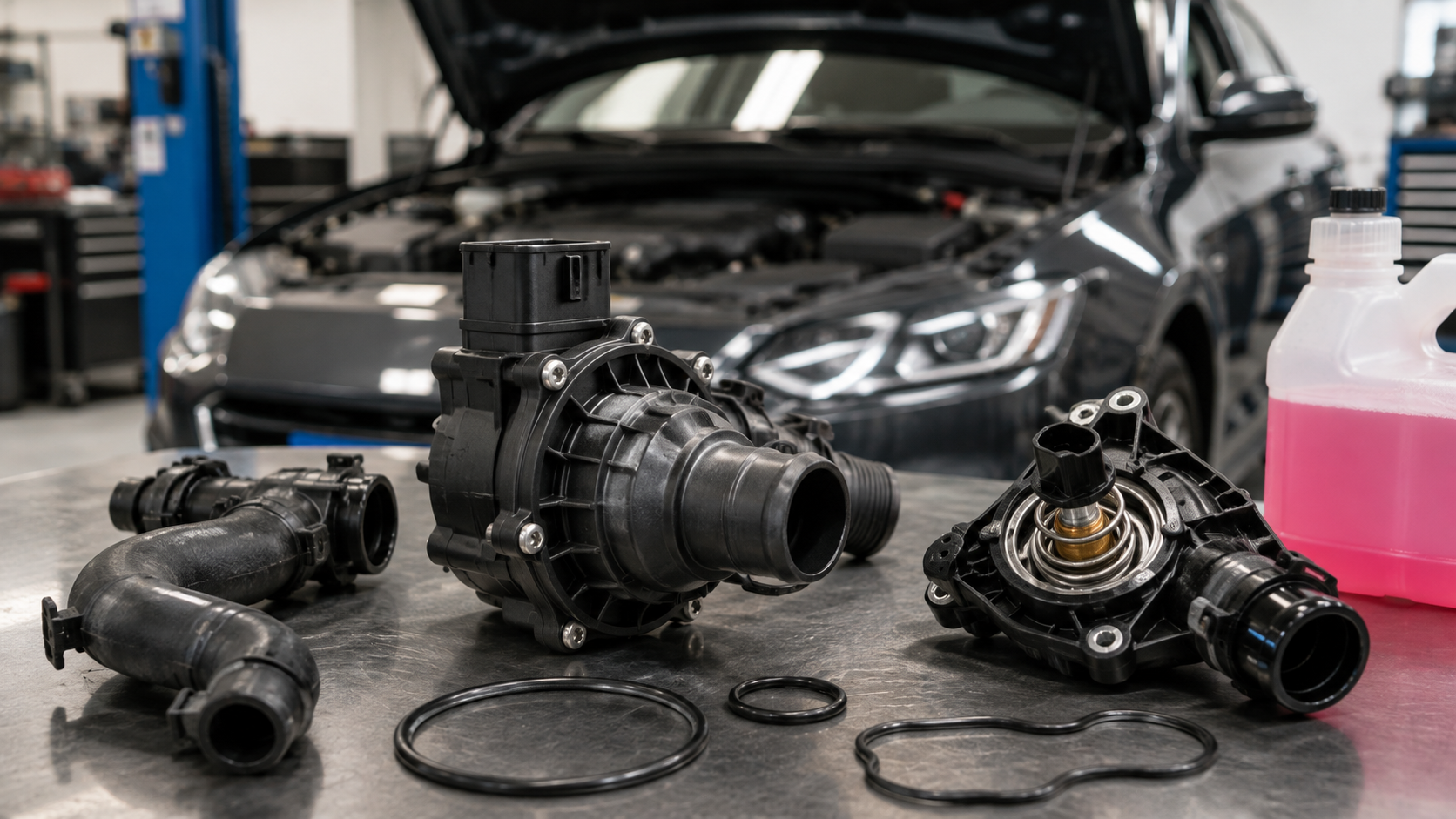
- TSI coolant pump and thermostat: causes of slow warm-up and engine overheating

Subscribe to our newsletter!
To stay updated with the latest news

Book a service