Mon - Sat | 09:00 - 19:00


Find

Contact us

Odesa
Hrushevskoho str., 41
 Мережа СТО в місті
Місто
 +38 (096) 299 29 97
Odesa
Hrushevskoho str., 41
 Мережа СТО в місті
Місто
+38 (096) 299 29 97

 Години роботи
 Mon - Sat
09:00 - 19:00
Which Suspension Repairs Require a Wheel Alignment?
After suspension repairs, many drivers wonder whether they should immediately schedule a wheel alignment. Some perform an alignment after every repair, while others postpone it until obvious problems appear. In reality, the answer depends on which suspension components were replaced or repaired. Understanding which repairs require a wheel alignment helps avoid unnecessary expenses while protecting your tires from uneven wear.
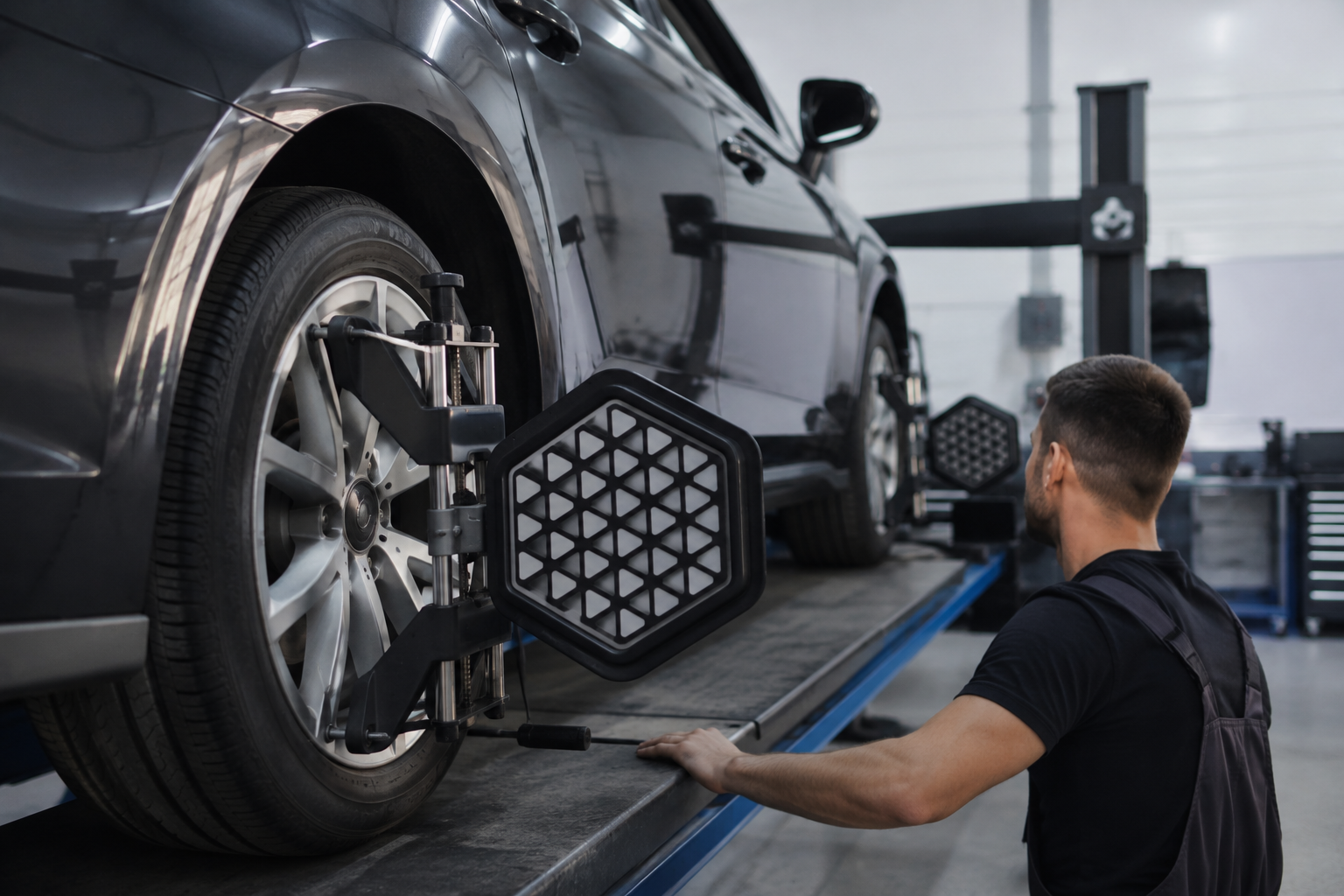
Camber, toe, and caster angles determine the position of the wheels relative to the vehicle body and the road surface. Even a slight change in these angles can reduce straight-line stability, causing tires to wear unevenly. Over time, the tread pattern changes, rolling resistance increases, and the driver may notice that the steering wheel no longer returns to its centered position as smoothly as before.
Which Repairs Always Require a 3D Wheel Alignment
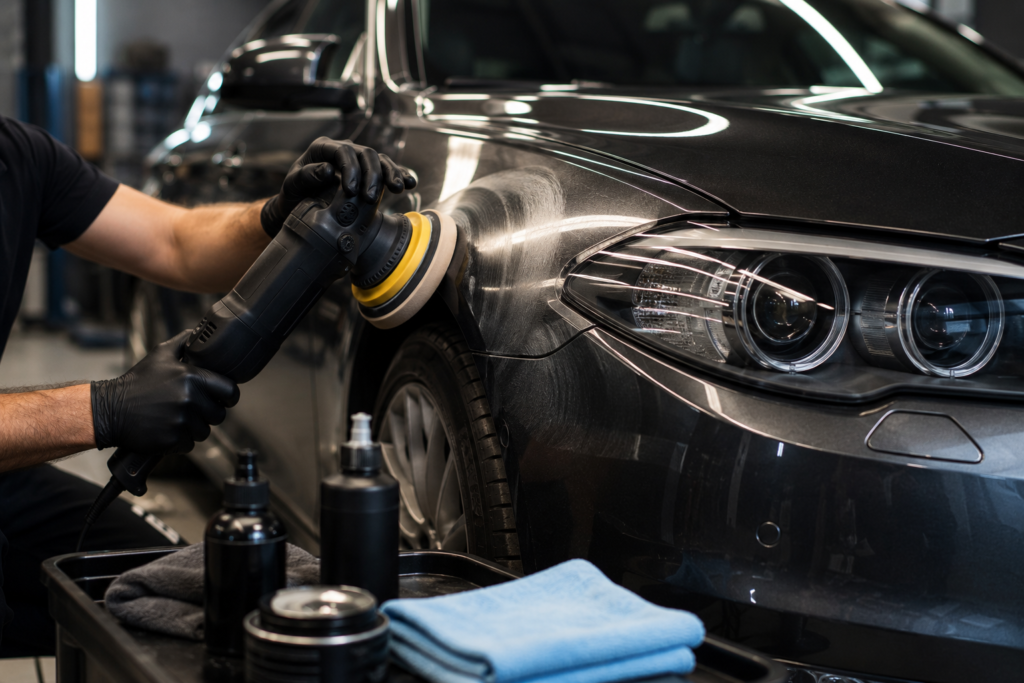
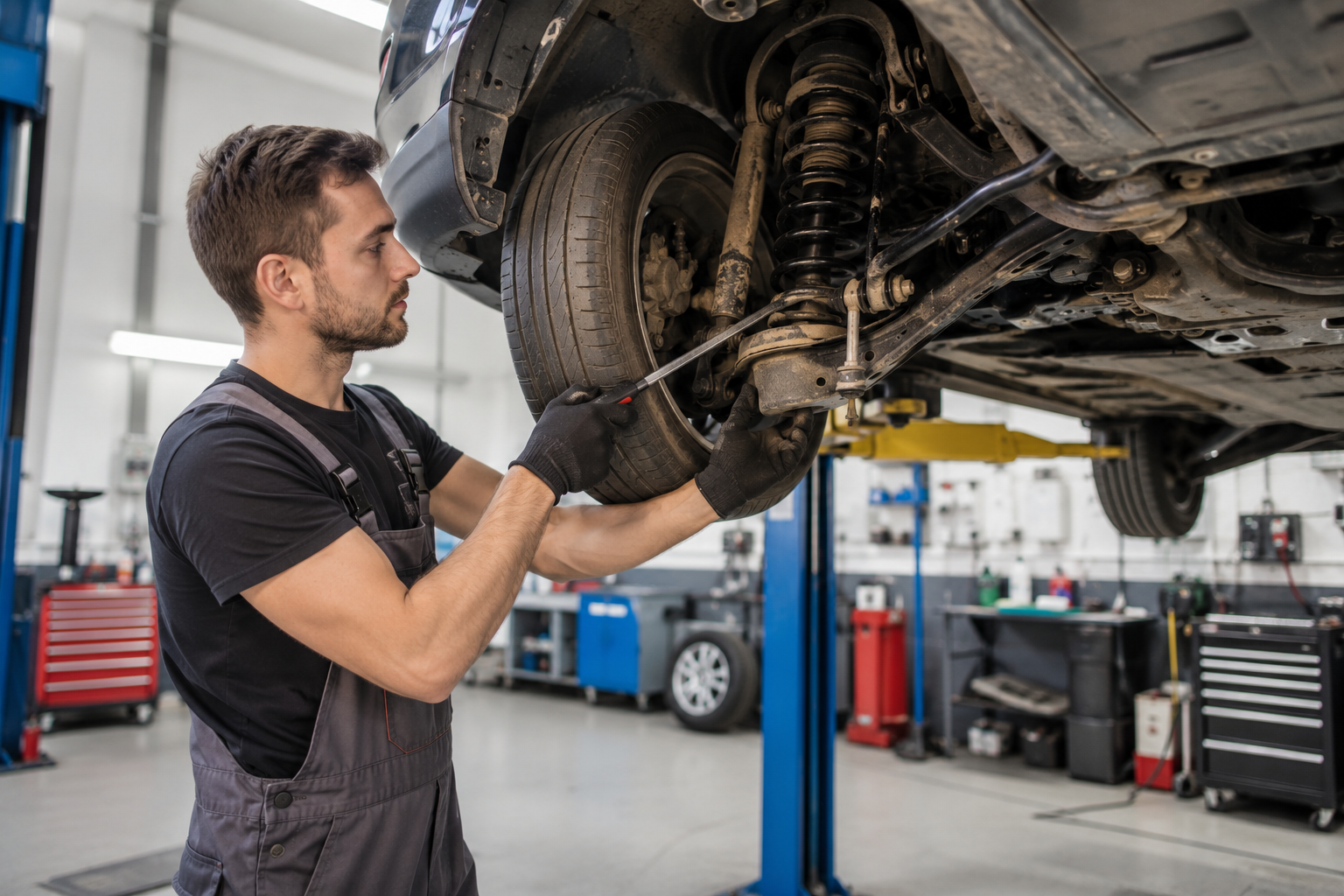
Some suspension repairs should always be followed by a wheel alignment. Any work involving components that determine wheel position can alter the factory suspension geometry.
These repairs include:
- replacing tie rod ends or steering rods;
- installing new control arms or control arm bushings;
- removing or repositioning the subframe;
- replacing shock absorbers on MacPherson suspension systems, where the strut position affects camber;
- repairing suspension damage after an accident or a severe wheel impact.
On multi-link suspension systems, simply replacing a shock absorber does not always change the wheel alignment angles. However, after disassembling the suspension, checking the alignment is still recommended. If the steering wheel pulls after suspension repairs, the cause is often incorrect wheel alignment or slight component misalignment during reassembly.
When Wheel Alignment Can Be Postponed
Not every suspension service requires a new wheel alignment. If the repair does not affect the wheel’s position relative to the vehicle body, an alignment check is usually unnecessary.
In most cases, wheel alignment is not required after:
- replacing stabilizer links;
- installing new stabilizer bushings;
- replacing brake discs or brake pads;
- repairing brake calipers or wheel hub assemblies when the suspension geometry remains unchanged.
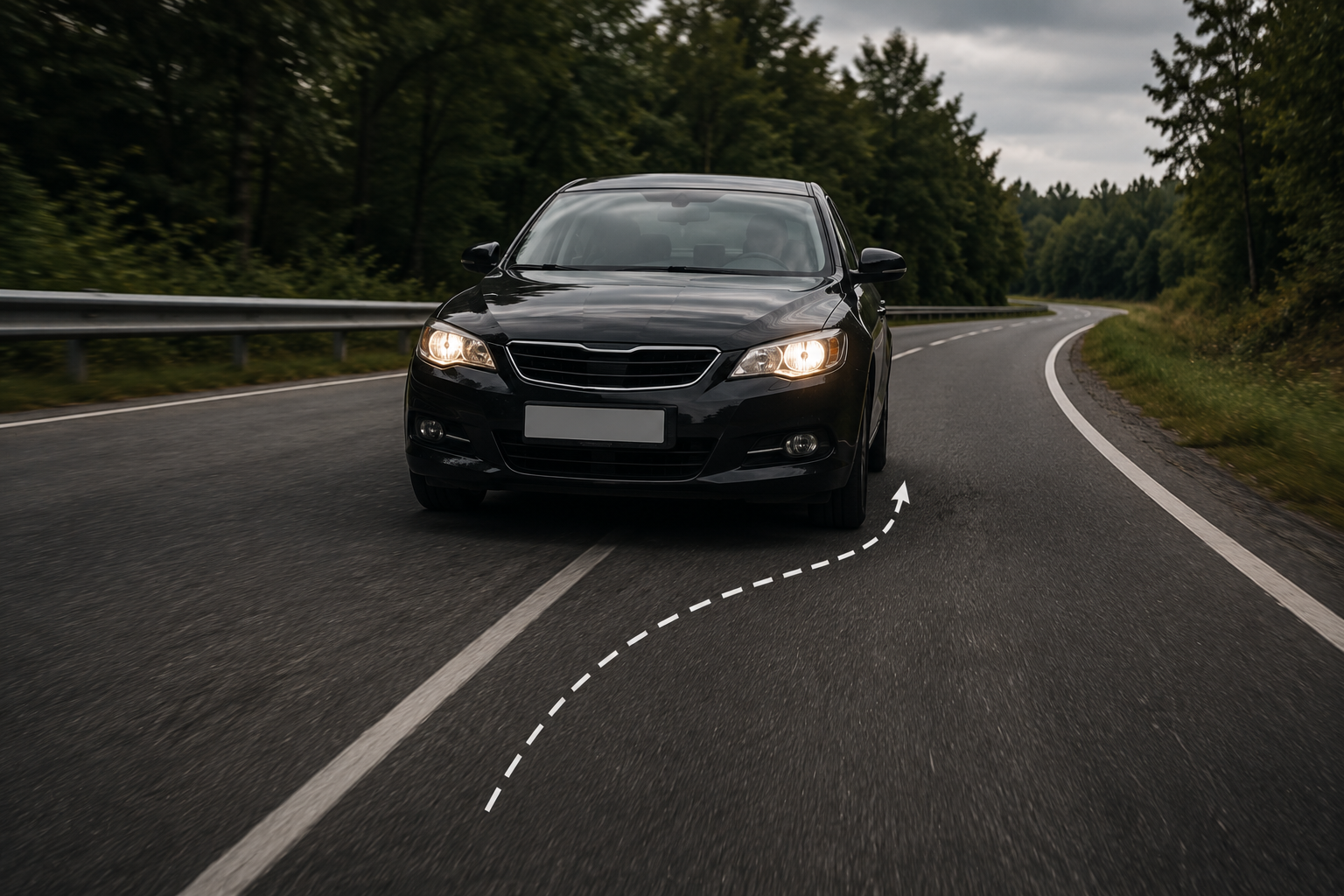
However, after reassembly, it is important to observe how the vehicle behaves. If the steering wheel is off-center while driving straight, there may be several possible causes, ranging from altered wheel alignment angles to inaccurate installation of certain components. In such situations, the alignment should not be postponed.
Why Preventive Wheel Alignment Costs Less Than New Tires
Wheel alignment changes are not caused only by repairs. Deep potholes, impacts with curbs, natural suspension wear, and long-term driving on poor road surfaces can all gradually alter wheel geometry. That is why many drivers ask how often wheel alignment should be checked as preventive maintenance. For most passenger vehicles, checking wheel alignment approximately once a year or before seasonal tire replacement is sufficient. This preventive approach allows small deviations to be detected before they begin reducing tire life.
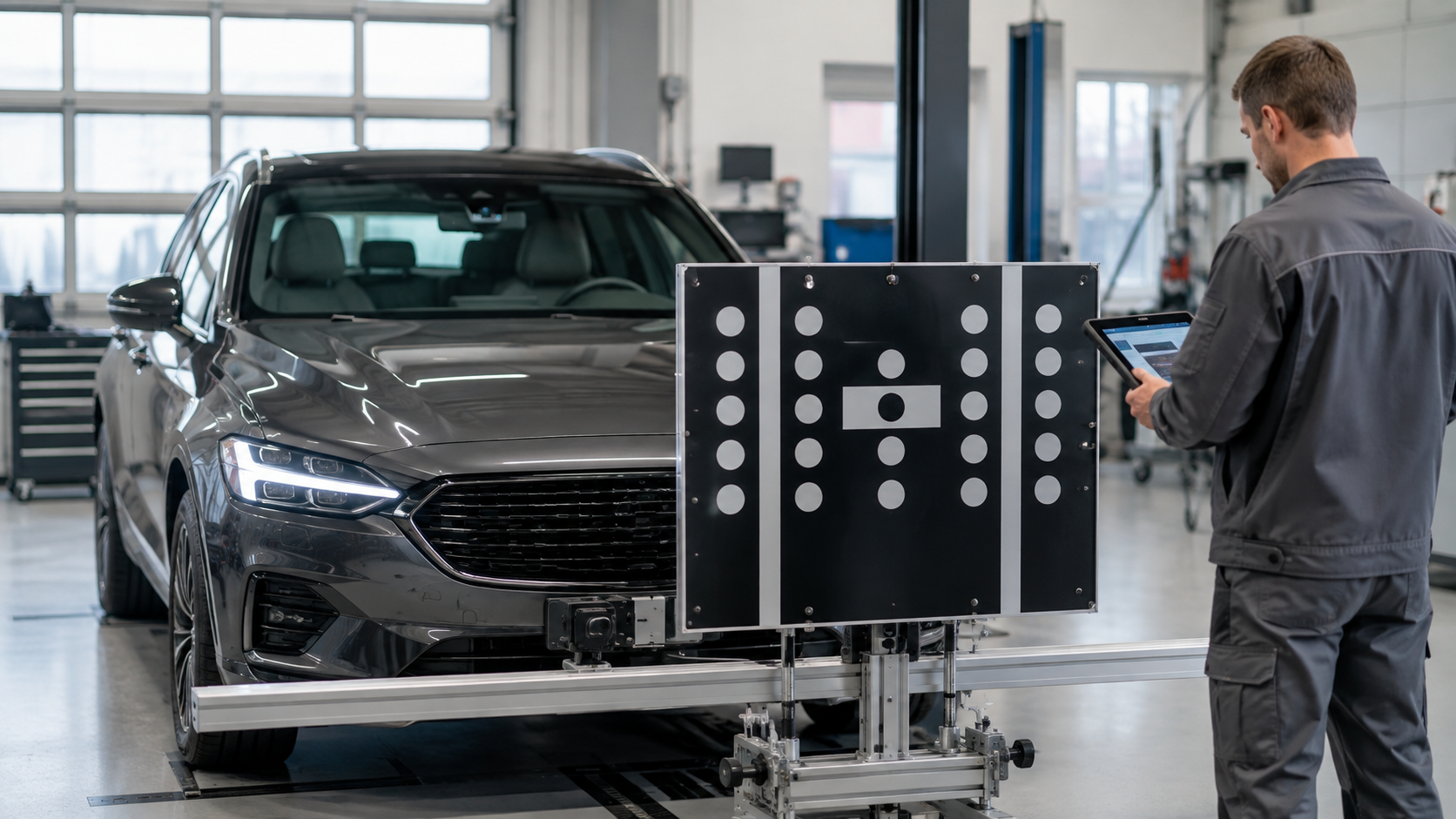
Why Modern Vehicles Are Checked Using 3D Alignment Equipment
Modern 3D alignment systems measure camber, toe, and caster angles with extremely high precision and can detect even the smallest deviations from factory specifications. After alignment, some vehicle models also require steering angle sensor calibration to ensure the stability control system and other driver assistance systems operate correctly. If you are interested in what determines the cost of a 3D wheel alignment in Kyiv, it is important to consider not only the alignment procedure itself but also any additional calibration or inspection required after suspension repairs. Regular wheel alignment inspections are almost always less expensive than replacing a prematurely worn set of tires or paying for additional suspension repairs caused by uneven loading.
Top popular news
- There is a smell of gasoline under the hood, but there are no signs of a leak: where to look for the problem
- Volkswagen Golf 7: which engines are considered the most successful in the secondary market
- Why do errors appear after a night frost that disappear after warming up?
- The car stalls when you suddenly release the gas: what happens at this moment
- Audi A6 with 200+ thousand mileage: what expensive malfunctions can be predicted in advance
- Why does my car start to consume more oil even though my driving style hasn’t changed?
- The ABS light came on on the dashboard: can I continue driving?
- Volkswagen Passat B8 or Skoda Superb: what will the car show after 200 thousand km

Subscribe to our newsletter!
To stay updated with the latest news

Book a service