Mon - Sat | 09:00 - 19:00


Find

Contact us

Odesa
Hrushevskoho str., 41
 Мережа СТО в місті
Місто
 +38 (096) 299 29 97
Odesa
Hrushevskoho str., 41
 Мережа СТО в місті
Місто
+38 (096) 299 29 97

 Години роботи
 Mon - Sat
09:00 - 19:00
Audi A6 with 200+ thousand mileage: what expensive malfunctions can be predicted in advance
After 200,000 kilometers, the number on the odometer no longer gives a complete picture of the car. Two Audi A6s with the same mileage can require completely different investments if one was regularly serviced, while the other has been driven for years with deferred repairs. It is not only the parts that are already faulty that are important, but also the resource of components that are approaching their limit state.
For an Audi A6 with a mileage of over 200 thousand kilometers, there is no universal list of future repairs. Much depends on the generation, engine, gearbox, equipment and operating conditions. Before buying, it is worth evaluating a specific instance, and not drawing conclusions only based on age or odometer readings.
Engine: where the biggest costs can arise

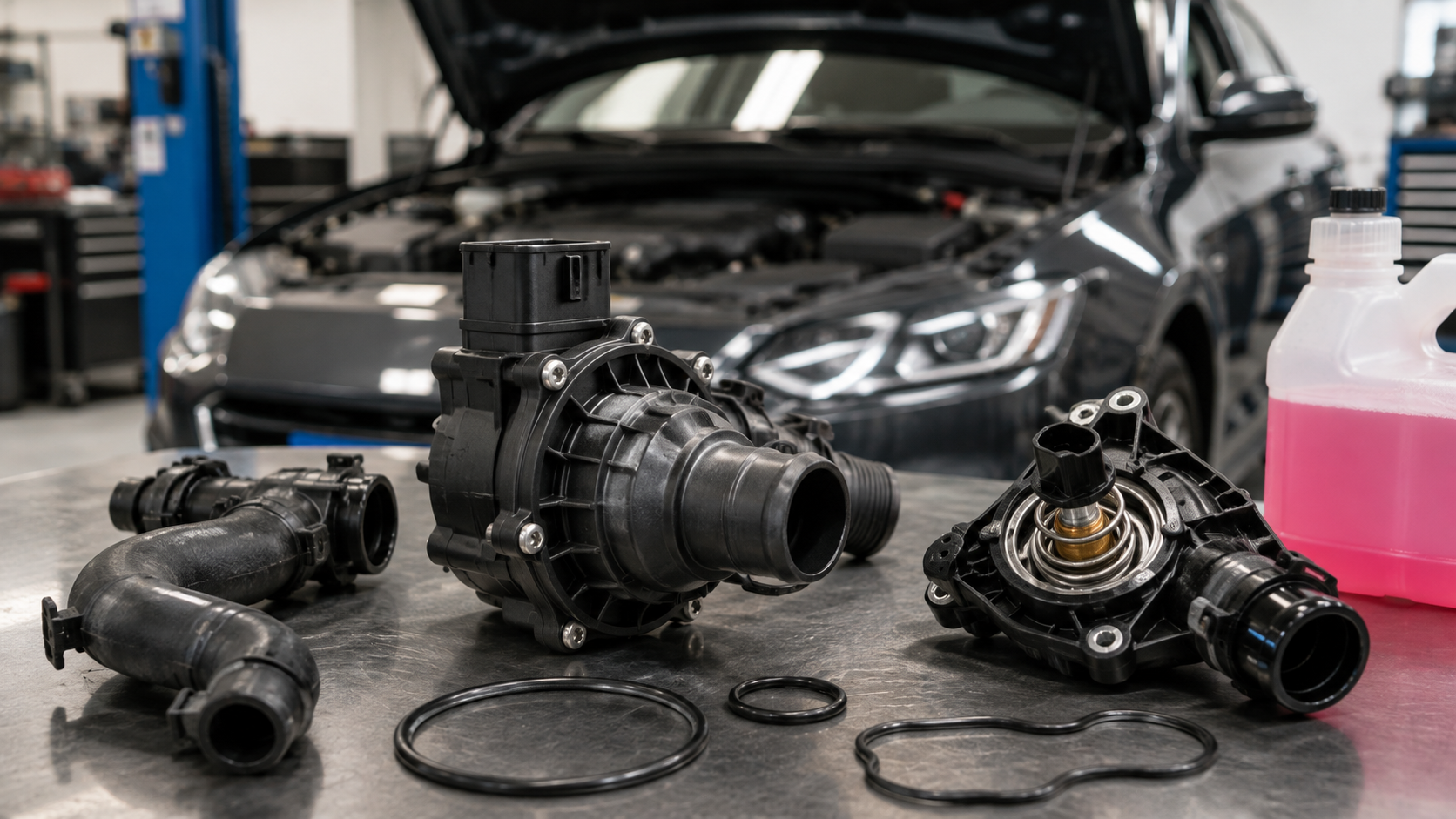
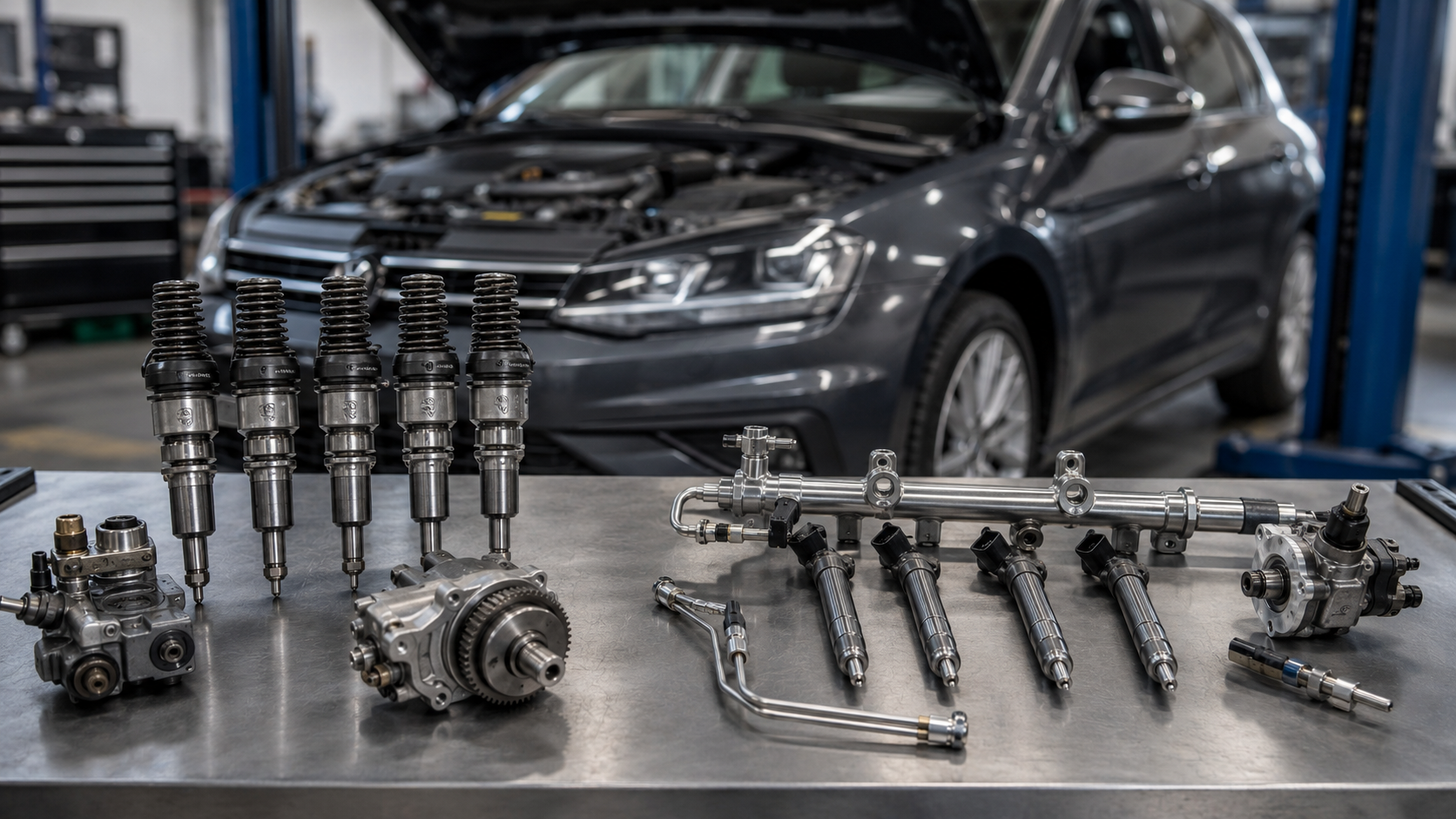
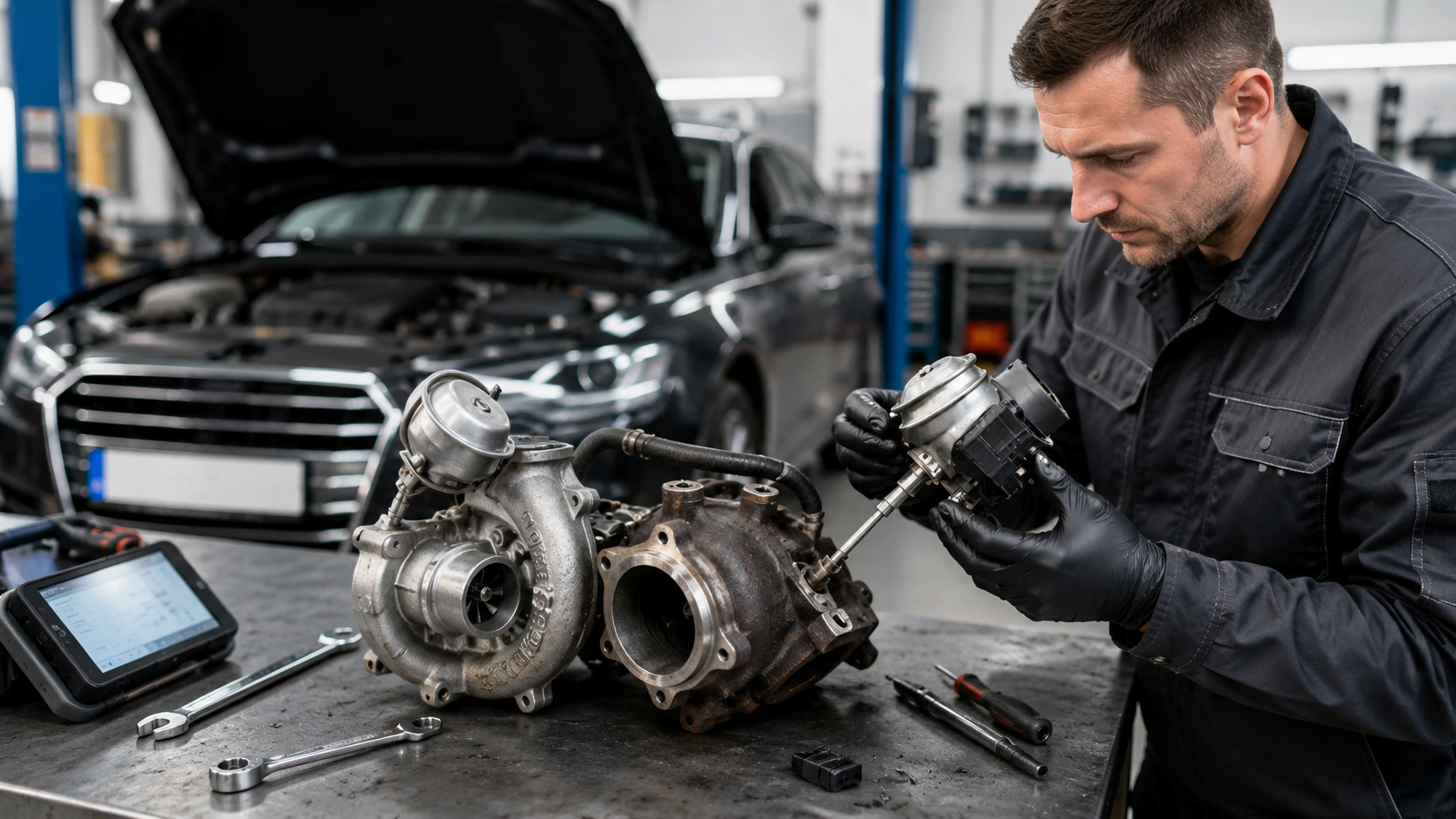
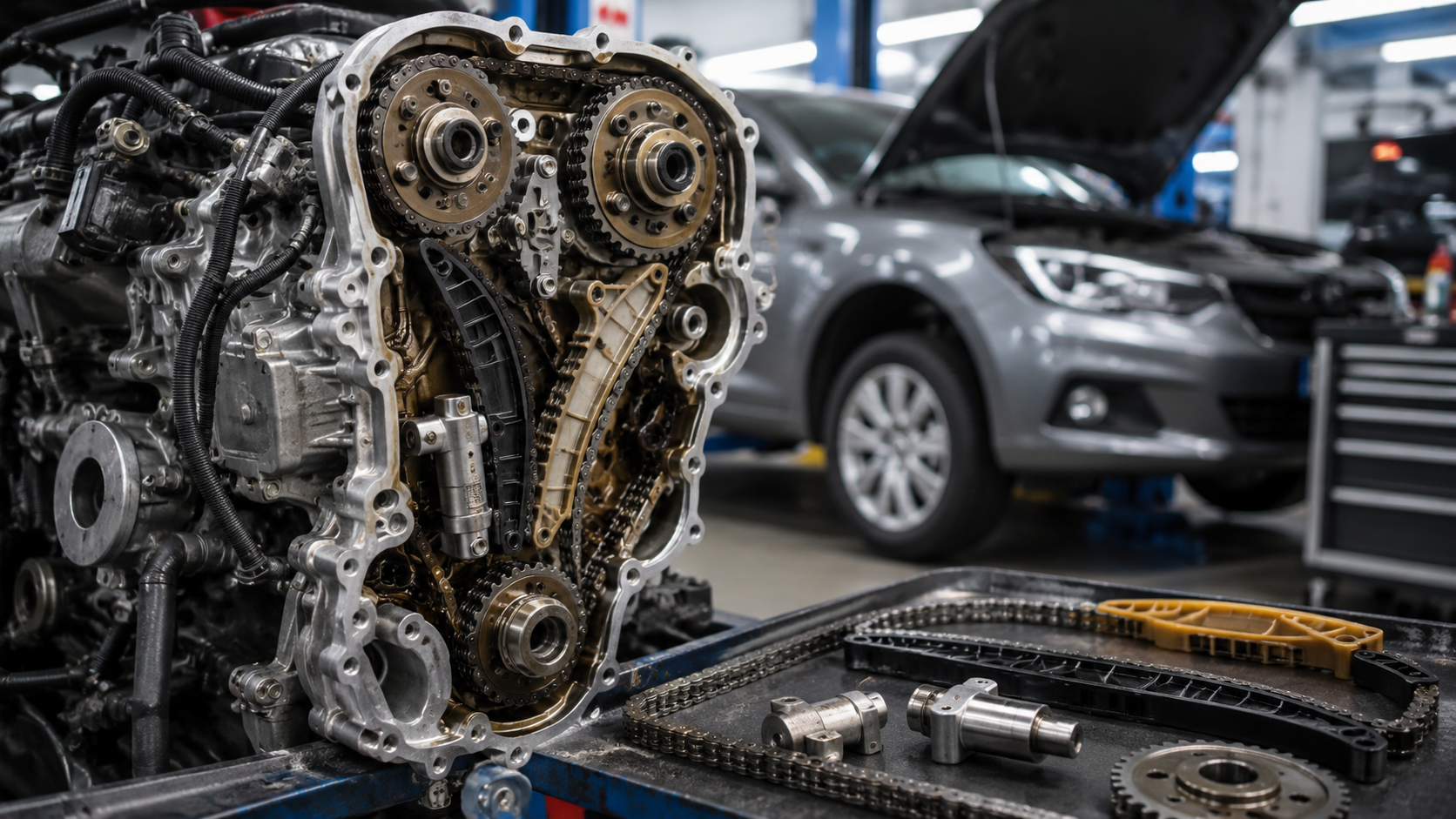
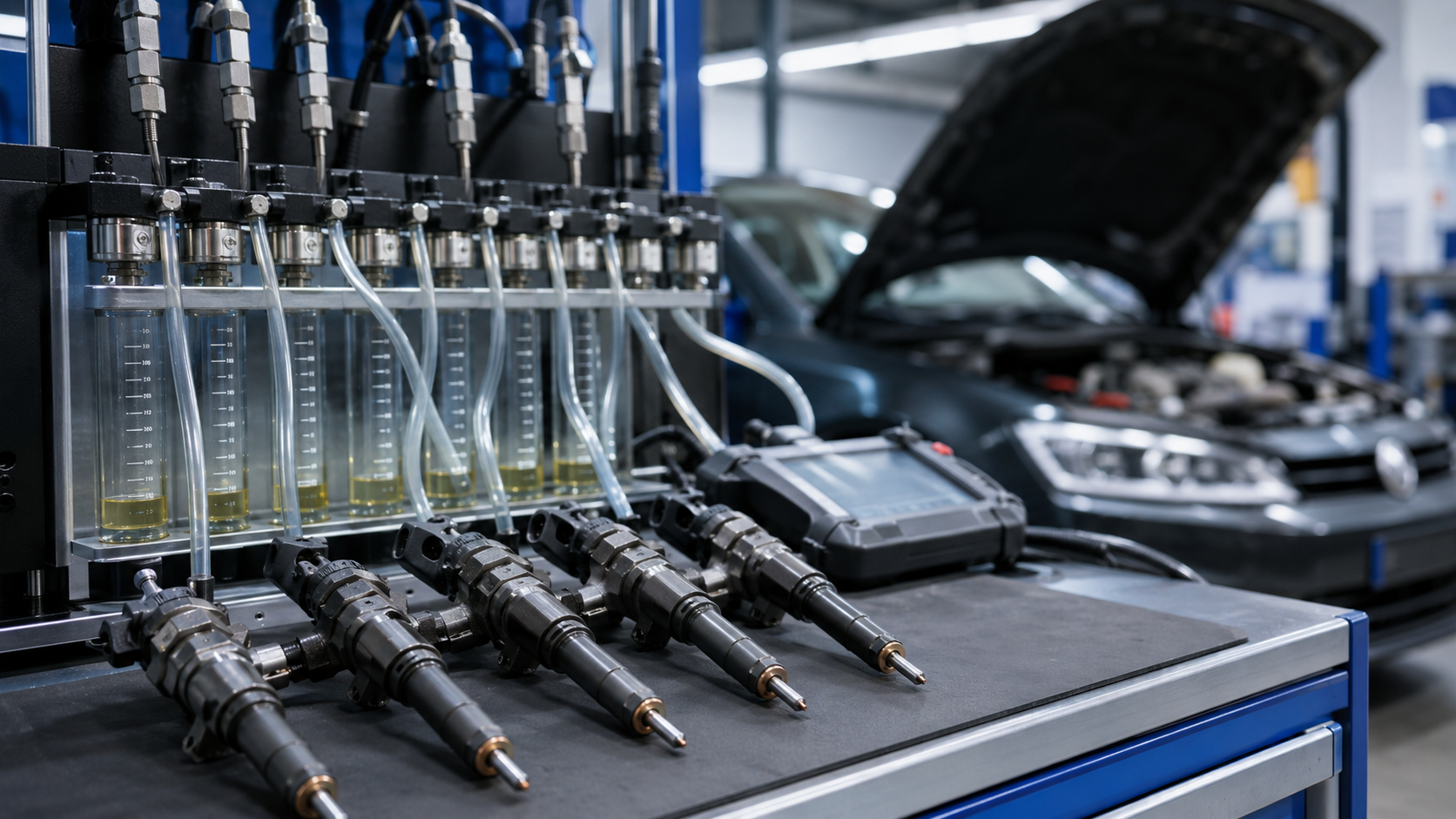
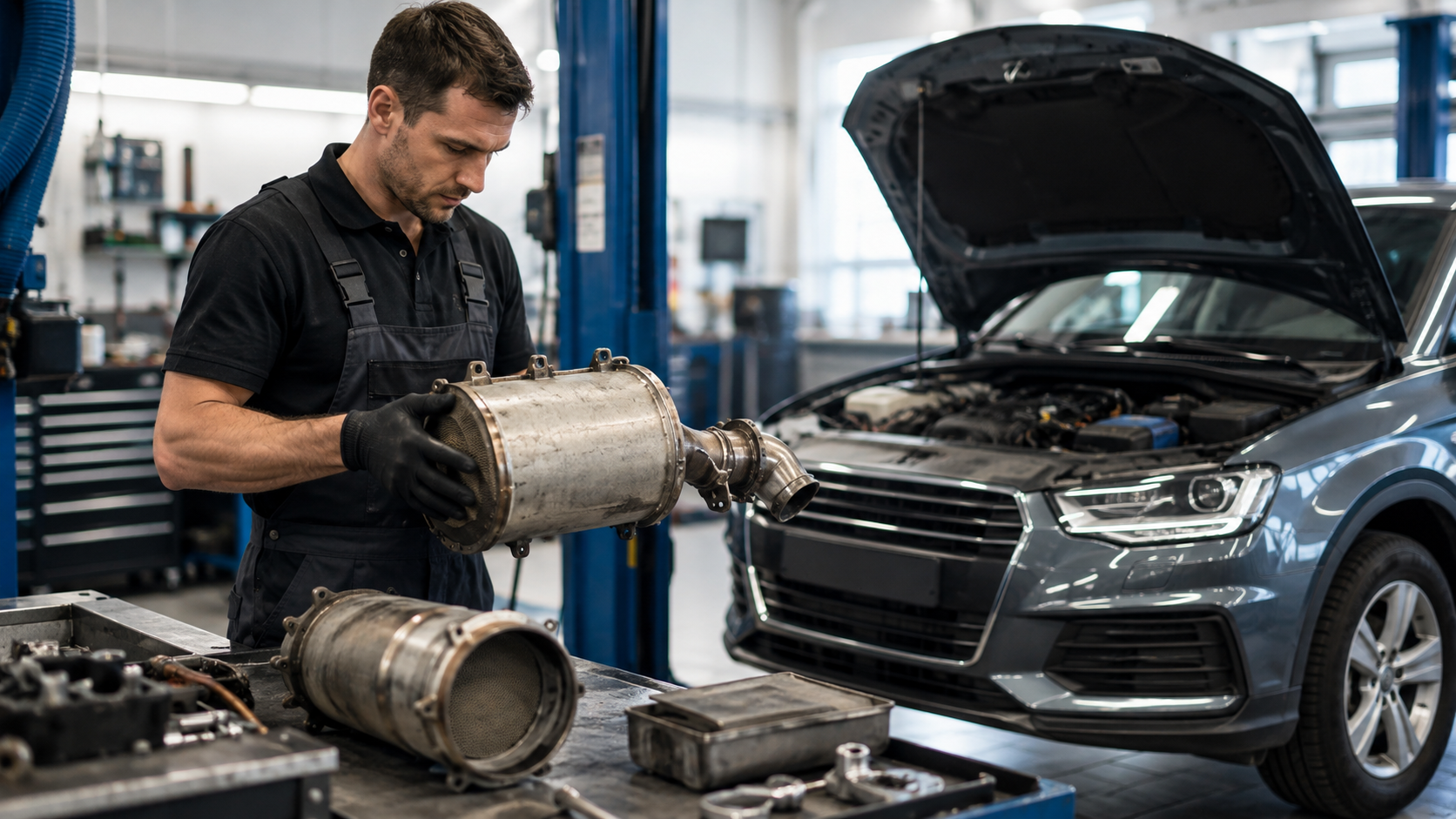
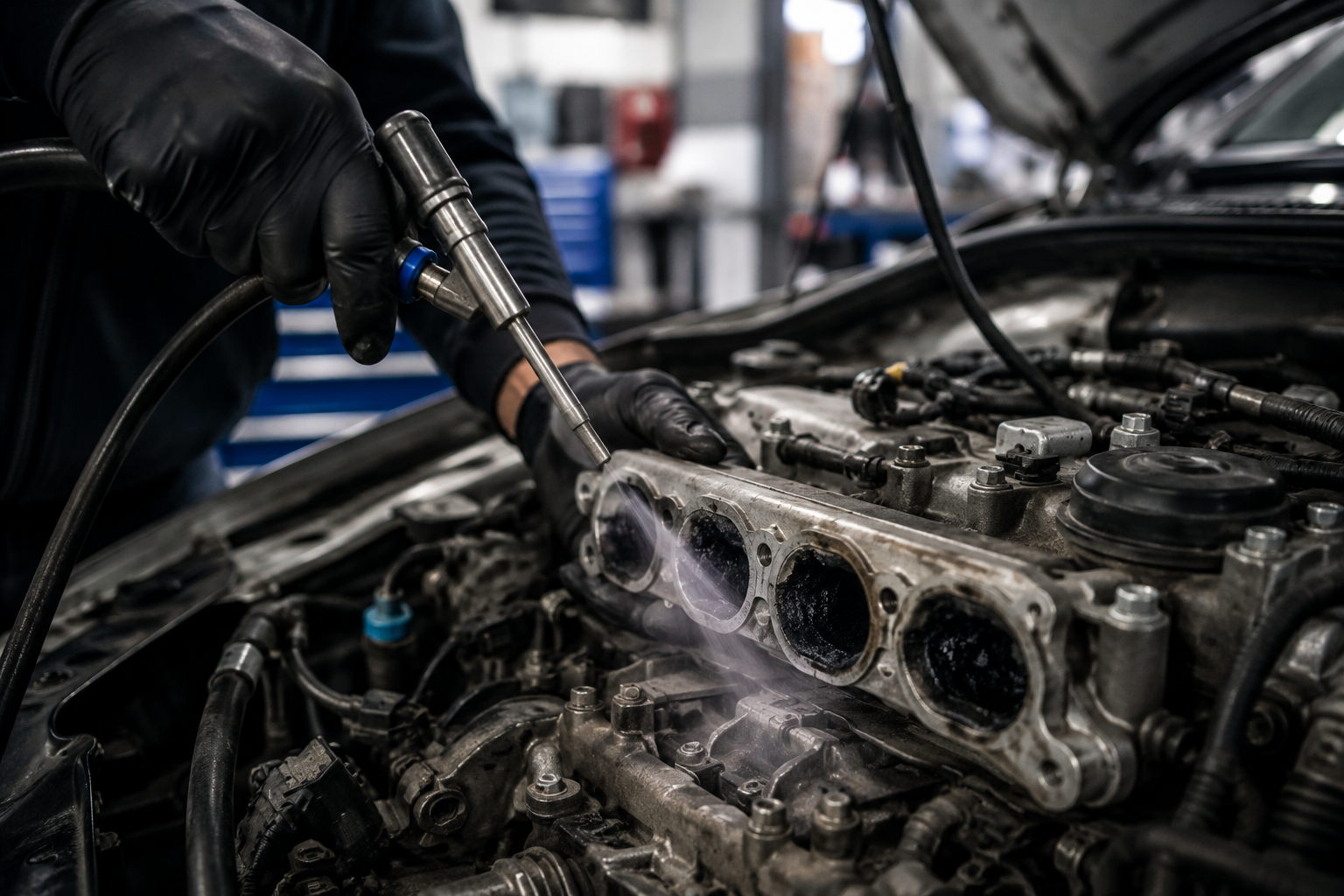
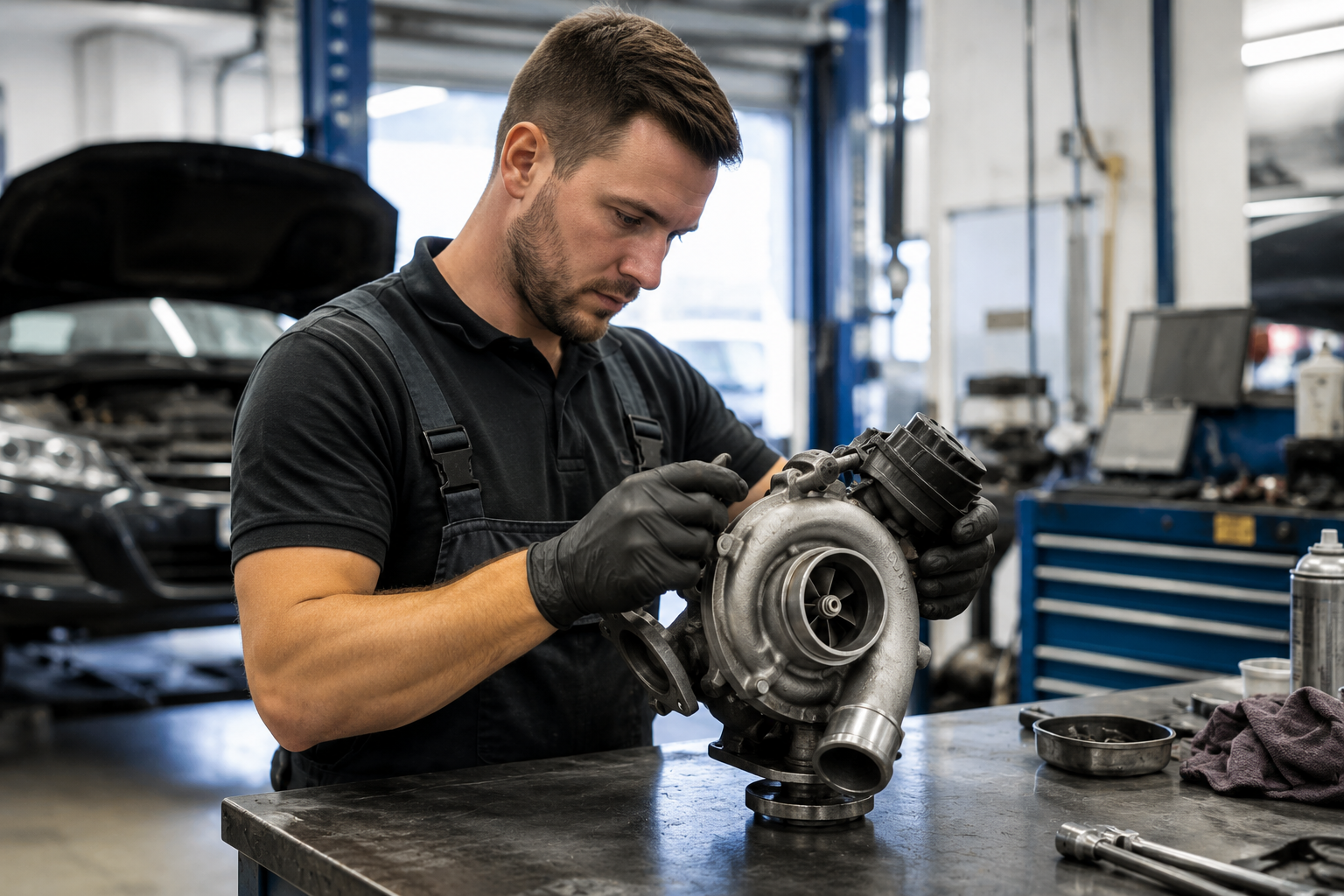
First, the exact modification of the power unit is determined, as gasoline and diesel versions have different weak points and routine maintenance. At high mileage, the turbine, injectors, cooling system, and timing mechanism in the respective engines require special attention.
If the design involves a timing chain drive, extraneous sounds during cold start, synchronization errors, or discrepancies between actual parameters and presets may alert you. Such signs do not yet confirm a specific malfunction, but are grounds for a more detailed examination.
When inspecting the power unit, it is worth assessing:
- cold start and idling stability;
- work under load and the nature of power gain;
- traces of oil or coolant;
- electronic unit errors;
- documents regarding repairs carried out and replacement of serviceable parts.
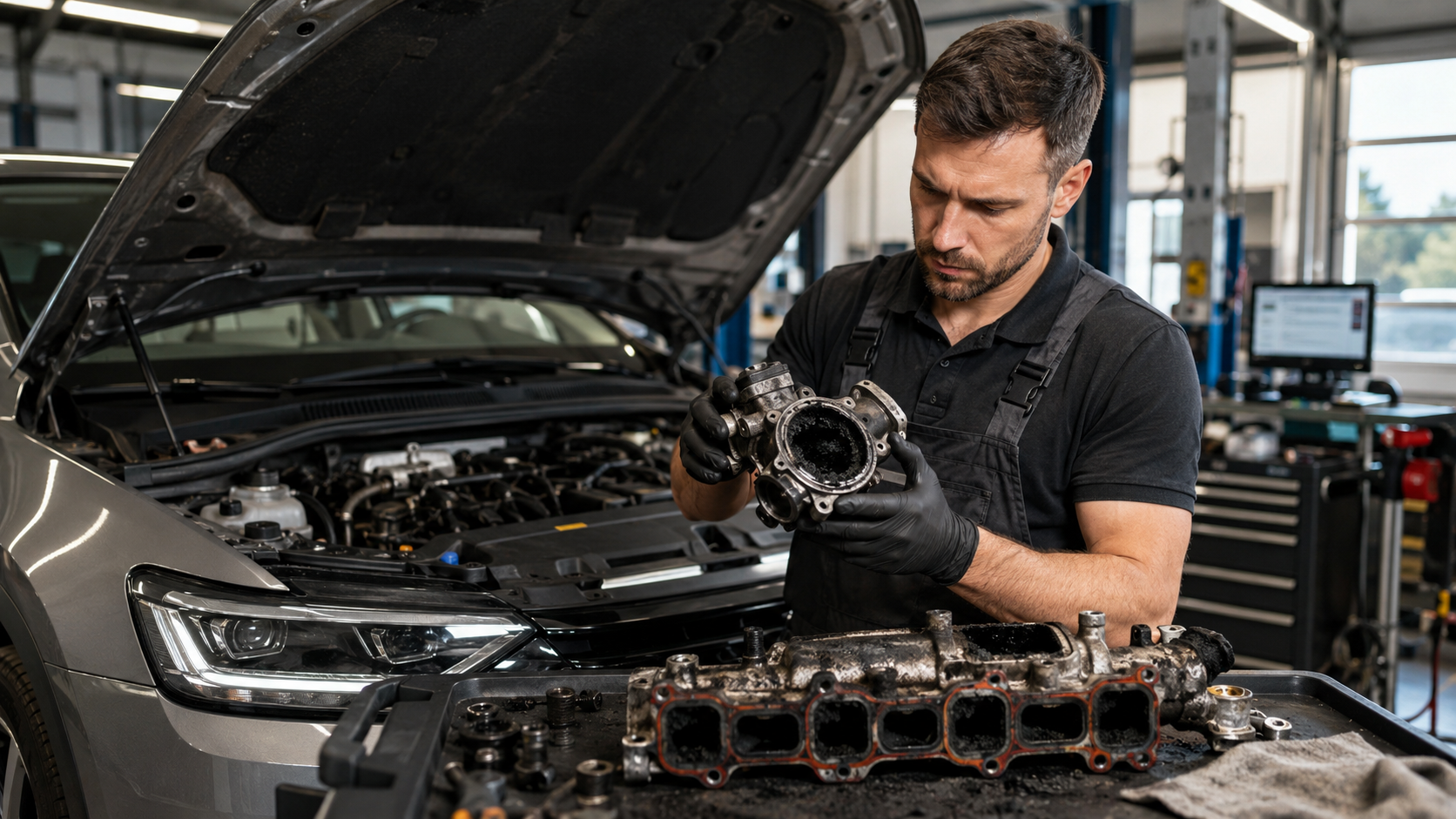
For a high-mileage Audi A6, it is important to assess not only the absence of obvious symptoms, but also the condition of components that may have already suffered significant wear. If expensive components have not yet been serviced, their remaining life should also be taken into account when calculating future costs.
Gearbox and transmission
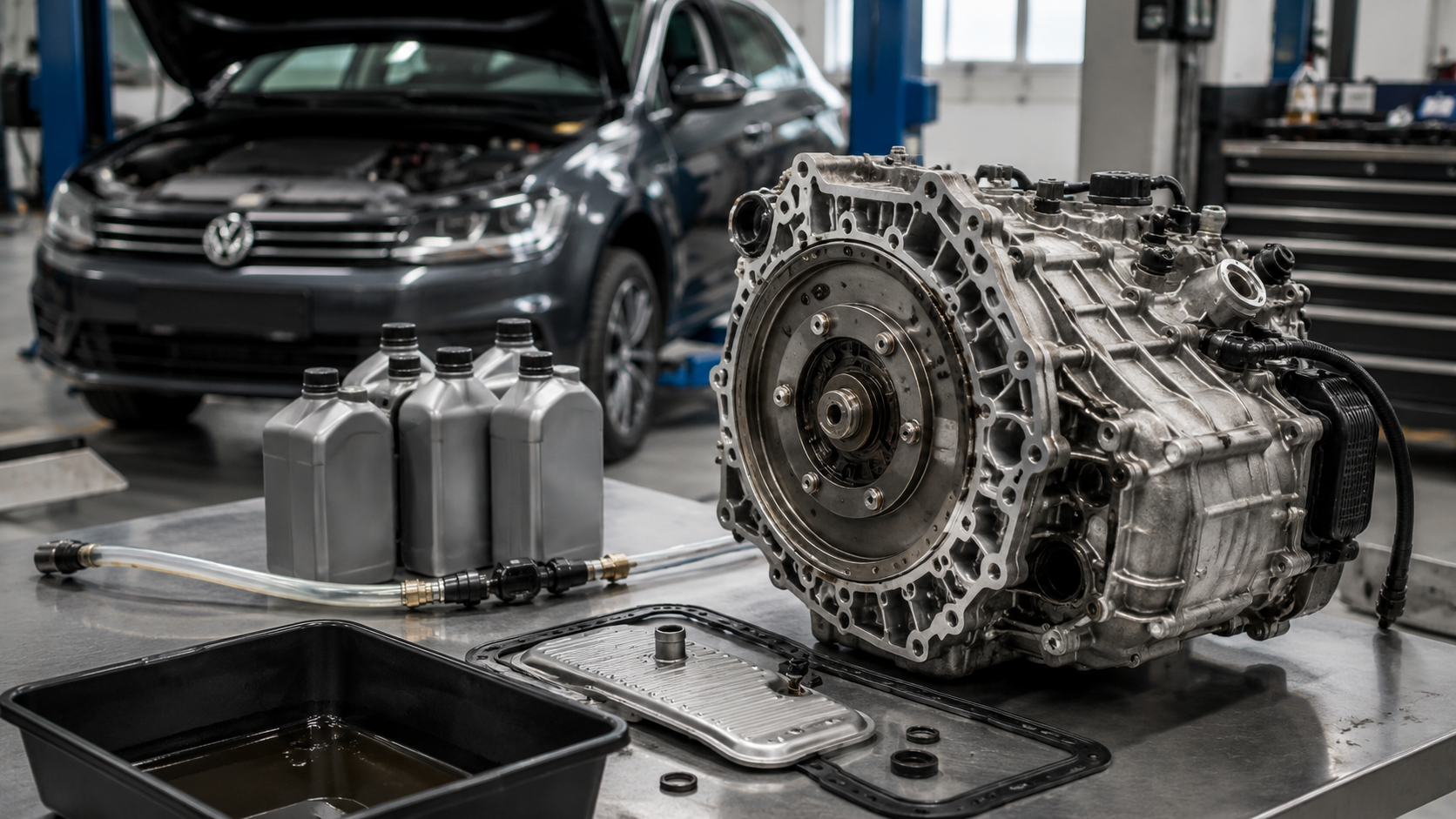
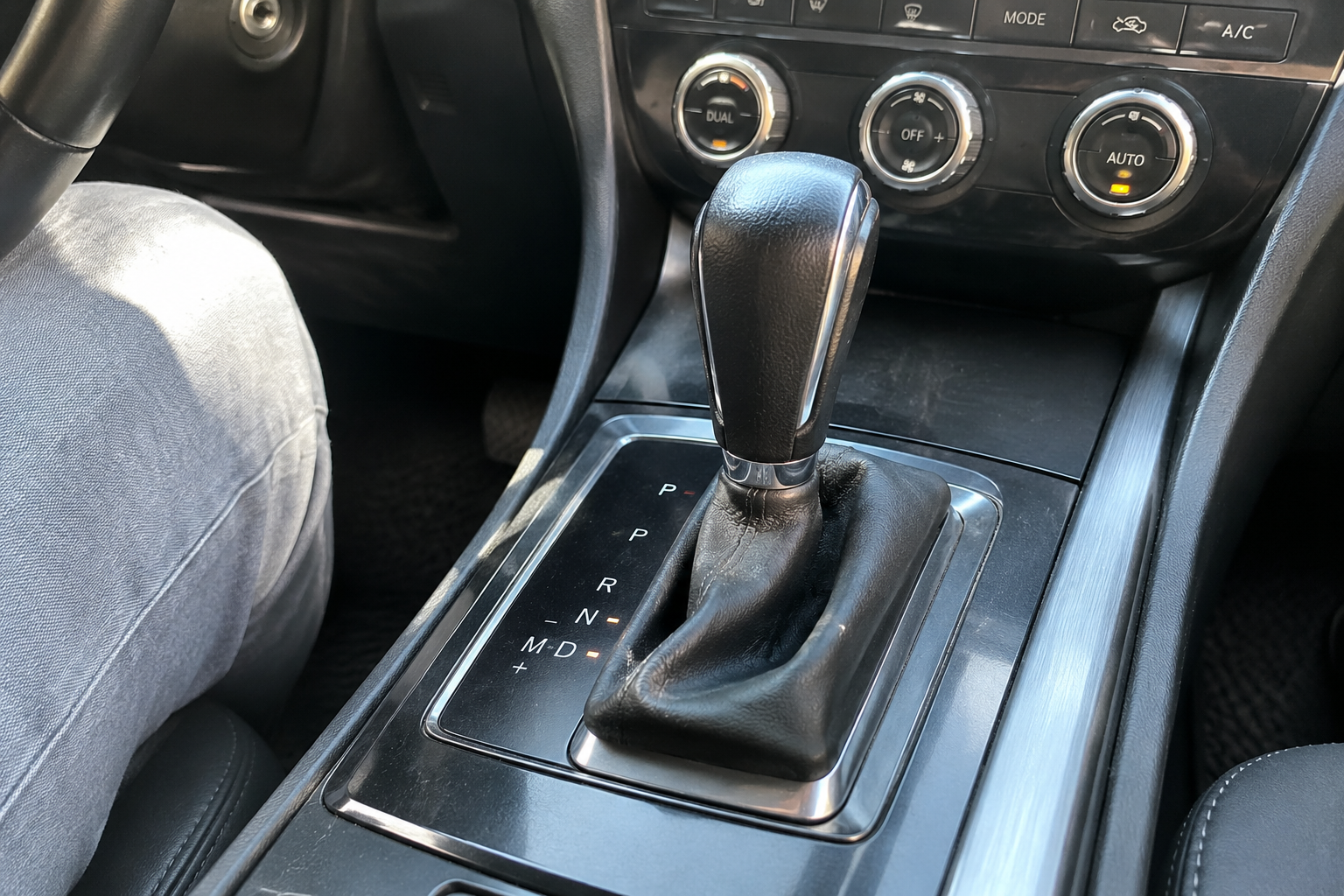
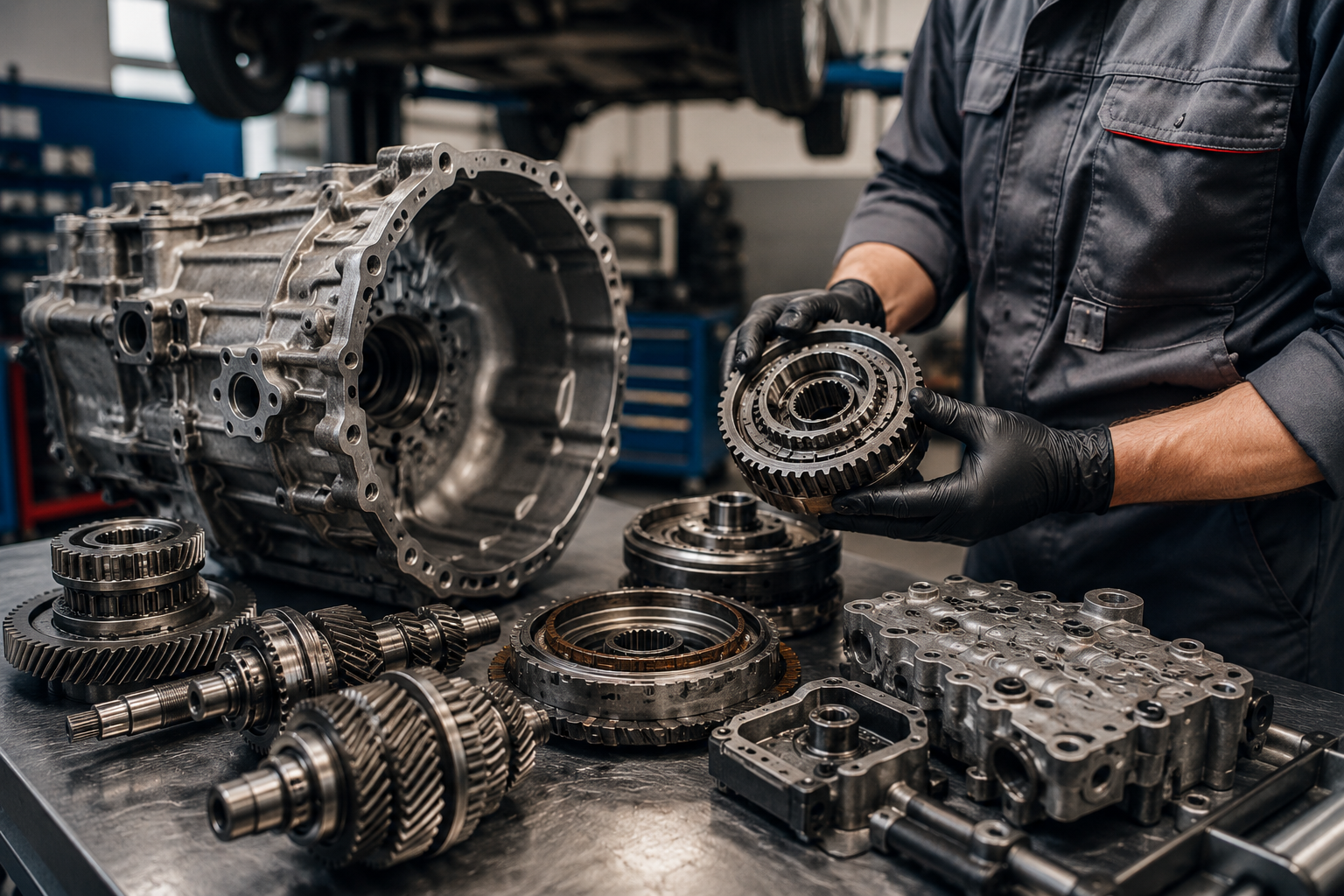
The type of gearbox depends on the specific version of the Audi A6, so the same approach to all cars of this model would be incorrect. During the test drive, the smoothness of shifting, switching delays, jerks, vibrations and extraneous sounds are evaluated.
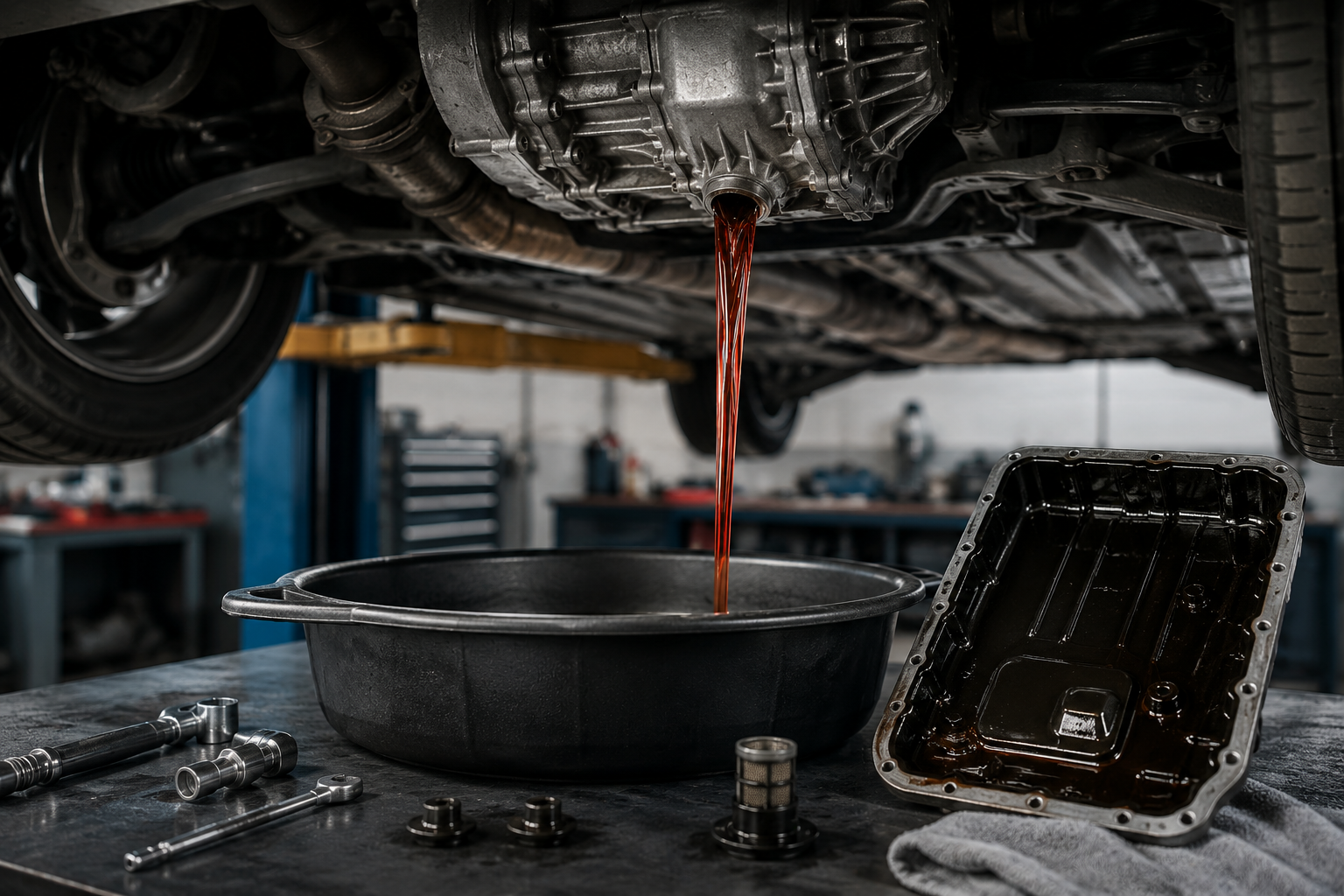
It is important to warm up the transmission and test it in different modes, and not limit yourself to a few minutes of driving near the site. Additional information is provided by the service history: the regularity of changing the lubricant and carrying out the prescribed work can significantly affect the further resource of the unit.
In all-wheel drive versions, the torque transmission units between the axles are additionally inspected. Oil leaks, unusual noise, or errors in the electronics do not in themselves indicate a serious breakdown, but require in-depth diagnostics.
It is at this stage that signs of potentially costly Audi A6 faults can be detected before they lead to serious transmission failure.
Suspension, steering and pneumatics
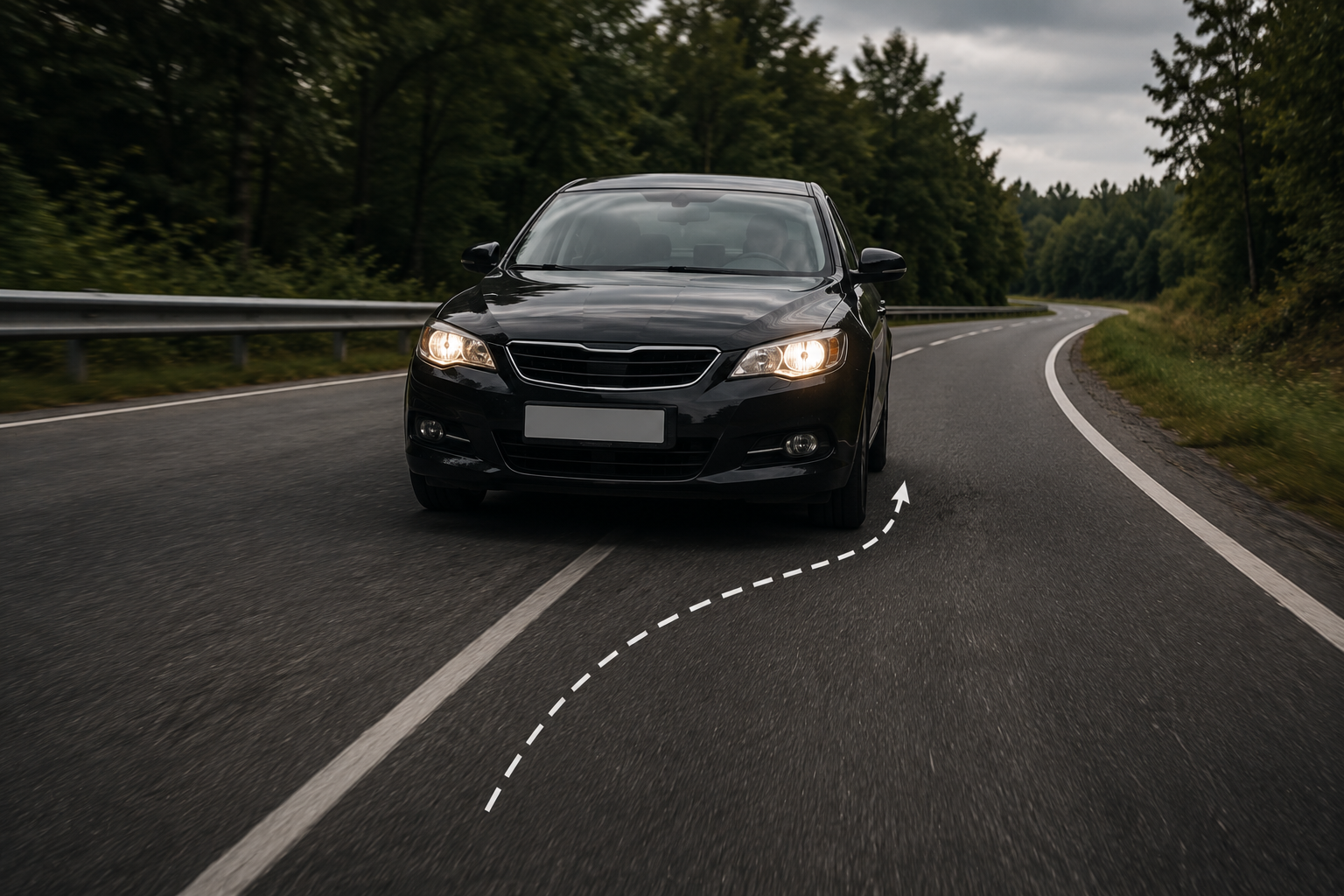
A normal suspension after a significant mileage requires an assessment of shock absorbers, levers, silent blocks, wheel bearings and steering elements. Extraneous sounds on bumps, backlash or instability of the car may indicate wear of individual parts.
Air suspension adds its own check points. After a long period of parking, the body should remain at the same height on both sides. If one part has sagged, the compressor has been running for too long, or the system reports an error, a separate inspection is required.
When choosing an Audi A6 after 200,000 kilometers, it is worth considering not only what has already failed. Parts with an approximate resource can also form the costs of the new owner in the near future.
Electronics and auxiliary systems
The A6 has many electronic components, and some malfunctions only appear periodically. A brief overview is not enough to evaluate all the systems.
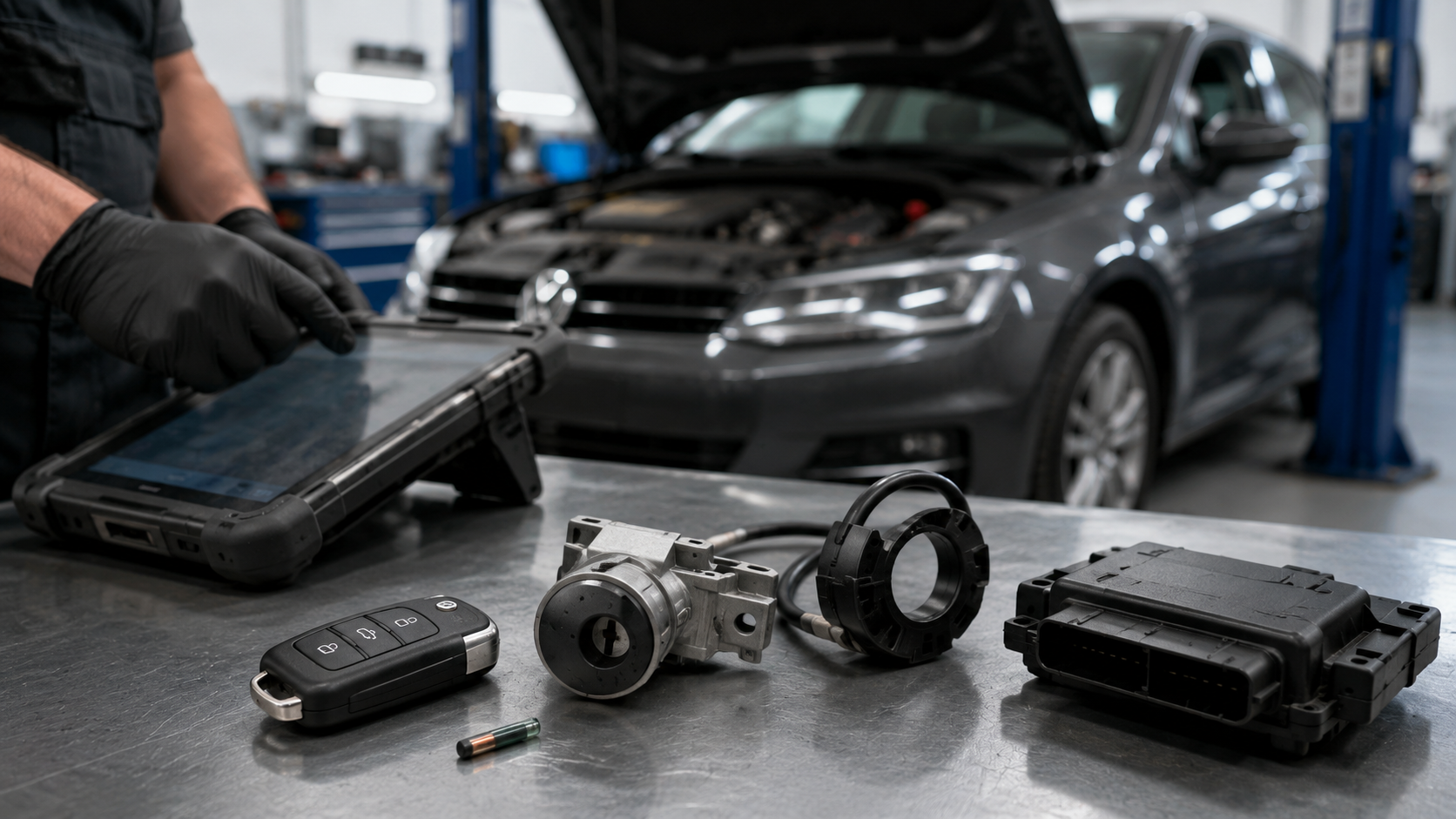
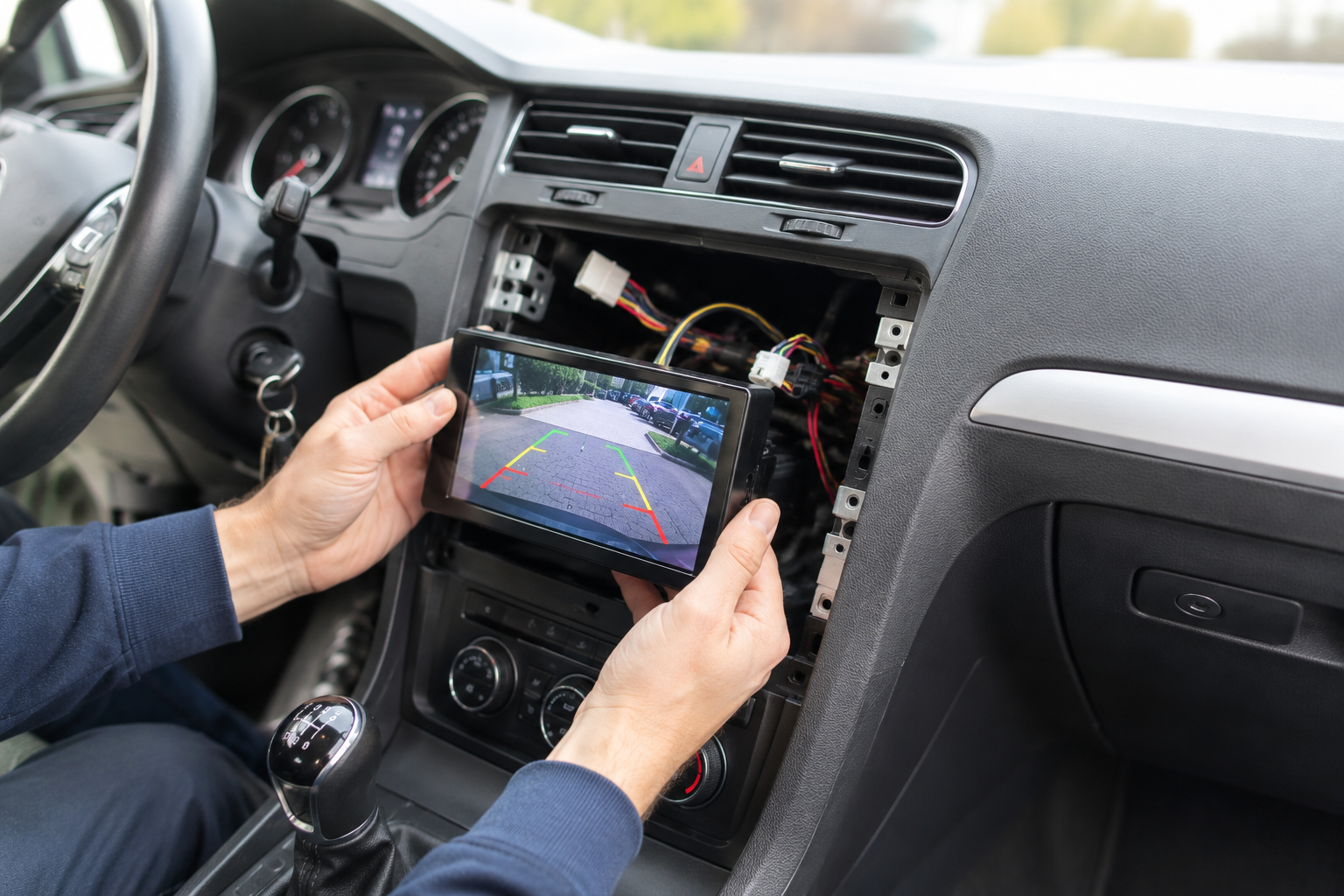
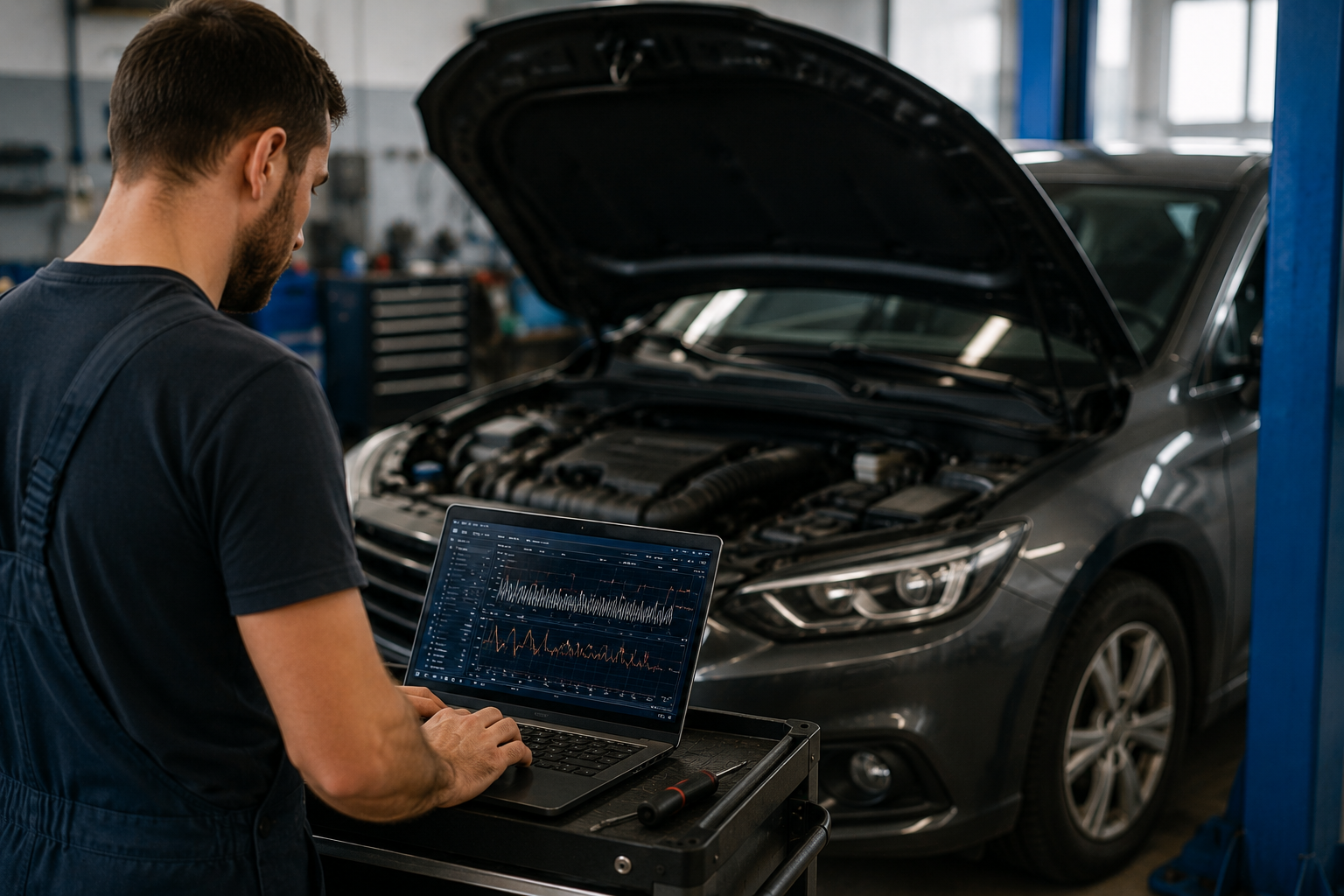
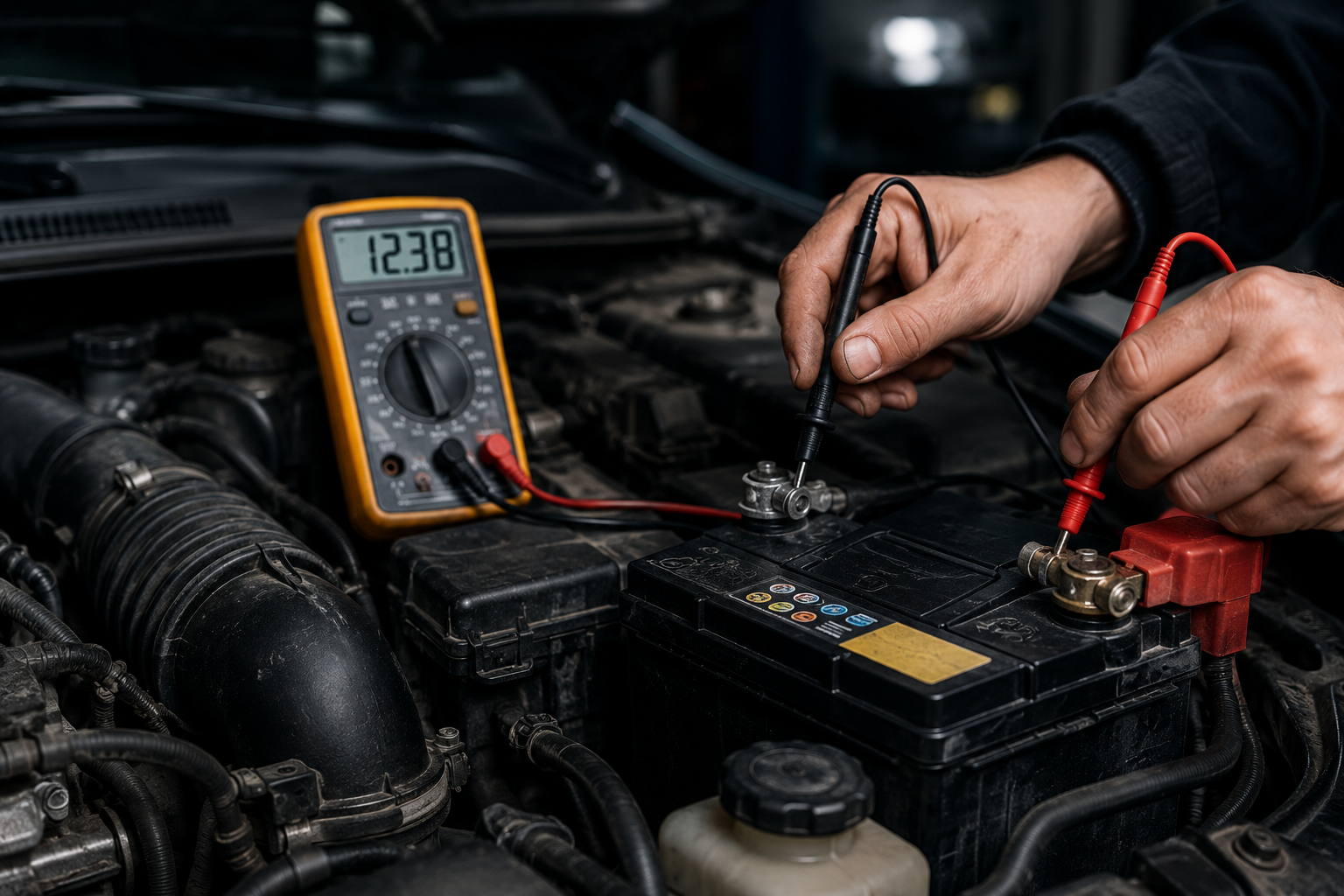
Climate, multimedia, cameras, parking sensors, electric drives and driver assistance functions provided by the equipment are tested separately. Computer diagnostics allows you to see stored errors that have not yet caused a warning on the instrument panel.
For a car that has already covered more than 200 thousand kilometers, this procedure is especially important. Accumulated minor defects may not affect daily driving, but after purchase they can turn into additional expenses.
What does pre-purchase diagnostics show?
To understand what to check in a used Audi A6, a simple body inspection and a short drive are not enough. The results need to be compared with the service history and the actual condition of the main systems.
It is useful to compare:
- odometer readings with service records;
- errors of electronic units with real vehicle behavior;
- condition of the engine and gearbox with repairs made;
- results of the chassis inspection with the behavior of the car on the road;
- identified defects with predicted costs.
If diagnostics show problems with the engine, transmission, air suspension, or other expensive components, these should be taken into account before purchasing. At the same time, confirmed repairs may indicate that some of the resource parts have already been replaced.
Servicing an Audi A6 after 200,000 kilometers should be planned taking into account the specific engine, gearbox type, equipment and condition of individual components. For further operation, it is important to understand what work has already been performed, which components are approaching scheduled maintenance and whether there are signs of wear. Service history and diagnostic results help to form a real idea of the technical condition of the car and the list of work that may be required in the future.
Top popular news
- There is a smell of gasoline under the hood, but there are no signs of a leak: where to look for the problem
- Volkswagen Golf 7: which engines are considered the most successful in the secondary market
- Why do errors appear after a night frost that disappear after warming up?
- The car stalls when you suddenly release the gas: what happens at this moment
- Why does my car start to consume more oil even though my driving style hasn’t changed?
- The ABS light came on on the dashboard: can I continue driving?
- Volkswagen Passat B8 or Skoda Superb: what will the car show after 200 thousand km
- The car loses traction after warming up: why does this happen?

Subscribe to our newsletter!
To stay updated with the latest news

Book a service