Mon - Sat | 09:00 - 19:00


Find

Contact us

Odesa
Hrushevskoho str., 41
 Мережа СТО в місті
Місто
 +38 (096) 299 29 97
Odesa
Hrushevskoho str., 41
 Мережа СТО в місті
Місто
+38 (096) 299 29 97

 Години роботи
 Mon - Sat
09:00 - 19:00
Why does my car start to consume more oil even though my driving style hasn’t changed?
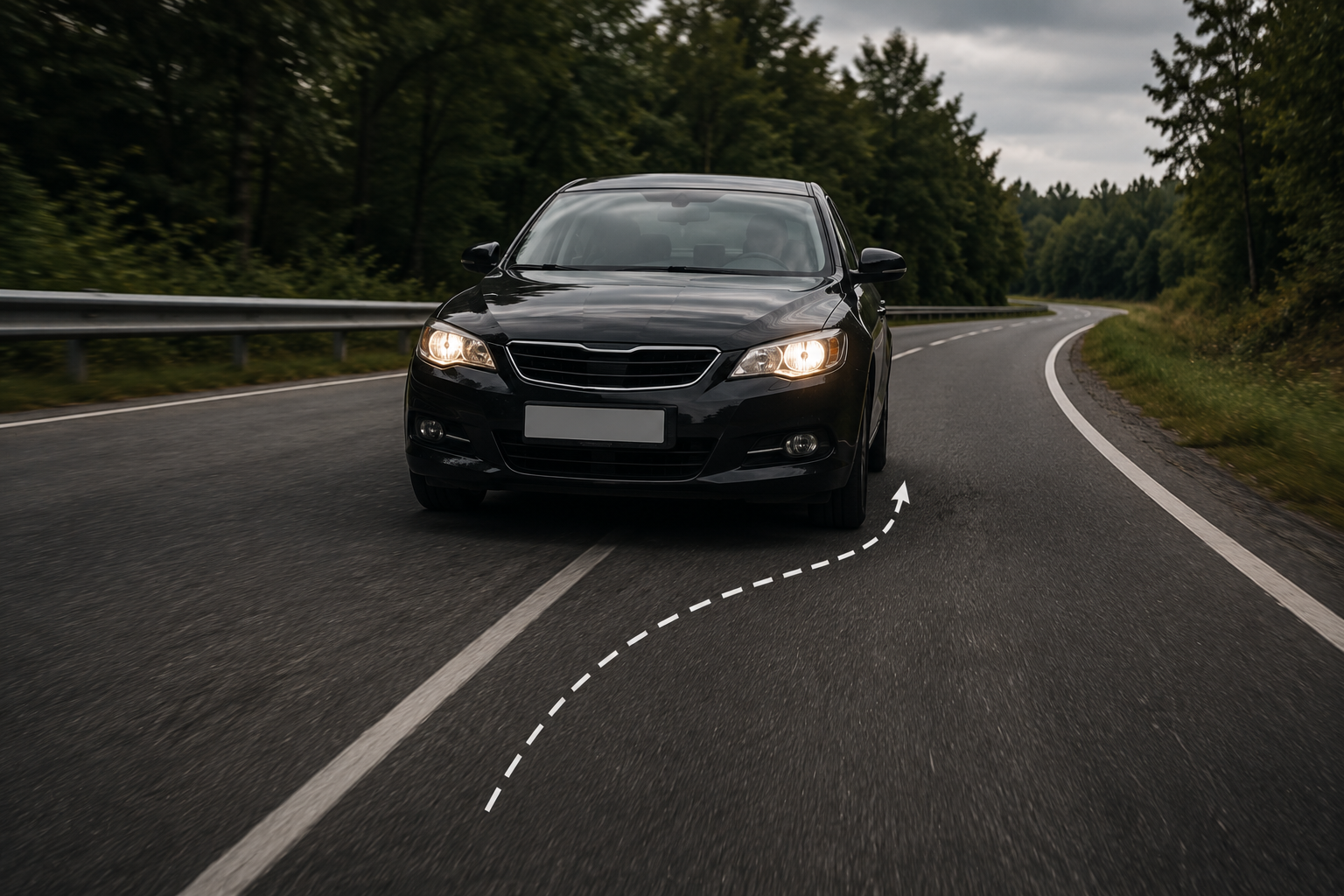
A driver may use the car in the same mode for years, but at some point notice that the engine oil level has started to drop faster. The routes, loads and driving style have remained the same, but topping up has become more frequent. This does not necessarily mean a sudden serious breakdown. The condition of seals, ventilation systems and engine parts changes with age. The car started consuming more oil, although the operating conditions have not changed.
Low consumption may be a feature of a particular engine. However, if previously there was almost no need to top up between replacements, and now the level drops noticeably over the same mileage, the situation deserves attention.
When a change in cost already matters
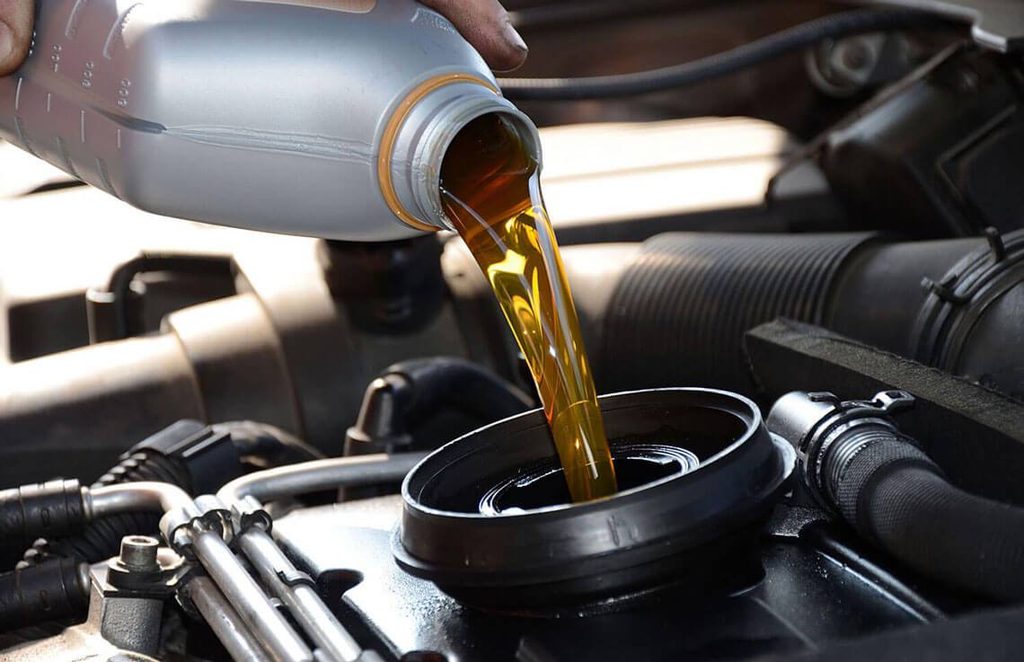
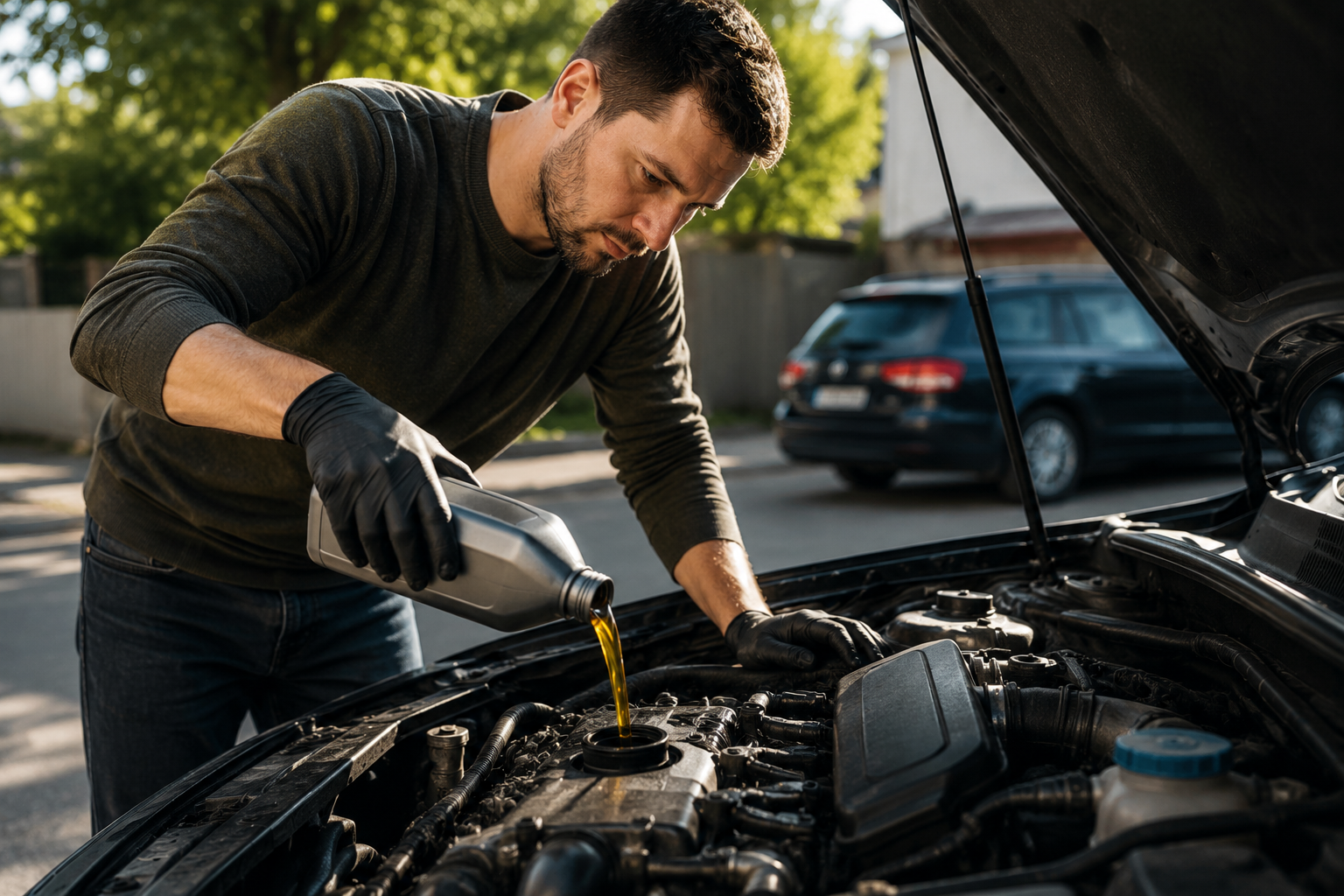
Before troubleshooting, you need to make sure that the level is measured the same. The car should be on a level surface and the engine should be in the conditions recommended by the manufacturer for control.
It is useful to keep simple records:
- mileage between inspections;
- level indicator;
- the amount of oil added;
- the type of lubricant used.
Such a recording allows you to see the real dynamics. If the engine started to consume more oil than before, without changing the usual mode, this is already an argument for a technical inspection.
It is important to distinguish a gradual change in flow from a one-time drop in level due to inaccurate measurement or a small external underflow.
Where can oil disappear without stains under the car?
The first group of reasons is related to external losses. Leaking gaskets, seals, oil filter housing or connections can leak oil in small portions. It gets on hot surfaces, spreads over the engine or protective elements and does not necessarily leave a puddle after parking.
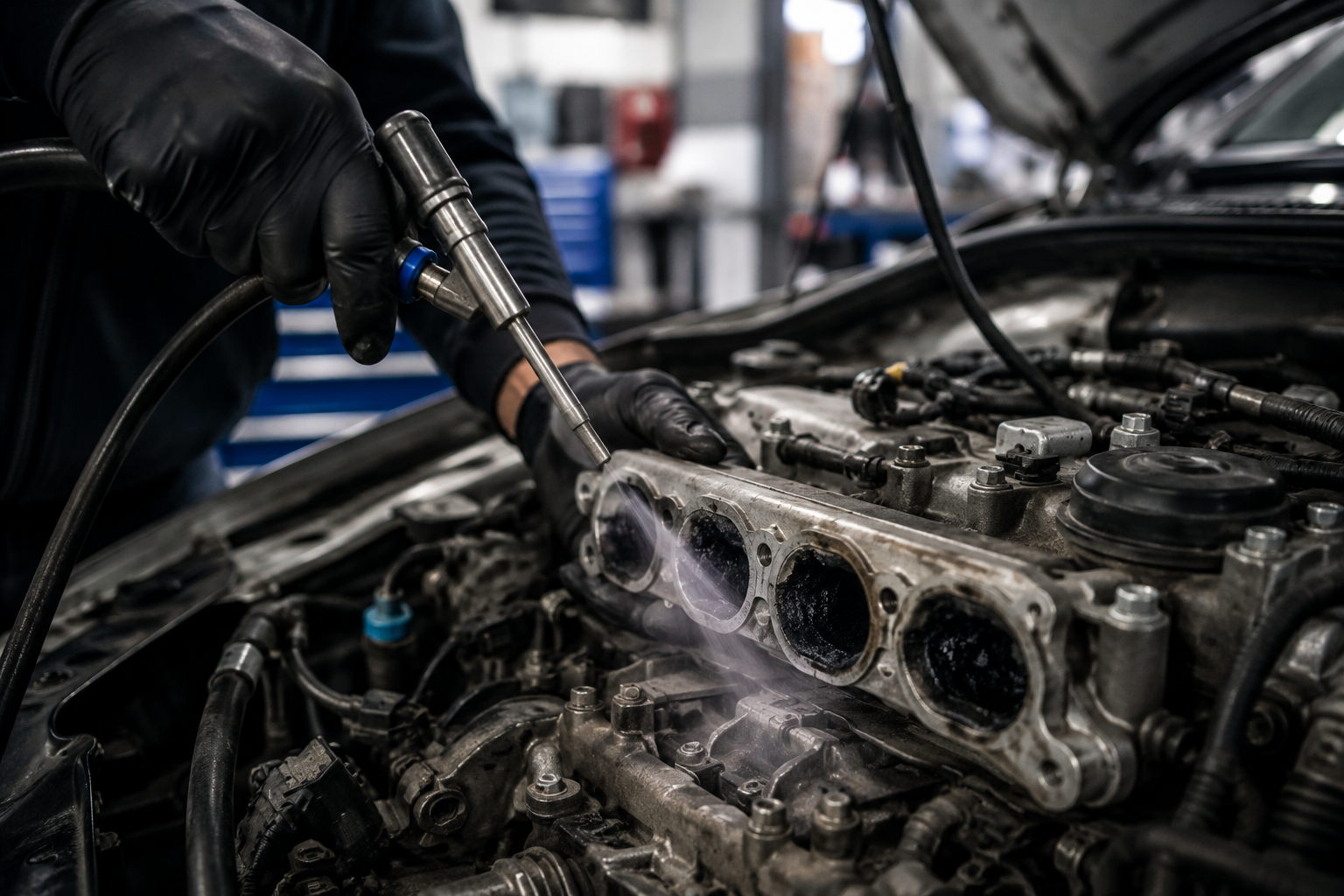
After cleaning the engine compartment, it is easier to see fresh traces. Pay special attention to the areas around the valve cover, oil pan, oil filter and seals.
Therefore, to the question Where does the engine oil go? You don’t always need to look inside the cylinders for the answer. Some of the losses may be external and remain undetectable during normal inspection.
Crankcase and turbine ventilation
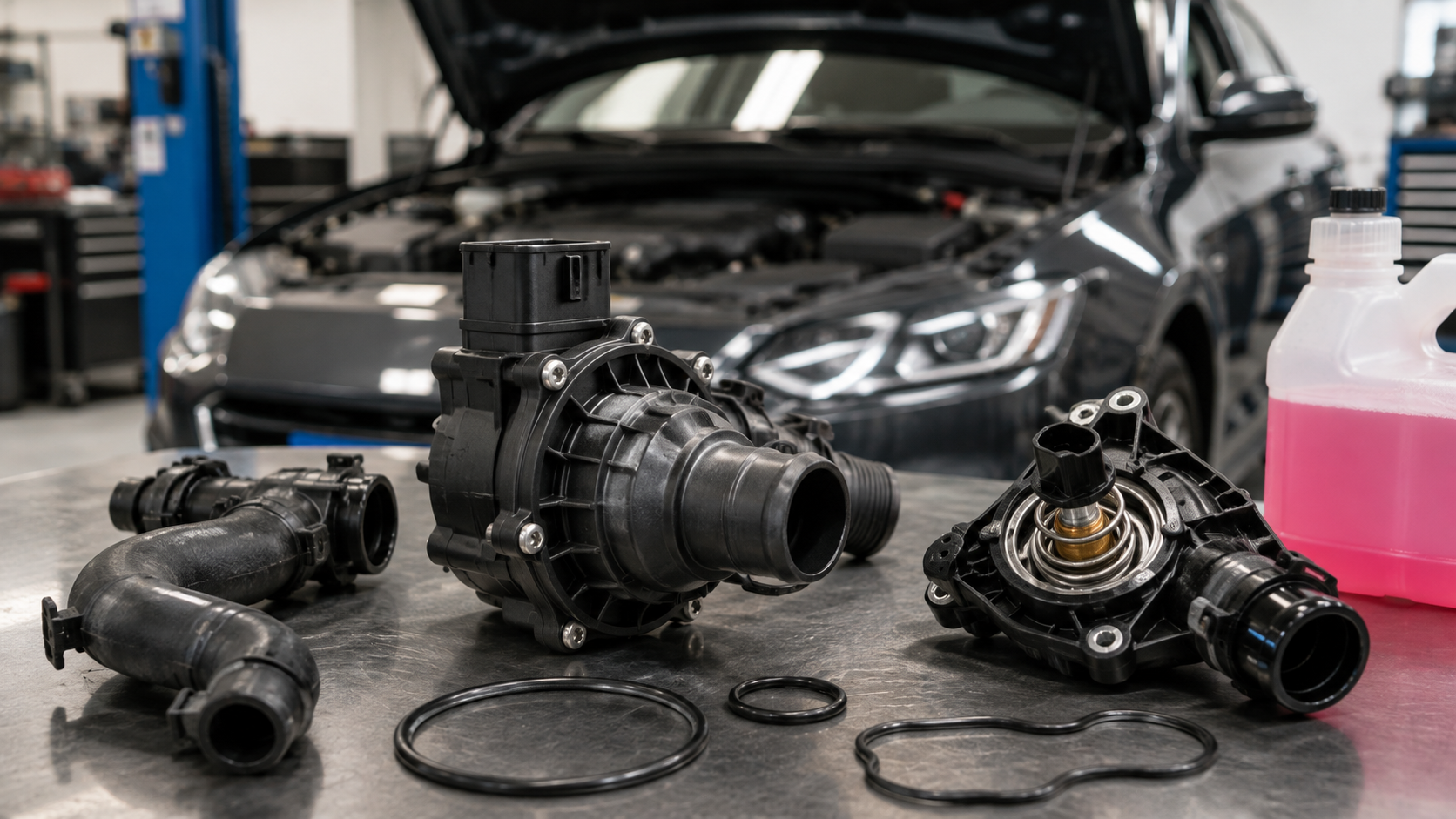
Crankcase ventilation removes gases escaping from the cylinders into the crankcase and maintains the required pressure. If the valve or system channels are dirty, the pressure changes. This can increase the passage of oil through the seal or contribute to its entry into the intake tract.
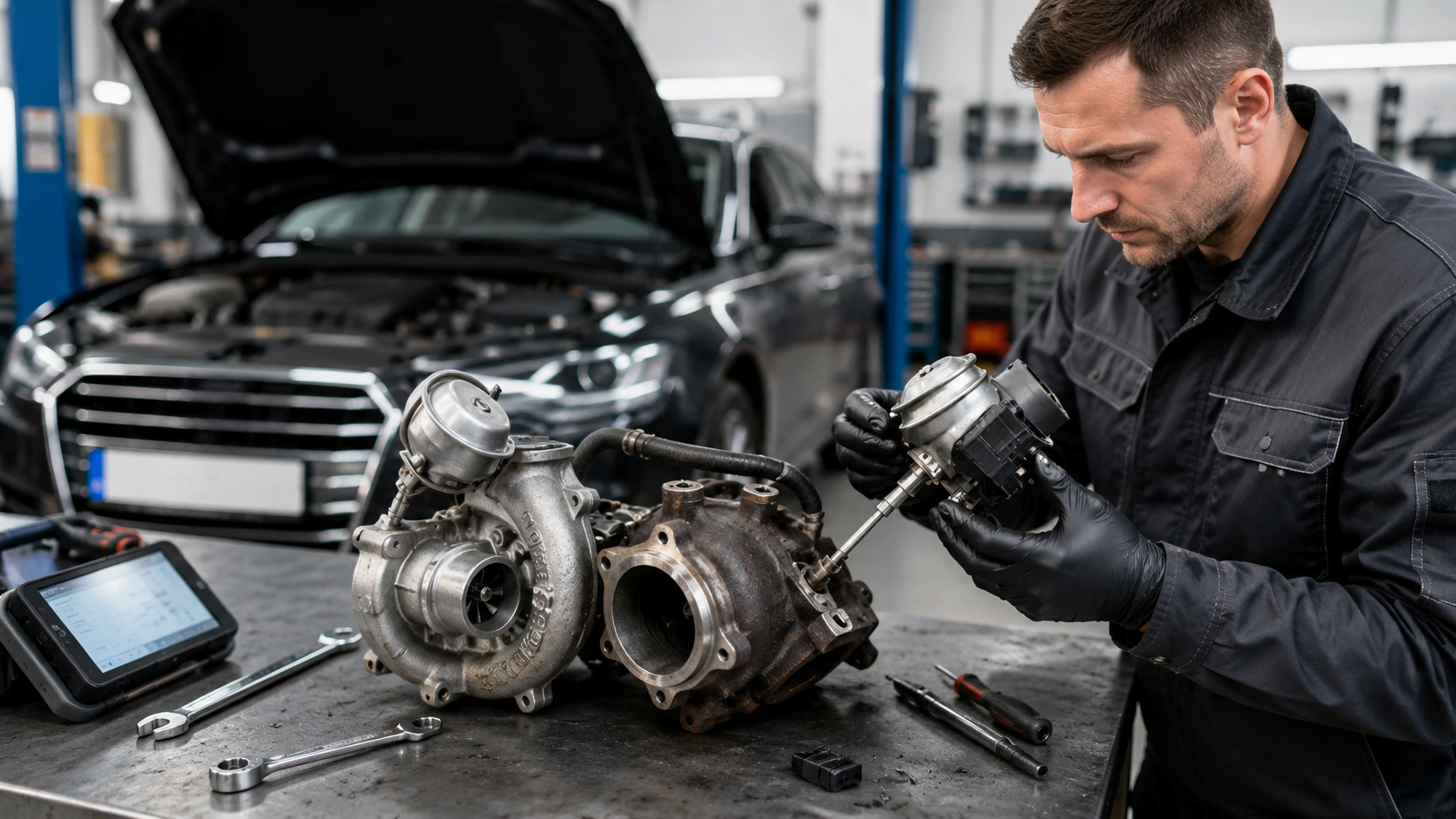
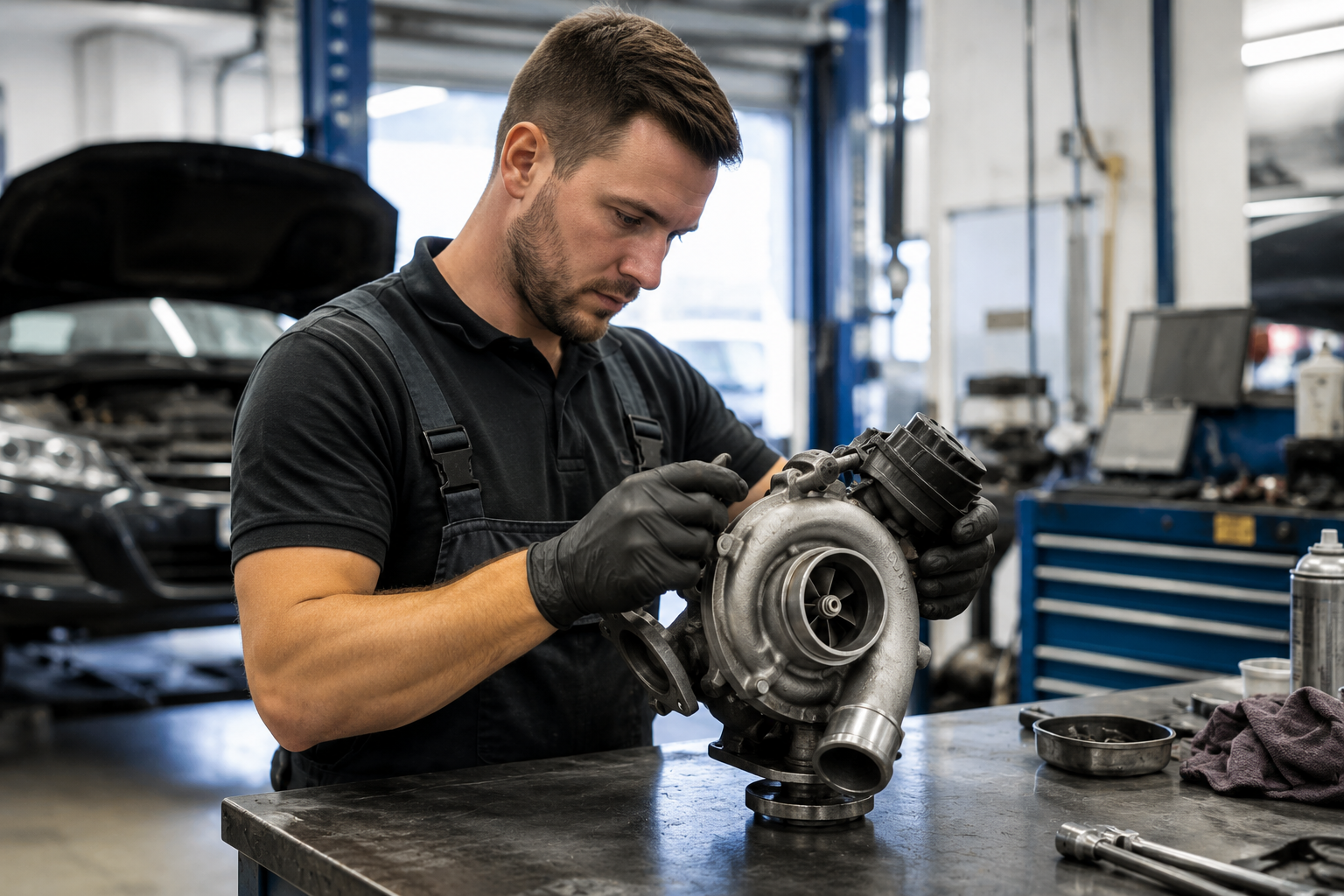
On turbocharged engines, the condition of the turbocharger is assessed separately. Wear of its components, sealing problems, or malfunctions in the lubrication system can contribute to oil entering the intake or exhaust.
The presence of grease in the intake tract does not in itself prove a turbine malfunction. The conclusion is made after assessing the shaft play, the condition of the nozzles, the operation of the supercharger and other indicators.
When the cause is inside the engine
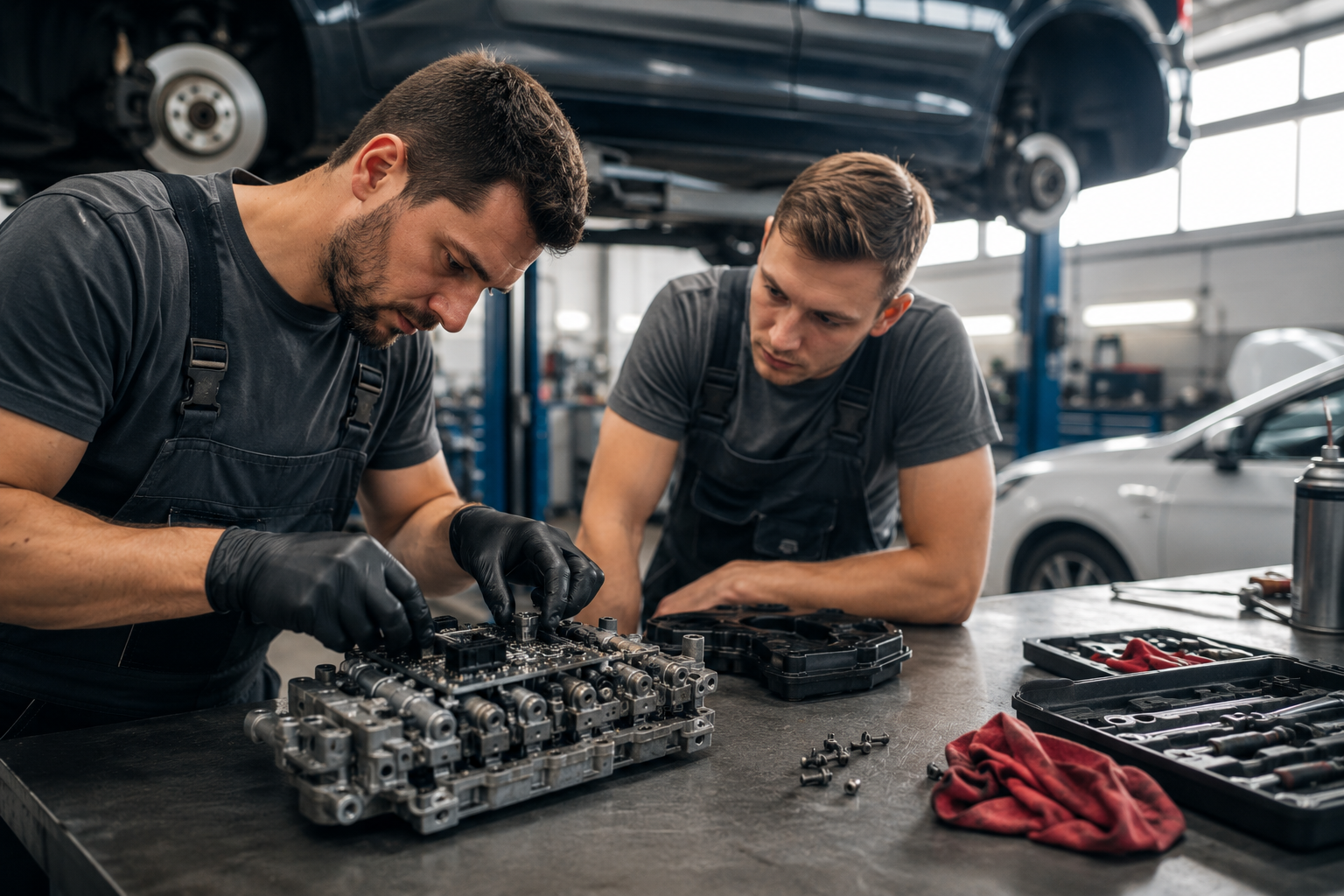
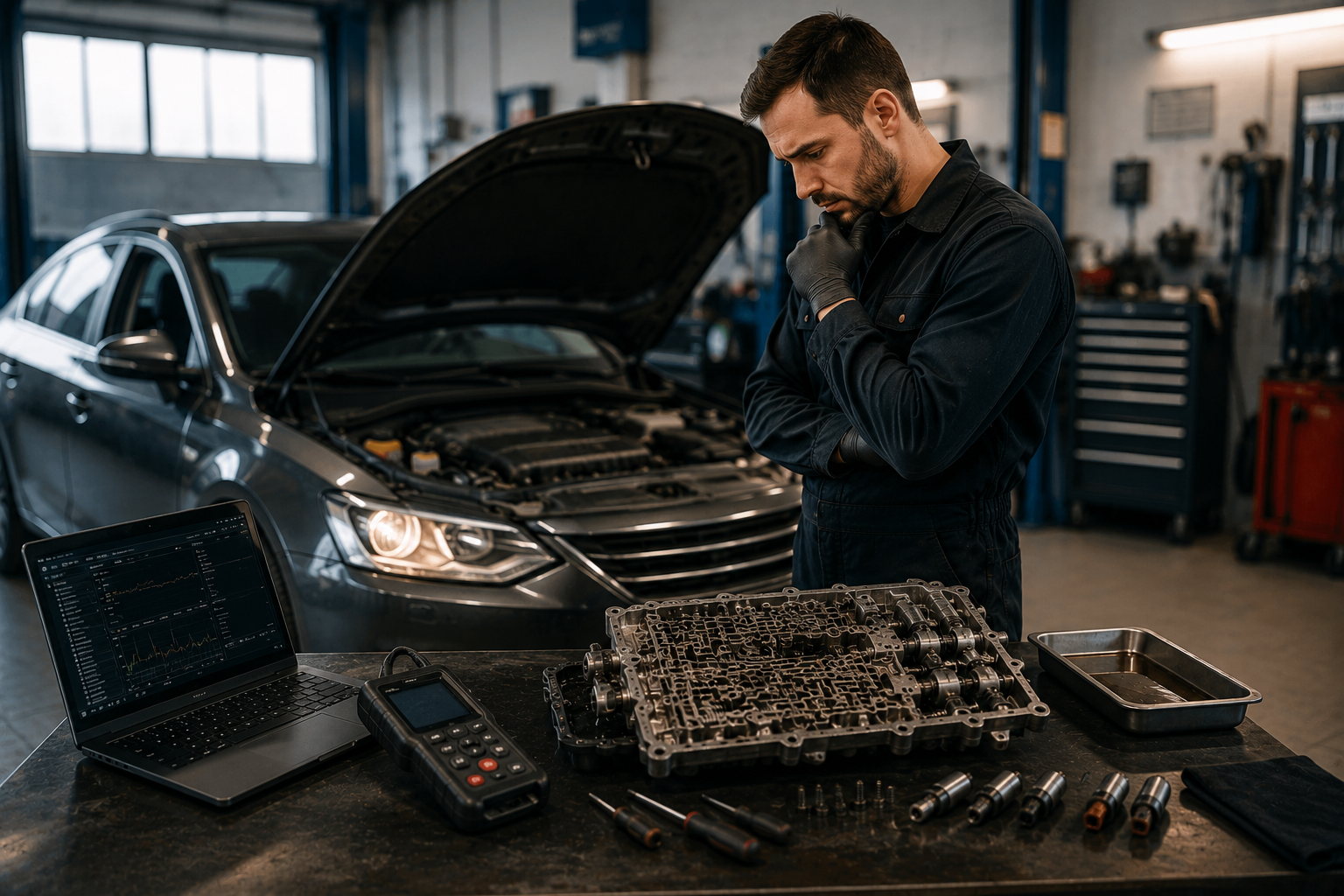
Ifthe engine started eating oil, one of the areas of search is the piston group. Oil scraper rings remove excess oil from the cylinder walls. Due to wear, jamming or loss of mobility, they can perform their function worse.
As a result, some of the oil enters the combustion chamber and burns together with the fuel. Not only the rings are assessed, but also the condition of the cylinders, pistons and other parts of the cylinder-piston group.
Another source can be the valve covers. Their wear creates conditions for oil to enter the combustion chamber through the valve guides. That is why it is important to consider the entire engine mechanism during diagnostics, and not look for one universal cause.
Why there may not be blue smoke
Oil burning is often associated with blue smoke from the exhaust pipe. However, a small amount of oil can enter the cylinders without any noticeable smoke. The result is also affected by the engine operating conditions and the design of the exhaust system.
So, increased oil consumption without leakage does not exclude internal consumption. Additional signs may include changes in the condition of spark plugs in a gasoline engine, intake contamination, exhaust characteristics, and compression measurement results.
The absence of blue smoke does not mean that the piston group is working properly.
How to determine the source of losses
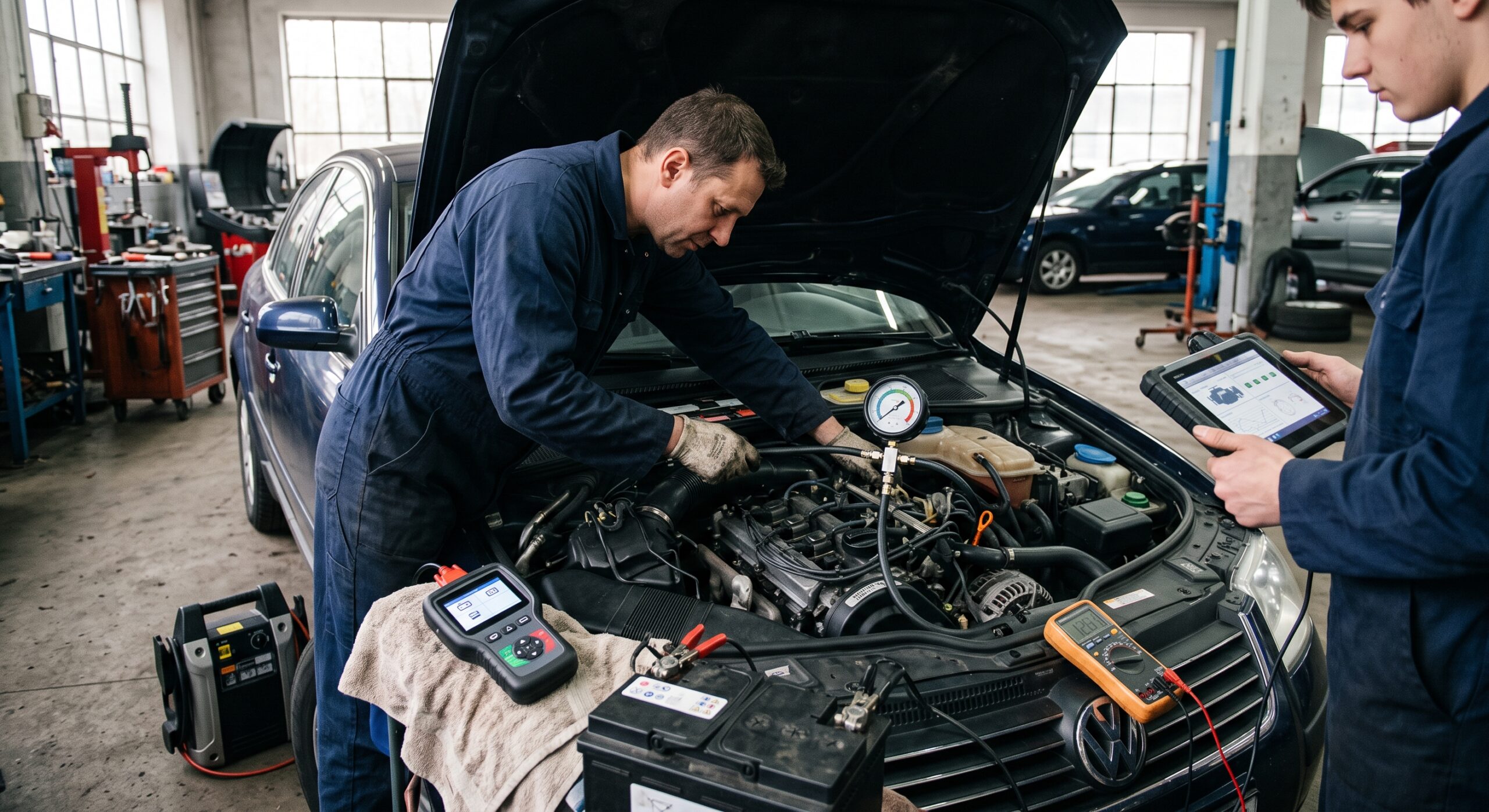
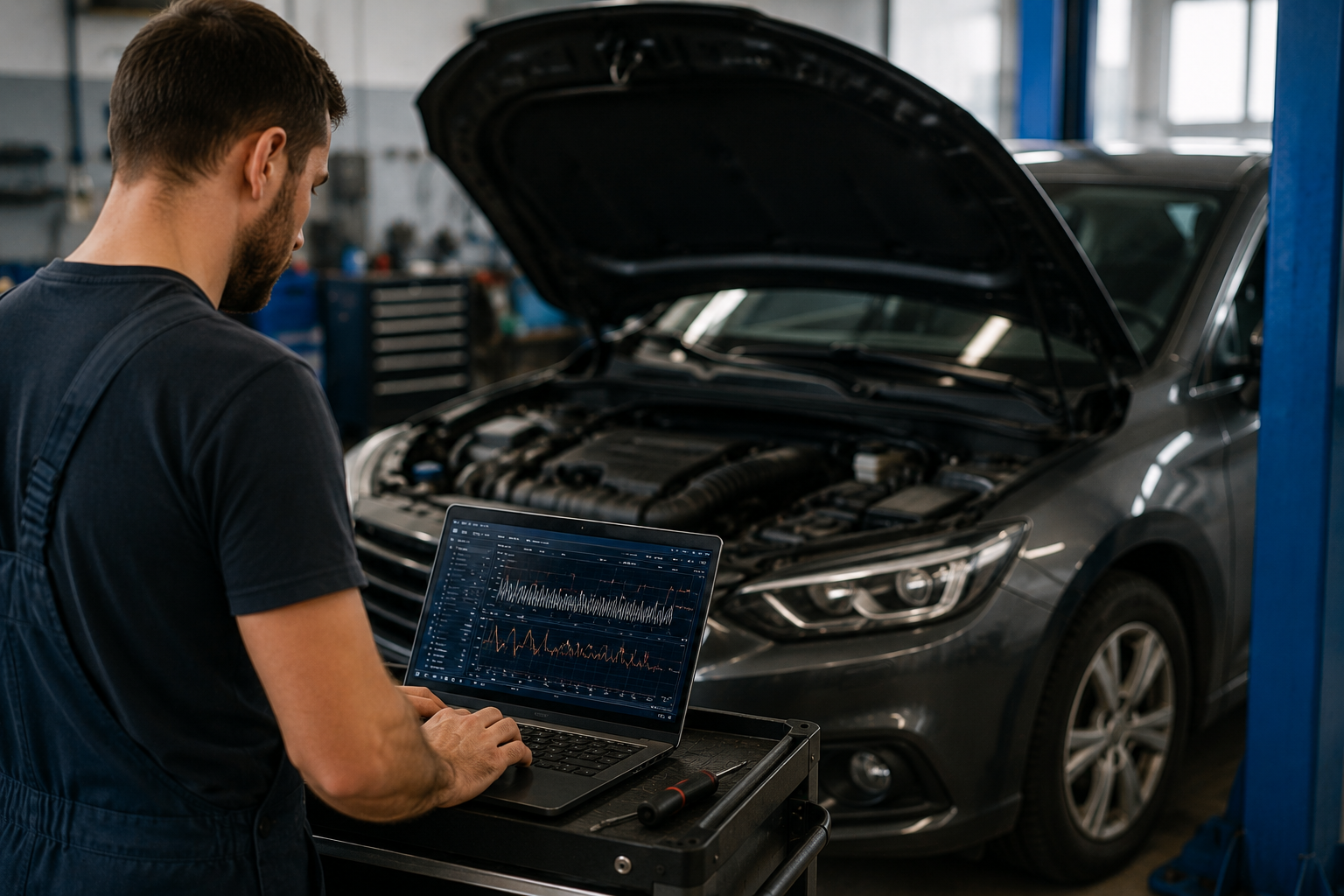
First, the actual consumption is determined over a certain mileage. After that, the engine is inspected for external signs, crankcase ventilation is checked, and, if the design includes turbocharging, the condition of the turbine is assessed.
Depending on the results, you may need:
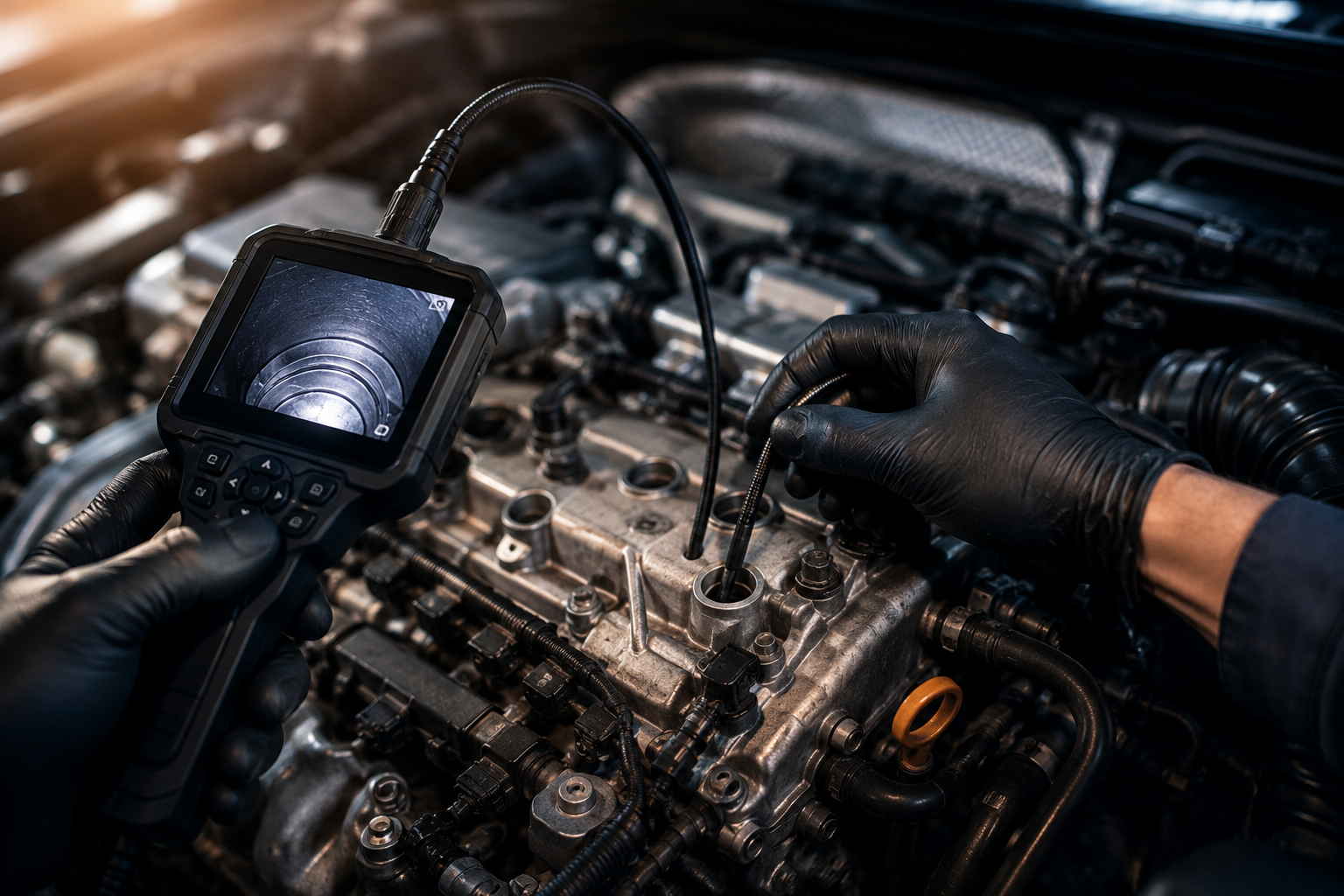
- checking compression and cylinder condition;
- inspection of the intake tract;
- turbocharger diagnostics;
- crankcase ventilation check;
- search for traces near seals and gaskets;
- additional examination of the piston group.
This sequence helps to establish, Why has oil consumption increased?, rather than simply compensating for it by topping up more frequently. If your usual consumption has changed noticeably, it is worth finding the source of the loss before the defect leads to more expensive repairs.
Top popular news
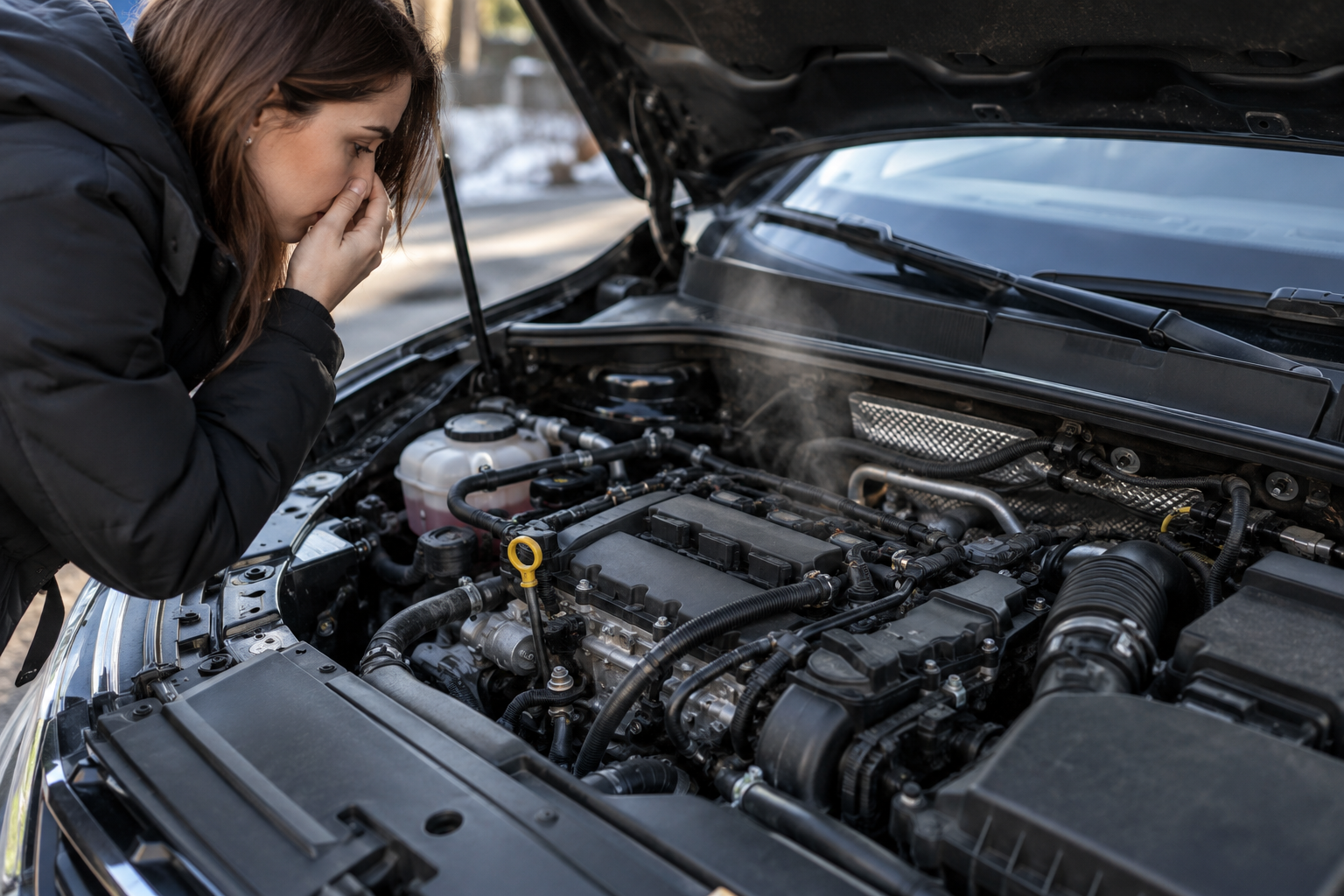
- There is a smell of gasoline under the hood, but there are no signs of a leak: where to look for the problem
- Volkswagen Golf 7: which engines are considered the most successful in the secondary market
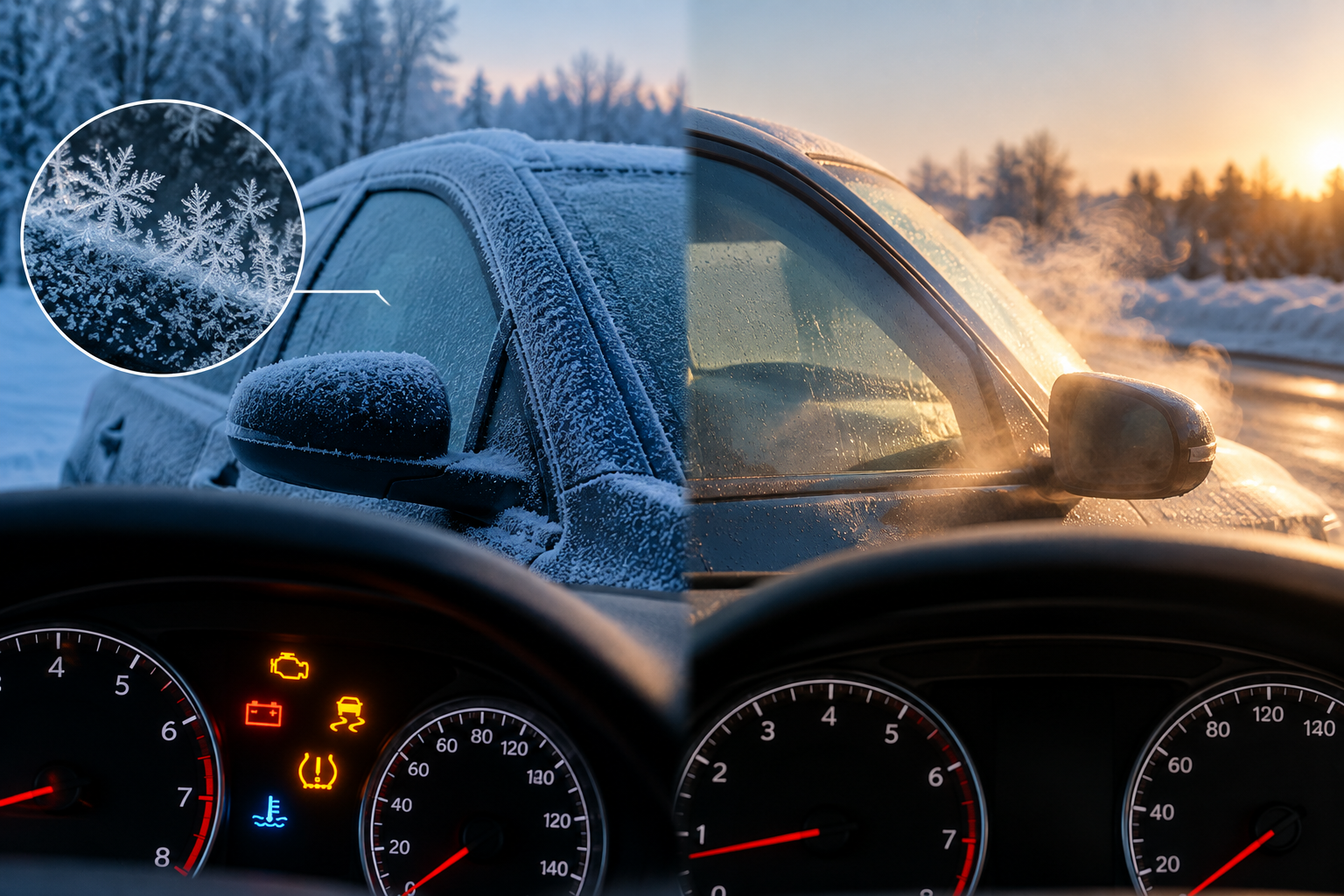
- Why do errors appear after a night frost that disappear after warming up?
- The car stalls when you suddenly release the gas: what happens at this moment
- Audi A6 with 200+ thousand mileage: what expensive malfunctions can be predicted in advance
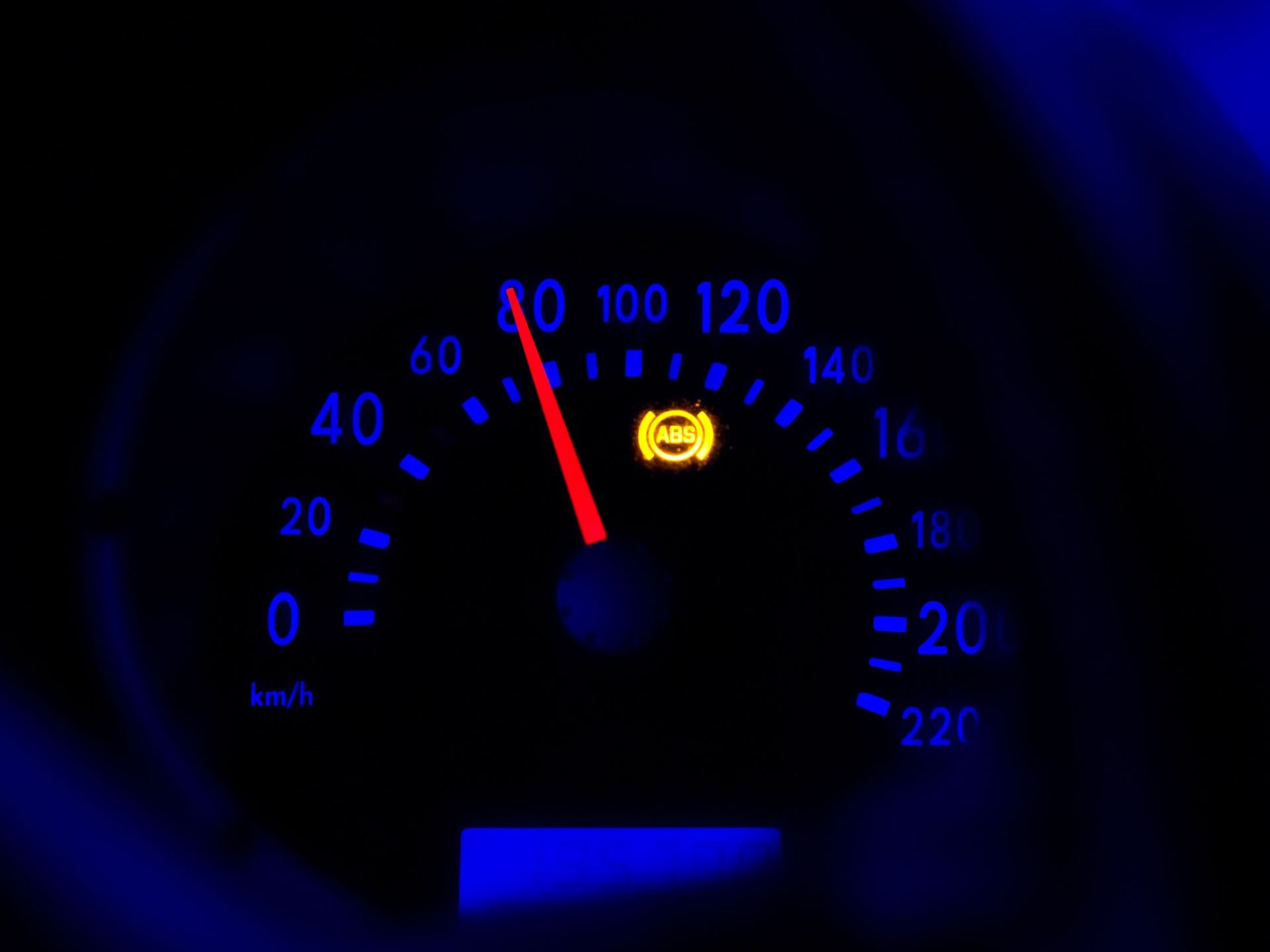
- The ABS light came on on the dashboard: can I continue driving?
- Volkswagen Passat B8 or Skoda Superb: what will the car show after 200 thousand km
- The car loses traction after warming up: why does this happen?

Subscribe to our newsletter!
To stay updated with the latest news

Book a service