Mon - Sat | 09:00 - 19:00


Find

Contact us

Odesa
Hrushevskoho str., 41
 Мережа СТО в місті
Місто
 +38 (096) 299 29 97
Odesa
Hrushevskoho str., 41
 Мережа СТО в місті
Місто
+38 (096) 299 29 97

 Години роботи
 Mon - Sat
09:00 - 19:00
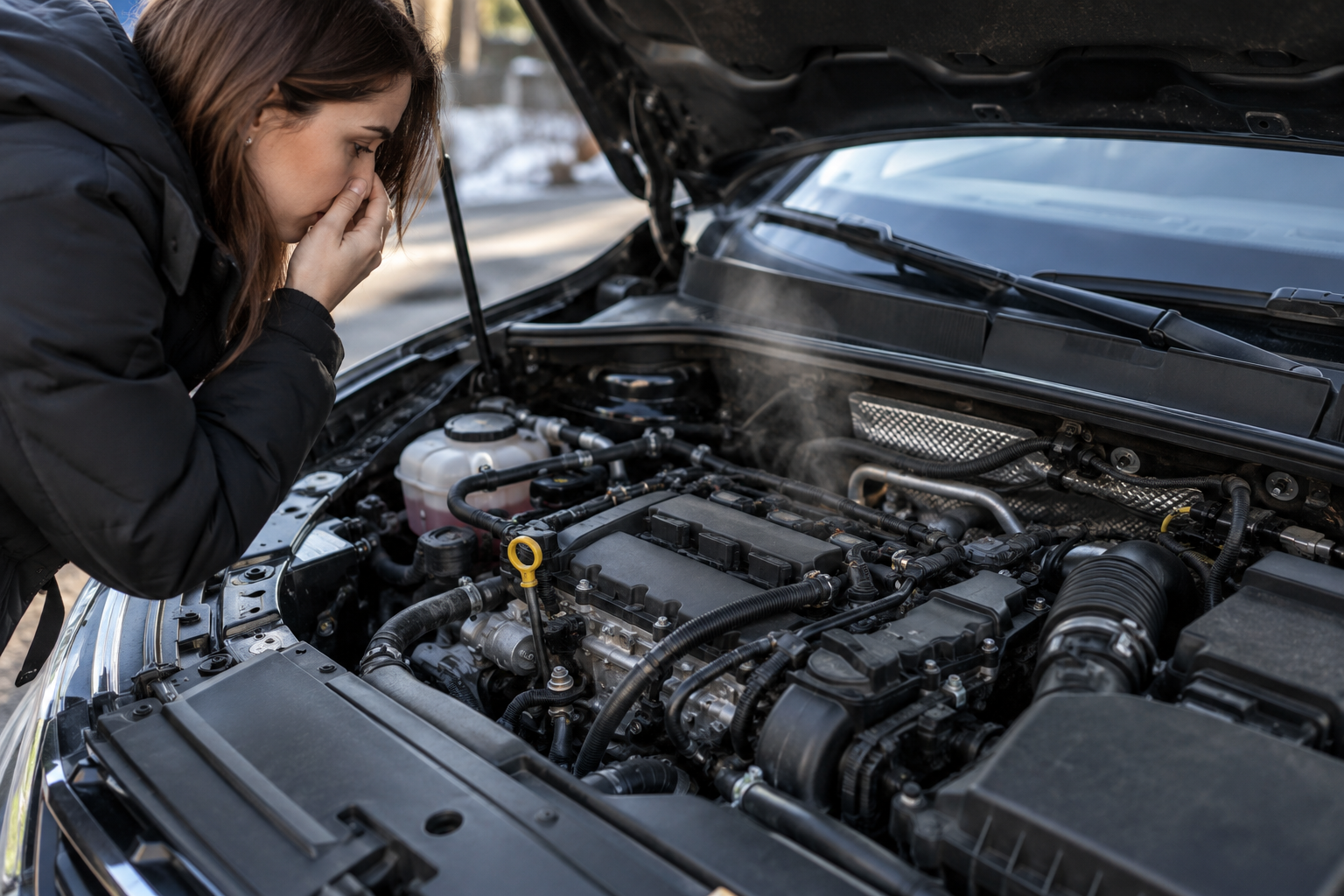
After starting the engine, an unusual noise is heard for a few seconds: when is this a reason for diagnostics?
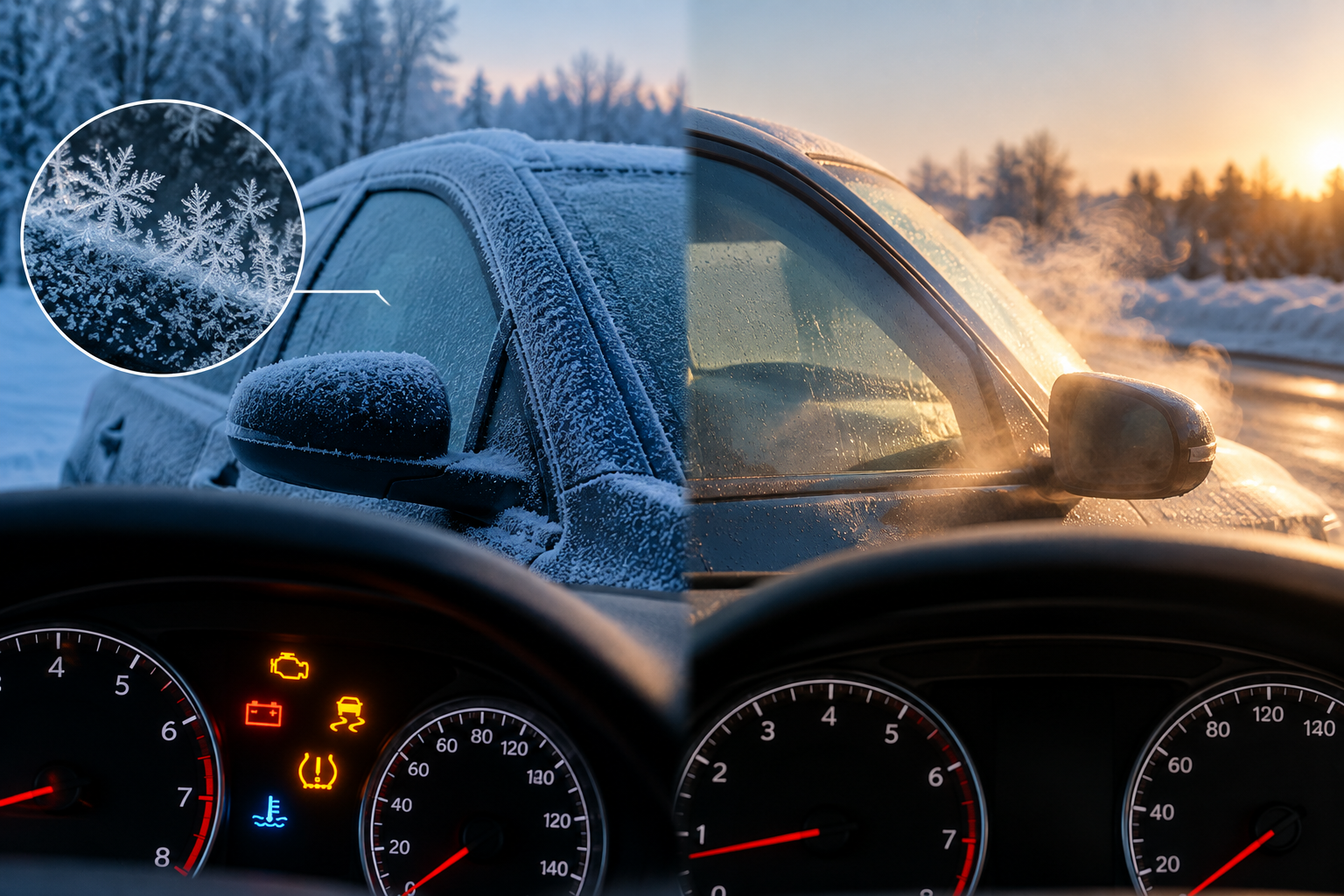
The first seconds of a cold engine running may differ in character from the familiar sound of a warmed-up engine. After a long period of standstill, the oil returns to the sump, and individual components need some time to enter operating mode. Therefore, a short-term ticking, rustling or slight rattling does not always indicate a serious malfunction. However, noise after starting the engine should not be ignored when it becomes louder, lasts longer or occurs more often.
What happens to the lubrication system after startup?
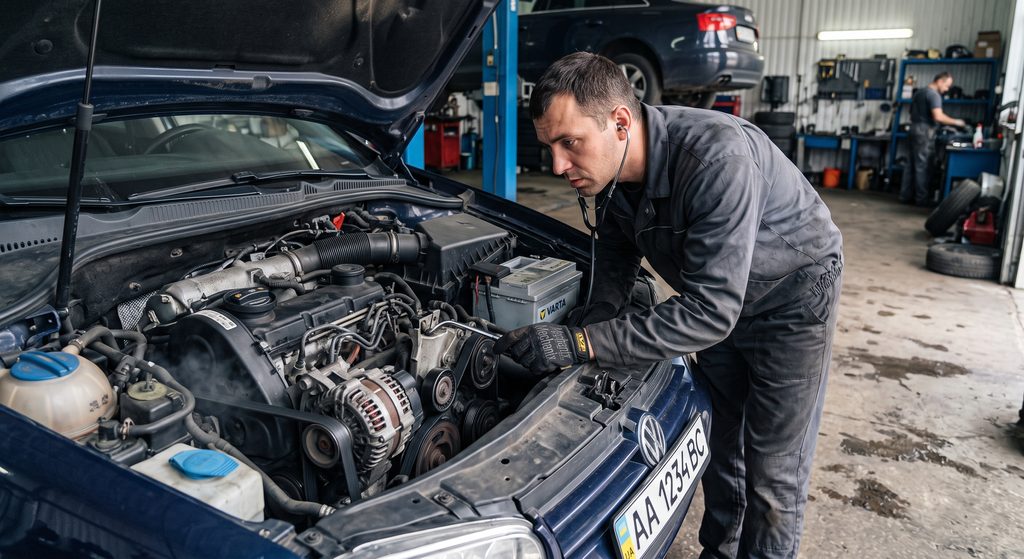
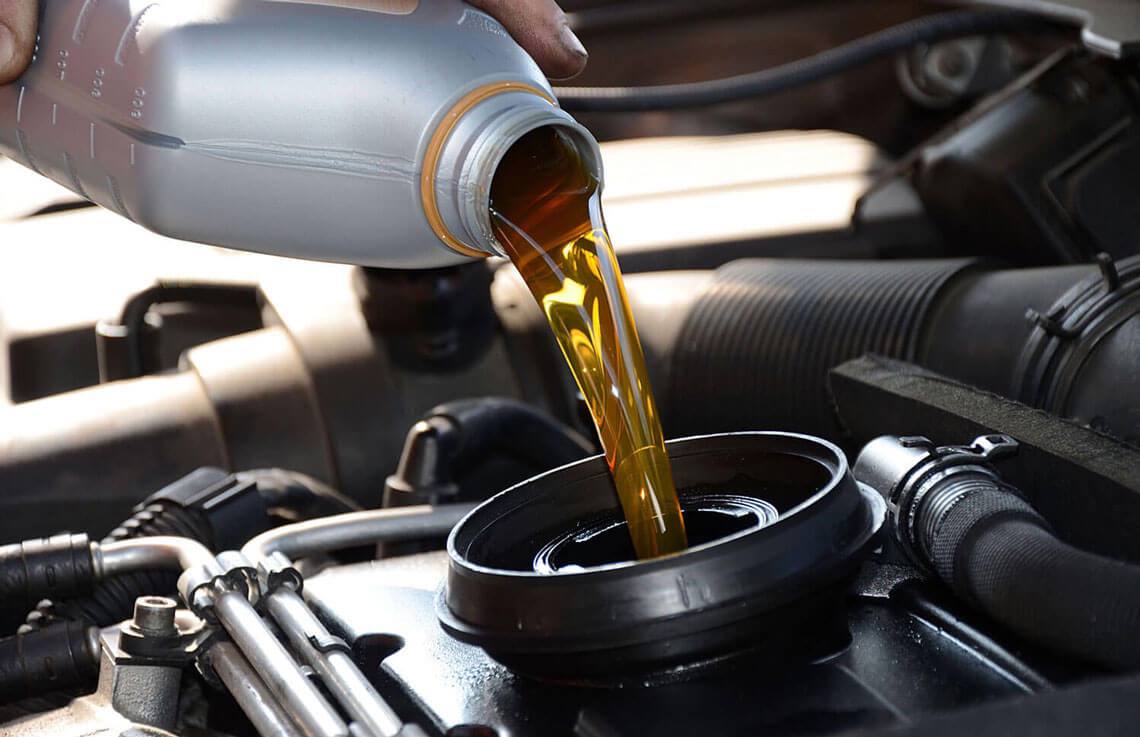
After starting, the oil pump begins to supply lubricant to the channels and friction pairs. Until the required pressure is formed, individual components may operate in conditions different from those established after warming up.
The speed of this process is affected by the design of the lubrication system, the condition of the pump, oil filter, passages and the properties of the oil. Contamination, pump wear or inappropriate viscosity of the lubricant can change the time it takes for the operating pressure to stabilize.
The following signs may be characteristic of short-term noise after parking:
- it occurs mainly on a cold engine;
- weakens quickly after starting;
- does not occur on a warm engine;
- its duration remains approximately the same.
The mere fact of the sound appearing is not enough to determine the cause. The direction of the search is determined by the place where the sound occurs and the change in its character.
Timing chain, tensioners and hydraulic compensators
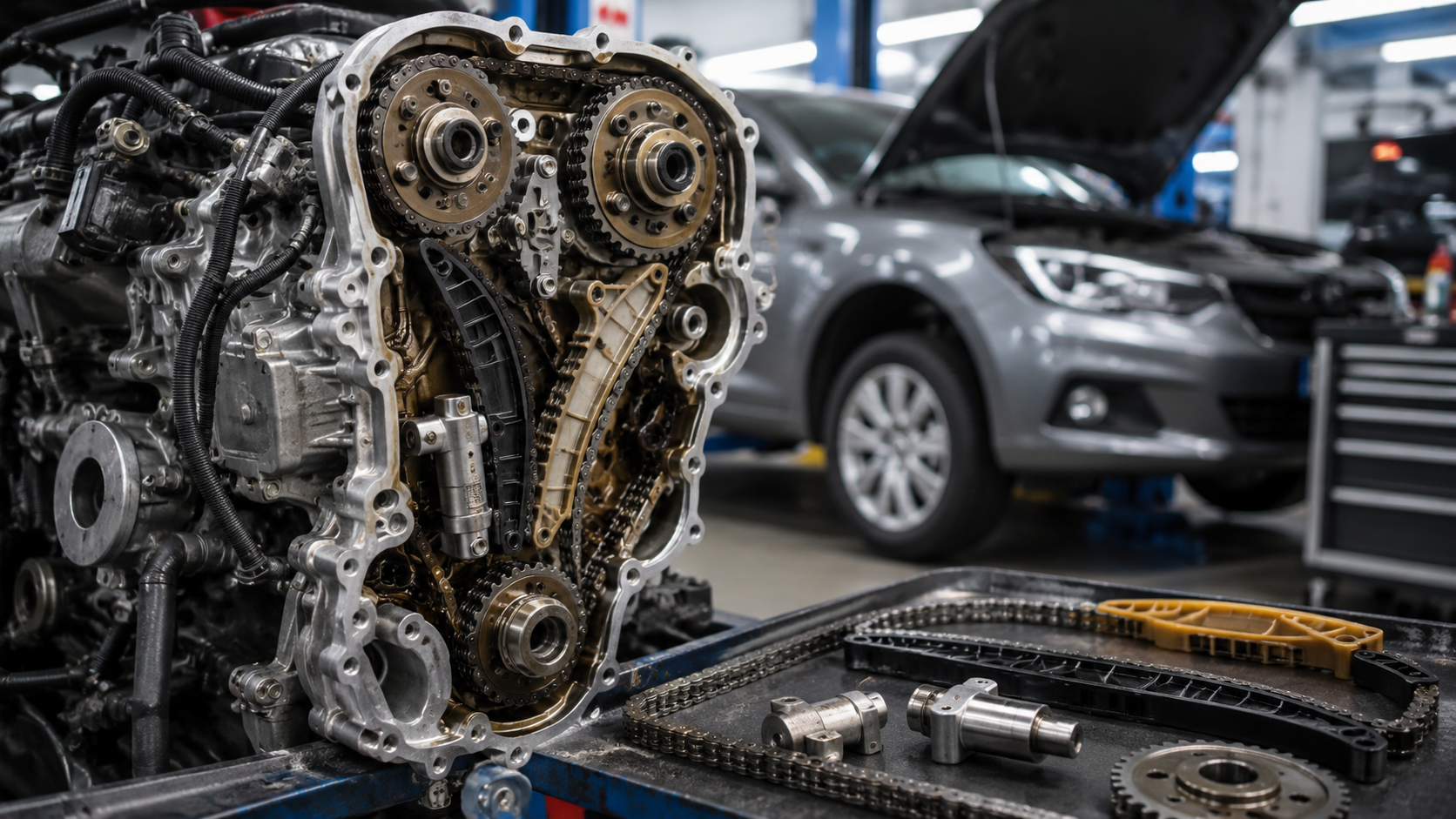
Another source of short-term noise is the timing mechanism. On chain-driven engines, the noise can be caused by the tensioner, guides, or chain stretching.Wear on the tensioner, guides, or the chain itself can make this noise louder.
A metallic sound when cold, similar to a short rattle or chain rustle, requires careful assessment, especially when its duration gradually increases. For some designs, a short noise at startup is characteristic, but it is impossible to determine the health of the timing drive by its duration alone.
Hydraulic lifters can also produce a characteristic clicking sound. They use oil pressure to compensate for the thermal clearance of the valve mechanism. After a long period of storage, the amount of oil in a separate hydraulic lifter may decrease, causing the valve mechanism to operate with a characteristic clicking sound for a while. Regular repetition of such a symptom or a gradual increase in its duration already requires inspection.
How to distinguish attachments
The source of noise may not be the internal mechanism of the power unit, but the generator, rollers, belt, air conditioning compressor, or other element of the attached equipment.
Their operation often changes with the crankshaft speed. A whistling, rustling, periodic creaking or humming sound can indicate a belt drive or a bearing in one of the rollers. A change in the nature of the sound after turning on the air conditioner or an additional electrical load also helps narrow down the search direction.
The starter has another characteristic feature: its operation occurs at the moment the crankshaft is spinning. When the unusual sound continues after the engine has started, the source should be sought among the components that remain in operation with it.
What sound characteristics do you need to remember?
The mere fact of noise occurrence is of little help during diagnostics. To find the cause, the conditions of occurrence and the change in the nature of the sound in the first seconds of operation are more important.
Please note:
- exact duration;
- tone: high, low, metallic, dull or rustling;
- the moment of appearance and disappearance;
- dependence on engine temperature;
- repeatability after short and long parking;
- changing volume with increasing speed.
It is useful to record the sound on your phone. The video will help the technician hear the symptom at the moment it appears, especially when the extraneous sound disappears after warming up.
When is it dangerous to postpone diagnosis?
Regular recurrence of the noise, an increase in its duration, or the appearance of accompanying symptoms require a separate evaluation.
You should not postpone the inspection when:
- the noise becomes louder or lasts longer;
- the metallic sound repeats itself almost after every stop;
- the oil pressure indicator lights up together with it;
- the engine runs unevenly after starting;
- vibrations, loss of power or other extraneous sounds appear;
- the noise remains after warming up.
Special attention should be paid to the appearance of unusual noises along with signs of a malfunction in the lubrication system. Prolonged operation with insufficient lubrication pressure can accelerate wear of parts, and timing drive malfunctions on some engines can lead to serious damage.
Noise after engine start-up should be assessed not only by its loudness, but also by its duration, character, temperature, frequency of repetition, and response to changes in engine speed. These features can help distinguish a short-term feature from a symptom that requires professional diagnosis.
Top popular news
- Audi A4 or Volkswagen Passat: which is more profitable to maintain after 150 thousand km
- Volkswagen Touareg with mileage: what expenses most often come as a surprise to the owner
- The car started stalling after refueling: an accident or a problem with the fuel system
- Why the engine may perform worse after short city trips
- Winter diesel: what happens to the fuel system during severe frost
- Why does a car lose power under load?
- Audi Q7 with high mileage: why the condition of a particular car is more important than the year of manufacture
- The rain passed – and the problems began: what in the car does not like moisture

Subscribe to our newsletter!
To stay updated with the latest news

Book a service