Mon - Sat | 09:00 - 19:00


Find

Contact us

Odesa
Hrushevskoho str., 41
 Мережа СТО в місті
Місто
 +38 (096) 299 29 97
Odesa
Hrushevskoho str., 41
 Мережа СТО в місті
Місто
+38 (096) 299 29 97

 Години роботи
 Mon - Sat
09:00 - 19:00
Winter diesel: what happens to the fuel system during severe frost
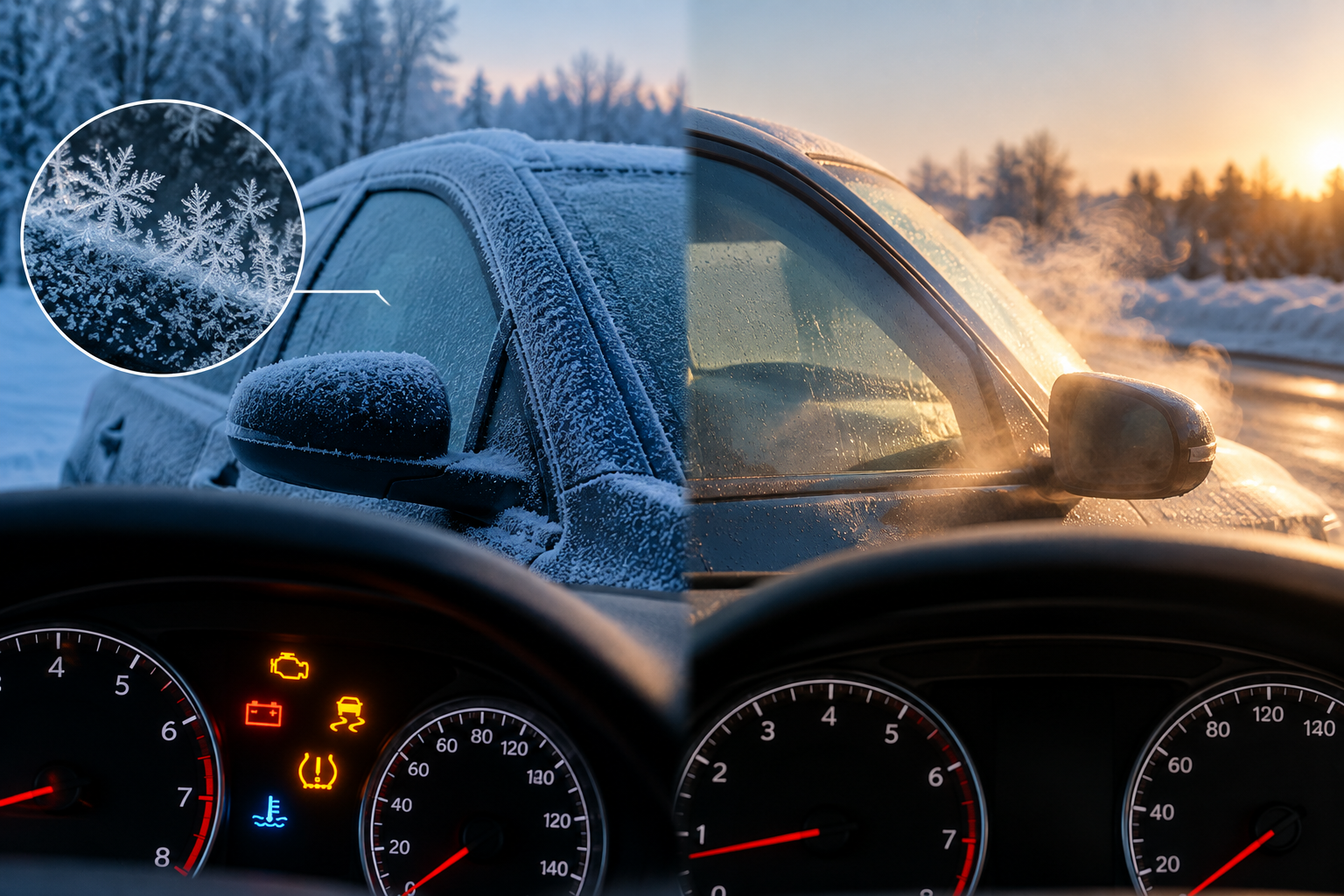
Low temperatures change the properties of diesel fuel and create additional stress on the fuel delivery system. Diesel fuel contains paraffin hydrocarbons, which begin to crystallize when cooled. Initially, this affects the fluidity of the liquid, and as the temperature decreases, the number of crystals increases.
The process occurs gradually: small paraffin particles can be trapped by the filter element and impair the passage of diesel through the fuel system. This makes cold starting more difficult, and with further cooling, the engine may be left without sufficient fuel supply.
Why does diesel fuel change its properties in the cold?
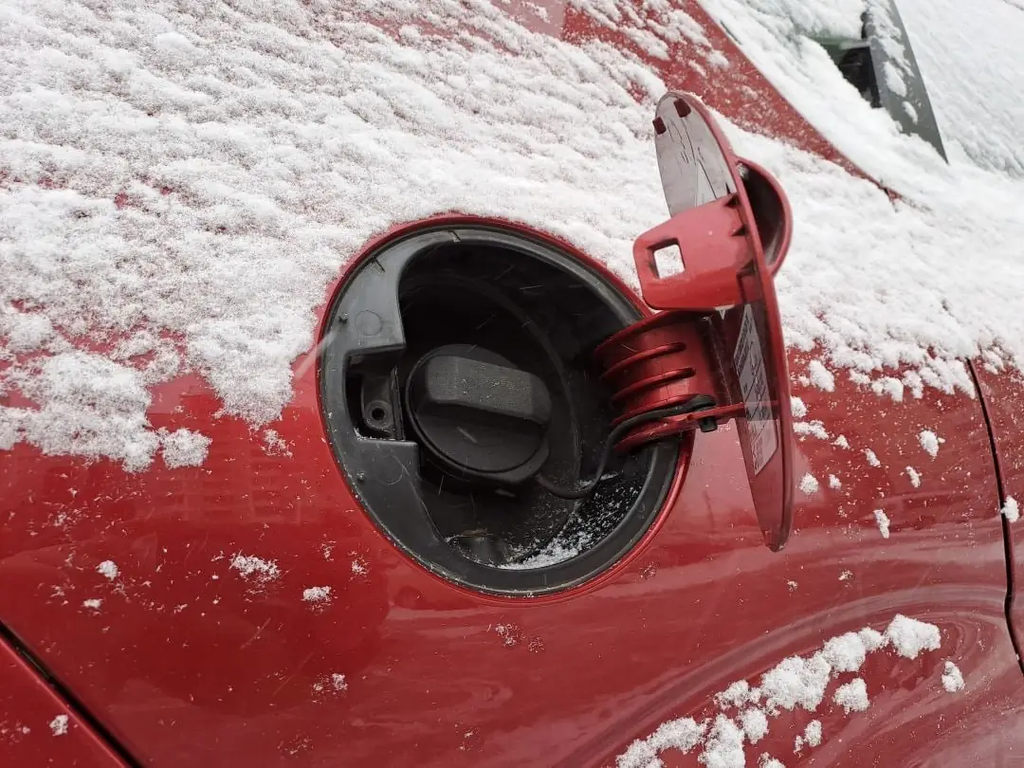
The behavior of a diesel engine in winter depends on the temperature characteristics of the fuel. For seasonal varieties, indicators are set that determine their suitability for operation at low temperatures. One of the important parameters is the maximum filterability temperature at which the fuel is still able to pass through the filter under the specified conditions.
In practice, the operation of a car is affected by:
- ambient temperature;
- seasonal diesel fuel grade;
- fuel filter condition;
- the presence of water and contaminants in the system.
Therefore, diesel fuel in cold weather cannot be evaluated only by the fact of a successful car start. The temperature range and the technical condition of the supply system also play a role.
What happens to the fuel filter?
The fuel filter is one of the first to react to the formation of paraffin crystals..On a flat road or with low diesel consumption, the restriction may be almost imperceptible. During start-up and when revs increase, the fuel demand increases, and the capacity of the dirty filter is no longer sufficient.
The situation is made worse by a filter that has already accumulated dirt or water. Additional blockage of the channels by paraffin crystals further complicates the flow.
It is important to distinguish between the effect and the cause. Replacing a clogged element restores fuel flow, but does not solve the problem of inappropriate diesel fuel season or excessive cooling of the fuel system.
How limited flow affects the pump and injectors
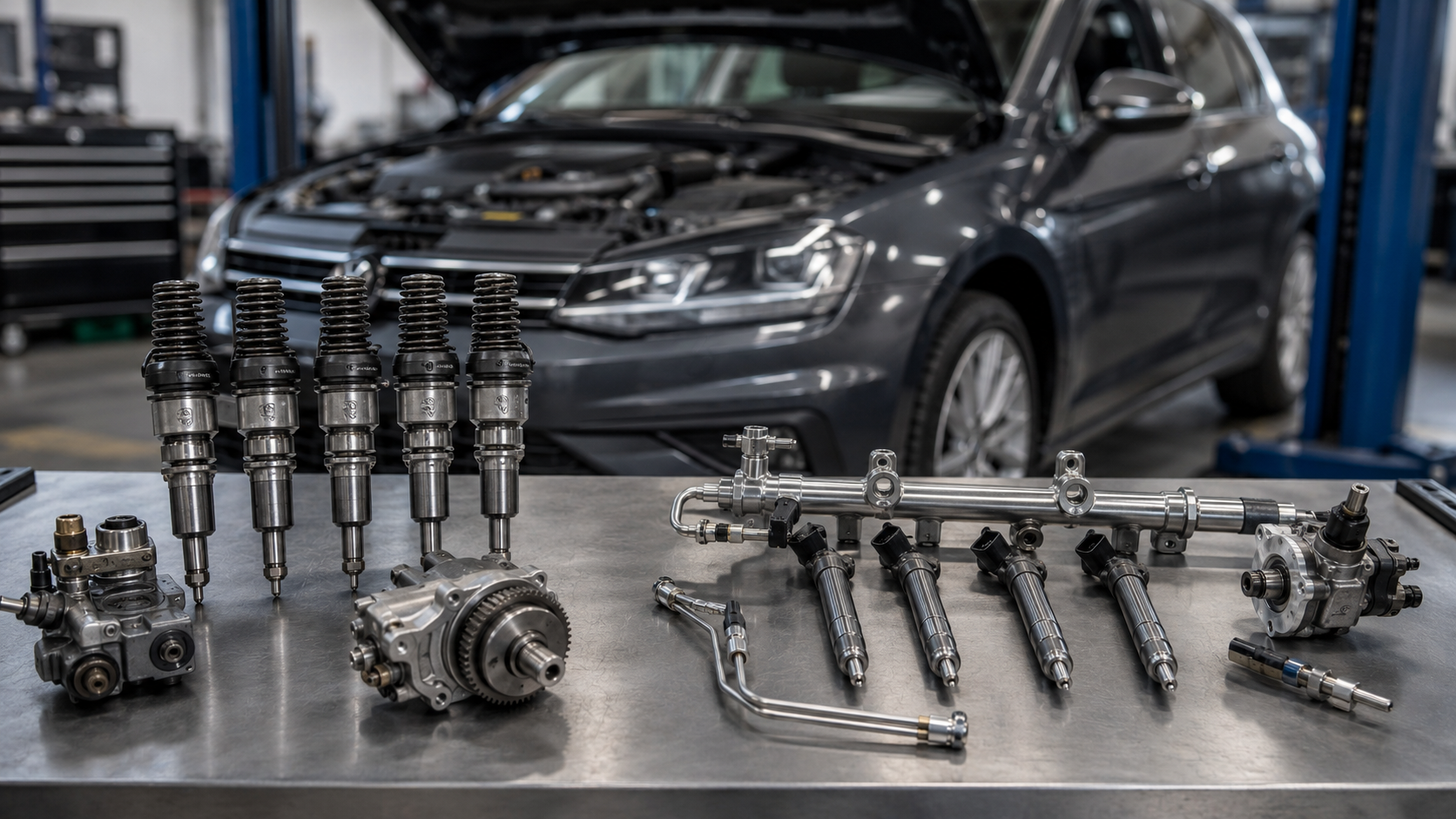
When an insufficient amount of diesel passes through the filter, the fuel pump does not receive the necessary amount of fuel for stable operation of the system. The consequences vary on different types of fuel equipment, but the common denominator is insufficient fuel supply.
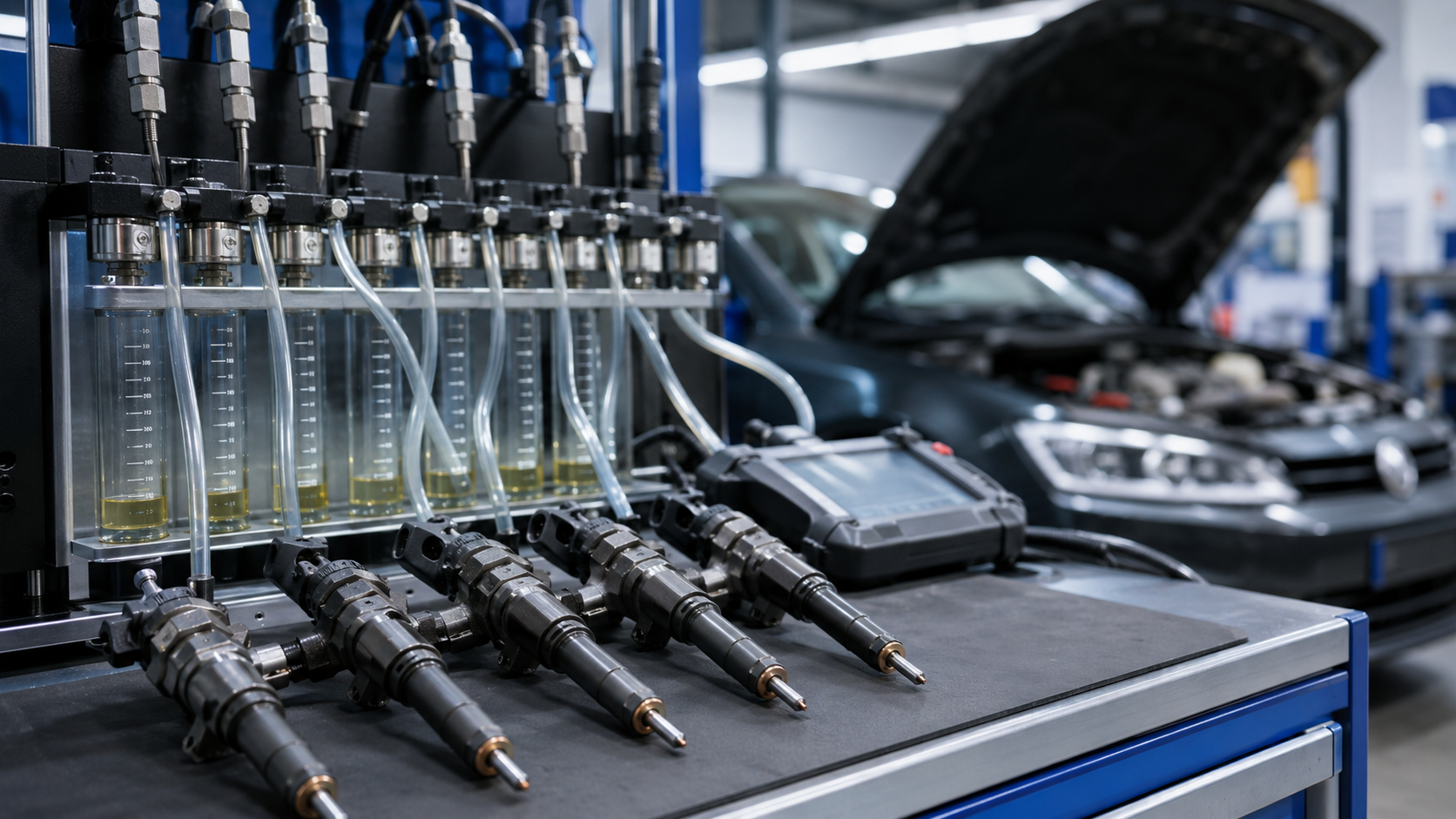
Injectors also depend on stable fuel system parameters. Pressure disturbances or insufficient diesel can impair injection quality and engine operation. During cold starts, the requirements for fuel equipment are particularly high.
Possible problems with the feed are indicated by:
- prolonged cranking of the starter;
- starting with subsequent engine stop;
- unstable operation immediately after startup;
- loss of traction when revs increase;
- errors related to fuel pressure.
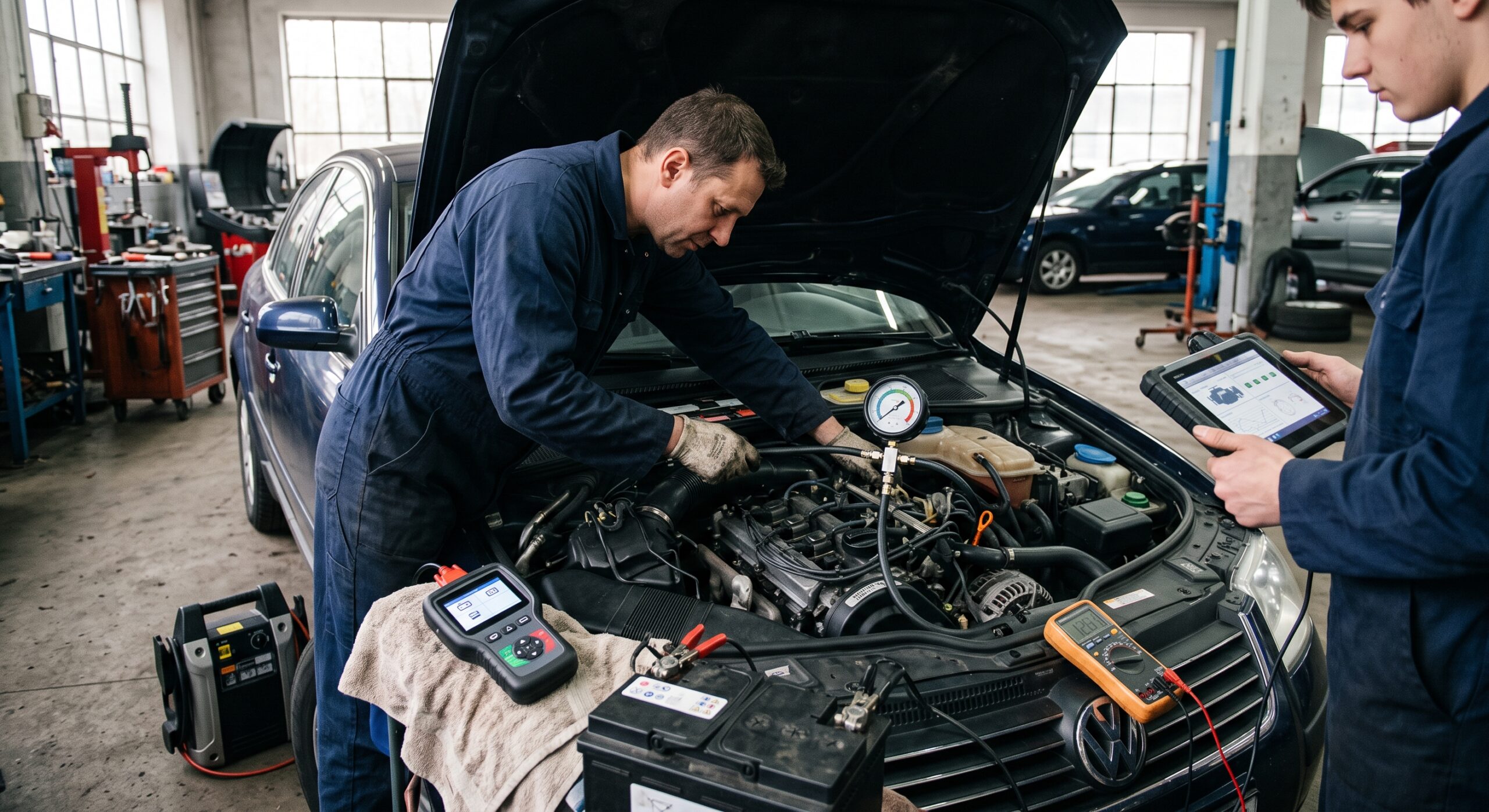
However, not every difficult start is due to paraffin in the fuel. Worn injectors, a weak battery, faulty glow plugs or insufficient compression can be the cause or additional factor.
Fuel seasonality and vehicle condition
The answer to the question of how frost affects diesel depends not only on the temperature. The seasonality of the fuel, its quality, and the readiness of the vehicle itself for cold operation remain important.
Seasonal diesel fuel has characteristics designed to operate at lower temperatures
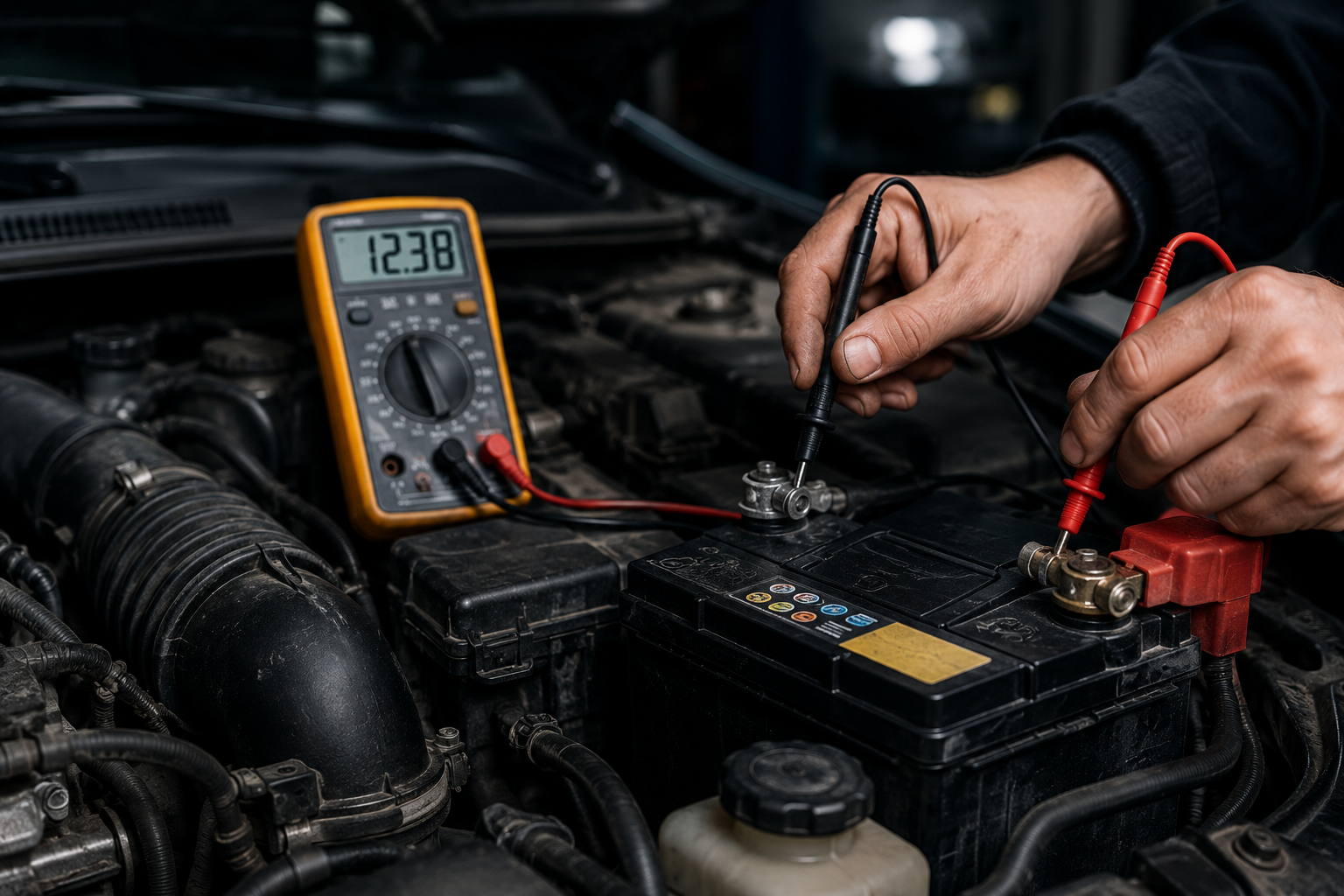
A separate role is played by the filter heating. On cars equipped with such a system, its serviceability helps to maintain the required throughput of the fuel system. Before winter operation, it is also advisable to evaluate the battery and cold start system.
What happens during startup attempts
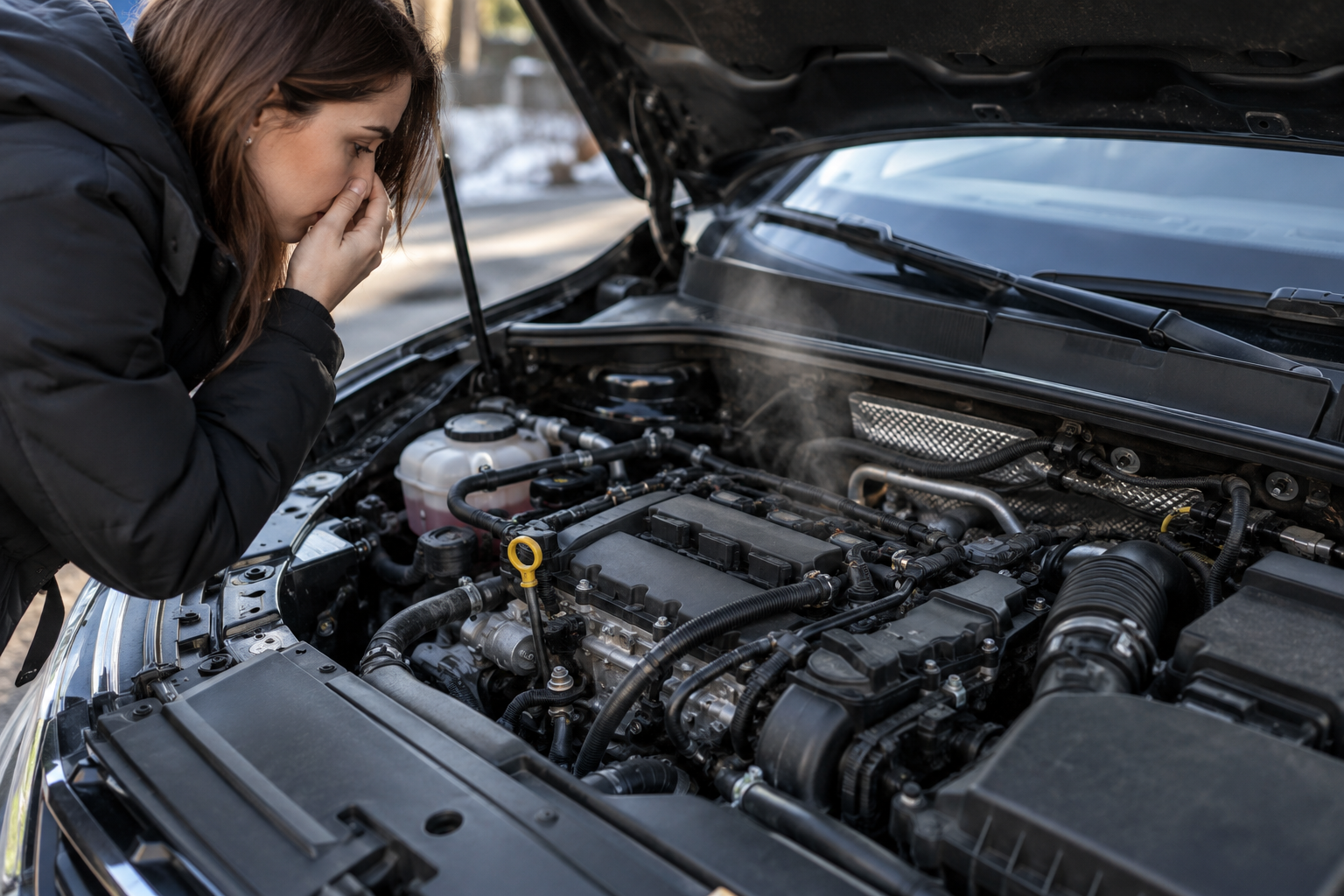
When a diesel engine does not start in cold weather, the reason may not be due to a mechanical fault in the engine, but to insufficient fuel supply. If the filter is heavily clogged with paraffin crystals, an insufficient amount of diesel fuel is supplied to the fuel system. The starter rotates the crankshaft, but normal power supply to the engine is not restored.
Continuous cranking of the starter will not clear the blockage. It only increases the load on the battery and starter, and after several unsuccessful attempts the battery may lose its charge.
After a problematic start, it’s not just the filter that is checked. The result is also affected by engine temperature, glow plug operation, battery condition, compression, and fuel system health.
How to prepare a diesel fuel system for frost
It is better to prepare for the cold season before the onset of severe frosts. A working filter, efficient heating and seasonally appropriate fuel reduce the risk of supply restriction.
Before a sharp cold snap, you should:
- check or replace the fuel filter;
- make sure that the filter and fuel line heating are working properly;
- check the battery and cold start system;
- refuel the car with seasonal diesel fuel at verified gas stations;
- monitor the presence of water and contaminants in the fuel system.
Winter diesel requires attention not only to the characteristics of the fuel. Paraffin crystals can limit the filter’s throughput, which then disrupts the supply to the pump and injectors. Seasonal fuel, proper heating and a car prepared for the cold reduce the risk of problems with starting and operating the engine even at low temperatures.
Top popular news
- Audi A4 or Volkswagen Passat: which is more profitable to maintain after 150 thousand km
- Volkswagen Touareg with mileage: what expenses most often come as a surprise to the owner
- The car started stalling after refueling: an accident or a problem with the fuel system
- Why the engine may perform worse after short city trips
- Why does a car lose power under load?
- Audi Q7 with high mileage: why the condition of a particular car is more important than the year of manufacture
- After starting the engine, an unusual noise is heard for a few seconds: when is this a reason for diagnostics?
- The rain passed – and the problems began: what in the car does not like moisture

Subscribe to our newsletter!
To stay updated with the latest news

Book a service