Mon - Sat | 09:00 - 19:00


Find

Contact us

Odesa
Hrushevskoho str., 41
 Мережа СТО в місті
Місто
 +38 (096) 299 29 97
Odesa
Hrushevskoho str., 41
 Мережа СТО в місті
Місто
+38 (096) 299 29 97

 Години роботи
 Mon - Sat
09:00 - 19:00
The rain passed – and the problems began: what in the car does not like moisture
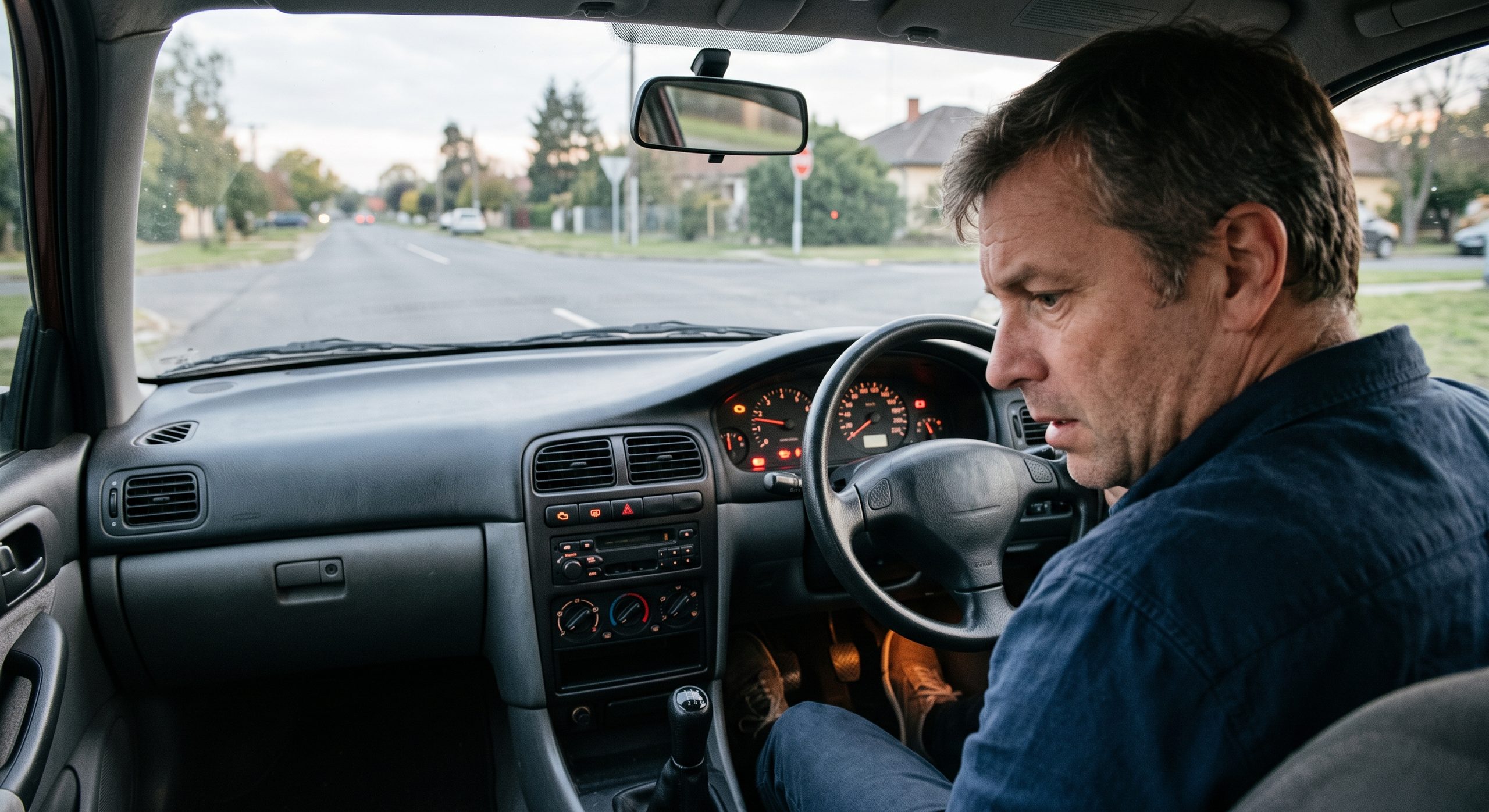
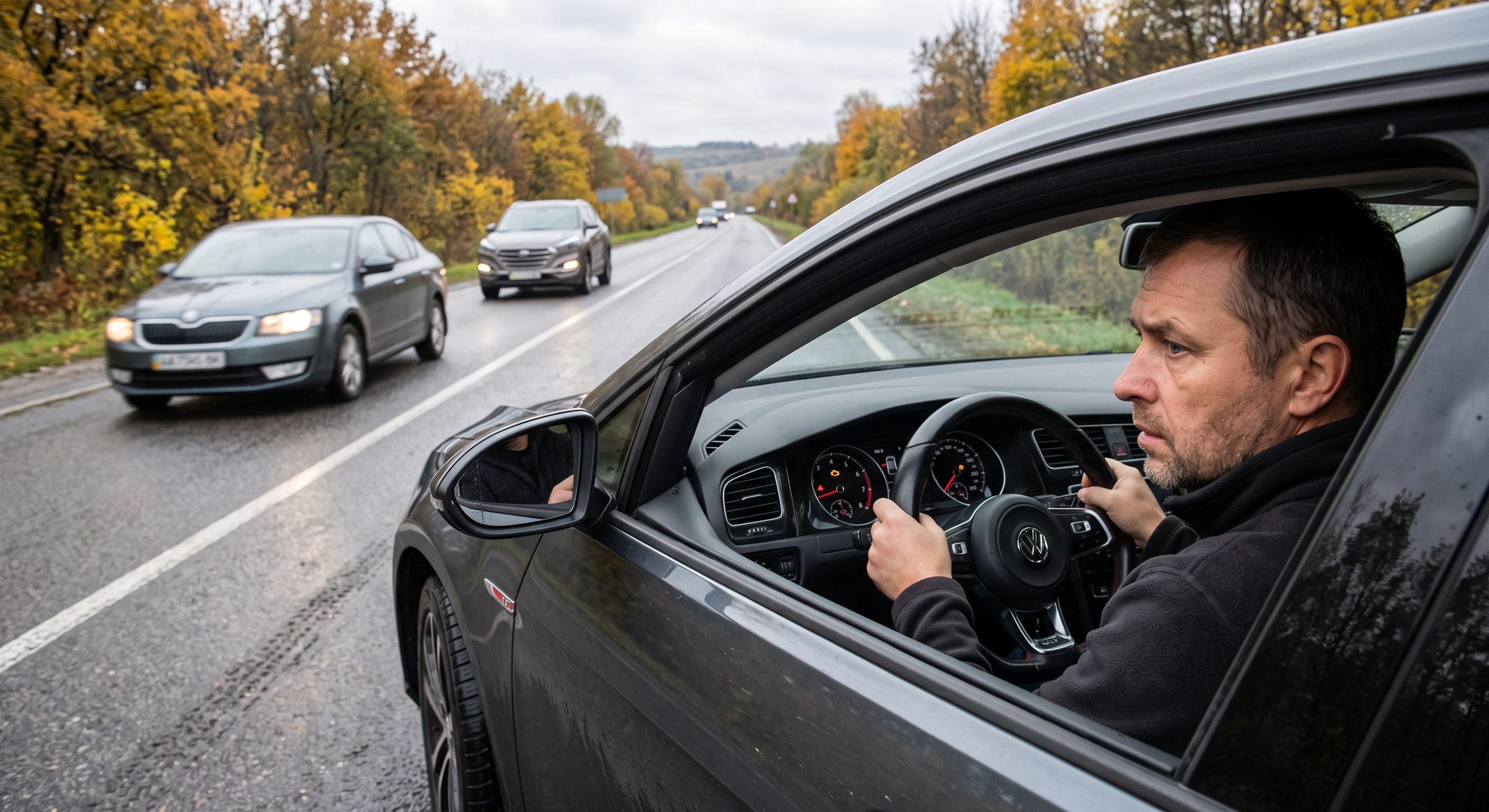
Heavy rain sometimes becomes a kind of leak test for the car. Before the rain, the car works without complaints, but after parking in the rain, there are difficulties with starting, unstable revolutions, errors on the panel or failures of individual electrical functions. Problems with the car after the rain do not necessarily indicate a serious breakdown. Moisture can temporarily break the contact, get into a sensitive node or start the oxidation process, the consequences of which will become noticeable later.
Why moisture is dangerous for electrical connections
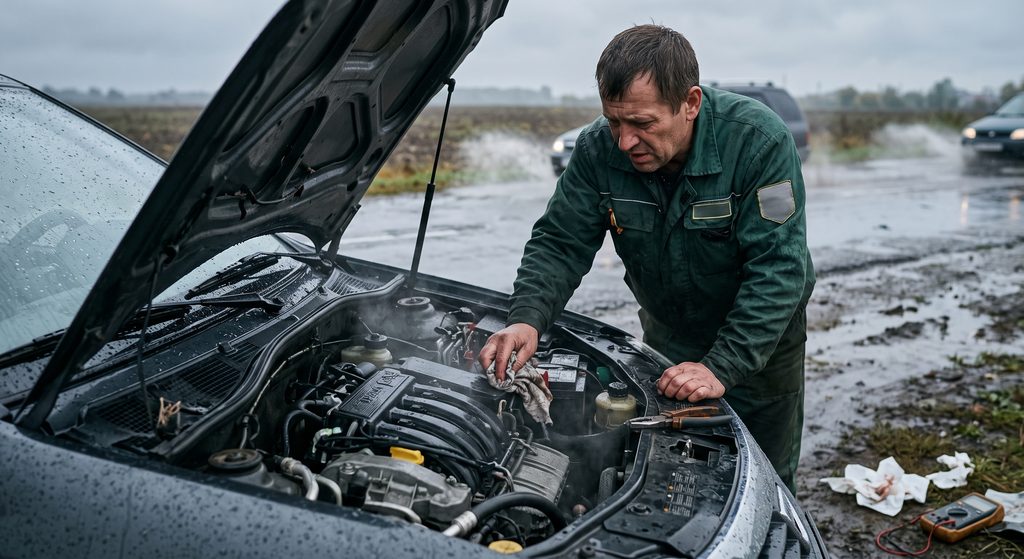
Automotive electrical components are protected from the external environment, but their tightness is not unlimited. Liquid inside the connector changes the conditions for the passage of current. A film forms on the surface of the contacts, and together with road dirt, it can create unwanted current paths.
The consequences depend on the condition of the specific connection. On a clean and healthy contact, a short-term impact may not produce a noticeable result. A loose clamp, damaged insulation or existing oxidation increase the risk of interruptions.
The gradual destruction of the metal also does not happen instantly. Even after the surface dries, traces of moisture may remain inside the connector, which further deteriorates the electrical contact.
Where water can get under the hood or in the cabin
The problem often starts not with the electronic unit, but with a violation of the body’s tightness. Water can penetrate under the hood through damaged seals, areas near the windshield, air intakes, headlights or technological openings.
Inside, the weak points are the door, glass, and sunroof seals. Clogged drainage channels create another problem: precipitation accumulates near the seals and technological openings instead of being drained outside.
After a heavy downpour, it is worth inspecting:
- carpeting and the space underneath it;
- door, glass and hatch seals;
- drainage channels and holes;
- the lower part of the engine compartment;
- accessible connectors for traces of oxidation.
A particularly dangerous situation occurs when water gets into the car under the floor covering. Wiring harnesses run there, and in some models electronic units are located there. Surface drying of the interior in this case does not guarantee the removal of moisture.
How water affects connectors, wiring and control units
Connectors provide connections between sensors, actuators and electronic modules. Liquid inside such a unit can cause an unstable signal. This causes the individual system to operate intermittently and the control unit to record errors.
Damage does not necessarily appear immediately. Moisture can remain inside the plastic housing, between the contacts or at the wiring connection. After drying, the visible surface is already dry, but the oxidation process continues.
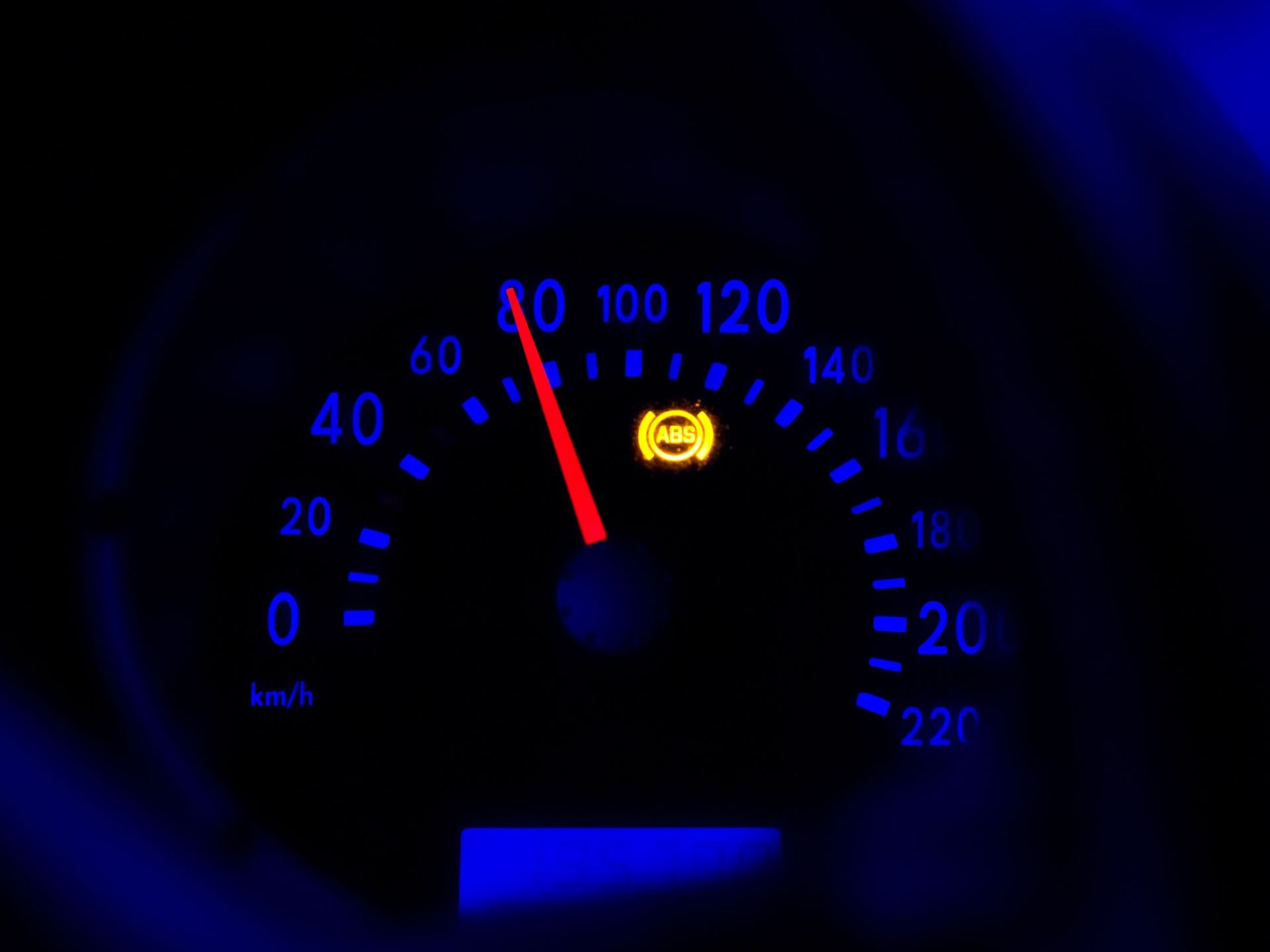
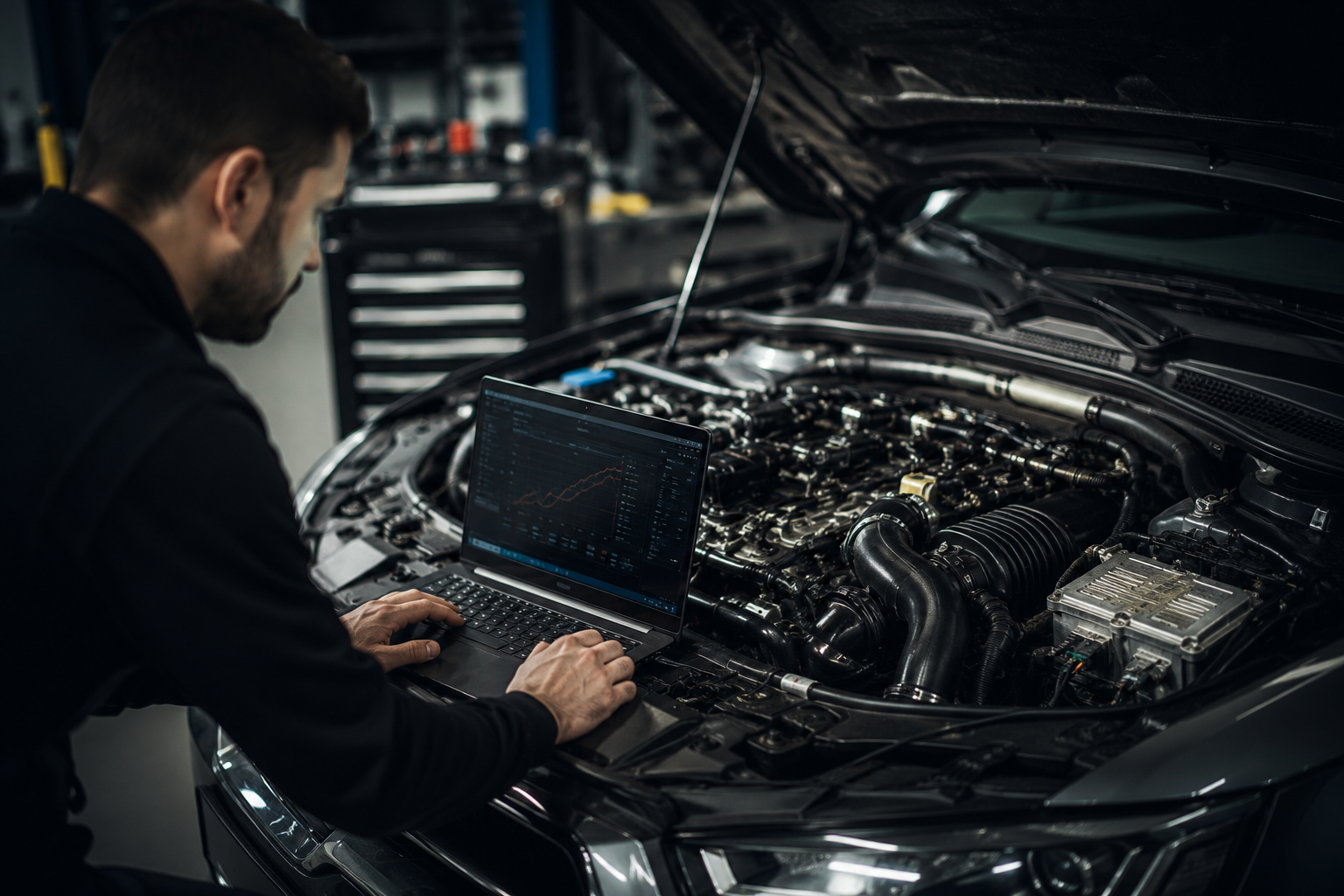
Symptoms depend on which circuit is affected. After rain, the car may operate erratically: due to broken contact, warnings appear on the panel, a certain function stops working, communication errors occur between modules, or the behavior of individual equipment changes.
Why can the engine start worse after precipitation?
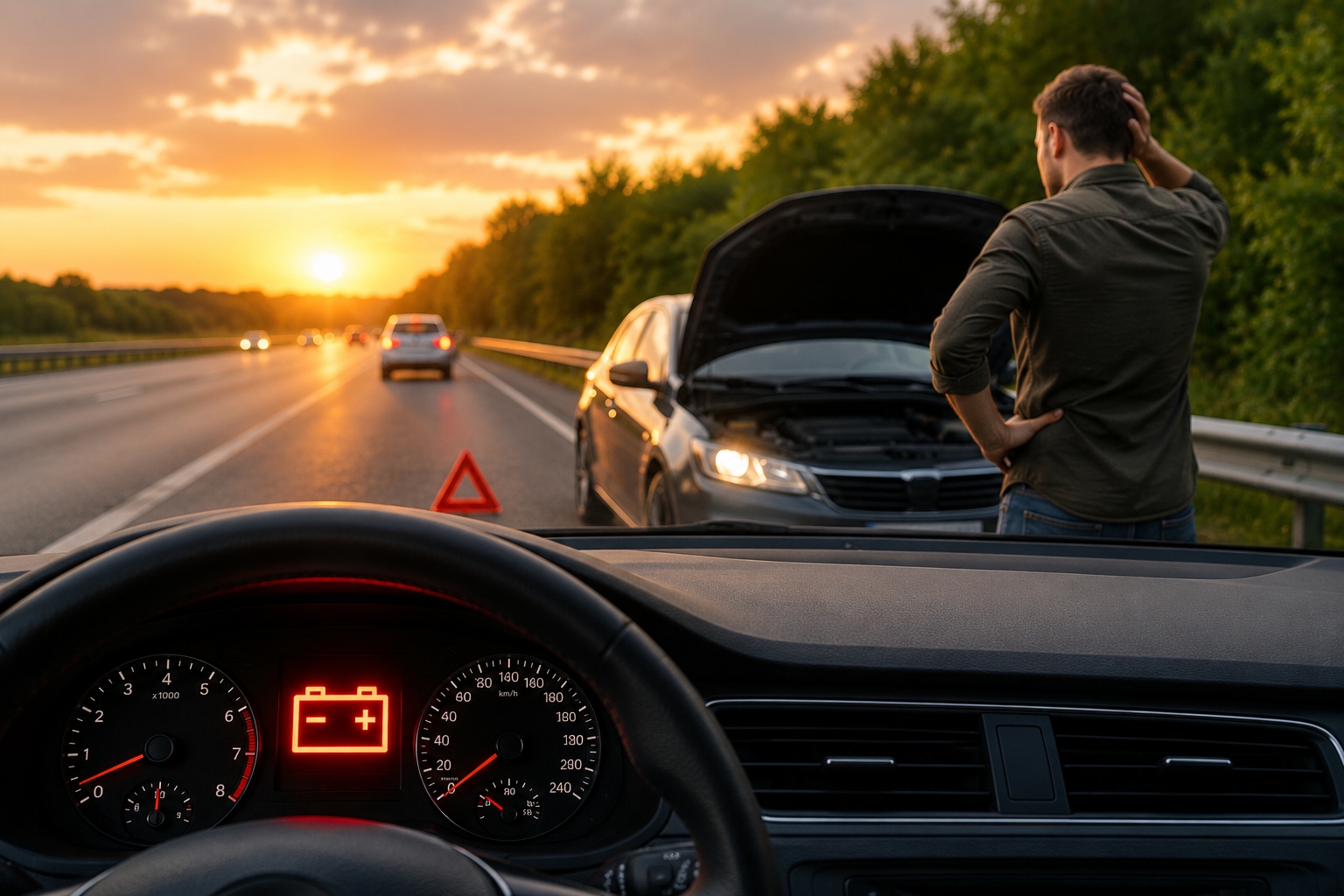
A situation where a car won’t start after rain is often related to the ignition system. Water or condensation near the ignition coil, spark plugs, or terminals can create conditions for high voltage leakage. This can cause the spark to become unstable and one or more cylinders to misfire.
The driver may notice rough idling, vibrations, stalling during acceleration, or difficulty starting. On some engines, the problem is more pronounced in damp weather, and after drying, the symptoms temporarily disappear.
The cause should not be limited to the ignition system. Moisture near sensor connectors, the throttle assembly, or other control components can also alter the operation of the powertrain. A connection to precipitation is an important diagnostic clue, especially when the symptom recurs after every heavy rain.
Why does the malfunction sometimes appear with a delay?
The delayed reaction after contact with water has a completely understandable explanation. Some of the liquid remains inside the connector, under the carpet, in the body cavities or near the wiring connections.As long as the amount of moisture is small, the electrical circuit can still function normally.
After a few hours, the condition of the contact surface changes, oxidation begins or the quality of the connection deteriorates. Because of this, electrical errors after rain can appear even after the car has been parked in a dry place.
The following symptoms indicate a possible connection with moisture:
- the failure occurs after a heavy downpour, although it did not occur before;
- after drying, the function is temporarily restored;
- traces of oxidation are visible on the contacts;
- moisture remains under the carpet or near the seals;
- problems occur in several electrical systems at the same time.
This behavior does not mean that the fault has disappeared forever. Drying may remove the symptom, but the source of water ingress and the damaged contact will remain unnoticed.
What to check and dry after a problem occurs
The first step is to find the path the water has taken. Check drains, seals, wiring, and areas where electronic components are located. In the cabin, it is important to inspect not only the top surface of the carpet, but also the space underneath it.
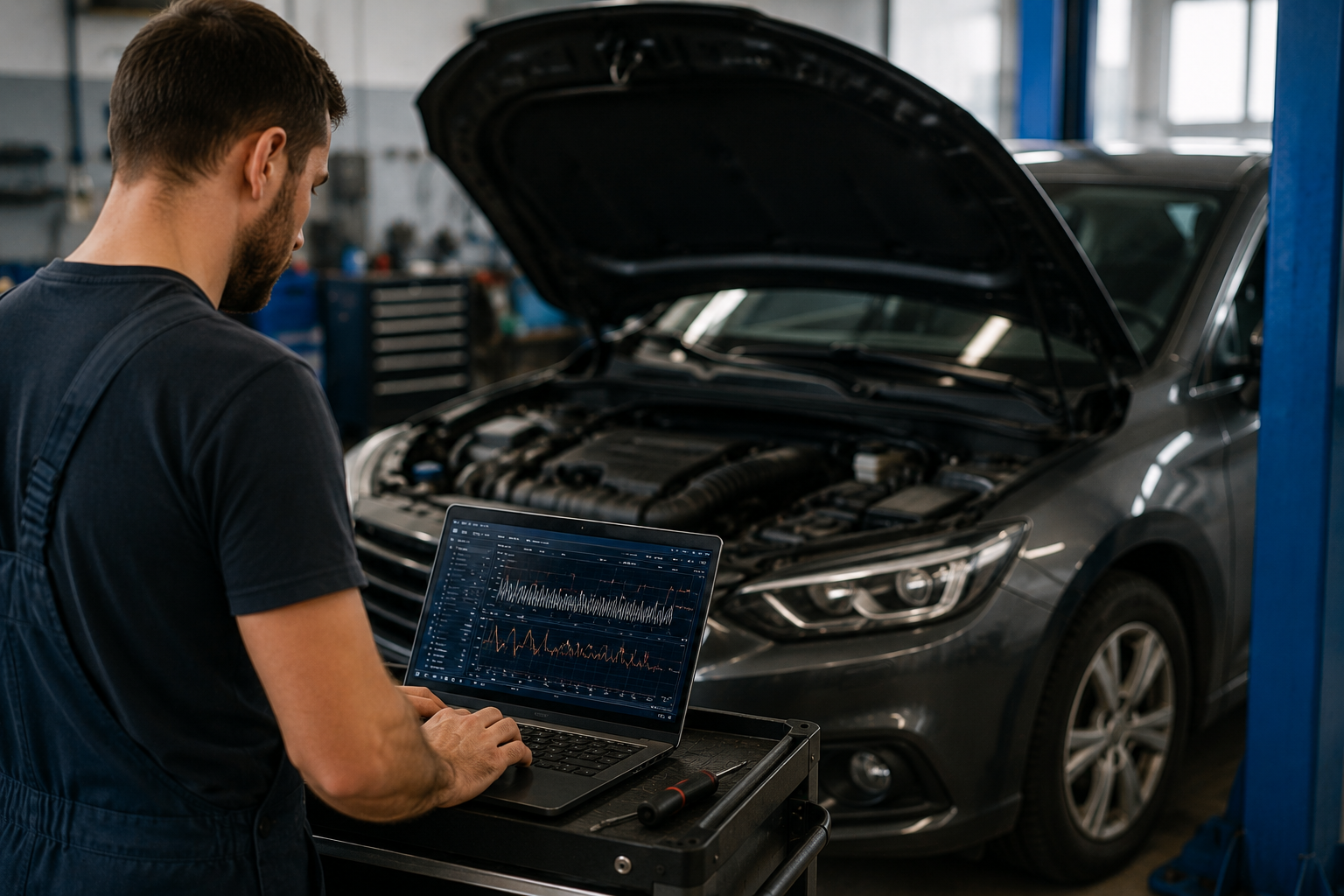
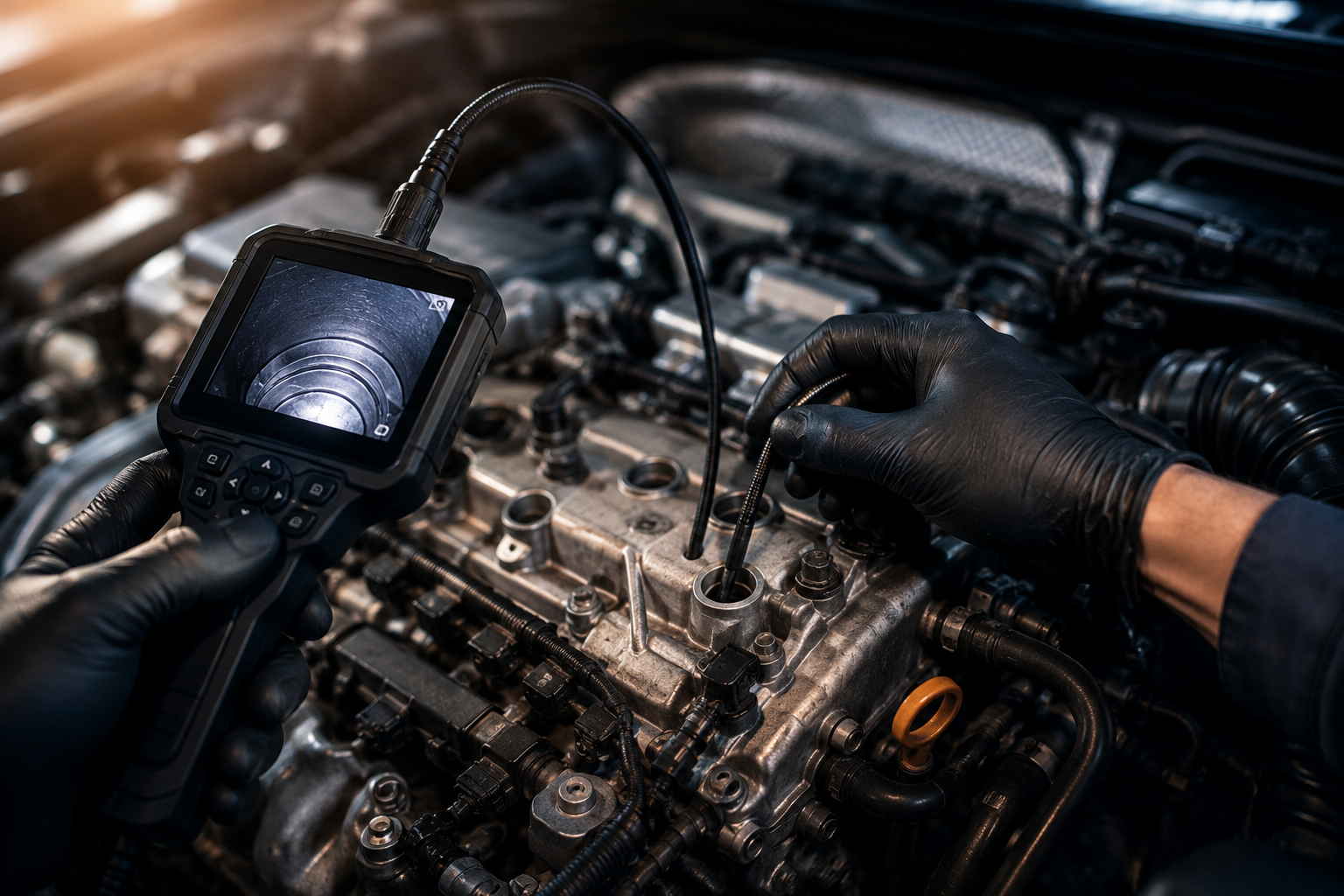
During diagnosis, they also check:
- connectors and condition of metal contacts;
- wiring in the engine compartment and interior;
- ignition coils, spark plugs and tips;
- error codes stored by the control unit;
- electronic modules that could have been exposed to water;
- drainage holes and body seals.
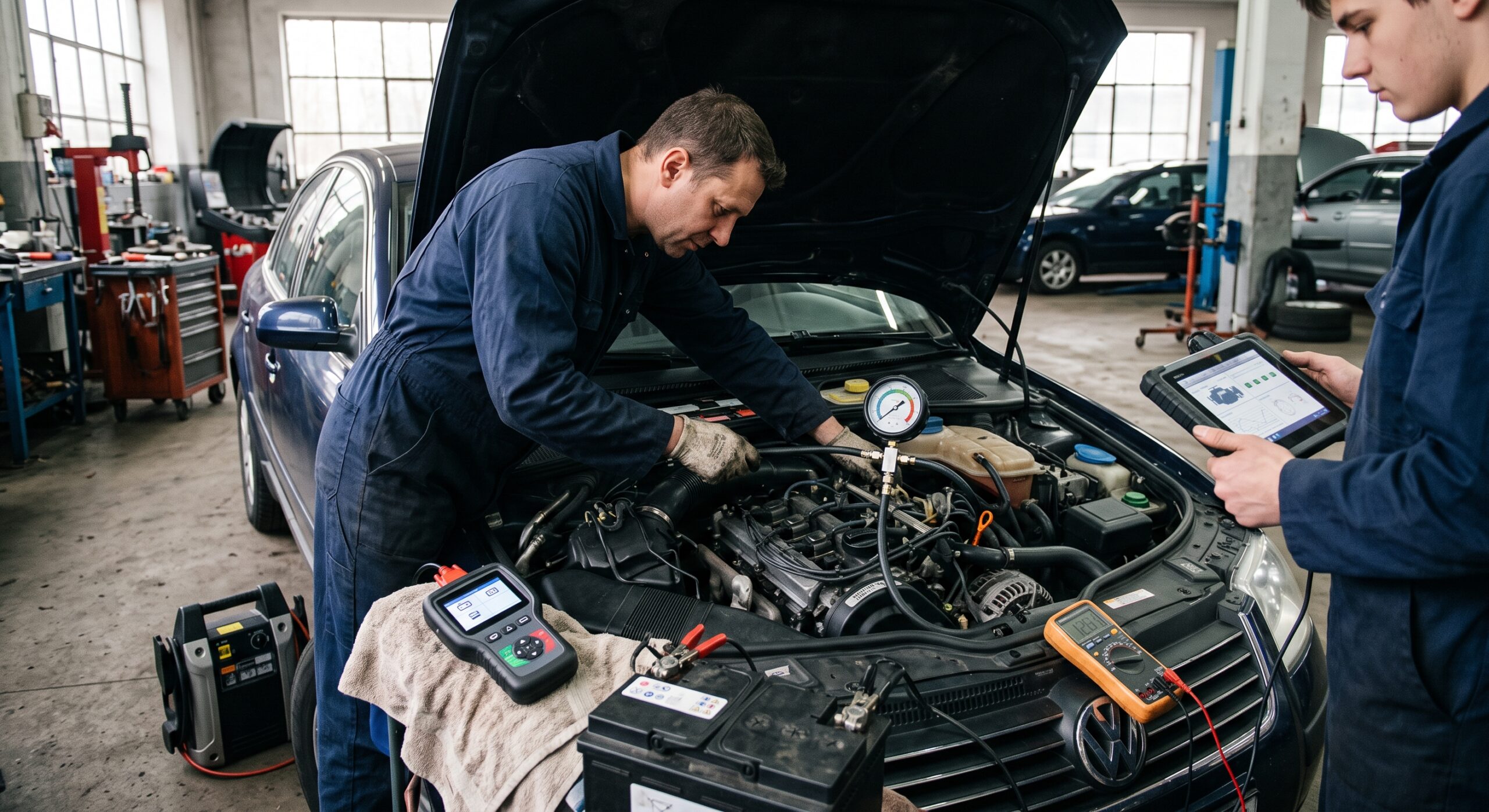
A car’s electrical system needs a full check after rain, when symptoms recur or new errors appear. Leaving a wet interior or connector unattended is dangerous: corrosion of the contacts can continue even after the exterior dries out.
The reason for the deterioration of the car’s performance after precipitation does not always lie on the surface. Water can remain in hard-to-reach places, gradually deteriorating the contact or operation of electronic components. Identifying the path of water penetration, cleaning the contacts and completely drying the affected area helps prevent repeated failures and further damage to the wiring.
Top popular news
- Audi A4 or Volkswagen Passat: which is more profitable to maintain after 150 thousand km
- Volkswagen Touareg with mileage: what expenses most often come as a surprise to the owner
- The car started stalling after refueling: an accident or a problem with the fuel system
- Why the engine may perform worse after short city trips
- Winter diesel: what happens to the fuel system during severe frost
- Why does a car lose power under load?
- Audi Q7 with high mileage: why the condition of a particular car is more important than the year of manufacture
- After starting the engine, an unusual noise is heard for a few seconds: when is this a reason for diagnostics?

Subscribe to our newsletter!
To stay updated with the latest news

Book a service