Mon - Sat | 09:00 - 19:00


Find

Contact us

Odesa
Hrushevskoho str., 41
 Мережа СТО в місті
Місто
 +38 (096) 299 29 97
Odesa
Hrushevskoho str., 41
 Мережа СТО в місті
Місто
+38 (096) 299 29 97

 Години роботи
 Mon - Sat
09:00 - 19:00
Why the engine may perform worse after short city trips
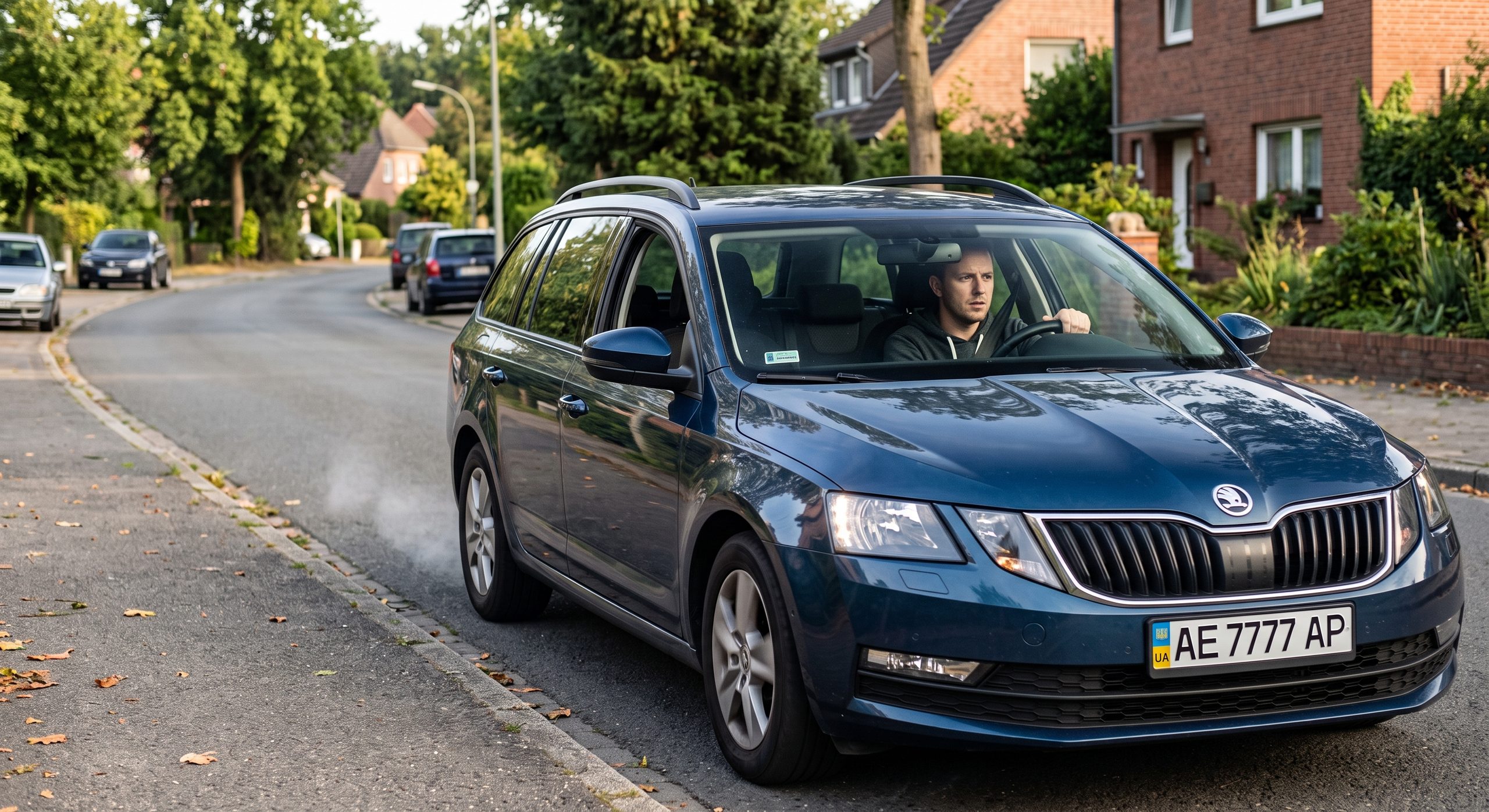
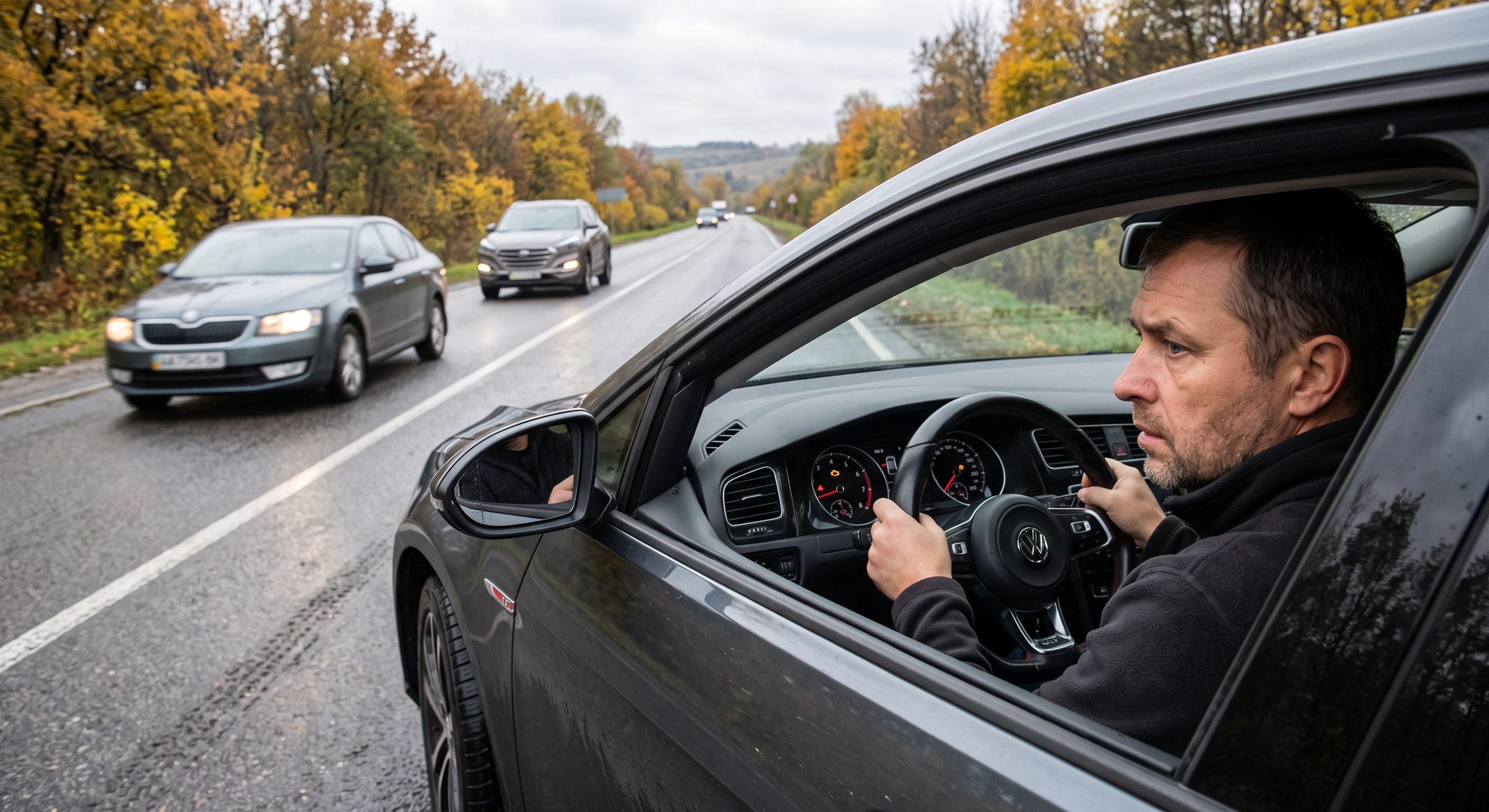
A few kilometers to the store, kindergarten or work seem like a simple mode for a car. However, after each stop, the power unit starts again cold, and time for full warming up is often not enough. One such trip usually does not cause serious consequences, but regular repetition of such a cycle gradually changes the operating conditions of the engine and related systems.
Why a few kilometers through the city is a more difficult mode than it seems
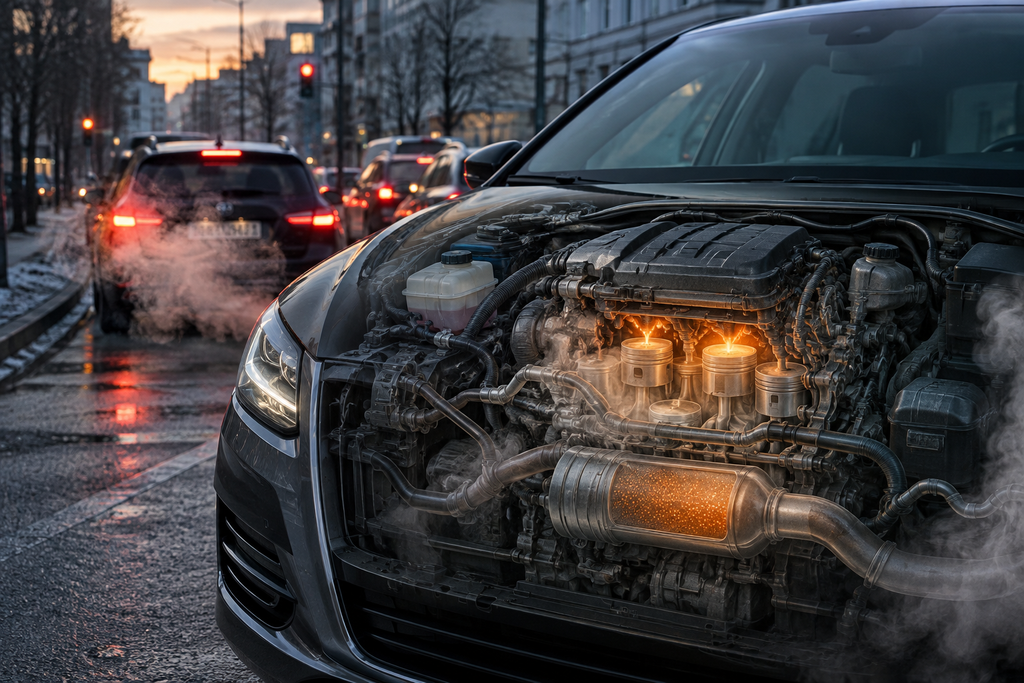
After parking, the engine starts working at a low temperature. In the first minutes, the lubricant must protect the parts, the fuel system operates in warm-up mode, and electrical consumers create an additional load. In the urban cycle, traffic lights, traffic jams, frequent stops and repeated accelerations are added to this.
On a longer journey, the power unit gradually reaches a stable operating temperature. During a journey of several kilometersengine temperature may remain below optimum, and the engine turns off again before warming up is complete.
The main difficulty of such a mode is not related to the distance, but to the constant repetition of the cold start – incomplete warm-up – stop cycle.
Cold start and incomplete warm-up: what’s happening inside
During a cold start, the engine requires different fuel delivery and control parameters. Until the unit reaches operating temperature, fuel consumption may be higher and lubrication conditions are different from a fully warmed-up engine.
When the engine does not warm up to normal temperature in the city, this cycle repeats itself over and over again. Frequent starts increase the number of transient modes, and short-term operation does not allow the systems to function in stable conditions for a long time.
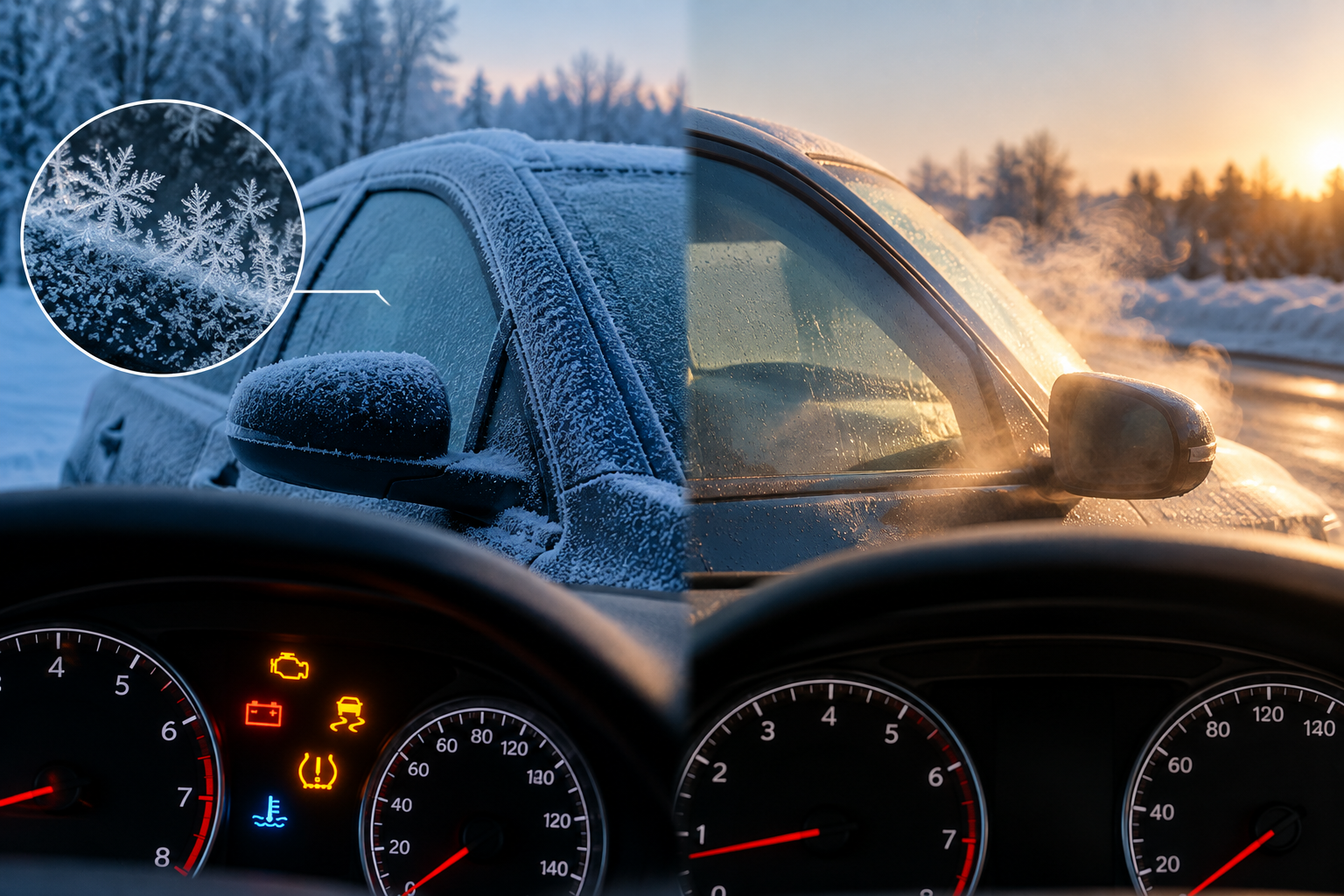
In winter, the situation becomes more complicated. Low air temperatures slow down warm-up, and using the interior heater takes away some of the heat. Because of this, even a typical city trip can end before the engine reaches its optimal temperature.
Moisture, oil and fuel: what processes accumulate
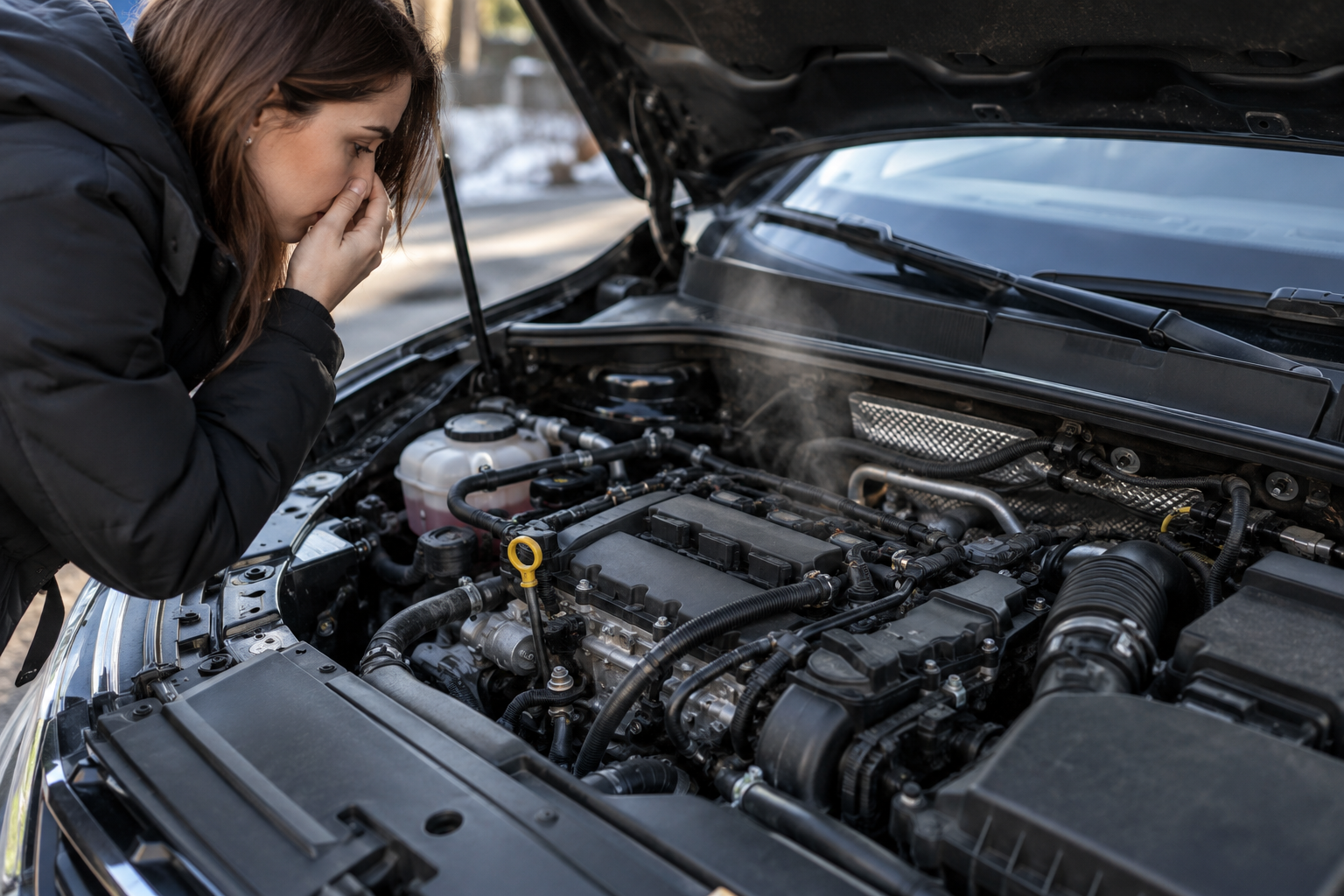
During engine operation, water vapor is formed. When the engine is warmed up sufficiently, the moisture evaporates, and the crankcase ventilation system helps to remove its vapors. With constant short trips, conditions for complete moisture removal occur less frequently, which can cause condensate to accumulate in the lubrication system.
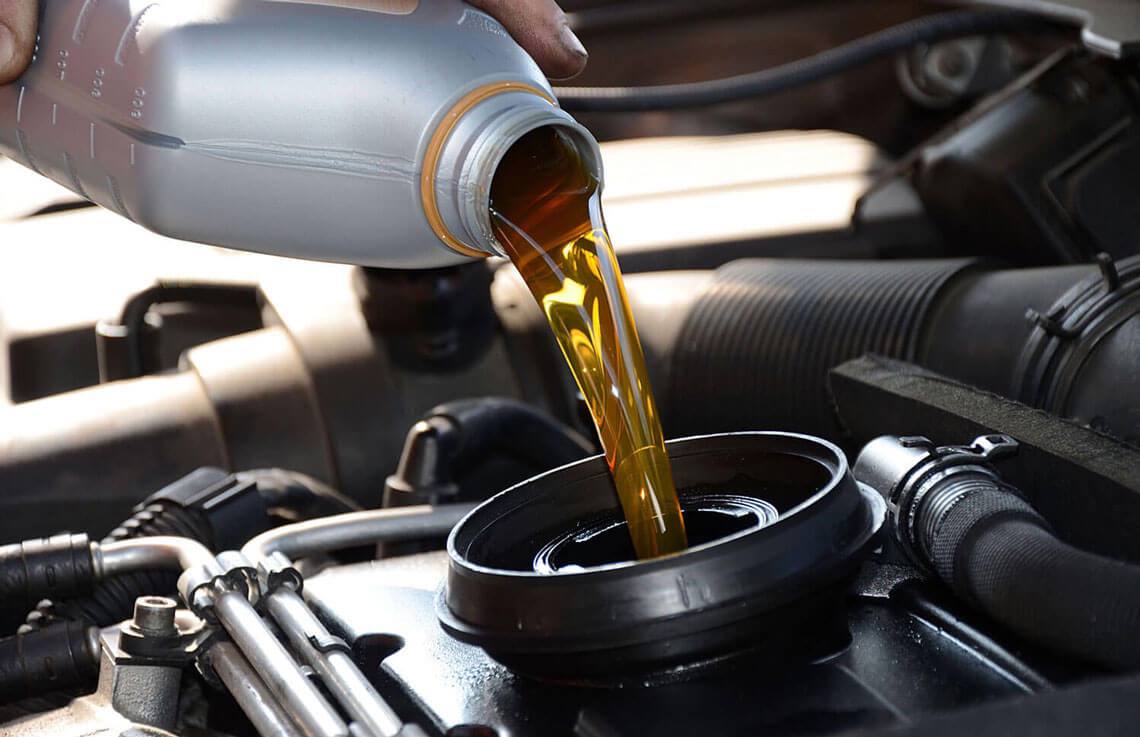
Temperature also affects the properties of the lubricant. On a cold engine, it has a higher viscosity and gradually warms up during operation. Frequent starts and short trips do not allow the lubrication system to operate for a long time in a stable temperature regime.
The regular urban cycle is accompanied by the following processes:
- accumulation of condensation and moisture;
- frequent engine operation until fully warmed up;
- additional load on the lubrication system during starts;
- changing fuel combustion conditions on a cold engine.
The effects of this mode are not necessarily immediate. What matters more is how often the car is used in this way over the weeks and months.
Why diesel cars have special features
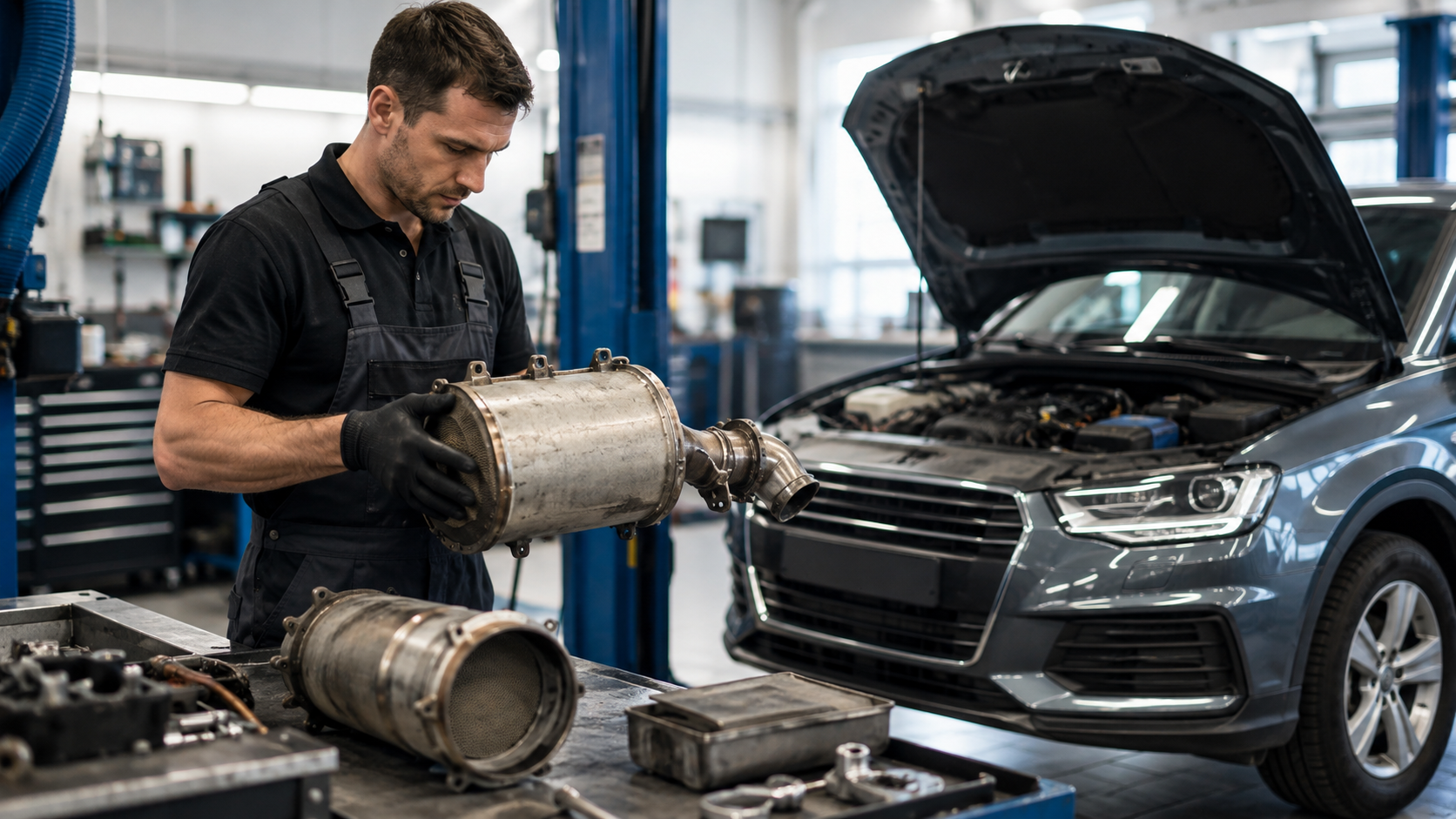
For a diesel car, short journeys can pose additional challenges due to the exhaust aftertreatment system. The particulate filter requires certain temperature conditions for regeneration, during which the accumulated soot is burned off.
A trip of a few kilometers does not always give the system the opportunity to complete the required cycle. If this mode prevails for a long time, the particulate filter can accumulate deposits faster, and the load on the exhaust cleaning system increases. On some cars, this results in the need for forced regeneration or additional diagnostics.
Gasoline engines also react to the urban cycle, but the nature of the consequences depends on the design of the power unit, the injection system and the equipment of a particular model.
Battery and other systems
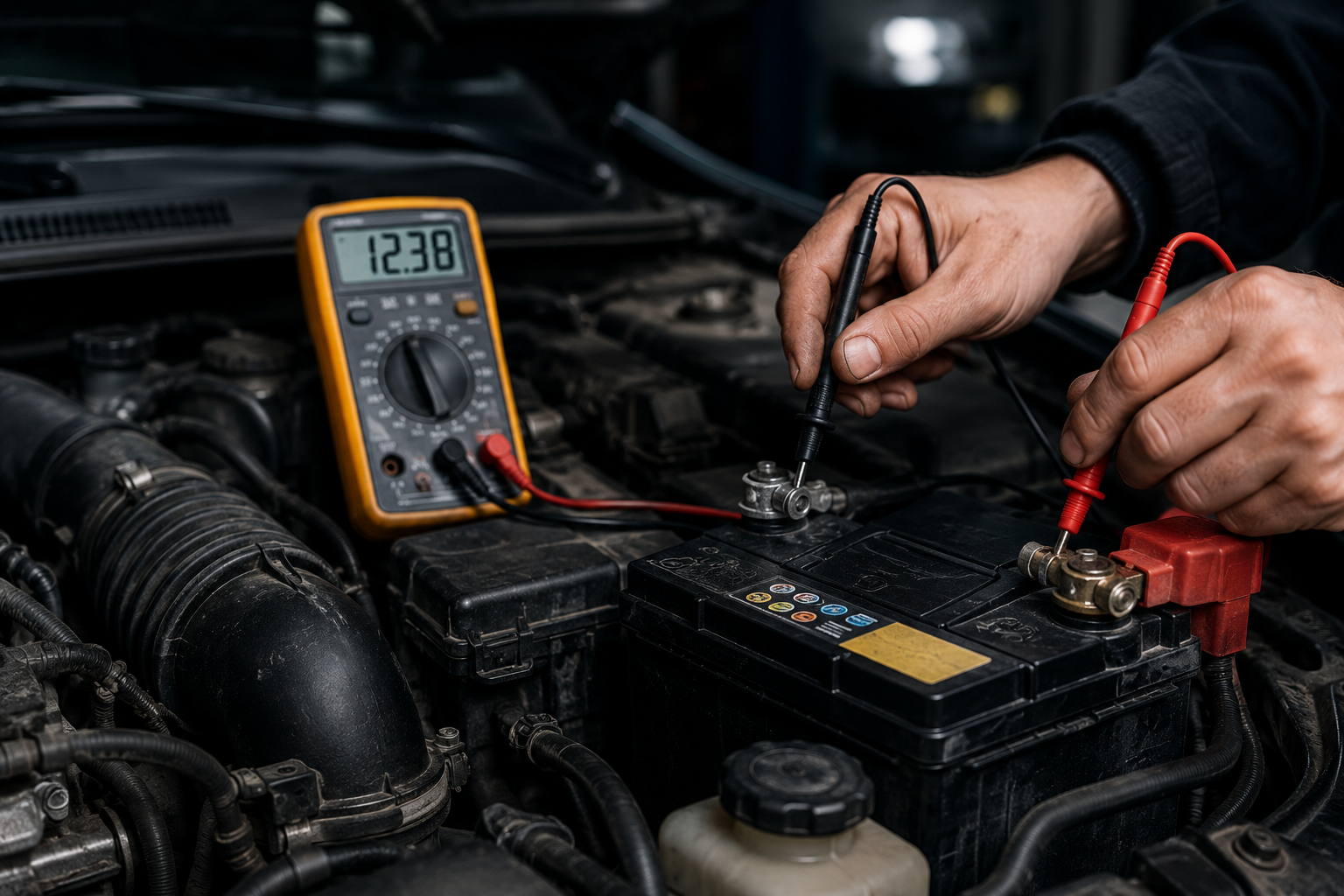
Cold starting requires a significant amount of current from the battery. After starting, the generator gradually recovers the energy used, but on a very short route this time may not be enough. In winter, the load increases even more due to headlights, heated windows, seats and other electrical consumers.
Continuous operation in this mode may cause the battery to become undercharged. Frequent starts also increase the overall load on the starter.
For a car that is mainly used in the city, it is useful to monitor:
- battery status and charge level;
- operation of the generator and charging system;
- the actual duration of daily routes;
- frequency of cold starts;
- the need for periodic trips with full warm-up.
How to reduce the impact of short trips
There is no need to give up your car for short trips. It is more rational to periodically create conditions for full warming up and stable operation of the main systems.
The following changes may help:
- combining several short tasks into one longer route;
- regular trips during which the engine reaches operating temperature;
- monitoring the status of the battery and charging system;
- timely replacement of lubricant and filters taking into account the actual operating conditions;
- for diesel models – monitoring the condition of the particulate filter and completing its regeneration.
A short route in itself does not pose a serious problem for the engine.The constant repetition of cold starts and the completion of movement before the unit reaches operating temperature has a much greater impact. Moisture, lubrication features, battery load, and exhaust system operation gradually affect the condition of the vehicle.
Top popular news
- Audi A4 or Volkswagen Passat: which is more profitable to maintain after 150 thousand km
- Volkswagen Touareg with mileage: what expenses most often come as a surprise to the owner
- The car started stalling after refueling: an accident or a problem with the fuel system
- Winter diesel: what happens to the fuel system during severe frost
- Why does a car lose power under load?
- Audi Q7 with high mileage: why the condition of a particular car is more important than the year of manufacture
- After starting the engine, an unusual noise is heard for a few seconds: when is this a reason for diagnostics?
- The rain passed – and the problems began: what in the car does not like moisture

Subscribe to our newsletter!
To stay updated with the latest news

Book a service