Mon - Sat | 09:00 - 19:00


Find

Contact us

Odesa
Hrushevskoho str., 41
 Мережа СТО в місті
Місто
 +38 (096) 299 29 97
Odesa
Hrushevskoho str., 41
 Мережа СТО в місті
Місто
+38 (096) 299 29 97

 Години роботи
 Mon - Sat
09:00 - 19:00
Audi Q7 with high mileage: why the condition of a particular car is more important than the year of manufacture
When looking for a used Audi Q7, the year of manufacture is often the first reference point. However, a single date does not indicate how the car was used by previous owners, how regularly it was serviced, and which components have already been repaired. Two crossovers of the same generation can differ significantly in technical condition even with similar odometer readings.
An older car with a proven history may be in better shape than a younger car after a long period of use without proper service. For a Q7 with solid mileage, it is especially important to assess the actual condition of the units, not just the year in the documents.
How operating conditions change the resource
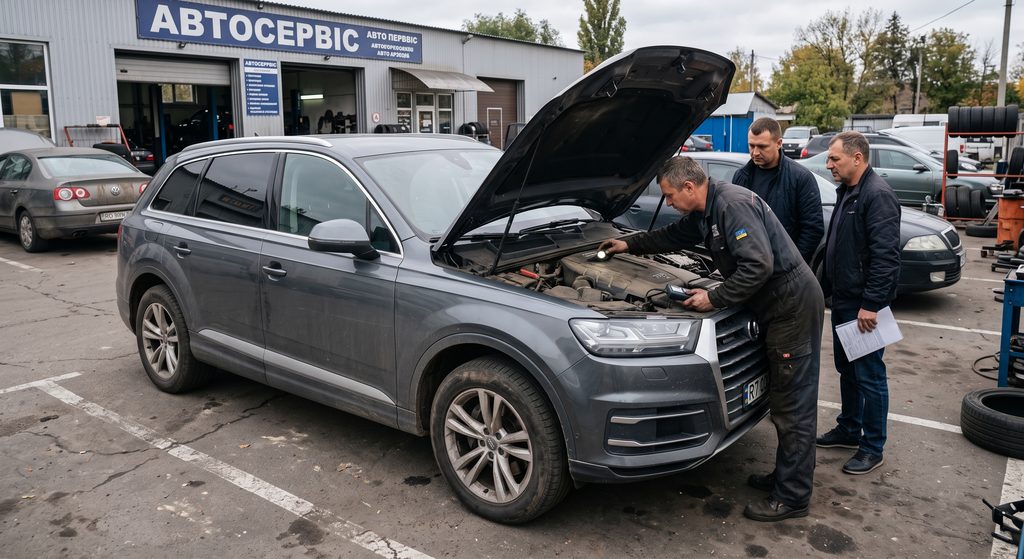
One car could mostly cover long distances, while another could stand in city traffic jams and drive several kilometers to work every day. These are different load modes for the engine, gearbox, brakes, and suspension.
Short trips with frequent cold starts prevent the power unit from operating stably at the optimal temperature. Constant acceleration and braking in the city increase the load on the transmission and brake system. Rough roads reveal the weak points of the chassis more quickly.
When buying a used Audi Q7, it is useful to find out not only the odometer reading, but also the nature of previous operation. An Audi Q7 after 200 thousand kilometers can have a completely predictable technical condition if there is regular service and timely repairs.
Engine and transmission: signs of missed maintenance
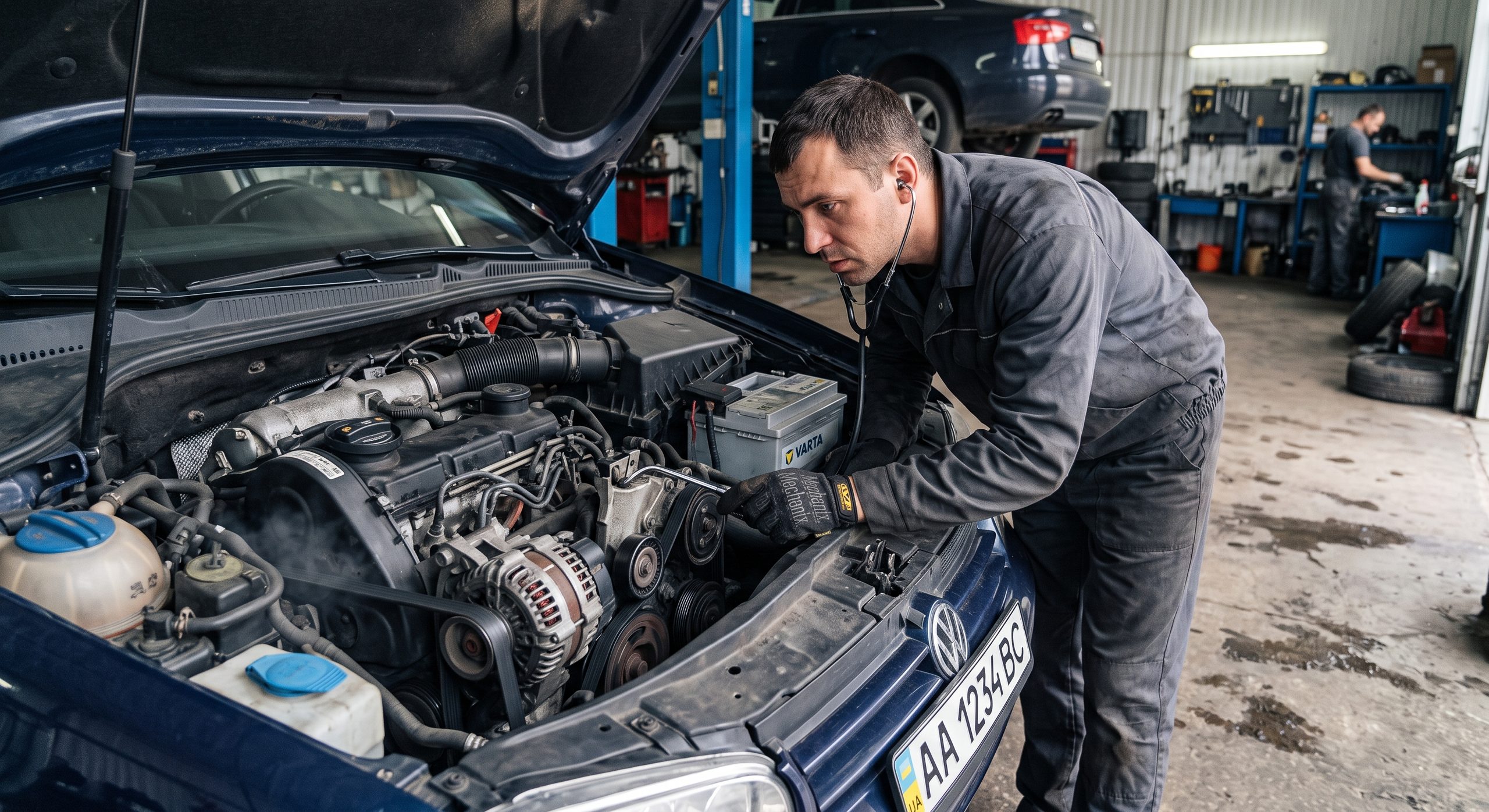
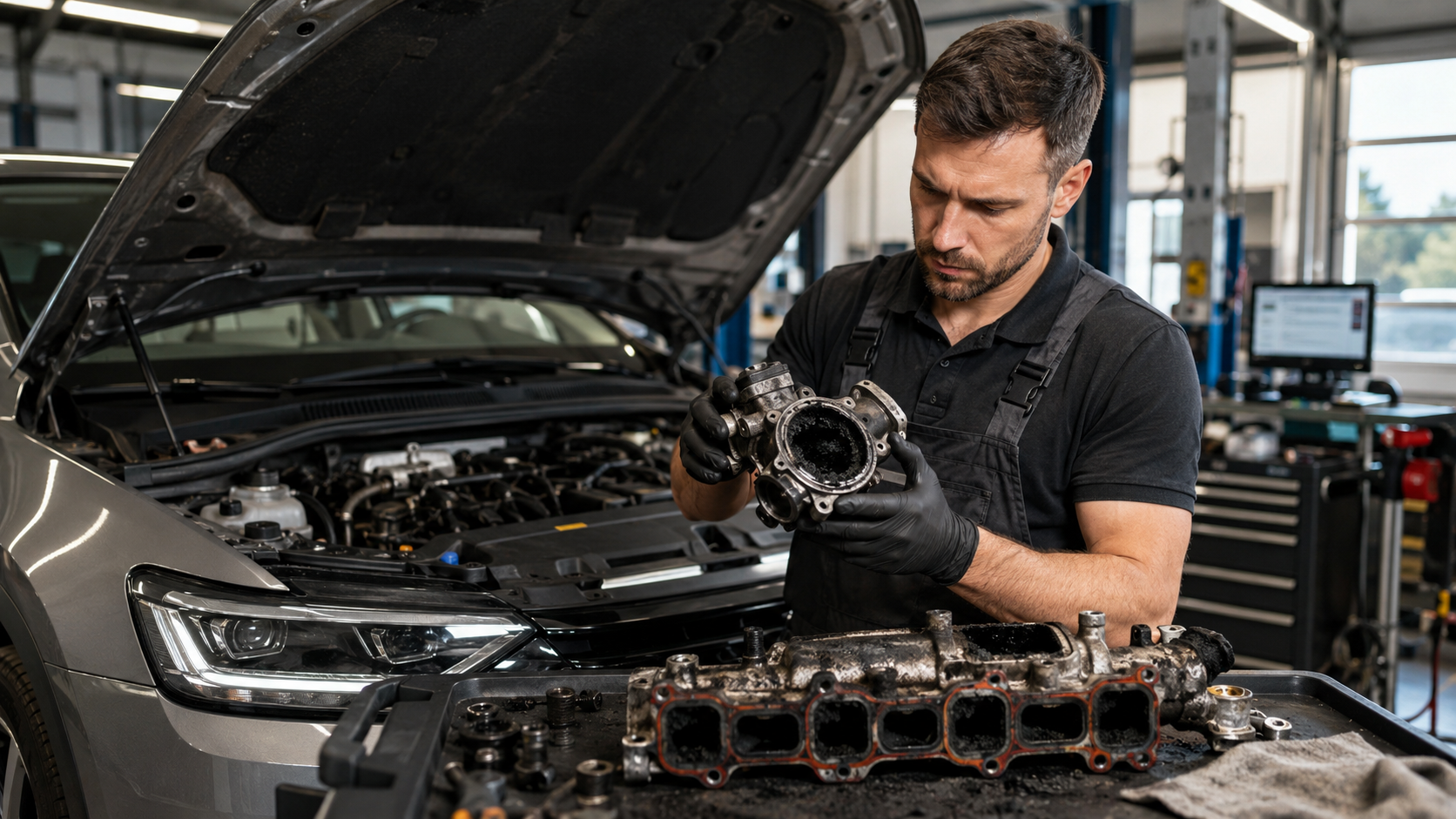
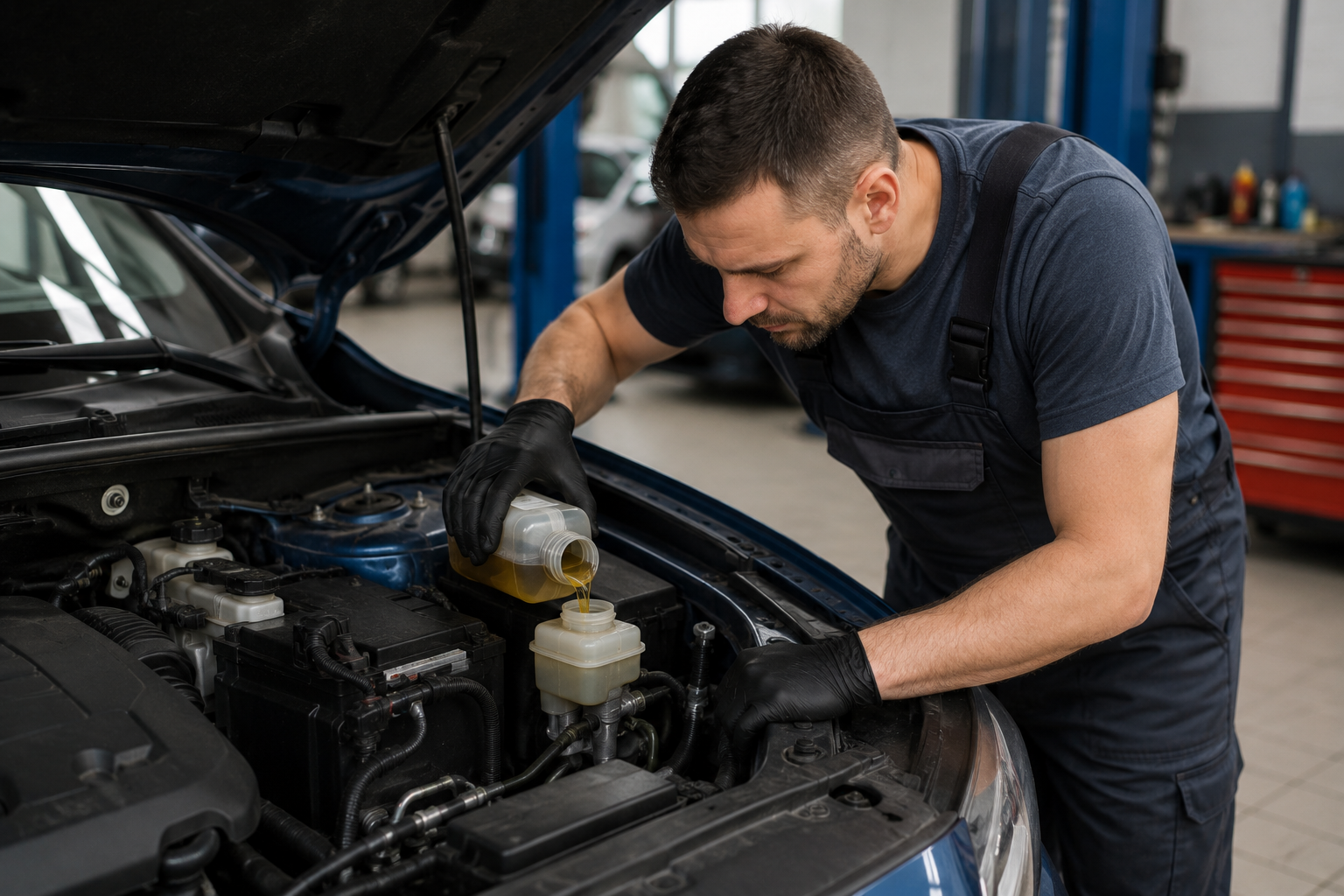
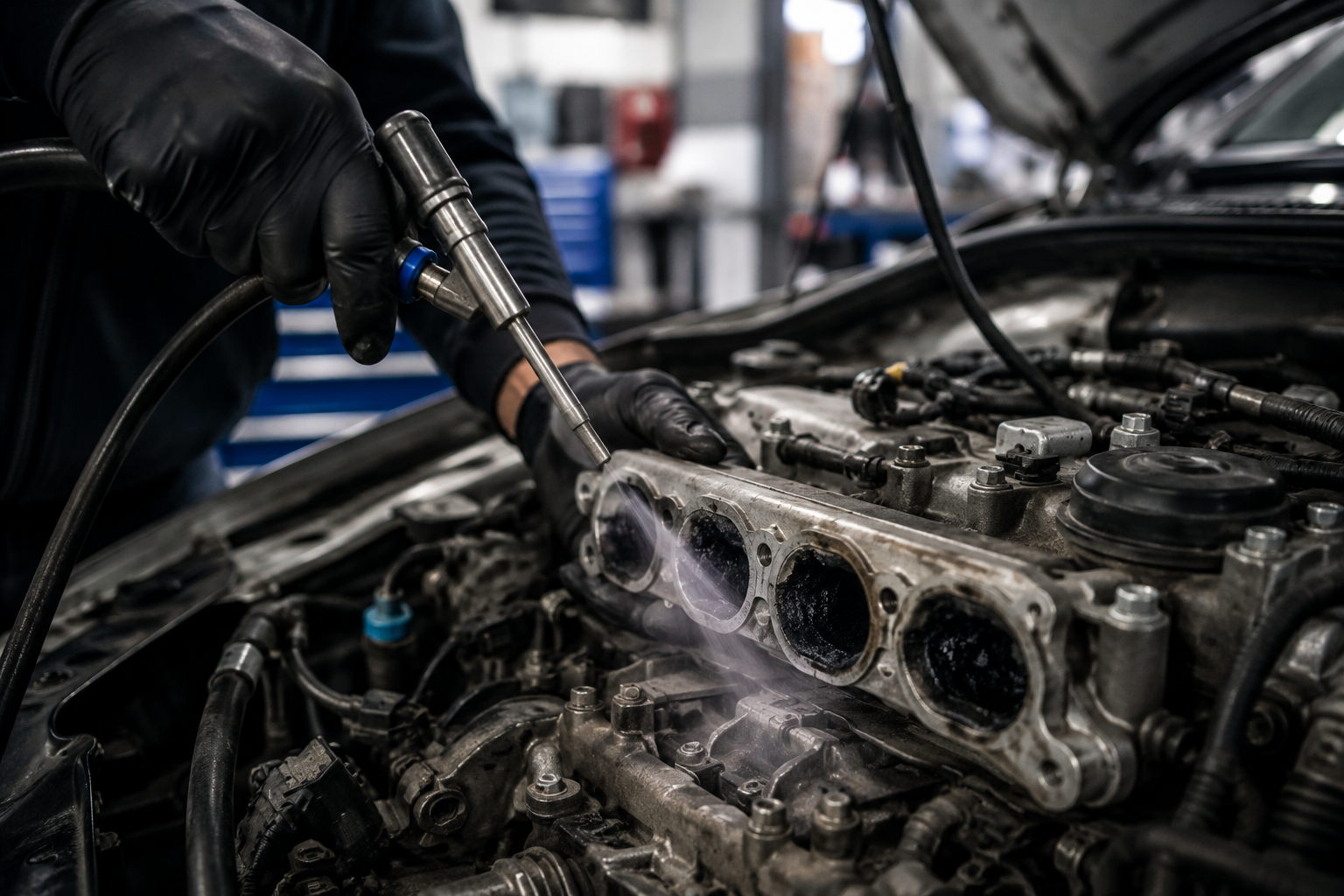
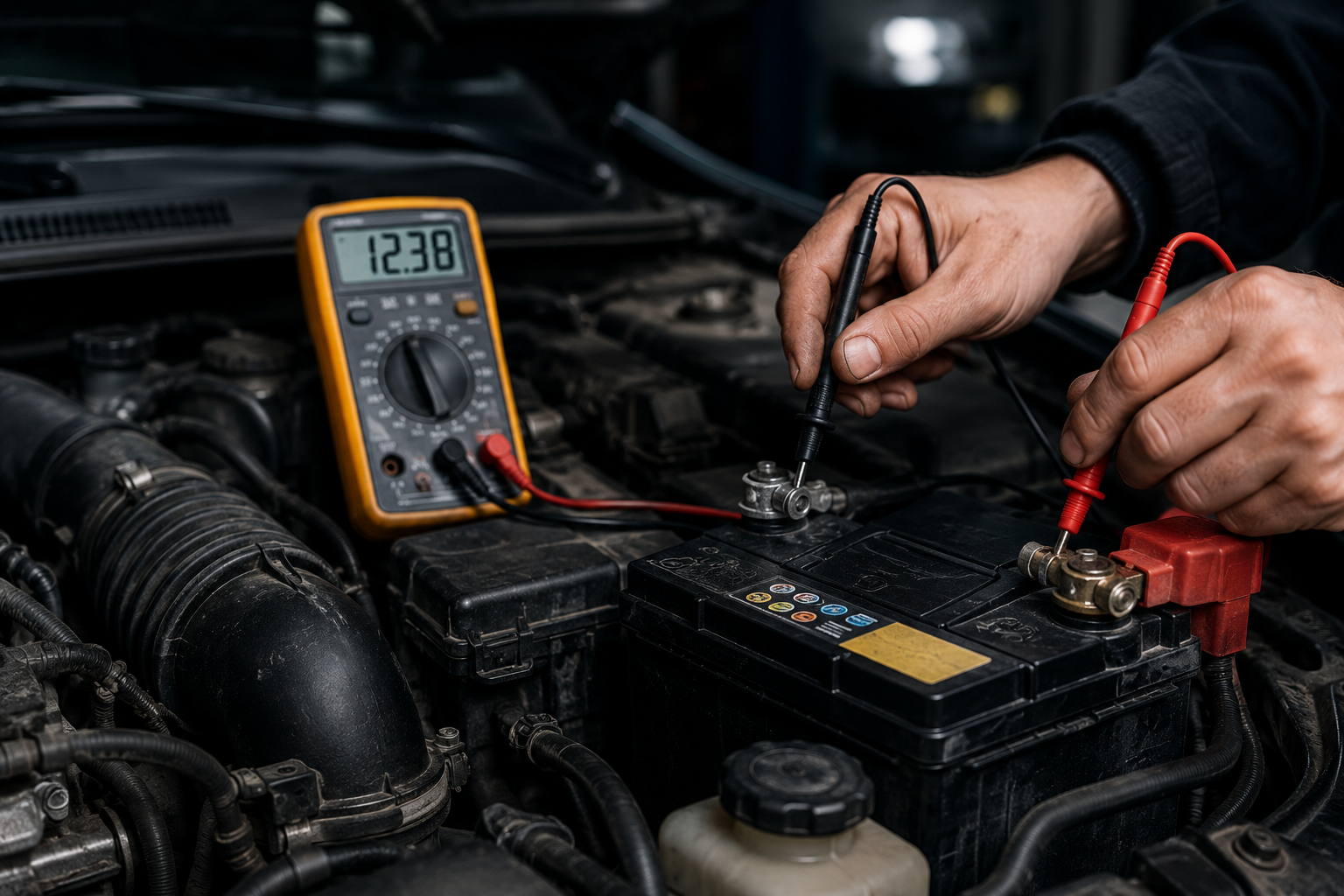
The consequences of untimely maintenance of the power unit often accumulate gradually. Increased oil consumption, traces of leaks, extraneous sounds, unstable operation after start-up or changes in dynamics require special attention. Diagnostic indicators complement the picture provided by a regular inspection.
What to pay attention to:
- starting the engine cold and after warming up;
- extraneous noise, smoke and leaks of working fluids;
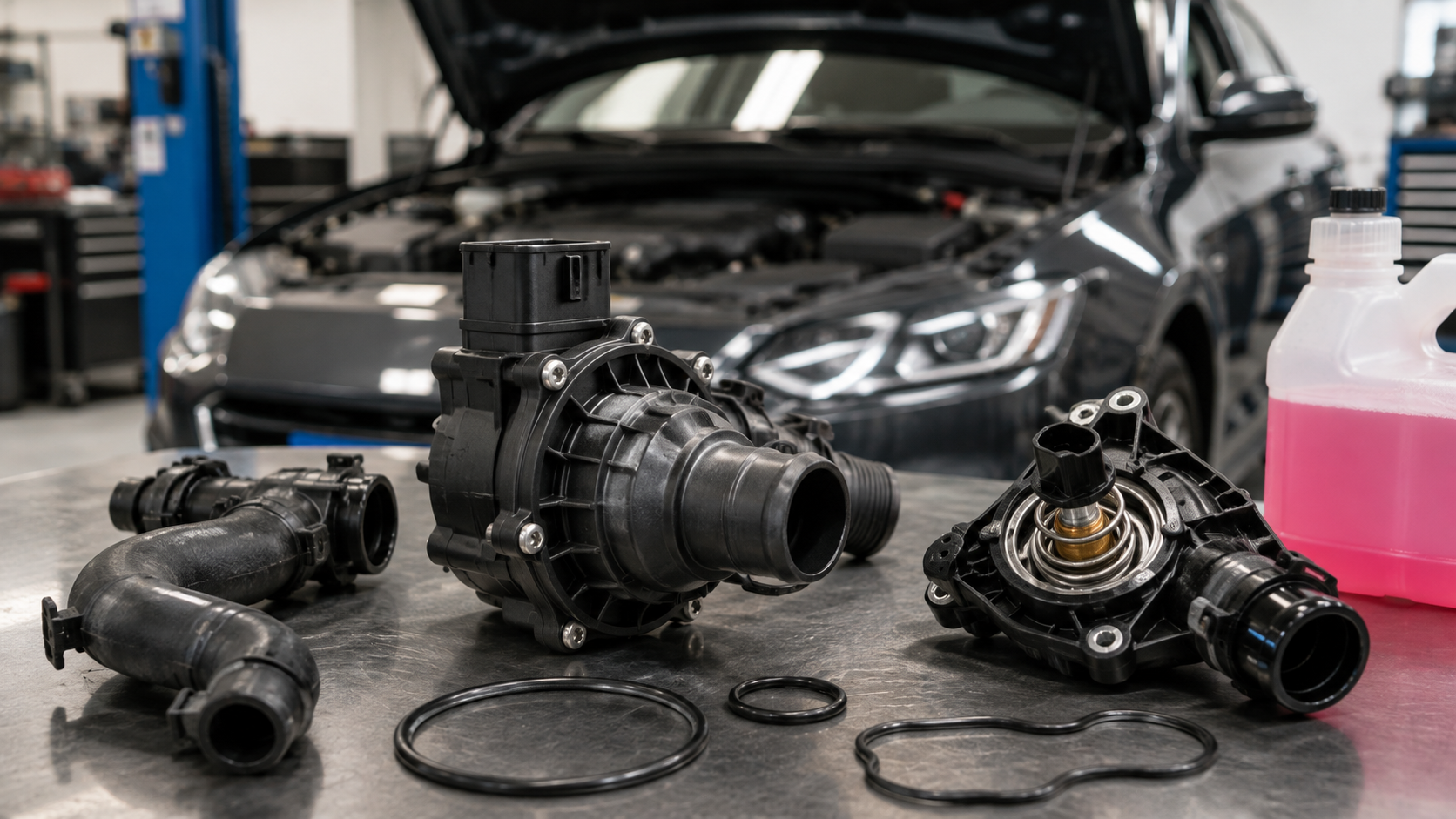
- operation of cooling, intake and attachment systems;
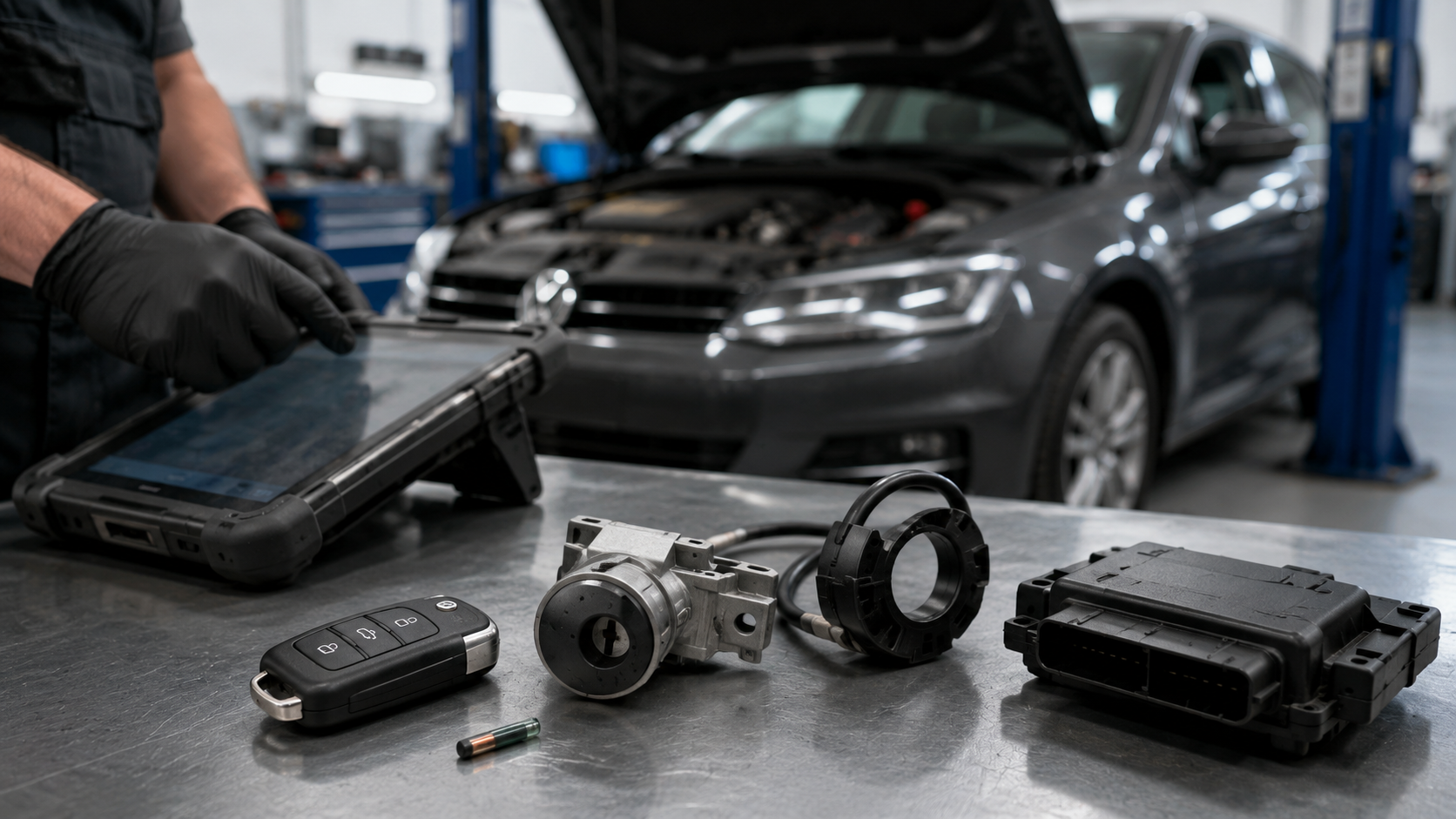
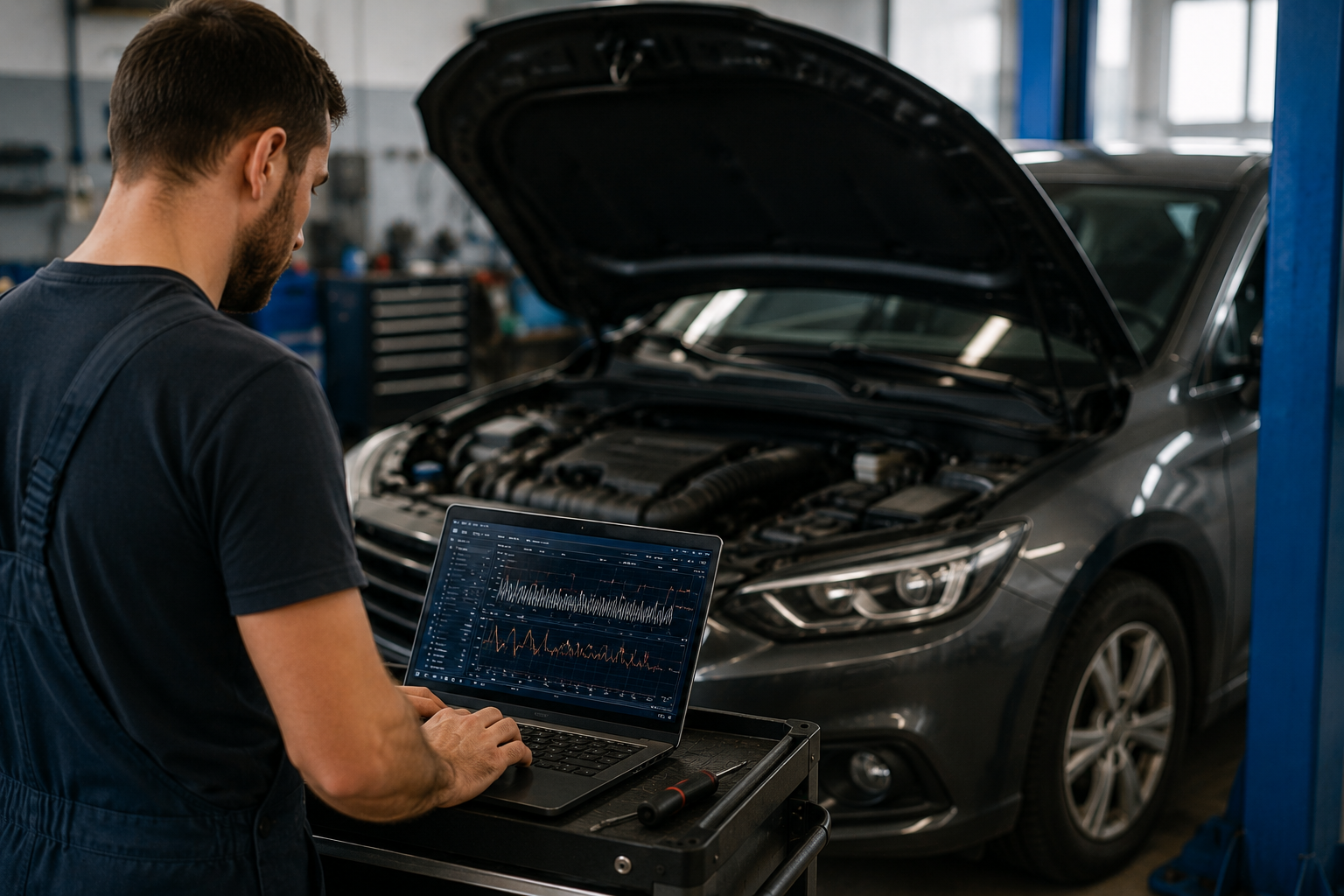
- errors stored in electronic units.
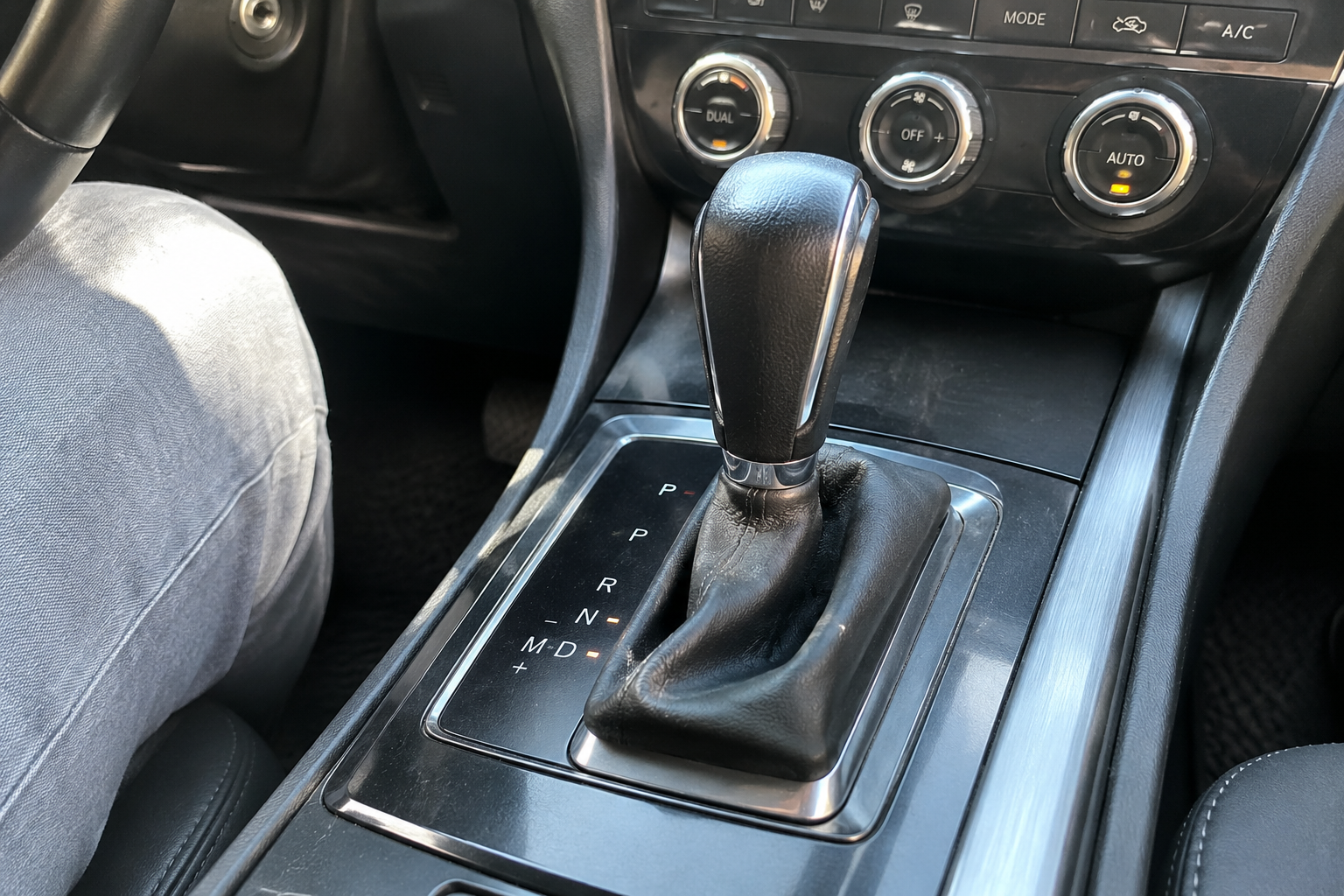
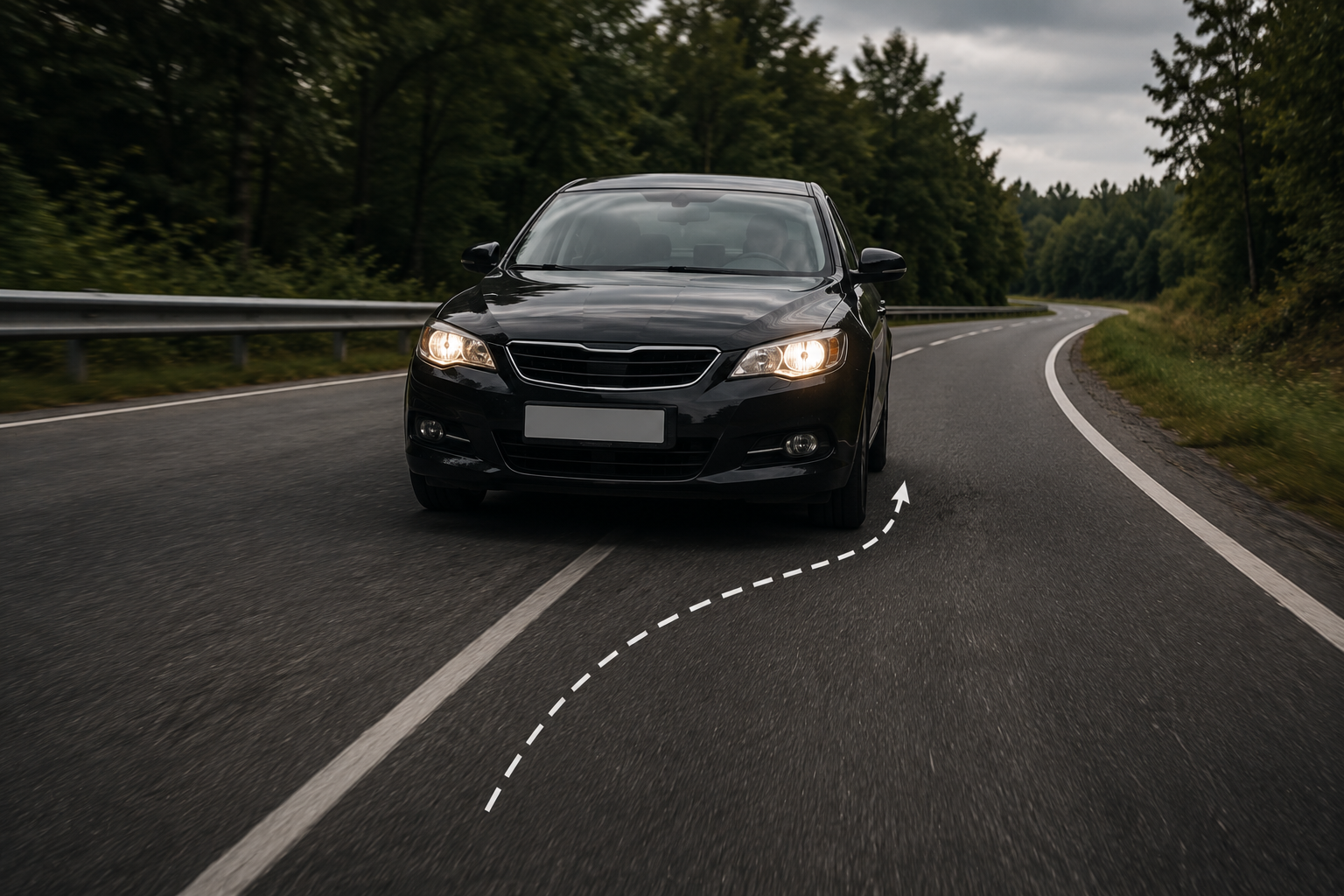
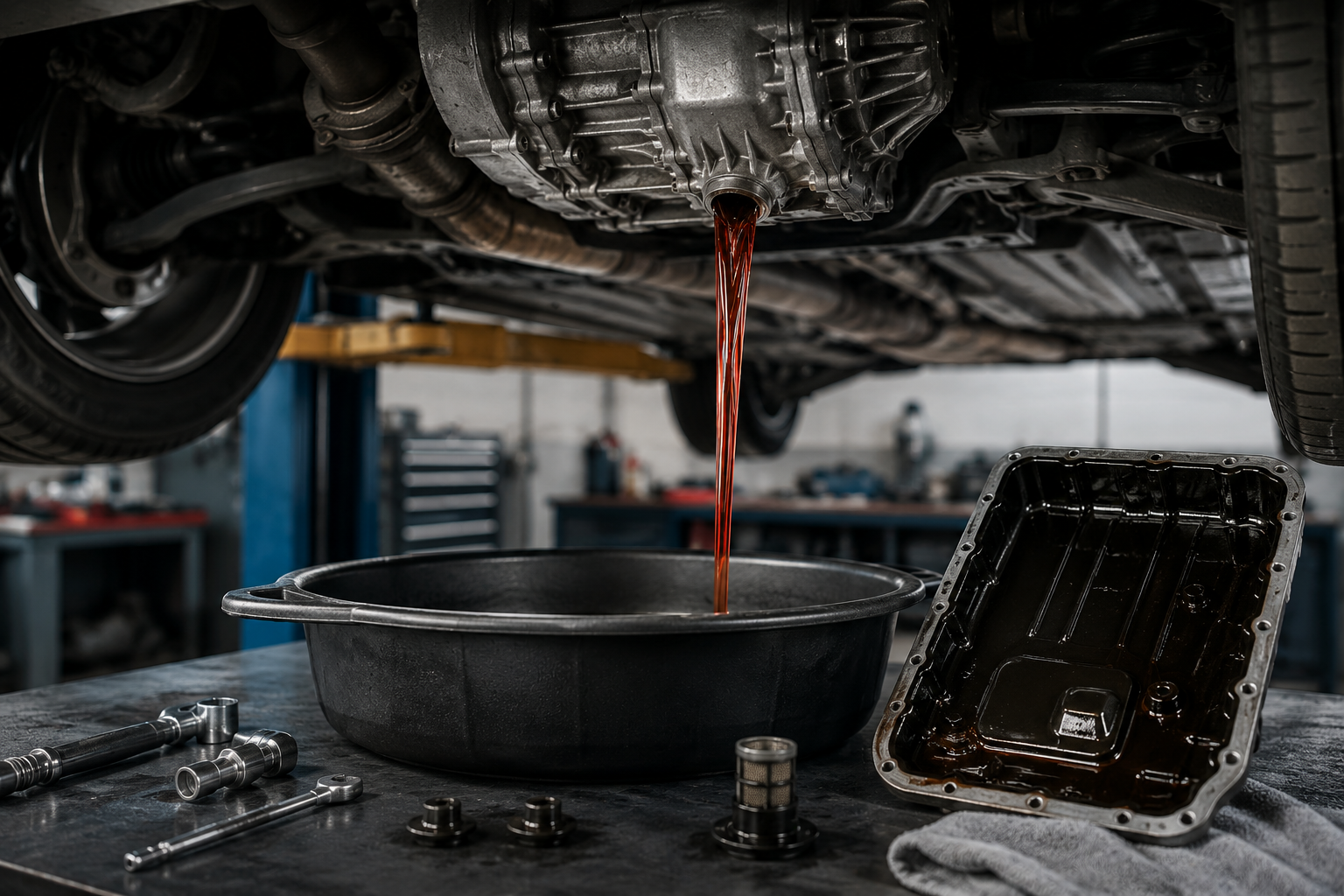
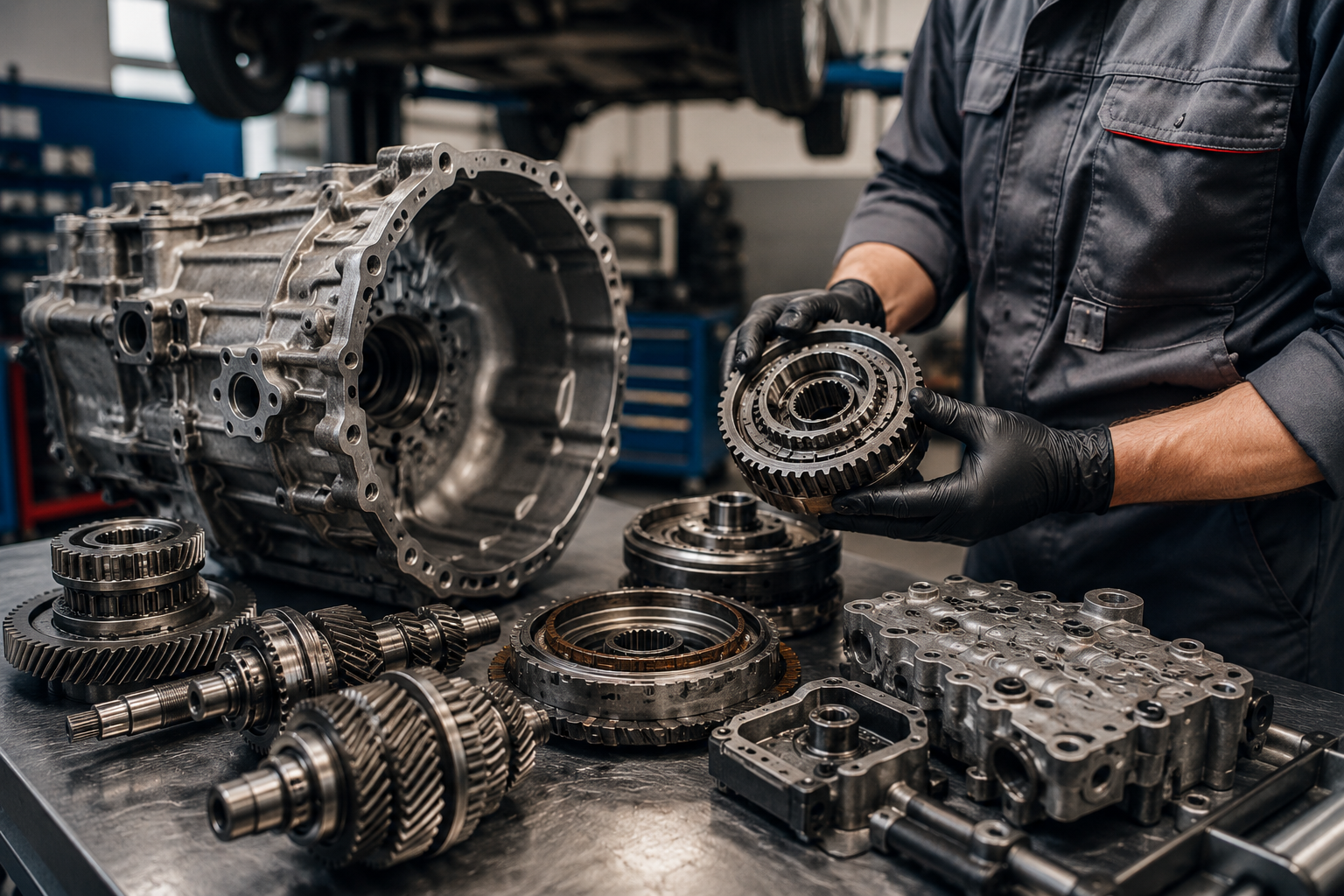
The gearbox should not only be assessed on site. Jerks, shift delays, jolts when starting off or unusual reactions to changing modes may be due to worn parts or missed maintenance. A test drive after warming up provides additional information about its behavior.
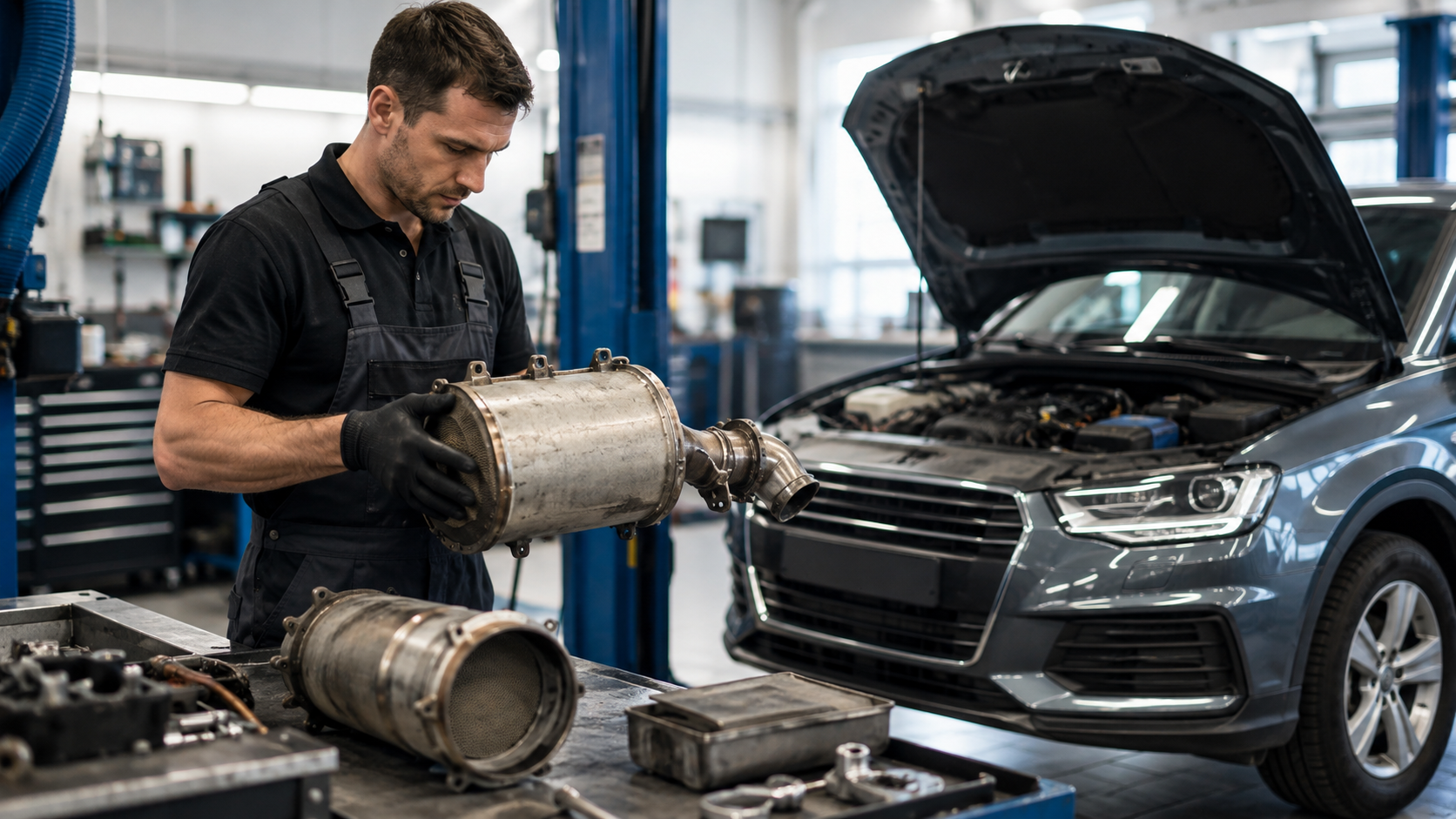
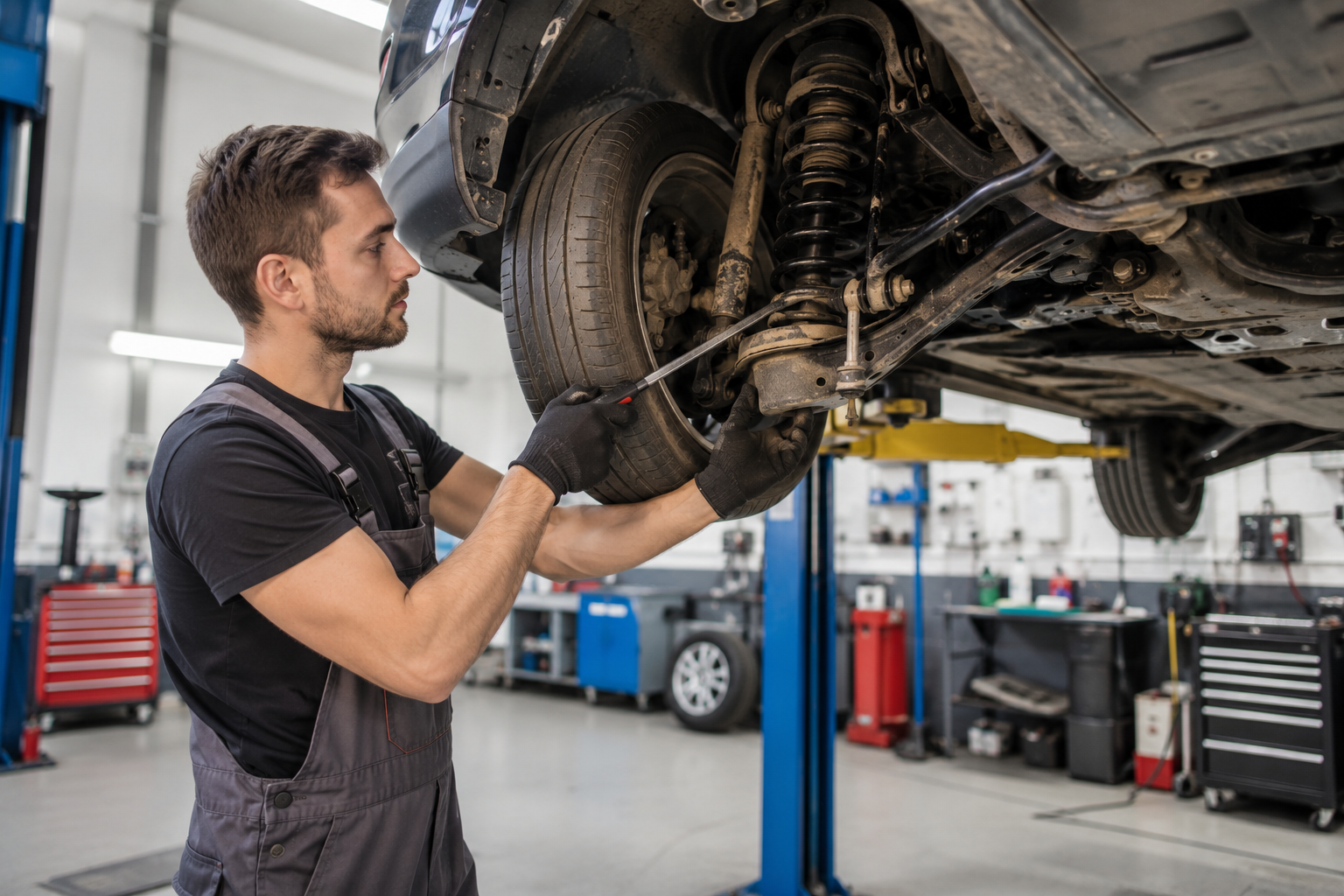
The transmission requires special attention. On the lift, check the tightness of the components, extraneous sounds, and traces of mechanical damage.
Air suspension and electronics will show accumulated wear
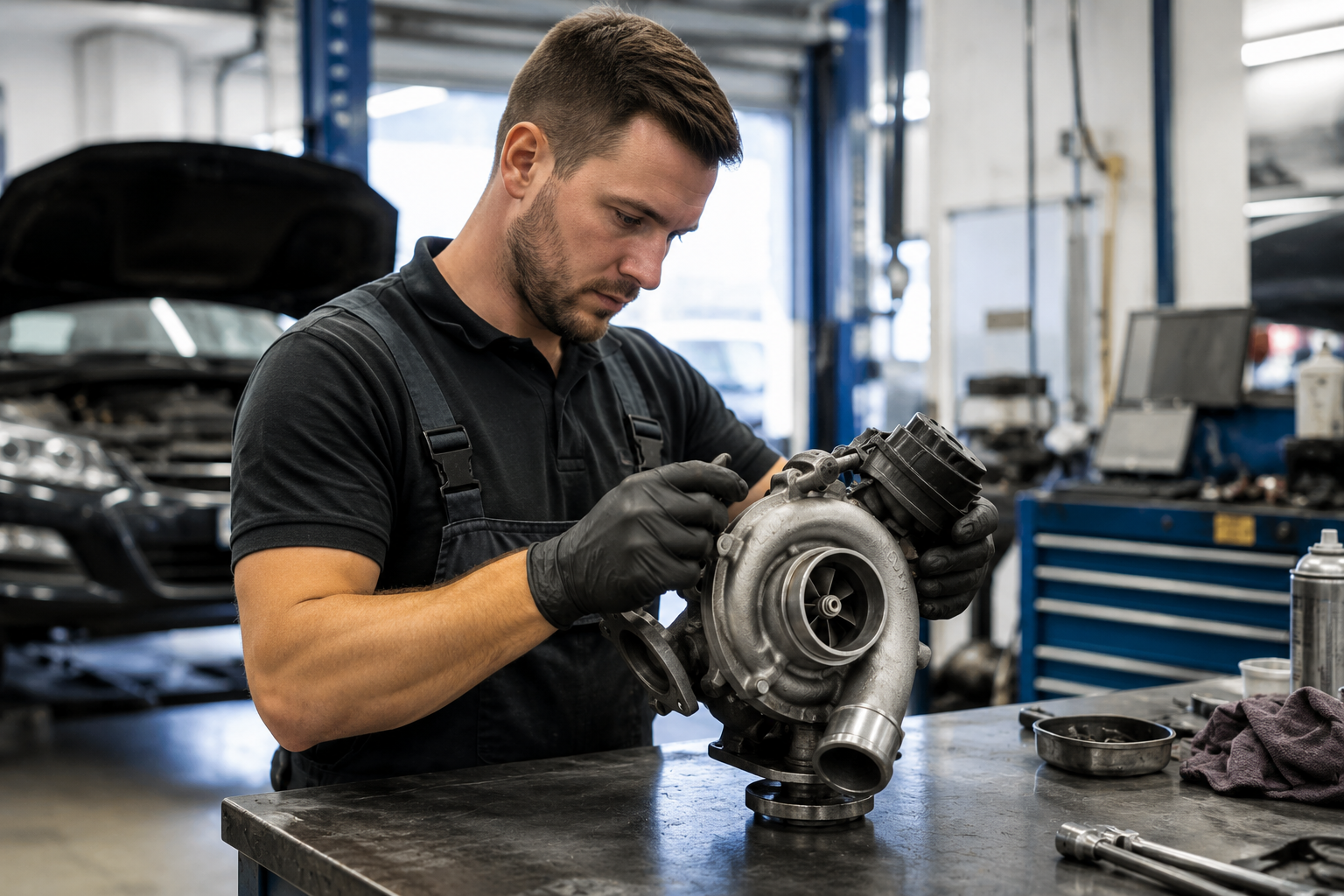
For the Audi Q7, the air suspension is an important part of comfort, but after a significant mileage, its components gradually lose their resource. These include air cylinders, compressor, valves, height sensors and lines, the condition of which is assessed separately.
Indicative signs may include a change in body position after a long period of parking, slow lifting of the car, or a difference in height between the sides. It is better to establish the cause of such symptoms comprehensively, because the same manifestation can have different origins.
The electronic systems of the Q7 can also develop various faults over time. Control units, sensors, actuators and wiring work as an interconnected system. A single fault does not always mean an expensive repair, but its cause should be determined before purchase.
It is advisable to inspect the electronic part in the following areas:
- error codes in available blocks;
- multimedia and climate systems;
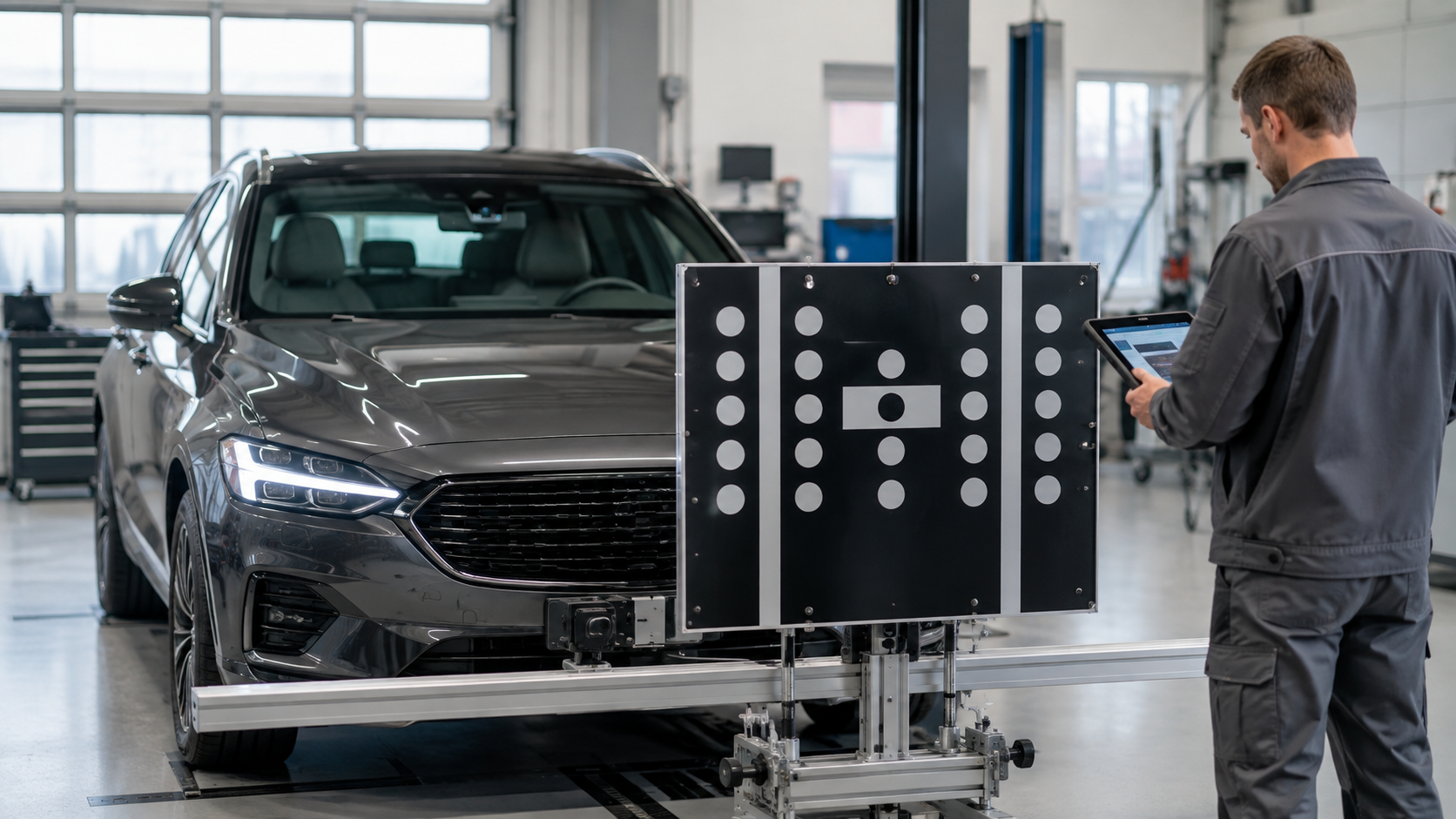
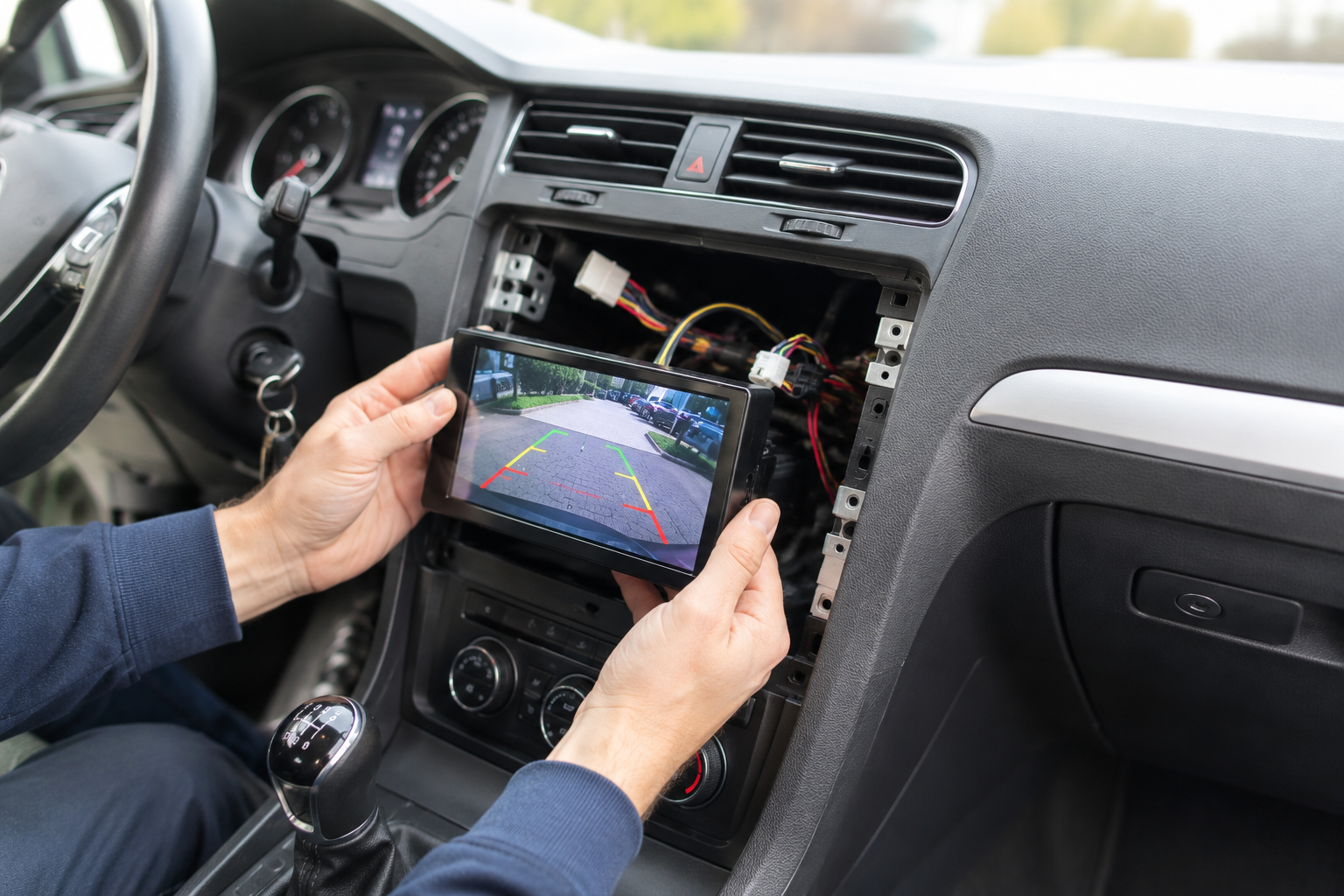
- cameras, sensors and driver assistance systems;
- wiring and traces of moisture or previous intervention.
Service history helps restore a car’s past
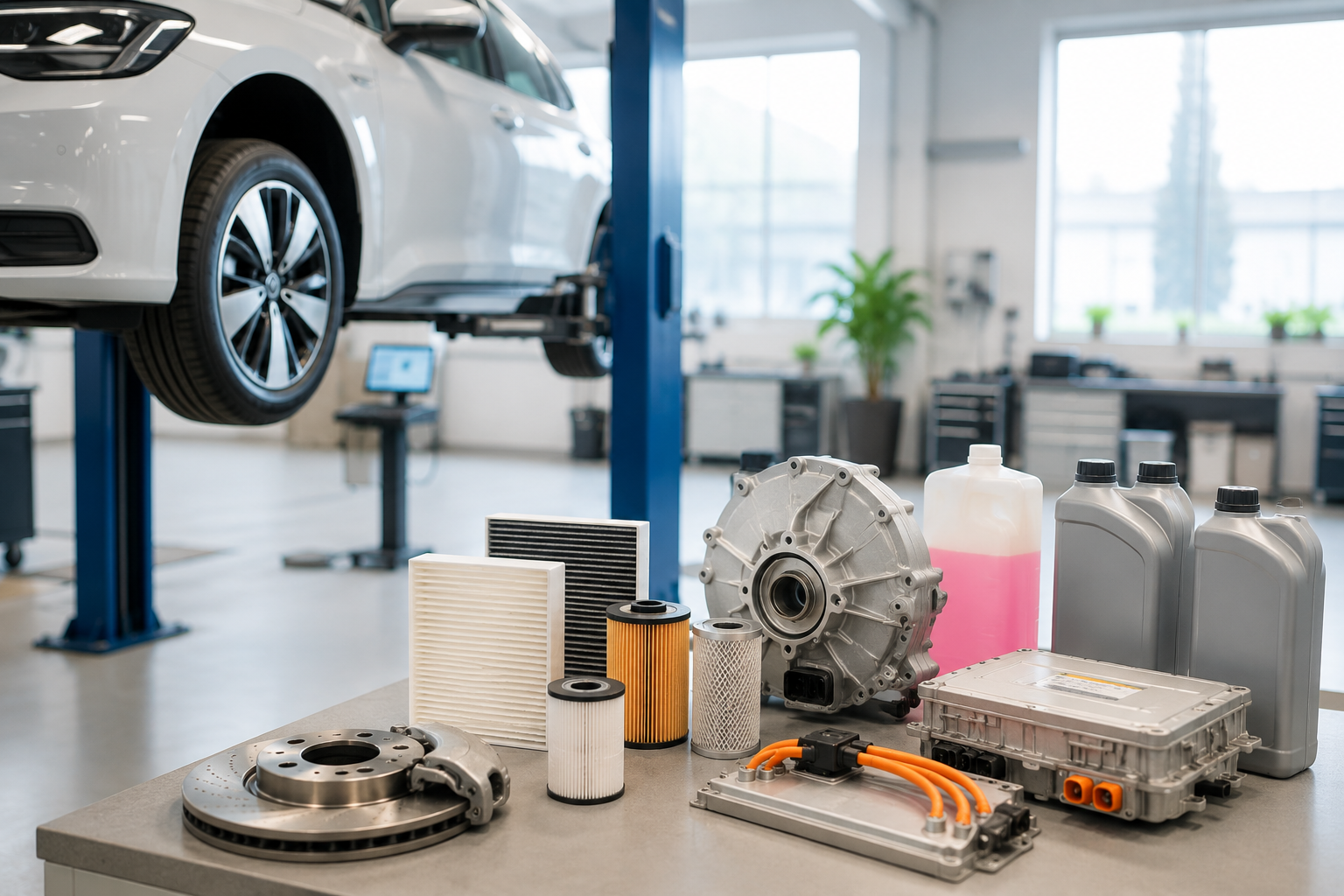
Service records allow you to track what work has been done to your Audi Q7 over the years. Regular oil, filter and fluid changes, chassis repairs, transmission maintenance and other operations show how consistently the owner has maintained the car.
It is useful to compare the dates of work with the odometer readings. Invoices, certificates and service station records help to verify the correspondence of the declared history with the actual mileage. Documents about major repairs are of particular benefit: they allow you to understand which components have already been restored or replaced.
At the same time, documents do not replace a technical inspection. For example, a record of suspension repair does not mean that all its components have the same resource today. Information from the service history must be compared with the results of diagnostics and the behavior of the car on the road.
What to look for when buying an Audi Q7
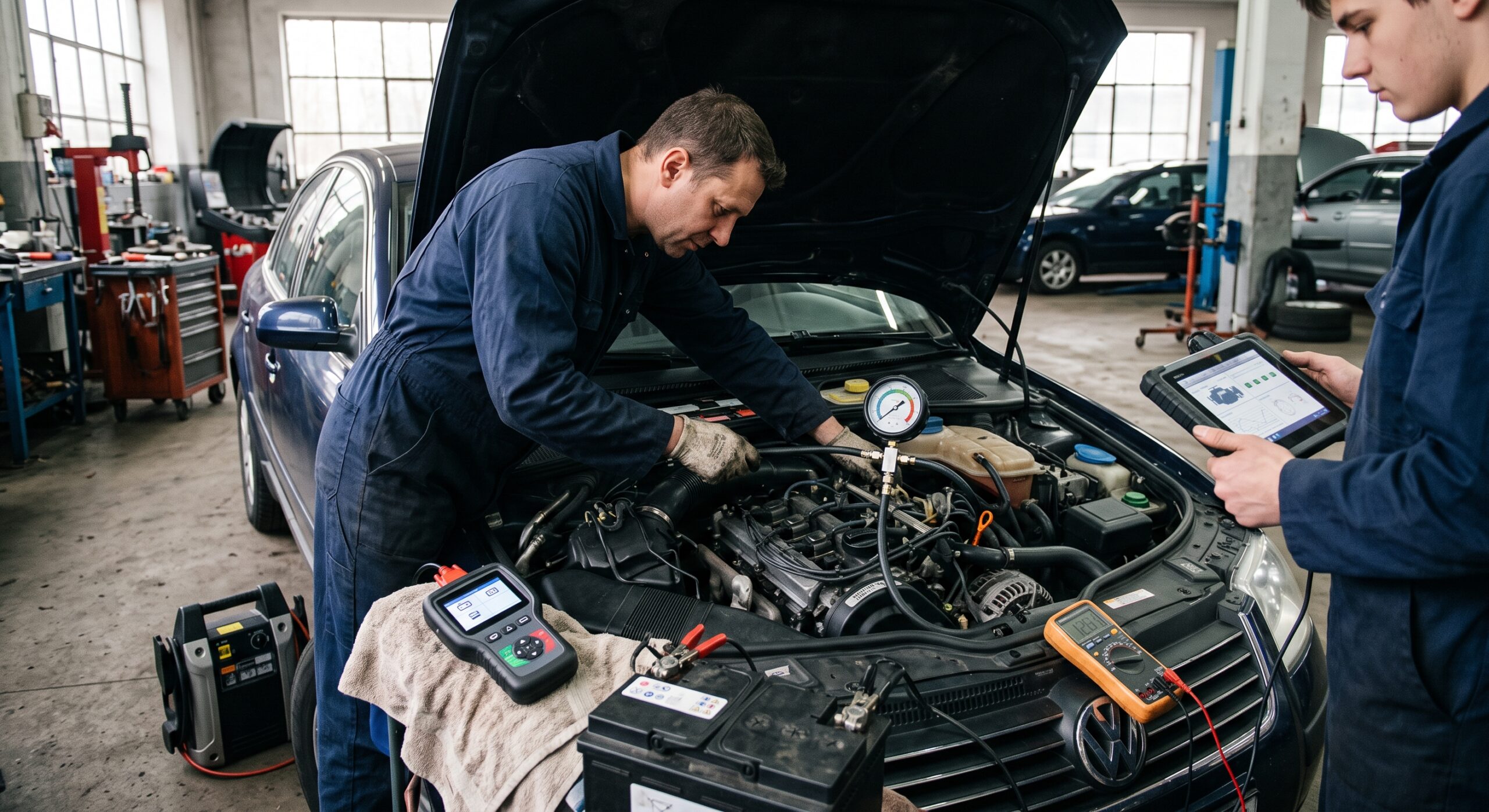
Before purchasing a car, it is better to show it to professionals who can inspect not only the body, but also the powertrain, chassis, and electronic systems. A short test drive is not enough for this.
Basic diagnostics should cover:
- Computer scanning of electronic blocks.
- Inspection of the engine, gearbox and transmission on a lift.
- Checking the air suspension and chassis.
- Assessment of the body, underbody, traces of repairs and corrosion.
- A test drive to check the starting, shifting, and behavior of the car in different modes.
- Comparison of inspection results with service history and declared mileage.
Before buying a high-mileage Audi Q7, it’s worth getting a specific list of detected defects and work that may be needed in the near future. The diagnostic results, along with service documents, will help you understand the real condition of the car and possible costs after purchase.
Top popular news
- Audi A4 or Volkswagen Passat: which is more profitable to maintain after 150 thousand km
- Volkswagen Touareg with mileage: what expenses most often come as a surprise to the owner
- The car started stalling after refueling: an accident or a problem with the fuel system
- Why the engine may perform worse after short city trips
- Winter diesel: what happens to the fuel system during severe frost
- Why does a car lose power under load?
- After starting the engine, an unusual noise is heard for a few seconds: when is this a reason for diagnostics?
- The rain passed – and the problems began: what in the car does not like moisture

Subscribe to our newsletter!
To stay updated with the latest news

Book a service