Mon - Sat | 09:00 - 19:00


Find

Contact us

Odesa
Hrushevskoho str., 41
 Мережа СТО в місті
Місто
 +38 (096) 299 29 97
Odesa
Hrushevskoho str., 41
 Мережа СТО в місті
Місто
+38 (096) 299 29 97

 Години роботи
 Mon - Sat
09:00 - 19:00
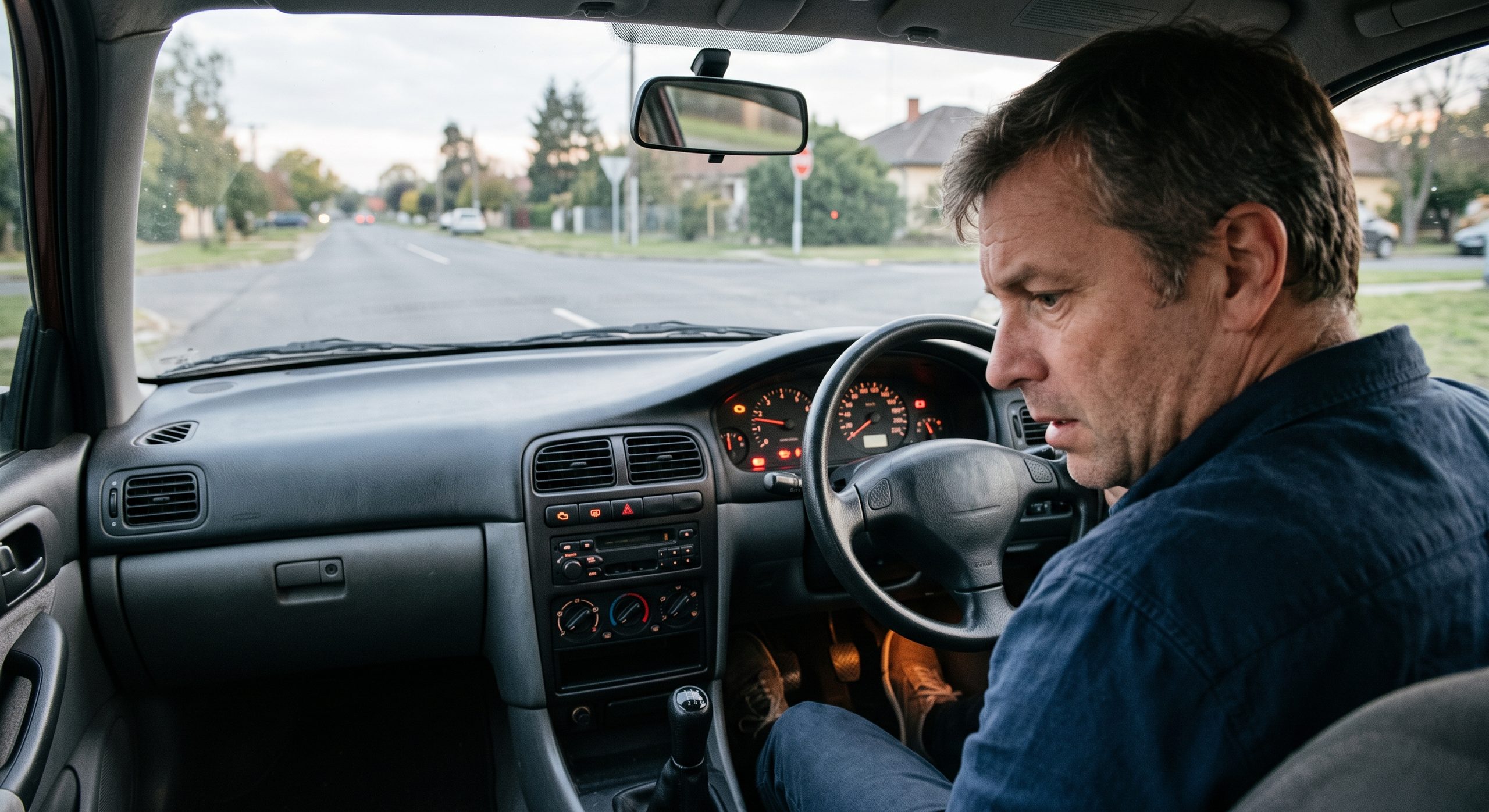
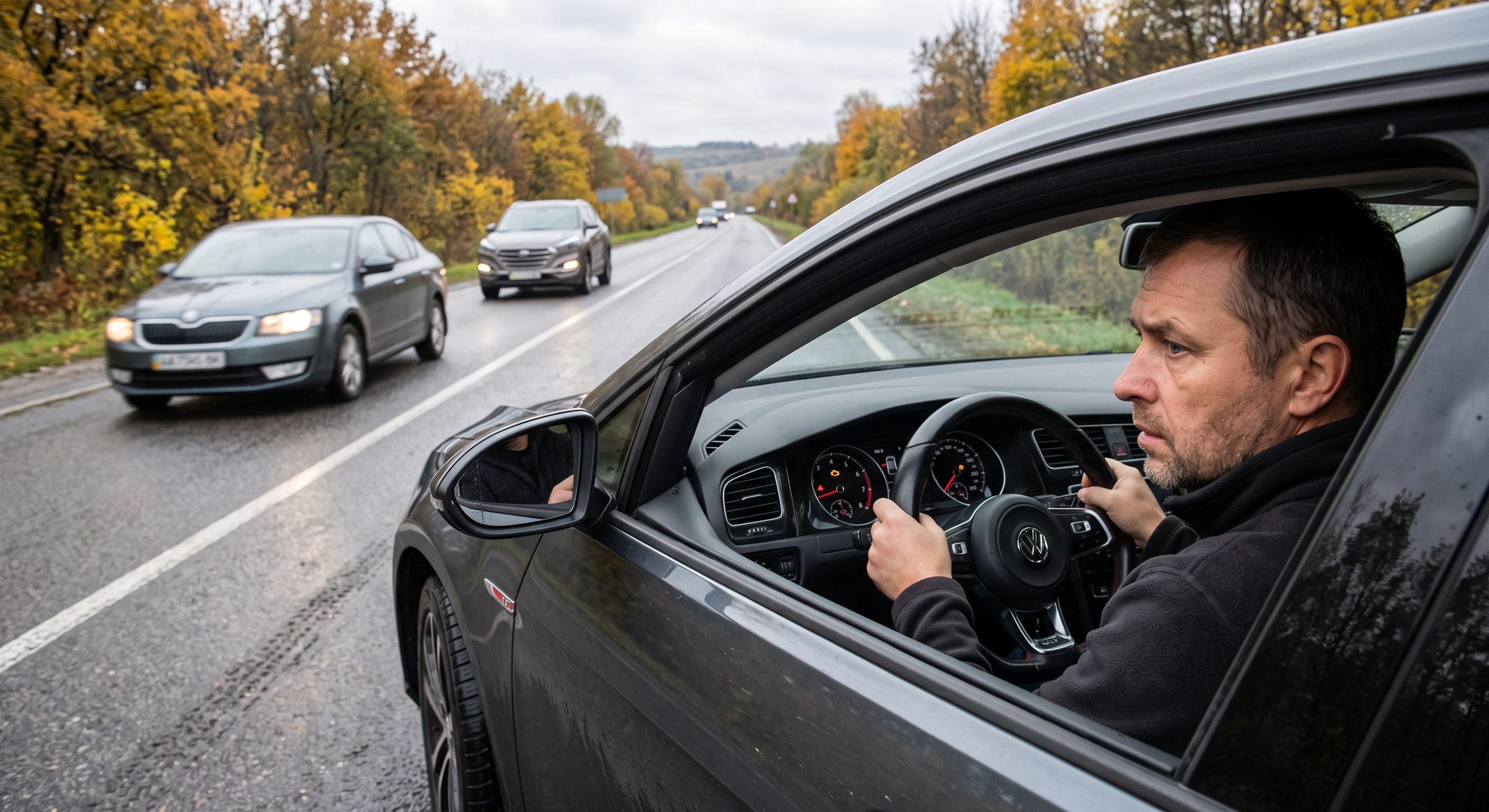
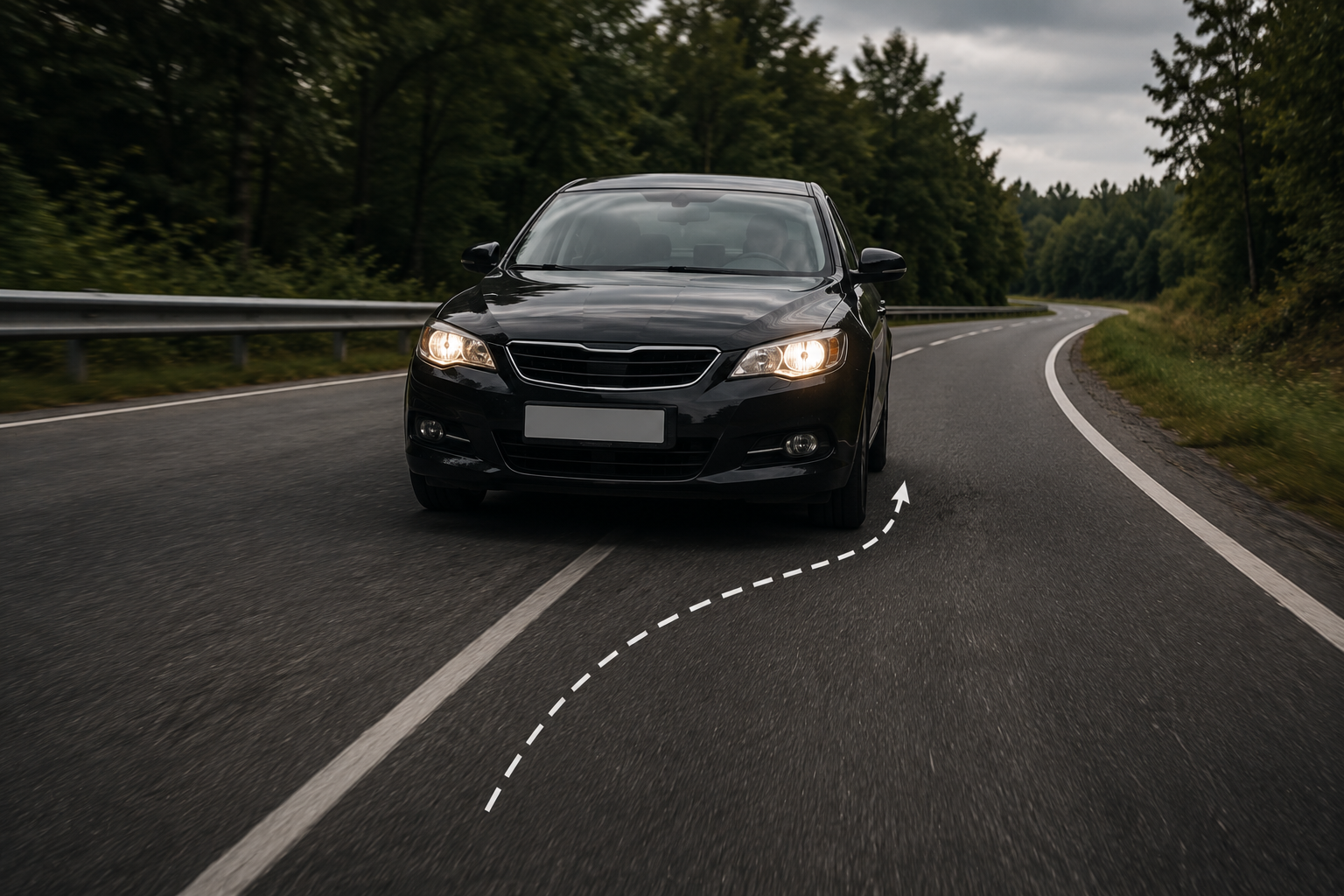
The car started to jerk at low revs: what could be behind this?
Smooth movement at low crankshaft speeds requires coordinated operation of the engine and transmission. Uneven movement with jerks does not always mean serious damage, but regular repetition of such a manifestation requires technical inspection.
The moment of jerking is important. Some occur when the accelerator pedal is pressed, others – when shifting to the next gear or releasing the clutch. These differences can determine the direction of further diagnostics.
When uneven movement needs checking

A single jerk is sometimes caused by an incorrect gear selection or a speed that is too low for the current mode. Regular jerks under the same conditions have a different meaning and require attention.
For the initial assessment, you need to record:
- the transmission on which the manifestation occurs;
- engine speed and frequency;
- the state of the power unit – is it cold or warmed up;
- presence of noise, vibrations or loss of traction.
If the jerking occurs in several gears and subsides after increasing the speed, it is worth checking the engine first.Jerks clearly related to starting or shifting require a separate transmission evaluation.
Ignition and cylinder operation
At low revs, even a short-term misfire is felt quite clearly. The power unit receives a load, but works with a small margin in terms of speed. An unstable spark in one of the cylinders makes the torque uneven, which causes the driver to feel jolts.
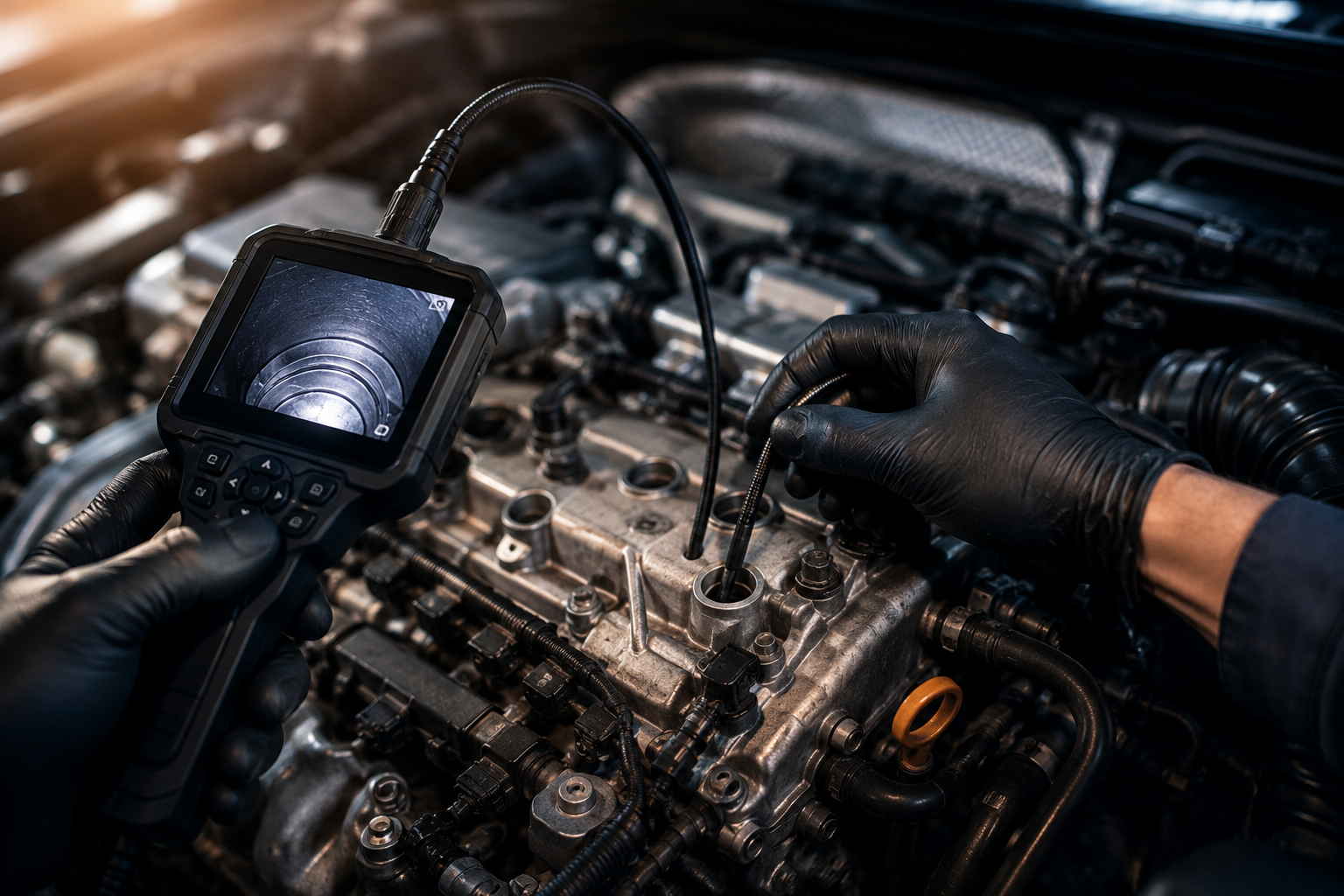
Checking a gasoline engine starts with the spark plugs and coils. Worn electrodes, damaged insulation, or unstable high voltage supply can cause misfires. Sometimes they only appear under load, when the car is gaining speed from low revs.
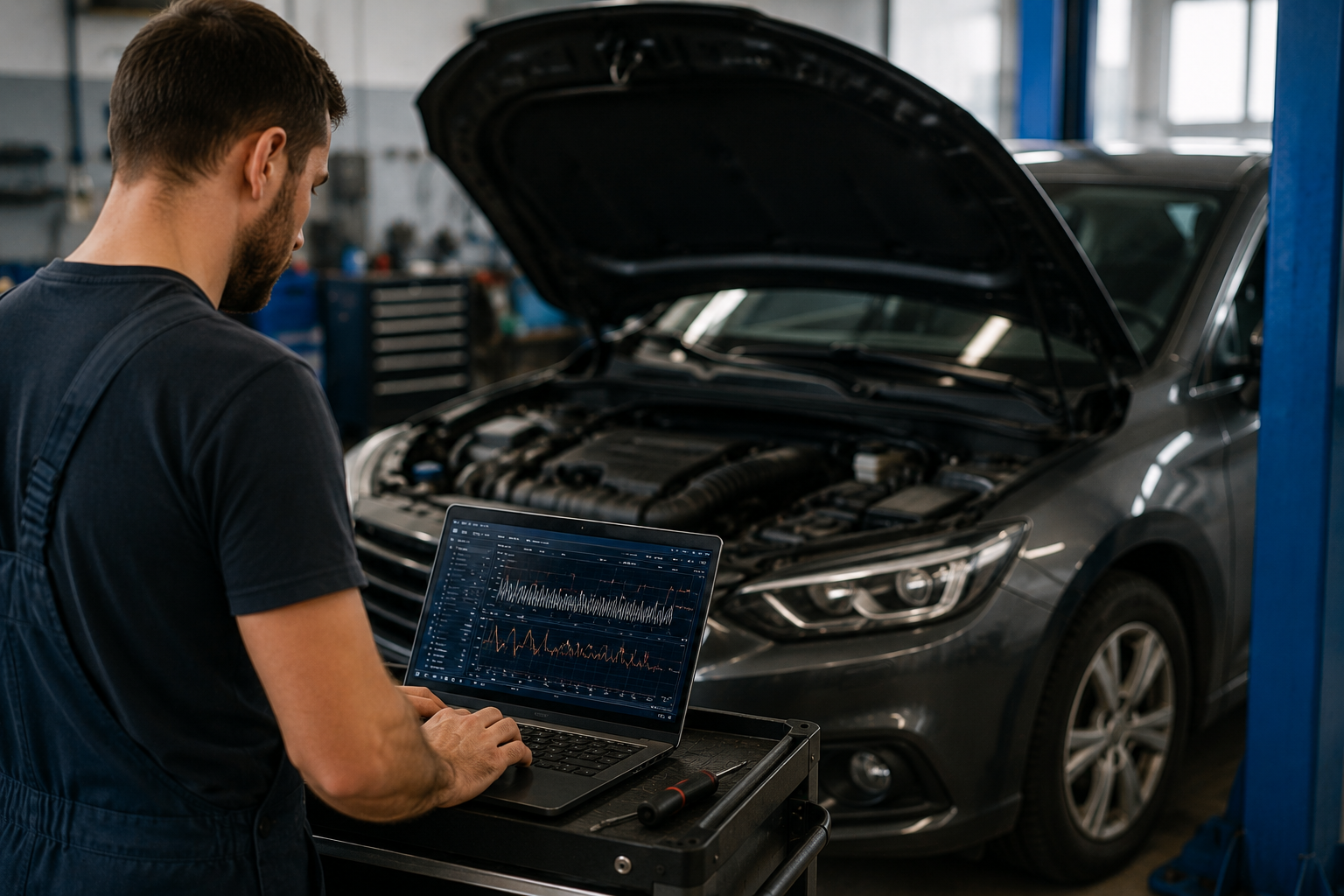
For complaints that the engine is jerking at low revs, diagnostics should show the presence or absence of misfires in specific cylinders. Analysis of operating parameters helps narrow the search direction without sequentially replacing all elements of the ignition system.
Fuel and air supply
Stable combustion requires the correct ratio of fuel and air. This imbalance is especially noticeable during smooth throttle opening, when the load on the power unit gradually increases.
The following can create a problem:
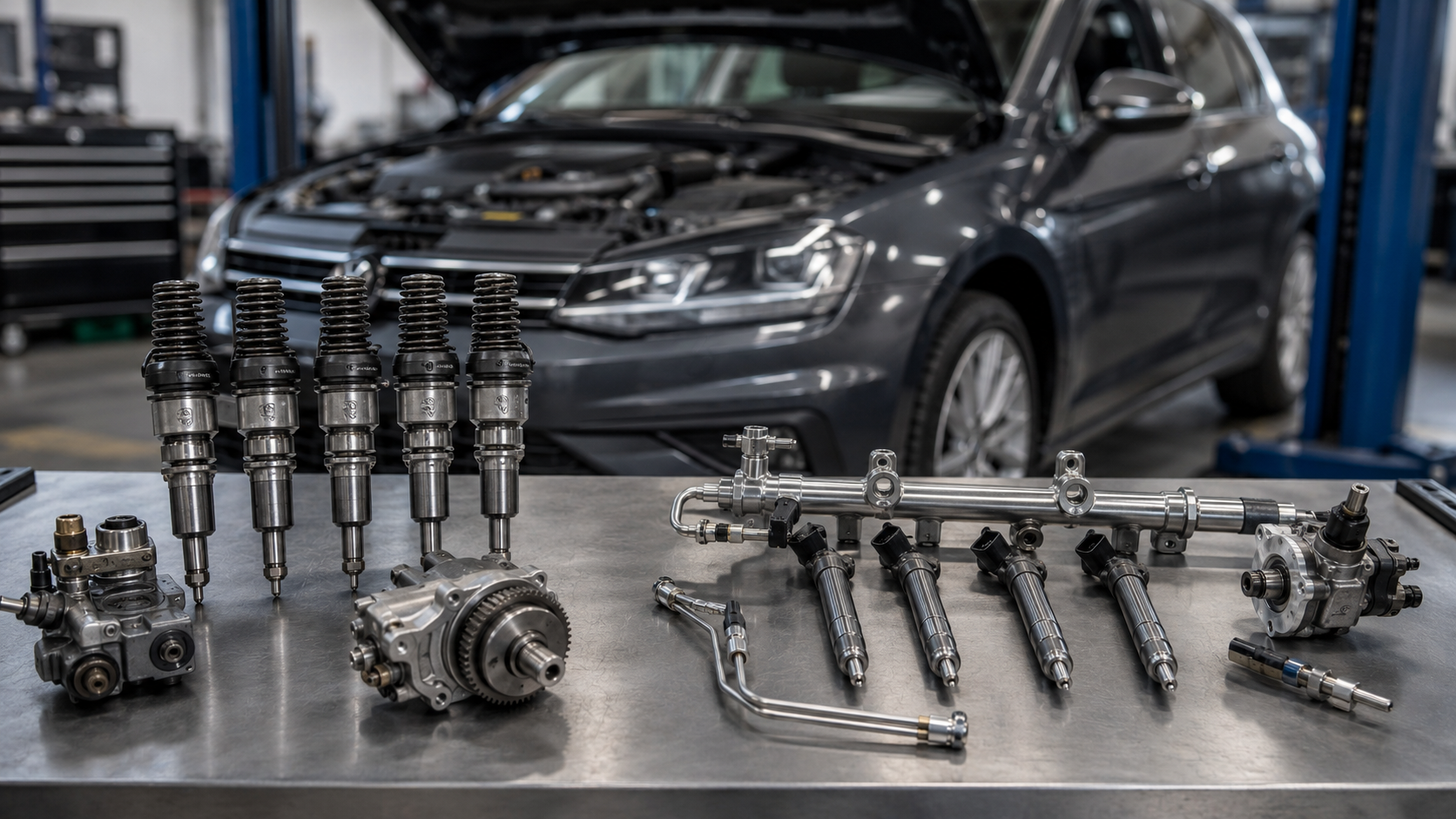
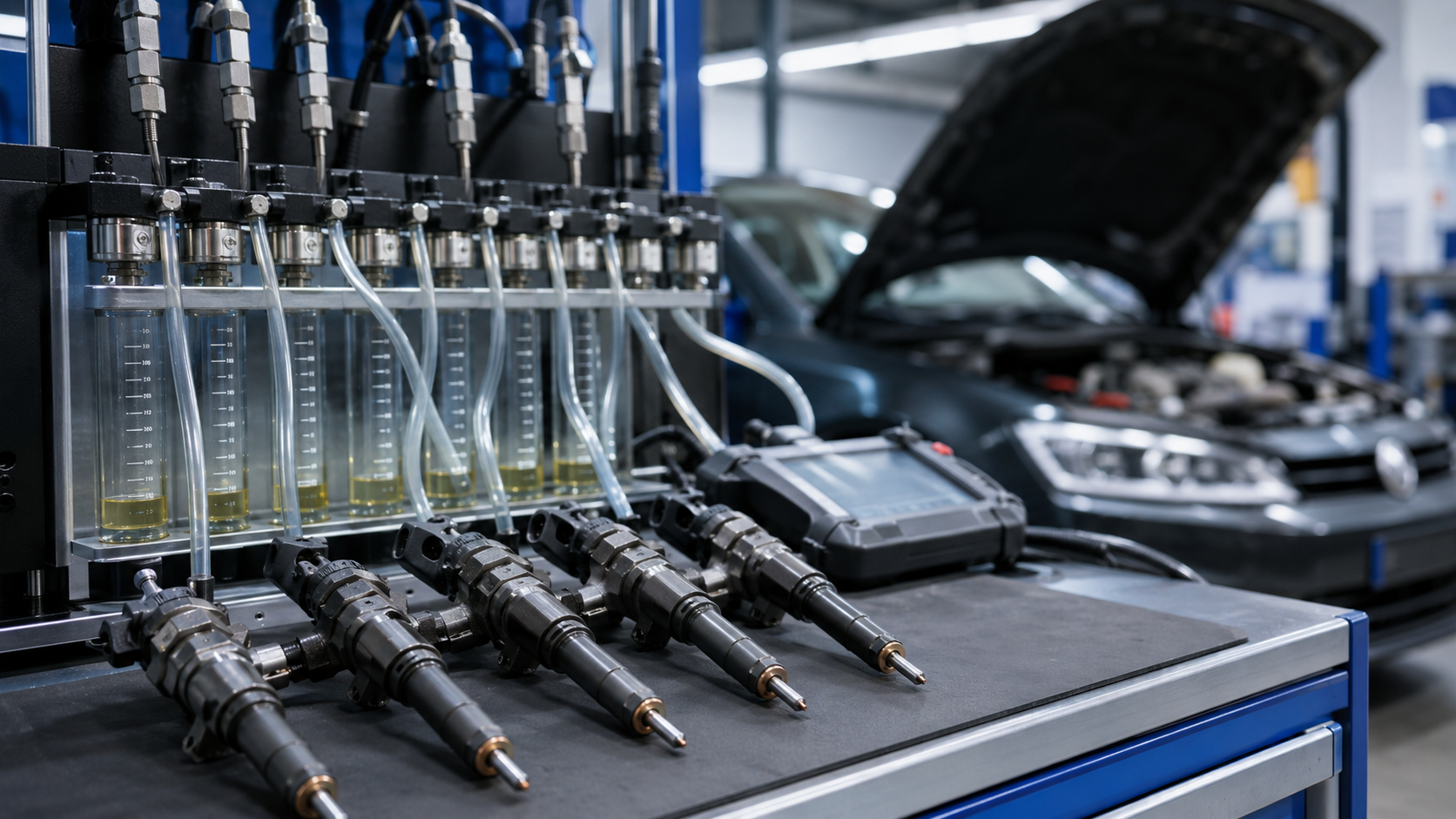
- uneven operation of injectors;
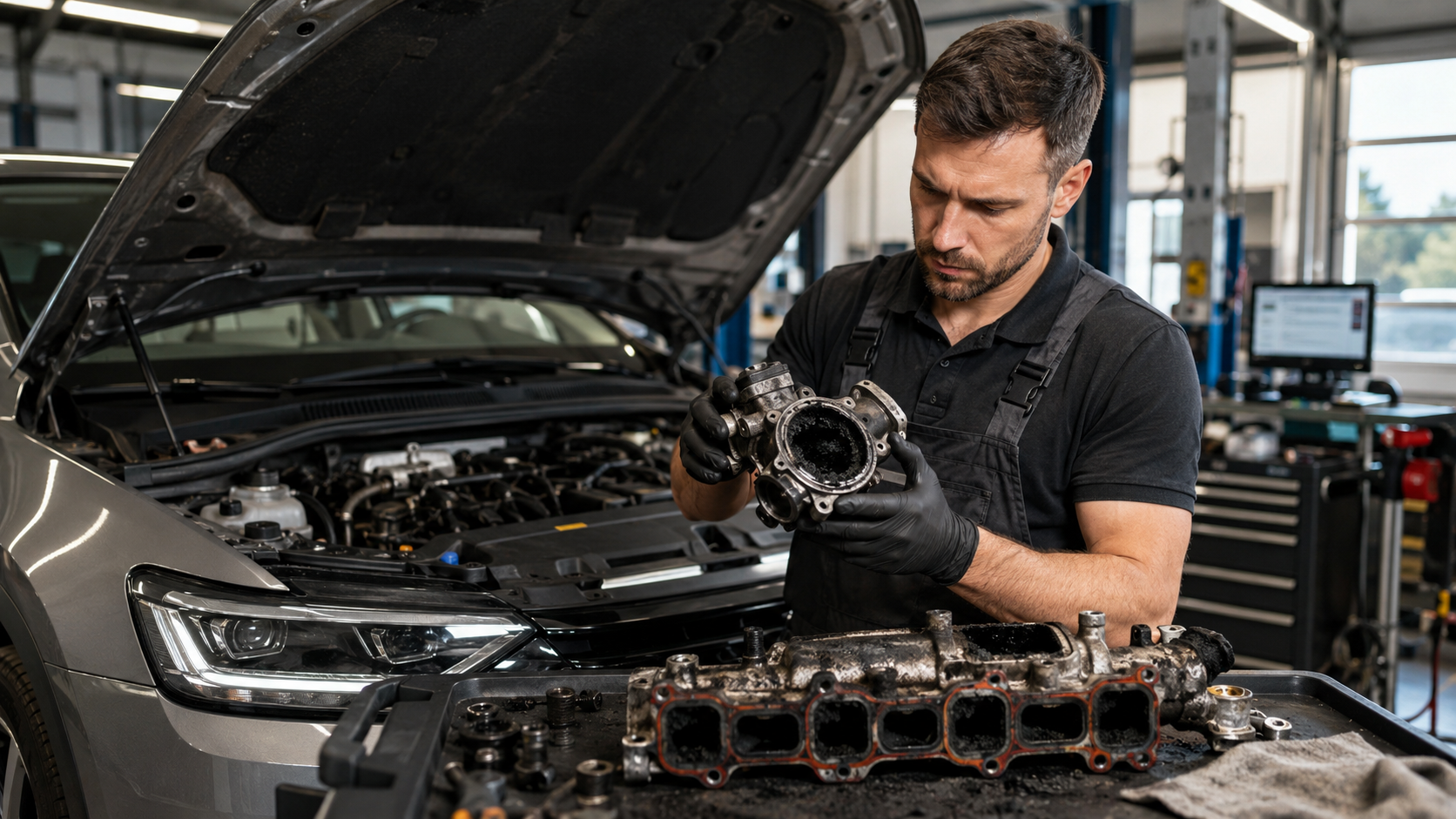
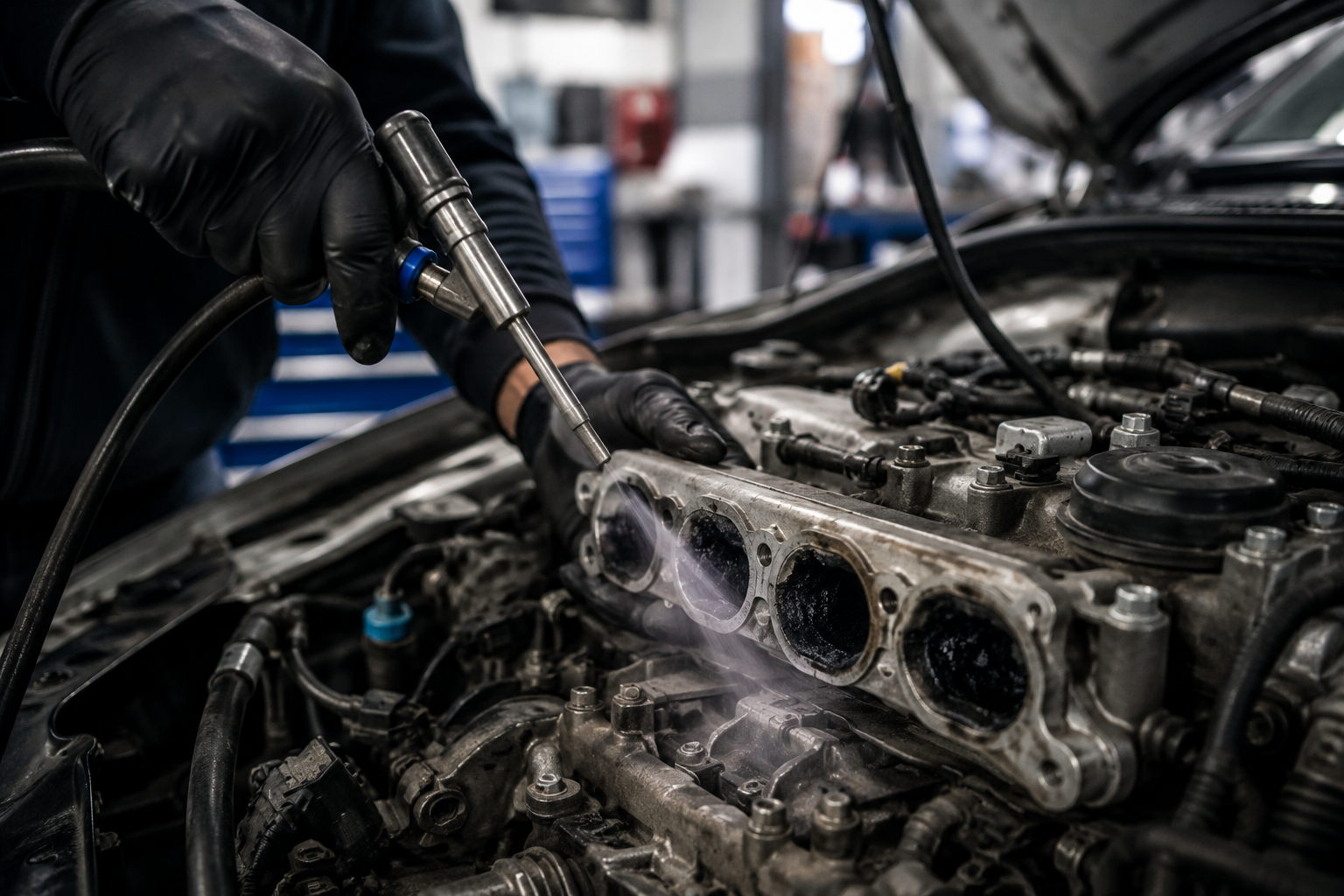
- throttle valve contamination;
- leakage of the intake tract;
- incorrect sensor readings, which are used to calculate the fuel mixture.
Air leakage changes the composition of the mixture and disrupts the stability of operation at low speeds. A dirty throttle assembly makes it difficult to accurately dose air. In this case, the car jerks during smooth acceleration, although after increasing the speed, the manifestation may become less noticeable.
When the cause may be in the clutch or flywheel
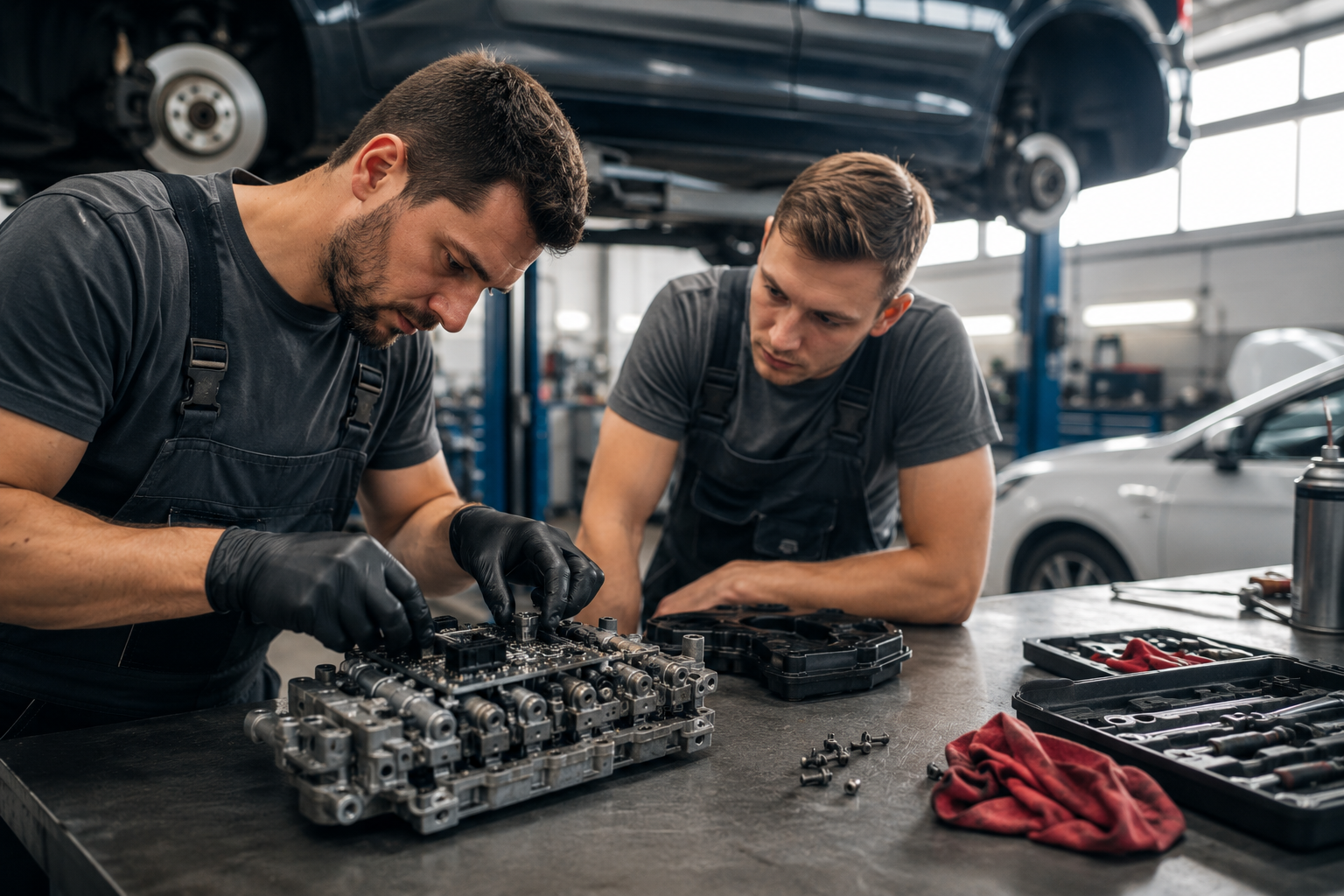
Not every jolt comes from the powertrain. Jerks that occur primarily when starting off, releasing the clutch pedal, or changing load indicate the need to assess the condition of the transmission.
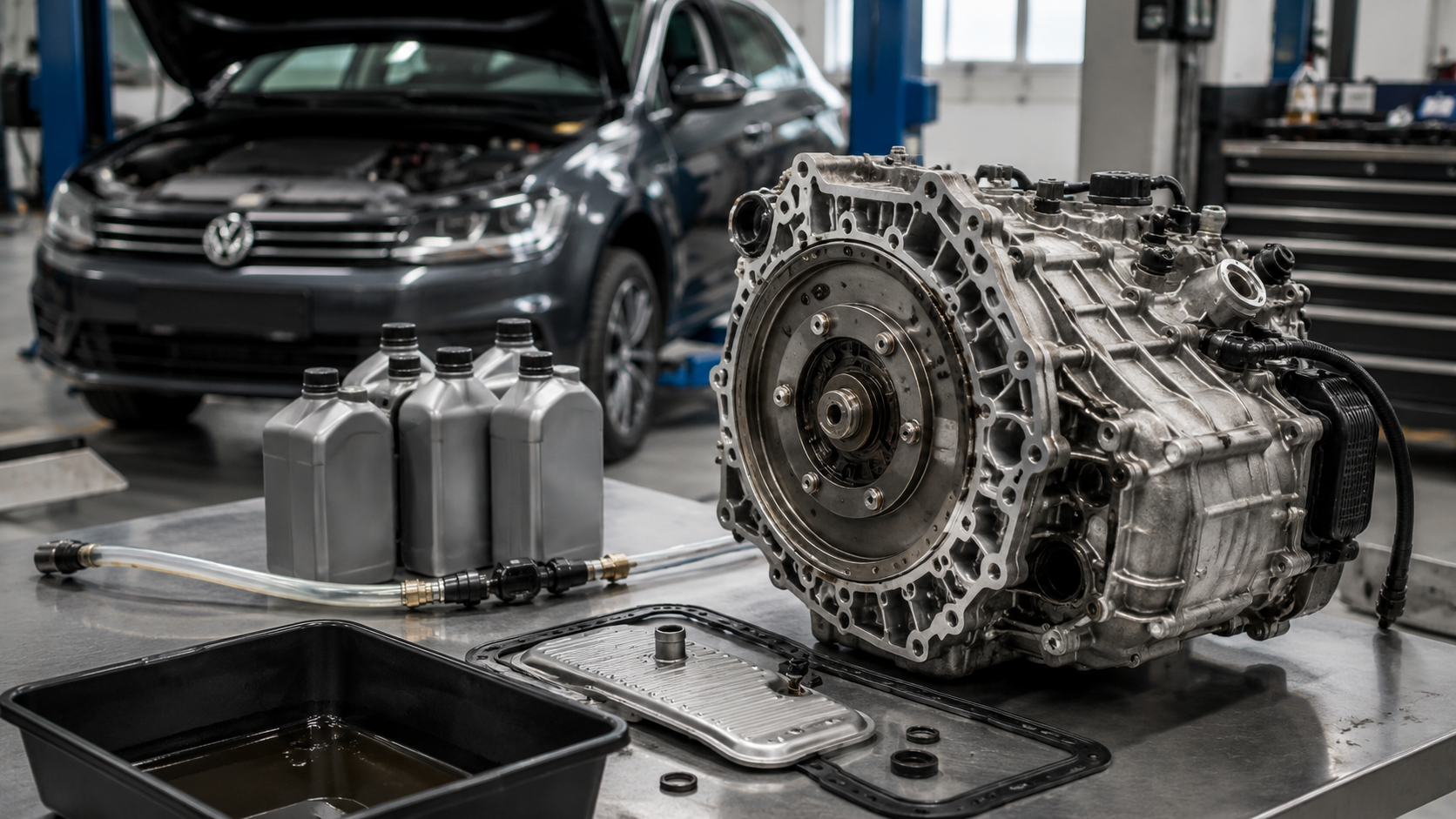
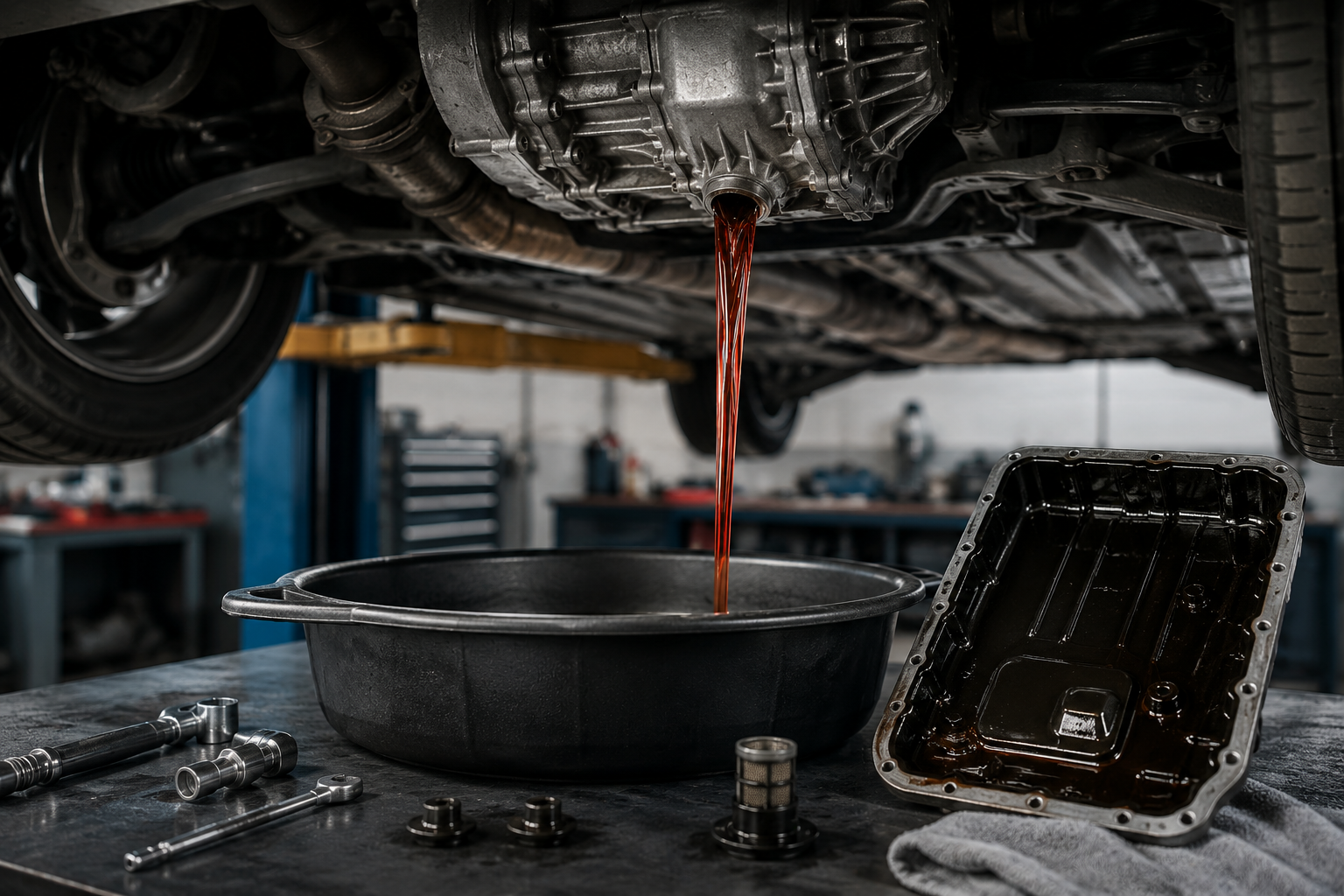
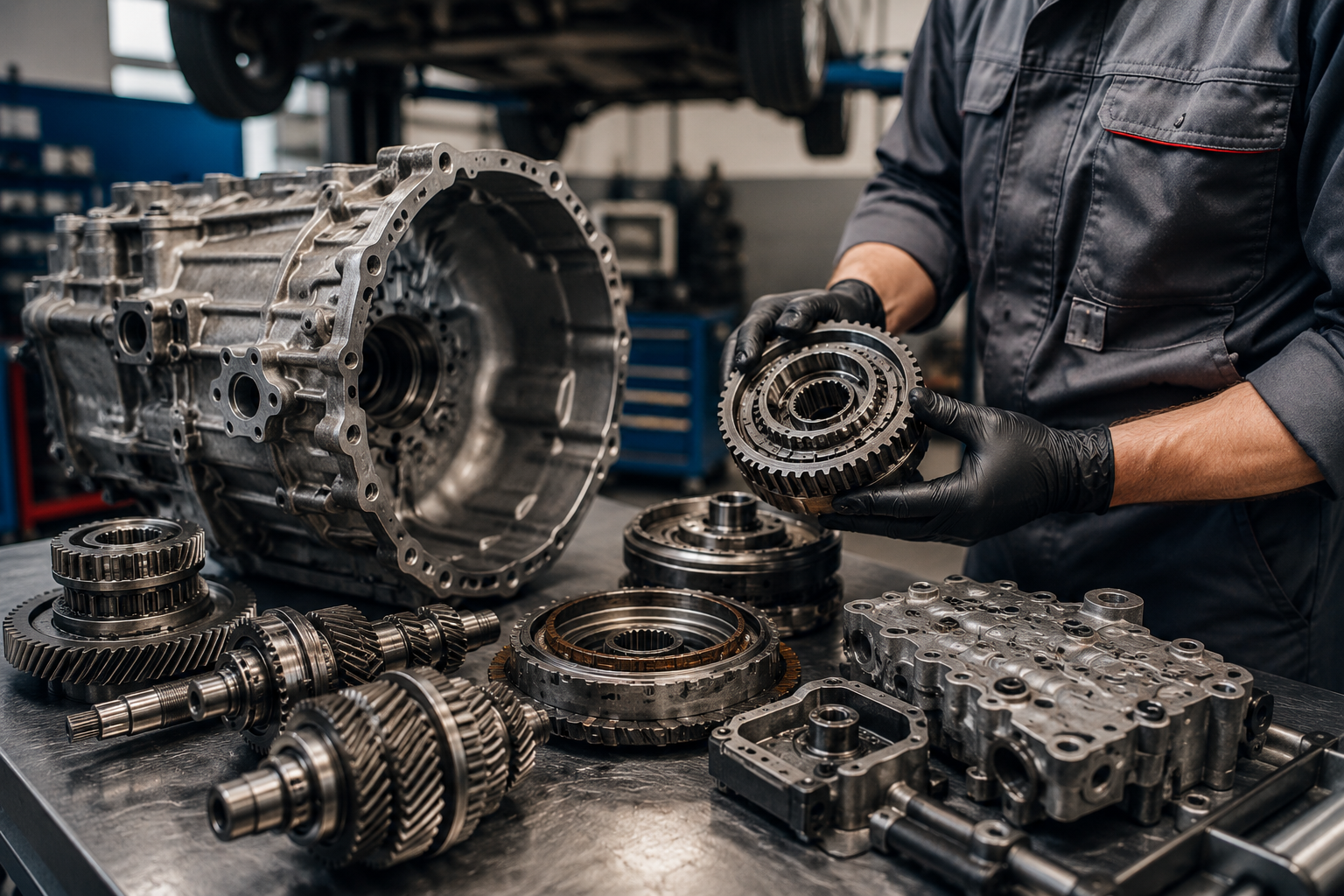
A worn clutch disc transmits torque unevenly. Similar behavior is possible with problems with the dual-mass flywheel. Additional signs are vibrations, extraneous noises or changes in the behavior of the car when starting and stopping the engine.
A useful diagnostic sign is the car’s reaction to the clutch pedal. Shocks at the moment of its release with stable operation of the power unit during uniform movement shift attention to the mechanical part of the transmission.
What do gear and speed indicate?
It is not only the presence of jerks that is important, but also the specific mode in which they occur. Driving in too high a gear with too low a speed creates a significant load on the motor. Single jerks in such a scenario do not necessarily indicate a malfunction.
Jerks while driving at low speeds, which are repeated even after selecting the appropriate gear, already require a technical inspection. Additional information is provided by:
- the manifestation only occurs on a cold or warm engine;
- dependence on the intensity of pressing the accelerator;
- behavior when moving uphill;
- the presence of vibrations when shifting gears.
The combination of speed, gear, load, and timing of jolts helps separate unstable combustion from a mechanical problem.
How to find the cause without replacing parts at random
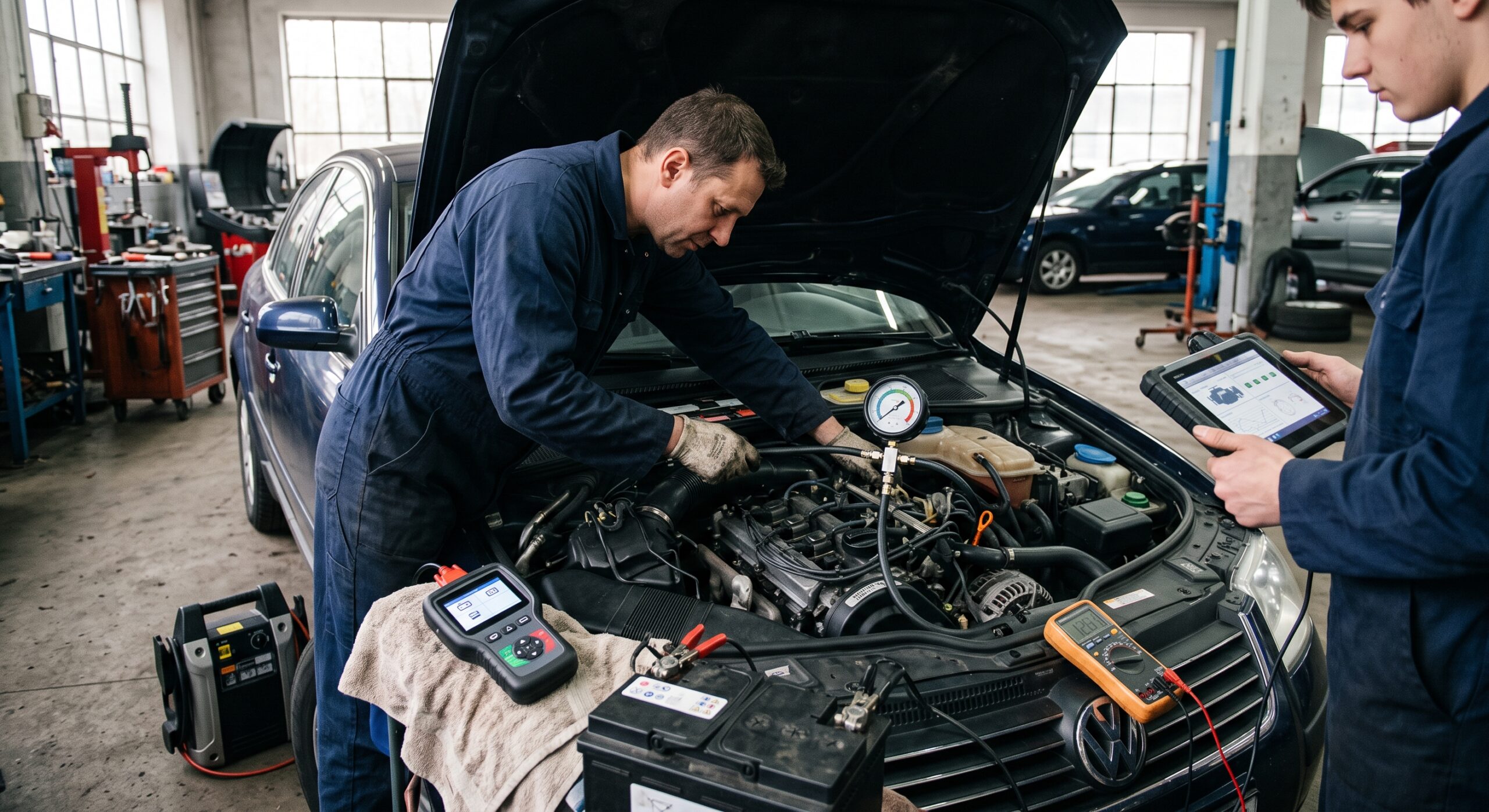
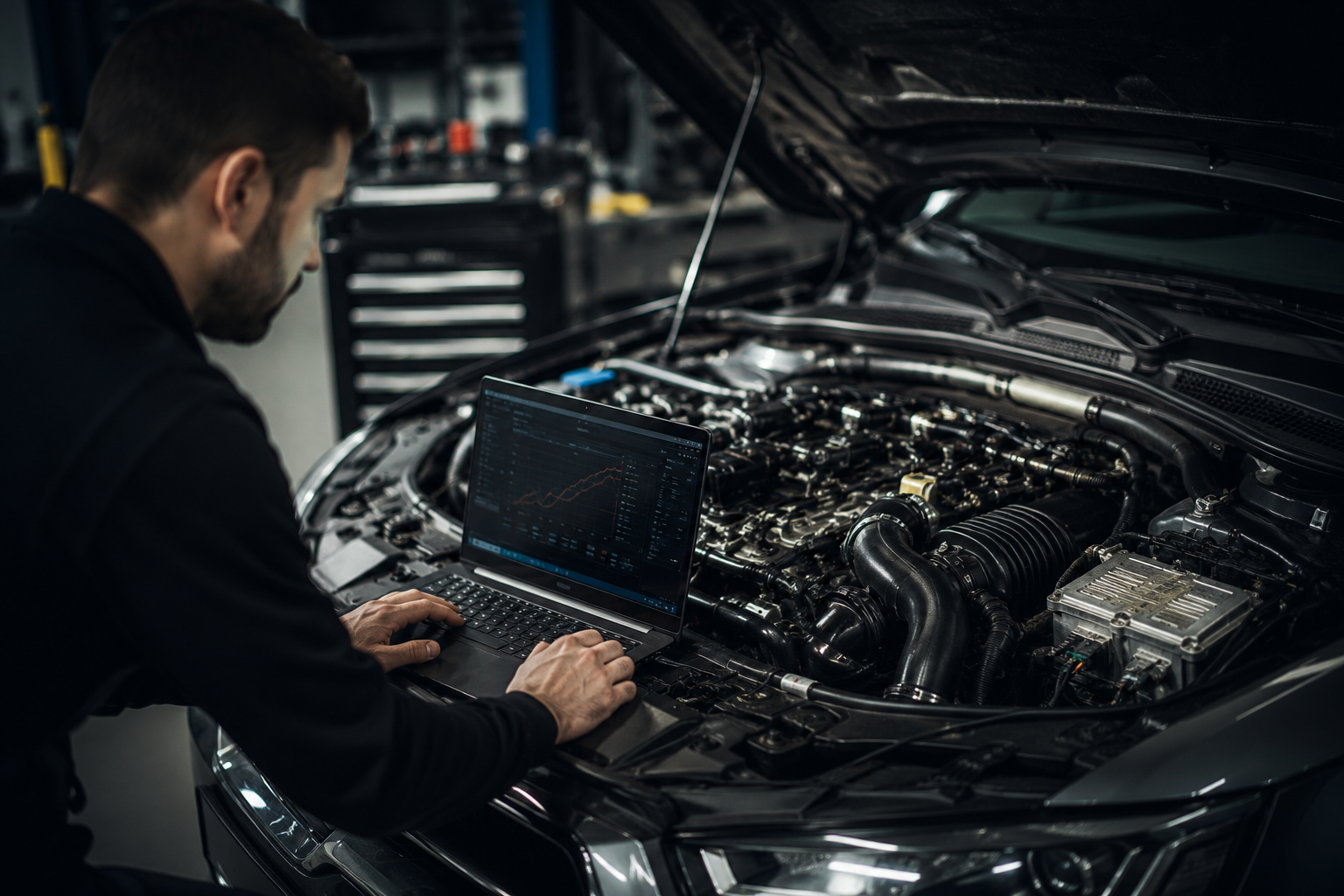
Diagnostics does not begin with the purchase of new components, but with the reproduction of the symptom. The technician needs to establish the conditions under which the car behaves unevenly, and then check for electronic errors and current engine operating parameters.
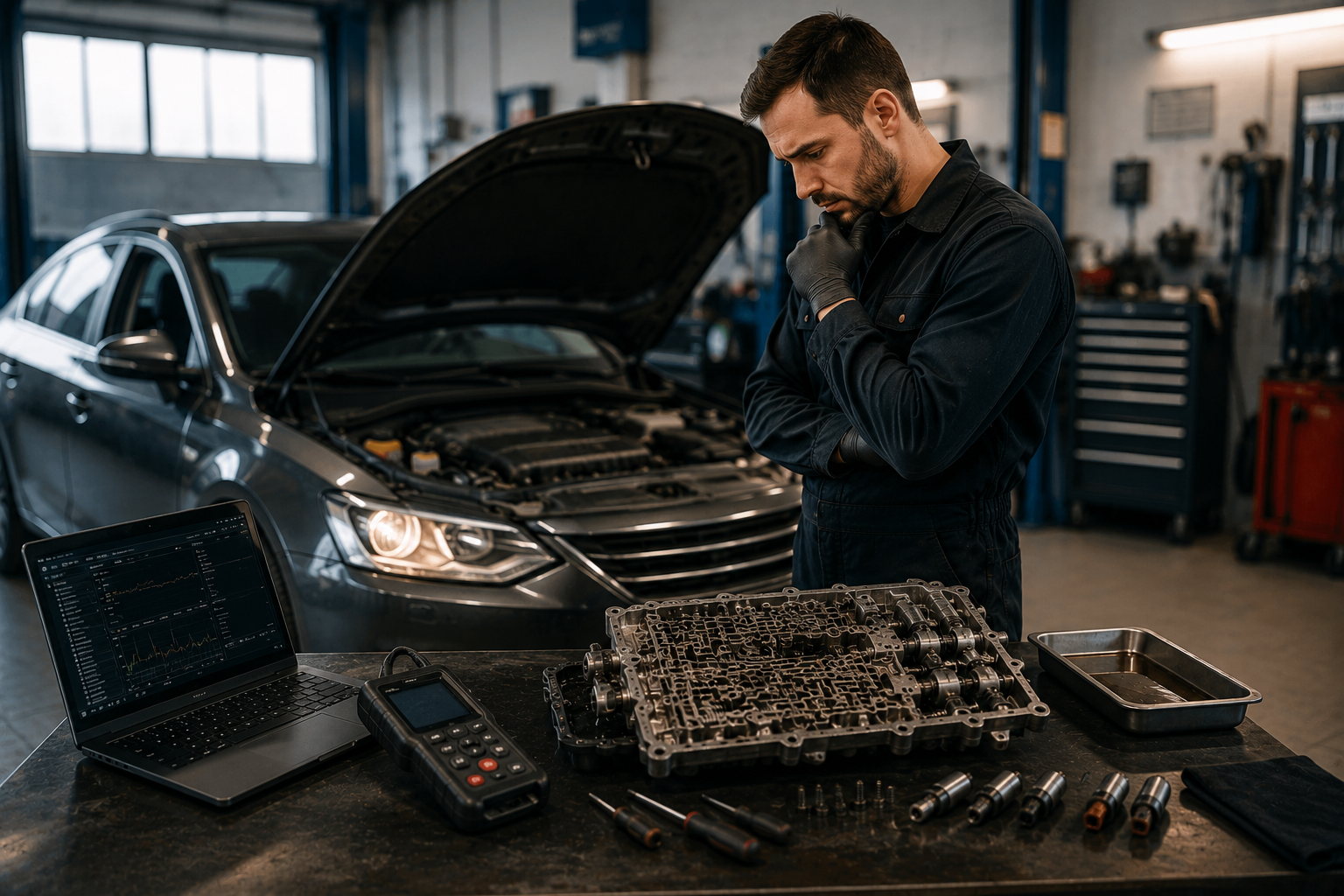
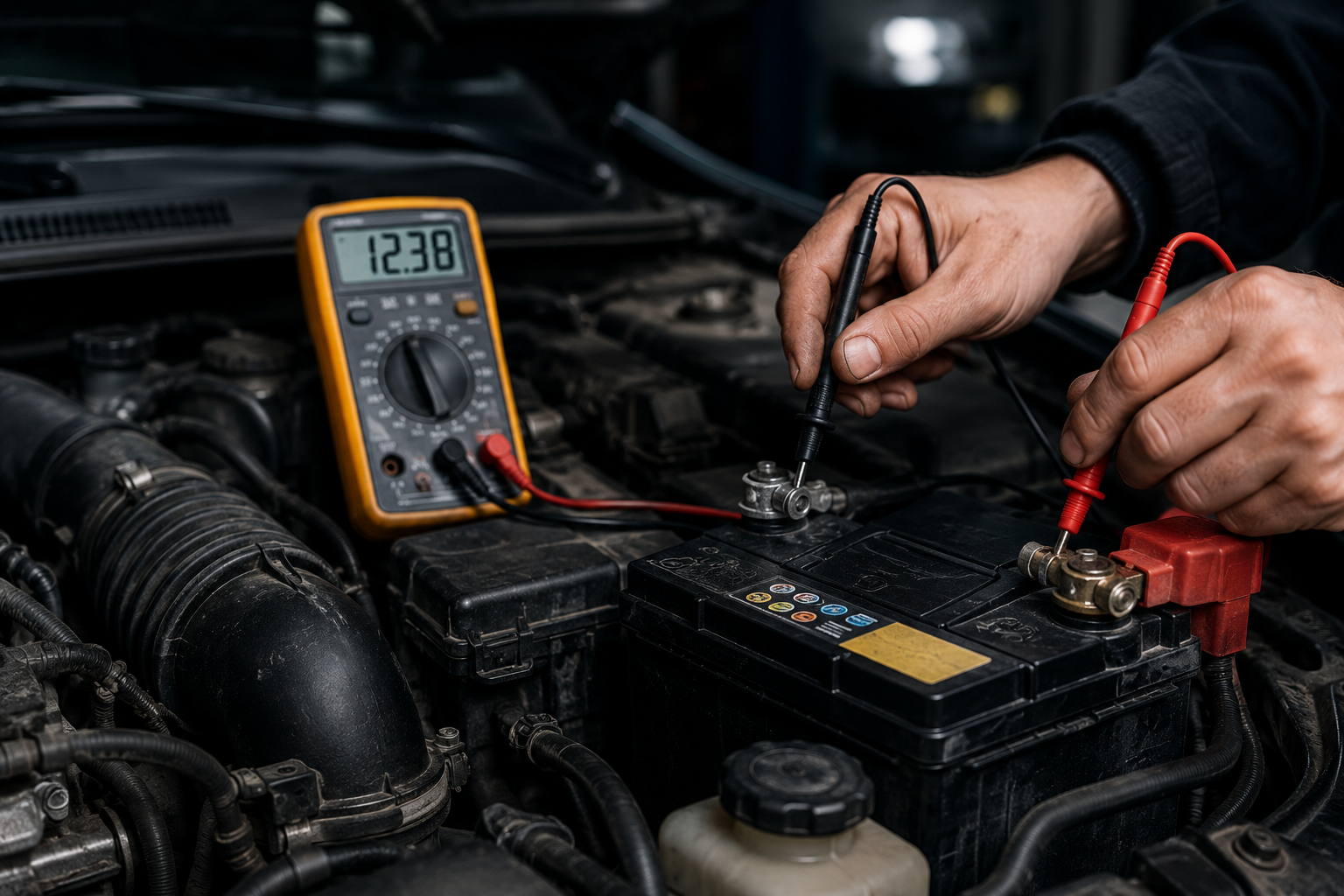
If a powertrain malfunction is suspected, the ignition, injector operation, mixture composition, throttle assembly, and intake tightness are monitored. If these systems are operating normally, the clutch, flywheel, and gearbox are checked.
Therefore, it is important not to start by thoughtlessly replacing spark plugs, coils or clutch parts. First, you need to determine under what conditions jerks occur, and only then check the corresponding systems. This reduces the time for troubleshooting and helps to avoid unnecessary costs.
Top popular news
- Audi A4 or Volkswagen Passat: which is more profitable to maintain after 150 thousand km
- Volkswagen Touareg with mileage: what expenses most often come as a surprise to the owner
- The car started stalling after refueling: an accident or a problem with the fuel system
- Why the engine may perform worse after short city trips
- Winter diesel: what happens to the fuel system during severe frost
- Why does a car lose power under load?
- Audi Q7 with high mileage: why the condition of a particular car is more important than the year of manufacture
- After starting the engine, an unusual noise is heard for a few seconds: when is this a reason for diagnostics?

Subscribe to our newsletter!
To stay updated with the latest news

Book a service