Mon - Sat | 09:00 - 19:00


Find

Contact us

Odesa
Hrushevskoho str., 41
 Мережа СТО в місті
Місто
 +38 (096) 299 29 97
Odesa
Hrushevskoho str., 41
 Мережа СТО в місті
Місто
+38 (096) 299 29 97

 Години роботи
 Mon - Sat
09:00 - 19:00
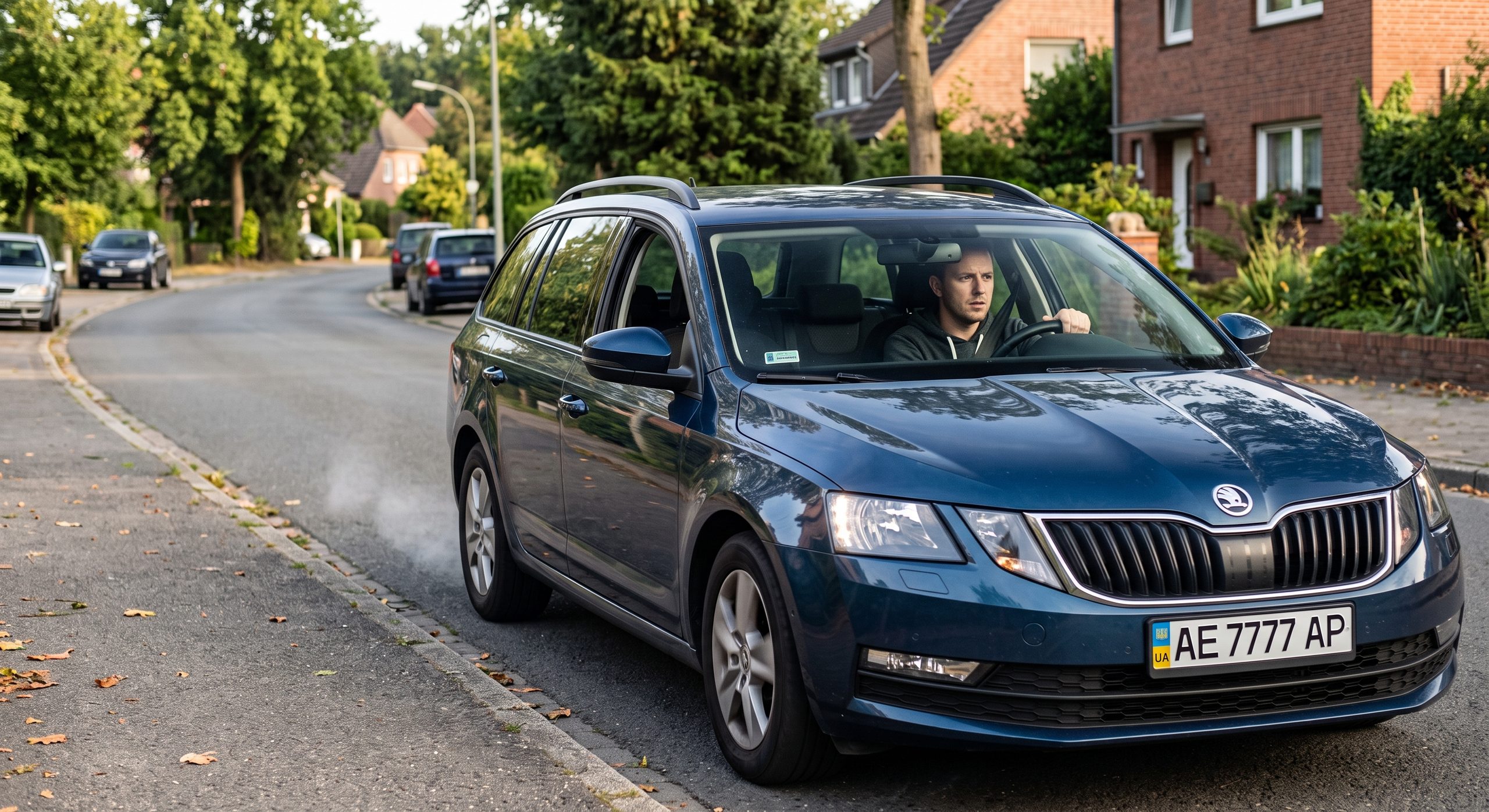
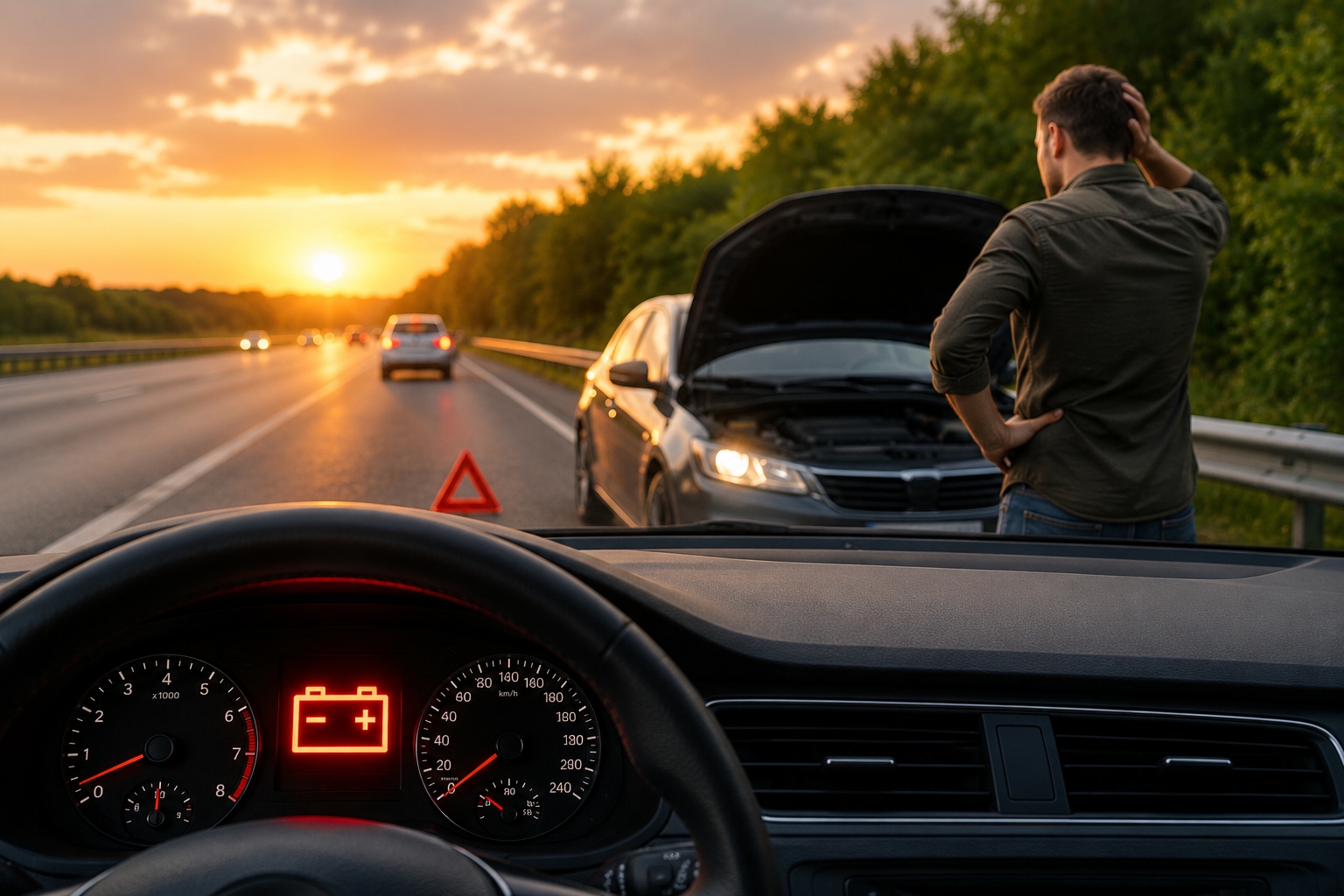
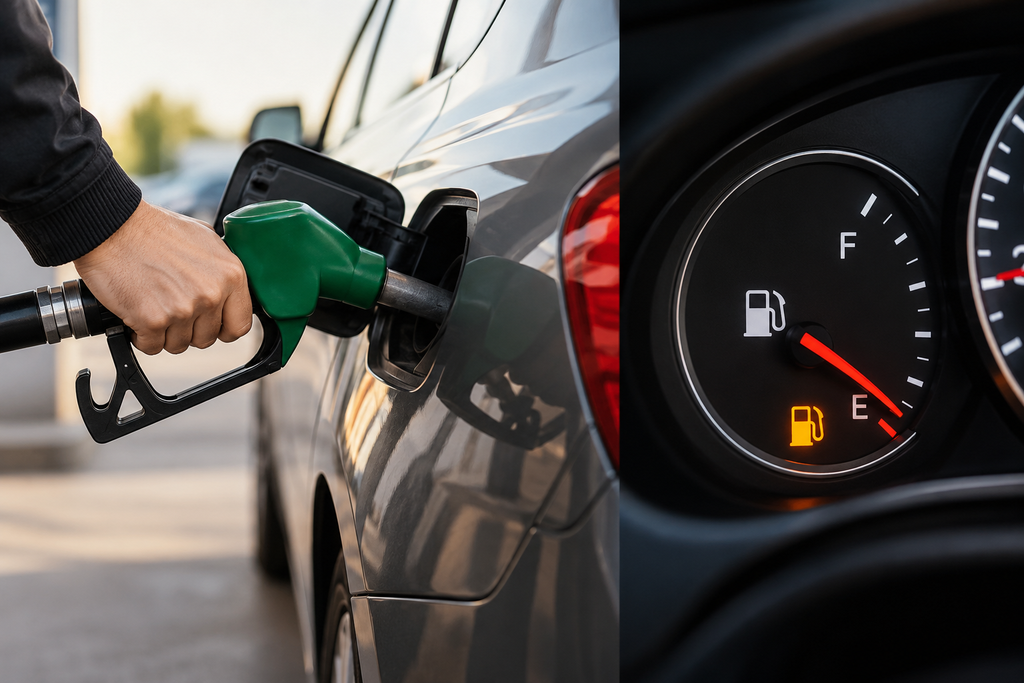
Fuel consumption has increased for no apparent reason: what malfunctions can be hidden behind the extra liters
When fuel consumption has increased for no apparent reason, this does not mean that the problem is in the engine.and.The amount of fuel consumed is affected by air temperature, tire pressure, vehicle load, average speed, and driving habits. If these factors have changed, the extra liters do not indicate a technical problem. Another situation is when the route and driving style have remained approximately the same, but the indicator is steadily deteriorating. Then it is worth checking the technical condition of the car.
Not every increase in flow rate means a malfunction
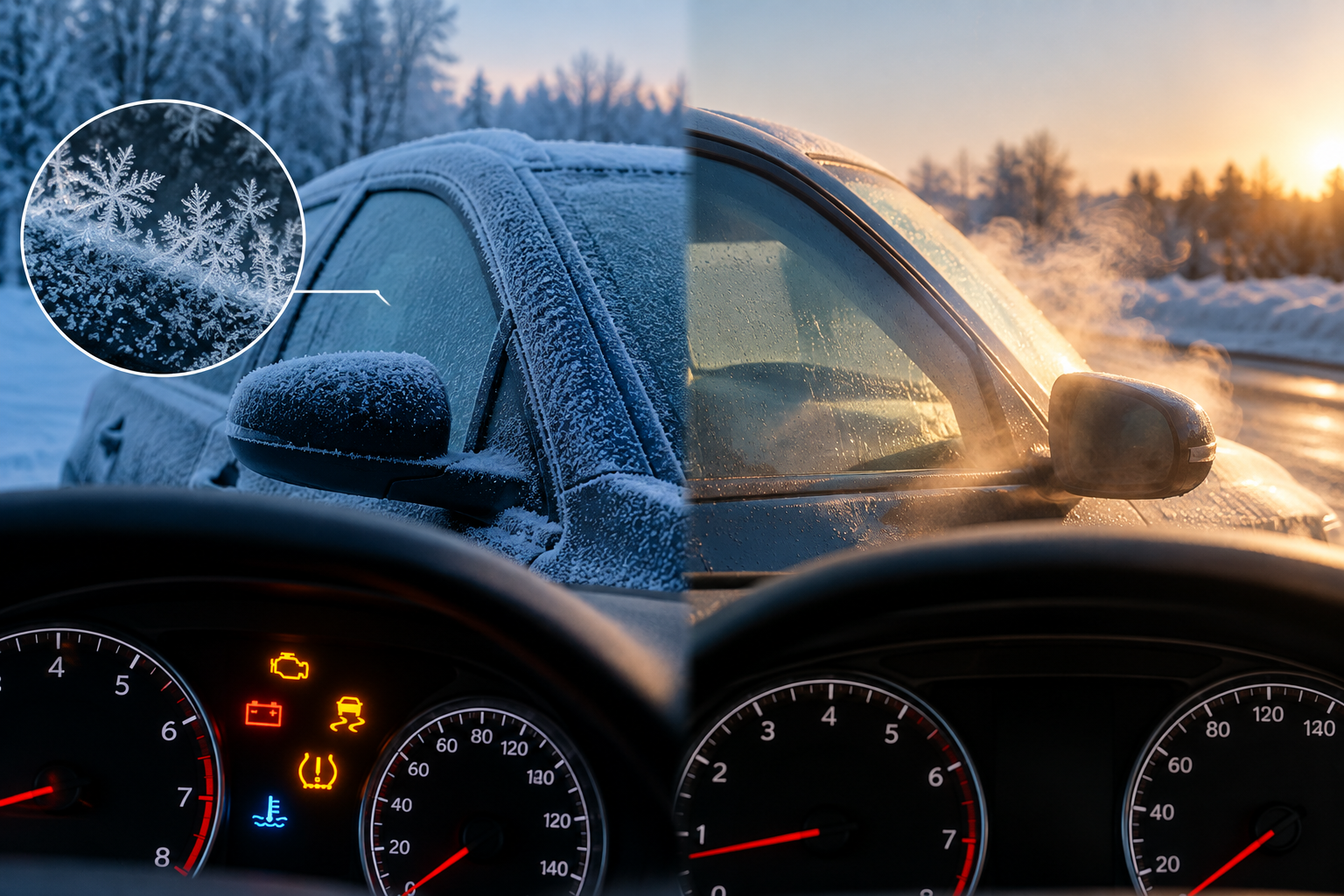
You need to compare consumption under similar conditions. In cold weather, the engine takes longer to reach operating temperature, and the first kilometers after starting may be accompanied by increased consumption. In summer, the air conditioner creates an additional load, especially during slow city driving.
Mechanical factors also play a role. Insufficient tire pressure increases rolling resistance, and additional cargo increases the weight of the vehicle. Frequent traffic jams, short routes with many stops, or changes in average speed can also significantly change the result.
Therefore, before troubleshooting, it is important to find out whether the car has really started to consume more fuel under the same conditions, and not just found itself in a different operating mode.
Air, fuel and sensors: when the mixture composition changes
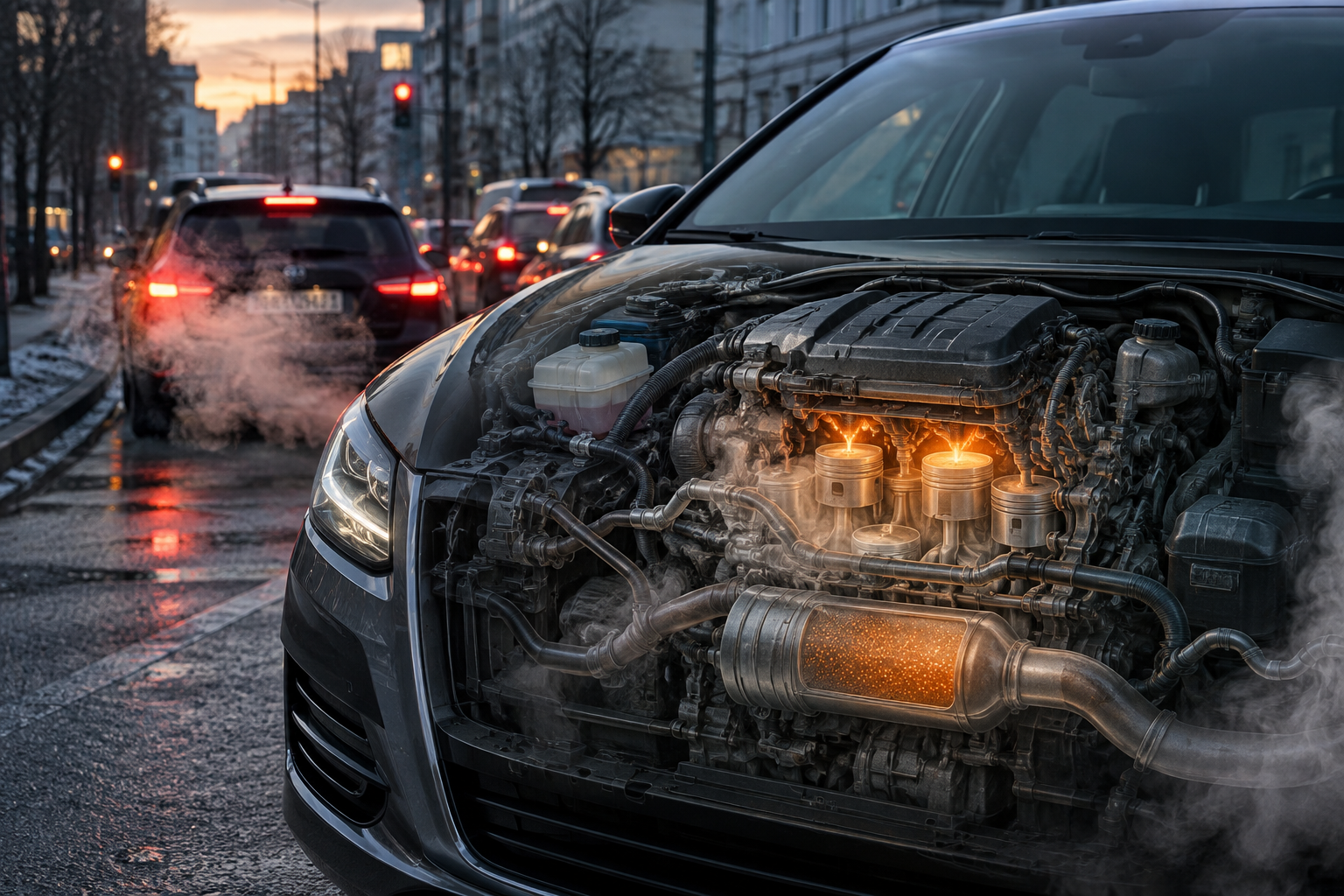
The engine requires a certain air-fuel ratio, and the electronic control unit constantly adjusts it depending on load, temperature, and other parameters. For this, various sensors are used.
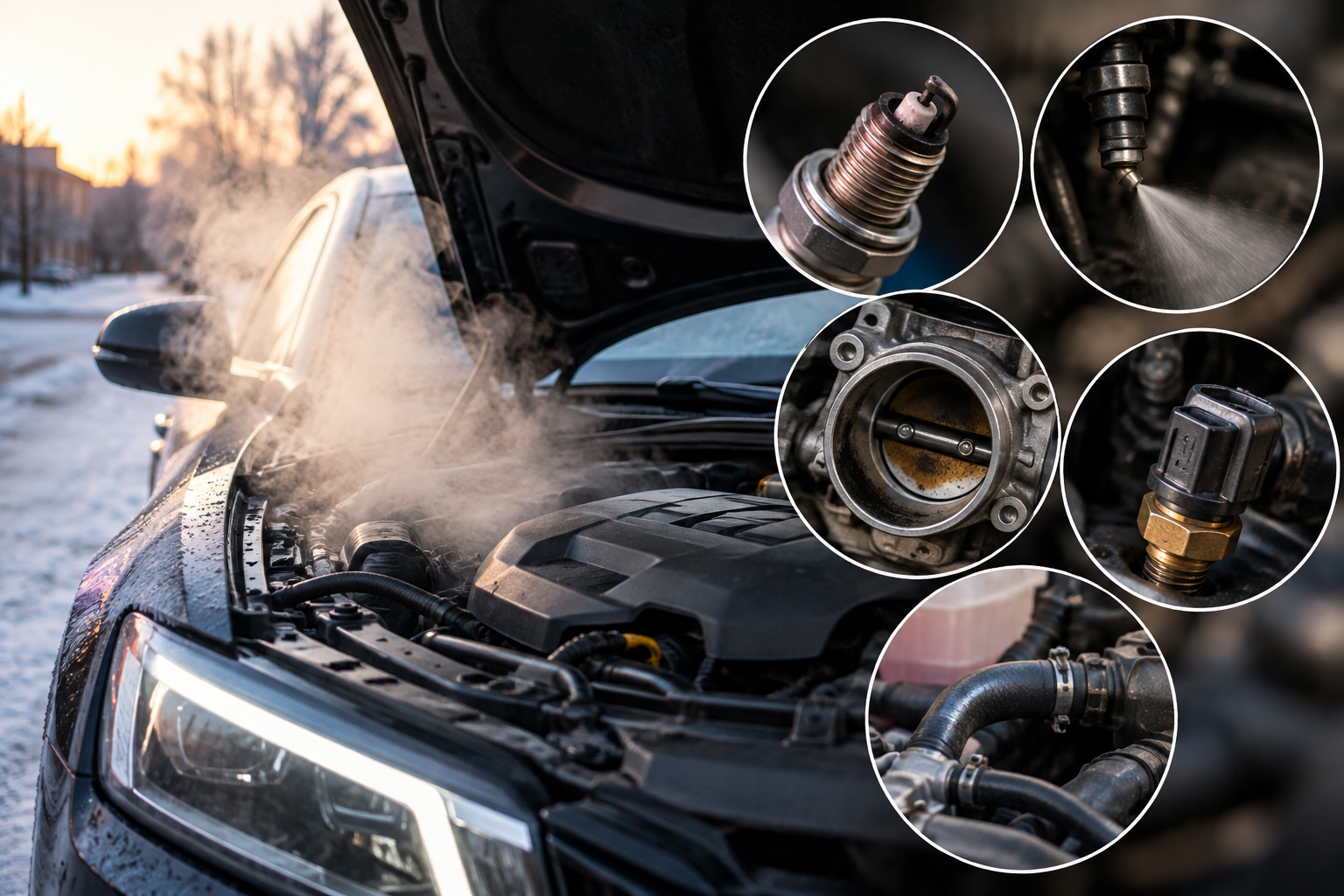
If the mass air flow sensor transmits incorrect data, the control unit receives incorrect information about the amount of air entering the engine. This can affect the calculation of the mixture and fuel corrections. The lambda probe, in turn, monitors the composition of the exhaust gases and participates in further adjustment of the system.
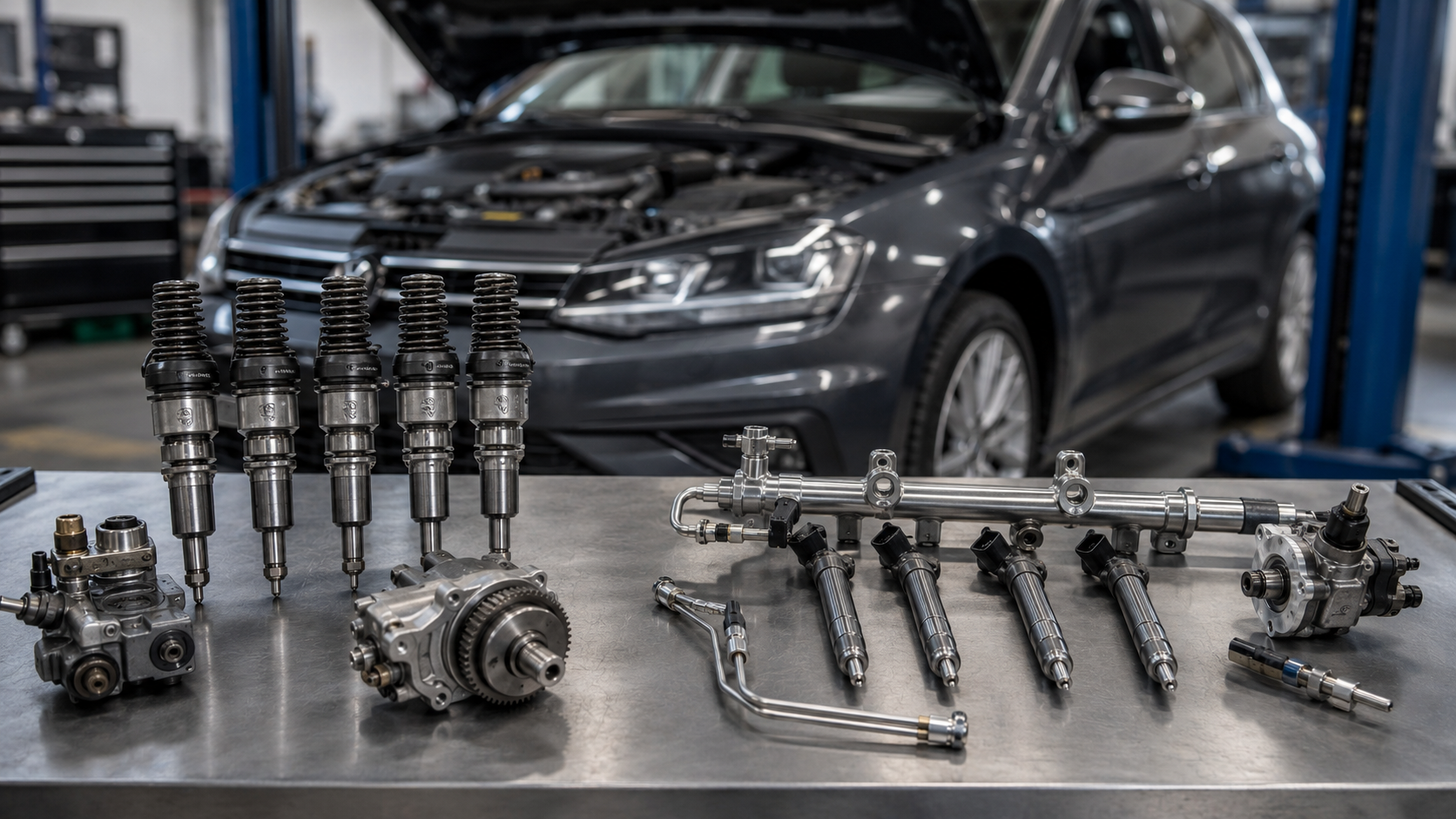
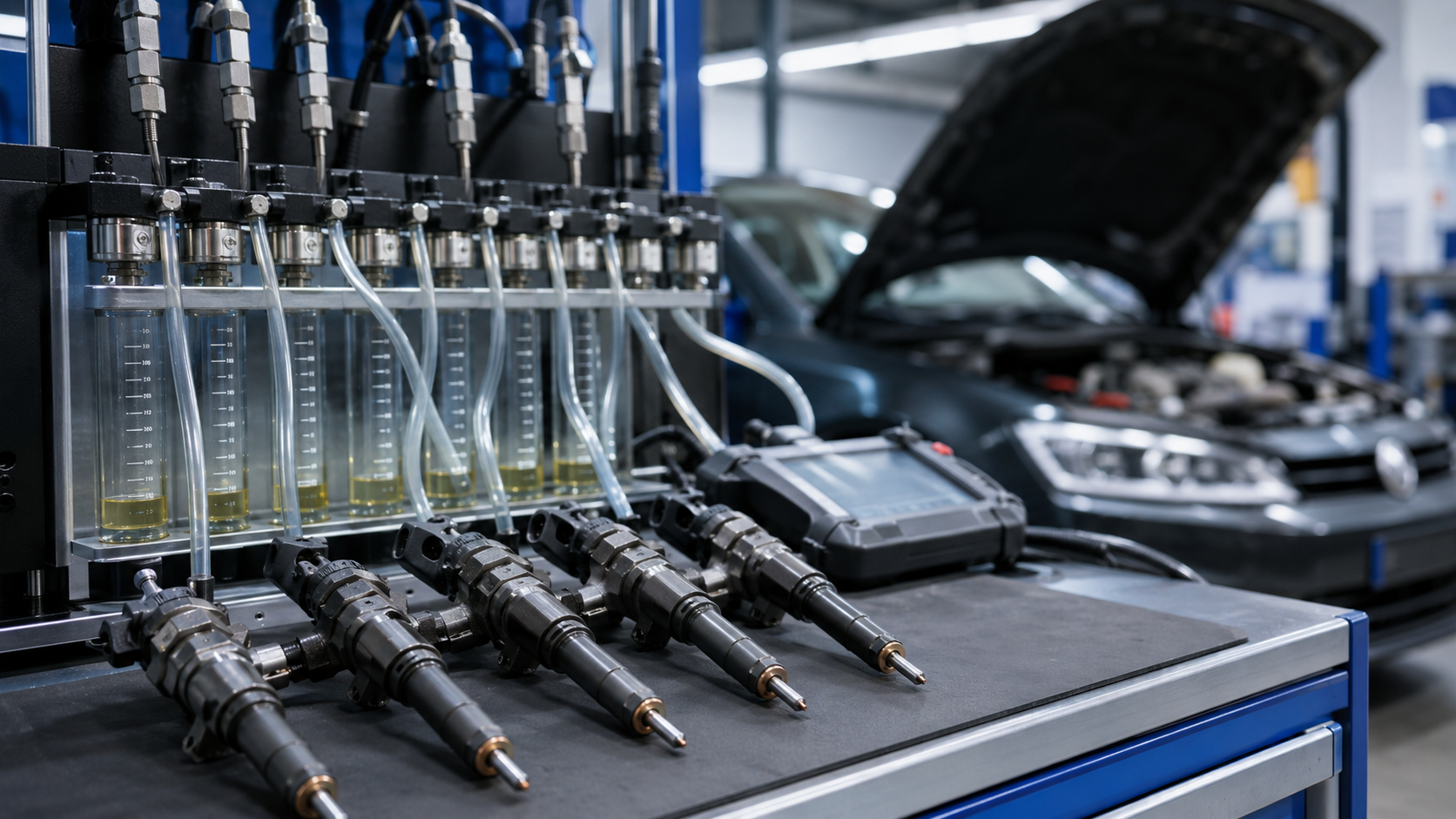
The problem may also be in the injectors. Contamination or uneven fuel supply changes the combustion conditions in the cylinders. Therefore, whenthe car began to consume more fuel, you should not automatically blame one sensor: you need to evaluate the performance of the mixture control system as a whole.
Thermostat and engine operating temperature
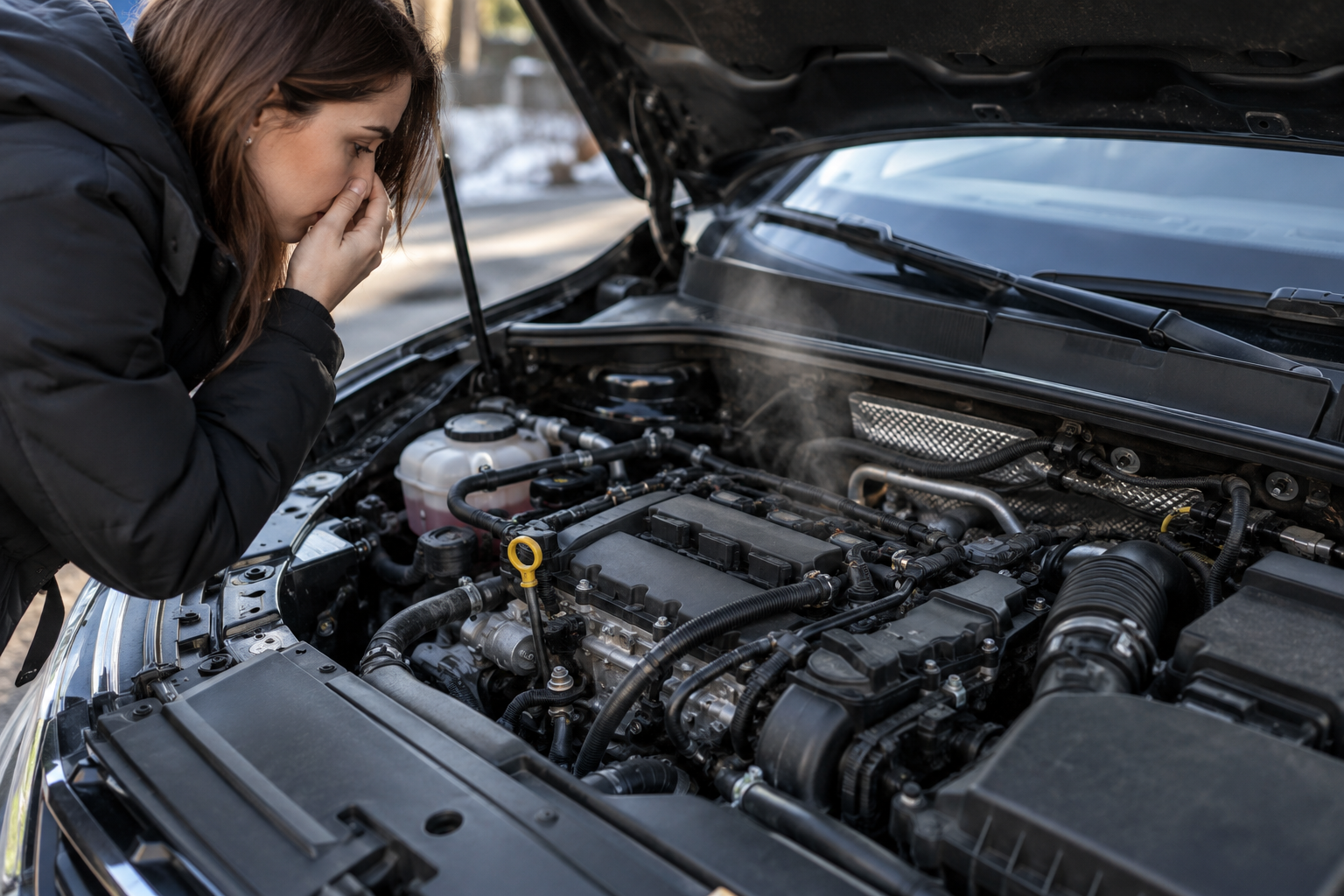
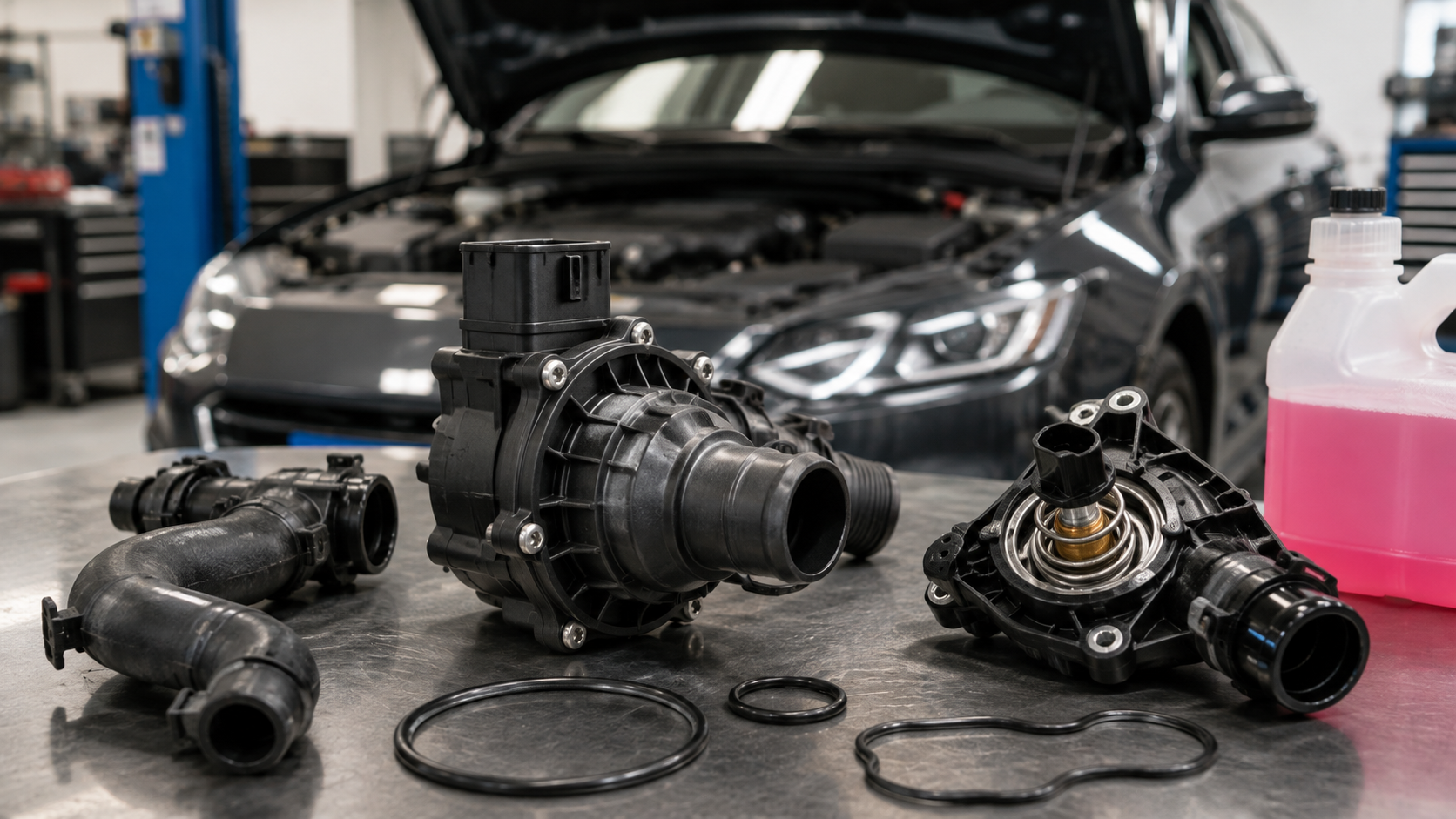
Another reason may be related to a violation of the thermal regime. If the thermostat remains open, the coolant circulates through the radiator earlier than necessary. As a result, the power unit takes longer to warm up or does not maintain normal operating temperature while driving.
This affects not only comfort, but also engine control algorithms. The control unit takes into account the coolant temperature, so prolonged operation in an insufficiently warmed-up mode may affect consumption.
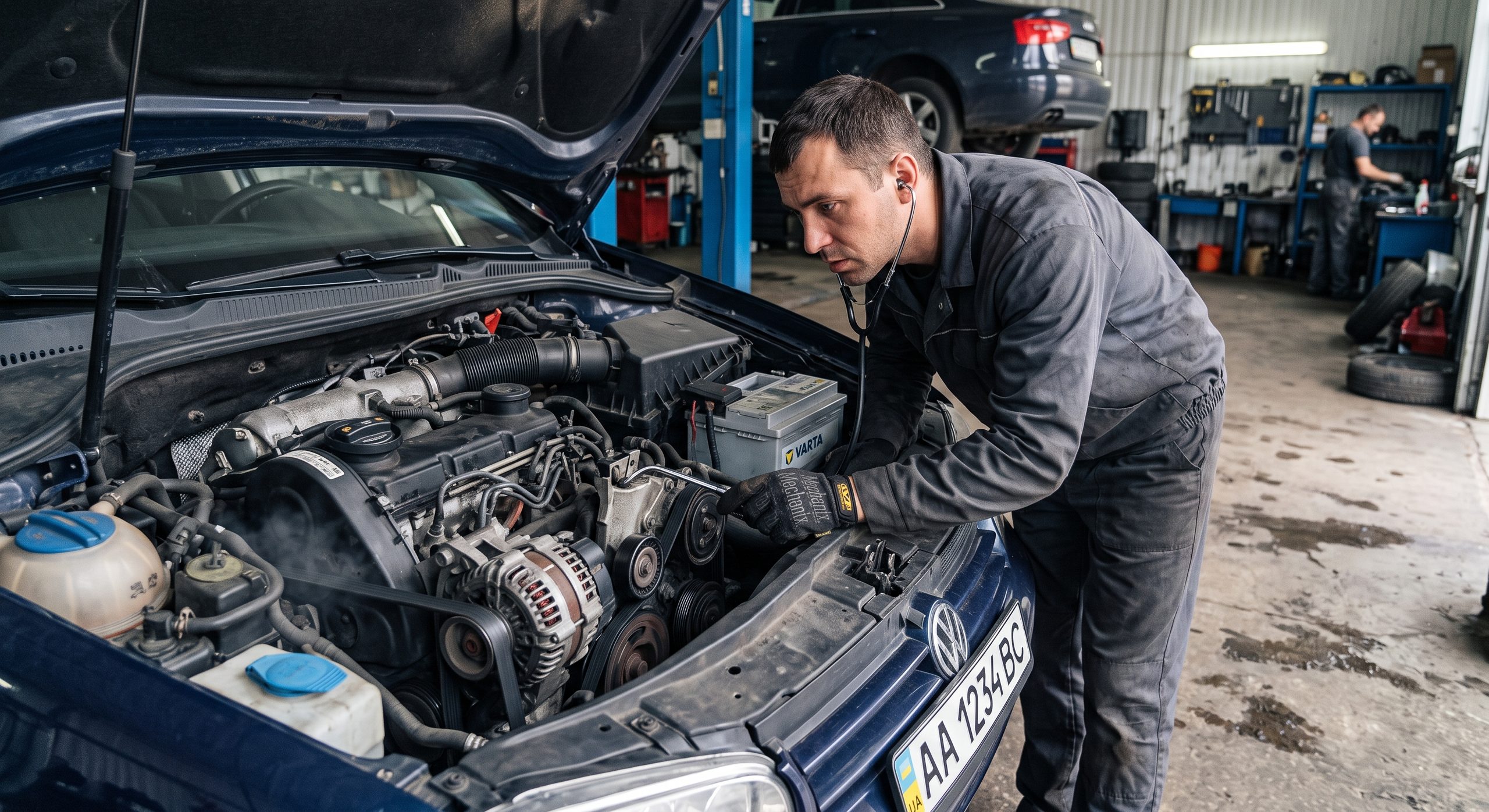
You may suspect a problem if the engine takes an unusually long time to warm up, the temperature gauge does not reach the usual level, or behaves abnormally while driving. In such a situation, it makes sense to check the actual temperature and the operation of the thermostat.
Ignition, brakes and tires: reasons that are easy to forget
Excess liters are not always related to the fuel equipment. On a gasoline engine, worn spark plugs or faulty coils can cause misfires. This makes the cylinders work less efficiently, andthe car consumes more fuel, even if the driver does not notice any obvious problems with starting.
The source of additional resistance can be outside the engine altogether. For example, a seized brake caliper forces the car to constantly overcome excessive resistance while driving. A similar situation is possible with bearing problems or other malfunctions that increase resistance to movement.
It’s also worth checking your tire pressure. When it’s lower than recommended, tire deformation and rolling resistance increase. The engine has to expend more energy to maintain the same speed.
So, sometimes the source of excess consumption should be sought not under the hood, but near the wheels and in the brake mechanism.
How to correctly record real consumption
One refueling does not provide enough information to draw conclusions. The result can be affected by incomplete filling of the tank, a different route or a short-term change in traffic conditions. The on-board computer indicator should also be used primarily for comparison, and not as an absolute value.
It is more reliable to record the mileage and amount of fuel filled over several refuelings, refueling to approximately the same level. Then the obtained values can be compared with previous periods.
During such a comparison, the following are taken into account:
- temperature and season;
- share of urban and suburban trips;
- average speed and number of traffic jams;
- use of air conditioning;
- loading the car;
- tire pressure.
If after thisgasoline consumption has increasedor the car has started to steadily consume more diesel fuel under similar operating conditions, it is worth looking specifically for the technical reason.
What sequence of checks to choose?
There is no need to start with expensive replacement of injectors or other components. It is logical to first rule out simple causes and then move on to systems that require diagnostics.
The optimal sequence might be as follows:
- Check tire pressure and inspect the wheels for signs of increased rolling resistance.
- Make sure that the brakes do not seize and that a single wheel does not overheat after a ride.
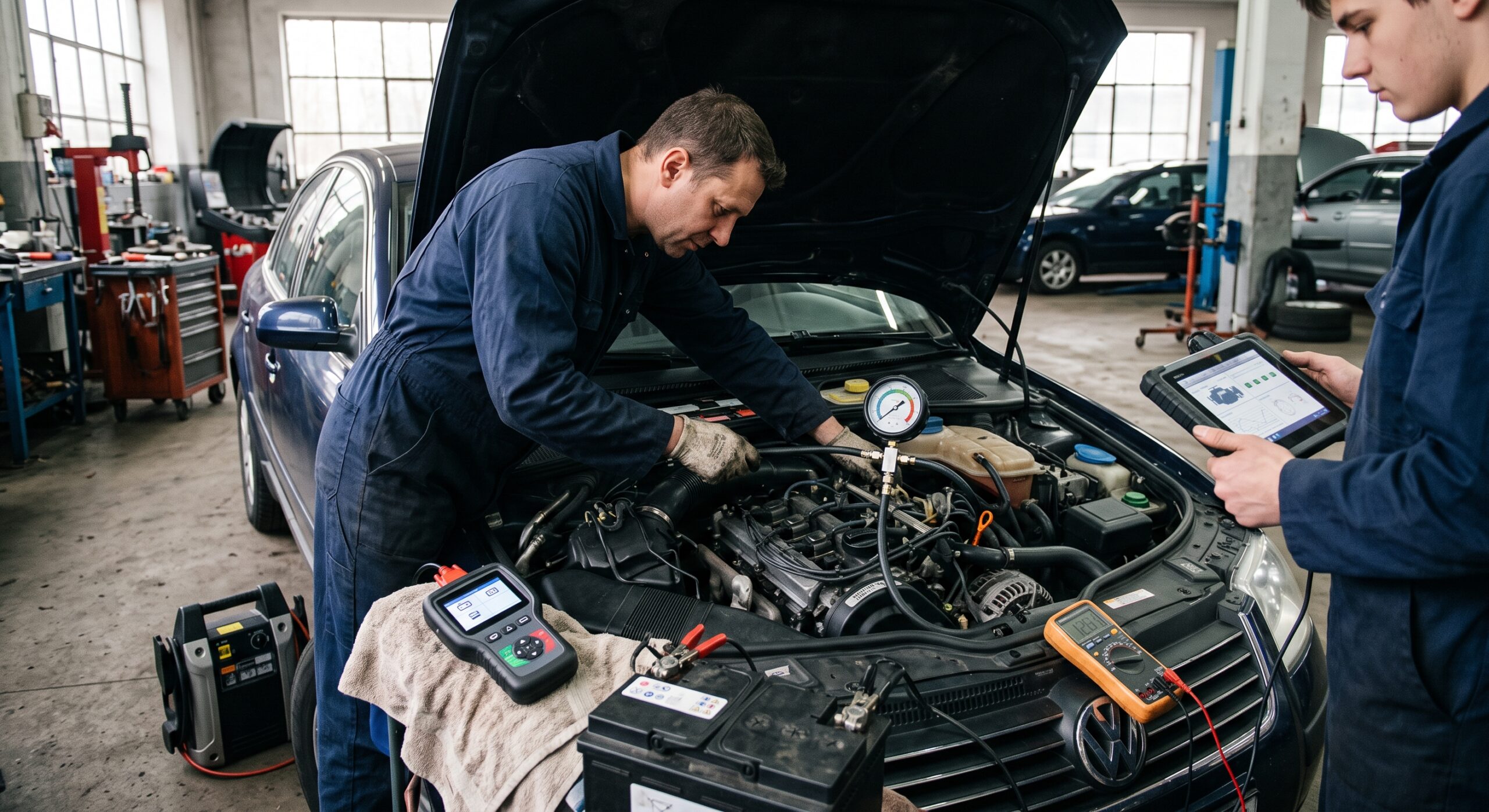
- Compare the actual engine temperature with the diagnostic data and check the thermostat operation.
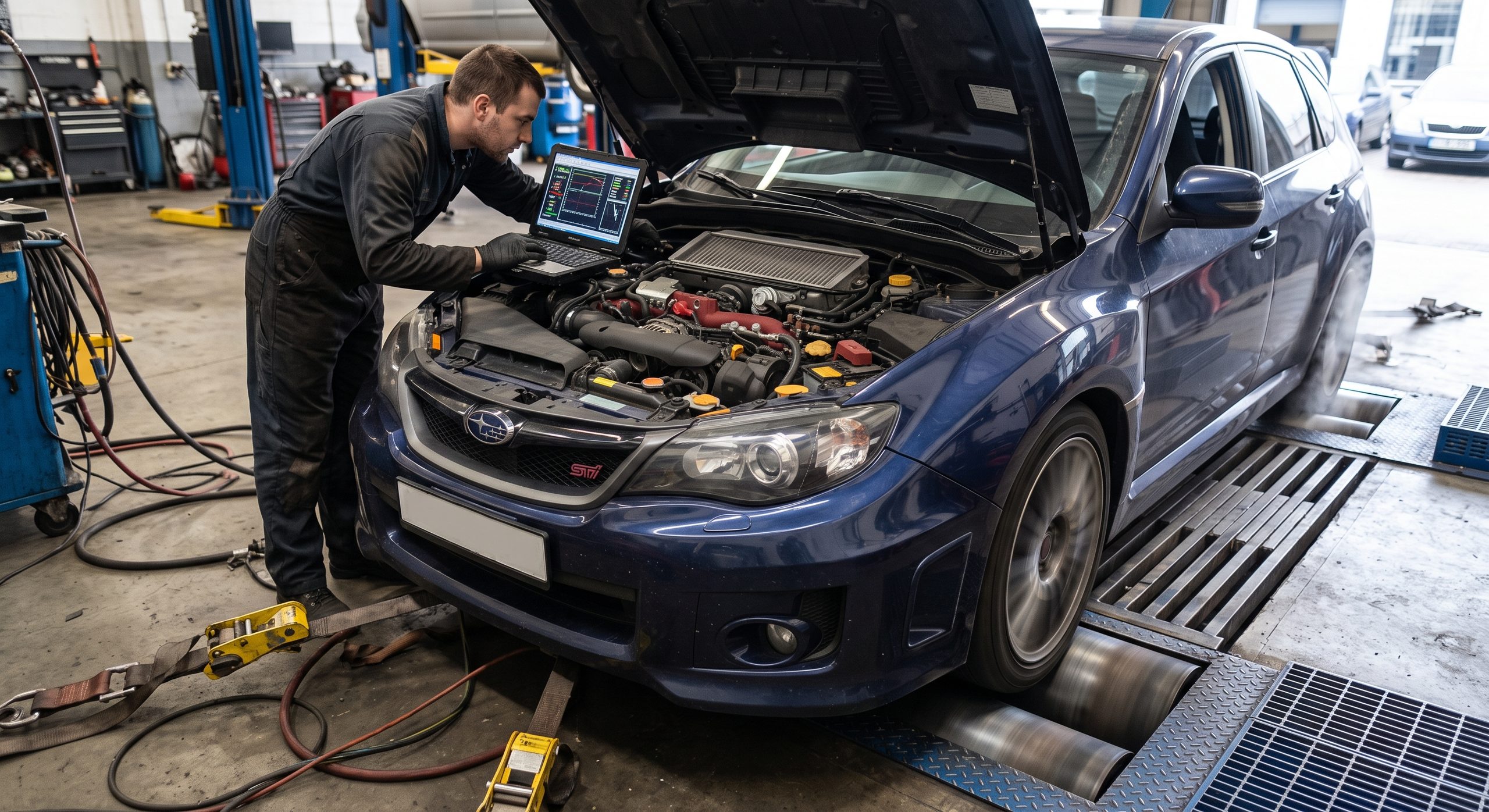
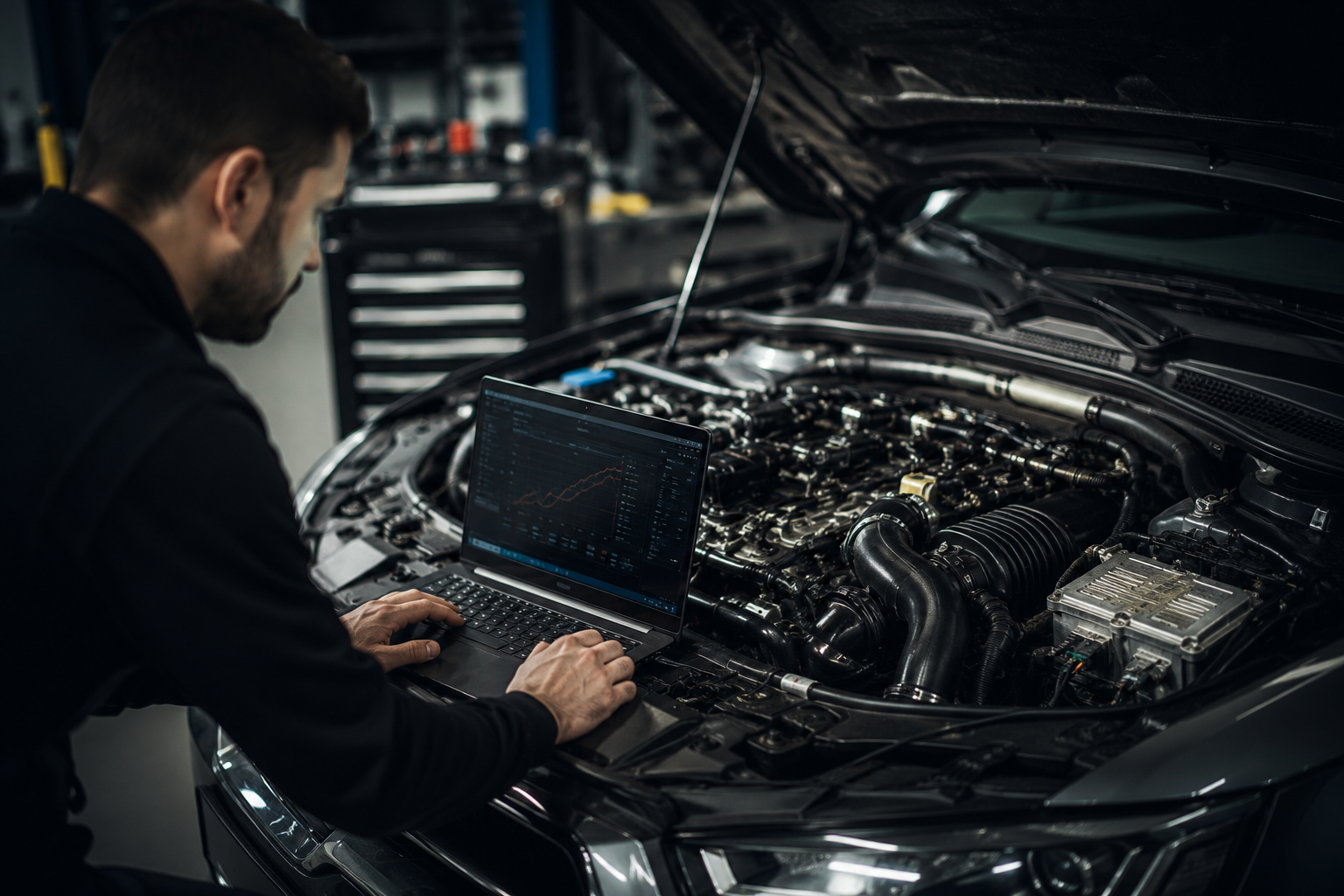
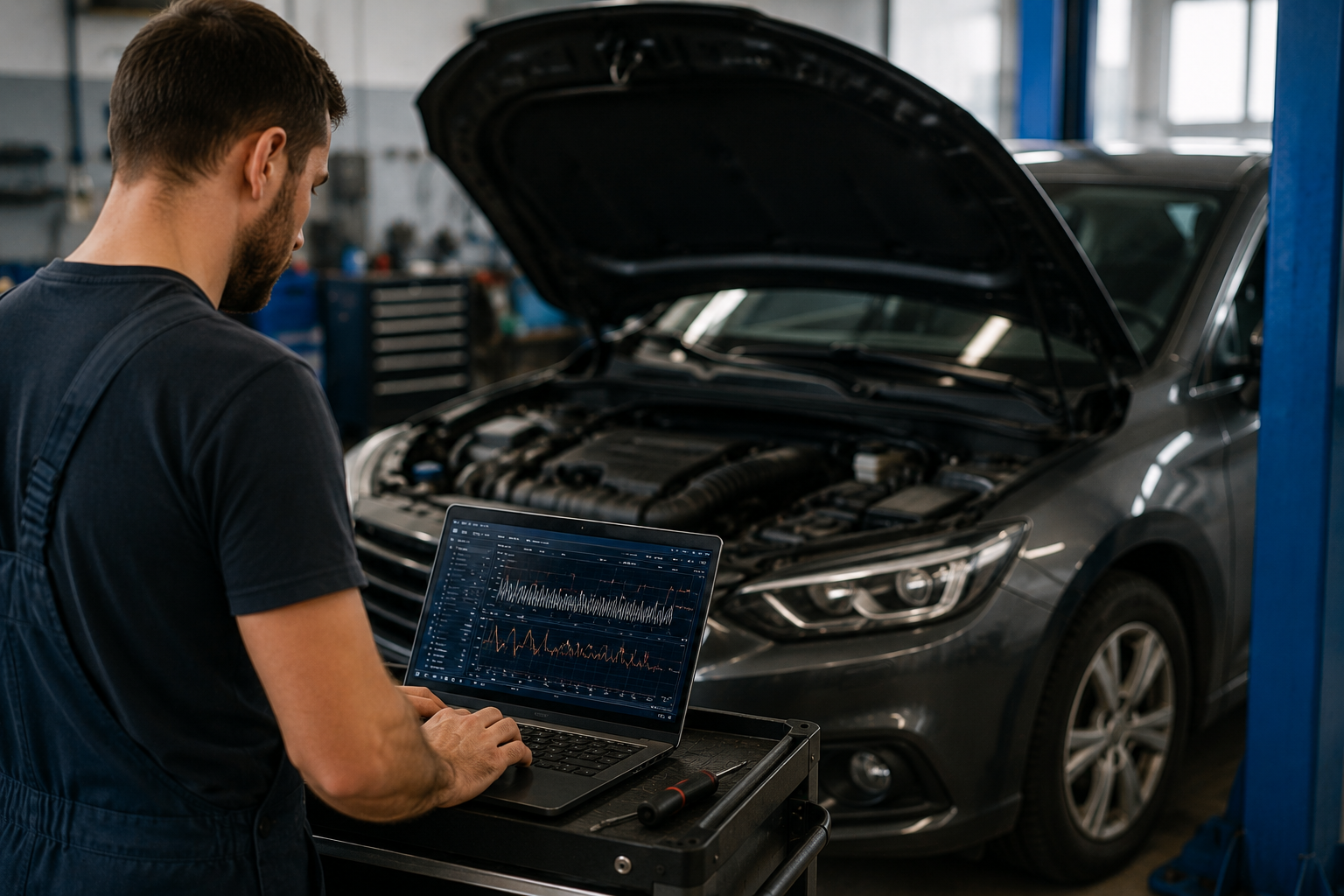
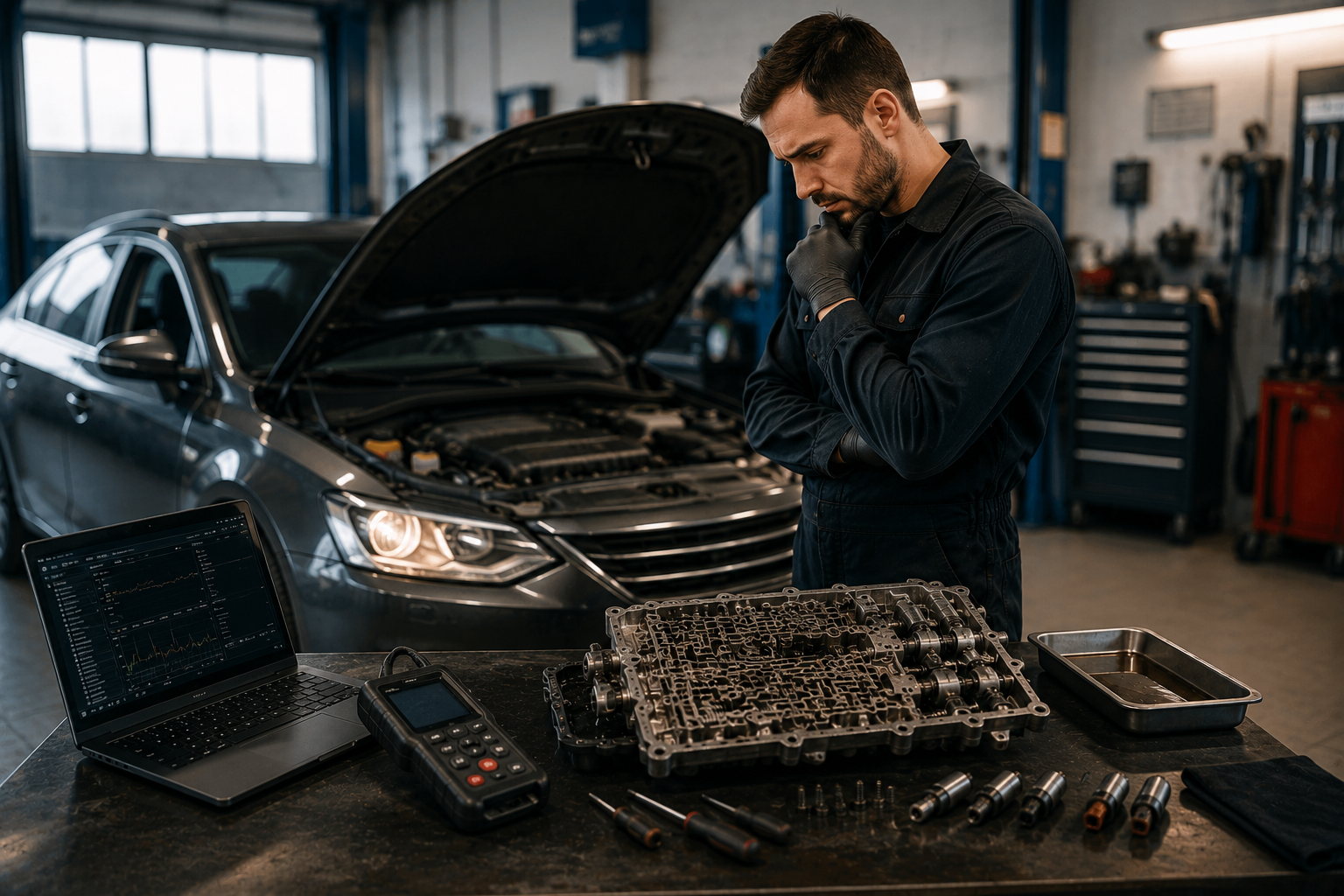
- Read the errors of the electronic unit, evaluate fuel corrections and sensor readings.
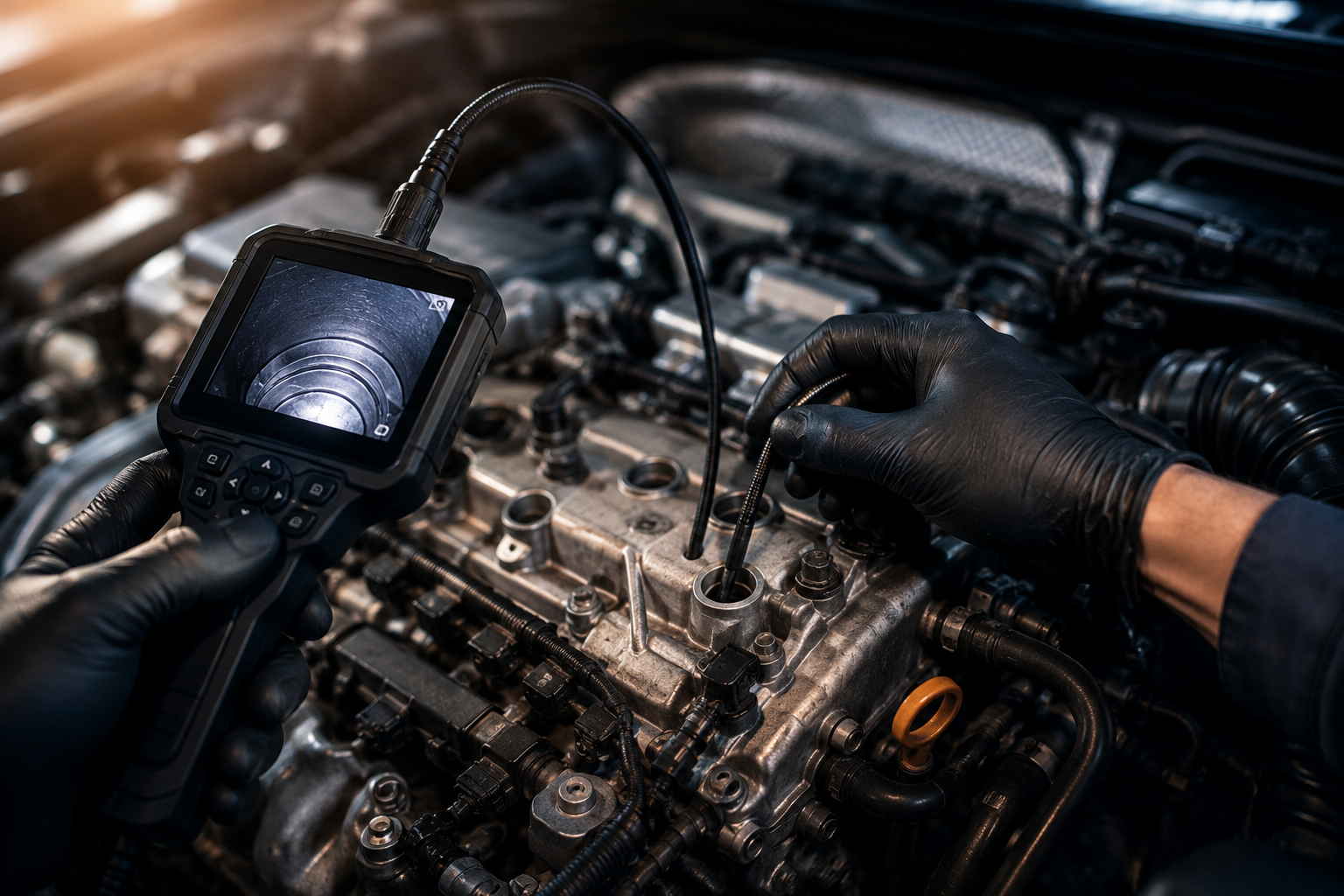
- If necessary, check the spark plugs, coils, injectors, fuel pressure, and mixture control system operation.
This sequence helps to separate seasonal or operational factors from actual deterioration in technical condition. Ifthe car started consuming more fuelwithout a noticeable change in driving conditions, it is better to establish the cause by a combination of parameters, rather than replacing parts at random.
Top popular news
- Buying a VAG after an accident: what problems may appear after a few months of operation
- What happens to a car when you put off minor repairs for years?
- Why does the engine run unevenly only in the first few minutes after starting?
- Audi A4 or Volkswagen Passat: which is more profitable to maintain after 150 thousand km
- Volkswagen Touareg with mileage: what expenses most often come as a surprise to the owner
- The car started stalling after refueling: an accident or a problem with the fuel system
- Why the engine may perform worse after short city trips
- Winter diesel: what happens to the fuel system during severe frost

Subscribe to our newsletter!
To stay updated with the latest news

Book a service