Mon - Sat | 09:00 - 19:00


Find

Contact us

Odesa
Hrushevskoho str., 41
 Мережа СТО в місті
Місто
 +38 (096) 299 29 97
Odesa
Hrushevskoho str., 41
 Мережа СТО в місті
Місто
+38 (096) 299 29 97

 Години роботи
 Mon - Sat
09:00 - 19:00
Why does the engine run unevenly only in the first few minutes after starting?
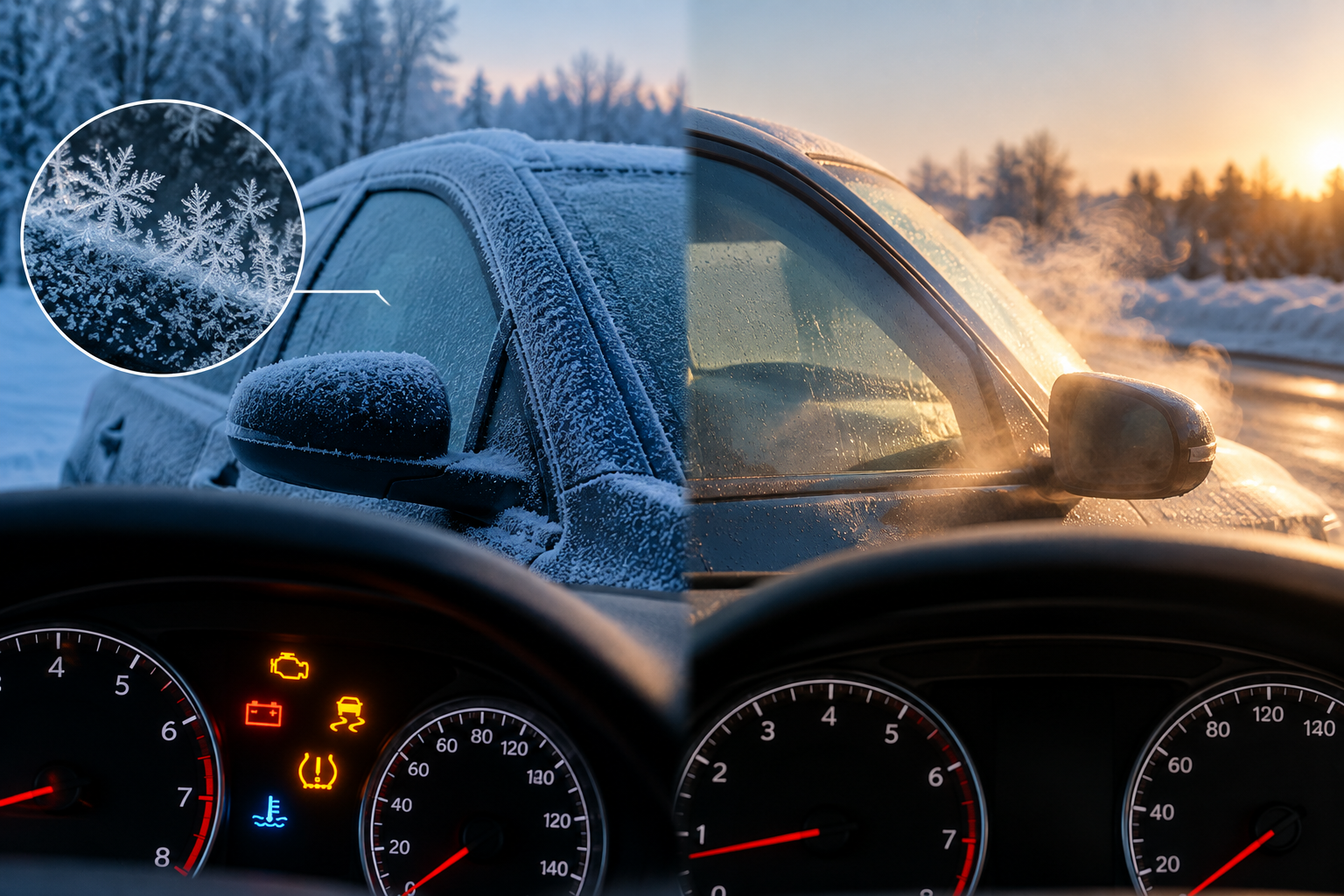
If the engine runs rough after starting, and after a few minutes its operation becomes smooth, this does not necessarily mean a serious malfunction. On a cold engine, combustion conditions are different from the mode of a warmed-up power plant: the preparation of the fuel mixture, the operation of the ignition system and the control algorithms change. IIf this happens again after every cold start, the cause should be checked.Warming up can only hide the manifestation, not eliminate its cause.
What changes during a cold start
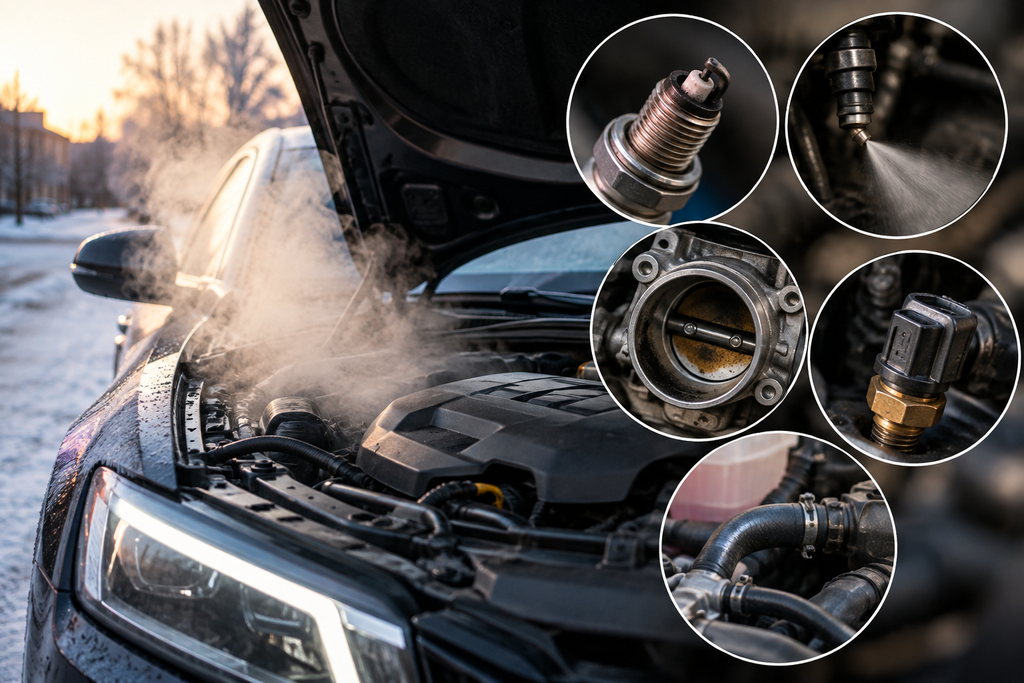
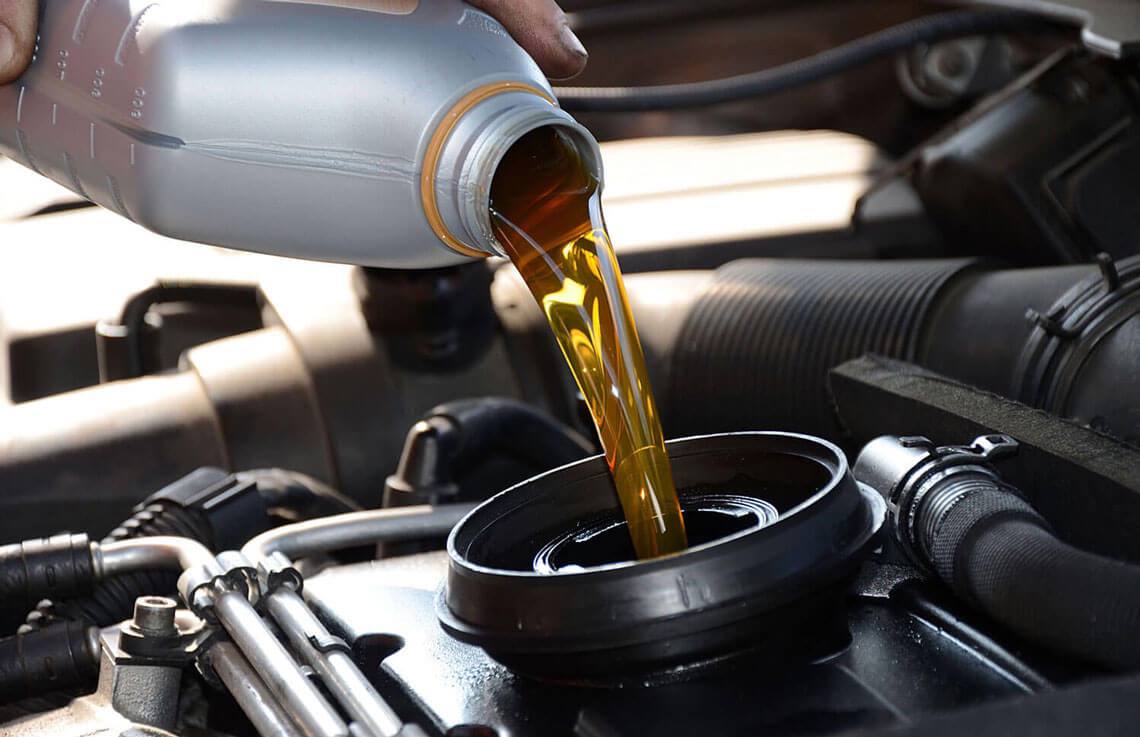
After a long period of standstill, the temperature of the engine parts is close to the ambient temperature. The oil has a higher viscosity, the fuel evaporates differently, and the electronic control unit uses special corrections for starting and the first minutes of operation. At this point, even a small deviation of an individual component can have a greater impact on the smoothness of the ride.
A brief increase in engine speed immediately after starting may be a normal part of the warm-up process. However, excessive vibration, misfire, rough idle or jerking that occurs after each cold stop should be investigated.
Ignition and fuel mixture: why a cold engine is more sensitive
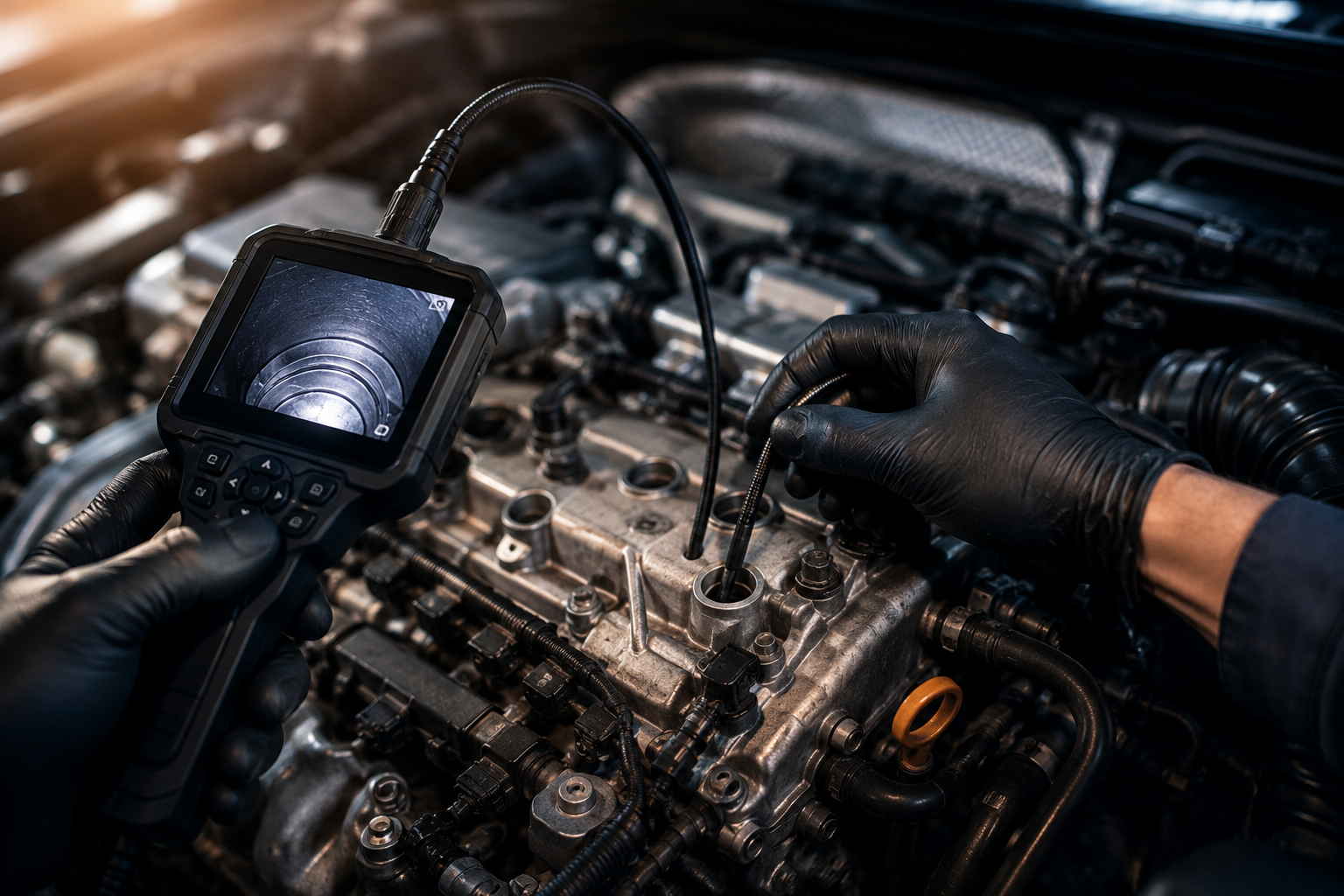
On a gasoline engine, the stability of the first few minutes largely depends on how evenly the fuel mixture is formed and ignited. A worn spark plug or coil may not work stably until it warms up. When the temperature rises, the manifestation sometimes becomes less noticeable, although the defect itself remains.
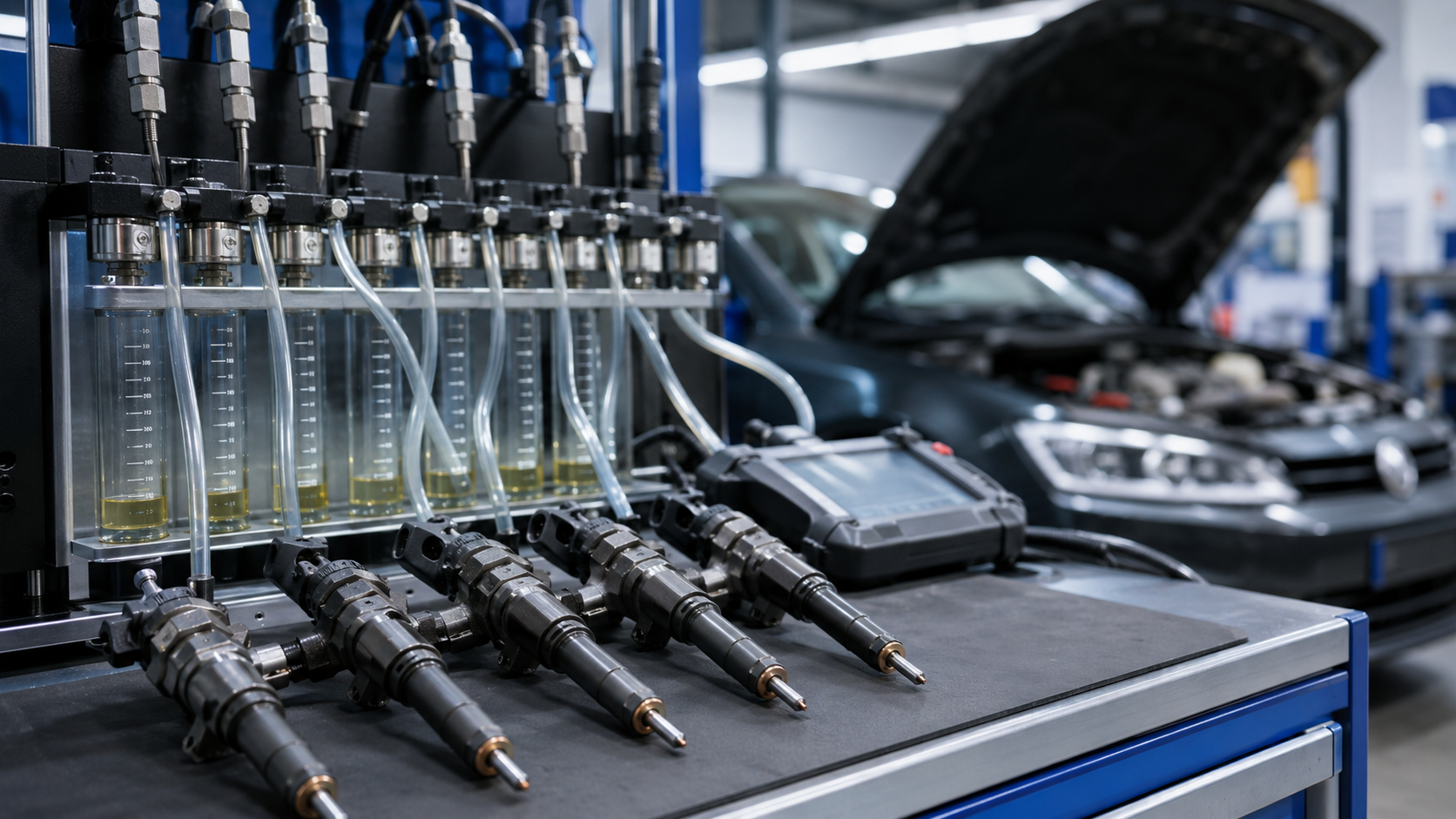
A similar scenario is possible when the fuel supply is disrupted. An injector with uneven spraying changes the composition of the mixture and can cause misfires. If the engine trigs when cold, and after warming up it works almost without any complaints, it is worth assessing the condition of the spark plugs, coils and injectors, as well as the data on misfires stored by the control unit.
Not all instability is related to ignition. The cause may be an error in determining the temperature or amount of air, due to which the electronics initially form the mixture not as required for specific conditions.
Temperature and air sensors affect mixture calculation
During a cold start, the control unit relies heavily on the coolant temperature sensor, as well as air and engine load data, to calculate fuel delivery, ignition timing, and other operating parameters.
If the temperature sensor reports a value that does not correspond to the actual coolant temperature, the calculation may be inaccurate at the moment of start-up. After warming up, the difference between the set and actual conditions decreases, so the manifestation weakens. Similarly, incorrect air data can change the composition of the mixture, which is why the engine operates unstable after start-up.
Air leakage, throttle and injectors
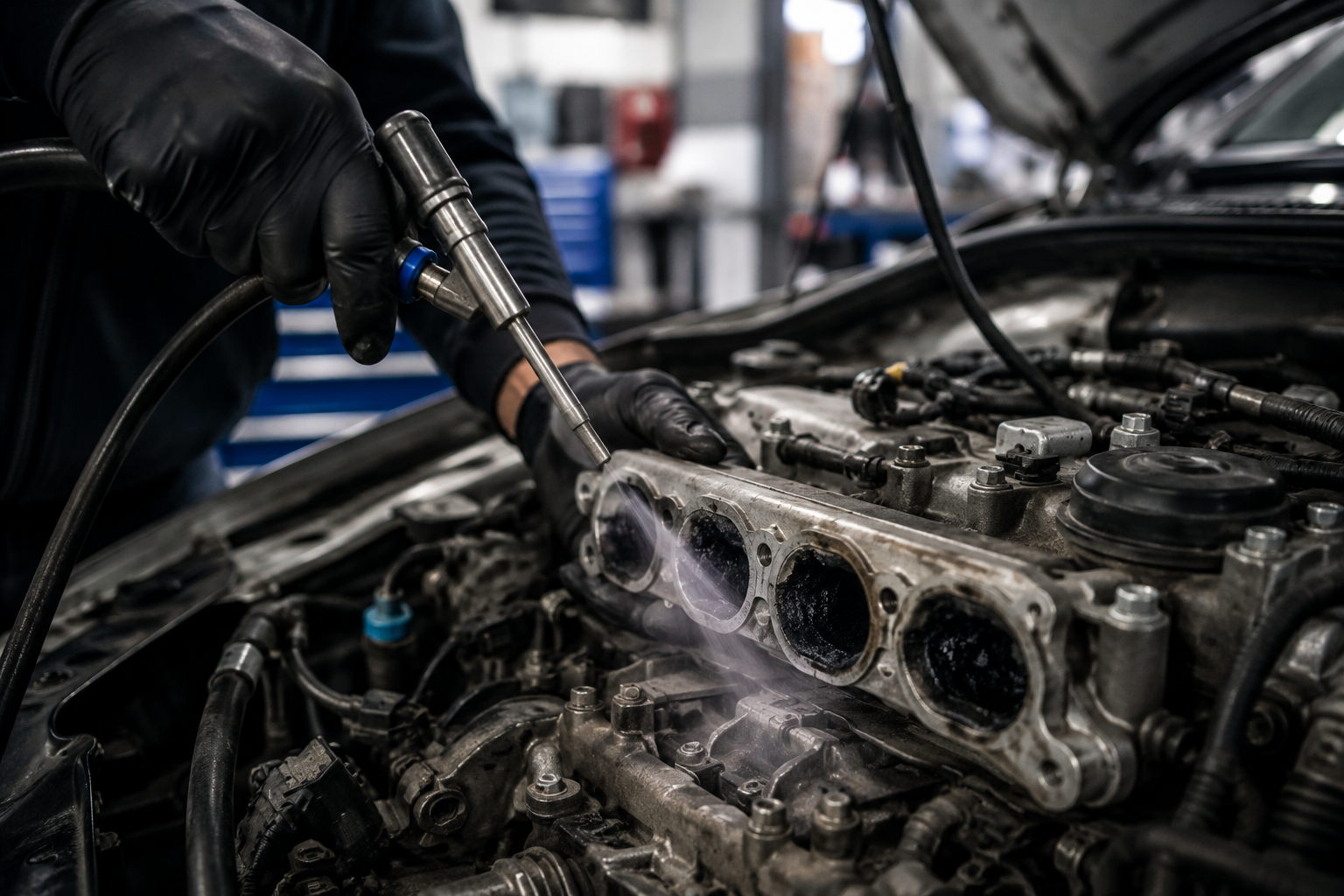
A separate group of causes is related to air leakage in the intake tract. A leaking pipe, gasket, or vacuum line changes the actual air volume, while the control system initially calculates a different mixture composition.
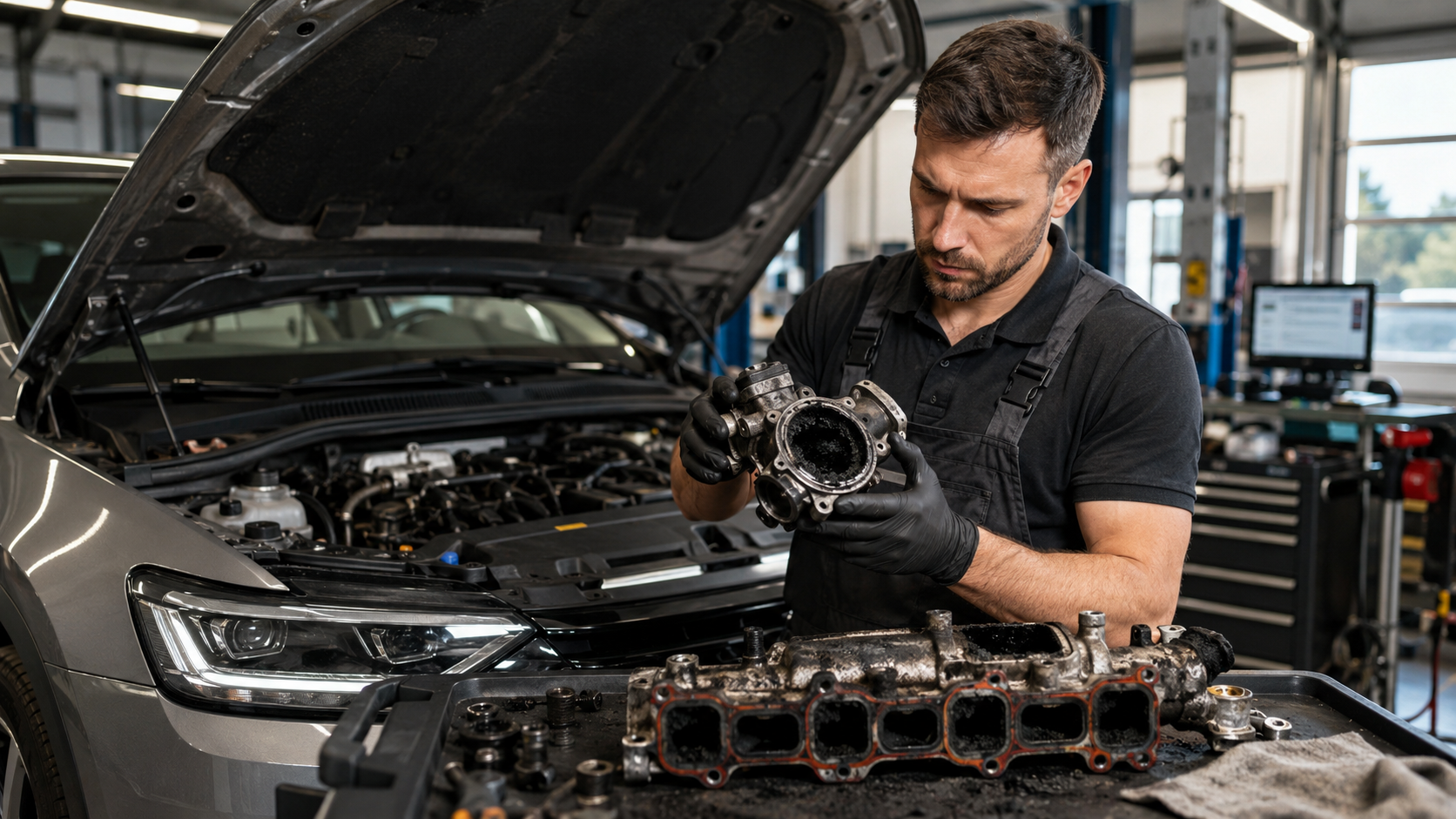
This can cause unstable idling or a situation where the car jerks when cold, and after a few minutes the behavior becomes smoother. The throttle valve also needs to be checked: contamination or malfunctions can make it difficult to stabilize the speed. The injectors should also not be turned off, and not only electrical signals are important, but also the actual uniformity of fuel supply.
Why does the engine level out after warming up, but the problem remains?
If the engine levels out after warming up, this only suggests that the manifestation depends on the temperature regime. Heating changes the properties of the lubricant, the conditions for fuel evaporation, the operation of individual sensors and corrections of the electronic unit.
Therefore, smooth operation after five minutes does not prove that all components are in good condition. A weak coil can give leaks mainly when cold, an intake leak can be more pronounced at a certain temperature, and a faulty sensor can transmit incorrect data until the system switches to another mode. If instability always occurs in the first minutes after a night’s parking, the time of the symptom’s appearance itself helps to narrow down the search.
What to check on a cold engine
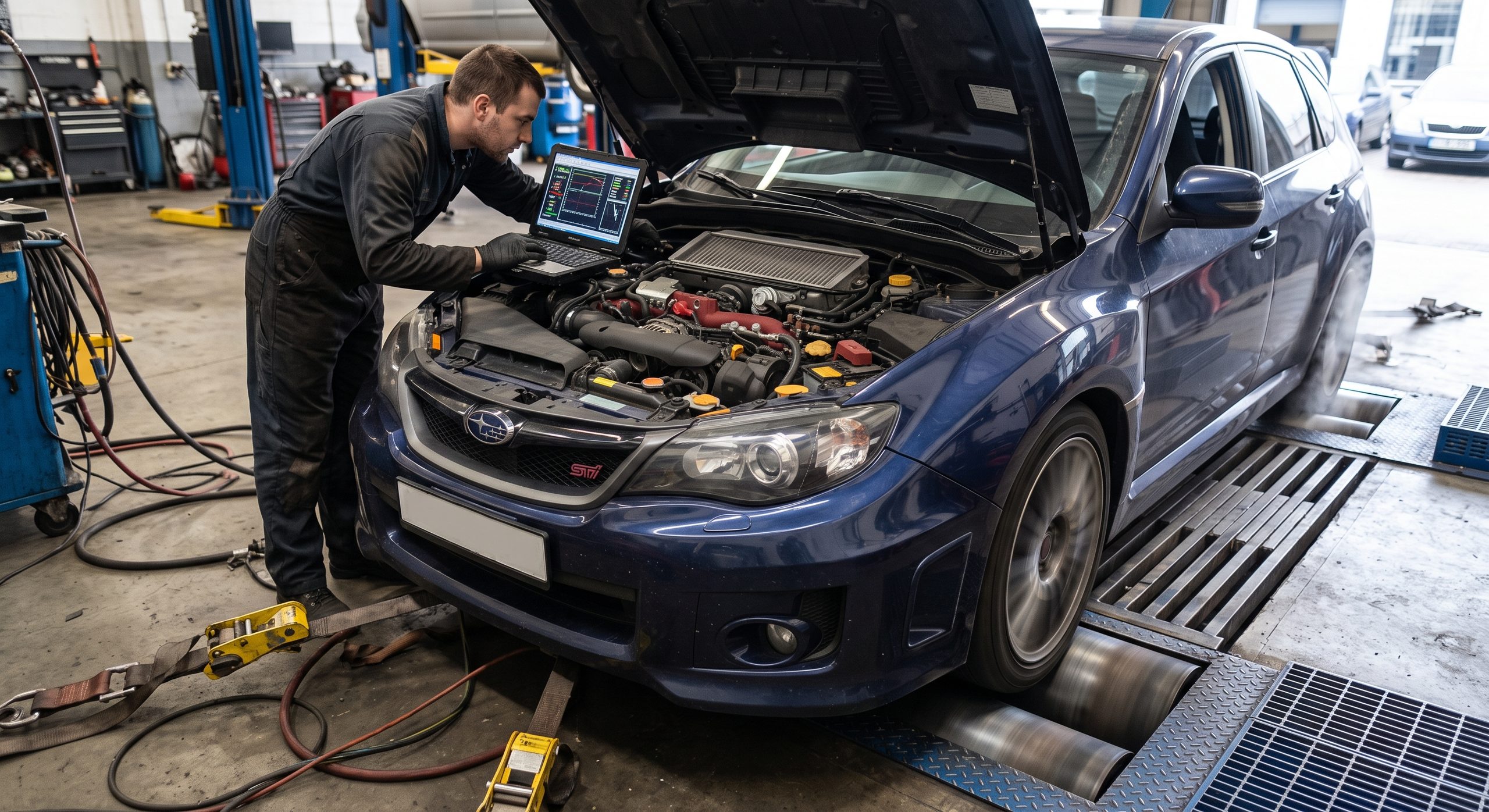
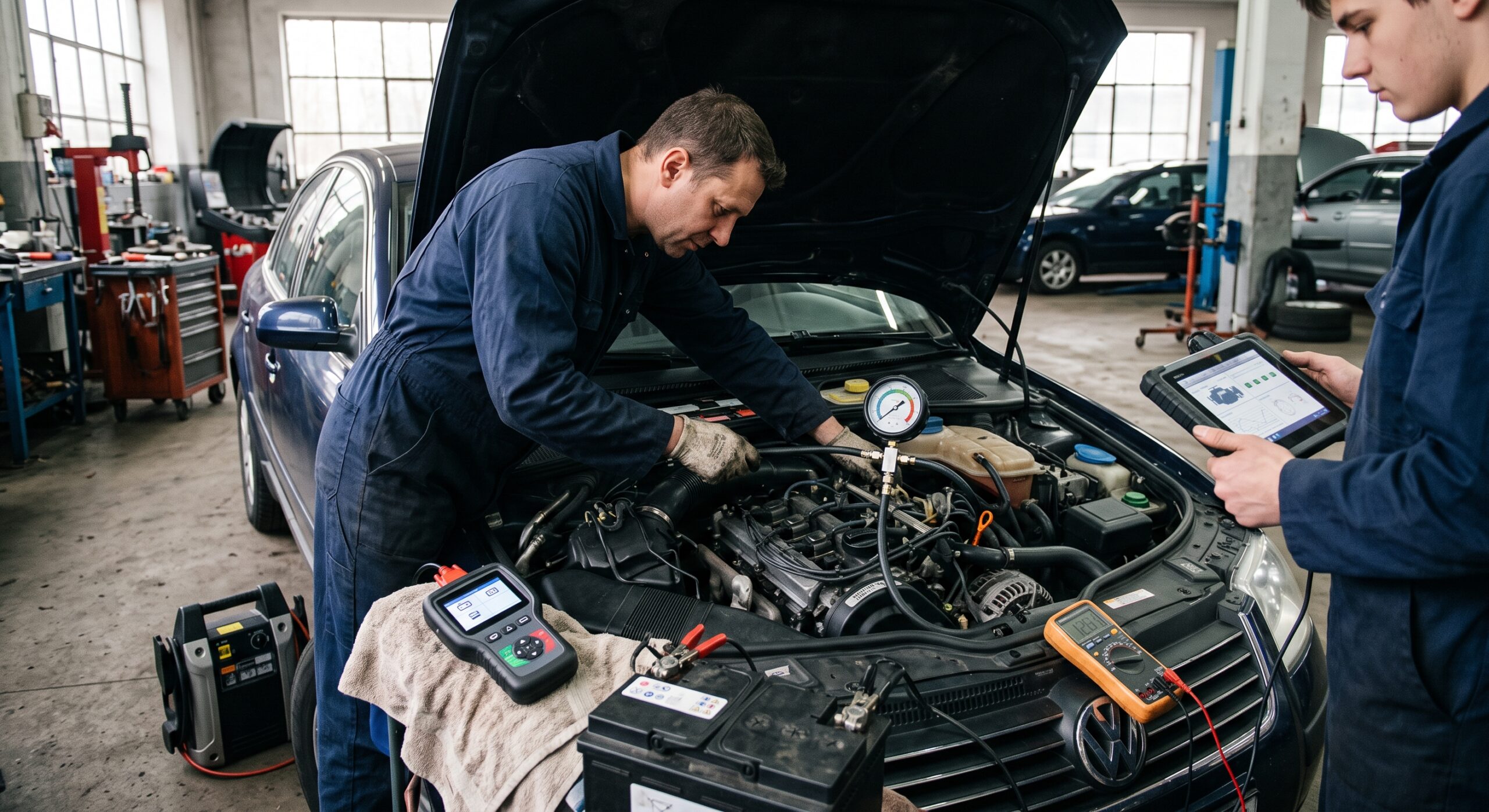
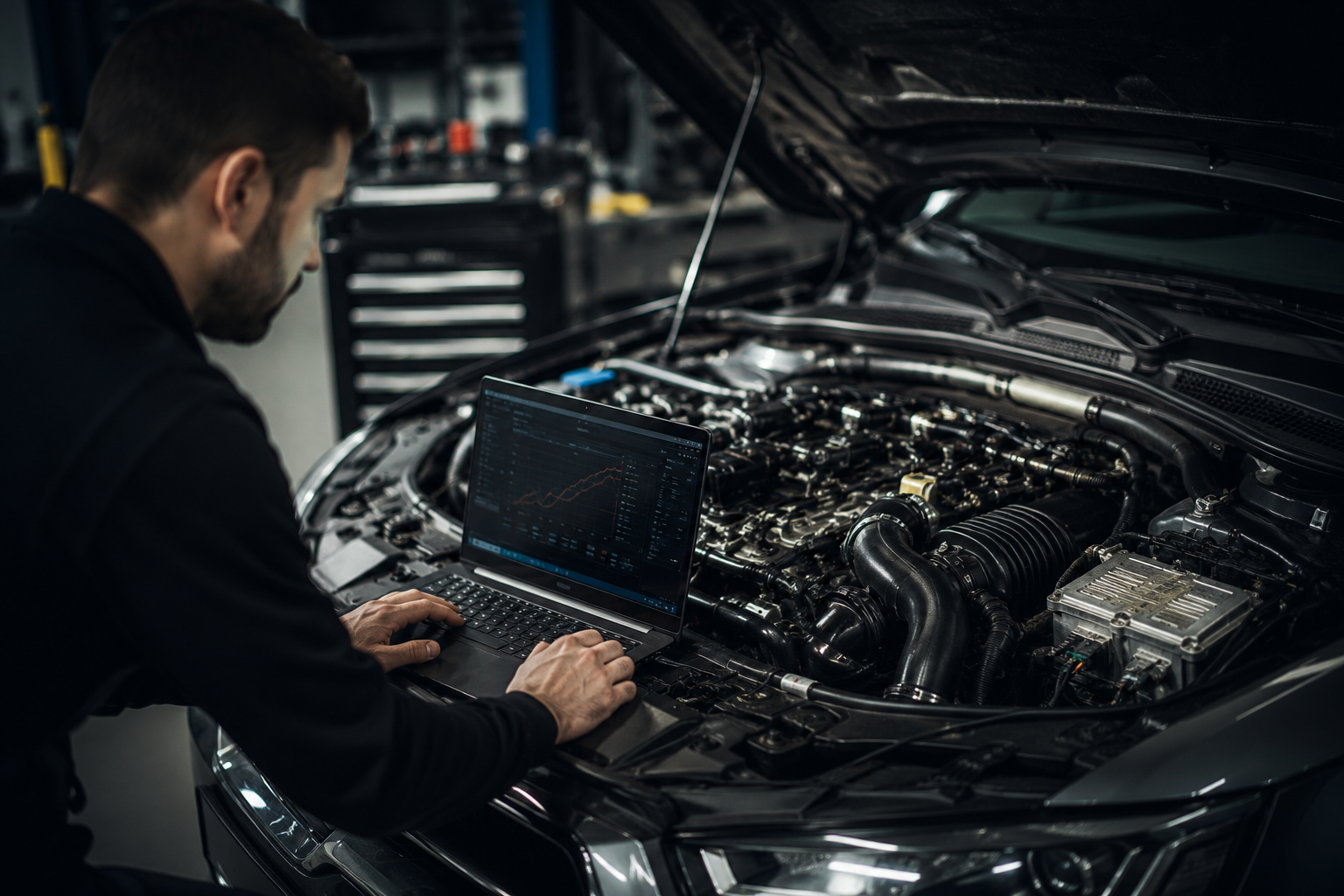
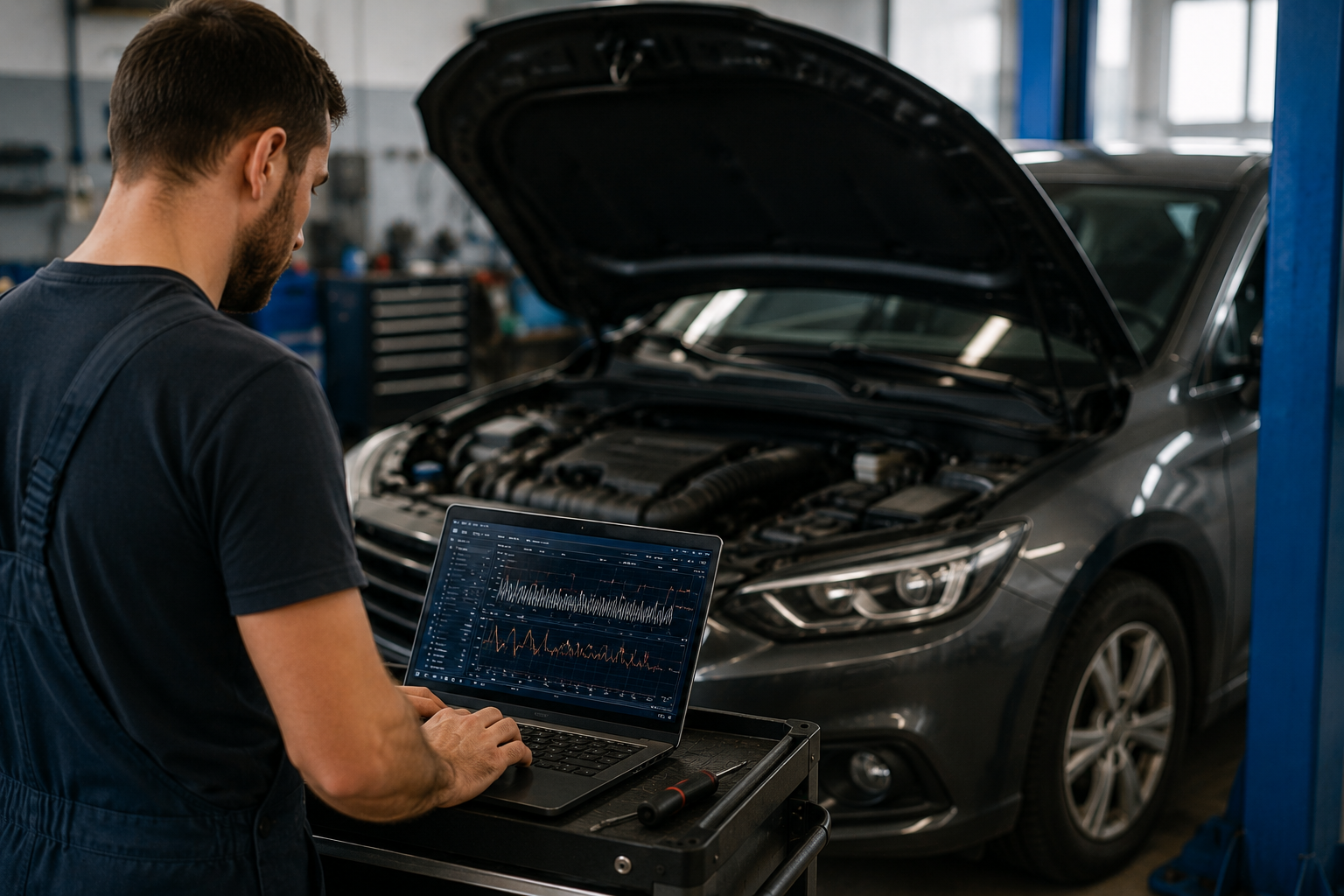
It is advisable to carry out diagnostics before warming up, that is, precisely in the conditions under which the problem occurs. After the trip, some of the deviations may no longer appear.
First of all, it is worth assessing:
- coolant temperature before starting and sensor reading;
- the number and nature of cylinder misfires;
- fuel corrections during cold operation and after warming up;
- condition of spark plugs, coils and injectors;
- tightness of the intake tract and vacuum lines;
- operation of the throttle assembly;
- changes in speed, vibration and engine response in the first minutes.
Comparing the parameters of a cold and warm engine often gives more information than checking only after a trip. If a symptom regularly disappears with an increase in temperature, this is not a reason to ignore it: this dependence may be the key to finding a malfunction.
Top popular news
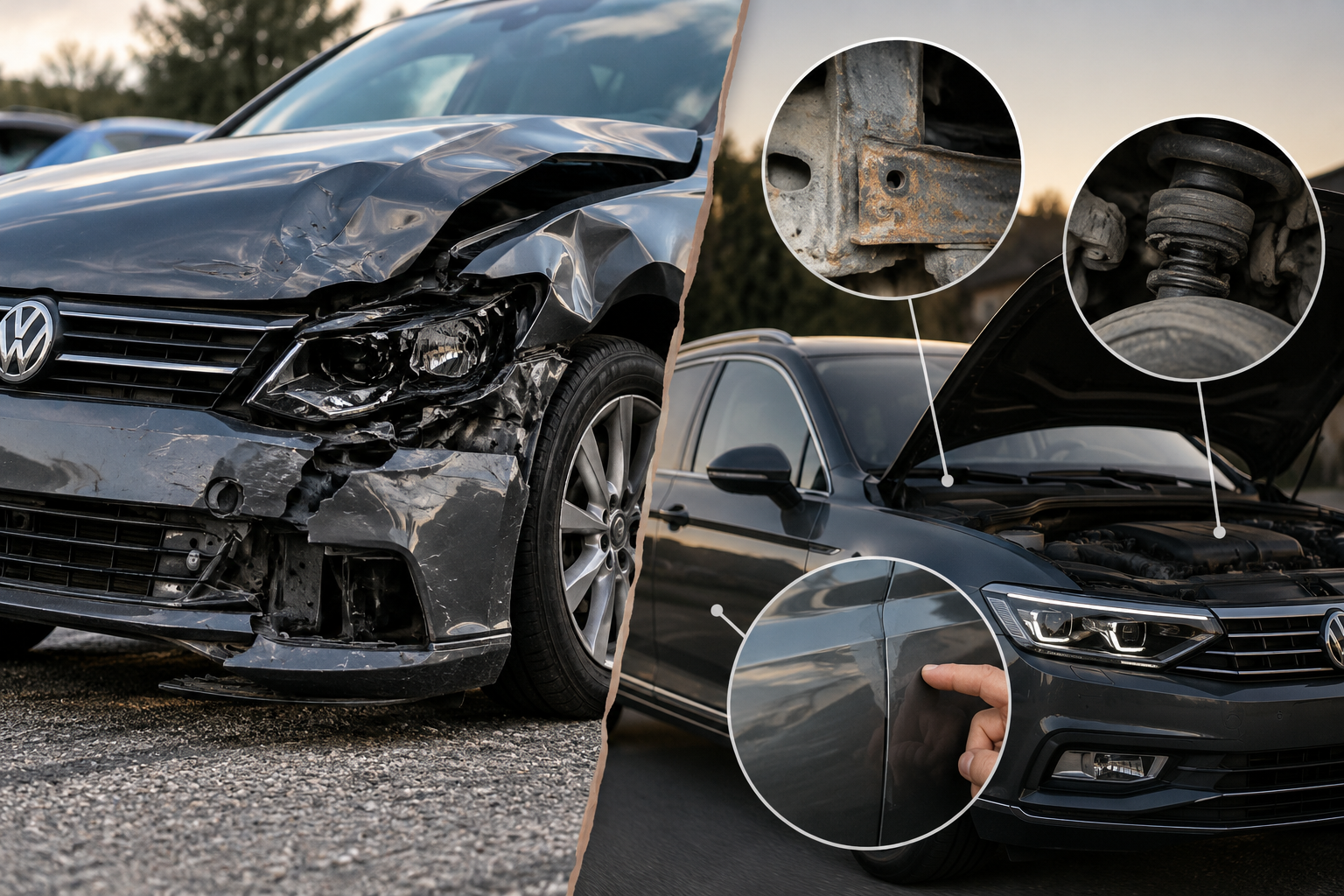
- Buying a VAG after an accident: what problems may appear after a few months of operation
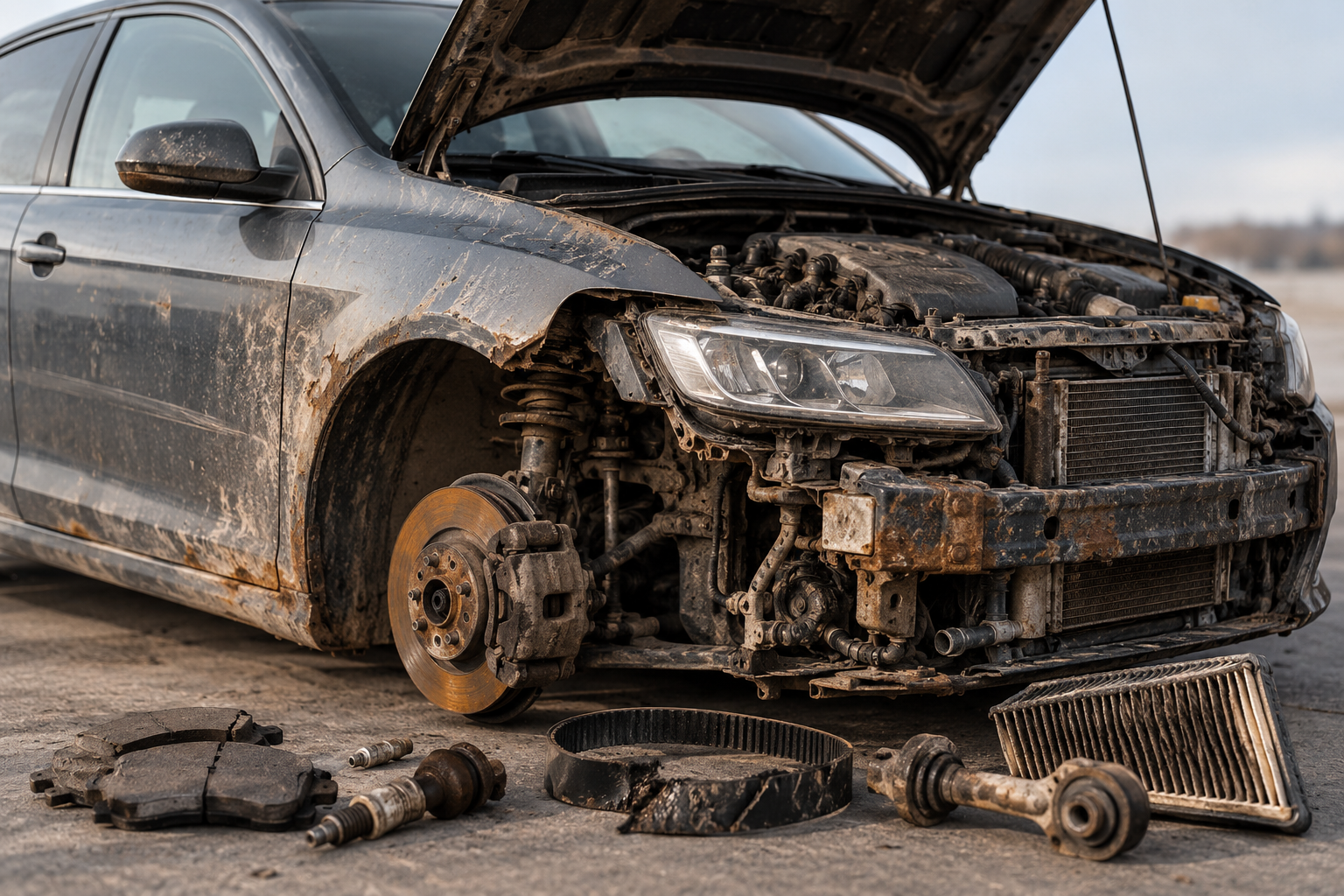
- What happens to a car when you put off minor repairs for years?
- Fuel consumption has increased for no apparent reason: what malfunctions can be hidden behind the extra liters
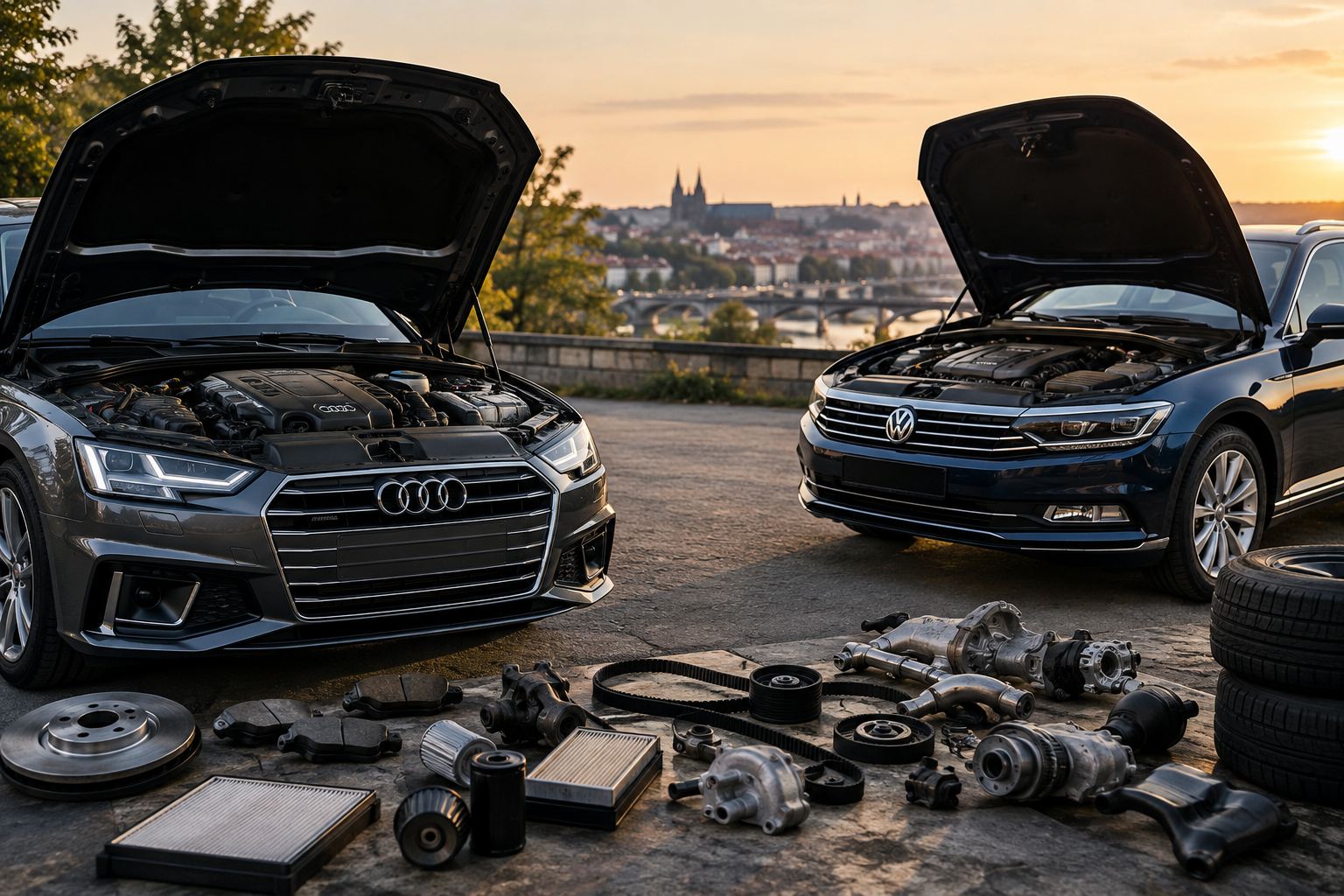
- Audi A4 or Volkswagen Passat: which is more profitable to maintain after 150 thousand km
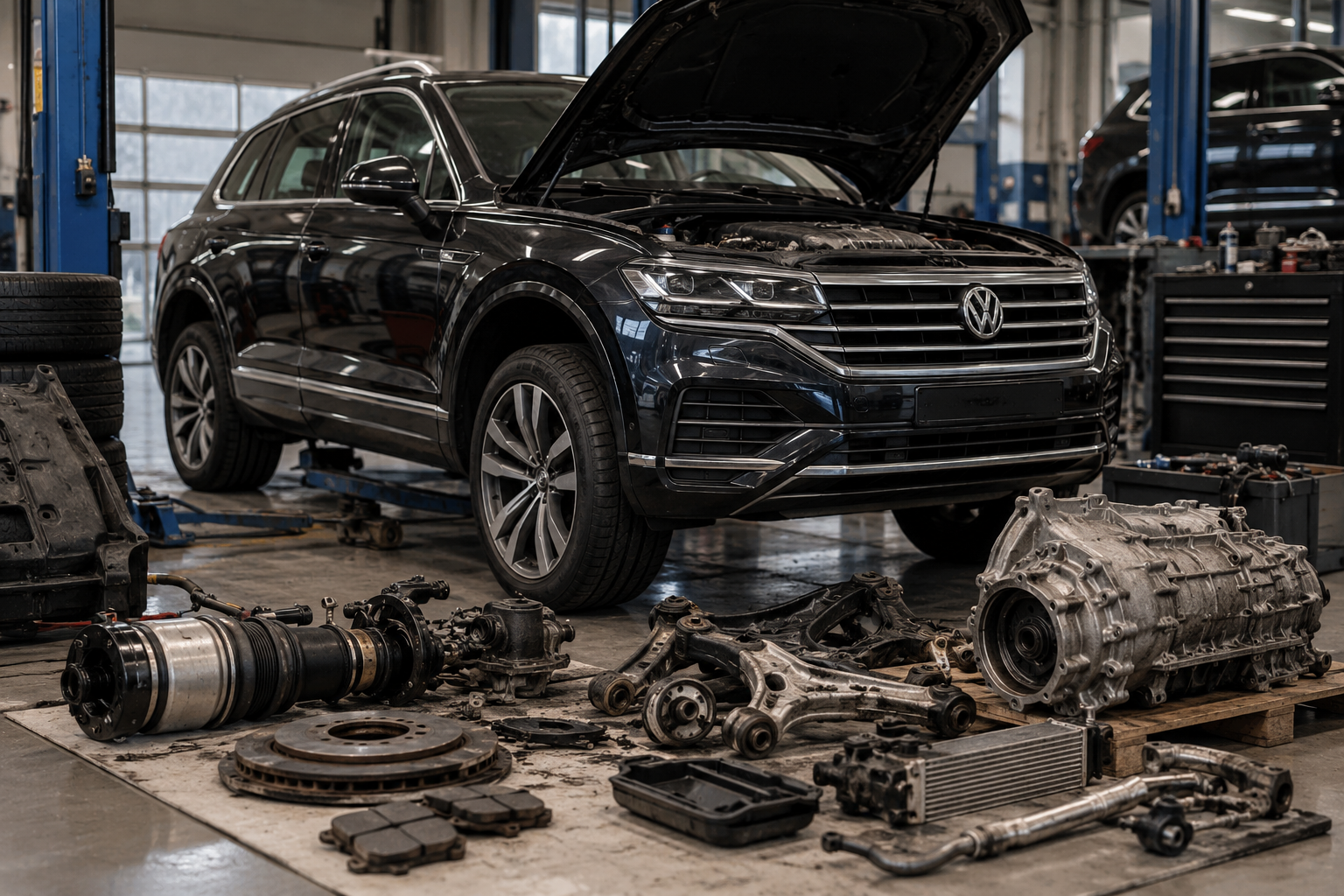
- Volkswagen Touareg with mileage: what expenses most often come as a surprise to the owner
- The car started stalling after refueling: an accident or a problem with the fuel system
- Why the engine may perform worse after short city trips
- Winter diesel: what happens to the fuel system during severe frost

Subscribe to our newsletter!
To stay updated with the latest news

Book a service