Mon - Sat | 09:00 - 19:00


Find

Contact us

Odesa
Hrushevskoho str., 41
 Мережа СТО в місті
Місто
 +38 (096) 299 29 97
Odesa
Hrushevskoho str., 41
 Мережа СТО в місті
Місто
+38 (096) 299 29 97

 Години роботи
 Mon - Sat
09:00 - 19:00
What happens to a car when you put off minor repairs for years?
A small knock, a slight leak, or an intermittent error on the dashboard often seem like problems that can be fixed later. However, a faulty component rarely works in isolation. It can change the load on neighboring components, accelerate their wear, or create conditions for new defects to appear. This is how consequences of delayed car repairs: the initial malfunction remains relatively minor, and the list of required work expands.
Why one malfunction can lead to others
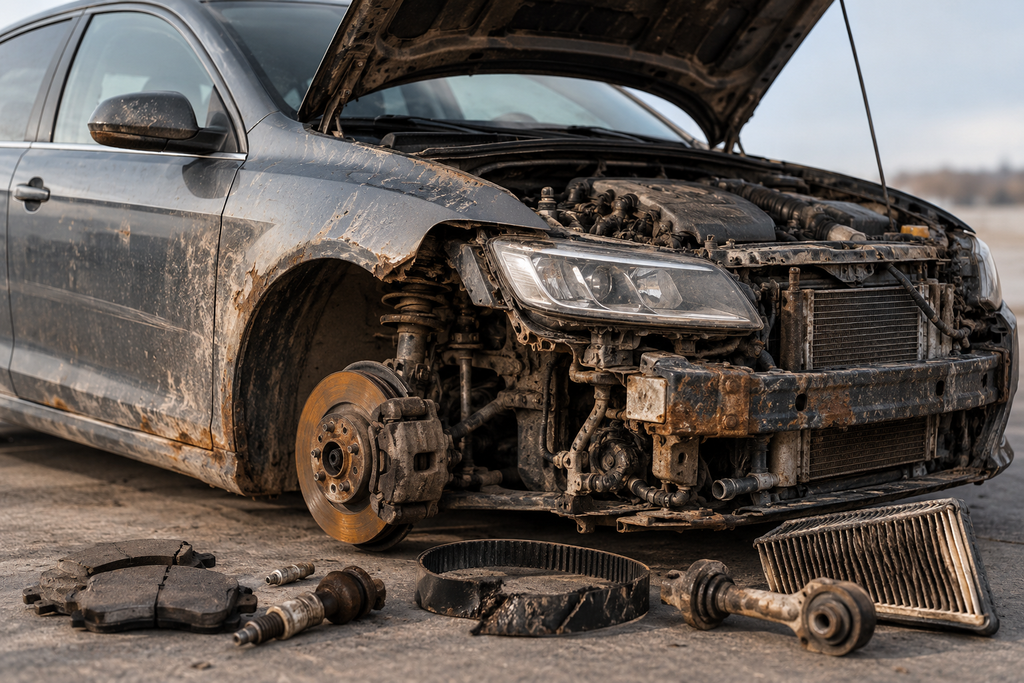
A car’s mechanical and electrical systems are made up of interconnected components. If one element loses its properties, part of the load can be transferred to other parts.
For example, a worn silent block no longer holds the desired lever position so well. This changes the nature of the suspension operation, and the load on other connections may increase. A similar principle applies to other systems: a coolant leak reduces the reserve for normal heat dissipation, and damaged wiring insulation creates conditions for oxidation of contacts.
Therefore, the answer to the question of what will happen if the car is not repaired depends on the specific defect, the speed of its development, and the components that are under additional load.
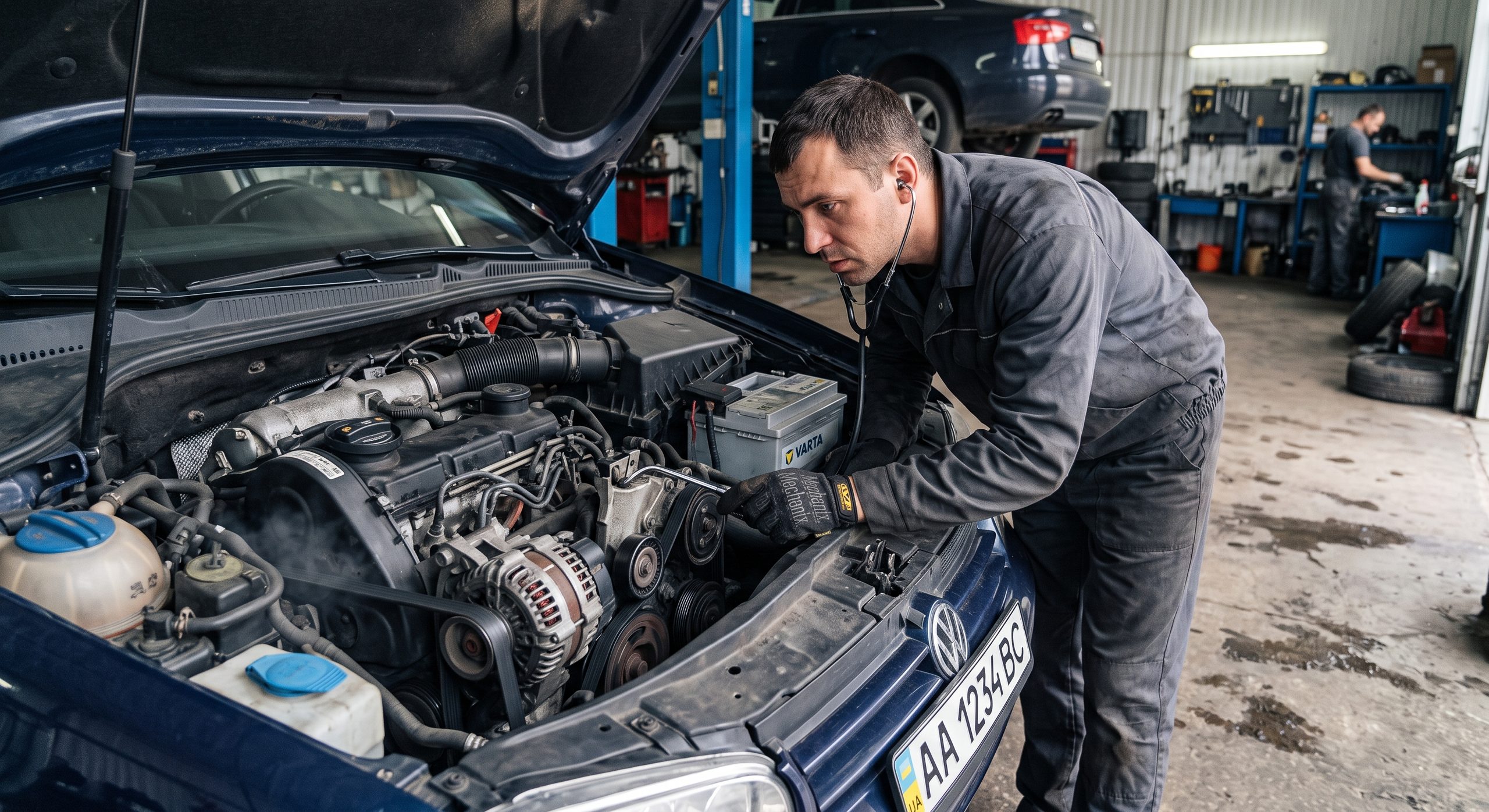
Suspension and steering: wear rarely stops at one part
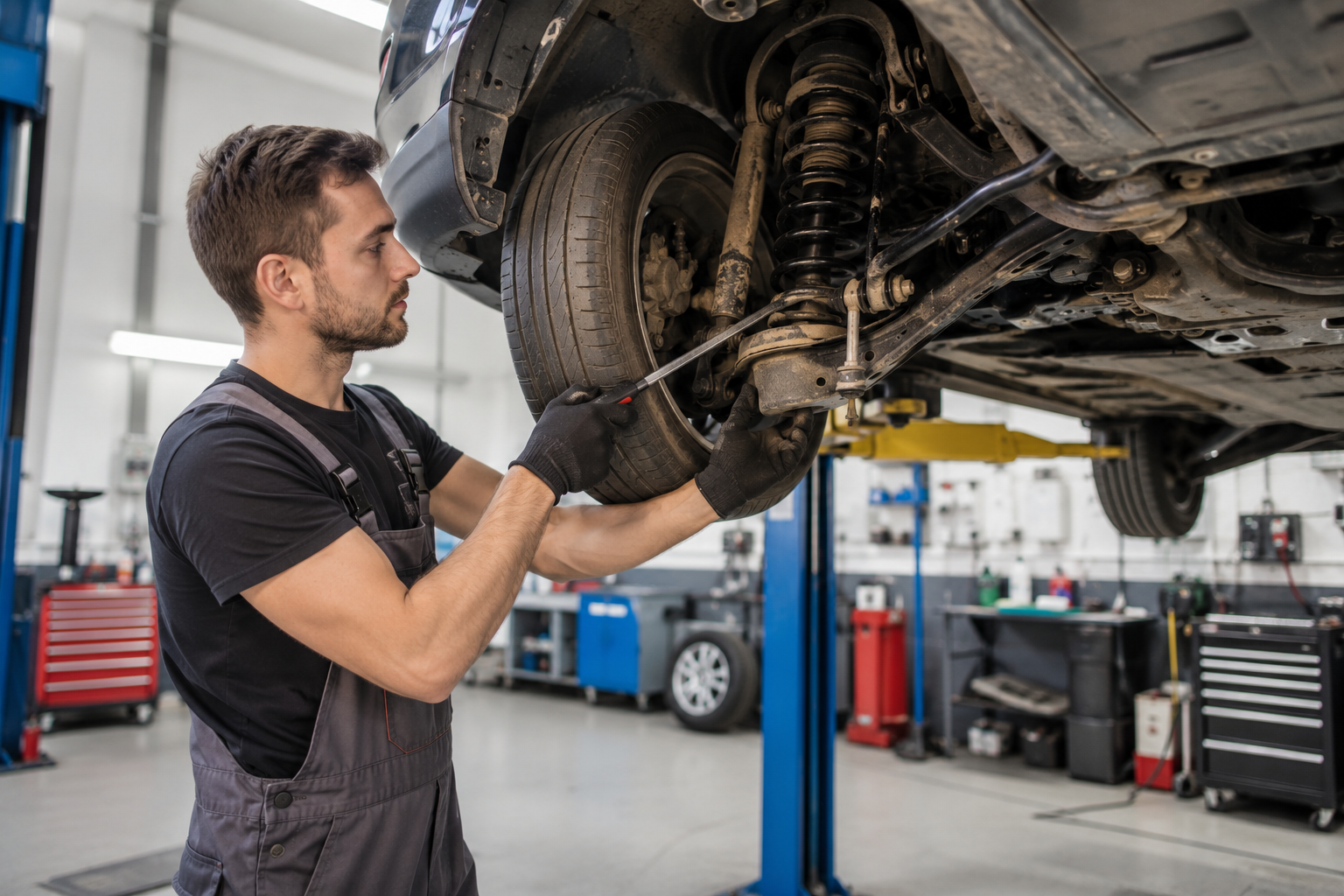
Many components work together in a suspension. If a hinge, bushing, or silent block is no longer performing its function properly, neighboring components may experience increased stress that is not normally present in a healthy system.
At first, the driver may only notice a knock on bumps or a change in the car’s behavior. If you continue to operate without checking, other joints, tires or steering parts may wear out faster. However, the same sound does not always mean the same cause, so the source of the noise must be established by diagnostics.
You should especially not postpone the inspection if, along with the noise, the following symptoms appear:
- backlash in steering;
- uneven tire wear;
- pulling the car aside;
- noticeable change in stability during braking.
In such cases, it is not only the cost of the parts that matters. Even a relatively small defect can affect handling and accelerate the wear of other elements.
Brake system: postponing repairs increases the amount of work
With brakes, the situation is even more obvious. A worn pad is a consumable component in itself, but prolonged use to a critical state can damage the disc. What could initially be solved by replacing one element turns into work with several parts.
Another example is a caliper that is not working properly. If the mechanism does not allow the pad to move properly, it can constantly be in contact with the disc. This leads to heat, uneven wear, and additional stress on other components.
Therefore, untimely repair of the brake system can result not only in higher costs for spare parts. The behavior of the car also changes: it can slow down more slowly, pull to the side, or overheat a separate wheel.
Cooling and lubrication: a small loss can have big consequences
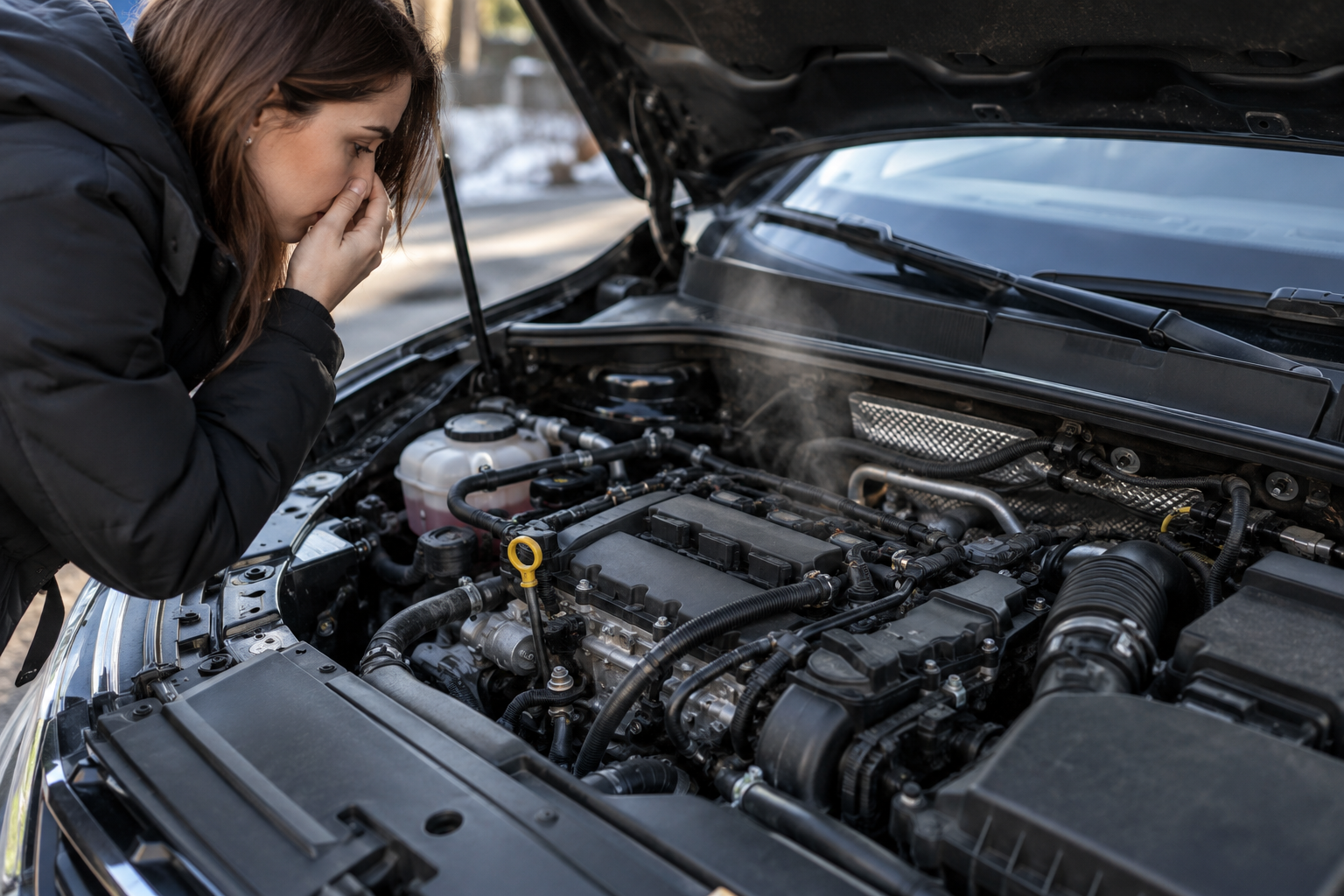
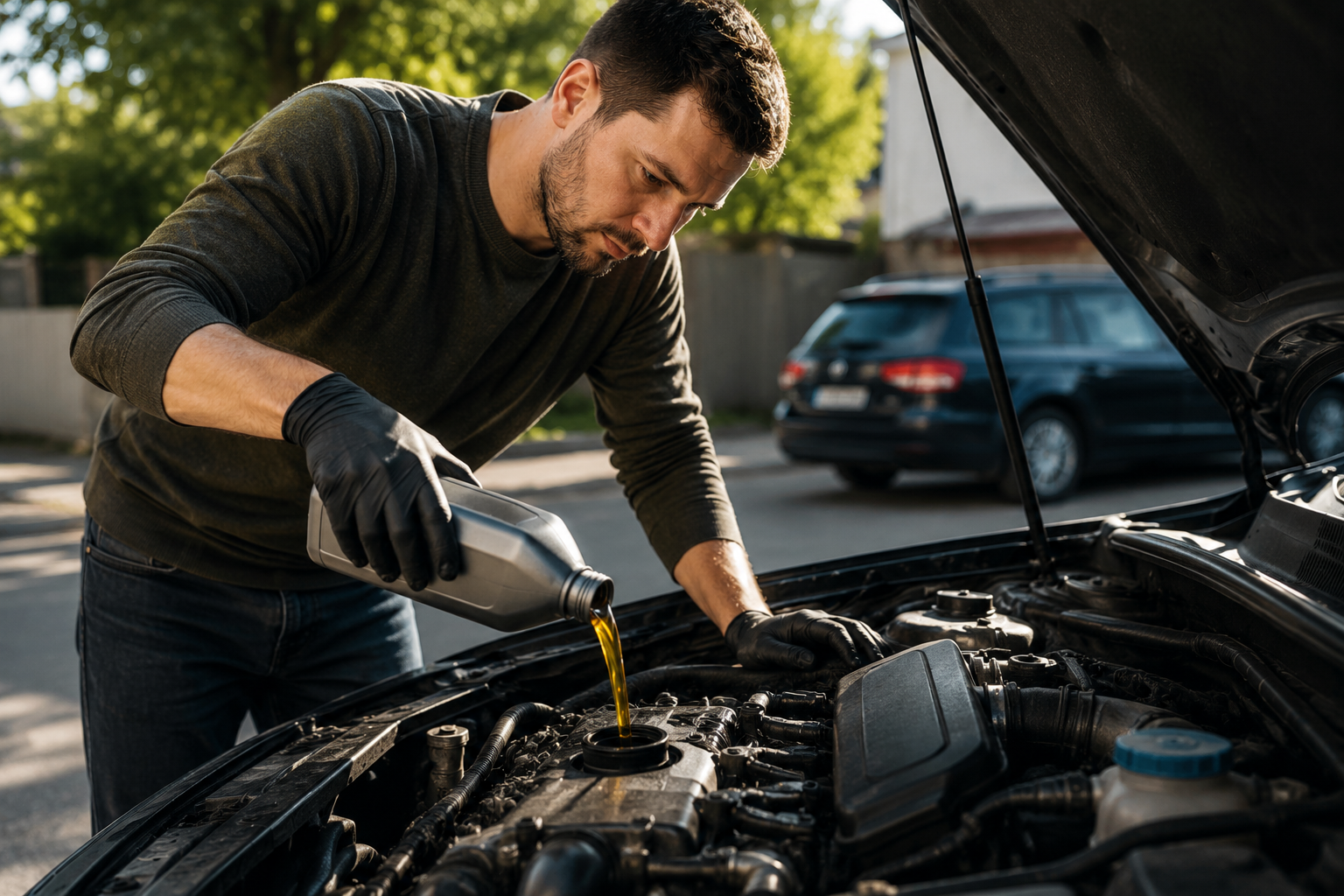
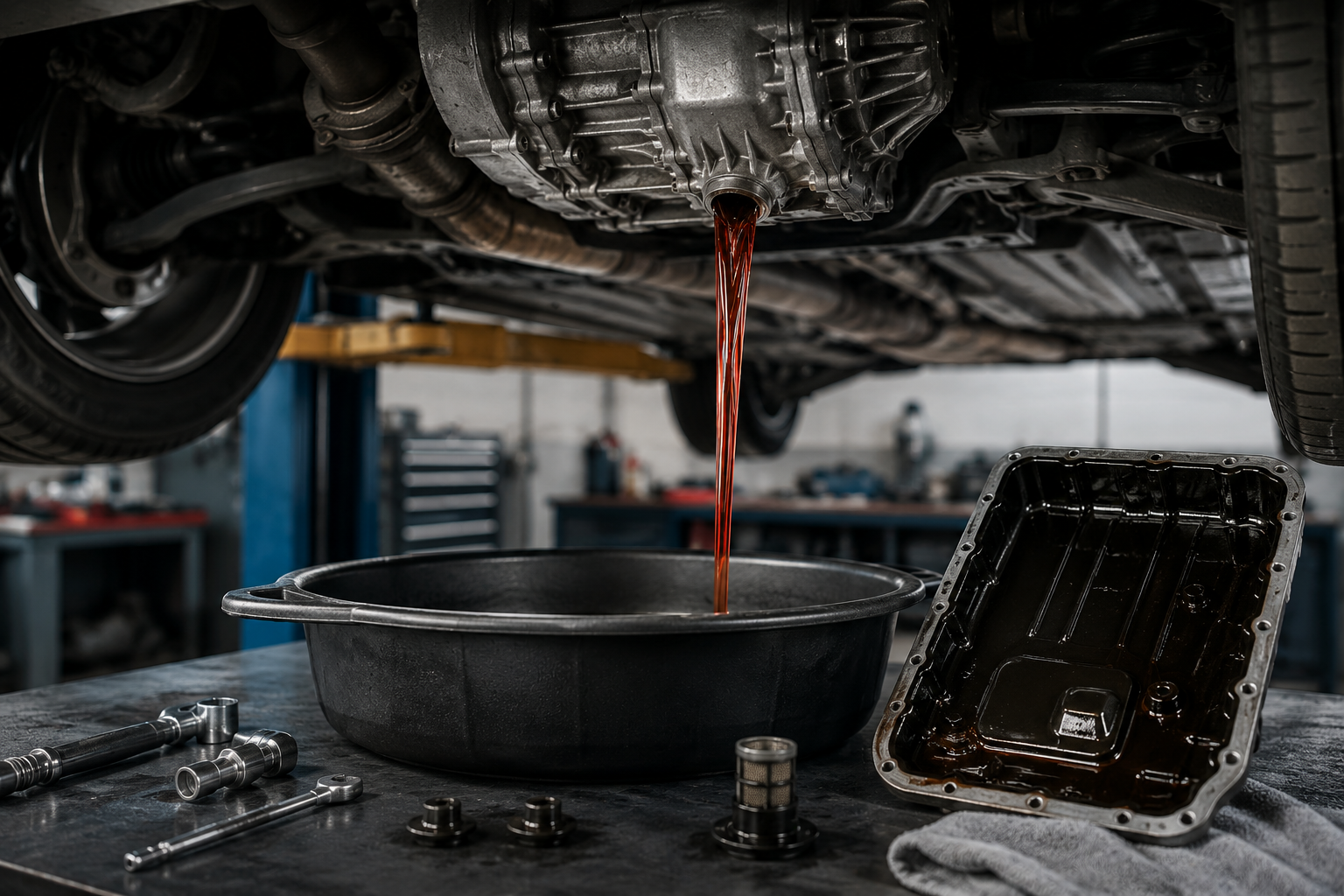
A coolant or oil leak sometimes goes unnoticed for a long time. The driver only sees a small stain after parking or occasionally adds fluid without determining the cause of the loss.
However, it is not the amount of fluid leaking that is important, but its role in the system. When the coolant level drops, the reserve for normal heat dissipation decreases. If the engine starts to overheat, the consequences may not only affect the cooling system.
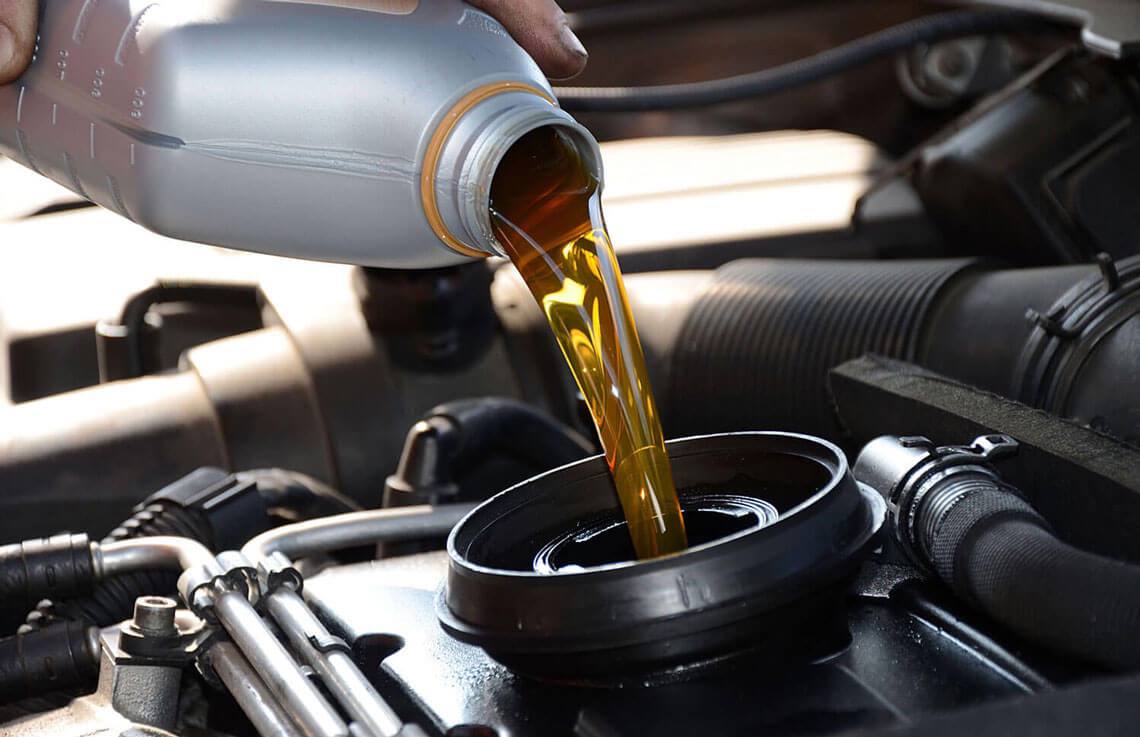
With oil, the risk is associated with insufficient lubrication of parts. When the level drops below the required level or the oil does not meet the engine’s requirements for a long time, friction between the contacting surfaces increases and their wear accelerates.
That is why postponing car repairs based on the principle of “don’t touch it while it’s running” is dangerous: a small leak under certain conditions can ultimately lead to repair of the unit itself.
Electrical and bodywork: moisture gradually increases the scale of the problem
Electrical faults can also develop over time. Damaged insulation, poor contact, or moisture ingress may initially cause only a periodic error. Later, oxidation of the contacts increases the resistance of the connection, and instability can spread to other parts of the electrical circuit.
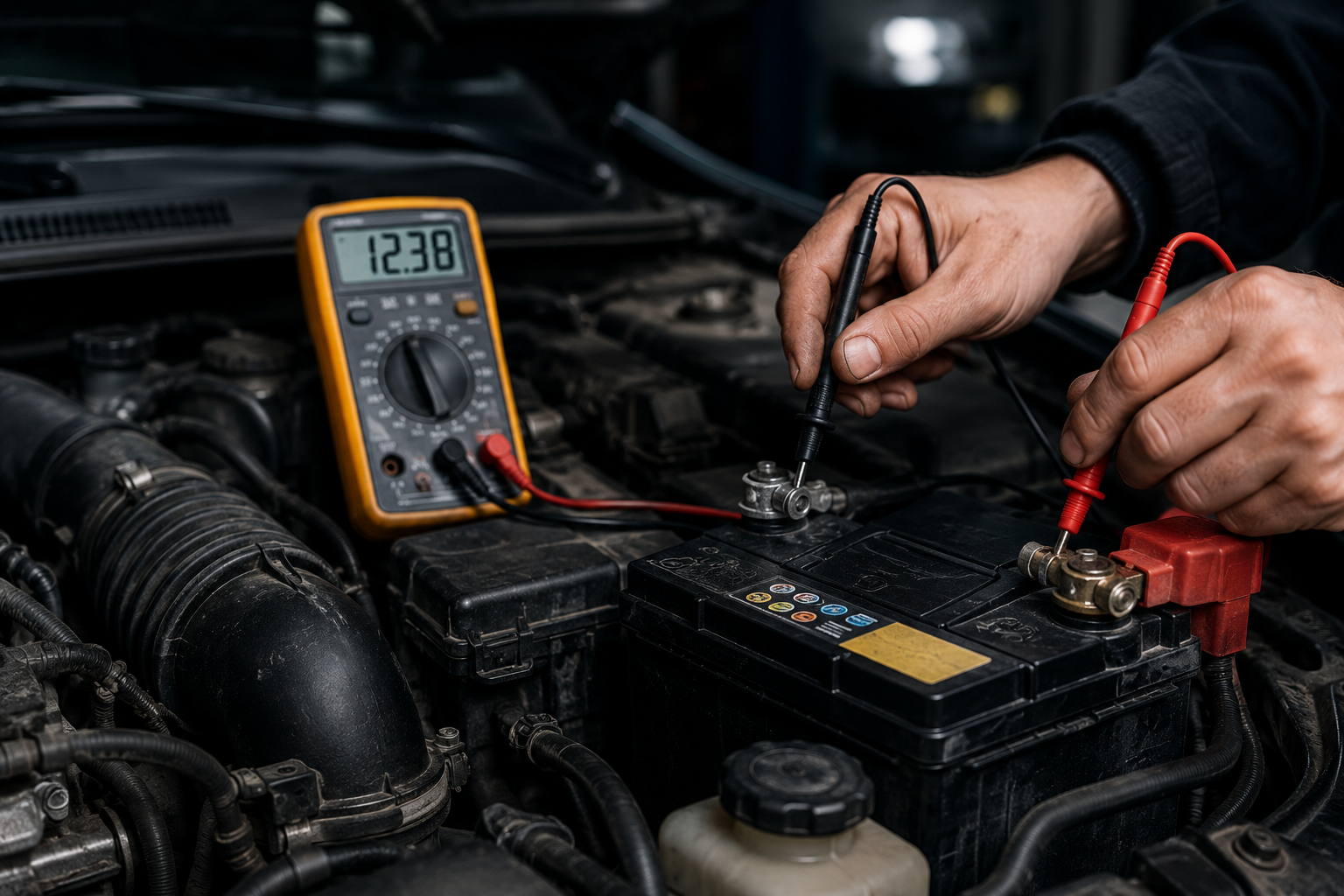
Problems with the battery, wiring, or connectors should not be judged solely by whether the car starts. Unstable voltage or poor contact may indicate incorrect operation of individual systems.
A similar process occurs with the body. A small damage to the paintwork opens up moisture access to the metal. If the defect is not protected, corrosion spreads deeper. Then local surface restoration may not be enough – you will need to clean the metal, repair the damaged area and re-protect it.
What jobs should not be postponed?
Not every fault needs to be fixed on the same day. Some work can be scheduled if the defect does not affect safety, does not develop quickly, and does not create additional load on other components.
Instead, it is especially undesirable to postpone problems related to:
- braking and steering;
- overheating or loss of coolant;
- low level of lubrication or active leakage;
- strong backlash or destruction of suspension elements;
- damaged wiring near heat sources or moving parts.
If a car is left without proper maintenance for a long time, this does not mean that it will immediately fail. However, the lack of wear control gradually reduces the life of parts. Timely diagnostics are not always necessary for immediate replacement of a component – sometimes it allows you to understand whether the problem remains local. The earlier this is established, the more chances there are to limit yourself to a smaller amount of repair.
Top popular news
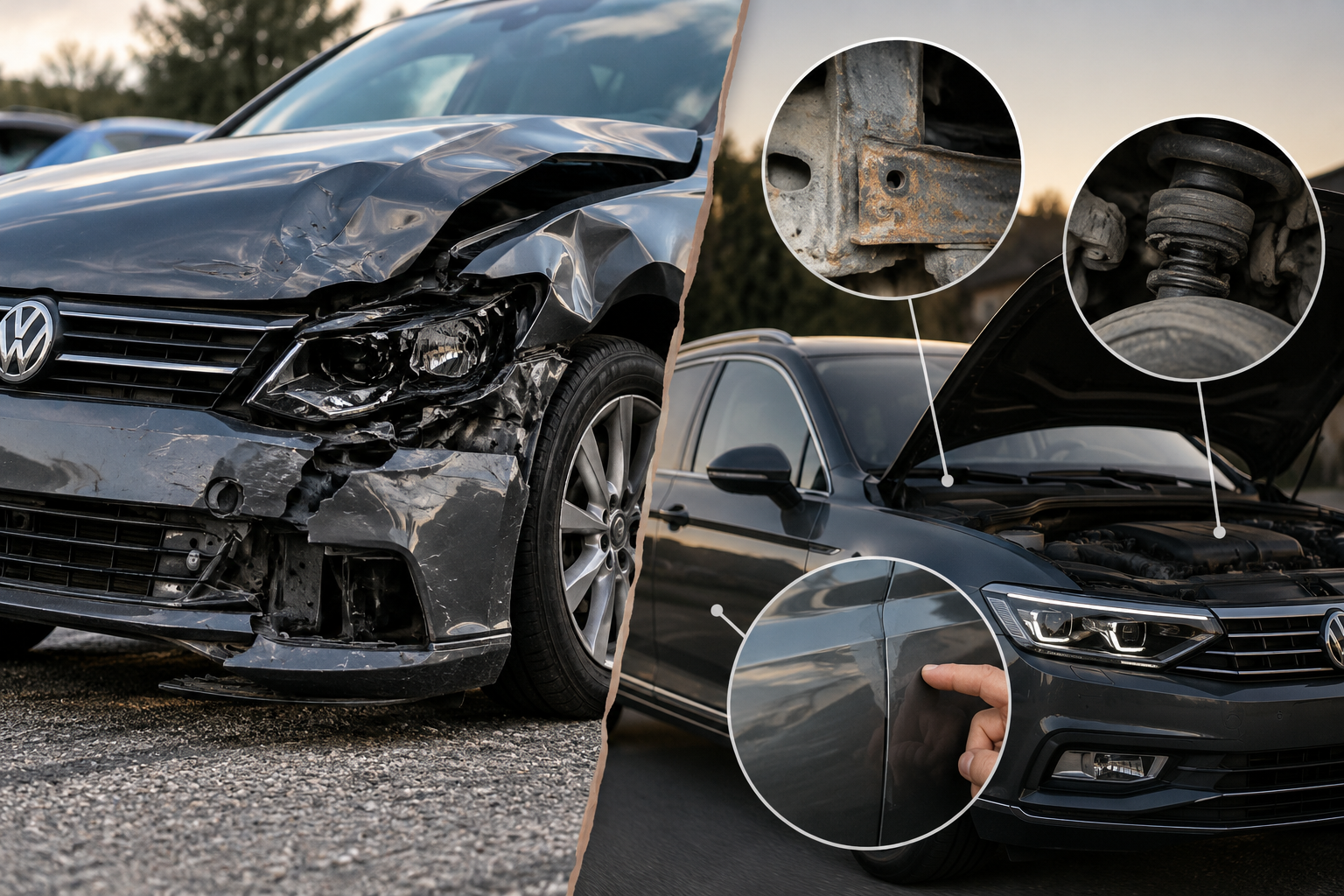
- Buying a VAG after an accident: what problems may appear after a few months of operation
- Fuel consumption has increased for no apparent reason: what malfunctions can be hidden behind the extra liters
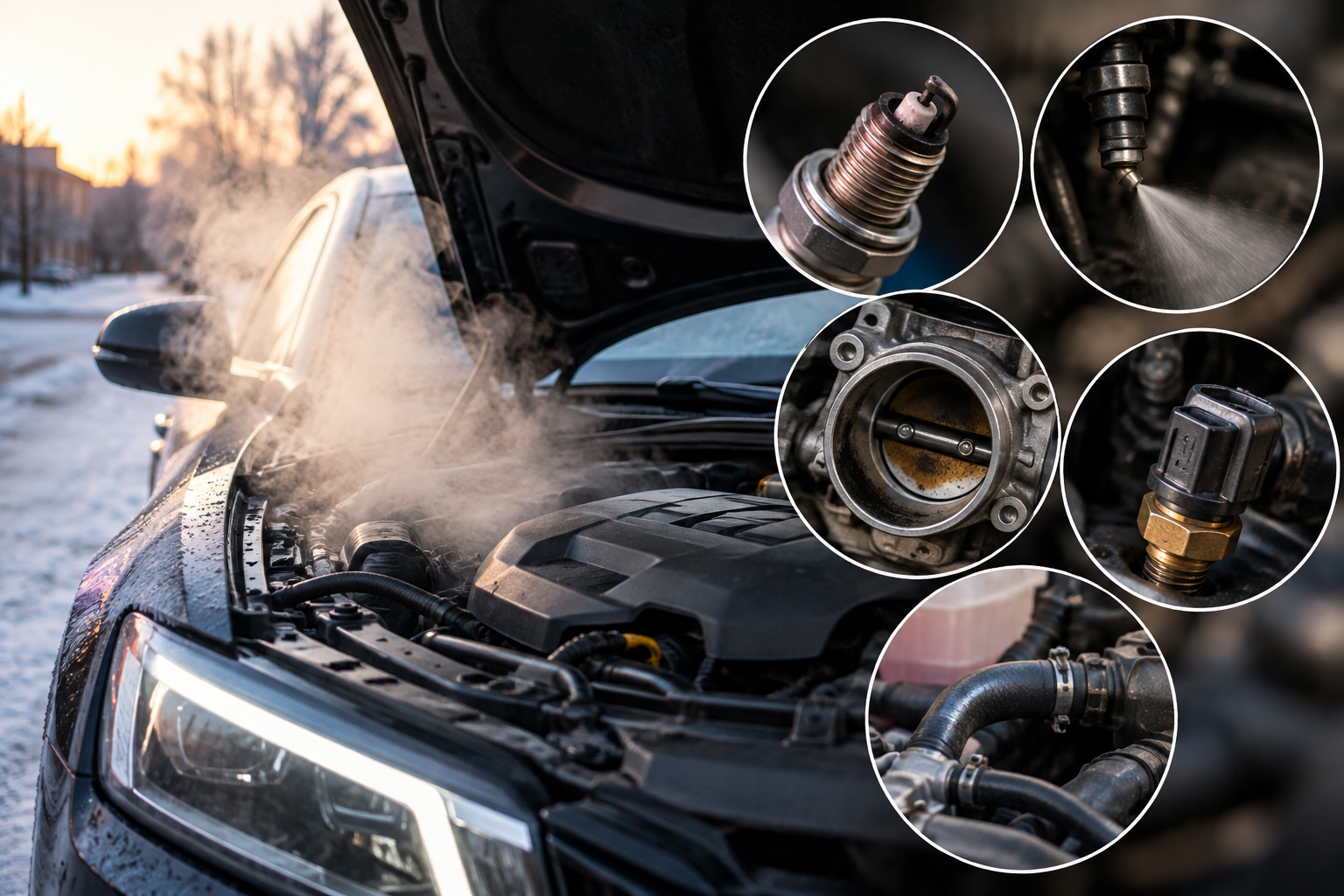
- Why does the engine run unevenly only in the first few minutes after starting?
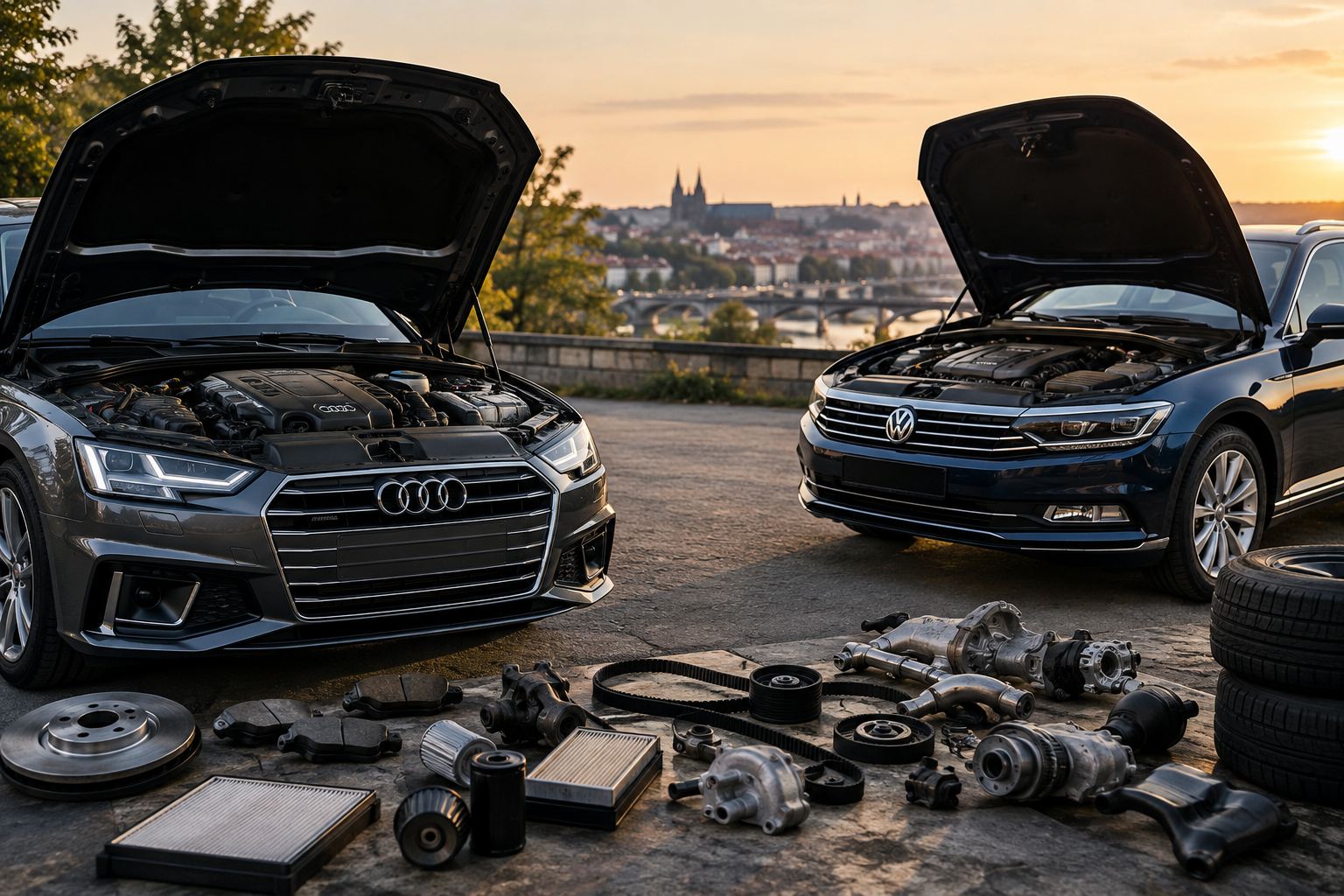
- Audi A4 or Volkswagen Passat: which is more profitable to maintain after 150 thousand km
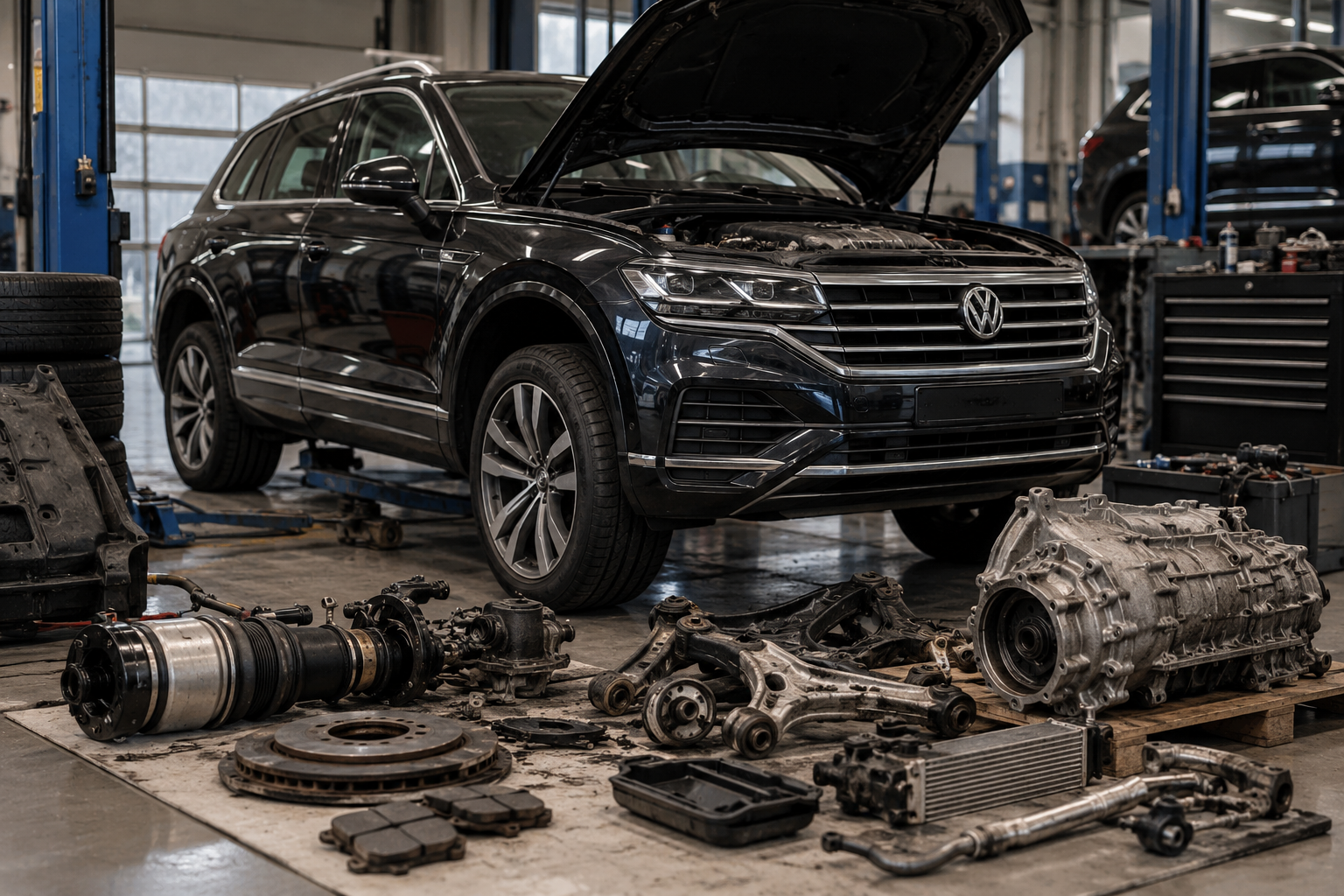
- Volkswagen Touareg with mileage: what expenses most often come as a surprise to the owner
- The car started stalling after refueling: an accident or a problem with the fuel system
- Why the engine may perform worse after short city trips
- Winter diesel: what happens to the fuel system during severe frost

Subscribe to our newsletter!
To stay updated with the latest news

Book a service